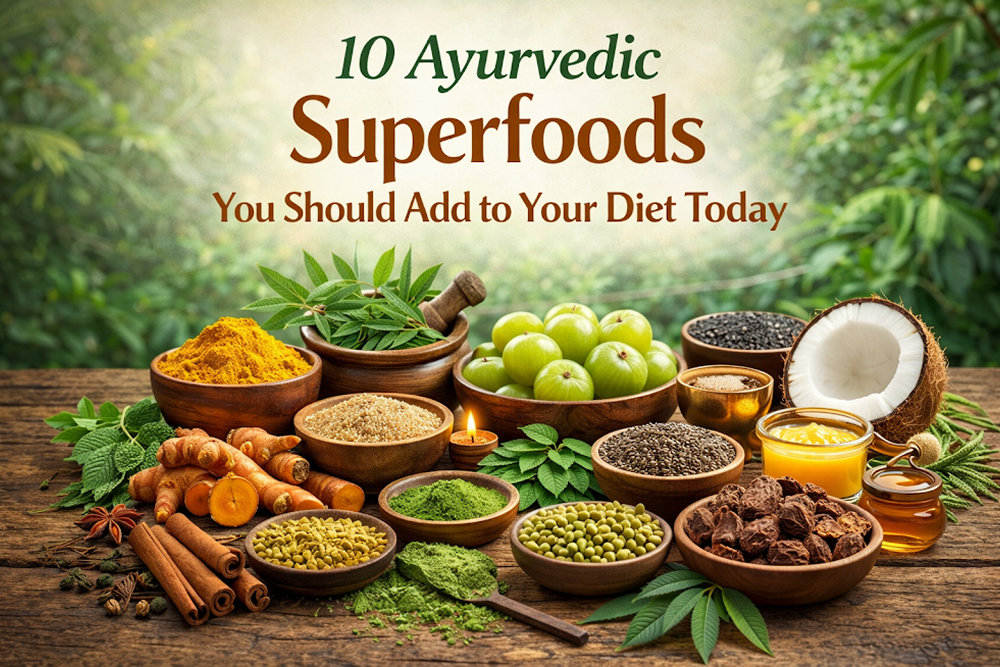
Modern lifestyles have made people more conscious about what they eat and how food affects their overall well-being. Across the world, more individuals are rediscovering the wisdom of Ayurveda Treatment, an ancient Indian system of holistic health that emphasizes balance in diet, lifestyle, and mind. One of the most effective ways to improve health, according to Ayurveda, is by incorporating nutrient-dense superfoods into your daily routine.
If you are looking for simple ways to improve energy, digestion, immunity, and long-term health, learning about “10 Ayurvedic Superfoods You Should Add to Your Diet Today” is a great place to start. These foods have been used for centuries in Ayurvedic traditions and are known to support digestion, strengthen immunity, and help manage lifestyle diseases naturally.
At Ayurhealing, Ayurvedic doctors often emphasize the importance of food as the first step toward healing. According to Ayurvedic philosophy, food is not merely fuel; it is medicine that shapes the body and mind.
Understanding Ayurveda and the Importance of Food
Ayurveda teaches that every individual has a unique constitution called Prakriti, which is governed by three energies known as Vata, Pitta, and Kapha doshas. The food we eat directly influences these doshas, affecting digestion, metabolism, immunity, and mental clarity.
A balanced Ayurvedic diet food list typically includes fresh vegetables, whole grains, herbs, spices, and nutrient-rich superfoods that nourish the body without creating toxins (known as Ama). When digestion is strong and food is chosen wisely, the body maintains natural balance.
One of the most powerful principles of Ayurveda is simple:
When digestion improves, health improves automatically.
What Are the Superfoods in Ayurveda?
When people ask, “What are the superfoods in Ayurveda?” the answer goes far beyond trendy health foods. Ayurvedic superfoods are ingredients that have been used for centuries because of their ability to nourish tissues, improve digestion, strengthen immunity, and support long-term vitality.
Unlike modern superfood trends, Ayurvedic superfoods are deeply rooted in traditional dietary practices. They are often included in everyday Ayurvedic food recipes and seasonal meal plans. These foods are rich in antioxidants, essential nutrients, and healing properties that help the body adapt to stress and prevent chronic illness.
Best Ayurvedic Superfoods to Include in Your Daily Diet
1. Turmeric – The Golden Healer
Turmeric is one of the most celebrated herbs in Ayurveda. Known for its anti-inflammatory and antioxidant properties, turmeric supports immune health, digestion, and joint function.
Benefits of turmeric:
- Helps reduce inflammation
- Supports liver detoxification
- Improves digestion
- Strengthens immunity
Many Ayurvedic doctors recommend adding turmeric to warm milk, soups, or vegetable dishes for daily health support.
2. Amla (Indian Gooseberry)
Amla is considered one of the most powerful rejuvenating foods in Ayurveda. It is extremely rich in vitamin C and supports immunity, digestion, and skin health.
Regular consumption of amla helps balance all three doshas and supports healthy aging. Amla juice, powders, and chutneys are commonly used in Ayurvedic diet food lists for maintaining vitality.
3. Ghee – The Ayurvedic Superfood Fat
Contrary to common misconceptions, ghee is highly valued in Ayurveda as a nourishing fat. When used in moderation, it improves digestion, supports brain health, and enhances nutrient absorption.
Ghee is considered one of the best foods as per Ayurveda because it:
- Supports healthy digestion
- Nourishes body tissues
- Improves memory and concentration
- Balances Vata and Pitta doshas
4. Mung Beans
Mung beans are considered one of the easiest legumes to digest. They are often used in Ayurvedic cleansing diets and simple meals like khichdi, a traditional Ayurvedic dish.
Because of their light and nourishing qualities, mung beans are often included in diet charts according to Ayurveda.
5. Ashwagandha
Ashwagandha is a powerful adaptogenic herb used in Ayurveda to support stress management and overall vitality. Although often consumed as a herbal supplement, it is also considered a nourishing Ayurvedic superfood.
Regular use may support:
- Energy and stamina
- Stress reduction
- Immune system strength
6. Dates
Dates are naturally sweet and nourishing, making them a valuable superfood in Ayurvedic diets. They provide quick energy and support blood health.
Dates are particularly beneficial for individuals experiencing fatigue, weakness, or low energy levels.
7. Sesame Seeds
Sesame seeds are rich in calcium, iron, and healthy fats. Ayurveda values them for their warming properties and their ability to strengthen bones and support digestion.
They are often used in chutneys, laddus, and various Ayurvedic food recipes.
8. Coconut
Coconut is a cooling food that balances excess heat in the body. Coconut water, coconut milk, and fresh coconut are widely used in Ayurvedic cuisine.
It supports hydration, digestion, and skin health.
9. Ginger
Ginger is one of the most important spices in Ayurvedic cooking. It stimulates digestion, improves circulation, and helps prevent toxin accumulation.
Many Ayurvedic practitioners recommend consuming a small amount of ginger before meals to stimulate digestive fire (Agni).
10. Triphala
Triphala is a traditional Ayurvedic blend made from three fruits. It is widely known for supporting digestion, detoxification, and gut health.
Triphala is often recommended in Ayurvedic wellness programs for gentle cleansing and improved metabolism.
Ayurveda Breakfast: Starting the Day the Right Way
Many people ask, “What is Ayurveda breakfast?” In Ayurveda, breakfast should be warm, nourishing, and easy to digest.
A healthy Ayurvedic breakfast may include foods such as:
- Warm porridge with ghee and dates
- Herbal tea with ginger or turmeric
- Steamed fruits or lightly cooked vegetables
The goal is to start the day with foods that ignite digestion rather than overwhelm it.
Diet Chart According to Ayurveda
A typical diet chart according to Ayurveda focuses on balance rather than restriction. Meals are usually structured around seasonal foods and digestive strength.
An Ayurvedic day often follows this pattern:
- Warm breakfast that supports digestion
- A balanced lunch with grains, vegetables, and protein
- A light dinner to prevent digestive overload
Many Ayurvedic doctors recommend eating the largest meal during midday when digestion is strongest.
7-Day Ayurvedic Meal Plan for Better Health
A 7-day Ayurvedic meal plan usually includes a variety of seasonal vegetables, whole grains, and spices that support digestion and detoxification.
The plan may include foods like:
- Khichdi made with mung beans and rice
- Vegetable stews with digestive spices
- Herbal teas such as cumin-coriander-fennel tea
These meals help maintain digestive balance and support the body’s natural detox process.
Benefits of Superfoods in Lifestyle Diseases Management
Modern health challenges such as diabetes, obesity, hypertension, and digestive disorders are often described as lifestyle diseases. Ayurveda addresses these conditions by correcting diet, improving digestion, and balancing metabolism.
Including Best Ayurvedic Superfoods in daily meals may help:
- Improve digestion and metabolism
- Reduce inflammation
- Strengthen immunity
- Support healthy weight management
- Improve energy and mental clarity
At Ayurhealing, dietary guidance is often one of the first steps recommended for patients managing chronic conditions.
Ayurveda strongly believes that the right food can prevent disease before it begins.
Why Ayurvedic Diets Are Gaining Popularity Worldwide
More people today are realizing that modern diets often lack balance and natural nourishment. Highly processed foods can weaken digestion and contribute to chronic illness.
Ayurvedic diets focus on:
- Fresh, seasonal foods
- Natural herbs and spices
- Balanced meals
- Mindful eating habits
These principles make Ayurveda highly relevant for modern health challenges.
How Ayurhealing Helps You Follow an Ayurvedic Diet
At Ayurhealing, doctors emphasize that every individual requires a personalized dietary approach. The right Ayurvedic diet food list depends on body constitution, health conditions, and lifestyle.
Patients often receive guidance on:
- Choosing the best food as per Ayurveda
- Planning balanced meals
- Managing lifestyle diseases with diet
- Creating sustainable eating habits
This personalized approach helps individuals build long-term health rather than relying on short-term diet trends.
Final Thoughts
Incorporating Ayurvedic superfoods into your diet is one of the simplest and most powerful steps toward better health. These time-tested ingredients nourish the body, strengthen digestion, and help maintain balance in everyday life.
If you are looking to improve your diet naturally, following Ayurvedic principles and consulting experts at Ayurhealing can help you build a lifestyle that supports long-term wellness.