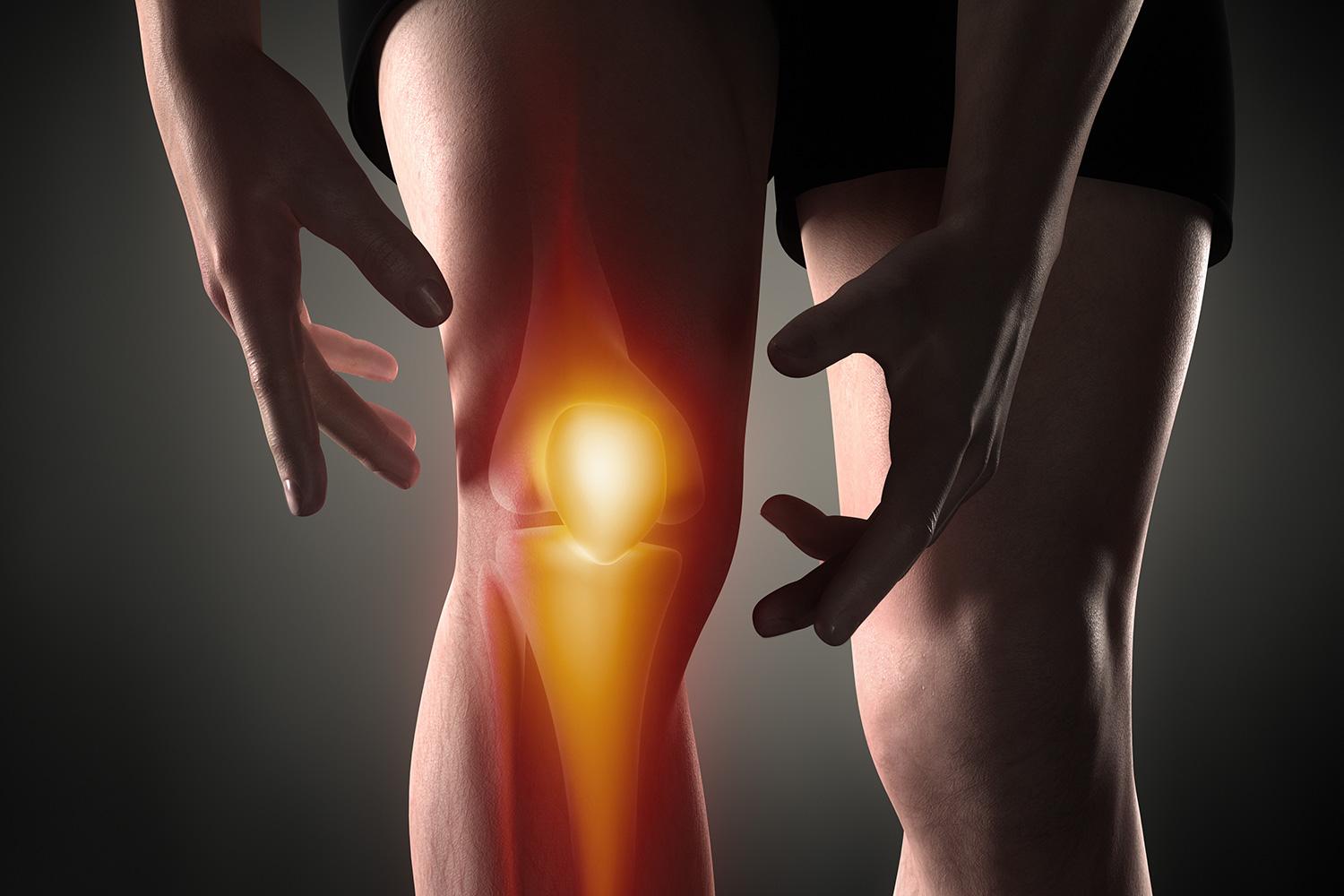
Many people feel pain in their joints and become too achy when the temperature drops. It is not just a trick played by your mind. There are other scientific reasons behind this. When the barometric pressure drops during the winter season, the inflamed areas of the body swell. And this irritation in the nerves grows into pain. Thus, it is very much essential to soothe these stiff joints, especially during the wintertime. The following tips can be used if you suffer from a chronic joint pain from an injury, arthritis, or other reasons. At Ayurhealing, we provide Ayurveda Treatment for knee pain in Bangalore.
As we get older, the amount of knee pain increases, mainly caused by arthritis. Osteoarthritis is one of the most common forms of arthritis in the knees, which is due to the inflammation of one or more joints. A lot of wear and tear happens due to daily living and physical activity for people above 50. Pain, stiffness, and swelling are the main symptoms found in arthritis. This article will give the home remedies and Ayurvedic remedies available to get back strong and healthy knees.
What is Osteoarthritis?
Osteoarthritis is a chronic condition where the cartilage cushioning the bone ends loses its elasticity and wears away. Thus, the bones begin to rub against each other without this protective cartilage. It leads to inflammation, stiffness, and loss of movement at the end. The conventional therapies focus on pain reduction and inflammation. But they have no effect on the root cause of the disease.
The common medications prescribed are moderately effective. These treatments have some side effects as well. Some of these treatments can be risky or life-threatening. The ultimate treatment would be a joint replacement, which is costly and risky.
The common symptoms of arthritis range from minor discomfort to sometimes debilitation. For people with advanced osteoarthritis, the effects are both physical and emotional. Because it limits their ability to work or participate in regular daily activities. We also provide psoriatic arthritis treatment
Ayurvedic Joint Pain Treatment
Ayurveda is one of the oldest systems of medicine, originating in India. It works by using the herbs found in nature to cure all illnesses. Knee and Joint pain can also be permanently cured through Ayurveda. According to Ayurveda, ‘vata dosha’ is the sole reason for joint and knee pain. This way of treatment works for all age groups. The specialty of Ayurveda and Ayurhealing is that the root cause of the illness is found and treated. Thus, it avoids the recurrence of the disease to a great extent.
Check out the video – Dr. Mini Nair talks about How to avoid knee pain in winter.
Ayurveda Treatment for Knee Pain
The following are the most widely followed remedies that help in reducing knee pain.
Boswellia:
Boswellia has been proven to be effective against joint pain. It blocks an enzyme that plays a major role in stimulating and perpetuating the inflammation. Boswellia, along with Turmeric, Ashwagandha, and zinc, decreases joint pain. It also helps in increasing the strength and mobility of the individual.
Turmeric:
Turmeric, a spice commonly used in East and South Asian cooking, has medicinal properties as well. It is used orally in traditional Ayurvedic medicines for a variety of ailments. Most of the cure is for inflammation-related diseases. Curcumin, the active ingredient in turmeric, has been shown to produce anti-inflammatory enzymes like lipo-oxygenase and cyclooxygenase. This disrupts the inflammatory cascade at multiple stages. It also protects the stomach from the non-steroidal anti-inflammatories.
Banyan:
The Banyan tree has a sap that looks similar to rubber. This sap can be applied externally over the joints and painful areas. The pain subsides and gradually disappears after applying it a few times.
Ashwagandha:
Ashwagandha, commonly known as winter Cherry, is another Ayurvedic herb. It has a lot of therapeutic properties. It is very much preferred for knee joint problems. It’s known for its anti-inflammatory effects.
The extract of this herb has been proven to suppress the creation of pro-inflammatory molecules. It includes TNF-alpha and interleukin subtypes. Ashwagandha’s healing effects are comparable to the steroid hydrocortisone.
Garlic:
Four to six cloves of garlic eaten daily are proven to be effective against knee pains that occur during winter.
Ginger:
Ginger, when taken in small amounts regularly, will benefit health and goes a long way toward curing knee problems. Ginger works as an anti-inflammatory. It interferes with an enzyme called cyclooxygenase, which produces the inflammatory chemicals in the body. Research shows that ginger has a beneficial effect on OA, especially for knee pain.
Guggulu
The herb Guggulu is a potent inhibitor of the enzyme NFKB. This helps in regulating the body’s inflammatory response. Several studies have shown decreased inflammation and reduced swelling after using Guggulu resin.
Shatavari
Shatavari is an Ayurvedic herb that provides a cooling, soothing, and lubricating effect on the knees and the body. It is effective against the inflammatory chemicals IL-1β and TNF-alpha in the body.
General Tips to Avoid Knee Pain
1. Exercise indoors to loosen the joints:
With automated machines coming for all the manual chores, we have become more inactive. You can check the amount of work you do at home. It becomes even less on weekends. Thus, a few stretching exercises, weight lifting exercises, or a casual walk around the home is a must. It’s easy to do, and no costly equipment is needed.
2. Wear warm clothes when you go outside.
This is one of the simplest things you can do when it’s cold outside. Bundle up the areas of your body that can get stiff- knees, hands, and feet. Wear socks and thick gloves, and leg warmers to cover and protect the achy parts of the body. Also, keep your core warm by using warm sweaters and jackets, long pants, and scarves.
Related post: Ayurvedic Treatment & Lifestyle Correction for Your Back Pain