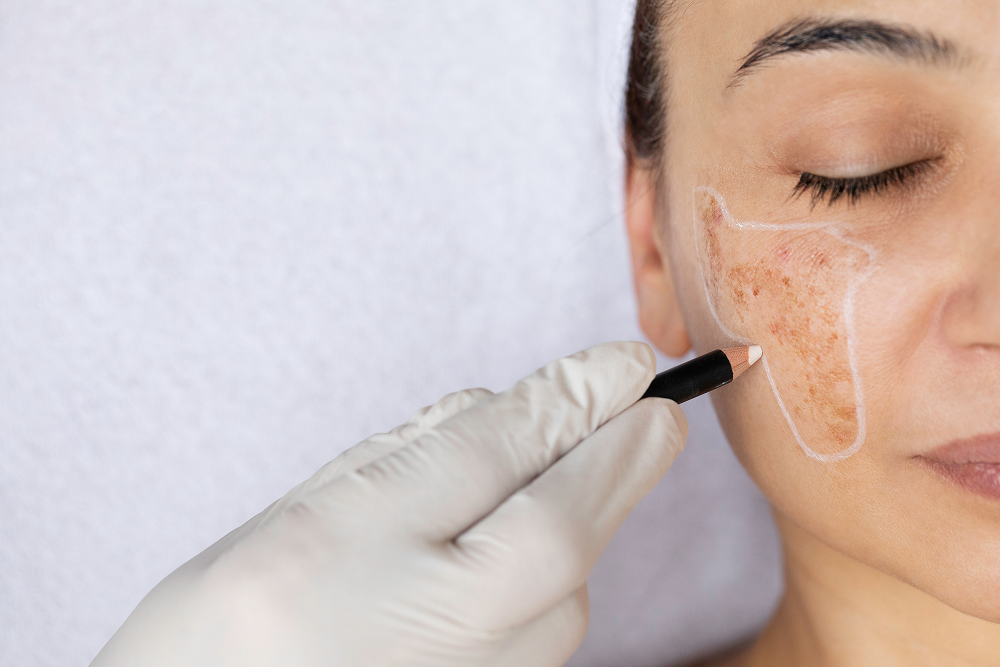
Ayurvedic skin whitening treatment in Bangalore is increasingly searched by people looking for natural approaches to dullness, pigmentation, tanning, dark spots, and uneven skin tone. Ayurveda traditionally focuses on supporting healthy skin through personalised care, appropriate diet, lifestyle habits, herbal preparations, and external therapies. Rather than promising to change your natural complexion, Ayurvedic skin care aims to support clearer, healthier-looking, and more even-toned skin. If pigmentation or skin discolouration is persistent, understanding its underlying cause is important before choosing any treatment. At Ayurhealing, Ayurvedic skin care is approached according to individual needs and overall health.
Understanding Skin Tone, Pigmentation and Skin Health
Skin colour is naturally influenced by genetics and melanin, the pigment responsible for the colour of the skin, hair, and eyes. Uneven pigmentation can develop for several reasons, including sun exposure, hormonal changes, acne, inflammation, ageing, and certain medications.
This is why Ayurvedic skin whitening treatment should not be understood as a method for changing someone’s natural skin colour. A more realistic goal is to support healthy skin and address concerns such as tanning, dullness, pigmentation, and uneven appearance.
For example, someone experiencing dark marks after acne may need a different approach from someone whose main concern is sun-related tanning. Similarly, facial pigmentation associated with hormonal changes may require professional evaluation.
Healthy skin is not defined by how fair it is. The focus should be on skin health, an even appearance, and addressing the factors contributing to pigmentation.
How Ayurveda Approaches Skin Care
Ayurveda views the skin as an important reflection of overall health. Traditional Ayurvedic care considers factors such as digestion, diet, sleep, daily routine, stress, environment, and individual constitution.
An Ayurvedic practitioner may therefore look beyond the skin itself when developing a treatment plan. Your food habits, lifestyle, existing health concerns, and skin history can all be relevant.
This holistic approach may include Ayurvedic skin care, dietary recommendations, lifestyle changes, herbal preparations, and suitable external therapies.
The exact treatment should be personalised rather than based on a generic home remedy or a single herbal product.
Ayurvedic Lifestyle for Healthier-Looking Skin
Daily habits can have an important role in maintaining healthy skin. Adequate sleep, balanced nutrition, regular physical activity, stress management, and appropriate sun protection can all support general skin health.
An Ayurvedic lifestyle may encourage regular routines and freshly prepared, balanced meals suited to individual requirements.
Hydration is also important, although simply drinking excessive amounts of water does not automatically improve pigmentation. Skin care should be approached as part of overall health rather than relying on one particular habit.
Ayurvedic Herbs for Healthy, Glowing Skin
Interest in Ayurvedic herbs for skin care has grown considerably. Traditional Ayurvedic practice uses a variety of herbs and plant-based ingredients in external preparations and formulations.
Depending on the individual’s needs, Ayurvedic practitioners may consider ingredients traditionally associated with skin care, such as turmeric, neem, sandalwood, aloe vera, and manjistha.
However, an herb being natural does not automatically make it suitable for every person or every skin type. Concentrated extracts can cause irritation or allergic reactions, particularly when applied directly to sensitive skin.
It is therefore better to use professionally recommended preparations rather than experimenting with strong herbal mixtures at home.
Turmeric
Turmeric is traditionally used in Indian skin-care practices and is valued for its antioxidant and anti-inflammatory properties. It is commonly incorporated into various traditional external preparations.
However, turmeric-based preparations can stain the skin temporarily and may irritate sensitive individuals.
Neem
Neem has a long history of traditional use in skin care. It is commonly associated with cleansing and maintaining healthy-looking skin.
Its suitability depends on the formulation and the individual’s skin sensitivity.
Manjistha
Manjistha is traditionally used in Ayurveda in formulations associated with skin health. Ayurvedic practitioners may consider it when developing personalised herbal care.
The appropriate formulation and method of use should be determined according to individual requirements.
Ayurvedic Remedy for Pigmentation
People often search for an Ayurvedic remedy for pigmentation, especially when dealing with dark patches, acne marks, or uneven skin tone.
There is no single Ayurvedic remedy that is appropriate for every type of pigmentation. The underlying cause should be considered first.
For example, pigmentation following acne may require an approach that also addresses acne and inflammation. Sun-related tanning requires consistent sun protection, while persistent or unusual pigmentation may require assessment by a dermatologist.
Ayurvedic care may complement a broader skin-care routine through appropriate diet, lifestyle recommendations, herbal preparations, and traditional therapies.
The most effective skin-care plan is one that addresses the cause of the concern rather than simply attempting to lighten the visible mark.
Ayurvedic Treatment for Tanning
Sun exposure can increase melanin production and lead to tanning. People searching for Ayurvedic treatment for tanning may be interested in traditional herbal skin-care methods.
Ayurvedic external therapies and herbal preparations may be incorporated into a personalised skin-care programme. However, preventing repeated sun exposure is equally important.
Using broad-spectrum sunscreen, wearing protective clothing, seeking shade, and limiting prolonged direct sun exposure can help reduce further tanning.
An Ayurvedic approach can therefore focus on supporting healthy skin while conventional sun-protection practices remain an essential part of care.
Ayurvedic Treatment for Dark Spots
Ayurvedic treatment for dark spots may involve a combination of external skin care and lifestyle guidance, depending on the reason for the pigmentation.
Dark spots can develop after acne, inflammation, sun exposure, insect bites, or other skin injuries. Because the cause varies, treatment should also vary.
At Ayurhealing, an Ayurvedic practitioner can assess the individual’s skin concerns and determine whether an Ayurvedic skin therapy or herbal preparation is appropriate.
Persistent, rapidly changing, painful, bleeding, or unusual dark spots should be evaluated by a dermatologist rather than treated solely with home remedies.
Mukha Lepam in Ayurvedic Skin Care
Mukha Lepam is a traditional Ayurvedic external therapy involving the application of specially selected herbal pastes or preparations to the face.
Depending on the formulation, traditional Ayurvedic practitioners may use Mukha Lepam as part of facial skin care for concerns such as dullness, uneven appearance, and certain pigmentation-related concerns.
The ingredients and preparation should be selected according to the person’s skin type and treatment requirements.
Mukha Lepam should not be confused with a cosmetic facial. It is a traditional Ayurvedic procedure that should be performed using appropriate formulations and professional guidance.
Ayurvedic Face Treatment and Skin Therapy
An Ayurvedic face treatment may combine traditional external applications with personalised lifestyle and dietary recommendations.
Similarly, Ayurvedic facial treatment can be considered when a practitioner believes that external Ayurvedic care is appropriate for the individual’s skin concerns.
The purpose should be to support healthy-looking skin rather than promise permanent fairness.
An Ayurvedic skin therapy programme may include different approaches depending on whether the individual is concerned about pigmentation, tanning, dryness, acne-related marks, or general dullness.
Acne Treatment and Pigmentation
Acne and pigmentation are often connected. Inflammation from acne can leave darker marks after the original spot has healed. These marks may take time to fade.
Therefore, acne treatment and pigmentation care may need to be considered together.
Avoiding excessive scrubbing, picking, or squeezing acne, and using suitable skin-care products can help prevent additional irritation.
If acne is persistent, severe, painful, or leaving significant scars, professional dermatological evaluation may be appropriate alongside any complementary Ayurvedic care.
What About Ayurvedic Cream for Pigmentation?
Searches for ayurvedic cream for pigmentation are common, but consumers should be careful when choosing over-the-counter products.
A cream marketed as Ayurvedic may contain multiple herbal ingredients, and individual products can vary considerably in formulation and quality.
Before applying a new product to the face, check its ingredients and follow professional advice if you have sensitive skin, allergies, active acne, eczema, or another skin condition.
Avoid products that promise instant fairness or dramatic skin-lightening results.
A healthy skin-care programme should prioritise safety and long-term skin health.
Choosing an Ayurvedic Clinic in Bangalore
If you are searching for an Ayurvedic clinic in Bangalore for pigmentation or skin care, consider the practitioner’s qualifications and consultation process rather than choosing a clinic solely because it appears in search results.
A good consultation should involve understanding your skin history, lifestyle, existing conditions, medications, previous treatments, and specific concerns.
People looking for the Best Ayurvedic doctor for skin in Bangalore should also check whether the practitioner provides personalised recommendations rather than offering the same treatment to every patient.
For persistent or medically significant skin conditions, Ayurvedic care can be discussed alongside appropriate dermatological evaluation.
Ayurvedic Skin Care at Ayurhealing
At Ayurhealing, the approach to skin care focuses on individual requirements rather than a one-size-fits-all solution.
The treatment plan may consider lifestyle, diet, skin type, pigmentation concerns, acne history, and overall health before recommending suitable Ayurvedic care.
Traditional approaches such as Mukha Lepam or other Ayurvedic external therapies may be considered when appropriate.
The objective is to support healthy, clear, and balanced-looking skin while avoiding unrealistic promises about changing natural skin colour.
Ayurvedic skin care works best when it is personalised, consistent, and focused on long-term skin health.
Simple Ayurvedic-Inspired Skin Care Habits
You do not need a complicated routine to support healthier-looking skin. Simple habits can make a meaningful difference when followed consistently.
Choose a balanced diet containing a variety of vegetables, fruits, whole grains, legumes, nuts, and other nutrient-rich foods according to your dietary requirements. Maintain a regular sleep schedule and manage stress through appropriate activities such as yoga, breathing exercises, or meditation.
Most importantly, protect your skin from excessive sun exposure. Sunscreen and physical protection are particularly important if pigmentation or tanning is a concern.
Avoid repeatedly changing products or applying strong homemade mixtures to the face. Gentle, consistent skin care is generally preferable to aggressive attempts at rapid skin lightening.
Conclusion
Ayurvedic treatment for skin whitening is best approached as a broader programme for supporting healthy, clear, and even-looking skin rather than as a promise to change natural complexion.
Ayurvedic principles can be incorporated into skin care through personalised nutrition, healthy routines, appropriate herbal preparations, sun protection, and traditional therapies such as Mukha Lepam.
If you are experiencing pigmentation, tanning, dark spots, acne marks, or dullness, identifying the underlying cause is an important first step. A personalised consultation can help determine whether Ayurvedic skin care is suitable for your particular concern.
For people searching for Ayurvedic skin whitening treatment in Bangalore, Ayurvedic skin therapy, or an Ayurvedic face treatment, Ayurhealing provides an individualised approach focused on long-term skin health.
Healthy skin is about more than complexion-it is about caring for your skin safely, consistently, and holistically.