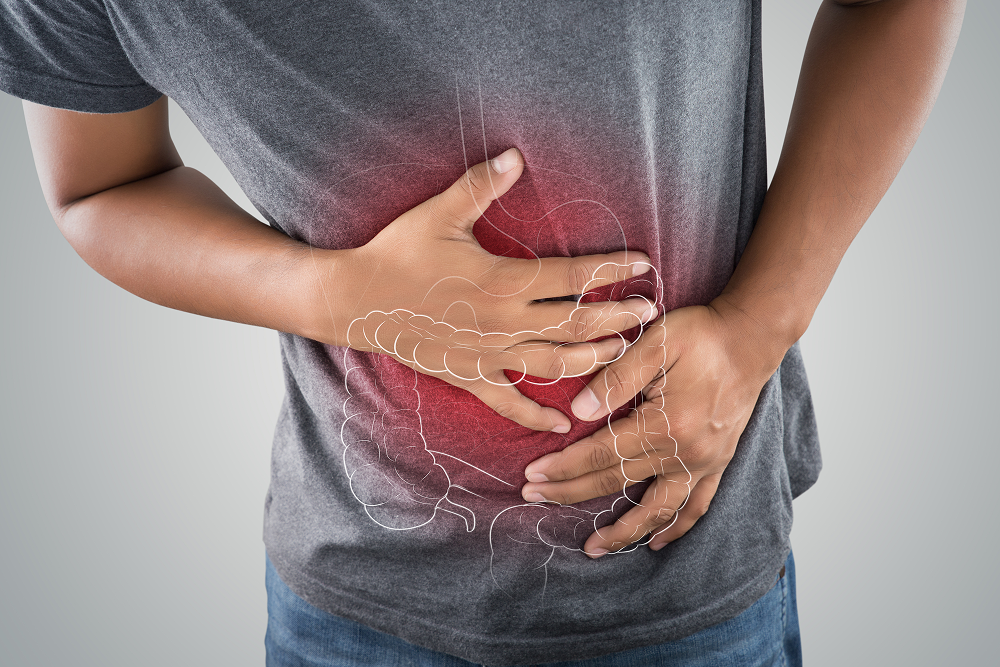
Have you ever finished a meal and immediately felt heavy, bloated, or uncomfortable? You are not alone. Millions of people across India and the world struggle with digestive issues every single day. The good news is that Ayurvedic treatment for digestive problems offers a time-tested, natural path to lasting relief – one that goes far beyond just treating the symptoms.
Unlike modern medicine, which often focuses on managing discomfort through pills and antacids, Ayurveda digs deep into the root cause of your digestive trouble. Whether you are dealing with chronic acidity, irritable bowel syndrome (IBS), constipation, bloating, or an upset gut, Ayurveda has a personalised solution for you.
At Ayurhealing, we believe that a healthy gut is the foundation of overall well-being. Our experienced practitioners draw from classical Ayurvedic wisdom to help you achieve lasting digestive health, naturally and safely.
Understanding Agni (Digestive Fire) in Ayurveda
Before diving into tips, it is important to understand how Ayurveda views digestion. According to Ayurvedic philosophy, the entire digestive process is governed by a concept called Agni – literally meaning “digestive fire.” Agni is responsible for breaking down food, absorbing nutrients, and eliminating waste. When your Agni is strong and balanced, your body functions beautifully. When it is weak or disturbed, a cascade of digestive problems begins.
Ayurveda identifies four states of Agni:
- Sama Agni: Balanced and ideal digestive fire – food is processed efficiently.
- Vishama Agni: Irregular digestion, often linked to Vata imbalance – causes gas, bloating, and constipation.
- Tikshna Agni: Overactive digestion related to Pitta imbalance – leads to acidity, heartburn, and loose stools.
- Manda Agni: Sluggish digestion associated with Kapha imbalance – causes heaviness, nausea, and weight gain.
Understanding your Agni type is the first step toward personalised Ayurvedic treatment. A qualified Ayurvedic doctor can assess this during your consultation and recommend the most effective approach for your body.
How Dosha Imbalance Affects Your Digestion
Every individual has a unique constitution (Prakriti) made up of three bio-energies or doshas – Vata, Pitta, and Kapha. When these doshas fall out of balance due to poor diet, stress, irregular sleep, or lifestyle choices, your gut is usually the first place to feel it.
Here is how dosha imbalance and digestion are connected:
- Vata imbalance: Causes bloating, trapped gas, constipation, and irregular bowel movements.
- Pitta imbalance: Triggers acidity, heartburn, diarrhoea, and inflammation in the gut.
- Kapha imbalance: Results in slow digestion, heaviness after meals, mucus build-up, and low appetite.
Identifying your dominant dosha and correcting its imbalance is at the heart of effective Ayurvedic treatment. This is why a one-size-fits-all pill never truly solves digestive problems – your body is unique, and it deserves a unique approach.
Top Ayurvedic Tips to Fix Digestive Problems Permanently
The following tips are drawn from classical Ayurvedic texts and refined through thousands of years of clinical wisdom. When followed consistently, they can transform your gut health from the inside out.
1. Strengthen Your Agni with Warm Water and Ginger
One of the simplest and most powerful Ayurvedic remedies for digestion is starting your day with a glass of warm water. Add a few slices of fresh ginger or a teaspoon of ginger juice to further kindle your digestive fire. Ginger is one of the most celebrated Ayurvedic herbs for stomach problems – it reduces inflammation, stimulates digestive enzymes, and relieves nausea and gas naturally.
2. Use Triphala for Digestion and Gut Cleansing
Triphala for digestion is perhaps the most well-known Ayurvedic formulation for gut health. Made from three fruits – Amalaki, Bibhitaki, and Haritaki – Triphala acts as a gentle laxative, antioxidant, and gut tonic all in one. It:
- Regulates bowel movements without causing dependency
- Detoxifies and cleanses the intestinal tract
- Improves nutrient absorption and metabolism
- Balances all three doshas simultaneously
Take one teaspoon of Triphala powder with warm water at bedtime for best results. Always consult your Ayurvedic doctor before beginning any herbal supplement regimen.
3. Follow an Ayurvedic Diet That Matches Your Dosha
Food is medicine in Ayurveda. What you eat, when you eat it, and how you eat it all matter deeply for gut health. Some key dietary principles to follow:
- Eat freshly cooked, warm meals – avoid leftover, cold, or raw foods as much as possible.
- Do not overeat. Ayurveda recommends filling your stomach only two-thirds full.
- Eat your largest meal at noon when your digestive fire (Agni) is naturally at its peak.
- Avoid drinking ice-cold water during or immediately after meals – it extinguishes Agni.
- Include digestion-friendly spices like cumin, coriander, fennel, turmeric, and asafoetida (hing) in your cooking daily.
- Eat mindfully – no screens, no stress, and proper chewing.
These simple practices are at the core of how to improve digestion naturally – and they cost nothing except a little discipline.
4. Try Panchakarma for Digestive Disorders
For those with deep-seated or chronic digestive conditions, Panchakarma for digestive disorders is a highly effective detoxification and rejuvenation therapy. Panchakarma involves a series of medicated cleansing procedures that remove accumulated toxins (Ama) from the digestive tract and restore doshic balance. The key therapies include:
- Virechana (Therapeutic Purgation): Specifically targets Pitta-related digestive disorders like acidity, gastritis, and liver issues.
- Basti (Medicated Enema): Highly effective for Vata-related problems such as chronic constipation, IBS, and bloating.
- Abhyanga (Oil Massage): Stimulates the lymphatic system, reduces stress, and improves overall gut motility.
- Swedana (Herbal Steam Therapy): Opens channels, promotes detoxification, and improves circulation to digestive organs.
Panchakarma should always be performed under the supervision of a qualified Ayurvedic physician. At Ayurhealing, our expert team tailors every Panchakarma programme to the individual’s specific constitution and health condition.
5. Manage Ayurveda for Acidity and Gas Naturally
If you frequently suffer from burning sensations, sour belching, or gas, you are likely dealing with a Pitta imbalance. Ayurvedic treatment for acidity focuses on cooling and calming the digestive system rather than simply suppressing acid. Helpful remedies include:
- Drink a glass of cool (not cold) coconut water or buttermilk (takra) after meals.
- Chew on a small piece of jaggery after eating – it naturally neutralises excess acid.
- Amla (Indian gooseberry) is an exceptional herb for managing acidity and strengthening the gut lining.
- Avoid spicy, oily, and fermented foods that aggravate Pitta.
- Practice Sheetali Pranayama (cooling breath) daily to calm internal heat.
6. Natural Cure for IBS with Ayurveda
Irritable Bowel Syndrome (IBS) is one of the most frustrating digestive conditions to live with. A natural cure for IBS with Ayurveda addresses the nervous system, the gut microbiome, and the doshic imbalance all at once. Consistent use of Basti therapy, stress management through meditation and yoga, a warm Vata-pacifying diet, and personalised herbal formulations have shown remarkable results in IBS patients who follow Ayurvedic treatment diligently.
7. Establish a Daily Routine (Dinacharya)
A consistent daily routine – known as Dinacharya in Ayurveda – is one of the most underrated tools for gut health. When you eat, sleep, and wake at consistent times, your digestive system falls into a healthy rhythm. Here is a simple morning routine to support digestion:
- Wake up before 6:00 AM – ideally at sunrise.
- Drink 1–2 glasses of warm water immediately after waking.
- Perform tongue scraping to remove Ama (toxins) that accumulate overnight.
- Do 20–30 minutes of gentle yoga or walking to stimulate bowel movement.
- Eat a light, warm breakfast – avoid rushing your first meal.
These small, consistent habits create a profound difference in your gut health over time.
Finding the Best Ayurvedic Treatment in Bangalore for Digestive Problems
If you are in Bangalore and are looking for authentic, results-driven Ayurvedic care, you do not have to look far. The city is home to several well-established Ayurvedic institutions that provide classical treatment rooted in tradition. When looking for the best Ayurvedic clinic in Bangalore, consider these factors:
- Qualified doctors with a recognised Ayurvedic degree (BAMS, MD Ayurveda)
- Personalised consultation and pulse diagnosis (Nadi Pariksha)
- In-house Panchakarma facilities with trained therapists
- Use of authentic, quality-controlled herbal medicines
- Transparent treatment plans and regular follow-ups
Whether you are searching for the best Ayurvedic doctor in Bangalore or a trusted Siddha hospital in Bangalore that combines traditional wisdom with modern understanding, Ayurhealing is committed to guiding you toward the right care. Our team of experienced Ayurvedic physicians takes time to understand your complete health history, assess your dosha constitution, and build a treatment plan that works specifically for you.
Gut health in Ayurveda is never treated in isolation. At Ayurhealing, every treatment plan for digestive health also addresses sleep quality, mental stress, dietary patterns, and lifestyle – because true healing is always holistic.
When Should You Seek Professional Ayurvedic Help?
Home remedies work wonderfully for mild or occasional digestive complaints. However, there are situations where professional Ayurvedic treatment becomes essential. Consult a qualified Ayurvedic doctor if you experience:
- Persistent bloating, gas, or stomach pain lasting more than two weeks
- Alternating constipation and diarrhoea (often a sign of IBS)
- Chronic acidity or acid reflux that returns despite dietary changes
- Unexplained weight loss or loss of appetite
- Blood in stools or severe abdominal cramps
- Extreme fatigue linked to poor digestion and nutrient malabsorption
These symptoms indicate a deeper imbalance that needs structured Ayurvedic treatment – not just symptomatic relief. Early intervention always leads to faster, more complete recovery.
Final Thoughts: Heal Your Gut, Transform Your Life
Your digestive system is far more than just a food processor. In Ayurveda, it is the seat of health, energy, immunity, and even emotional well-being. When your gut is happy, you are happy – your energy improves, your mind becomes clearer, and chronic discomforts begin to fade.
The tips shared in this blog are a starting point – a window into what Ayurveda can offer. But true, lasting healing comes from a personalised plan designed around your unique constitution and health history. That is exactly what Ayurhealing is here for. Whether you are exploring Ayurvedic remedies for digestion for the first time or have been struggling with chronic gut issues for years, our team is ready to walk this healing journey with you.
Do not let digestive discomfort steal your joy any longer. Reach out to Ayurhealing today and take your first step toward a healthier, happier gut – the Ayurvedic way.