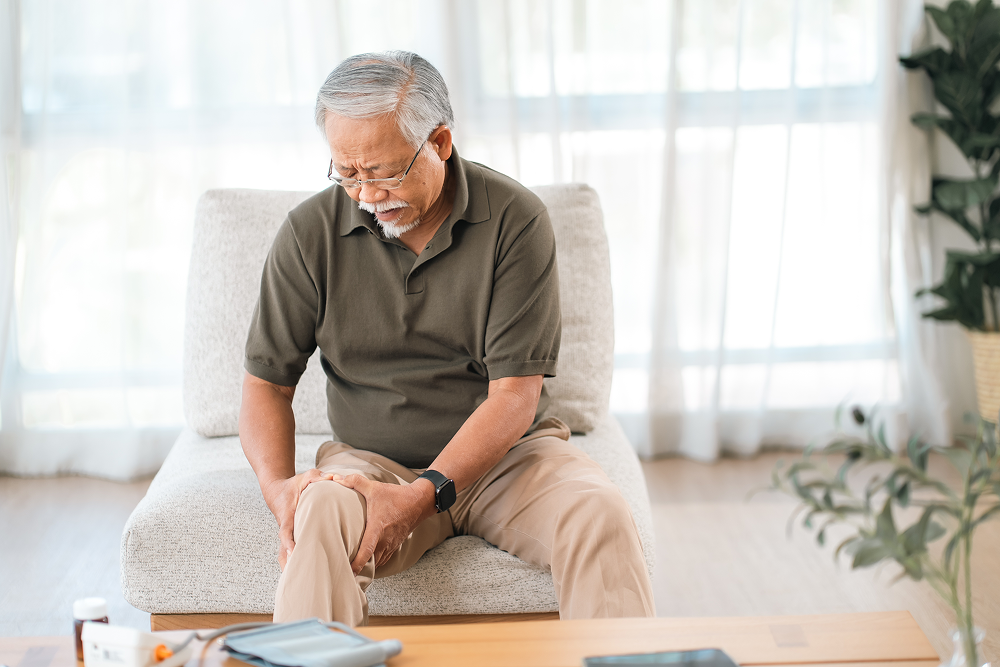
Knee pain can make even the simplest daily activities-walking, climbing stairs, sitting, or standing-feel difficult. If you’re looking for the best Ayurvedic treatment for knee pain in Bangalore, Ayurveda offers a natural, personalised approach that focuses on relieving pain, reducing inflammation, improving joint mobility, and supporting long-term joint health. Instead of merely masking symptoms, Ayurvedic treatment for knee pain aims to identify and address the root cause using time-tested therapies, herbal medicine, dietary guidance, and lifestyle modifications. Whether your discomfort is due to ageing, osteoarthritis, injury, or inflammation, Ayurveda provides a holistic pathway towards healthier joints and improved quality of life.
Understanding Knee Pain Through Ayurveda
Knee pain is one of the most common musculoskeletal problems affecting people of all age groups. While it is more prevalent among older adults, younger individuals may also experience knee pain due to sports injuries, obesity, prolonged sitting, or repetitive strain.
According to Ayurveda, knee pain is primarily associated with an imbalance in Vata Dosha, which governs movement, flexibility, and the nervous system. When Vata becomes aggravated, it causes dryness within the joints, leading to stiffness, pain, cracking sounds, and reduced mobility. Inflammatory conditions may also involve Pitta Dosha, while swelling and heaviness can indicate an imbalance in Kapha Dosha.
Rather than focusing only on the painful joint, Ayurveda evaluates the person’s body constitution (Prakriti), digestion (Agni), toxin accumulation (Ama), lifestyle, and overall health before recommending a customised treatment plan.
Common Causes of Knee Pain
Several factors can contribute to knee pain, including:
- Osteoarthritis
- Rheumatoid arthritis
- Sports injuries
- Ligament or meniscus injuries
- Obesity
- Calcium deficiency
- Age-related cartilage degeneration
- Poor posture
- Repetitive stress
- Previous fractures
Understanding the exact cause helps determine the most suitable knee pain treatment in Ayurveda.
Symptoms That Should Not Be Ignored
Persistent knee pain often develops gradually and becomes more severe over time. Early diagnosis allows for better treatment outcomes.
Common symptoms include:
- Pain while walking or climbing stairs
- Morning stiffness
- Swelling around the knee
- Difficulty bending the knee
- Clicking or grinding sounds
- Reduced flexibility
- Weakness in the affected leg
- Pain after prolonged sitting
If these symptoms continue for several weeks, consulting the best Ayurvedic doctor for knee pain near me can help prevent further joint damage.
Why Choose Ayurvedic Treatment for Knee Pain?
Unlike conventional treatments that often rely on painkillers or injections for temporary relief, Ayurveda aims to restore joint health naturally.
The primary goals of Ayurvedic treatment for joint pain include:
- Reducing inflammation naturally
- Improving lubrication within the joints
- Strengthening bones, muscles, and ligaments
- Improving circulation
- Correcting digestive imbalances
- Removing toxins (Ama)
- Preventing disease progression
This comprehensive approach makes Ayurveda particularly effective for chronic knee pain and degenerative joint conditions.
Ayurvedic Diagnosis for Knee Pain
Every patient undergoes a detailed assessment before treatment begins.
The Ayurvedic physician may evaluate:
Pulse Diagnosis (Nadi Pariksha)
This helps understand Dosha imbalance.
Medical History
Past injuries, arthritis, diabetes, obesity, and lifestyle habits are considered.
Joint Examination
The physician evaluates:
- Range of motion
- Swelling
- Tenderness
- Muscle strength
- Walking pattern
Digestive Health Assessment
Poor digestion often contributes to toxin accumulation that worsens inflammation.
This personalised diagnosis ensures that treatment targets the root cause rather than only the symptoms.
Ayurvedic Therapies for Knee Pain
One of the biggest advantages of Ayurveda is its combination of natural therapies designed to reduce pain while supporting joint repair.
Janu Basti
Janu Basti is one of the most recommended Ayurvedic therapies for knee pain. Warm medicated oil is retained over the affected knee using a dough ring.
Benefits include:
- Deep nourishment of joint tissues
- Reduced stiffness
- Improved flexibility
- Better lubrication
- Reduced pain
This therapy is especially beneficial for osteoarthritis.
Abhyanga
A full-body therapeutic oil application improves circulation, nourishes tissues, and helps reduce Vata imbalance.
Regular sessions can:
- Improve muscle flexibility
- Reduce joint stiffness
- Enhance blood circulation
- Support overall joint function
Pinda Sweda
This therapy uses warm herbal poultices applied over painful joints.
It helps:
- Relax muscles
- Improve circulation
- Reduce swelling
- Improve joint mobility
Panchakarma Therapy
Panchakarma treatment in Bangalore is often recommended for chronic joint disorders.
This detoxification process removes accumulated toxins while balancing the body’s natural functions.
Depending on the individual’s condition, Panchakarma may include therapies such as:
Many patients with chronic arthritis experience significant improvements after properly supervised Panchakarma treatment.
Herbal Medicine for Knee Pain
Herbal medicine plays an important role in Ayurvedic care. Carefully selected herbal formulations help support joint health, reduce inflammation, and improve mobility.
Depending on the individual’s condition, Ayurvedic physicians may recommend herbs traditionally used in joint care, such as:
- Ashwagandha
- Shallaki (Boswellia)
- Guggulu preparations
- Rasna
- Nirgundi
- Turmeric (Haridra)
- Ginger (Shunthi)
These herbs are prescribed only after assessing the patient’s overall health and should always be taken under the guidance of a qualified Ayurvedic doctor.
Ayurvedic Treatment for Osteoarthritis
Osteoarthritis is one of the leading causes of chronic knee pain, especially among older adults.
As cartilage gradually wears down, joints become painful and stiff.
Ayurvedic treatment for osteoarthritis focuses on:
- Balancing aggravated Vata
- Nourishing cartilage
- Improving joint lubrication
- Strengthening surrounding muscles
- Slowing further degeneration
- Enhancing flexibility
Patients who begin treatment early often experience better long-term outcomes.
Diet Recommendations for Healthy Knees
Nutrition plays a significant role in joint health.
Ayurveda encourages foods that help balance Vata while supporting healthy digestion.
Recommended foods include:
- Warm cooked vegetables
- Whole grains
- Sesame seeds
- Cow’s ghee in moderation
- Fresh fruits
- Green leafy vegetables
- Lentils
- Turmeric
- Ginger
Limit excessive intake of:
- Processed foods
- Cold beverages
- Deep-fried foods
- Excess sugar
- Packaged snacks
A personalised Ayurvedic diet can further enhance treatment outcomes.
Lifestyle Changes That Support Joint Health
Small daily habits can make a significant difference.
Patients are encouraged to:
- Maintain a healthy body weight
- Stay physically active
- Practise gentle stretching
- Avoid prolonged sitting
- Improve posture
- Sleep adequately
- Manage stress effectively
These lifestyle modifications complement Ayurvedic treatment for knee pain and help reduce the chances of recurrence.
Can Ayurveda Help Avoid Knee Replacement Surgery?
Many people believe surgery is the only option for chronic knee pain. While advanced joint damage may eventually require surgical intervention, many individuals with mild to moderate osteoarthritis can benefit from conservative management.
Through personalised therapies, herbal support, and lifestyle correction, Ayurveda may help:
- Reduce pain
- Improve mobility
- Delay disease progression
- Enhance daily function
- Improve quality of life
Early intervention generally provides the best results.
Why Choose Ayurhealing for Knee Pain Treatment?
If you are searching for Ayurvedic treatment near me, choosing an experienced and patient-focused centre is essential.
At Ayurhealing, patients receive personalised care based on classical Ayurvedic principles. Each treatment plan is designed after understanding the individual’s health condition, lifestyle, and treatment goals.
As a trusted Ayurveda & Siddha hospital in Bangalore, Ayurhealing combines traditional knowledge with evidence-informed practices to provide comprehensive joint care. Patients looking for Kerala Ayurvedic treatment Bangalore, joint pain treatment Bangalore, or the best Ayurveda hospital in Bangalore can benefit from customised therapies, experienced Ayurvedic physicians, and a holistic treatment approach that focuses on improving long-term joint function and overall well-being.
Conclusion
Knee pain should never be ignored, especially when it begins affecting your daily activities and overall quality of life. Rather than relying solely on temporary pain relief, Ayurveda focuses on understanding the underlying causes and supporting the body’s natural healing process. Through personalised therapies, carefully selected herbal medicine, Panchakarma, dietary guidance, and lifestyle modifications, many individuals experience improved mobility, reduced discomfort, and better joint health over time.
If you are looking for the best Ayurvedic treatment for knee pain in Bangalore, consulting experienced Ayurvedic physicians can help you receive a treatment plan tailored to your specific condition. Early care often leads to better outcomes and may help slow the progression of chronic joint disorders while promoting long-term wellness.