Key Takeaways
- Find the cause first: Hair fall may be linked to genetics, stress, nutritional deficiencies, hormonal changes, or scalp conditions.
- Understand Ayurveda’s role: Traditional Ayurvedic practices may support general wellbeing and scalp care, but evidence for hair regrowth is limited.
- Build healthy habits: Balanced nutrition, gentle hair care, adequate sleep, and stress management can support overall hair health.
- Check treatment safety: Ask about herbal ingredients, possible side effects, medicine interactions, and practitioner qualifications.
- Know when to seek help: Sudden, severe, persistent, or patchy hair loss deserves professional assessment.
- Choose care carefully: Compare providers based on qualifications, transparent advice, treatment suitability, and realistic expectations.
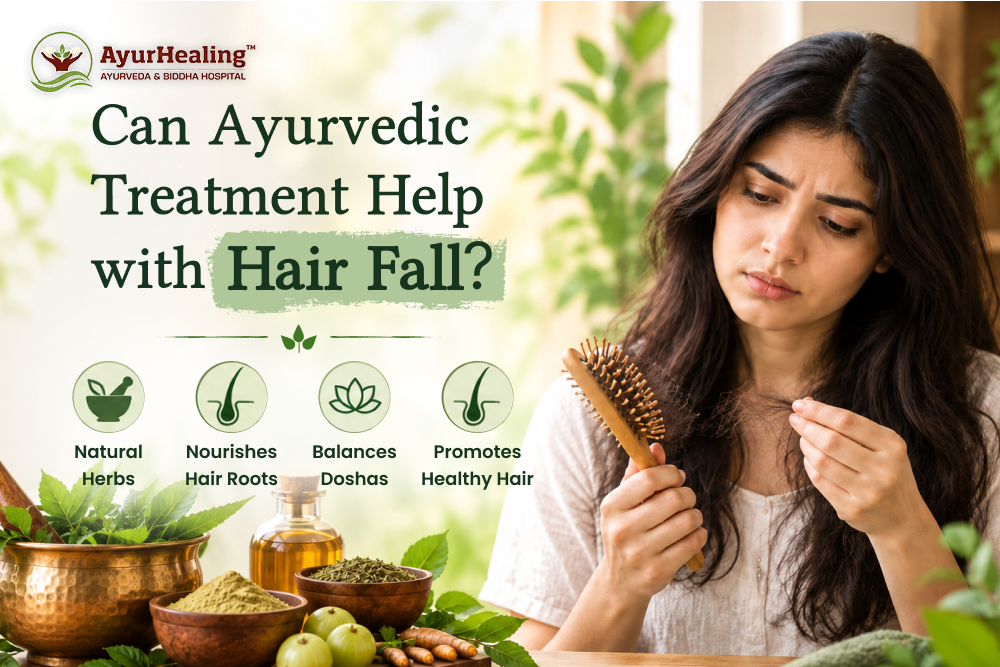
Have you noticed more hair than usual on your pillow, in your hairbrush, or in the shower? Hair fall can be frustrating, especially when you are unsure what is causing it or which treatment to try. With so many hair-care products and remedies available, finding the right approach can feel overwhelming.
Ayurveda offers a traditional approach to wellbeing that considers diet, lifestyle, and individual health needs. Many people explore Ayurvedic Treatment for Hair Fall as part of their hair-care routine. However, the best approach depends on why your hair is falling out, and scientific evidence supporting many Ayurvedic hair-loss treatments remains limited.
In this guide, we explore how Ayurveda may fit into a hair-care plan, which everyday habits can support healthier hair, what to consider before choosing treatment, and when professional medical advice is important.
Can Ayurvedic Treatment Help With Hair Fall?
Ayurvedic treatment for hair fall may support scalp care and general wellbeing through traditional practices, diet, and lifestyle guidance. However, strong scientific evidence that it reliably regrows hair is limited. The right approach depends on the cause of hair loss, so seek professional assessment before starting treatment.
Why Is Your Hair Falling Out?
A few loose strands are usually nothing to worry about. Hair naturally sheds as part of its growth cycle. However, if you notice more shedding than usual, a widening part, thinning hair, or bald patches, it may be time to investigate further.
Common causes include:
- Stress or illness: Significant stress, surgery, or a high fever can trigger temporary shedding.
- Nutritional deficiencies: Low levels of certain nutrients, including iron, may contribute to hair loss.
- Hormonal changes: Thyroid conditions and other hormonal changes can affect hair growth.
- Hereditary hair loss: Genetics can cause gradual thinning over time.
- Scalp problems: Infections and inflammatory skin conditions may affect the scalp and hair follicles.
- Hair-care habits: Tight hairstyles, excessive heat, and harsh chemical treatments can damage hair.
Understanding the cause matters because a treatment that helps one person may not help another. A dermatologist or qualified healthcare professional can assess your symptoms and recommend further tests when appropriate.
How Does Ayurveda Approach Hair Fall?
Ayurveda traditionally looks at health as a whole. When discussing hair fall, an Ayurvedic practitioner may ask about your diet, sleep, stress levels, daily routine, scalp condition, and general health.
Depending on the assessment, the practitioner may discuss dietary changes, lifestyle recommendations, traditional scalp-care practices, or selected herbal preparations.
It is important to keep expectations realistic. Research into Ayurvedic treatments for hair loss is still developing, and many treatments have not been studied well enough to establish their effectiveness. Ayurveda should not replace a medical assessment or delay treatment for an underlying condition.
Can Ayurvedic Oils Help With Hair Fall?
Traditional hair oils and gentle scalp massage may be part of a personal hair-care routine. They can help condition the hair, but they should not be assumed to reverse hereditary hair loss or treat medical causes of shedding.
Choose products carefully, check their ingredients, and stop using them if you notice itching, redness, swelling, or irritation.
Everyday Habits That Support Healthy Hair
You do not always need an elaborate hair-care routine. Simple, consistent habits can help protect your hair from avoidable damage and support your overall health.
Eat a balanced diet
Hair needs adequate nutrition to grow. Include a variety of protein-rich foods, vegetables, fruit, whole grains, and suitable sources of iron and other essential nutrients.
Avoid taking high-dose vitamins or supplements without professional advice. Too much of certain nutrients can be harmful and may even contribute to hair loss. If a nutritional deficiency is suspected, your healthcare professional can advise whether testing or supplements are appropriate.
Manage stress and sleep well
Stress can contribute to temporary hair shedding in some people. Try to maintain a regular sleep schedule and make time for activities that help you relax, such as walking, gentle exercise, or breathing exercises.
These habits support general wellbeing, although they cannot guarantee that hair loss will stop.
Be gentle with your hair
Use a suitable shampoo, avoid pulling your hair tightly, and limit excessive heat styling and harsh chemical treatments. If your scalp is painful, persistently itchy, or inflamed, seek professional advice instead of relying only on home remedies.
Recognise
Understand hair fall and its possible causes.
Understand
Learn how Ayurveda approaches hair and scalp care.
Evaluate
Review evidence, treatment safety, and limitations.
Choose
Compare qualified practitioners and suitable care.
Take action
Know when to seek medical advice and how to monitor changes.
What Should You Know About Ayurvedic Treatments?
If you are considering an Ayurvedic approach, ask the practitioner to explain what the treatment is intended to do, what evidence supports it, and what risks you should understand.
Herbal preparations and their safety
Some Ayurvedic practitioners may recommend herbal preparations. Before taking any product, ask for its ingredient list, dosage instructions, manufacturer details, and relevant quality information.
Natural products are not automatically safe. Some Ayurvedic preparations have been found to contain potentially harmful levels of metals, including lead, mercury, or arsenic. Herbal products may also interact with prescribed medicines.
Tell your healthcare providers about all medicines and supplements you use, and do not stop prescribed treatment without medical advice.
What is Ayurvedic Treatment for Virechanam?
Ayurvedic Treatment for Virechanam, also called Virechana, is a traditional Ayurvedic purgation procedure used in some Panchakarma programmes. It is not an established treatment for hair regrowth, and there is insufficient evidence to recommend it specifically for hair loss.
Purgation procedures can cause complications, including dehydration and electrolyte disturbances. Do not undertake such a procedure at home or solely because it is promoted as a hair-loss remedy. Discuss its risks and suitability with a qualified healthcare professional.
Can treatments for other health concerns help hair fall?
People may also search for Ayurvedic Treatment for Skin Diseases or Ayurvedic Treatment for Gastritis. However, treating a skin or digestive condition does not automatically resolve hair loss. Each concern needs an appropriate assessment and treatment plan.
Similarly, Ayurvedic Treatment for Palpupugha is a traditional Ayurvedic therapy involving warm medicated boluses for certain musculoskeletal concerns. It should not be presented as a proven treatment for hair regrowth. If you are interested in this therapy, consult the relevant information on Ayurhealing and confirm whether the treatment is suitable for your needs.
When Should You Seek Medical Advice?
It is worth seeking professional advice if hair loss is sudden, severe, persistent, or accompanied by other symptoms.
Arrange an assessment if you notice:
- Sudden or rapidly progressing hair loss.
- Round or irregular bald patches.
- Scalp pain, redness, scaling, or intense itching.
- Hair loss affects your eyebrows or other body hair.
- Persistent shedding alongside unexplained fatigue, weight changes, or other new symptoms.
A healthcare professional may examine your scalp, review your medical history and medicines, and recommend tests if needed. Early assessment can be particularly important for conditions that may cause permanent damage to hair follicles.
How to Choose an Ayurvedic Hospital in Bangalore
If you are exploring Ayurvedic Treatment for Hair Fall in Bangalore, take time to choose a provider that puts your health and safety first.
When comparing an Ayurvedic Hospital in Bangalore, consider the following:
- Check qualifications: Verify the practitioner’s qualifications and professional registration.
- Ask about assessment: Find out how your symptoms, scalp condition, medical history, and medicines will be reviewed.
- Understand the treatment plan: Ask why a treatment is recommended and what you can realistically expect.
- Discuss safety: Check possible side effects, ingredient information, and medicine interactions.
- Confirm costs: Request a clear breakdown of consultation fees, therapies, medicines, and follow-up visits.
- Look for honest advice: Be cautious of guaranteed cures, promises of immediate hair regrowth, or recommendations to stop prescribed medication.
A responsible provider should explain the limits of treatment and recognise when referral to a dermatologist or another healthcare professional is appropriate.
You can visit Ayurhealing to explore the information available about its services. Review the published practitioner details and confirm the suitability of any proposed treatment before booking.
Your Hair Fall Treatment Decision Guide
1. NOTICE THE CHANGES
Identify when hair fall started and whether you have thinning, bald patches, or scalp symptoms.
2. FIND THE POSSIBLE CAUSE
Seek an appropriate assessment from a qualified healthcare professional.
3. EXPLORE SUITABLE OPTIONS
Discuss evidence-based treatments and any complementary Ayurvedic care you are considering.
4. CHECK SAFETY AND COST
Review qualifications, ingredients, possible risks, and the full treatment cost.
5. MONITOR PROGRESS
Follow the agreed plan and seek reassessment if hair loss continues or symptoms worsen.
Conclusion
Hair fall can be upsetting, particularly when you do not know what is causing it. The good news is that understanding the cause gives you a clearer starting point for choosing the right care.
Ayurvedic Treatment for Hair Fall may appeal to people interested in traditional approaches to diet, lifestyle, and scalp care, but evidence for hair regrowth remains limited for many treatments. Focus on balanced nutrition, gentle hair care, appropriate medical assessment, and realistic expectations.
If you choose to explore Ayurveda, verify the practitioner’s qualifications, ask about treatment safety, and continue necessary medical care.
Contact Ayurhealing to explore the available information and make an informed decision about your next step.