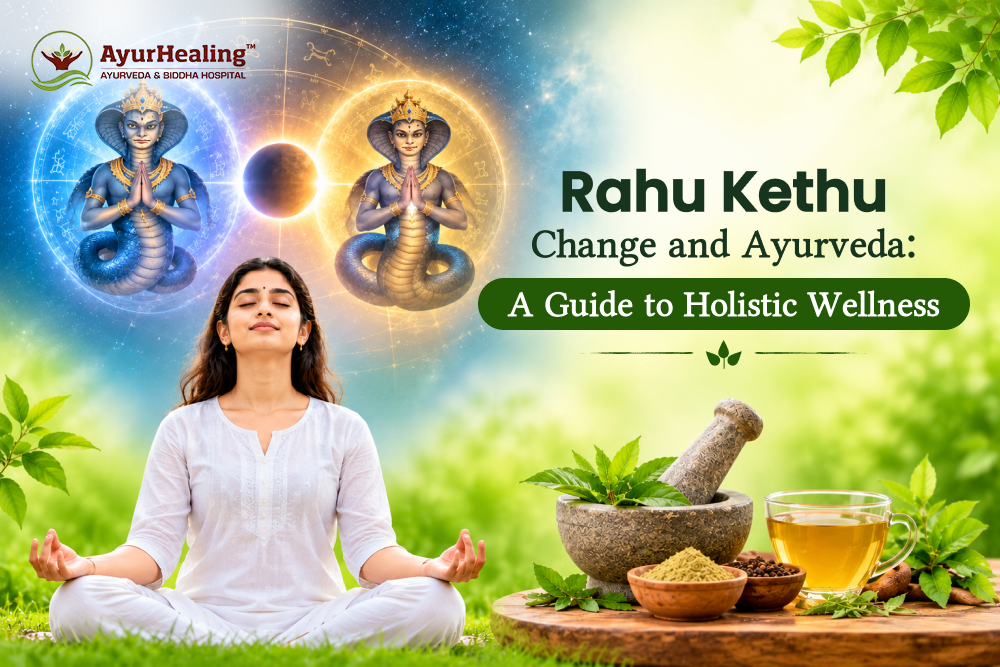
Across India, planetary movements have traditionally been associated with changes in personal experiences, spiritual reflection and everyday life. Among these movements, the Rahu-Ketu transit holds a special place in Vedic astrology. Many people follow these changes to understand traditional beliefs about transformation, challenges, emotional balance and personal growth.
However, a change in planetary positions can also be an opportunity to reflect on something that matters regardless of astrological beliefs: personal well-being.
This is where Ayurveda offers an interesting perspective. Rather than focusing only on symptoms, Ayurveda traditionally considers the relationship between daily habits, digestion, physical health, mental well-being and lifestyle. It encourages people to pay attention to their routines, eating patterns, sleep and overall balance.
For individuals exploring holistic healthcare, understanding this connection can encourage healthier lifestyle choices. Whether the goal is better digestion, stress management, joint comfort or general wellness, consulting a qualified healthcare professional is an important first step.
For those looking for an Ayurvedic Hospital in Bangalore, understanding how traditional Ayurvedic principles relate to everyday wellness can help them make informed healthcare decisions.
What Is the Rahu Ketu Change in Vedic Astrology?
In Vedic astrology, Rahu and Ketu are known as Chhaya Grahas, or shadow planets. Unlike physical planets, they represent the two lunar nodes: the points where the Moon’s orbital path intersects the apparent path of the Sun.
Rahu and Ketu always occupy opposite positions in the zodiac. Their movement from one zodiac sign to another is commonly called Rahu-Ketu Gochar or Rahu-Ketu transit.
Traditionally, these two nodes are associated with different symbolic meanings:
- Rahu: Often associated with ambition, desires, material pursuits, uncertainty and unconventional experiences.
- Ketu: Traditionally connected with detachment, introspection, spirituality, past experiences and inner awareness.
Understanding Rahu-Ketu and Their Traditional Significance
| Aspect | Rahu | Ketu |
| Traditional identity | North lunar node | South lunar node |
| Symbolic association | Ambition and desires | Detachment and introspection |
| Traditional interpretation | Material pursuits and unconventional experiences | Spiritual reflection and inner awareness |
| Zodiac position | Always opposite Ketu | Always opposite Rahu |
When Will Rahu and Ketu Change Signs in 2026?
The upcoming 2026 Rahu-Ketu sign change is an important astrological event for followers of Vedic astrology.
According to calculations using the mean lunar nodes, Rahu is expected to move from Aquarius (Kumbha) into Capricorn (Makara), while Ketu moves from Leo (Simha) into Cancer (Karka) on 5 December 2026.
There is a calculation difference worth understanding. Astrological systems using the true nodes place the transition around 25 November 2026. The difference occurs because different astronomical calculation methods are used.
In traditional astrological interpretations, this transition is considered a period for reflection, reviewing priorities and becoming more mindful of personal decisions.
It is important to understand that astrology is a traditional belief system. There is no established scientific evidence that Rahu-Ketu movements directly cause physical illnesses, digestive problems, joint pain or emotional disorders.
How Does Ayurveda Relate to Rahu Ketu Change?
Ayurveda is a traditional Indian system of healthcare that emphasises the relationship between the body, mind, diet, lifestyle and environment.
Although Rahu-Ketu astrology and Ayurveda belong to different traditional knowledge systems, some people explore them together as part of a broader spiritual and wellness journey.
For example, someone approaching a planetary transition as a period of personal reflection may also decide to improve their sleep schedule, eat more balanced meals, practise relaxation techniques or seek professional advice about an ongoing health concern.
These are practical wellness choices, not medically proven remedies for planetary influences.
Understanding the Ayurvedic Concept of Balance
Ayurveda traditionally describes three doshas:
- Vata: Associated with movement, circulation and nervous system functions in Ayurvedic theory.
- Pitta: Traditionally connected with digestion, metabolism and transformation.
- Kapha: Associated with structure, stability and lubrication.
According to Ayurvedic principles, individual constitutions and lifestyle patterns influence how these doshas are understood.
An Ayurvedic practitioner may consider a person’s constitution, dietary habits, daily routine and health history before recommending an approach.
However, these traditional concepts should not replace modern medical diagnosis or evidence-based treatment.
Why Is Holistic Wellness Important During Periods of Change?
Life changes can affect daily routines. Work pressure, irregular eating habits, insufficient sleep and reduced physical activity may influence how people feel physically and emotionally.
Instead of attributing these experiences to planetary movements, it is more useful to identify practical lifestyle factors that can be addressed.
A holistic wellness approach can include:
- Maintaining regular meal timings.
- Getting sufficient and consistent sleep.
- Including appropriate physical activity.
- Practising relaxation and stress-management techniques.
- Seeking professional advice when symptoms persist.
For people interested in traditional healthcare, an experienced practitioner can help explain which Ayurvedic practices may be appropriate alongside necessary medical care.
6 Areas of Wellness to Focus on During the Rahu Ketu Transition
| Wellness area | Traditional Ayurvedic perspective | Practical wellness focus |
| Stress management | Lifestyle practices and individualised care | Sleep, relaxation and stress management |
| Spine health | Traditional musculoskeletal care | Posture, movement and suitable exercises |
| Gut health | Agni and digestive balance | Balanced meals, fibre and hydration |
| Joint care | Traditional joint-care approaches | Mobility, suitable exercise and weight management |
| Panchakarma | Traditional purification procedures | Professional assessment and treatment suitability |
| Stroke | Complementary care only where medically appropriate | Emergency treatment and supervised rehabilitation |
1. Ayurvedic Treatment for Stress: Supporting Emotional Well-Being
Stress is a common part of modern life. Work responsibilities, family commitments, financial concerns and lifestyle changes can contribute to mental and physical tension.
In Ayurveda, mental well-being is traditionally approached through lifestyle practices, daily routines and individualised care.
Some commonly discussed wellness practices include:
- Maintaining a consistent sleep schedule.
- Practising meditation and gentle breathing exercises.
- Taking regular breaks from work.
- Spending time outdoors.
- Following a balanced and regular eating routine.
Certain Ayurvedic preparations and therapies are traditionally used for relaxation, but their suitability depends on individual health conditions and available evidence.
When should you seek professional help?
If stress becomes persistent, affects sleep or interferes with daily activities, consider consulting a qualified mental health professional or doctor. Ayurvedic approaches, if appropriate, should complement rather than replace necessary care.
2. Ayurvedic Treatment for Spine Health: Supporting Mobility and Posture
Spinal health plays an important role in everyday movement, flexibility and physical independence.
Long working hours, prolonged sitting, poor workstation arrangements and limited physical activity can contribute to back discomfort.
Traditional Ayurveda discusses different approaches to musculoskeletal wellness. Depending on an individual’s assessment, an Ayurvedic practitioner may consider certain external therapies and lifestyle recommendations.
However, Ayurvedic Treatment for Spine Health should not be considered a guaranteed solution for slipped discs, nerve compression, spinal injuries or other diagnosed conditions.
Practical ways to support spinal health include:
- Maintaining a comfortable sitting posture.
- Taking movement breaks during working hours.
- Incorporating suitable strengthening exercises.
- Avoiding prolonged inactivity.
- Seeking medical assessment for persistent or severe back pain.
A combination of appropriate medical guidance, rehabilitation and carefully selected complementary care can support overall mobility.
3. Gut Health Care Treatment: Building Better Digestive Habits
Digestion is closely connected with everyday comfort and overall well-being.
Irregular meals, insufficient fibre, dehydration, stress and changes in routine may contribute to digestive discomfort.
Ayurveda gives considerable importance to Agni, traditionally described as the digestive fire. It encourages mindful eating, suitable food choices and consistent meal timings.
For individuals interested in Gut Health Care Treatment, some useful everyday habits include:
- Eating meals at reasonably consistent times.
- Including vegetables, fruits and fibre-rich foods.
- Drinking sufficient water.
- Eating slowly and avoiding unnecessary overeating.
- Maintaining regular physical activity.
Ayurvedic dietary recommendations may differ depending on an individual’s constitution and health needs.
Persistent abdominal pain, blood in stools, unexplained weight loss, repeated vomiting or prolonged digestive problems require medical evaluation rather than self-treatment.
4. Ayurvedic Treatment for Joint Care: Maintaining Everyday Movement
Joint health becomes increasingly important as people age or experience changes in physical activity.
Knee discomfort, stiffness, reduced flexibility and joint pain can affect walking, climbing stairs and other routine activities.
Ayurveda traditionally discusses joint care through individualised lifestyle recommendations, external applications and selected therapies.
An approach involving Ayurvedic Treatment for Joint Care may be considered by people interested in complementary wellness support, depending on their diagnosis and medical history.
Helpful everyday habits include:
- Maintaining a healthy body weight.
- Performing suitable low-impact exercises.
- Avoiding prolonged inactivity.
- Following a balanced diet.
- Seeking assessment when joint pain or swelling persists.
People with arthritis, injuries or significant mobility limitations should consult a qualified healthcare professional before starting therapies or exercises.
5. Ayurvedic Treatment for Panchakarma: Understanding Traditional Detoxification Therapies
Panchakarma is one of the recognised therapeutic approaches within Ayurveda. Traditionally, it refers to a group of procedures intended to support purification and balance according to Ayurvedic principles.
The commonly described procedures include:
- Vamana – therapeutic emesis.
- Virechana – therapeutic purgation.
- Basti – administration of medicated preparations through the rectal route.
- Nasya – administration of selected preparations through the nasal route.
- Raktamokshana – traditional bloodletting procedures.
Not every person requires Panchakarma, and these procedures should never be selected simply because of an astrological transition or general wellness trend.
Ayurvedic Treatment for Panchakarma requires appropriate professional assessment. The procedures, preparation, suitability and potential risks vary between individuals.
Panchakarma should not be promoted as a scientifically established way to remove planetary effects, cure chronic diseases or eliminate unspecified toxins.
Anyone considering these therapies should discuss existing medical conditions, medicines, pregnancy status and potential complications with qualified healthcare professionals.
6. Ayurvedic Treatment for Stroke: Why Medical Care Must Come First
Stroke is a serious medical emergency that occurs when the blood supply to part of the brain is interrupted or when bleeding occurs in the brain.
It can result in lasting disability and requires immediate medical attention.
Recognising the symptoms early is essential. Remember FAST:
- F – Face: One side of the face may droop.
- A – Arms: One arm may become weak or difficult to raise.
- S – Speech: Speech may become slurred or difficult to understand.
- T – Time: Seek emergency medical help immediately.
Other warning signs can include sudden vision problems, confusion, dizziness, severe headache or weakness on one side of the body.
There is no established evidence that Ayurvedic treatment can replace emergency stroke treatment or reverse an acute stroke.
After emergency treatment and stabilisation, rehabilitation may be necessary to support movement, communication and daily functioning.
People exploring Ayurvedic Treatment for Stroke should understand that any complementary approach must be discussed with the treating neurologist and rehabilitation team. It must never delay emergency care or replace prescribed treatment.
How Can You Choose the Right Ayurvedic Hospital in Bangalore?
Bangalore offers access to different healthcare facilities and traditional wellness practices. However, choosing a healthcare provider should involve more than comparing advertisements or treatment packages.
If you are searching for an Ayurvedic Hospital in Bangalore, consider the following factors before making a decision.
A Practical Guide to Choosing an Ayurvedic Healthcare Provider
STEP 1: UNDERSTAND YOUR HEALTH REQUIREMENTS
Identify your symptoms, concerns, medical history and treatment goals.
STEP 2: VERIFY PROFESSIONAL QUALIFICATIONS
Check the practitioner’s recognised qualifications, registration and relevant clinical experience.
STEP 3: DISCUSS TREATMENT SUITABILITY
Ask about the proposed treatment, its purpose, possible benefits, limitations and potential risks.
STEP 4: CHECK SAFETY AND TRANSPARENCY
Understand the medicines, ingredients, treatment procedures, costs and follow-up requirements.
STEP 5: MAKE AN INFORMED DECISION
Choose a qualified healthcare provider who communicates clearly, respects your medical history and does not promise unrealistic results.
This approach is particularly important when exploring traditional therapies alongside conventional medical treatment.
A Simple Wellness Architecture: From Awareness to Better Health
The following text-based structure can help readers understand how to turn a period of reflection into practical wellness decisions.
Rahu-Ketu Transition: A Period for Personal Reflection
1. Identify Your Wellness Priorities
Physical health | Emotional well-being | Digestion | Mobility
2. Understand Your Current Lifestyle
Sleep patterns | Food habits | Stress levels | Physical activity
3. Identify Areas That Need Attention
Stress management | Spine health | Gut health | Joint care
4. Explore Appropriate Healthcare Options
Qualified medical consultation | Individualised Ayurvedic assessment | Evidence-based treatment | Suitable lifestyle changes
5. Follow a Safe and Consistent Routine
Balanced diet | Regular movement | Adequate sleep | Professional follow-up
Better-Informed Health Decisions and Sustainable Wellness Habits
This structure highlights an important distinction: astrological transitions may inspire personal reflection, but healthcare decisions should be guided by symptoms, medical evidence and qualified professional advice.
Conclusion: Make Wellness a Meaningful Part of Everyday Life
Rahu-Ketu changes have traditionally been viewed as significant periods of reflection and transformation in Vedic astrology. While these interpretations hold cultural and spiritual importance for many people, they should not determine medical decisions or create unnecessary concerns about health.
Ayurveda offers a traditional perspective on maintaining well-being through attention to diet, daily routines, digestion and individual health needs. When explored responsibly, these principles can encourage people to become more conscious of their everyday habits.
Whether you are interested in stress management, spine health, joint care, gut health or understanding Panchakarma, the most important step is to seek appropriate professional guidance.
For individuals exploring an Ayurvedic Hospital in Bangalore, Ayurhealing offers an opportunity to learn more about personalised Ayurvedic and Siddha healthcare in Koramangala.