Ayurvedic Therapies for Healing Disc Bulges and Relief

Have you ever felt that nagging pain in your back that just won’t go away? It could be a disc bulge, a common issue that affects many people. While conventional treatments often focus on quick fixes, Ayurvedic therapies offer a holistic approach to healing. By balancing the body and mind, Ayurveda aims to address not just the symptoms but the root cause of the problem. In this article, we’re going to dive deep into how Ayurvedic Therapies for Healing Disc Bulges can help heal disc bulges, addressing not just the symptoms but the underlying causes. 

What Are Disc Bulges?

To get started, let’s clarify what a disc bulge actually is. Our spine consists of vertebrae, which are the small bones that make up your backbone. Between these vertebrae are intervertebral discs, which act like cushions or shock absorbers. These discs can become bulged when the soft inner material pushes out through a weak area in the outer layer. Think of it like a jelly doughnut where the jelly starts to ooze out.

Causes of Disc Bulges

  • Ageing: As we age, the discs lose hydration and elasticity, making them more susceptible to bulging.
  • Injury: Sudden injuries from falls, accidents, or sports can cause discs to bulge or herniate.
  • Repetitive Strain: Activities that involve repetitive lifting, twisting, or bending can lead to disc bulges over time.
  • Poor Posture: Sitting or standing with improper alignment can put excessive pressure on the spine, contributing to disc issues.
  • Genetics: Some individuals may be genetically predisposed to disc degeneration and related problems.
  • Obesity: Excess body weight increases the strain on the spine and discs, leading to a higher risk of bulging.

Symptoms of Disc Bulges

  • Localized Pain: Pain in the lower back or neck, depending on the location of the bulge.
  • Radiating Pain: Pain that travels down the legs (sciatica) or arms, often described as sharp or burning.
  • Numbness or Tingling: Sensations of numbness or tingling in the extremities can occur if nerves are compressed.
  • Muscle Weakness: Weakness in the legs or arms, making it difficult to perform everyday tasks.
  • Stiffness: Limited range of motion and stiffness in the back or neck, especially after prolonged sitting or standing.
  • Worsening Symptoms with Movement: Pain that intensifies with certain movements, such as bending or twisting.

Key Ayurvedic Therapies for Healing Disc Bulges

When it comes to treating disc bulges, Ayurveda offers various effective therapies. These therapies aim to restore balance and promote healing within the body. Each one targets not just the symptoms but also the root causes.

Let’s explore some key Ayurvedic therapies for healing Disc Bulges:

Panchakarma

Think of Panchakarma as a rejuvenating spa day for your body! This detoxification process is vital in Ayurveda and serves as a comprehensive method for healing. Among the Ayurvedic therapies for healing disc bulges, it helps cleanse toxins and nourish tissues, promoting overall wellness and revitalization.

The Process:

  • Purvakarma (Preparation): This phase includes oil massages (Abhyanga) with warm herbal oils. These oils help loosen toxins and nourish tissues.
  • Pradhanakarma (Main Treatment): The detoxification occurs here. Therapies like Virechana (purgation) and Nasya (nasal therapy) help eliminate toxins.
  • Paschatkarma (Post-treatment): This phase focuses on rejuvenation. It includes dietary recommendations and herbal supplements to support recovery.

Benefits:

Panchakarma reduces inflammation. It alleviates pain associated with disc bulges. It also revitalizes the entire body, enhancing overall well-being.

Basti (Enema Therapy)

Basti may sound unconventional, but it’s a powerhouse among Ayurvedic therapies for healing disc bulges. This therapy involves the administration of warm, medicated oils directly into the body, providing targeted relief for inflammation and discomfort. It’s effective in cleansing the lower back and supporting overall health.

How It Works:

The medicated oils penetrate deep into the body. They nourish and lubricate the spinal tissues. This action reduces inflammation and improves flexibility.

Benefits:

Basti sessions can relieve pain and reduce stiffness. They promote the healing of affected discs. Additionally, this therapy improves digestive health, vital for overall recovery.

Swedana (Herbal Steam Therapy)

Get ready to unwind with Swedana, an Ayurvedic steam therapy that wraps you in a warm, herb-infused embrace. This therapy is especially beneficial among Ayurvedic therapies for healing disc bulges because it promotes detoxification and relaxation, helping to relieve pain and improve blood circulation effectively.

The Process:

The steam opens up the pores. It allows herbs to penetrate the skin. This promotes sweating and detoxification. The heat also relaxes the muscles surrounding the spine.

Benefits:

Swedana alleviates pain and stiffness. It increases blood circulation. The therapy promotes relaxation. It is particularly effective when combined with oil massages.

Abhyanga (Ayurvedic Oil Massage)

Abhyanga is your go-to for a delightful, full-body oil massage that nourishes and revitalizes. This therapy is one of the best Ayurvedic therapies for healing disc bulges, as it improves circulation and reduces muscle tension. Warm herbal oils tailored to your body type make it truly personalized.

How It Works:

This therapy nourishes the skin and penetrates deep into the muscles. The massage improves circulation and reduces tension.

Benefits:

Regular Abhyanga sessions relieve pain associated with disc bulges. They enhance overall vitality and wellness. It’s a wonderful way to unwind and care for your body.

Herbal Poultices (Kizhi)

Kizhi is a popular Ayurvedic therapy for targeted relief. This method employs warm poultices filled with medicinal herbs, making it one of the best Ayurvedic therapies for healing disc bulges. The combination of heat and herbs helps alleviate localized discomfort effectively and promotes overall healing.

The Process:

The heated poultices are pressed onto the back. This allows herbs to penetrate the skin, providing relief.

Benefits:

Kizhi reduces local swelling and discomfort. It serves as an excellent adjunct therapy for disc bulges. The herbs often include anti-inflammatory ingredients like ginger and eucalyptus.

Effective Ayurvedic Herbs for Disc Bulges

Ayurveda utilizes a wide range of herbs known for their healing properties.

Here are six key herbs that can help in the healing process:

  • Turmeric (Curcuma longa): A powerful anti-inflammatory, turmeric contains curcumin, which helps reduce pain and swelling.

  • Ginger (Zingiber officinale): Known for its digestive benefits, ginger also has anti-inflammatory properties that can relieve back pain.

  • Ashwagandha (Withania somnifera): This adaptogenic herb helps reduce stress and anxiety while promoting overall wellness and vitality.

  • Boswellia (Boswellia serrata): Also known as Indian frankincense, boswellia is effective in reducing inflammation and improving joint function.

  • Nirgundi (Vitex negundo): This herb is commonly used in Ayurveda for its pain-relieving and anti-inflammatory effects, particularly for musculoskeletal conditions.

  • Triphala: A blend of three fruits, Triphala aids in detoxification and promotes digestive health, which is crucial for healing.

Dietary Adjustments

Diet plays a crucial role in healing according to Ayurveda. Specific dietary changes can significantly support recovery from disc bulges. Here’s how:

Foods to Include

  • Fresh Fruits and Vegetables: Rich in vitamins and antioxidants that fight inflammation.
  • Whole Grains: Options like brown rice and quinoa provide essential nutrients and fibre.
  • Healthy Fats: Sources like avocados, nuts, and olive oil support overall health.
  • Spices:
    • Turmeric: Contains curcumin, known for its anti-inflammatory properties.
    • Ginger: Helps in reducing pain and inflammation.

Foods to Avoid

  • Processed Foods: Often contain unhealthy additives that can trigger inflammation.
  • Excessive Sugars: High sugar intake can lead to increased inflammation.
  • Unhealthy Fats: Limit trans fats found in fried and packaged foods, which can worsen inflammation.

Yoga and Physical Therapy

Yoga is an essential component of Ayurvedic treatment. It enhances physical health and supports recovery. Here’s a breakdown:

Specific Poses

  • Cat-Cow Pose: Stretches and strengthens the spine.
  • Child’s Pose: Relieves tension in the back and promotes relaxation.
  • Downward Dog: Improves blood flow and flexibility in the spine.

Benefits

  • Physical Recovery: Regular practice strengthens muscles around the spine and aids in healing.
  • Improved Flexibility: Enhances the range of motion in the back.
  • Stress Reduction: Lowers anxiety levels, which can exacerbate pain and discomfort.

Conclusion

Ayurvedic therapies for healing disc bulges focus on a holistic approach that encompasses detoxification, nourishment, and relaxation. Each of these treatments can contribute significantly to alleviating pain, reducing inflammation, and restoring balance within the body. If you’re dealing with a disc bulge, considering these therapies under the guidance of a qualified Ayurvedic practitioner could lead you toward a path of healing and recovery.

FAQs

What are the main Ayurvedic therapies for treating disc bulges?

Key therapies include Panchakarma, Basti, Abhyanga, and Swedana. Each of these Ayurvedic therapies for healing disc bulges focuses on detoxification, pain relief, and muscle relaxation to promote healing.

How does Panchakarma help in healing disc bulges?

Panchakarma detoxifies the body, eliminates toxins, and rejuvenates tissues. This comprehensive approach alleviates inflammation, reduces pain, and enhances overall well-being, facilitating faster recovery from disc bulges.

Can dietary changes really impact disc bulge recovery?

Yes, dietary adjustments can significantly aid recovery. Anti-inflammatory foods, like fresh fruits and vegetables, help reduce inflammation while limiting processed foods and sugars supports overall healing and well-being.

Is yoga effective for treating disc bulges?

Absolutely! Yoga enhances flexibility, strengthens supporting muscles, and reduces stress. Specific poses promote blood flow and relieve tension, contributing significantly to recovery and long-term spinal health.


Ayurvedic Massage Techniques for Spine Care

Spine care is essential for maintaining overall health and vitality, and Ayurvedic massage techniques offer a holistic and natural approach to supporting spinal health. In Ayurveda, the spine, known as “Meru Danda,” is considered the pillar of life, as it houses vital energy channels (Nadis) and supports the body’s structural integrity. Whether you’re dealing with back pain, stiffness, or other spinal issues, Ayurvedic massage can provide profound relief and long-term support. In this article, we will explore various Ayurvedic Massage Techniques for Spine Care. These techniques address a range of spinal issues, from chronic pain and stiffness to improved flexibility and alignment.

The Significance of Spinal Health in Ayurveda

The spine serves as the central axis of the body, supporting everything from movement to nerve function. In Ayurveda, a healthy spine is essential for maintaining the balance of Prana (life force), which is vital for physical, emotional, and mental health. When the spine is properly aligned and flexible, energy flows freely throughout the body, thereby promoting optimal well-being. Conversely, spinal imbalances frequently lead to pain, stiffness, and disruptions to overall health. Consequently, maintaining spinal health is crucial for ensuring overall physical wellness.

What is Ayurvedic Massage for the Spine?

Ayurvedic massage for the spine is a therapeutic practice that focuses on balancing the body’s energy while treating spinal ailments. The techniques incorporate warm herbal oils and specific massage strokes to nourish the spine, relieve muscle tension, and support natural alignment.

Ayurvedic Philosophy on Spine Care

Ayurveda views spinal issues as an imbalance in the body’s Doshas (Vata, Pitta, and Kapha). For instance, an excess of Vata (air and space element) may result in stiffness and pain, while Pitta (fire element) imbalances may cause inflammation in the spinal region. Ayurvedic massage works to restore Dosha balance, bringing both structural and energetic harmony to the spine.

Effective Ayurvedic Massage Techniques for Spine Care

When it comes to Ayurvedic massage techniques for spine care, the goal is to balance the body’s energy systems, promote spinal alignment, and relieve pain and stiffness.

Below are some of the most effective Ayurvedic treatments for supporting spinal health:

Abhyanga (Full Body Oil Massage)

Abhyanga is one of the most well-known Ayurvedic therapies, involving the application of warm herbal oils across the entire body. We select the oils based on your unique Dosha imbalance, and then the massage uses rhythmic strokes to nourish your skin, muscles, and joints. Consequently, this approach ensures a more targeted and effective treatment. For spine care, Abhyanga:

  • Relieves stiffness and pain: The warm oil helps relax tight muscles along the spine.
  • Improves circulation: Enhanced blood flow helps nourish spinal tissues and promote healing.
  • Increases flexibility: Regular sessions reduce stiffness and enhance mobility in the spine.

This technique is especially effective for those experiencing general back pain or stiffness due to sedentary lifestyles or stress.

Kati Basti (Lower Back Oil Treatment)

Kati Basti is a specialized Ayurvedic treatment that effectively relieves pain and discomfort in the lower back, particularly for issues such as sciatica or lumbar spondylosis. Moreover, this treatment targets the root causes of these conditions to provide lasting relief.

During the treatment:

  • A dough dam is built around the lower back area.
  • Warm medicinal oils are poured and retained within this dam for a set period.
  • The oil deeply penetrates the muscles, providing relief from inflammation and tension.

Kati Basti is particularly effective for chronic lower back pain, sciatica, and conditions like herniated discs. The warmth of the oil helps nourish the tissues while easing nerve compression, reducing pain and stiffness.

Pizhichil (Oil Dripping Therapy)

Pizhichil, also known as “King’s Therapy,” involves the continuous pouring of warm herbal oils over the entire body, with a focus on the spine. This technique is designed for individuals who suffer from severe pain or inflammation due to spinal issues. The process:

  • Relaxes muscles: The warm oil helps ease muscle tension and pain.
  • Reduces inflammation: Anti-inflammatory oils decrease swelling and discomfort.
  • Supports nervous system health: Helps soothe nerve-related pain and improve overall spinal health.

This treatment works especially well for those seeking deep relaxation and relief from chronic pain or inflammation in the spine. Moreover, it provides targeted relief to enhance overall comfort and well-being.

Potli Massage (Herbal Compress Therapy)

Potli massage uses small herbal pouches filled with medicinal herbs and spices, which are dipped in warm oils and applied to the body, particularly around the spine. This technique is highly effective for:

  • Relieves deep-seated tension: The heat and pressure from the herbal compresses help ease muscle stiffness.
  • Alleviates pain: Herbal properties reduce inflammation and pain in the spine.
  • Boosts circulation: Enhances blood flow to promote healing in spinal tissues.

Potli massage is ideal for treating conditions such as back pain, stiff muscles, and nerve compression, providing both pain relief and relaxation.

Udwartana (Herbal Powder Massage)

Udwartana is a unique Ayurvedic massage that uses herbal powders instead of oils. This dry massage technique is excellent for stimulating circulation, improving skin tone, and reducing fat, making it a fantastic option for those looking to tone muscles around the spine. Key benefits include:

  • Improved circulation: The friction created by rubbing herbal powders on the body stimulates blood flow, nourishing the spine and surrounding tissues.
  • Detoxification: Udwartana helps flush out toxins from the body, reducing inflammation and stiffness.
  • Muscle toning: The massage strengthens and tones the muscles that support the spine, promoting better posture and preventing future issues.

This massage technique is especially useful for Kapha Dosha individuals, as it reduces sluggishness and heaviness that can lead to spinal discomfort.

Marma Therapy (Energy Point Massage)

Marma Therapy focuses on stimulating the body’s vital energy points, called Marma points, which are located at various intersections of muscles, veins, and joints. For spine care, Marma Therapy involves applying gentle pressure to specific points along the spine, which helps to:

  • Releases blocked energy: Eases pain and tension by unblocking the flow of Prana.
  • Corrects alignment: Balances energy to support proper spinal alignment.
  • Alleviates chronic pain: Targets points connected to the nervous system to reduce deep-seated pain and discomfort.

Marma Therapy is highly personalized and is tailored to an individual’s Dosha and specific spinal health needs, making it a deeply healing practice for long-term spine care.

Benefits of Ayurvedic Massage for Spine Health

Ayurvedic massage offers several benefits for spine care, including:

  • Pain Management: Regular massage can help relieve chronic back pain, sciatica, and other spinal discomforts.
  • Improved Flexibility: Massaging the spine and surrounding muscles promotes flexibility and prevents stiffness.
  • Reduced Inflammation: Herbal oils used in Ayurvedic massages have anti-inflammatory properties that help soothe sore muscles and joints.
  • Alignment Support: Massaging along the spine helps release tension, promoting natural alignment and reducing pressure on spinal discs and nerves.

Conclusion

Ayurvedic massage techniques for spine care offer a holistic and natural approach to addressing common spinal issues such as back pain, stiffness, and degeneration. By incorporating herbal oils, targeted massage techniques, and lifestyle changes, Ayurveda provides a comprehensive solution for maintaining spinal health. Whether you are managing chronic conditions or simply looking to improve your spinal flexibility, Ayurvedic treatments can offer profound, long-lasting benefits.

FAQs

Can Ayurvedic massage improve posture?

Yes, Ayurvedic massages, especially Abhyanga, help release muscle tension and improve spinal flexibility. This promotes better alignment, leading to improved posture and reduced strain on the back and neck.

Is Ayurvedic massage safe during pregnancy?

Ayurvedic massage can be safe during pregnancy, but it’s important to consult a trained Ayurvedic practitioner. Specific oils and techniques are used to ensure the safety and comfort of the mother and baby.

Can Ayurvedic massage help with neck pain?

Yes, Ayurvedic techniques like Abhyanga and Potli massage target neck stiffness and pain. Herbal oils reduce inflammation and relax tense muscles, providing relief from chronic neck pain and improving mobility.

How long does an Ayurvedic spine massage session last?

A typical Ayurvedic spine massage session lasts between 45 to 90 minutes. The duration may vary depending on the individual’s condition, specific techniques used, and the severity of spinal issues being addressed.

What is the best oil for spinal stiffness?

Sesame oil is ideal for spinal stiffness due to its warming and anti-inflammatory properties. Mahanarayan oil is also effective in relieving muscle tension and promoting flexibility in the spine.

Can Ayurvedic massage prevent spinal degeneration?

While Ayurvedic massage cannot reverse spinal degeneration, it helps manage symptoms by reducing inflammation, improving flexibility, and strengthening spinal muscles. Regular massages may slow down the progression of conditions like spondylosis.

Discover Ayurvedic Remedies for Tooth Decay and Oral Health

Oral health plays a crucial role in our overall well-being, yet it is often overlooked. With the rise in dental problems such as tooth decay, gum disease, and cavities, more people are turning to natural alternatives like Ayurveda for long-term oral care. Ayurveda offers a holistic approach to maintaining dental hygiene, preventing tooth decay, and promoting strong teeth and gums.

In this article, we will explore the top 10 Ayurvedic remedies for tooth decay and how they can help you maintain optimal oral health.

What Is Tooth Decay?

Tooth decay occurs when the hard surface of your teeth is damaged due to bacterial activity. When sugars from food break down into acids, these acids attack the enamel of your teeth, causing cavities.

Symptoms of Tooth Decay:

  • Tooth Sensitivity
  • Pain while chewing
  • Visible holes in teeth
  • Dark spots on teeth

How Ayurveda Approaches Oral Health

Ayurveda treats the body as a whole, believing that imbalance in one area affects others. The Ayurvedic approach to oral health focuses on preventing issues by strengthening teeth and gums, balancing internal health, and using natural remedies for maintenance.

Key Elements of Oral Care in Ayurveda:

Common Causes of Tooth Decay According to Ayurveda

Ayurveda identifies the root cause of health issues, including tooth decay, by analyzing lifestyle habits, diet, and the balance of doshas. The most common causes of tooth decay are:

  • Poor Dietary Habits: Sugary and processed foods increase bacteria in the mouth.
  • Lack of Oral Hygiene: Skipping proper dental care can lead to plaque buildup.
  • Dosha Imbalances: Especially in the Vata and Pitta doshas, which can make the teeth more vulnerable.

The Role of Doshas in Oral Health

According to Ayurveda, there are three doshas: Vata, Pitta, and Kapha. Each one governs different functions in the body, and an imbalance can cause health problems, including dental issues.

  • Vata: An imbalance may lead to dry mouth and receding gums.
  • Pitta: Excess Pitta can cause inflammation and sensitivity.
  • Kapha: An imbalance leads to excessive mucus, contributing to plaque buildup.

Top 10 Ayurvedic Remedies for Tooth Decay

Ayurveda offers various remedies for maintaining oral health and preventing tooth decay. Here are some effective top 10 Ayurvedic Remedies for Tooth Decay:

Neem

Neem has strong antibacterial properties that help fight harmful bacteria in the mouth. You can chew neem twigs as a natural toothbrush or use neem-based toothpaste to reduce plaque and prevent cavities. Regular use of neem helps prevent gum inflammation and strengthens the teeth. Its detoxifying nature also helps in eliminating toxins that can contribute to oral infections.

Oil Pulling

Oil pulling with sesame or coconut oil is one of Ayurveda’s most well-known oral care practices. Swishing oil in your mouth for 15-20 minutes daily helps remove toxins, reduce plaque, and prevent cavities. This practice not only reduces harmful bacteria but also freshens breath naturally. Over time, oil pulling can lead to stronger gums and whiter teeth.

Clove Oil

Clove oil is a potent remedy for toothaches and inflammation. Its active ingredient, eugenol, has numbing and antibacterial effects. Applying clove oil regularly also helps reduce bacterial infections that lead to cavities. In addition, it helps soothe gum irritation and reduce swelling caused by oral health issues.

Licorice Root

Licorice root is known for its antibacterial properties that protect teeth from decay. Chewing licorice sticks or using powdered licorice in homemade tooth powders helps strengthen teeth and fight bacteria. It has anti-inflammatory effects that can reduce gum swelling and bleeding. Using licorice also supports overall oral hygiene by preventing the buildup of plaque.

Babul (Acacia Arabica)

Babul tree bark has been used for centuries in Ayurveda to promote oral health. Its astringent properties strengthen gums and prevent bleeding. Babul also helps in tightening loose teeth and reducing sensitivity. Its antibacterial action keeps harmful oral bacteria at bay, ensuring better dental hygiene.

Triphala

Triphala is a combination of three fruits (amla, haritaki, and bibhitaki) that promote overall health, including oral health. Regular use of Triphala as a mouthwash can reduce bacterial growth and inflammation in the gums. It helps detoxify the mouth and promotes the healing of damaged oral tissues. Additionally, Triphala supports better digestion, which indirectly contributes to healthier teeth and gums.

Turmeric

Turmeric’s anti-inflammatory and antibacterial properties make it a great remedy for oral health. You can mix turmeric powder with water or coconut oil to create a paste and apply it to your gums to reduce swelling and fight bacteria. Turmeric also helps reduce oral pain caused by infections or injuries. Its antioxidant properties support overall gum health and help in faster healing of oral sores.

Holy Basil (Tulsi)

Holy Basil is a powerful herb in Ayurveda known for its antibacterial properties. Gargling with a tulsi tea or using tulsi-based mouthwash helps reduce bacterial activity and prevent tooth decay. Tulsi also helps soothe oral ulcers and prevent bad breath. Regular use of holy basil keeps harmful germs from spreading, protecting your teeth and gums.

Amalaki (Indian Gooseberry)

Amalaki is rich in Vitamin C, which is essential for gum health. Consuming Amalaki regularly or using it in mouthwashes helps prevent gum inflammation and supports strong, healthy teeth. Its antioxidant properties also help fight free radicals that can weaken enamel. Amalaki aids in faster recovery from oral infections and keeps your gums firm and strong.

Cinnamon

Cinnamon is another Ayurvedic spice with powerful antimicrobial effects. You can add cinnamon powder to your tooth powder or rinse your mouth with cinnamon water to reduce bacteria and freshen your breath. Cinnamon also helps prevent gum disease by reducing inflammation in the oral tissues. It enhances saliva production, which naturally cleanses the mouth and prevents decay.

Conclusion

We have covered a detailed guide on the top 10 Ayurvedic Remedies for Tooth Decay. Ayurveda provides a treasure trove of remedies and daily practices to maintain oral health naturally. Whether it’s through oil pulling, herbal tooth powders, or the use of medicinal herbs like neem and clove, the holistic approach of Ayurveda offers lasting solutions to common dental problems like tooth decay. By incorporating these practices into your daily routine, you can prevent decay and maintain strong, healthy teeth for life.

FAQs

What are the best Ayurvedic Remedies for Tooth Decay?

The best Ayurvedic herbs for tooth decay are neem, clove, turmeric, and licorice root. These herbs have antibacterial, anti-inflammatory, and healing properties that help fight oral infections, reduce pain, and strengthen teeth, preventing the progression of decay.

Can Ayurveda completely cure tooth decay?

Ayurveda can’t fully reverse existing tooth decay, but it can effectively prevent further damage. By using remedies like neem, clove oil, and oil pulling, you can strengthen your teeth, reduce bacteria, and prevent cavities from worsening.

How often should I practice oil pulling?

Oil pulling should be practiced daily for the best results. Swishing sesame or coconut oil in your mouth for 15-20 minutes every morning helps remove toxins, reduce plaque buildup, and improve overall oral hygiene, preventing decay.

Is clove oil safe for long-term use on teeth?

Yes, clove oil is safe for long-term use in moderation. It helps relieve toothaches and prevents infections, but prolonged direct application on sensitive areas may cause irritation. Always dilute clove oil before applying it to your gums.

Can turmeric be used daily for oral care?

Yes, turmeric can be used daily for oral care. Its anti-inflammatory and antibacterial properties help reduce gum swelling, fight bacteria, and prevent plaque buildup, promoting healthier gums and teeth when used consistently in oral hygiene routines.

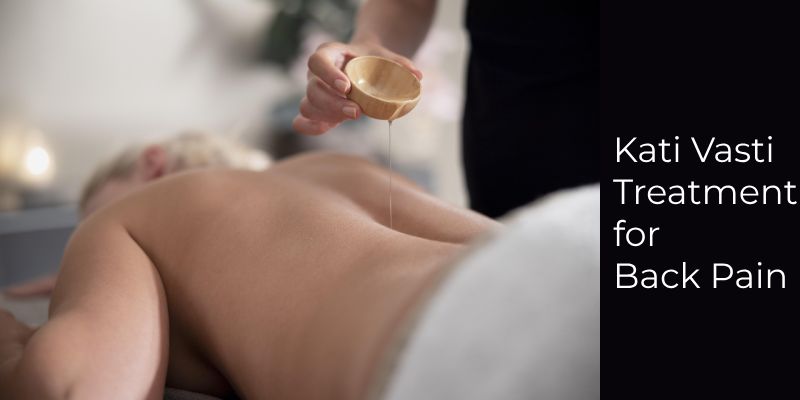
Ayurvedic Kati Vasti treatment for Back Pain Relief

Kati Vasti, or Kati Basti, is an Ayurvedic therapy designed to alleviate lower back pain and related conditions. By applying warm herbal oils or decoctions to the lower back, this treatment provides relief from various musculoskeletal issues. Growing in popularity as a holistic approach, Kati Vasti addresses chronic pain in the lumbar and sacral regions of the spine. This article explores the procedure, benefits, and effectiveness of Ayurvedic Kati Vasti treatment for Back Pain Relief.

Understanding Kati Vasti

It is a therapeutic Ayurvedic treatment that specifically targets the lower back area. The term “Kati” refers to the lower back or waist region, and “Vasti” means a compartment or container. Essentially, Kati Vasti involves the retention of warm, medicated oil on the lower back area for a specific duration. This treatment is known for its ability to relieve chronic and acute back pain, among other benefits.

Historical Background of Kati Vasti in Ayurveda

The origins of this treatment can be traced back to the ancient texts of Ayurveda, where it was described as a powerful treatment for Vata-related disorders. In Ayurvedic philosophy, the Vata dosha is associated with air and space, and its imbalance often manifests as pain, especially in the joints and back. Kati Vasti was developed as a way to pacify Vata dosha, bringing balance and relief to the body.

How Kati Vasti Works

It works by delivering heat and medicinal properties directly to the affected area. The warmth of the oil helps to relax the muscles, increase blood circulation, and soothe the nerves. The medicated oil penetrates deep into the tissues, providing nourishment and lubrication to the joints and muscles, which can help reduce pain and inflammation.

Key Ingredients Used in Kati Vasti

Kati Vasti is a specialized Ayurvedic treatment that utilizes various ingredients to enhance its effectiveness. Here are the key ingredients commonly used in Kati Vasti and their roles:

Medicated Oils

  • Sesame Oil: Known for its warming and nourishing properties. It helps in increasing blood circulation and soothing the muscles.
  • Ashwagandha Oil: Contains anti-inflammatory properties and is used to relieve pain and stress in the back.
  • Bala Oil: Provides strength to the muscles and supports the recovery of the spinal tissues.

Herbal Decoctions

  • Turmeric: Contains curcumin, which has strong anti-inflammatory and pain-relieving properties.
  • Ginger: Known for its warming effect and ability to reduce inflammation and improve circulation.
  • Eucalyptus: Used for its analgesic and anti-inflammatory effects, helping to relieve muscle pain and stiffness.

Dough for the Pool

  • Black Gram Flour (Urad Dal Flour): Mixed with water to create a dough ring that holds the medicated oil or herbal decoction in place. It is chosen for its consistency and ability to form a strong barrier.

Essential Oils

  • Peppermint Oil: Provides a cooling effect and can help alleviate pain and inflammation.
  • Lavender Oil: Known for its calming and soothing properties, aiding in relaxation of the muscles.

Herbal Powders

  • Guggul: An Ayurvedic herb known for its anti-inflammatory and pain-relieving properties.
  • Triphala: A blend of three fruits (Amla, Haritaki, and Bibhitaki) used for its detoxifying and healing effects.

Base Oils

  • Coconut Oil: Sometimes used in combination with other oils for its moisturizing and soothing properties.

These ingredients are carefully selected based on the patient’s specific condition and dosha balance to ensure the most effective treatment.

Benefits of Ayurvedic Kati Vasti Treatment for Back Pain Relief

Let’s explore the benefits of Ayurvedic Kati Vasti treatment for Back Pain Relief:

Pain Relief and Muscle Relaxation

One of the primary benefits is its ability to provide immediate pain relief. The warm oil soothes the muscles and nerves, reducing tension and spasms. This makes it an excellent treatment for those suffering from sciatica, lumbar spondylosis, or general muscle stiffness in the lower back.

Improving Spinal Health

This treatment doesn’t just address symptoms; it also works to improve the overall health of the spine. By nourishing the tissues around the vertebrae and intervertebral discs, this treatment can help maintain the integrity and flexibility of the spine, potentially preventing future issues.

Enhancing Flexibility and Mobility

Regular sessions of this treatment can lead to improved flexibility and mobility. The treatment helps to ease stiffness, making it easier to move without discomfort. This is particularly beneficial for those who find their daily activities limited by back pain.

Reducing Inflammation

The anti-inflammatory properties of the medicated oils used in this treatment play a crucial role in reducing inflammation in the back muscles and joints. This can be particularly beneficial for individuals with conditions like arthritis or degenerative disc disease.

The Kati Vasti Treatment Procedure

The Kati Vasti treatment involves a series of steps including preparation, application of warm medicated oil, and post-treatment care to address lower back pain effectively.

Preparing for the Treatment

  1. Dietary Adjustments: Follow a specific diet as advised by your Ayurvedic practitioner to optimize your digestive health before the treatment.
  2. Engage in Light Exercise: Incorporate gentle physical activity to keep your body active and ready for the procedure.
  3. Digestive Health: Ensure your digestive system is functioning well to enhance the effectiveness of the treatment.
  4. Consult Your Practitioner: Receive personalized advice from your Ayurvedic practitioner based on your individual health needs.

Step-by-Step Guide to the Kati Vasti Process

  1. Preparation of the Oil: Warm the medicated oil to a comfortable temperature suitable for application.
  2. Forming the Dough Ring: Create a dough ring from flour and place it on the lower back to form a reservoir.
  3. Pouring the Oil: Gently pour the warm oil into the dough ring, ensuring it remains contained.
  4. Retention: Allow the oil to sit on the back for about 30-40 minutes to enable deep penetration into the tissues.
  5. Removal: Carefully remove the oil and clean the treated area.
  6. Massage: Follow up with a gentle massage to enhance the treatment’s benefits and further relax the muscles.

Post-Treatment Care and Tips

  1. Keep the Area Warm: Avoid cold exposure and keep the treated area warm to maintain the treatment’s benefits.
  2. Engage in Light Exercise: Continue with light physical activity to support the recovery process.
  3. Healthy Diet: Maintain a balanced diet to complement the treatment and promote overall wellness.
  4. Follow Practitioner’s Recommendations: Adhere to any additional advice or herbal supplements suggested by your practitioner for optimal recovery.

Who Can Benefit from Kati Vasti?

It is particularly effective for those suffering from:

  • Chronic lower back pain
  • Sciatica
  • Lumbar spondylosis
  • Herniated discs
  • Muscle stiffness and spasms

Who Should Avoid This Treatment?

While this treatment is generally safe, it may not be suitable for everyone. Individuals with severe skin conditions, infections, or open wounds in the lower back area should avoid this treatment. It’s also advisable for pregnant women to consult their healthcare provider before undergoing Kati Vasti.

What is the Use of Kati Basti Treatment?

Kati Basti is an Ayurvedic treatment specifically designed to address lower back pain and related conditions by using warm herbal decoctions retained on the lower back. Here’s how it is used:

  1. Alleviating Lower Back Pain: Primarily used to relieve chronic lower back pain, targeting the lumbar and sacral regions of the spine.
  2. Treating Sciatica: Effective in reducing the pain and discomfort associated with sciatica, providing relief from nerve compression and inflammation.
  3. Managing Herniated Discs: Helps in reducing the symptoms of herniated discs by promoting healing and reducing inflammation in the affected area.
  4. Easing Lumbar Spondylosis: Used to manage lumbar spondylosis, a degenerative condition of the spine, by improving flexibility and reducing stiffness.
  5. Reducing Muscle Stiffness: The warmth and herbal properties help to relax and soften stiff muscles, enhancing mobility and comfort.
  6. Improving Circulation: By increasing blood flow to the lower back, it promotes healing and nourishes the tissues, helping to alleviate pain and improve overall back health.

The Cost of Kati Vasti Treatment

Typically, the cost for Kati Vasti treatment ranges from INR 1,300 to 2,000 per day. However, actual costs may vary based on the factors mentioned above, including the treatment duration and the specific services required.

The cost of the Treatment Program can vary depending on several factors, making it important to consider the following points:

  1. Location: The cost may differ depending on the city or region where the treatment is provided, with urban centers often charging more than rural areas.
  2. Patient’s Condition: The severity and specifics of the patient’s condition can influence the overall cost, as more complex cases may require longer or more intensive treatment.
  3. Type and Duration of Treatment: The length of the treatment program and whether it involves additional therapies or extended sessions can impact the total cost.
  4. Outpatient vs. Inpatient: Costs may vary depending on whether the treatment is provided on an outpatient basis or requires an inpatient stay at an Ayurvedic centre.
  5. Medications Prescribed: The specific herbal oils and medications used during the treatment can also affect the price, as some may be more expensive than others.

Insurance and Affordability Options

Some insurance plans may cover Ayurvedic treatments, including Kati Vasti. It’s worth checking with your insurance provider to determine if coverage is available. Many practitioners also offer payment plans or sliding scale fees to make the treatment more accessible.

Side Effects of Kati Vasti Treatment

While it is generally safe, it is important to be aware of potential side effects that may occur during or after the treatment:

  1. Mild Redness or Irritation: Some individuals may experience slight redness or irritation in the treated area, which typically subsides on its own.
  2. Allergic Reactions: Although rare, certain individuals may be allergic to the herbal oils used, potentially causing itching or rashes.
  3. Temporary Discomfort: A few patients might feel temporary discomfort or increased sensitivity in the lower back immediately after the treatment.
  4. Oily Skin: Due to the use of medicated oils, the skin may remain oily or greasy for a while after the treatment.
  5. Minor Skin Burns: If the oil is too hot, there is a small risk of minor burns or blisters, emphasizing the importance of a skilled practitioner.
  6. Dizziness or Lightheadedness: Some people may feel lightheaded or dizzy, especially if they are not accustomed to the warmth of the oil.

Precautions for Kati Vasti Treatment

To ensure a safe and effective treatment experience, it is crucial to follow these key precautions before and after the treatment:

  1. Consult a Qualified Practitioner: Always ensure the treatment is administered by a certified Ayurvedic practitioner who can tailor the procedure to your specific needs.
  2. Avoid if Pregnant: Pregnant women should refrain from undergoing the treatment unless advised otherwise by a healthcare provider.
  3. Patch Test for Allergies: Conduct a patch test with the herbal oil beforehand to check for any potential allergic reactions.
  4. Monitor Oil Temperature: Ensure that the oil is at a comfortable temperature to avoid burns or discomfort during the procedure.
  5. Avoid Cold Exposure Post-Treatment: After the session, keep the treated area warm and avoid cold exposure to maintain the treatment’s benefits.
  6. Follow Aftercare Instructions: Adhere to any aftercare guidelines provided by the practitioner, such as avoiding strenuous activities or taking hot showers immediately after the treatment.

Conclusion

Ayurvedic Kati Vasti treatment for Back Pain Relief by utilizing warm, medicated oil applied to the lower back. Its benefits include pain relief, muscle relaxation, improved spinal health, and reduced inflammation. By integrating Kati Vasti into your wellness routine, you may find significant improvements in your back pain and overall quality of life. Always consult with a qualified Ayurvedic practitioner to determine if Kati Vasti is the right treatment for you and to ensure a safe and effective experience.

FAQs

Is Kati Vasti Effective for Lower Back Pain?

It is effective for alleviating lower back pain and related conditions such as sciatica, herniated discs, and spondylitis. The treatment uses warm oil that penetrates deep into muscles, nourishing tissues and lubricating joints, which helps relax the muscles and reduce pain. However, since Ayurvedic medicine can vary in effectiveness depending on the patient and practitioner, it’s important to consult a qualified practitioner before trying this treatment.

How long does a Kati Vasti session last?

A typical session lasts about 30-40 minutes, but the exact duration may vary depending on individual needs and practitioner recommendations.

Can Kati Vasti be used for other types of pain?

While it is primarily used for back pain, its principles can be applied to other areas of the body. Consult with your Ayurvedic practitioner to determine if it can be adapted for your specific condition.

Is Kati Vasti safe during pregnancy?

It is generally not recommended during pregnancy. Always consult with your healthcare provider before undergoing any treatments during pregnancy.

How often should I undergo Kati Vasti treatment?

The frequency of treatments depends on the severity of your condition and your practitioner’s advice. Typically, a series of treatments is recommended for optimal results.

What should I expect after a Kati Vasti session?

After a session, you may experience relief from back pain, increased flexibility, and a sense of relaxation. Follow your practitioner’s aftercare instructions to maximize the benefits of the treatment.

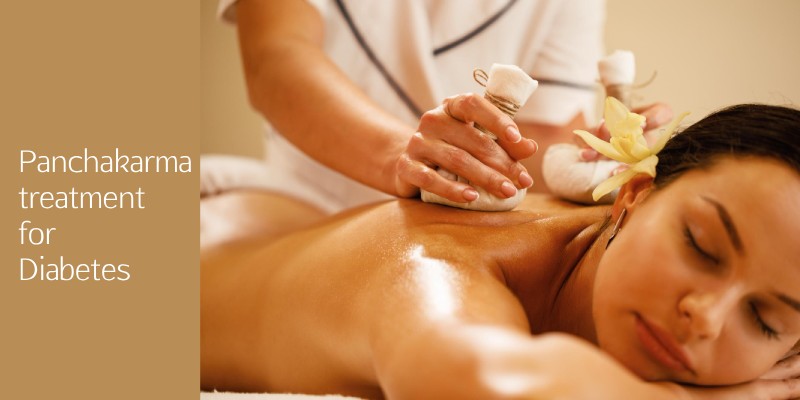
Ayurvedic Panchakarma treatment for Diabetes Control

Diabetes is one of the most prevalent chronic conditions affecting millions of people worldwide. It’s not just a disease; it’s a lifestyle challenge that requires constant management. Conventional treatments, primarily focused on medication and diet, often help in controlling blood sugar levels but don’t always address the underlying imbalances in the body. This is where alternative approaches, such as Ayurvedic Panchakarma treatment for Diabetes Control, come into play.

Panchakarma: The Core of Ayurvedic Healing

At the heart of Ayurvedic treatment lies Panchakarma, a comprehensive detoxification and rejuvenation process. Panchakarma consists of five main therapies: Vamana (therapeutic vomiting), Virechana (purgation), Basti (medicated enema), Nasya (nasal administration), and Raktamokshana (bloodletting). Each of these therapies is designed to cleanse the body of toxins, strengthen the immune system, and restore balance in the doshas.

Link Between Panchakarma and Diabetes

In Ayurveda, diabetes is considered a metabolic disorder caused by an imbalance in the body’s doshas, particularly Kapha dosha. Panchakarma treatments help to balance these doshas by detoxifying the body, improving digestion, and enhancing the function of the pancreas. This holistic approach not only helps in controlling blood sugar levels but also addresses the root cause of diabetes, offering a more sustainable solution.

Ayurvedic Panchakarma Treatment for Diabetes Control

Let’s explore effective Ayurvedic Panchakarma Treatment for Diabetes Control:

Vamana (Therapeutic Vomiting)

Vamana is a process where the patient is induced to vomit to eliminate toxins from the upper gastrointestinal tract. For diabetic patients, Vamana helps in reducing Kapha dosha, which is often elevated in diabetes. This therapy can lead to better digestion, reduced insulin resistance, and overall improved metabolic health.

Virechana (Purgation Therapy)

Virechana involves the use of herbal laxatives to cleanse the liver and intestines. This therapy is particularly beneficial for controlling Pitta dosha, which can also play a role in diabetes. By clearing the digestive system, Virechana helps in better absorption of nutrients and regulation of blood sugar levels.

Basti (Medicated Enema)

Basti is considered one of the most important treatments in Panchakarma. It involves administering medicated oils or decoctions into the rectum. For diabetes, Basti can improve insulin sensitivity and metabolism, helping to control blood sugar levels. It also helps in balancing Vata dosha, which is crucial for nerve health and is often compromised in diabetic patients.

Nasya (Nasal Administration)

Nasya involves the administration of herbal oils through the nose. This therapy is effective in clearing the sinus passages and improving respiratory health. For diabetics, Nasya can help manage stress, which is a known factor that can exacerbate blood sugar levels. By calming the nervous system, Nasya supports better overall health.

Raktamokshana (Bloodletting)

Raktamokshana is a procedure that involves removing a small amount of blood to reduce toxins in the body. In diabetes management, Raktamokshana can help reduce impurities in the blood, which is often a problem in chronic diabetic conditions. This therapy is particularly useful in managing complications like diabetic ulcers.

Ayurvedic Diet and Lifestyle Recommendations for Diabetes

Ayurveda strongly emphasizes the importance of diet and lifestyle in managing diabetes. A balanced diet rich in whole grains, vegetables, and specific herbs like turmeric, fenugreek, and bitter gourd is recommended. Additionally, following a daily routine (Dinacharya) that includes regular exercise, meditation, and proper sleep is crucial for maintaining balanced blood sugar levels.

Benefit Ayurvedic Panchakarma Treatment for Diabetes Control

Let’s explore the benefits of Ayurvedic panchakarma treatment for diabetes control:

  • Detoxification: Cleanses the body of toxins, which can help improve blood sugar levels and overall metabolic health.
  • Dosha Balance: Balances the body’s doshas, enhancing insulin sensitivity and better blood sugar control.
  • Digestive Health: Improves digestion, aiding in better nutrient absorption and glucose regulation.
  • Stress Reduction: Reduces stress and anxiety, lowering cortisol levels and positively impacting blood sugar control.
  • Better Circulation: Improves blood flow, helping with insulin function and glucose uptake by cells.
  • Weight Management: Supports weight loss, which is crucial for effective diabetes management.

Risks and Precautions in Panchakarma Treatment

Be aware of potential risks and take necessary precautions before starting Panchakarma treatment to ensure safety and effectiveness.

  • Medical Conditions: Individuals with severe heart disease, advanced stages of diabetes, or pregnancy may need to avoid certain therapies.
  • Consultation Required: Always consult a qualified Ayurvedic practitioner before starting treatment to ensure it’s appropriate for your condition.
  • Potential Side Effects: Be aware of possible side effects such as fatigue or mild discomfort, which are usually temporary and manageable with proper guidance.
  • Personalized Approach: Tailor treatments to each person’s health conditions and needs to avoid adverse effects.
  • Monitoring: Regular monitoring and follow-up with your practitioner are important to adjust treatments as needed and ensure safety.
  • Informed Decision: Make an informed decision about starting treatment by discussing any existing health issues or concerns with your healthcare provider.

Conclusion

We have covered a detailed guide on Ayurvedic Panchakarma Treatment for Diabetes Control. Panchakarma offers a holistic and natural approach to managing diabetes, addressing the root causes rather than just the symptoms. By integrating Panchakarma with modern medicine, diabetic patients can experience a more balanced and effective treatment plan. If you’re struggling with diabetes and looking for a sustainable solution, exploring Ayurvedic treatments might be the key to achieving better health.

FAQs

How does Panchakarma balance blood sugar levels in diabetic patients?

Panchakarma detoxifies the body, balances the doshas (body energies), and improves metabolic health. These therapies target the imbalances that contribute to high blood sugar levels, supporting better control over blood sugar.

Which Ayurvedic herbs support diabetes management during Panchakarma?

Several Ayurvedic herbs aid in diabetes management, such as Bitter Gourd (Karela), Fenugreek (Methi), and Turmeric (Haldi). These herbs help regulate blood sugar levels and often feature in the Panchakarma process or form part of a comprehensive treatment plan.

Can I use Panchakarma alongside my current diabetes medication?

Yes, you can use Panchakarma alongside conventional diabetes medications. Ensure you do this under the guidance of both your Ayurvedic practitioner and your primary healthcare provider to make sure the treatments complement each other effectively and avoid any potential interactions.

What lifestyle changes should I make after undergoing Panchakarma for diabetes?

After Panchakarma, you should follow a balanced diet, engage in regular physical activity, and practice stress management techniques like yoga or meditation. These changes help maintain the benefits of Panchakarma and support long-term diabetes management.

How can I determine if Panchakarma is the right treatment for my type of diabetes?

To determine if Panchakarma suits your type of diabetes (Type 1 or Type 2), overall health, and any existing complications, consult with a qualified Ayurvedic practitioner. They will assess your condition and tailor the treatment to your specific needs.

Natural Remedies for Obesity: Ayurvedic Approaches

Obesity is more than just a cosmetic concern; it’s a serious health issue that affects millions worldwide. With rising obesity rates, people are increasingly looking for natural ways to manage their weight. One such approach that has gained attention is Ayurveda, an ancient Indian system of medicine. But how effective is Ayurveda in tackling obesity? Let’s explore the Ayurvedic top 10 Natural Remedies for Obesity that can help you achieve a healthier lifestyle.

Understanding Obesity in Ayurveda

In Ayurveda, obesity is often linked to an imbalance in the body’s doshas, particularly Kapha dosha. Kapha, associated with earth and water elements, governs structure and fluid balance in the body. When out of balance, it can lead to weight gain, lethargy, and other health issues.

Causes of Obesity According to Ayurveda

According to Ayurveda, obesity is caused by factors such as overeating, poor digestion, a sedentary lifestyle, and an imbalance in the doshas. Emotional factors like stress and anxiety can also contribute to weight gain by disrupting the body’s natural rhythms.

Ayurvedic Body Types (Doshas) and Obesity

Ayurveda categorizes individuals into three primary doshas: Vata, Pitta, and Kapha. Each dosha has its own characteristics and tendencies. Kapha types, for example, are more prone to weight gain due to their slow metabolism and tendency to retain water. Understanding your dosha can help tailor a weight management plan that suits your body type.

Top 10 Natural Remedies for Obesity

If you’re looking for natural ways to manage obesity, Ayurveda offers a wealth of remedies that are both safe and effective.

Here are the top 10 Natural Remedies for Obesity that can help you shed excess weight and improve your overall health:

Triphala

Triphala is a blend of three powerful fruits: Amalaki, Bibhitaki, and Haritaki. This combination works wonders for digestion and detoxification, both of which are crucial for weight loss. Taking Triphala in powder or capsule form before bedtime can help regulate bowel movements and cleanse the digestive system.

Guggul

Guggul is a resin extracted from the Commiphora mukul tree and is renowned in Ayurveda for its fat-burning properties. It helps boost metabolism, reduces cholesterol levels, and aids in the breakdown of fat cells. Guggul can be taken in tablet or powder form, often combined with other herbs for enhanced effects.

Cinnamon

Cinnamon is a common kitchen spice with extraordinary benefits for weight loss. It helps regulate blood sugar levels, which can reduce cravings and prevent overeating. Adding a teaspoon of cinnamon to your daily diet, whether in tea, smoothies, or food, can support weight management.

Lemon and Honey Water

Starting your day with a glass of warm water mixed with lemon juice and honey is a popular Ayurvedic remedy for weight loss. This simple drink helps detoxify the body, improves digestion, and boosts metabolism. Drink it on an empty stomach every morning for the best results.

Ginger

Ginger is a powerful spice with thermogenic properties, meaning it helps raise the body’s temperature, which in turn boosts metabolism. It also aids digestion and can reduce appetite. You can consume ginger as a tea, add it to your meals, or take it in supplement form.

Aloe Vera

Aloe Vera is not just for skin care; it’s also a potent remedy for weight loss. It helps improve digestion, detoxify the body, and enhance metabolism. Drinking aloe vera juice daily can help you lose weight naturally, while also providing other health benefits.

Turmeric

Turmeric, with its active compound curcumin, is known for its anti-inflammatory and fat-burning properties. It helps reduce the growth of fat tissues and promotes the breakdown of existing fat cells. Adding turmeric to your diet, whether in curries, teas, or supplements, can support weight loss.

Black Pepper

Black pepper contains piperine, a compound that enhances metabolism and prevents the formation of new fat cells. It also improves the bioavailability of other nutrients, making it a great addition to any weight loss regimen. Sprinkle black pepper on your meals to reap its benefits.

Fennel Seeds

Fennel seeds are often used in Ayurveda to aid digestion and reduce bloating. They have diuretic properties that help flush out excess water and toxins from the body, which can contribute to weight loss. Chewing on fennel seeds or drinking fennel tea after meals can be particularly effective.

Cabbage

Cabbage is low in calories and high in fibre, making it an excellent food for weight loss. It helps to slow down the conversion of sugar and carbohydrates into fat, making it easier to shed pounds. Incorporate cabbage into your diet in salads, soups, or stir-fries for a healthy, filling meal.

Conclusion

We have covered a detailed guide on top 10 Natural Remedies for Obesity. Incorporating these natural remedies into your routine can be a powerful way to manage obesity effectively. From Triphala and Guggul to Cinnamon and Cabbage, each remedy supports weight loss through unique mechanisms. Combined with a balanced diet and regular exercise, these remedies offer a holistic approach to achieving and maintaining a healthy weight. Consult a practitioner for personalized guidance.

FAQs

What specific Ayurvedic herbs are recommended for obesity?

Ayurvedic herbs like Triphala, Guggul, and Ashwagandha are highly recommended for obesity. Triphala enhances digestion and detoxification, Guggul boosts metabolism, and Ashwagandha helps reduce stress, which often contributes to weight gain.

How does Ayurveda suggest managing cravings for unhealthy foods?

Ayurveda manages cravings by incorporating digestive spices like cumin and fennel into meals. Additionally, practicing mindful eating and consuming small, balanced meals throughout the day can help regulate appetite and reduce cravings for unhealthy foods.

Can Ayurveda help with obesity-related health issues like high cholesterol?

Yes, Ayurveda aids in managing obesity-related health issues such as high cholesterol. Herbs like Guggul and Turmeric help lower cholesterol levels, while a balanced diet and proper digestion practices support overall cardiovascular health and weight management.

How can I incorporate Ayurvedic principles into my daily routine for weight loss?

Incorporate Ayurvedic principles by following a balanced diet tailored to your dosha, practising daily yoga and meditation, and establishing a consistent routine. These practices improve digestion, balance hormones, and support sustainable weight loss.

What role does stress management play in Ayurvedic weight loss strategies?

Stress management is vital in Ayurvedic weight loss strategies since high-stress levels can lead to weight gain. Techniques like meditation, mindfulness, and stress-reducing herbs such as Ashwagandha help manage cortisol levels and support weight loss.

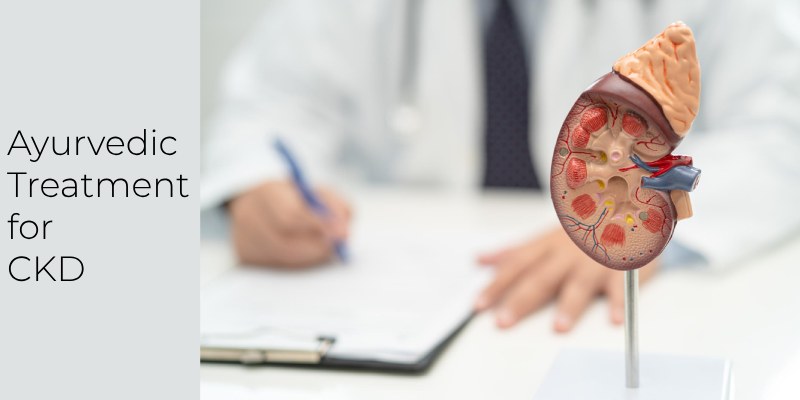
Ayurvedic Treatment for CKD: Enhancing Kidney Function

Chronic Kidney Disease (CKD) is a severe medical condition that impacts millions of people worldwide. The kidneys, crucial organs responsible for filtering waste and excess fluids from the blood, gradually lose function in CKD. Early diagnosis and effective treatment are essential to managing this condition and improving the quality of life for those affected. Among various treatment options, ayurvedic treatment for CKD offers a natural and holistic approach to enhancing kidney function and managing it.

What is CKD?

Chronic Kidney Disease is a progressive condition where the kidneys gradually lose their ability to function effectively. It can lead to kidney failure if not managed properly.

Stages of CKD

Chronic Kidney Disease  is classified into five stages based on the glomerular filtration rate (GFR):

  1. Stage 1: Kidney damage with normal or increased GFR (≥90 mL/min)
  2. Stage 2: Mild decrease in GFR (60-89 mL/min)
  3. Stage 3: Moderate decrease in GFR (30-59 mL/min)
  4. Stage 4: Severe decrease in GFR (15-29 mL/min)
  5. Stage 5: Kidney failure (GFR <15 mL/min)

Symptoms of CKD

Symptoms vary depending on the stage but may include:

  • Fatigue and weakness
  • Swelling in the ankles, feet, or hands
  • Shortness of breath
  • Nausea and vomiting
  • Loss of appetite
  • Changes in urine output and frequency
  • Itchy skin
  • Muscle cramps

Causes and Risk Factors

Chronic Kidney Disease  can result from various causes, including:

  • Diabetes: High blood sugar levels can damage kidney filters.
  • Hypertension: High blood pressure can damage blood vessels in the kidneys.
  • Glomerulonephritis: Inflammation of the kidney’s filtering units.
  • Polycystic Kidney Disease: Genetic disorder causing cysts in the kidneys.
  • Recurrent Kidney Infections: Frequent infections can cause damage.

Risk factors include age, family history, obesity, smoking, and certain medications.

Ayurvedic Perspective on CKD

In Ayurveda, kidneys are viewed as essential organs for filtering toxins (ama) and maintaining water and electrolyte balance.

Doshas and Kidney Health

Ayurveda identifies three doshas – Vata, Pitta, and Kapha – that must be balanced for optimal health. Imbalance in these doshas can lead to kidney dysfunction.

  • Vata: Governs movement and communication. Imbalance can cause dryness and weakening of tissues.
  • Pitta: Governs metabolism and transformation. Imbalance can lead to inflammation.
  • Kapha: Governs structure and lubrication. Imbalance can cause congestion and fluid retention.

Ayurvedic Pathology of CKD

Ayurveda attributes Chronic Kidney Disease  to the imbalance of the doshas, particularly an aggravated Kapha dosha, leading to the accumulation of toxins and impaired kidney function.

Ayurvedic Treatment for CKD

Ayurvedic treatments for CKD are centered around balancing the body’s doshas, detoxifying the system, and incorporating lifestyle and dietary changes.

Let’s explore effective Ayurvedic Treatment options for CKD.

Herbal Remedies

Herbal remedies are a cornerstone of Ayurvedic treatment for CKD, harnessing the natural healing properties of plants to support kidney health. These remedies are often used in conjunction with other therapies and dietary adjustments to provide a comprehensive treatment plan.

Punarnava (Boerhavia diffusa)

Punarnava, also known as Boerhavia diffusa, is one of the most revered herbs in Ayurveda for kidney health. Its name translates to “rejuvenator,” reflecting its role in revitalizing and restoring kidney function.

  • Benefits:

    • Diuretic Properties: Helps increase urine output, reducing fluid retention and swelling.
    • Anti-inflammatory: Reduces inflammation in the kidneys and urinary tract.
    • Detoxifying: Assists in removing toxins from the body and supports overall kidney health.
  • Usage: Typically consumed in the form of powder, capsule, or decoction. Dosage should be prescribed by a qualified Ayurvedic practitioner based on individual needs.

Gokshura (Tribulus terrestris)

Gokshura, or Tribulus terrestris, is another significant herb used in Ayurveda for its beneficial effects on the kidneys and urinary system.

  • Benefits:

    • Anti-inflammatory: Helps to soothe inflammation and irritation in the kidneys.
    • Diuretic: Promotes the elimination of excess fluids from the body.
    • Urinary Health: Supports healthy urinary function and reduces symptoms of urinary tract infections.
  • Usage: Often used in the form of tablets, powder, or as a part of herbal formulations. The dosage varies depending on the individual’s condition and response.

Varun (Crataeva nurvala)

Varun, or Crataeva nurvala, is widely recognized for its role in managing kidney stones and improving urinary function.

  • Benefits:

    • Litholytic Properties: Aids in dissolving kidney stones and preventing their recurrence.
    • Anti-inflammatory: Reduces inflammation in the kidneys and urinary tract.
    • Supports Urinary Health: Enhances the flow of urine and reduces symptoms of urinary obstruction.
  • Usage: Commonly used as a powder, extract, or part of a formulation. It is important to use Varun under the guidance of an Ayurvedic practitioner.

Shigru (Moringa oleifera)

Shigru, or Moringa oleifera, is known for its powerful antioxidant properties and overall health benefits.

  • Benefits:

    • Antioxidant: Protects the kidneys from oxidative stress and damage.
    • Anti-inflammatory: Helps reduce inflammation and supports kidney function.
    • Nutrient-Rich: Provides essential vitamins and minerals beneficial for overall health.
  • Usage: Available in various forms, including powder, capsules, and fresh leaves. It is commonly included in daily dietary supplements.

Panchakarma Therapies

Panchakarma, a vital aspect of Ayurvedic detoxification and rejuvenation, involves a series of therapeutic procedures designed to cleanse and balance the body. For CKD patients, Panchakarma therapies can help in detoxifying the kidneys and restoring their function.

Basti (Enema Therapy)

Basti, or enema therapy, is a key component of Panchakarma that involves the administration of therapeutic liquids into the rectum.

  • Benefits:

    • Detoxification: Helps remove accumulated toxins and impurities from the colon.
    • Kidney Health: Enhances kidney function by reducing systemic toxicity.
    • Balancing Doshas: Effective in balancing the Vata and Kapha doshas, which are often implicated in kidney dysfunction.
  • Procedure: The type of Basti used can vary based on the individual’s condition. It may include herbal decoctions, oils, or other therapeutic substances.

Virechana (Purgation Therapy)

Virechana, or purgation therapy, involves the use of medicinal herbs to induce controlled purging of the digestive tract.

  • Benefits:

    • Detoxification: Cleanses the liver and intestines, which can indirectly benefit kidney health.
    • Balancing Doshas: Particularly effective in balancing Pitta dosha, which can influence kidney function.
    • Improves Digestion: Enhances digestive health, which is crucial for overall detoxification.
  • Procedure: Virechana typically involves a preparation phase with specific dietary and lifestyle changes followed by the administration of purgative medicines.

Raktamokshana (Bloodletting Therapy)

Raktamokshana, or bloodletting therapy, is used to purify the blood and remove toxins that can impact kidney function.

  • Benefits:

    • Blood Purification: Removes toxins from the blood, reducing the burden on the kidneys.
    • Reduces Inflammation: Helps alleviate inflammation associated with Chronic Kidney Disease.
    • Balances Doshas: Effective in balancing the imbalanced doshas that contribute to kidney disease.
  • Procedure: Raktamokshana can be performed through various methods, including leech therapy or venesection, depending on the patient’s needs.

Dietary Recommendations

Diet plays a crucial role in ayurvedic treatment for CKD and supporting overall kidney health. Ayurvedic dietary recommendations for Chronic Kidney Disease focus on balancing the doshas and avoiding foods that can exacerbate kidney problems.

Foods to Include

  • Fresh Fruits and Vegetables: Opt for low-potassium fruits and vegetables like apples, berries, cauliflower, and cucumbers.
  • Whole Grains: Include grains like barley, rice, and quinoa, which are gentle on the kidneys.
  • Lean Proteins: Sources like fish, chicken, and legumes, consumed in moderation, can support kidney function without overloading the system.
  • Herbs: Incorporate herbs like turmeric and ginger, known for their anti-inflammatory and antioxidant properties.
  • Healthy Fats: Use oils like olive oil and coconut oil, which provide essential fatty acids and are easier on the kidneys compared to saturated fats.

Foods to Avoid

  • Processed Foods: These often contain high levels of sodium, phosphorus, and artificial additives, which can strain the kidneys.
  • Excessive Salt: High salt intake can lead to fluid retention and increased blood pressure, worsening Chronic Kidney Disease .
  • Refined Sugars: Foods high in refined sugars can contribute to diabetes, a major risk factor for Chronic Kidney Disease.
  • High-Phosphorus Foods: Limit dairy products, nuts, and seeds, which are high in phosphorus and can impair kidney function.
  • High-Potassium Foods: Avoid foods like bananas, oranges, potatoes, and tomatoes, which can lead to elevated potassium levels.

Lifestyle Modifications

Ayurvedic lifestyle modifications play a vital role in ayurvedic treatment for CKD by supporting overall health and well-being.

Exercise

Regular exercise is crucial for maintaining a healthy weight, reducing stress, and improving circulation. For CKD patients:

  • Moderate Activities: Engage in activities such as walking, swimming, and gentle yoga, which are beneficial without putting undue strain on the kidneys.
  • Consistency: Aim for at least 30 minutes of moderate exercise most days of the week.

Stress Management

Chronic stress can exacerbate Chronic Kidney Disease symptoms and impact overall health. Effective stress management techniques include:

  • Yoga and Meditation: Practices that promote relaxation and mental clarity.
  • Deep Breathing Exercises: Techniques like diaphragmatic breathing can reduce stress and support overall well-being.
  • Mindfulness: Engaging in mindfulness practices to improve emotional resilience and reduce stress.

Conclusion

Ayurvedic treatment for CKD offers a natural, holistic approach that focuses on balancing the body’s energies and promoting overall health. By incorporating herbal remedies, Panchakarma therapies, dietary recommendations, and lifestyle modifications, Ayurveda can help enhance kidney function and improve the quality of life for Chronic Kidney Disease patients. While it may not replace conventional medical treatments, Ayurveda can complement them, offering a comprehensive and personalized approach to managing CKD.

FAQs

How does Ayurveda prevent CKD?

Ayurveda prevents CKD by promoting a balanced lifestyle and diet tailored to each individual’s dosha. People follow strategies like regular detoxification, maintaining optimal digestion, and managing stress to avoid CKD and other chronic conditions.

What role do lifestyle changes play in Ayurvedic treatment for CKD?

Lifestyle changes play a crucial role in Ayurvedic treatment for CKD. Individuals incorporate regular physical activity, get adequate sleep, use stress reduction techniques such as meditation, and avoid harmful habits like smoking and excessive alcohol consumption.

Can Ayurvedic herbs interact with conventional medications for CKD?

Yes, Ayurvedic herbs can interact with conventional medications. Consulting both an Ayurvedic practitioner and a primary healthcare provider ensures that herbal treatments do not interfere with prescribed medications and that dosages adjust as needed.

How do practitioners monitor the effectiveness of Ayurvedic treatment for CKD?

Practitioners monitor the effectiveness of Ayurvedic treatment through regular check-ups, including blood tests to assess kidney function, urine analysis, and evaluations of symptoms. They also gauge progress by noting improvements in overall well-being and quality of life.

Do Ayurvedic therapies vary for different stages of CKD?

Yes, Ayurvedic therapies vary based on the stage of CKD. Practitioners focus on improving kidney function and balancing doshas in the early stages, while they may use more intensive detoxification therapies like Panchakarma in advanced stages. They design a personalized plan based on the individual’s condition.

What is Nasya in Ayurveda? Benefits and Procedures Explained

Nasya, an ancient Ayurvedic therapy, is gaining recognition for its profound benefits in enhancing overall well-being. But what is Nasya in Ayurveda, and how can it positively impact your health? This comprehensive guide will delve into the nuances of Nasya, exploring its benefits, procedures, and how it can be a valuable addition to your wellness routine.

What is Nasya in Ayurveda?

Nasya, a term rooted in the ancient science of Ayurveda, refers to the therapeutic administration of medicines through the nasal passages. This practice is part of Panchakarma, a holistic detoxification process designed to balance the body’s doshas—Vata, Pitta, and Kapha. By introducing medicinal oils or powders into the nasal cavity, Nasya aims to cleanse, nourish, and rejuvenate the mind and body.

Historical Background of Nasya

Nasya has been an integral part of Ayurvedic medicine for thousands of years. It is mentioned in ancient texts such as the Charaka Samhita and Sushruta Samhita, which highlight its importance in maintaining nasal and respiratory health. Traditionally, Nasya was employed to treat a range of ailments, from sinusitis to mental fatigue.

Benefits of Nasya Therapy

Let’s explore Benefits of Nasya Therapy:

Enhances Respiratory Health

One of the primary benefits of Nasya is its ability to support respiratory health. The nasal passages are the first line of defense against airborne pollutants and pathogens. By applying medicinal oils or powders, Nasya helps clear mucus, reduce inflammation, and improve overall nasal function.

Promotes Mental Clarity and Focus

Nasya is renowned for its positive impact on mental clarity and focus. The therapy stimulates the olfactory nerves, which are directly linked to brain function. This stimulation can enhance cognitive performance, alleviate stress, and promote a sense of mental well-being.

Balances Doshas

In Ayurveda, maintaining a balance between the three doshas is crucial for overall health. Nasya helps balance the Kapha dosha, which governs the body’s mucus production and respiratory functions. By clearing excess mucus and promoting proper airflow, Nasya aids in maintaining this balance.

Supports Skin Health

Nasya can also benefit the skin. The therapy helps in detoxifying the body by clearing out impurities that could affect the skin’s appearance. Regular Nasya can contribute to a clearer complexion and reduce the occurrence of skin-related issues.

Aids in Detoxification

Nasya is an effective component of Panchakarma, a comprehensive detoxification program in Ayurveda. By cleansing the nasal passages and improving respiratory function, Nasya supports the body’s natural detoxification processes and promotes overall health.

Nasya Procedure: Step-by-Step Guide

Discover the transformative power of Nasya with our detailed step-by-step guide to this ancient Ayurvedic therapy.

Preparation Before Nasya

Before undergoing Nasya, it is essential to prepare the body and mind. This includes adopting a light diet and engaging in relaxation techniques such as meditation or gentle yoga. The preparation phase helps the body better absorb the therapeutic effects of Nasya.

The Nasya Process

  • Positioning: Lie down with your head tilted backwards.
  • Application: Administer a few drops of medicated oil or powder into each nostril, selecting the substance based on your health condition and dosha imbalance.
  • Inhalation: After applying the medication, inhale deeply to allow it to reach the deeper nasal passages.
  • Post-Treatment Care: Avoid exposure to cold and wind after treatment. Consider gentle massage and warm steam to enhance the therapy’s effects.

Frequency of Nasya Treatments

The frequency of Nasya treatments varies depending on individual needs and health conditions. Typically, it is performed daily or weekly as part of a Panchakarma regimen. Consultation with an Ayurvedic practitioner can help determine the optimal schedule.

Conclusion

In summary, discovering what Nasya in Ayurveda is and how it functions reveals a profound and multifaceted approach to health care. This ancient therapy not only addresses respiratory and mental health but also supports overall well-being by balancing doshas and aiding in detoxification. Whether you seek to enhance your respiratory function, improve mental clarity, or achieve a deeper state of balance, Nasya offers a time-tested solution rooted in the principles of Ayurvedic medicine. Embracing this practice could be a valuable step toward a more holistic and balanced approach to your health.

FAQs

What is Nasya in Ayurveda used for?

Nasya in Ayurveda primarily treats respiratory issues, enhances mental clarity, balances doshas, supports skin health, and aids in detoxification. This holistic therapy targets multiple aspects of health through nasal administration.

How does Nasya benefit respiratory health?

Nasya benefits respiratory health by clearing excess mucus, reducing inflammation, and enhancing nasal function. The therapeutic oils or powders used in Nasya help maintain a healthy respiratory system and alleviate conditions such as sinusitis and nasal congestion.

Can Nasya therapy improve mental clarity?

Yes, Nasya therapy can improve mental clarity by stimulating the olfactory nerves, which are linked to brain function. This stimulation helps enhance cognitive performance, reduce stress, and promote a clearer state of mind.

How does Nasya support skin health?

Nasya supports skin health by detoxifying the body and reducing impurities that can affect skin appearance. By clearing the nasal passages and improving overall health, Nasya contributes to a healthier complexion.

What should I do before undergoing Nasya therapy?

Before undergoing Nasya therapy, it is important to prepare by adopting a light diet, engaging in relaxation techniques, and ensuring proper hydration. This preparation helps the body absorb the therapeutic benefits of Nasya more effectively.

How often should you perform Nasya?

Determine how often you should perform Nasya based on your individual health needs and conditions. Typically, you can undergo Nasya daily or weekly as part of a Panchakarma detoxification program. Consult an Ayurvedic practitioner to find the best frequency tailored to your specific situation.


Exploring the Five Elements of Ayurveda in Daily Life

Ayurveda, often referred to as the “science of life,” is an ancient system of medicine that originated in India over 5,000 years ago. It is rooted in the belief that health and wellness depend on a delicate balance between the mind, body, and spirit. Central to this system are the five elements: Ether (Akasha), Air (Vayu), Fire (Agni), Water (Jala), and Earth (Prithvi). These elements form the foundation of the physical universe and are believed to be present in everything, including our bodies. Understanding and balancing these Five Elements of Ayurveda in our daily lives can lead to greater health, harmony, and well-being.

The Five Elements of Ayurveda

The five elements are fundamental building blocks of nature and exist in all matter, both organic and inorganic. Each element has unique characteristics and influences different aspects of our physical and mental health. The balance and interaction of these elements within the body are crucial for maintaining health. When one or more elements become imbalanced, it can lead to physical or emotional disturbances.

Ether (Akasha)

Ether, or space, is the subtlest of the elements. It represents emptiness and expansiveness. In the body, Ether is present in spaces like the mouth, nostrils, and cells.

  • Characteristics of Ether: Light, subtle, omnipresent
  • Role of Ether in the Body and Mind: Facilitates communication, expression, and creativity
  • Incorporating Ether into Daily Life: Engage in open communication, practice meditation, and spend time in quiet, spacious environments.

Air (Vayu)

Air represents movement and dynamism. It governs all forms of motion in the body, including breathing, circulation, and nerve impulses.

  • Characteristics of Air: Mobile, dry, light
  • Role of Air in the Body and Mind: Controls movement, coordination, and mental activity
  • Incorporating Air into Daily Life: Practice deep breathing exercises, engage in physical activities like yoga, and maintain a flexible routine.

Fire (Agni)

Fire is the element of transformation. It governs digestion, metabolism, and energy production in the body.

  • Characteristics of Fire: Hot, sharp, intense
  • Role of Fire in the Body and Mind: Manages digestion, clarity, and intelligence
  • Incorporating Fire into Daily Life: Eat warm, cooked foods, practice sun salutations, and engage in activities that stimulate the mind and body.

Water (Jala)

Water is essential for cohesion and lubrication. It is present in all bodily fluids and plays a key role in hydration and nourishment.

  • Characteristics of Water: Cool, fluid, soft
  • Role of Water in the Body and Mind: Maintains fluid balance, nurtures and soothes
  • Incorporating Water into Daily Life: Drink plenty of water, eat hydrating foods, and practice calming activities like swimming or bathing.

Earth (Prithvi)

Earth represents stability and support. It forms the solid structures of the body, such as bones and tissues.

  • Characteristics of Earth: Heavy, stable, dense
  • Role of Earth in the Body and Mind: Provides structure, strength, and endurance
  • Incorporating Earth into Daily Life: Eat grounding foods like root vegetables, engage in strength-building exercises, and maintain a stable daily routine.

Diet and the Five Elements

In Ayurveda, diet is a foundational aspect of maintaining health and balance. Each of the five elements—Ether, Air, Fire, Water, and Earth—corresponds to specific qualities and food types. Understanding these associations helps tailor dietary choices to balance the elements within the body, promoting overall well-being.

Ether (Akasha)

  • Characteristics: Light, subtle, expansive
  • Foods to Incorporate:
    • Light Foods: Leafy greens, sprouts, and fresh herbs
    • Airy Foods: Berries, apples, and pears
    • Herbs and Spices: Basil, fennel, and mint
  • Foods to Avoid:
    • Heavy, dense foods like meats and hard cheeses
    • Overly processed and fast foods
  • Dietary Tips:
    • Eat fresh, light meals with plenty of raw vegetables and fruits.
    • Use fresh herbs to enhance flavors without adding heaviness.

Air (Vayu)

  • Characteristics: Dry, light, mobile
  • Foods to Incorporate:
    • Grounding Foods: Sweet potatoes, carrots, and beets
    • Oily Foods: Avocado, olive oil, and ghee
    • Warm Foods: Soups, stews, and cooked grains
  • Foods to Avoid:
    • Dry, cold, and raw foods
    • Caffeine and carbonated drinks
  • Dietary Tips:
    • Favor warm, moist, and oily foods to counteract the dryness and lightness of Air.
    • Incorporate spices like ginger and cumin to aid digestion and warmth.

Fire (Agni)

  • Characteristics: Hot, sharp, intense
  • Foods to Incorporate:
    • Cooling Foods: Cucumbers, melons, and leafy greens
    • Sweet Foods: Milk, rice, and sweet fruits
    • Hydrating Foods: Coconut water, yogurt, and smoothies
  • Foods to Avoid:
    • Spicy, sour, and salty foods
    • Alcohol and caffeine
  • Dietary Tips:
    • Balance the heat of Fire with cooling and hydrating foods.
    • Avoid excessively spicy and hot foods to prevent aggravation.

Water (Jala)

  • Characteristics: Cool, fluid, cohesive
  • Foods to Incorporate:
    • Drying Foods: Barley, corn, and dried fruits
    • Warm Foods: Ginger tea, cooked vegetables, and baked fruits
    • Light Foods: Leafy greens, asparagus, and sprouts
  • Foods to Avoid:
    • Excessive dairy, sweets, and oily foods
    • Overconsumption of salty foods
  • Dietary Tips:
    • Focus on foods that balance the fluid nature of Water, emphasizing drying and light qualities.
    • Include spices like black pepper and turmeric to promote warmth and digestion.

Earth (Prithvi)

  • Characteristics: Heavy, stable, dense
  • Foods to Incorporate:
    • Light Foods: Leafy greens, apples, and berries
    • Dry Foods: Beans, lentils, and popcorn
    • Astringent Foods: Cranberries, pomegranates, and lentils
  • Foods to Avoid:
    • Heavy, rich, and oily foods
    • Excessive consumption of sweets and dairy
  • Dietary Tips:
    • Balance the heaviness of Earth with light, dry, and astringent foods.
    • Incorporate plenty of fresh vegetables and fruits to avoid feeling weighed down.

Lifestyle Practices for Five Elements

Ayurveda emphasizes the importance of lifestyle practices in maintaining balance and health. By aligning daily routines with the principles of the five elements, individuals can enhance their physical, mental, and emotional well-being.

Daily Routines (Dinacharya)

  • Regular Schedule: Maintain a consistent daily schedule for waking, eating, and sleeping to establish stability and balance.
  • Morning Rituals: Begin the day with oil pulling, tongue scraping, and a gentle yoga practice to cleanse and invigorate the body.
  • Evening Rituals: Wind down with calming activities like reading, meditation, or a warm bath to prepare for restful sleep.

Exercise and Movement

  • Tailored Activities:
    • Ether and Air: Grounding exercises like yoga, tai chi, and walking
    • Fire: Moderate intensity activities like jogging, cycling, and swimming
    • Water and Earth: Energizing activities like dance, aerobics, and strength training
  • Consistency: Engage in regular physical activity that suits your dosha and promotes overall vitality.

Mindfulness and Meditation

  • Daily Practice: Incorporate meditation and mindfulness practices into your daily routine to enhance mental clarity and reduce stress.
  • Breathwork: Practice pranayama (breathing exercises) to balance the mind and body, particularly focusing on techniques that align with your dosha.

Self-Care Rituals

  • Abhyanga (Oil Massage): Perform self-massage with warm oil to nourish the skin, improve circulation, and promote relaxation.
  • Herbal Baths: Take herbal baths with calming herbs like lavender, chamomile, or rose petals to soothe the body and mind.

Environment

  • Living Space: Create a living environment that reflects the qualities you wish to enhance, such as using warm colors and soft lighting for grounding and calming.
  • Nature Connection: Spend time in nature to connect with the elements and restore balance. Walking in the forest, gardening, or simply sitting by a body of water can be profoundly grounding.

Seasonal Changes and the Five Elements of Ayurveda

Seasonal changes can significantly impact the balance of the five elements within the body. Ayurveda provides guidelines for adjusting diet and lifestyle according to the seasons to maintain harmony and health.

Spring (Kapha Season)

  • Characteristics: Cool, moist, and heavy
  • Impact on Elements: Increases Water and Earth
  • Dietary Adjustments:
    • Focus on light, dry, and warming foods like greens, legumes, and spicy herbs.
    • Reduce heavy, oily, and sweet foods to avoid congestion.
  • Lifestyle Adjustments:
    • Engage in invigorating activities like brisk walking or cycling.
    • Practice Kapha-pacifying yoga poses and breathwork.

Summer (Pitta Season)

  • Characteristics: Hot, light, and intense
  • Impact on Elements: Increases Fire
  • Dietary Adjustments:
    • Incorporate cooling, hydrating, and sweet foods like cucumbers, melons, and coconut water.
    • Avoid spicy, sour, and salty foods to prevent overheating.
  • Lifestyle Adjustments:
    • Engage in cooling activities like swimming or gentle yoga.
    • Practice relaxation techniques and avoid excessive heat exposure.

Autumn (Vata Season)

  • Characteristics: Cool, dry, and windy
  • Impact on Elements: Increases Air and Ether
  • Dietary Adjustments:
    • Favor warm, moist, and grounding foods like soups, stews, and root vegetables.
    • Avoid cold, dry, and raw foods that aggravate Vata.
  • Lifestyle Adjustments:
    • Practice grounding activities like yoga and tai chi.
    • Maintain a regular routine and prioritize rest and hydration.

Winter (Vata/Kapha Season)

  • Characteristics: Cold, dry, and heavy
  • Impact on Elements: Increases Air, Ether, and Earth
  • Dietary Adjustments:
    • Emphasize warm, nourishing, and oily foods like stews, whole grains, and healthy fats.
    • Reduce cold, dry, and light foods that aggravate Vata and Kapha.
  • Lifestyle Adjustments:
    • Engage in warming activities like indoor exercise and hot baths.
    • Practice self-care rituals that promote warmth and moisture.

Herbal Remedies and Treatments Five Elements of Ayurveda

Balancing the five elements in Ayurveda—Ether, Air, Fire, Water, and Earth—is essential for maintaining health and harmony. Here are the best herbal remedies and Ayurvedic treatments for each element.

Let’s explore the Herbal Remedies and Treatments Five Elements of Ayurveda:

Balancing Ether (Akasha)

Herbal Remedies

  • Brahmi: Calms the mind and enhances clarity.
  • Ashwagandha: Reduces stress and promotes grounding.
  • Gotu Kola: Supports mental stability.

Ayurvedic Treatments

  • Shirodhara: Warm oil poured on the forehead to soothe the nervous system.
  • Meditation and Pranayama: Daily practice to enhance mental clarity.

Balancing Air (Vayu)

Herbal Remedies

  • Vacha: Enhances mental clarity and grounds Vata.
  • Licorice: Soothes and supports respiratory health.
  • Ginger: Aids digestion and warms the body.

Ayurvedic Treatments

  • Abhyanga: Warm oil massage to moisturize skin and ground Vata.
  • Nasya: Medicated oil administration through nostrils.
  • Vata-Pacifying Yoga: Grounding poses like Mountain Pose and Child’s Pose.

Balancing Fire (Agni)

Herbal Remedies

  • Amla: Cools and reduces inflammation.
  • Shatavari: Soothes the digestive system.
  • Neem: Detoxifies and cools the body.

Ayurvedic Treatments

  • Pitta-Pacifying Diet: Cooling and hydrating foods.
  • Sheetali Pranayama: Cooling breath technique.
  • Shiro-Abhyanga: Head massage with cooling oils.

Balancing Water (Jala)

Herbal Remedies

  • Trikatu: Enhances digestion and reduces excess water.
  • Punarnava: Diuretic herb for water retention.
  • Cinnamon: Warming and drying.

Ayurvedic Treatments

  • Udvartana: Herbal powder massage to reduce water retention.
  • Kapha-Pacifying Yoga: Energizing poses.
  • Steam Therapy: Promotes sweating and toxin elimination.

Balancing Earth (Prithvi)

Herbal Remedies

  • Guggul: Promotes weight loss and reduces heaviness.
  • Turmeric: Anti-inflammatory and detoxifying.
  • Pippali: Enhances metabolism.

Ayurvedic Treatments

  • Dry Brushing: Stimulates lymphatic system and circulation.
  • Vamana: Therapeutic vomiting to eliminate excess Kapha.
  • Kapha-Pacifying Yoga: Active poses like Sun Salutations.

Conclusion

Understanding and balancing the five elements of Ayurveda can lead to a healthier, more harmonious life. By incorporating daily practices that nurture each element, you can achieve greater physical, mental, and emotional well-being. Embrace the wisdom of Ayurveda and discover the transformative power of the five elements.

FAQs

What are the five elements of Ayurveda?

They are Ether (Akasha), Air (Vayu), Fire (Agni), Water (Jala), and Earth (Prithvi). These elements are the building blocks of nature and exist in all matter, including the human body.

How can I tell if my elements are imbalanced?

Signs of imbalance can include physical symptoms such as digestive issues, skin problems, and fatigue, as well as emotional disturbances like anxiety, anger, and depression. Consulting an Ayurvedic practitioner can help identify specific imbalances.

Can I practice Ayurveda without professional guidance?

While basic Ayurvedic principles can be practiced independently, consulting a qualified Ayurvedic practitioner is recommended for personalized guidance and treatment, especially for specific health concerns.

How quickly can I see results from Ayurvedic practices?

The time frame for seeing results can vary depending on the individual and the nature of the imbalance. Consistent practice of Ayurvedic principles can lead to gradual and lasting improvements in health and well-being.

Are there any risks associated with Ayurvedic treatments?

Ayurvedic treatments are generally safe when practiced under the guidance of a qualified practitioner. However, some herbs and treatments may interact with medications or have side effects. Always consult with a healthcare professional before starting any new treatment.


Ayurvedic Treatment for Cervical Radiculopathy: Natural cure

Cervical radiculopathy, commonly known as a pinched nerve in the neck, can cause significant discomfort and impact daily life. While conventional treatments are available, many individuals seek natural remedies for a holistic approach. Ayurveda, an ancient system of medicine, offers effective solutions for cervical radiculopathy. This article delves into the Ayurvedic Treatment for Cervical Radiculopathy, providing a comprehensive guide for those looking to alleviate their symptoms naturally.

What is Cervical Radiculopathy

It occurs when a nerve in the neck is compressed or irritated. This can result from various causes such as herniated discs, bone spurs, or other degenerative changes in the spine. Symptoms include pain, numbness, tingling, and weakness in the neck, shoulder, arm, or hand. Diagnosis typically involves a physical examination, imaging tests, and sometimes nerve conduction studies.

Symptoms

  • Pain: Radiating from the neck to the shoulder, arm, and hand.
  • Numbness: In the affected areas.
  • Tingling: Sensations along the nerve path.
  • Weakness: In the muscles served by the affected nerve.

Causes and Risk Factors

  • Herniated Discs: Discs between vertebrae may bulge or rupture, pressing on nerves.
  • Bone Spurs: Extra bone growths can form and press on nerves in the spine.
  • Degenerative Changes: Aging can cause discs to dry out and shrink, affecting nerve roots.
  • Injury: Trauma or injury to the neck can lead to nerve compression.
  • Occupational Factors: Jobs requiring repetitive neck motions or heavy lifting can increase risk.

Effective Ayurvedic Ayurvedic Treatment for Cervical Radiculopathy

Let’s explore the Ayurvedic Treatment for Cervical Radiculopathy:

Herbal Remedies for Cervical Radiculopathy

Ayurveda employs various herbs known for their anti-inflammatory and pain-relieving properties.

  • Ashwagandha: This adaptogenic herb helps reduce inflammation and strengthens the nervous system.
  • Boswellia: Known for its anti-inflammatory effects, Boswellia can help alleviate pain and improve mobility.
  • Turmeric: Curcumin, the active ingredient in turmeric, has powerful anti-inflammatory and antioxidant properties.
  • Guggul: This resin is used for its anti-inflammatory benefits and ability to relieve pain.

Ayurvedic Therapies for Pain Relief

Several Ayurvedic therapies are effective in managing cervical radiculopathy:

  • Panchakarma Therapy: This detoxification procedure includes various treatments like Virechana (purgation) and Basti (enema) to remove toxins and balance doshas.
  • Abhyanga (Massage): Regular oil massages with medicated oils can help reduce Vata imbalance and relieve pain.
  • Nasya (Nasal Treatment): Administering herbal oils through the nose can help clear the sinuses and improve neck and shoulder issues.
  • Shirodhara: Pouring a steady stream of warm oil on the forehead can deeply relax the nervous system and alleviate stress-related symptoms.

Diet and Lifestyle Changes

Ayurveda emphasizes the importance of diet and lifestyle in managing health conditions.

Foods to Avoid

  • Processed Foods: These often contain additives and preservatives that can exacerbate inflammation.
  • Highly Acidic Foods: Such as citrus fruits and tomatoes, which can irritate nerves and worsen symptoms.
  • Fried Foods: High in unhealthy fats, these can contribute to inflammation and pain.
  • Sugary Foods and Beverages: These can spike blood sugar levels and contribute to inflammation.
  • Alcohol and Caffeine: Both can dehydrate the body and potentially aggravate nerve pain.

Foods to Eat

  • Anti-inflammatory Foods: Include plenty of leafy greens, berries, and fatty fish like salmon, which are rich in omega-3 fatty acids.
  • Whole Grains: Such as oats, brown rice, and quinoa, which provide sustained energy without causing spikes in blood sugar.
  • Healthy Fats: Found in avocados, nuts, and olive oil, which can help reduce inflammation.
  • Lean Proteins: Such as chicken, turkey, and legumes, which provide essential nutrients without excess saturated fat.
  • Herbal Teas: Chamomile, ginger, and turmeric teas can have soothing effects on nerves and help reduce inflammation.

Specific Yoga Poses for Cervical Radiculopathy

Certain yoga poses can help alleviate symptoms by stretching and strengthening the neck and back muscles:

  • Bhujangasana (Cobra Pose): Helps strengthen the spine and relieve tension.
  • Marjariasana (Cat-Cow Pose): Improves flexibility and relieves stiffness.
  • Trikonasana (Triangle Pose): Stretches the spine and reduces tension.
  • Savasana (Corpse Pose): Promotes relaxation and helps in relieving stress.

Ayurvedic Oils and Pastes

Applying specific oils and pastes can provide significant relief from pain and inflammation. These natural remedies penetrate the skin and tissues, offering therapeutic benefits.

  • Mahanarayan Oil: Known for its pain-relieving properties, it is often used in massages. This oil helps in reducing stiffness and improving joint mobility.
  • Sahacharadi Oil: Helps in reducing stiffness and improving mobility. It is beneficial for neuromuscular conditions and supports overall strength.
  • Herbal Pastes and Poultices: Applying a mixture of herbs directly to the affected area can provide localized relief. These pastes and poultices help in reducing inflammation and promoting healing.

Consulting with an Ayurvedic Practitioner

Seeking professional guidance ensures a tailored and effective treatment plan. An Ayurvedic practitioner can provide personalized recommendations based on the individual’s unique constitution and health needs.

  • How to Find a Qualified Practitioner: Look for certified and experienced Ayurvedic doctors. Research their credentials and seek recommendations from trusted sources.
  • What to Expect During a Consultation: A comprehensive assessment including pulse diagnosis, dietary recommendations, and personalized treatment plans. The practitioner will evaluate your health holistically and suggest appropriate therapies.

Combining Ayurveda with Conventional Medicine

An integrative approach can enhance treatment outcomes. Combining Ayurvedic practices with conventional medicine can provide a more comprehensive and effective healing process.

  • Integrative Approach Benefits: Combining Ayurveda with conventional treatments can provide a more comprehensive healing process. This approach leverages the strengths of both systems for optimal results.
  • Safety and Efficacy Considerations: Always consult healthcare providers to ensure treatments are safe and effective. Communicate openly with your doctors about all therapies you are undergoing.

Conclusion

Ayurvedic Treatment for Cervical Radiculopathy offers a natural, holistic approach to managing the issue. By addressing the root cause and promoting overall balance, Ayurveda can provide significant relief and improve quality of life. Exploring these natural remedies can be a valuable step toward better health and well-being.

FAQs

Is Ayurvedic treatment safe for cervical radiculopathy?

Ayurvedic treatments are generally safe when administered by qualified practitioners. However, it’s essential to consult with an Ayurvedic doctor to ensure the treatment is appropriate for your specific condition and health status.

Can Ayurvedic treatments completely cure cervical radiculopathy?

Ayurveda focuses on holistic healing and managing symptoms rather than promising a cure. Individual responses to treatment vary, and Ayurvedic therapies aim to improve quality of life by reducing pain and discomfort.

Are there any dietary restrictions or recommendations for cervical radiculopathy?

Ayurveda emphasizes consuming warm, cooked foods that balance the Vata dosha. Avoiding cold, raw, or processed foods can support digestion and overall health. Consult an Ayurvedic practitioner for personalized dietary advice.

What should I expect during an Ayurvedic consultation?

During an Ayurvedic consultation, expect a thorough assessment of your health history, current symptoms, lifestyle habits, and dietary preferences. The practitioner may also conduct pulse diagnosis and recommend personalized therapies based on your unique constitution.

Are there any side effects of Ayurvedic treatments for cervical radiculopathy?

Ayurvedic treatments are generally well-tolerated, but individual reactions can vary. Mild side effects such as temporary changes in digestion or skin sensitivity may occur. Always inform your practitioner of any unusual symptoms.