Ayurvedic Benefits of Neem – Nature’s Most Powerful Purifying Herb

Walk through any traditional Indian household, and you will almost certainly find a Neem tree growing nearby. This is no coincidence. For over 4,000 years, Ayurvedic physicians have relied on Neem as one of their most trusted healing allies. The Ayurvedic benefits of Neem span an extraordinary range – from purifying the blood and healing stubborn skin conditions to managing blood sugar, strengthening immunity, and even caring for your hair and oral health. In Sanskrit, Neem is called Nimba, derived from the phrase “nimbati swasthyamdadati” – meaning “that which gives good health.” It is also celebrated as Sarva Roga Nivaran – the healer of all diseases. That is a bold claim, but Neem continues to earn it, generation after generation.

In today’s world, where skin problems, lifestyle disorders, and environmental toxins are increasingly common, Neem’s relevance has only grown. Whether you are dealing with persistent acne, blood sugar concerns, a dry, flaky scalp, or simply want a natural detox, Neem has something to offer. At Ayurhealing, we incorporate Neem-based preparations into personalised Ayurvedic treatment plans for a wide range of conditions, with consistently impressive results.

What Makes Neem the Ultimate Purifying Herb in Ayurveda?

In classical Ayurvedic texts, Neem is classified as Tikta (bitter) and Kashaya (astringent) in taste, with a cooling energy (Sheeta Virya) that makes it particularly effective at pacifying two of the most problematic dosha imbalances in modern life – Pitta and Kapha. When Pitta runs high – driven by heat, stress, spicy food, and inflammation – the skin, blood, and liver are the first to suffer. Neem steps in as nature’s coolant, clearing the heat and purging accumulated toxins through multiple channels simultaneously.

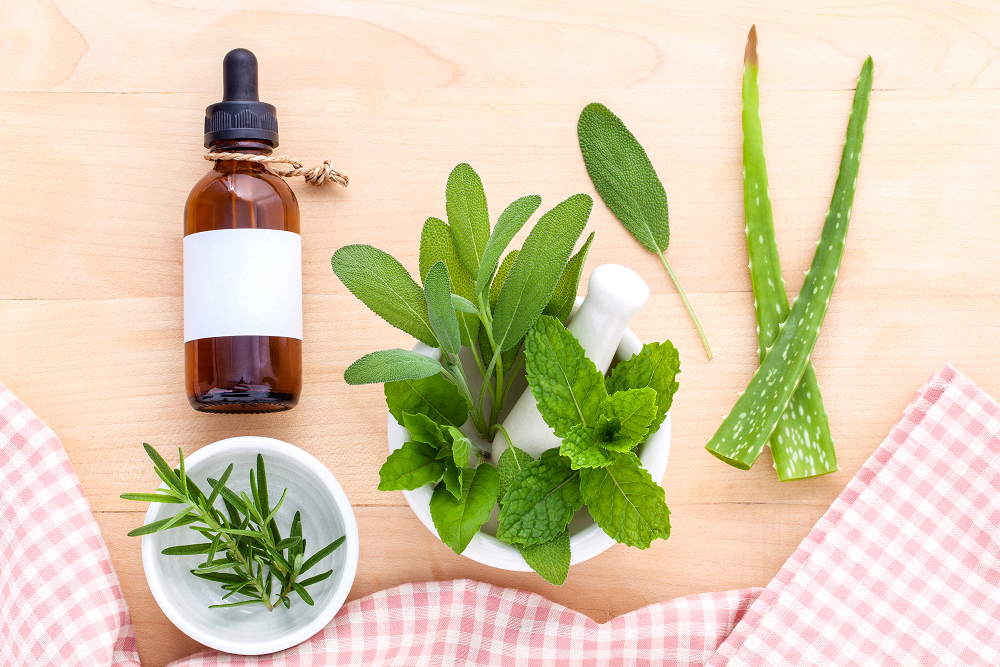
Modern science has validated much of what Ayurveda has always known. Neem contains a powerful group of bioactive compounds – including azadirachtin, nimbin, nimbidin, quercetin, and gedunin – that deliver measurable antibacterial, antifungal, antiviral, anti-inflammatory, and antioxidant effects. It is this multi-compound synergy that makes Neem so uniquely effective across such a broad spectrum of health conditions.

Every part of the Neem tree has therapeutic value in Ayurveda:

  • Neem leaves: The most commonly used part – for blood purification, skin conditions, immunity, and fever
  • Neem bark: Used in oral care, wound healing, and as an anti-inflammatory agent
  • Neem oil: Extracted from seeds – highly potent for skin, scalp, and hair treatments
  • Neem flowers: Support digestive health and help control bile disorders
  • Neem seeds: Used in classical formulations for parasitic and fungal conditions

Key Neem Benefits in Ayurveda You Should Know

Let us walk through the most significant and well-documented Ayurvedic benefits of Neem – the ones that make it genuinely indispensable for modern health.

1. Neem for Acne, Psoriasis & Skin Diseases – The Original Skin Healer

If there is one area where Neem truly shines above all others, it is skin health. Neem for acne and psoriasis has been a cornerstone of Ayurvedic practice for millennia – and for good reason. Neem’s potent antibacterial activity directly targets Propionibacterium acnes – the bacteria responsible for acne breakouts. Its anti-inflammatory properties reduce redness and swelling, while its astringent quality helps tighten pores and regulate excess sebum production.

For chronic skin conditions like psoriasis and eczema, Neem works both internally and externally – purifying the blood to reduce the immune triggers driving these conditions, while topical Neem preparations soothe inflamed, itchy, and scaling skin. Neem leaves benefits for skin include:

  • Clearing active acne and preventing future breakouts
  • Reducing psoriatic plaques and eczema flares
  • Healing fungal infections, ringworm, and scabies
  • Lightening post-acne pigmentation and blemishes
  • Soothing rashes, hives, and allergic skin reactions

Patients seeking Ayurvedic skin treatment in Bangalore for chronic or recurring skin conditions consistently find that Neem-based protocols – both internal formulations and topical applications – deliver results that no chemical-based product has been able to match.

2. Neem Blood Purifier – Detox from the Inside Out

In Ayurveda, many chronic diseases – particularly skin disorders, infections, and fatigue – are traced back to impure or toxin-laden blood. Neem detox in Ayurveda is built around this understanding. Neem leaves, when consumed as a decoction, juice, or powder, stimulate the liver and kidneys, enhance the body’s natural filtration mechanisms, and neutralise circulating toxins (Ama) in the bloodstream. This internal cleansing effect is what makes Neem so effective for skin diseases – because it addresses the root cause rather than just the surface symptom.

Regular Neem-based blood purification is particularly recommended at seasonal transitions – especially the onset of summer and monsoon – when the body is most vulnerable to Pitta aggravation and microbial infections. A simple morning ritual of consuming 4–5 fresh Neem leaves on an empty stomach is one of the most powerful and cost-free detox practices in all of Ayurveda.

3. Neem for Diabetes – Supporting Blood Sugar Naturally

One of the increasingly appreciated Neem benefits in Ayurveda is its significant role in diabetes management. Neem contains compounds like nimbidin and azadirachtin that have demonstrated insulin-sensitising properties in research studies – helping cells respond more effectively to insulin and reducing fasting blood glucose levels. In Ayurveda, Neem is used as part of a comprehensive diabetes management protocol that combines Neem leaves or Neem capsules with dietary corrections and specific Panchakarma therapies.

It is important to note that Neem for diabetes should always be used under the supervision of a qualified Ayurvedic physician – particularly for those already on antidiabetic medications – as it can potentiate blood sugar-lowering effects and requires careful monitoring.

4. Neem Oil Benefits for Hair – From Dandruff to Hair Fall

Your scalp is skin, and everything Neem does for facial and body skin, it does for the scalp as well. Neem oil for scalp and dandruff is one of the most effective natural remedies available. Dandruff is almost always caused by an overgrowth of the Malassezia fungus on the scalp – and Neem’s potent antifungal properties address this directly. Regular application of diluted Neem oil to the scalp reduces fungal activity, calms inflammation, relieves itching, and creates an environment where healthy hair can grow.

The broader Neem oil benefits for hair include:

  • Stimulating hair follicles and reducing premature hair fall
  • Eliminating head lice safely and without harsh chemicals
  • Strengthening hair roots by improving scalp circulation
  • Preventing scalp infections that cause hair thinning
  • Conditioning the scalp and reducing dryness between wash days

Always dilute Neem oil with a carrier oil – such as coconut or sesame oil – before applying to the scalp, as undiluted Neem oil can be too strong for sensitive skin.

5. Neem for Immunity and Oral Health – Ancient Wisdom, Modern Results

Neem leaves carry remarkable immunomodulatory properties – meaning they help regulate the immune system’s response rather than simply stimulating it. This makes Neem particularly valuable during seasonal transitions when viral and bacterial infections are most common. Keeping a Neem leaf decoction as part of a seasonal wellness routine helps the body maintain a natural resistance to common infections, fevers, and respiratory illnesses.

For oral health, the antibacterial properties of Neem bark are so well established that Neem twigs have been used as natural toothbrushes in rural India for centuries. Clinical studies have confirmed that Neem-based mouthwashes and toothpastes significantly reduce plaque accumulation, inhibit bacterial growth responsible for cavities and gingivitis, and freshen breath more effectively than many commercial products. Including a Neem-based oral care product in your daily routine is one of the simplest and most impactful wellness habits you can adopt.

How to Use Neem the Ayurvedic Way – Forms, Dosage & Tips

Neem is available in multiple forms, each suited to specific therapeutic purposes. Here is a practical guide:

  1. Fresh Neem leaves: Chew 4–5 leaves on an empty stomach in the morning for blood purification and immunity support. Bitter but effective.
  2. Neem leaf powder or capsules: A more palatable option for daily use – ideal for blood sugar management, skin conditions, and general detox. Dosage as prescribed by your Ayurvedic doctor.
  3. Neem leaf decoction (Kashaya): Boil a handful of Neem leaves in water, reduce by half, strain, and drink warm. Excellent for fever, skin diseases, and seasonal detox.
  4. Neem oil (topical): Always dilute with coconut or sesame oil in a 1:10 ratio. Apply to affected skin areas or scalp. Leave for 30–60 minutes before washing off.
  5. Neem-based Ayurvedic formulations: Classical combinations like Nimbadi Churna, Mahatikta Ghrita, and Arogyavardhini Vati harness Neem’s full potential in precisely calibrated formulations.

Important: Neem is potent. Its cooling and bitter qualities can aggravate Vata dosha when overused, potentially causing digestive dryness or discomfort. Always consult a qualified Ayurvedic physician for the correct form, dosage, and duration suited to your constitution and health goals.

Get Expert Neem-Based Ayurvedic Care at the Best Ayurvedic Clinic in Bangalore

Understanding Neem’s benefits is one thing – using it correctly for your specific body and condition is another. At Ayurhealing, one of the most trusted Ayurvedic herbs clinics in Bangalore, our experienced physicians integrate Neem-based therapies into personalised treatment plans designed around your unique constitution, lifestyle, and health concerns.

Whether you are looking for:

Ayurhealing is here to guide you. Our team conducts thorough pulse diagnosis (Nadi Pariksha) and constitution assessments before designing any herbal protocol – ensuring that Neem and other classical herbs are used precisely, safely, and to maximum effect for your individual needs.

Final Thoughts: Nature Gave Us Neem – Ayurveda Taught Us How to Use It

In a world flooded with synthetic skincare products, pharmaceutical quick fixes, and complex supplement stacks, Neem stands as a humbling reminder of how much healing power nature quietly holds. A single tree, growing freely across the Indian subcontinent, contains within its leaves, bark, seeds, and oil a pharmacy of healing compounds that continue to outperform many modern alternatives – without the side effects, without the dependency, and without the cost.

The Ayurvedic benefits of Neem are not folklore. They are the accumulated clinical wisdom of thousands of years of careful observation, refined practice, and now, increasingly, modern scientific validation. Whether you are just beginning to explore Ayurveda or are a long-time believer in natural healing, making Neem a part of your daily wellness routine – under the right guidance – is one of the most powerful choices you can make for your long-term health.

Ready to experience what Neem can do for your skin, blood, immunity, and overall vitality? Book a consultation with our expert team at Ayurhealing in Bangalore today – and let us design a personalised Neem-based Ayurvedic programme that works specifically for your body.

FAQs

Ayurveda typically recommends 4–5 fresh Neem leaves on an empty stomach for blood purification and immunity. Alternatively, you can take ¼ teaspoon Neem powder or one capsule. Dosage may vary, so follow your Ayurvedic doctor’s advice.

No, Neem oil should always be diluted. Mix 1 part Neem oil with 10 parts coconut or sesame oil, apply to the scalp, leave for 45–60 minutes, and wash off. Use 2–3 times weekly for dandruff control.

Yes, external use is generally safe, especially for acne and skin issues. However, internal use should be guided by a doctor, particularly for long-term use or if you have a Vata-dominant body type.

Neem may help support blood sugar control, but it should be used cautiously with medications. Always consult your doctor to avoid low blood sugar (hypoglycaemia).

You can visit Ayurhealing in Bangalore for personalised care. Their doctors assess your body type and create custom Neem-based treatments for skin, hair, and overall health.

Ayurvedic Treatment for Liver Disorders in Bangalore – Heal Your Liver Naturally

Introduction

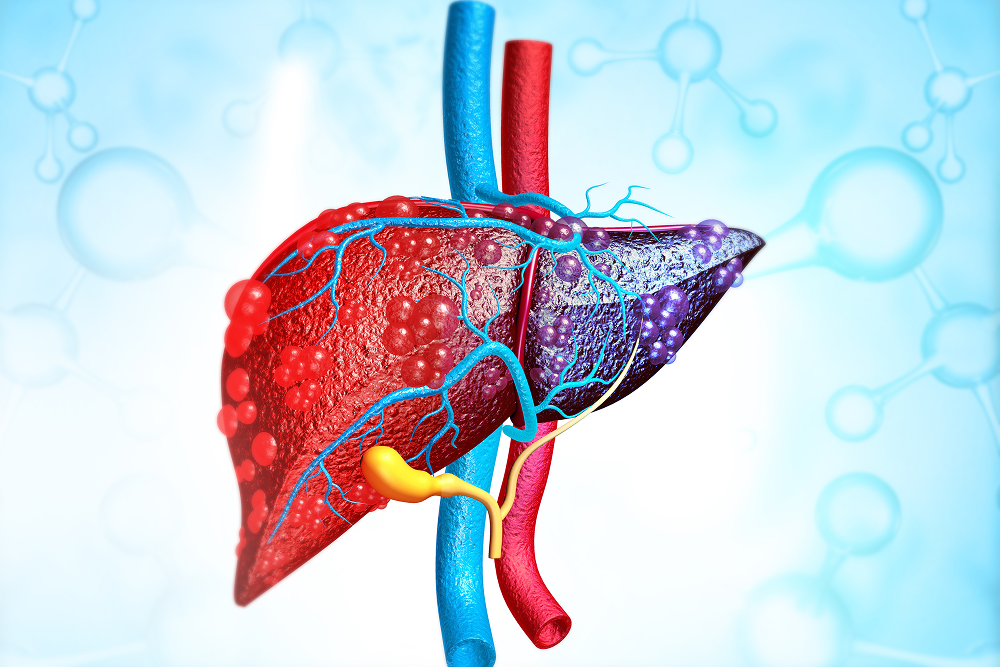
The liver is one of the most vital organs in the human body, responsible for detoxification, metabolism, and overall health. Today, lifestyle habits, poor diet, and stress have made liver disorders increasingly common. This is where Ayurvedic Treatment for Liver Disorders offers a natural and holistic solution. Unlike conventional treatments that focus mainly on symptoms, Ayurveda works on the root cause, helping restore liver function through detoxification, herbal medicine, and lifestyle balance. If you are looking for long-term healing, Ayurvedic Treatment for Liver Disorders in Bangalore provides a safe, effective, and sustainable path toward better liver health.

Understanding Liver Disorders in Ayurveda

In Ayurveda, liver disorders are primarily linked to an imbalance in Pitta dosha, which governs heat, metabolism, and digestion. When Pitta becomes aggravated due to unhealthy food, alcohol, stress, or toxins, it affects liver function and leads to conditions such as:

  • Fatty liver
  • Liver inflammation
  • Jaundice
  • Liver cirrhosis

Another important concept is Ama (toxins). When digestion is weak, toxins accumulate in the body and overload the liver. This leads to sluggish metabolism and chronic disease.

Ayurveda Treatment focuses on removing Ama and balancing Pitta, ensuring the liver can function optimally again.

Why Choose Ayurvedic Treatment for Liver Disorders?

Ayurvedic treatment for liver disorders is not just about curing a disease-it is about restoring overall health. The approach is gentle yet powerful, using natural herbs, detox therapies, and dietary corrections.

Key advantages include:

  • Treats the root cause, not just symptoms
  • Uses natural herbs with minimal side effects
  • Improves digestion and metabolism
  • Supports long-term liver regeneration
  • Enhances overall immunity

At an Ayurveda and Siddha Hospital in Bangalore, treatments are personalized based on your body constitution (dosha), ensuring effective and lasting results.

Common Liver Conditions Treated with Ayurveda

1. Ayurvedic Treatment for Fatty Liver

Fatty liver is one of the most common liver disorders today. It occurs due to excess fat accumulation in liver cells, often caused by a poor diet and a sedentary lifestyle.

Natural treatment for fatty liver in Ayurveda includes:

  • Herbal medicines that improve liver metabolism
  • Detox therapies to remove toxins
  • Dietary adjustments to reduce fat accumulation

Fatty liver Ayurvedic medicine, such as Punarnava and Bhumyamalaki, plays a key role in reversing this condition naturally.

2. Liver Cirrhosis Ayurvedic Treatment

Cirrhosis is a more advanced condition where liver tissue becomes scarred. While modern medicine focuses on managing symptoms, Ayurvedic treatment for liver disorders aims to slow progression and improve liver function.

Therapies include:

  • Deep detoxification
  • Liver-strengthening herbs
  • Strict dietary discipline

3. Jaundice and Liver Inflammation

Ayurveda offers effective remedies for jaundice by balancing Pitta and improving bile flow. Herbal decoctions and therapies help reduce inflammation and support faster recovery.

Powerful Ayurvedic Herbs for Liver Health

Herbal medicine plays a crucial role in natural liver healing in Ayurveda. These herbs are known for their detoxifying and rejuvenating properties.

Punarnava for Liver Disorders

Punarnava is one of the most effective herbs used in Ayurveda. It helps reduce inflammation, improve kidney and liver function, and eliminate excess fluids.

Other Important Herbs

  • Bhumyamalaki – Supports liver detox
  • Kalmegh – Known as a powerful liver tonic
  • Guduchi – Boosts immunity and reduces inflammation

These herbs work together to cleanse, repair, and rejuvenate the liver naturally.

Panchakarma for Liver Disease

One of the most powerful aspects of Ayurveda is Panchakarma therapy. It is a detoxification process that removes deep-rooted toxins from the body.

Virechana for Liver Detox

Virechana is a key therapy used in Ayurvedic liver detox in Bangalore. It involves controlled purgation to eliminate excess Pitta from the body.

Benefits of Virechana:

  • Clears toxins from the liver
  • Improves digestion and metabolism
  • Reduces inflammation
  • Enhances skin and overall health

This therapy is often recommended as part of Kerala Ayurvedic treatment in Bangalore, where traditional techniques are followed for maximum effectiveness.

Diet and Lifestyle for Liver Health

Ayurveda emphasizes that food is medicine. A proper diet can significantly improve liver function and prevent further damage.

Recommended Lifestyle Changes

  • Eat freshly prepared, light, and easily digestible food
  • Avoid oily, fried, and processed foods
  • Stay hydrated with warm water and herbal drinks
  • Practice yoga and meditation to reduce stress
  • Maintain regular sleep patterns

A balanced lifestyle is essential for successful Ayurvedic treatment for liver disorders.

Importance of Ama Detoxification for the Liver

Ama detoxification is a core principle in Ayurveda. When toxins accumulate, they block the body’s natural channels and weaken the liver.

Ama detoxification liver therapies include:

By removing Ama, the liver regains its natural ability to detoxify the body efficiently.

Choosing the Right Ayurvedic Care in Bangalore

Selecting the right clinic and doctor is crucial for effective treatment. Consulting the Best Ayurvedic Doctor in Bangalore ensures accurate diagnosis and personalized treatment.

Look for:

  • Experienced practitioners
  • Authentic herbal medicines
  • Proper Panchakarma facilities
  • Personalized treatment plans

Centres offering Ayurvedic liver detox in Bangalore often combine traditional therapies with modern diagnostic approaches for better results.

How Ayurveda Promotes Long-Term Liver Health

Unlike temporary treatments, Ayurveda focuses on sustainable healing. It strengthens the body from within, preventing the recurrence of liver disorders.

Key long-term benefits include:

  • Improved digestion and metabolism
  • Balanced doshas
  • Stronger immunity
  • Better energy levels

Ayurveda Treatment is not just a cure-it is a lifestyle transformation.

Conclusion

Liver health is essential for overall well-being, and ignoring early symptoms can lead to serious complications. Ayurvedic Treatment for Liver Disorders in Bangalore provides a holistic, natural, and effective solution that goes beyond symptom management. By combining herbal medicine, Panchakarma therapies, and lifestyle changes, Ayurveda helps restore liver function and improve overall health.

If you are seeking a safe and long-lasting solution, Ayurveda offers a proven path to healing. With the right guidance and treatment, you can naturally detox your liver, regain energy, and lead a healthier life.

FAQs

The best treatment depends on the condition, but it usually includes herbal medicines, Panchakarma therapies like Virechana, and dietary changes to detoxify and rejuvenate the liver.

Yes, Ayurvedic treatment for fatty liver can reverse the condition in early stages by improving metabolism, reducing fat accumulation, and detoxifying the liver.

Treatment duration varies depending on the severity. Mild conditions may improve within a few weeks, while chronic conditions may require a few months of consistent treatment.

Yes, when performed under expert supervision, Panchakarma, especially Virechana for liver detox, is safe and highly effective.

Ayurvedic medicines are generally safe when prescribed by a qualified practitioner. They are natural and designed to support long-term healing.

What Is Basti in Ayurveda? Benefits, Types & Who Needs It

In the vast and beautifully structured world of Ayurvedic healing, there exists a therapy so comprehensive, so deeply restorative, that ancient texts called it the very best of all Panchakarma procedures. That therapy is Basti treatment in Ayurveda. For thousands of years, Ayurvedic physicians have relied on Basti – a precisely administered medicated enema therapy – to cleanse the colon, correct Vata imbalances, eliminate deep-seated toxins, and restore the body’s natural rhythms. And yet, despite its extraordinary therapeutic range, Basti remains one of the least understood Panchakarma therapies outside Ayurvedic circles.

If the word “enema” makes you hesitant, you are not alone. Most people’s reference point for enemas is the uncomfortable, clinical procedure used in hospitals – nothing like what Basti represents. Ayurvedic Basti is a deeply nourishing, carefully personalised, medically supervised therapy that uses warm herbal oils, decoctions, and ghee to heal far beyond the colon – reaching joints, nerves, muscles, hormonal systems, and even the mind.

At Ayurhealing, we have seen Basti transform patients who had exhausted every other option – from chronic back pain and arthritis to stubborn constipation and hormonal imbalances. This blog is our attempt to give you the full, honest picture of what Basti is, how it works, who truly benefits from it, and why it continues to stand as the gold standard of Ayurvedic detoxification.

What Is Basti Treatment in Ayurveda? Understanding the Basics

The word “Basti” in Sanskrit literally means “bladder” – referring to the traditional animal bladder instrument once used to administer the therapy. Today, sterile medical-grade equipment is used, but the classical protocols remain unchanged. Basti Panchakarma therapy involves administering medicated substances – herbal decoctions (Kashaya), medicated oils (Sneha), ghee, milk, or a combination of these – through the rectal route to cleanse, nourish, and rebalance the lower gastrointestinal tract and the entire Vata dosha system.

In Ayurveda, the colon (Pakwashaya) is considered the primary seat of Vata dosha – the energy governing all movement, nerve conduction, circulation, elimination, and even thought. When Vata becomes aggravated or imbalanced, it causes a cascade of health problems throughout the body: pain, stiffness, anxiety, constipation, dryness, irregular digestion, and poor sleep, to name just a few.

Basti works directly at the root of this imbalance. By administering therapeutic substances through the colon, Basti simultaneously detoxifies, lubricates, nourishes, and rebalances – making it one of the most multidimensional healing interventions in all of Ayurvedic medicine.

Key reasons Basti is considered the most important of the five Panchakarma therapies:

  • It directly addresses Vata dosha – the dosha most responsible for chronic disease and premature ageing
  • The rectal mucosa absorbs herbal compounds rapidly and efficiently, allowing healing substances to reach deep tissues
  • It acts on the enteric nervous system – the gut’s own “second brain” – producing systemic neurological and hormonal effects
  • It can be customised comprehensively for dozens of different conditions through variations in herbal formulations
  • Its effects are lasting – not just symptomatic relief, but genuine constitutional rebalancing

Types of Basti in Ayurveda – Not All Basti Is the Same

One of the most important things to understand about Basti is that it is not a single, uniform procedure. Classical Ayurvedic texts describe multiple types of Basti, each designed for a specific therapeutic purpose. Your Ayurvedic physician will select the appropriate type – or a combination – based on your constitution, current condition, and treatment goals.

1. Niruha Basti (Asthapana Basti) – The Cleansing Enema

Niruha Basti uses a water-based herbal decoction combined with honey, rock salt, medicated oils, and herbal pastes. It is primarily a cleansing and detoxifying Basti – designed to remove accumulated Ama (toxins), expelled Vata, and metabolic waste from the colon and deeper tissues. It is particularly effective for conditions characterised by accumulation, heaviness, and systemic toxin overload. Niruha Basti is typically retained in the body for a short period before being expelled, carrying toxins with it.

2. Anuvasana Basti- The Nourishing Enema

Anuvasana Basti uses warm medicated oils or ghee administered in smaller quantities. Unlike Niruha, this type nourishes, lubricates, and rejuvenates the colon and deeper tissues, and is safely retained for longer periods to allow deep tissue absorption. It is especially valuable for Vata-type conditions involving dryness, depletion, weakness, and emaciation. Anuvasana Basti is generally gentler and suitable for regular use over a treatment course.

3. Kati Basti – Localised Oil Retention for the Lower Back

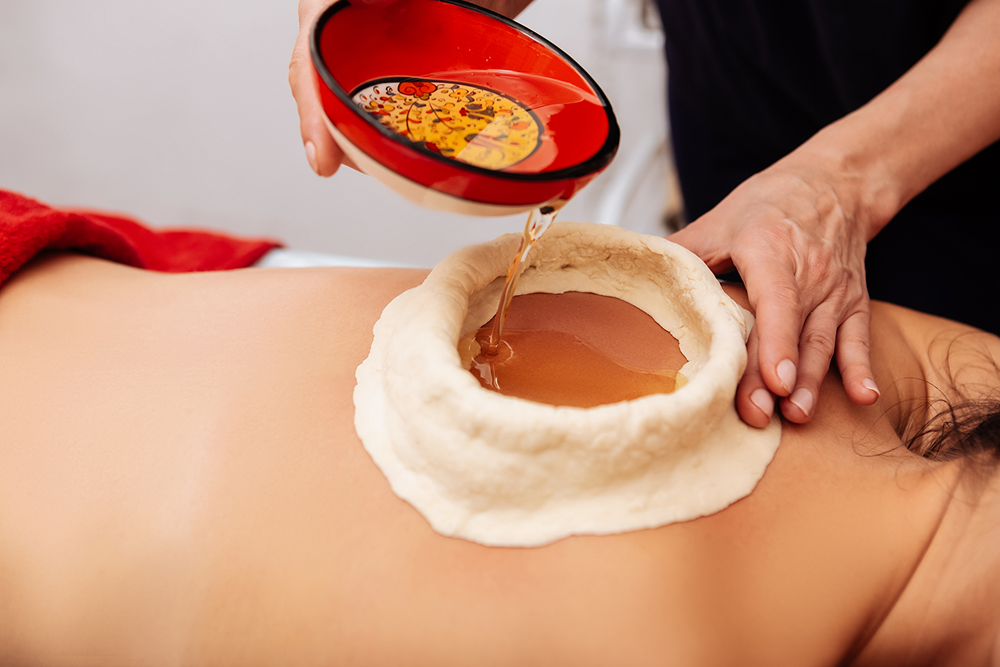
Kati Basti treatment is a specialised external therapy where warm medicated oil is retained over the lower back (lumbar region) using a ring made of herbal dough. Though it shares the “Basti” name, this is a topical procedure rather than an internal enema. It is one of the most effective Ayurvedic treatments for chronic low back pain, lumbar disc herniation, sciatica, and sacral stiffness. The sustained heat and deep penetration of medicated oil into the paraspinal muscles and lumbar vertebrae bring remarkable, lasting relief that most patients describe as transformative.

4. Uttara Basti – Reproductive and Urinary Health

Uttara Basti is administered through the urinary or reproductive tract and is used specifically for conditions affecting the urogenital system – including infertility, PCOS, uterine disorders, urinary tract infections, and semen quality issues in men. This highly specialised form must be performed by a trained Ayurvedic physician and is an integral part of fertility-focused Ayurvedic treatment programmes.

5. Matra Basti – The Daily Maintenance Basti

Matra Basti uses a small, fixed quantity of medicated oil and can be administered daily as a maintenance and rejuvenation therapy. It is safe for regular use, does not require prior oleation or special preparation, and is suitable for those who need ongoing Vata pacification – such as the elderly, those with chronic degenerative conditions, or highly active individuals whose Vata is perpetually elevated by lifestyle.

The choice of which type to use – and in what sequence – is one of the most nuanced clinical decisions in Ayurvedic practice. This is precisely why self-administering Basti is strongly discouraged. The personalisation, preparation, and post-procedure management are what make Basti safe and effective.

The Key Benefits of Basti Treatment in Ayurveda

The therapeutic scope of Panchakarma Basti therapy is broader than almost any other single Ayurvedic intervention. Here is a detailed look at the most significant and well-documented benefits:

Basti Treatment for Back Pain and Musculoskeletal Disorders

One of the most powerful applications of Basti is in the treatment of musculoskeletal conditions. Basti treatment for back pain – particularly in combination with Kati Basti – addresses not just the pain itself but the underlying Vata aggravation and tissue depletion driving the chronic discomfort. Conditions that respond exceptionally well include:

  • Chronic low back pain and lumbar disc herniation
  • Sciatica and radiating leg pain
  • Cervical spondylosis and neck stiffness
  • Osteoarthritis and degenerative joint disease
  • Basti Ayurveda for arthritis – both rheumatoid and osteoarthritis types
  • Muscle stiffness, cramps, and spasms
  • Fibromyalgia and chronic widespread pain

Patients who have lived with chronic back pain for years – often through cycles of painkillers, physiotherapy, and temporary relief – frequently report that a course of Basti therapy produces the most significant and lasting improvement they have ever experienced.

Basti Treatment for Constipation and Digestive Disorders

The colon is Basti’s primary domain, making it the most direct and effective Ayurvedic intervention for digestive concerns. Basti treatment for constipation goes far beyond simply clearing the bowels – it retrains the colon, restores healthy peristalsis, replenishes the intestinal mucosa, and corrects the Vata imbalance that makes chronic constipation so resistant to ordinary remedies. Digestive conditions that benefit significantly include:

  • Chronic constipation – including cases where laxatives have become dependency-forming
  • Irritable Bowel Syndrome (IBS) with constipation or alternating patterns
  • Bloating, gas, and abdominal distension
  • Inflammatory Bowel Disease (IBD) – Crohn’s disease and ulcerative colitis
  • Haemorrhoids (Arsha) and anal fissures
  • Malabsorption syndromes and nutritional deficiencies linked to poor gut function

Basti for Vata Dosha – Healing the Root of Most Chronic Disease

In Ayurveda, uncontrolled or aggravated Vata is the ultimate driver of most chronic diseases. Basti for Vata dosha correction is therefore not just a treatment for specific conditions – it is a fundamental act of prevention and constitutional rebalancing. When Vata is properly pacified through Basti, the ripple effects touch every system of the body:

  • The nervous system calms – anxiety, restlessness, and insomnia improve
  • Circulation improves – cold extremities, poor wound healing, and cardiovascular irregularities correct
  • The immune system strengthens – chronic infections and autoimmune flares reduce in frequency
  • Hormonal regulation improves, particularly thyroid, adrenal, and reproductive hormones
  • Cognitive clarity returns – brain fog, poor memory, and concentration difficulties ease
  • Skin quality improves – dryness, premature wrinkling, and hair fall reduce

This is what makes Basti so uniquely powerful – it does not just treat symptoms; it addresses the foundational energy imbalance from which most chronic conditions in the modern world arise.

Additional Conditions Treated by Basti Therapy

Beyond the major categories above, clinical Ayurvedic practice has documented Basti’s effectiveness across a wide range of conditions:

  • Neurological disorders – Parkinson’s disease, motor neuron conditions, and peripheral neuropathy
  • Infertility and reproductive health – both male and female
  • Obesity and metabolic disorders
  • Skin conditions – psoriasis, eczema, and chronic urticaria linked to Vata imbalance
  • Anti-ageing and rejuvenation – Basti is a primary Rasayana therapy in Ayurveda
  • Post-surgical recovery and rehabilitation – to rebuild depleted tissues
  • Diabetes management – improving insulin sensitivity and reducing neuropathic complications

What to Expect During a Basti Treatment Session

For patients new to Basti, understanding what the process involves helps ease any apprehension and prepares them to get the most from the therapy. Here is a step-by-step overview of what a typical Basti session at a quality Ayurvedic clinic looks like:

  • Pre-treatment preparation (Purvakarma): Before Basti can be administered, the body is typically prepared through a period of internal oleation (Snehapana – consuming medicated ghee) and external oil massage (Abhyanga), followed by steam therapy (Swedana). This softens and loosens deep-seated toxins, making them available for elimination through the Basti.
  • Preparation of the Basti formulation: Your physician prescribes the exact herbal formulation for your condition. The decoctions and oils are freshly prepared, warmed to body temperature, and carefully combined according to the classical ratios described in Ayurvedic texts.
  • Administration: You lie comfortably on your side on a treatment table. The medicated preparation is gently administered through the rectum using a sterile, graduated enema syringe. The process is quick – usually completed within a few minutes – and should cause no pain when performed by a trained therapist.
  • Retention and release: For Niruha Basti, you retain the preparation for a short period before releasing it. For Anuvasana Basti, retention is longer to allow deep tissue absorption. Your therapist will guide you through this phase.
  • Rest and post-treatment care: After the session, you rest in a warm, quiet environment. Warm herbal teas may be offered. You will be given specific dietary and lifestyle guidance for the remainder of the day – avoiding cold food, raw foods, and strenuous activity.

Who Should Consider Basti Treatment – and Who Should Avoid It?

Basti is appropriate for a wide range of individuals across age groups. You may be an ideal candidate if you:

  • Experience chronic joint pain, back pain, or stiffness that has not fully responded to other treatments
  • Struggle with long-term constipation, IBS, or sluggish digestion
  • Have been diagnosed with a Vata-predominant condition by an Ayurvedic physician
  • Are undergoing a full Panchakarma detox programme
  • Are you managing a neurological condition or recovering from a degenerative disease
  • Are you seeking natural support for fertility, hormonal balance, or reproductive health
  • Want to undergo a deep Ayurvedic detox treatment in Bangalore as preventive care

Basti is generally contraindicated for:

  • Pregnant women
  • Patients with active rectal bleeding or recent rectal surgery
  • Those with acute diarrhoea or dysentery
  • Patients with intestinal perforation or active inflammatory bowel flare
  • Children under seven years of age
  • Those who have recently undergone fasting without proper oleation preparation

A thorough pre-treatment consultation with a qualified Ayurvedic physician is always required before beginning any Basti programme. The assessment includes pulse diagnosis, constitution evaluation, and a review of your current medications and health history.

Basti and Panchakarma Treatment in Bangalore – What to Look For

Bangalore has emerged as one of India’s most active cities for authentic Ayurvedic care, with a growing number of patients seeking Panchakarma treatment in Bangalore as a serious medical intervention – not just a wellness experience. When looking for a clinic to receive Basti, the standard of medical supervision, the authenticity of herbal preparations, and the thoroughness of the pre- and post-treatment care are everything.

At Ayurhealing, we offer the best Ayurvedic treatment in Bangalore, drawing from the deep classical traditions of both mainstream Ayurveda and the refined healing legacy of Kerala. As a trusted Ayurveda and Siddha hospital, our approach integrates:

  • In-depth initial consultation with Nadi Pariksha (pulse diagnosis) by our senior physicians
  • Customised Basti formulations prepared in-house using quality-tested, authentic herbs
  • A fully supervised Panchakarma programme with daily progress review
  • Personalised dietary and lifestyle guidance throughout the treatment
  • Integration with other Panchakarma therapies – Abhyanga, Swedana, Virechana, and Nasyam – when clinically indicated
  • Detailed post-treatment follow-up to consolidate results and prevent recurrence

Whether you are searching for the best Ayurvedic doctor in Bangalore for a specific condition or are simply ready to invest in your long-term health through authentic Panchakarma, our team at Ayurhealing is here to guide you with honesty, expertise, and genuine care.

Final Thoughts: The Most Complete Healing Therapy Ayurveda Has to Offer

Basti is not simply an enema. It is a doorway into the body’s deepest systems – a therapy that reaches where most medicines cannot, corrects what most treatments overlook, and heals in ways that last. The ancient Ayurvedic masters did not call it the king of Panchakarma therapies without reason. After thousands of years and millions of patients, Basti continues to prove that wisdom.

If you have been living with a condition that has resisted every other approach – or if you want to reset your body with the most comprehensive Ayurvedic detox available – Basti treatment in Ayurveda may be the turning point you have been waiting for.

At Ayurhealing, we invite you to take the first step. Book a consultation with our Ayurvedic physicians today, and let us design a Basti programme that meets your body exactly where it is – and helps it become everything it is meant to be.

FAQs

No, Basti is generally not painful when performed by trained professionals. Patients usually feel mild warmth or pressure. Any slight discomfort after the procedure is temporary and normal.

The number of sessions depends on the condition. Some patients experience relief within 5–7 sessions, while chronic issues may require 14–21 sessions for effective results.

Therapeutic Basti should be done only under medical supervision. While simple oil enemas may be advised at home, full Panchakarma Basti treatments must be performed in a clinical setting.

No. Kati Basti is an external therapy for lower back pain, while regular Basti is an internal treatment that works on overall body balance.

Select a clinic with qualified Ayurvedic doctors, proper consultation, and personalised treatment plans. Clinics like Ayurhealing provide supervised and authentic Panchakarma care.

Ayurvedic Herb Spotlight: Why Ashwagandha Is a Must for Modern Lifestyles

Introduction

In today’s fast-moving world, stress, fatigue, poor sleep, and hormonal imbalance have become part of daily life. This is where Ashwagandha benefits truly make a difference. As a powerful herb used in Ayurvedic Treatment, Ashwagandha helps the body adapt to stress, restore balance, and improve overall well-being. Deeply rooted in traditional healing systems like those practiced in an Ayurveda and Siddha Hospital, Bangalore, this herb is now gaining global attention for its ability to support modern lifestyles naturally and effectively.

What Is Ashwagandha in Ayurveda?

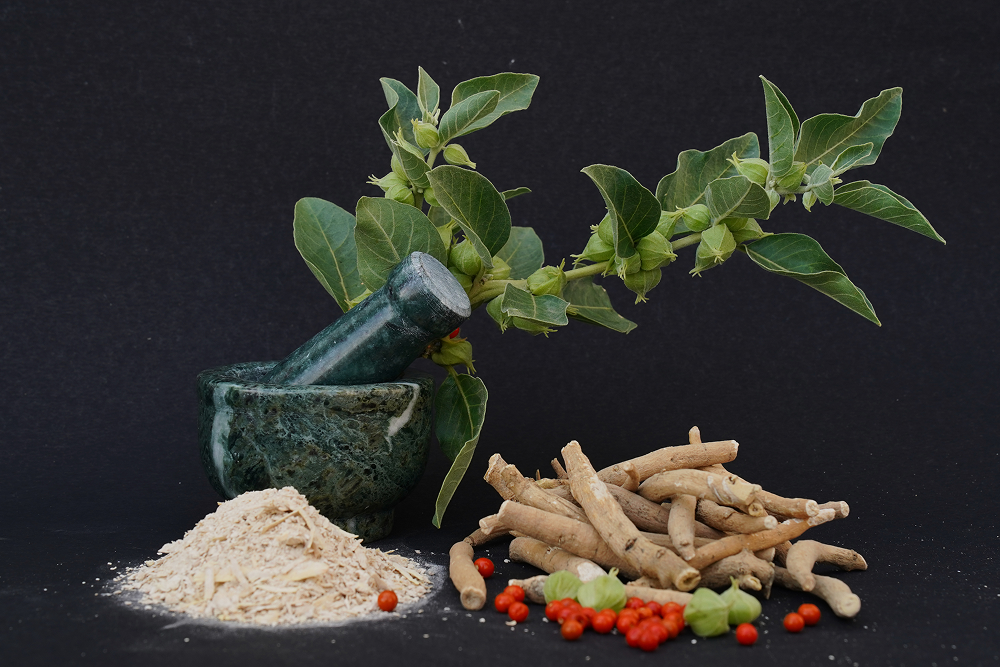
Ashwagandha, also known as Withania somnifera, is one of the most respected herbs in Ayurveda. It belongs to the category of Rasayana herb Ayurveda, which focuses on rejuvenation, longevity, and strengthening the body from within.

Unlike quick-fix solutions, Ashwagandha works gradually to restore internal balance. It is particularly effective in calming the nervous system and improving resilience against physical and emotional stress. In many Kerala Ayurvedic treatment programs in Bangalore, it is used as a foundational herb to support recovery and long-term health.

Its true strength lies in its ability to heal both the mind and body.

Ashwagandha Benefits for Modern Lifestyles

Natural Stress Relief and Emotional Balance

Modern stress is not just mental-it affects hormones, sleep, and overall health. One of the most powerful Ashwagandha benefits is its role as an adaptogen, helping the body respond better to stress.

Instead of suppressing symptoms, it works by regulating cortisol levels and calming the nervous system. This makes Ashwagandha for stress and anxiety highly effective for people dealing with work pressure, emotional strain, or burnout.

Over time, it promotes a sense of calm, clarity, and emotional stability.

Improved Sleep and Nervous System Support

Sleep problems are often linked to stress and an overactive mind. Ashwagandha addresses this at the root level by relaxing the nervous system.

Ashwagandha for sleep supports deeper, more restorative rest without creating dependency. It gradually improves sleep quality, making you feel more refreshed and energised the next day.

Sustained Energy Without Stimulants

Unlike caffeine-based solutions, Ashwagandha improves energy in a balanced and natural way. It supports adrenal health and reduces fatigue caused by chronic stress.

This makes it an ideal choice for individuals who experience constant tiredness or low productivity. It is widely considered the best Ayurvedic herb for stress-related fatigue and energy depletion.

Hormonal Balance and Vitality

Hormonal imbalance is a common concern today, affecting both men and women. Ashwagandha plays a key role in restoring hormonal harmony.

Ashwagandha for men and women supports reproductive health, improves vitality, and enhances overall strength. It is often recommended as part of a holistic Ayurvedic Treatment plan for long-term wellness.

Key Ashwagandha Benefits at a Glance

To understand its impact better, here are the most important benefits:

  • Reduces stress and anxiety naturally
  • Improves sleep quality and relaxation
  • Boosts energy and reduces fatigue
  • Supports hormonal balance and vitality
  • Enhances immunity and overall wellness

Ashwagandha Root Powder Benefits

Ashwagandha is commonly used in powder form, which is considered highly effective in traditional Ayurveda. This form allows better absorption and easy integration into daily routines.

Ashwagandha root powder benefits include improved digestion, better nutrient absorption, and enhanced overall vitality. It is often consumed with warm milk, especially at night, to promote relaxation and improve sleep quality.

How Ashwagandha Works in Ayurveda

Ashwagandha works on a deeper level by addressing the root cause of imbalance. It primarily balances the Vata dosha, which is often associated with anxiety, restlessness, and irregular sleep patterns.

At the same time, it strengthens Ojas, the body’s vital energy, leading to improved immunity, mental clarity, and physical endurance. This holistic approach is what sets Ayurveda apart from modern symptomatic treatments.

Instead of quick relief, it offers long-term healing and stability.

Ashwagandha in Kerala Ayurvedic Treatment in Bangalore

In Kerala Ayurvedic treatment in Bangalore, Ashwagandha is used as part of personalised treatment plans. These therapies are designed based on an individual’s body type and health condition.

It may be included in herbal formulations, therapeutic oils, or detox therapies like Panchakarma. At a professional Ayurveda and Siddha Hospital in Bangalore, the herb is prescribed with precision to ensure maximum effectiveness.

This personalised approach enhances the overall impact of Ashwagandha benefits.

Who Should Consider Ashwagandha?

Ashwagandha is suitable for individuals dealing with stress, fatigue, poor sleep, or hormonal imbalance. It is especially helpful for working professionals, students, and those seeking natural wellness solutions.

  • People with high stress or anxiety levels
  • Individuals struggling with sleep disorders
  • Those experiencing fatigue or burnout
  • Men and women with a hormonal imbalance

Even though it is a natural herb, consulting the Best Ayurvedic Doctor in Bangalore ensures safe and effective usage based on your body type.

How to Use Ashwagandha Safely

Ashwagandha can be consumed in different forms depending on individual needs. The traditional method of taking it with warm milk is widely preferred for relaxation and sleep support.

Consistency and correct dosage are key to experiencing full Ashwagandha benefits. It is always recommended to follow professional guidance rather than self-medicating, especially for long-term use.

Why Ashwagandha Is Essential Today

Modern lifestyles often lead to chronic stress, poor sleep, and long-term health issues. While many solutions offer temporary relief, Ashwagandha focuses on long-term balance.

It helps the body adapt, recover, and stay resilient in the face of daily challenges. This makes it an essential herb for anyone looking to improve their quality of life naturally.

Conclusion

Ashwagandha is more than just an Ayurvedic herb-it is a powerful solution for modern health challenges. The wide range of Ashwagandha benefits, from stress relief and better sleep to improved immunity and vitality, makes it a must-have for today’s lifestyle.

By incorporating Ashwagandha into your routine through proper Ayurvedic Treatment, you can achieve long-lasting balance and wellness. With guidance from the Best Ayurvedic Doctor in Bangalore and expert care at an Ayurveda and Siddha Hospital, Bangalore, you can experience true natural healing and sustainable health.

FAQs

Ashwagandha helps reduce stress, improve sleep, boost energy, and support immunity and hormonal balance.

Yes, when taken in the right dosage. It is best to consult an Ayurvedic doctor for personalised advice.

Yes, Ashwagandha for stress and anxiety is highly effective in calming the mind and reducing cortisol levels.

Most people notice improvements within a few weeks of consistent use.

Yes, Ashwagandha for men and women supports overall health, energy, and hormonal balance.

Nasyam Therapy Bangalore: Everything You Need to Know

There is a quiet corner of Ayurvedic medicine that does not always get the spotlight it deserves – and yet, for thousands of years, it has been quietly healing people from the inside out. If you have been searching for Nasyam treatment in Bangalore, you are already one step closer to discovering one of Ayurveda’s most powerful and deeply restorative therapies.

Whether you are struggling with chronic sinusitis, persistent migraines, brain fog, hair loss, or simply want a deep Ayurvedic detox, Nasyam – also known as Nasya therapy – may be exactly what your body has been asking for. In this blog, we walk you through everything: what Nasyam is, how it works, who benefits from it, and why Bangalore is becoming a hub for this transformative treatment.

At Ayurhealing, we have seen firsthand how Nasyam changes lives – from patients who have suffered through years of sinus pressure and headaches to those who were simply seeking clarity and calm in a chaotic world. This therapy has a remarkable depth, and we want you to understand it fully before you take the first step.

What Is Nasya Treatment in Ayurveda?

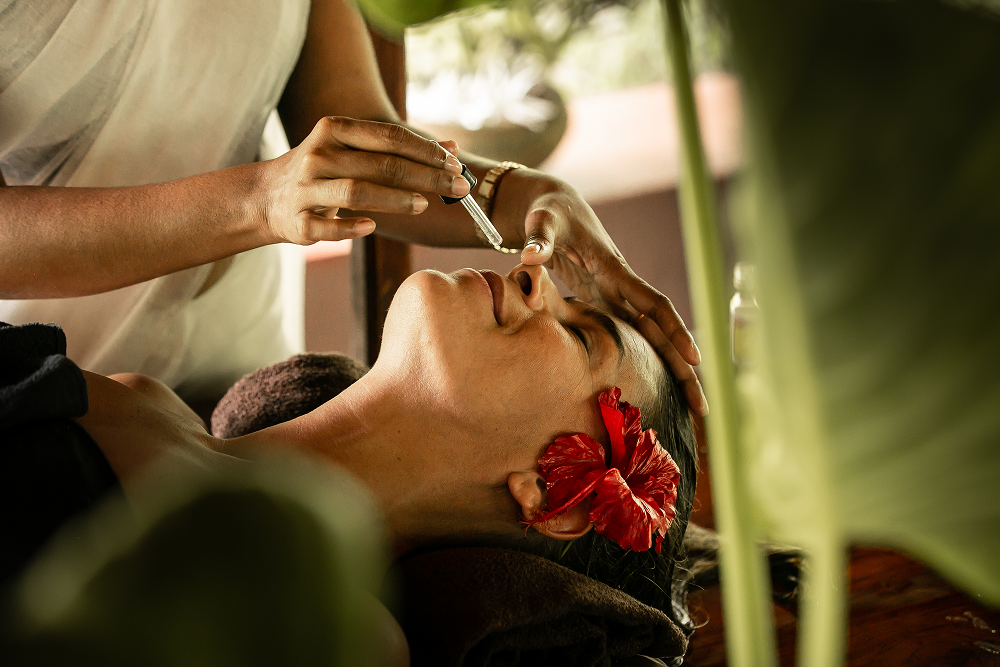
In classical Ayurvedic medicine, the nose is considered “the gateway to the brain.” This is not a metaphor – it reflects a deep anatomical and physiological understanding that Ayurvedic sages developed thousands of years ago. Nasya treatment is one of the five primary Panchakarma therapies, and it involves the administration of medicated oils, herbal preparations, or herbal powders through the nasal passages.

The nasal route is one of the most direct channels to the central nervous system, the sinuses, the throat, and even the brain. When medicated oils are introduced through the nostrils, they travel along these pathways and begin to clear accumulated toxins (Ama), reduce inflammation, and restore balance to the doshas – particularly Vata and Kapha, which govern the head and neck region.

Nasya therapy in Ayurveda is prescribed for a wide range of conditions, including:

  • Sinusitis, nasal congestion, and allergic rhinitis
  • Chronic headaches and migraines
  • Cervical spondylosis and neck stiffness
  • Eye and ear disorders
  • Hair loss and premature greying
  • Facial paralysis and neurological conditions
  • Anxiety, insomnia, and stress-related disorders
  • Brain fog and poor concentration

This remarkable range of applications is what makes Nasya treatment one of the most versatile and celebrated procedures in the entire Panchakarma system.

Types of Nasyam Treatment and How Each One Works

Not all Nasyam treatments are the same. Classical Ayurvedic texts describe several types of Nasya, each tailored to a specific condition and constitution. Understanding these distinctions helps you appreciate why Nasyam is never a generic procedure – it is always personalised.

1. Pradhamana Nasya (Virechana Nasya) – Cleansing Nasya

Dry herbal powders are blown into the nostrils using a tube. This type is particularly effective for Kapha-related disorders such as heavy sinusitis, congestion, epilepsy, and drowsiness. It is a strong, cleansing form of Nasya that works by directly stimulating the nasal mucosa and draining accumulated Kapha dosha.

2. Bruhana Nasya – Nourishing Nasya

Nourishing substances such as medicated ghee, oils, or milk are used to strengthen and rejuvenate the nasal passages and the tissues beyond. This type is ideal for Vata-related conditions like dryness, hair loss, voice disorders, anxiety, and depleted energy.

3. Shamana Nasya – Palliative Nasya

This form uses medicated oils or decoctions to pacify aggravated doshas without strong purging. It is gentle, balancing, and suitable for conditions like Pitta-type headaches, eye irritation, and skin disorders of the face.

4. Marshya Nasya – Ghee or Oil Nasya

Small amounts of medicated ghee or oil are applied gently into the nostrils with the fingertip. This is a milder daily maintenance form of Nasya that can be practised at home under guidance to maintain nasal health and prevent seasonal disorders.

Each of these types requires a different set of herbal preparations, and the choice is made by your Ayurvedic doctor based on your Prakriti (constitution), presenting complaints, and overall health. This is why finding the best Ayurvedic doctor in Bangalore – the quality of your Nasyam experience depends entirely on the expertise guiding it.

The Benefits of Nasyam Treatment You Should Know

The benefits of Nasyam treatment go far beyond clearing a blocked nose. When performed correctly and consistently, Nasya therapy produces a profound effect on the entire head, neck, and nervous system. Here is what patients commonly experience:

Physical Benefits of Nasya Treatment in Ayurveda

  • Deep cleansing of the nasal passages, sinuses, and throat – eliminating accumulated Ama (toxins)
  • Significant relief from sinusitis, allergic rhinitis, and nasal polyp-related congestion
  • Reduction in frequency and intensity of chronic headaches and migraines
  • Improved range of motion in the neck and shoulders – especially helpful in cervical spondylosis
  • Strengthened hair roots – reduction in premature hair fall and greying
  • Improved voice quality and clarity in patients with throat and vocal disorders
  • Relief from ear-related conditions such as tinnitus and earaches
  • Improved facial skin tone and reduction in fine lines around the face and neck

Neurological and Mental Health Benefits

One of the most remarkable – and least talked about – benefits of nasya treatment in Ayurveda is its profound effect on the mind and nervous system. Patients report:

  • Noticeably improved mental clarity and sharper concentration after just a few sessions
  • Reduction in anxiety, restlessness, and stress-related symptoms
  • Better quality of sleep – both falling asleep faster and waking more refreshed
  • Improved memory and cognitive function in older adults
  • Calmer emotional responses and a general sense of lightness in the head

These neurological benefits arise because the nasal route provides direct access to the olfactory bulb and limbic system – parts of the brain deeply connected to memory, emotion, and autonomic function. Nasya therapy, in this sense, is not just a local treatment – it is a gateway to whole-brain wellness.

Nasyam as an Ayurvedic Treatment for Sinusitis in Bangalore

Sinusitis is one of the most common chronic conditions seen in urban cities like Bangalore. The combination of air pollution, temperature fluctuations, long hours of screen time, and high-stress workdays creates the perfect environment for sinus disorders to take root and persist.

Conventional treatments – nasal sprays, antibiotics, and decongestants – often provide only temporary relief without resolving the underlying inflammation and immune sensitivity. Ayurvedic treatment for sinusitis in Bangalore through Nasyam addresses the root cause by clearing blocked channels (Srothas), reducing inflammation with anti-inflammatory herbal oils, and balancing the Kapha and Vata doshas that typically drive sinus conditions.

A typical Nasyam protocol for sinusitis at a quality Ayurvedic clinic includes:

  1. Pre-treatment facial massage (Mukha Abhyanga) with warm medicated oil to loosen accumulated Kapha
  2. Steam application (Swedana) to the face and head to open the nasal passages
  3. Administration of the prescribed Nasya oil – usually Anu Taila or Shadbindu Taila – through both nostrils
  4. Post-treatment gargling with warm herbal water to remove loosened toxins from the throat
  5. Rest in a warm, calm environment for 15–30 minutes to allow the oils to work deeply

Most patients with chronic sinusitis report 60–80% improvement in nasal breathing and a major reduction in headache frequency after a course of 7–14 Nasyam sessions. Seasonal maintenance sessions are then recommended to prevent recurrence.

What to Expect During Your Nasyam Session

For many people, the idea of receiving oil through the nose sounds unfamiliar – even a little daunting. But in practice, a well-administered Nasyam session is a deeply relaxing and even meditative experience. Here is what typically happens when you walk into a session at a reputable Ayurvedic clinic:

Before the Treatment

Your Ayurvedic doctor will conduct a thorough consultation – discussing your health history, current complaints, and constitution. Based on this, they will select the right type and formulation of Nasya. You will be advised to:

  • Avoid eating a heavy meal immediately before the session
  • Refrain from exposure to cold air or cold water on the day of treatment
  • Come with clean, dry hair – avoid oil application on the head on treatment days

During the Treatment

You will lie comfortably on a treatment table, with your head tilted back slightly. The therapist will first warm the selected medicated oil to body temperature and gently instil 6–8 drops into each nostril. You will be guided to breathe slowly and may notice a mild warmth or tingling sensation as the oil reaches the deeper nasal passages. Most patients describe the experience as calming and grounding – many even drift into a light meditative state.

After the Treatment

Post-Nasyam care is as important as the treatment itself. Your practitioner will guide you on:

  • Staying warm and avoiding exposure to cold or wind for the rest of the day
  • Drinking warm herbal teas or plain warm water to support the body’s detox process
  • Avoiding cold foods, dairy, and heavy meals for the remainder of the day
  • Rest well – do not plan strenuous activity on the day of your Nasyam session

Following these post-treatment guidelines is not optional – it is an integral part of the therapeutic process and directly influences the quality and longevity of the results you experience.

Nasyam as Part of Ayurvedic Detox Treatment in Bangalore

In the context of full Panchakarma treatment in Bengaluru, Nasyam is one of the five essential detoxification procedures. It is the procedure specifically designated to cleanse and purify the head, neck, and upper respiratory tract – a region that conventional detox programmes entirely overlook.

When performed as part of a comprehensive Panchakarma programme, Nasyam works in harmony with other procedures like Virechana (purging), Basti (enema), and Abhyanga (oil massage) to create a full-body reset. The combined effect is a level of cellular detoxification and doshic rebalancing that no individual treatment alone can achieve.

If you are considering an Ayurvedic detox treatment in Bangalore – whether for a specific health condition or simply to reset and rejuvenate after a stressful period – Nasyam will almost certainly be a part of your treatment plan. It is especially recommended:

  • At the change of seasons, when the body is most vulnerable to Kapha and Vata aggravation
  • After long periods of travel, especially frequent flying, which severely dries the nasal passages
  • For professionals who spend long hours in air-conditioned offices with poor air quality
  • For anyone experiencing burnout, cognitive decline, or chronic fatigue

Finding the Best Ayurvedic Clinic in Bangalore for Nasyam Treatment

If you have been searching online for “Nasyam treatment near me” or “best Ayurvedic treatment in Bangalore,” you have likely come across dozens of options. But not all Ayurvedic clinics are equal – and when it comes to a procedure as precise and nuanced as Nasyam, the experience and qualifications of your practitioner matter enormously.

Here is what to look for when choosing a clinic for Nasyam or any Ayurvedic treatment in Bangalore:

  • Qualified practitioners: Always look for doctors with a BAMS (Bachelor of Ayurvedic Medicine and Surgery) degree or an MD Ayurveda qualification. Ask about their specific experience with Nasya therapy and Panchakarma.
  • Authentic herbal preparations: The medicated oils used in Nasyam – such as Anu Taila, Shadbindu Taila, or Ksheerabala Taila – should be sourced from reputable Ayurvedic pharmacies and prepared according to classical formulations.
  • Personalised consultation: No two Nasyam treatments should be identical. A quality clinic will take the time to understand your specific health concerns, dosha imbalance, and constitution before recommending a protocol.
  • Hygienic and calm treatment environment: Nasyam requires a warm, clean, and quiet setting. The clinic’s environment should support relaxation and healing.
  • Transparent treatment plans and follow-up: A trustworthy clinic will provide clear information about the recommended number of sessions, costs involved, and the results you can realistically expect.

At Ayurhealing, every Nasyam session begins with a thorough consultation by our experienced Ayurvedic physicians. We take time to understand not just your symptoms, but your lifestyle, stress patterns, diet, and long-term wellness goals – because real healing is never in a hurry.

Our team uses only classical, quality-tested herbal preparations, and each Panchakarma or Nasyam programme is designed uniquely for every individual. Whether you are a first-time visitor or have been navigating health challenges for years, Ayurhealing is here to walk this journey with you – with patience, expertise, and genuine care.

Who Should Avoid Nasyam Treatment?

While Nasyam is safe and deeply beneficial for the vast majority of people, there are certain conditions and circumstances where it should be avoided or postponed. A responsible Ayurvedic doctor will screen you carefully before recommending Nasyam. Generally, it is not advised for:

  • Pregnant women – particularly in the first and third trimesters
  • Children under the age of seven
  • Individuals who have just eaten a large meal – Nasyam should always be performed on an empty or light stomach
  • Those with active nasal bleeding (epistaxis)
  • Patients who have recently undergone nasal or sinus surgery
  • During menstruation, when the body’s channels are already engaged in a natural elimination process
  • During fever or acute respiratory infections

This is yet another reason why a qualified Ayurvedic consultation is non-negotiable before beginning Nasyam. Self-administering any Panchakarma procedure without professional guidance carries real risks – and Ayurveda is meant to heal, not harm.

Your Journey to Healing Begins Through the Nose

It sounds almost poetic – that healing the head, calming the mind, and clearing the body’s channels can begin through something as simple and accessible as the nostrils. But that is exactly what Nasyam offers. Across thousands of years and millions of patients, this quiet therapy has been doing remarkable things – slowly, deeply, and permanently.

Whether you are dealing with sinus trouble that no antibiotic has truly resolved, migraines that have become a unwelcome fixture in your week, or simply a heaviness in the head and fog in the mind that keeps you from living fully, Nasyam may be the missing piece in your healing journey.

If you are ready to explore Nasyam treatment in Bangalore with a team that combines classical Ayurvedic knowledge with genuine compassion, Ayurhealing is here for you. Book your initial consultation today and take the first step toward a clearer head, a calmer mind, and a healthier life – the Ayurvedic way.

FAQs

Nasyam (Nasya) is a Panchakarma therapy where medicated oils are administered through the nose to treat sinus, migraine, and respiratory issues.

Typically, 5–7 sessions for mild conditions and 14–21 sessions for chronic issues. The exact plan depends on your condition.

No, Nasyam is not painful. You may feel mild warmth or slight mucus release, which is a normal detox response.

Mild Nasya can be done at home with guidance, but therapeutic Nasyam should be done under a trained Ayurvedic expert.

You can book via Ayurhealing.net, call the clinic, or visit directly for consultation and personalized treatment planning.

Top Ayurvedic Tips to Fix Digestive Problems Permanently

Have you ever finished a meal and immediately felt heavy, bloated, or uncomfortable? You are not alone. Millions of people across India and the world struggle with digestive issues every single day. The good news is that Ayurvedic treatment for digestive problems offers a time-tested, natural path to lasting relief – one that goes far beyond just treating the symptoms.

Unlike modern medicine, which often focuses on managing discomfort through pills and antacids, Ayurveda digs deep into the root cause of your digestive trouble. Whether you are dealing with chronic acidity, irritable bowel syndrome (IBS), constipation, bloating, or an upset gut, Ayurveda has a personalised solution for you.

At Ayurhealing, we believe that a healthy gut is the foundation of overall well-being. Our experienced practitioners draw from classical Ayurvedic wisdom to help you achieve lasting digestive health, naturally and safely.

Understanding Agni (Digestive Fire) in Ayurveda

Before diving into tips, it is important to understand how Ayurveda views digestion. According to Ayurvedic philosophy, the entire digestive process is governed by a concept called Agni – literally meaning “digestive fire.” Agni is responsible for breaking down food, absorbing nutrients, and eliminating waste. When your Agni is strong and balanced, your body functions beautifully. When it is weak or disturbed, a cascade of digestive problems begins.

Ayurveda identifies four states of Agni:

  • Sama Agni: Balanced and ideal digestive fire – food is processed efficiently.
  • Vishama Agni: Irregular digestion, often linked to Vata imbalance – causes gas, bloating, and constipation.
  • Tikshna Agni: Overactive digestion related to Pitta imbalance – leads to acidity, heartburn, and loose stools.
  • Manda Agni: Sluggish digestion associated with Kapha imbalance – causes heaviness, nausea, and weight gain.

Understanding your Agni type is the first step toward personalised Ayurvedic treatment. A qualified Ayurvedic doctor can assess this during your consultation and recommend the most effective approach for your body.

How Dosha Imbalance Affects Your Digestion

Every individual has a unique constitution (Prakriti) made up of three bio-energies or doshas – Vata, Pitta, and Kapha. When these doshas fall out of balance due to poor diet, stress, irregular sleep, or lifestyle choices, your gut is usually the first place to feel it.

Here is how dosha imbalance and digestion are connected:

  • Vata imbalance: Causes bloating, trapped gas, constipation, and irregular bowel movements.
  • Pitta imbalance: Triggers acidity, heartburn, diarrhoea, and inflammation in the gut.
  • Kapha imbalance: Results in slow digestion, heaviness after meals, mucus build-up, and low appetite.

Identifying your dominant dosha and correcting its imbalance is at the heart of effective Ayurvedic treatment. This is why a one-size-fits-all pill never truly solves digestive problems – your body is unique, and it deserves a unique approach.

Top Ayurvedic Tips to Fix Digestive Problems Permanently

The following tips are drawn from classical Ayurvedic texts and refined through thousands of years of clinical wisdom. When followed consistently, they can transform your gut health from the inside out.

1. Strengthen Your Agni with Warm Water and Ginger

One of the simplest and most powerful Ayurvedic remedies for digestion is starting your day with a glass of warm water. Add a few slices of fresh ginger or a teaspoon of ginger juice to further kindle your digestive fire. Ginger is one of the most celebrated Ayurvedic herbs for stomach problems – it reduces inflammation, stimulates digestive enzymes, and relieves nausea and gas naturally.

2. Use Triphala for Digestion and Gut Cleansing

Triphala for digestion is perhaps the most well-known Ayurvedic formulation for gut health. Made from three fruits – Amalaki, Bibhitaki, and Haritaki – Triphala acts as a gentle laxative, antioxidant, and gut tonic all in one. It:

  • Regulates bowel movements without causing dependency
  • Detoxifies and cleanses the intestinal tract
  • Improves nutrient absorption and metabolism
  • Balances all three doshas simultaneously

Take one teaspoon of Triphala powder with warm water at bedtime for best results. Always consult your Ayurvedic doctor before beginning any herbal supplement regimen.

3. Follow an Ayurvedic Diet That Matches Your Dosha

Food is medicine in Ayurveda. What you eat, when you eat it, and how you eat it all matter deeply for gut health. Some key dietary principles to follow:

  • Eat freshly cooked, warm meals – avoid leftover, cold, or raw foods as much as possible.
  • Do not overeat. Ayurveda recommends filling your stomach only two-thirds full.
  • Eat your largest meal at noon when your digestive fire (Agni) is naturally at its peak.
  • Avoid drinking ice-cold water during or immediately after meals – it extinguishes Agni.
  • Include digestion-friendly spices like cumin, coriander, fennel, turmeric, and asafoetida (hing) in your cooking daily.
  • Eat mindfully – no screens, no stress, and proper chewing.

These simple practices are at the core of how to improve digestion naturally – and they cost nothing except a little discipline.

4. Try Panchakarma for Digestive Disorders

For those with deep-seated or chronic digestive conditions, Panchakarma for digestive disorders is a highly effective detoxification and rejuvenation therapy. Panchakarma involves a series of medicated cleansing procedures that remove accumulated toxins (Ama) from the digestive tract and restore doshic balance. The key therapies include:

  • Virechana (Therapeutic Purgation): Specifically targets Pitta-related digestive disorders like acidity, gastritis, and liver issues.
  • Basti (Medicated Enema): Highly effective for Vata-related problems such as chronic constipation, IBS, and bloating.
  • Abhyanga (Oil Massage): Stimulates the lymphatic system, reduces stress, and improves overall gut motility.
  • Swedana (Herbal Steam Therapy): Opens channels, promotes detoxification, and improves circulation to digestive organs.

Panchakarma should always be performed under the supervision of a qualified Ayurvedic physician. At Ayurhealing, our expert team tailors every Panchakarma programme to the individual’s specific constitution and health condition.

5. Manage Ayurveda for Acidity and Gas Naturally

If you frequently suffer from burning sensations, sour belching, or gas, you are likely dealing with a Pitta imbalance. Ayurvedic treatment for acidity focuses on cooling and calming the digestive system rather than simply suppressing acid. Helpful remedies include:

  • Drink a glass of cool (not cold) coconut water or buttermilk (takra) after meals.
  • Chew on a small piece of jaggery after eating – it naturally neutralises excess acid.
  • Amla (Indian gooseberry) is an exceptional herb for managing acidity and strengthening the gut lining.
  • Avoid spicy, oily, and fermented foods that aggravate Pitta.
  • Practice Sheetali Pranayama (cooling breath) daily to calm internal heat.

6. Natural Cure for IBS with Ayurveda

Irritable Bowel Syndrome (IBS) is one of the most frustrating digestive conditions to live with. A natural cure for IBS with Ayurveda addresses the nervous system, the gut microbiome, and the doshic imbalance all at once. Consistent use of Basti therapy, stress management through meditation and yoga, a warm Vata-pacifying diet, and personalised herbal formulations have shown remarkable results in IBS patients who follow Ayurvedic treatment diligently.

7. Establish a Daily Routine (Dinacharya)

A consistent daily routine – known as Dinacharya in Ayurveda – is one of the most underrated tools for gut health. When you eat, sleep, and wake at consistent times, your digestive system falls into a healthy rhythm. Here is a simple morning routine to support digestion:

  1. Wake up before 6:00 AM – ideally at sunrise.
  2. Drink 1–2 glasses of warm water immediately after waking.
  3. Perform tongue scraping to remove Ama (toxins) that accumulate overnight.
  4. Do 20–30 minutes of gentle yoga or walking to stimulate bowel movement.
  5. Eat a light, warm breakfast – avoid rushing your first meal.

These small, consistent habits create a profound difference in your gut health over time.

Finding the Best Ayurvedic Treatment in Bangalore for Digestive Problems

If you are in Bangalore and are looking for authentic, results-driven Ayurvedic care, you do not have to look far. The city is home to several well-established Ayurvedic institutions that provide classical treatment rooted in tradition. When looking for the best Ayurvedic clinic in Bangalore, consider these factors:

  • Qualified doctors with a recognised Ayurvedic degree (BAMS, MD Ayurveda)
  • Personalised consultation and pulse diagnosis (Nadi Pariksha)
  • In-house Panchakarma facilities with trained therapists
  • Use of authentic, quality-controlled herbal medicines
  • Transparent treatment plans and regular follow-ups

Whether you are searching for the best Ayurvedic doctor in Bangalore or a trusted Siddha hospital in Bangalore that combines traditional wisdom with modern understanding, Ayurhealing is committed to guiding you toward the right care. Our team of experienced Ayurvedic physicians takes time to understand your complete health history, assess your dosha constitution, and build a treatment plan that works specifically for you.

Gut health in Ayurveda is never treated in isolation. At Ayurhealing, every treatment plan for digestive health also addresses sleep quality, mental stress, dietary patterns, and lifestyle – because true healing is always holistic.

When Should You Seek Professional Ayurvedic Help?

Home remedies work wonderfully for mild or occasional digestive complaints. However, there are situations where professional Ayurvedic treatment becomes essential. Consult a qualified Ayurvedic doctor if you experience:

  • Persistent bloating, gas, or stomach pain lasting more than two weeks
  • Alternating constipation and diarrhoea (often a sign of IBS)
  • Chronic acidity or acid reflux that returns despite dietary changes
  • Unexplained weight loss or loss of appetite
  • Blood in stools or severe abdominal cramps
  • Extreme fatigue linked to poor digestion and nutrient malabsorption

These symptoms indicate a deeper imbalance that needs structured Ayurvedic treatment – not just symptomatic relief. Early intervention always leads to faster, more complete recovery.

Final Thoughts: Heal Your Gut, Transform Your Life

Your digestive system is far more than just a food processor. In Ayurveda, it is the seat of health, energy, immunity, and even emotional well-being. When your gut is happy, you are happy – your energy improves, your mind becomes clearer, and chronic discomforts begin to fade.

The tips shared in this blog are a starting point – a window into what Ayurveda can offer. But true, lasting healing comes from a personalised plan designed around your unique constitution and health history. That is exactly what Ayurhealing is here for. Whether you are exploring Ayurvedic remedies for digestion for the first time or have been struggling with chronic gut issues for years, our team is ready to walk this healing journey with you.

Do not let digestive discomfort steal your joy any longer. Reach out to Ayurhealing today and take your first step toward a healthier, happier gut – the Ayurvedic way.

FAQs

Ayurvedic treatment focuses on root-cause healing rather than temporary relief. With herbal medicines, diet changes, and therapies like Panchakarma, many people experience long-term improvement. Results depend on consistency and condition severity.

Triphala is generally safe for daily use in the right dosage. However, consult an Ayurvedic doctor before regular use, especially during pregnancy or if taking other medications.

Panchakarma typically takes 7–21 days, depending on the condition. Many people notice improved digestion and energy within the first week, with better results after completing the full program.

Common Ayurvedic remedies include Amla, Shatavari, and Avipattikar Churna. Simple habits like drinking coconut water and chewing fennel seeds can help, but long-term relief requires balancing the body’s doshas.

Choose a clinic with qualified Ayurvedic doctors, personalised treatments, and authentic therapies. Check patient reviews and experience. Clinics like Ayurhealing are known for digestive health treatments.

Why Ayurhealing is the Future of Natural Medicine and Preventive Care

Most people come to Ayurveda after everything else has failed them. They have tried the prescriptions, the supplements, the diets – and they still do not feel well. Something is still off. The energy is not there. The digestion is unpredictable. The sleep is broken. The mind will not quiet down. And the appointments, however well-meaning, keep addressing the symptoms without ever really getting to the bottom of things.

At Ayurhealing, we hear this story more often than you might expect. And what strikes us every time is not the frustration – which is entirely understandable – but the relief people feel when they discover that there is a system of medicine that was designed, from its very foundations, to ask the questions conventional care often skips. Questions like: Why is this person’s body doing this? What has gone out of balance, and when? What does this individual need – not as a category of patient, but as a unique human being with a specific constitution, a specific history, and a specific way of experiencing the world?

That is the promise of Ayurvedic healing. And while it is an ancient promise – made by a system of traditional Indian medicine that is more than 5,000 years old – it holds up remarkably well in the context of modern life. This blog is our attempt to explain why, in plain language, without mysticism or oversimplification.

What Ayurveda Actually Is – And What It Is Not

There is a great deal of confusion about what Ayurveda is. For some people, it conjures images of exotic oils and obscure herbs. For others, it is loosely associated with yoga and meditation – a lifestyle choice rather than a medical system. And for a growing number of people, it has become synonymous with the wellness industry: turmeric lattes, Ayurvedic skincare, and adaptogen powders sold in trendy packaging.

None of these associations is entirely wrong. But none of them capture what Ayurveda actually is at its core.

Ayurveda is a complete system of medicine. It has its own anatomy, its own physiology, its own pharmacology, its own surgery, its own psychiatry, and its own paediatrics. It was developed and refined over millennia by physicians who were, by any reasonable standard, brilliant clinical observers. They built a framework for understanding health and disease that is comprehensive, internally consistent, and – this is what makes it remarkable – deeply personalised.

The word Ayurveda itself comes from Sanskrit: Ayus (life) and Veda (knowledge). It is, literally, the knowledge of life. And unlike systems of medicine that focus primarily on disease, on identifying pathology and neutralising it, Ayurveda focuses primarily on the person. On their constitution. On the conditions that allowed the imbalance to develop. And on restoring the body’s own intelligence to correct that imbalance from within.

The Three Doshas – Understanding Your Unique Constitution

Central to Ayurvedic thinking is the concept of the three doshas: Vata, Pitta, and Kapha. These are biological energies – governing principles that determine how your body functions, how your mind works, and what kinds of imbalances you are most susceptible to.

  • Vata governs movement – the nervous system, circulation, breathing, and all forms of cellular communication. When Vata is balanced, you feel creative, light, and adaptable. When aggravated, anxiety, insomnia, constipation, joint pain, and dryness follow.
  • Pitta governs transformation – digestion, metabolism, body temperature, and the processing of both food and information. Balanced Pitta brings sharp intellect, strong digestion, and healthy ambition. Aggravated Pitta manifests as inflammation, irritability, acid reflux, skin eruptions, and burnout.
  • Kapha governs structure – the body’s tissues, lubrication, immunity, and emotional stability. Balanced Kapha produces strength, endurance, and deep calm. Excess Kapha leads to weight gain, lethargy, congestion, and resistance to change.

Every person has a unique ratio of these three energies – their Prakriti, or constitutional type. Holistic health in Ayurveda begins with understanding your Prakriti, because what is healthy for a predominantly Vata person may be aggravating for someone who is predominantly Pitta. This is why Ayurvedic medicine resists generalisation. There is no universal superfood, no ideal sleep schedule, no one-size-fits-all diet. Everything is contextual, individual, and dynamic.

Root Cause Healing: Why Ayurveda Goes Deeper Than Symptom Management

One of the most important distinctions between Ayurveda and conventional medicine – and one of the primary reasons people seek out the best Ayurvedic clinic in Bangalore – is the commitment to root cause healing. Conventional medicine excels at crisis management. If you are having a heart attack, an asthma attack, or a severe infection, you want a hospital. But for the chronic, low-grade, persistent conditions that are increasingly defining modern ill-health – fatigue, digestive dysfunction, hormonal disruption, anxiety, metabolic imbalance – the root cause often goes unaddressed.

Ayurveda approaches chronic conditions by tracing the disease back through its stages of development. Classical Ayurvedic texts describe six stages of disease progression – from the initial accumulation of a dosha through to the point where structural damage occurs. The earlier in this progression that an imbalance is identified and addressed, the more completely it can be reversed. This is why Ayurveda places such strong emphasis on preventive healthcare – not as a buzzword, but as a clinical practice. Catching the pattern before it becomes pathology is genuinely easier to treat than waiting for a diagnosis.

The Role of Ama – Understanding Toxic Accumulation

A concept that sits at the heart of Ayurvedic diagnosis is Ama – a Sanskrit term for undigested, unprocessed material that accumulates in the body when the digestive fire (Agni) is weak or disrupted. Ama is not a metaphor. It refers to actual metabolic waste – incompletely processed food, cellular debris, and the biochemical residue of chronic stress – that the body has failed to clear.

When Ama accumulates, it clogs the body’s channels (srotas), interferes with tissue nutrition, and provides the conditions in which disease can take root. Most chronic conditions, in Ayurvedic understanding, involve some degree of Ama accumulation. And this is precisely why Ayurvedic detox through Panchakarma is such a central therapeutic tool – it is specifically designed to draw Ama out of the deep tissues and eliminate it safely, restoring the channels and allowing the body’s own healing intelligence to function properly again.

At Ayurhealing, assessing the presence and location of Ama is a key part of every initial consultation. It informs not just what treatments are recommended, but in what sequence, and with what dietary support.

The Real Benefits of Ayurvedic Medicine – Beyond the Headlines

The benefits of Ayurvedic medicine are often listed in bullet points on wellness websites, stripped of their clinical context. We want to offer something more honest and more useful: a grounded account of what Ayurvedic treatment actually delivers, based on real patient outcomes, and what it requires from you in return.

What Ayurvedic Treatment Genuinely Offers

  • Personalised care that accounts for your individual constitution: No two people receive the same treatment plan at Ayurhealing. Your dosha, your Ama load, your digestive strength, your stress patterns, and your specific health goals all shape what is recommended for you.
  • Herbal medicine with thousands of years of clinical refinement: Ayurvedic herbal medicine is not a folk remedy. It is a sophisticated pharmacological system in which single herbs and complex formulations are prescribed based on their rasa (taste), virya (potency), vipaka (post-digestive effect), and prabhava (specific action) – and matched precisely to the patient’s condition and constitution.
  • Immune system support through Rasayana therapy: Rasayana is Ayurveda’s branch of rejuvenation and immune system boosting. Herbs and preparations such as Chyawanprash, Ashwagandha, Amalaki, and Guduchi are used to rebuild Ojas – the body’s vital essence – and strengthen the immune system at a deep tissue level.
  • Mind-body balance through integrated treatment: Ayurveda has always understood that the mind and body are not separate systems. Emotional patterns – chronic anxiety, suppressed anger, grief – directly affect dosha balance and tissue health. Treatment always addresses both dimensions simultaneously.
  • Sustainable lifestyle transformation: The Ayurvedic lifestyle – Dinacharya (daily routine), Ritucharya (seasonal routine), appropriate diet, yoga, pranayama, and sleep hygiene – creates the conditions for lasting health, not just temporary symptom relief.
  • Safe, evidence-informed alternative medicine: When practised by qualified physicians using properly prepared medicines, Ayurveda is a safe system of natural healing with a strong safety profile and growing evidence base. It is not a replacement for emergency medicine, but as a system of holistic wellness and chronic disease management, it has genuine clinical value.

What Ayurvedic Treatment Requires From You

This is the part that many wellness resources skip – and it is too important to omit. Ayurvedic treatment is a partnership. The practitioner brings knowledge, assessment, and guidance. The patient brings commitment, honesty, and a genuine willingness to change. Specifically:

  • You will likely be asked to make dietary changes that may feel unfamiliar at first.
  • You will be asked to build structure into your day – consistent meal times, consistent sleep, consistent morning practices.
  • Herbal medicines need to be taken as prescribed, at the right times, with the right carriers.
  • Chronic conditions that took years to develop will not resolve in two weeks. Meaningful, lasting improvement typically takes two to four months of consistent effort.
  • Honesty with your practitioner matters. The more complete the picture they have, the more precisely they can help.

None of this is said to discourage you. It is said because people who enter Ayurvedic treatment with realistic expectations and genuine commitment tend to get extraordinary results. And people who approach it as a passive experience – expecting to be treated without changing anything – tend to be disappointed.

Ayurvedic Detox and Panchakarma: A Reset Your Body Will Thank You For

Of all the tools in the Ayurvedic toolkit, Panchakarma – the classical five-fold Ayurvedic detox – is the most comprehensive and the most transformative. It is not a juice cleanse or a three-day fast. It is a medically supervised, multi-week process of systematically drawing accumulated toxins out of the body’s deep tissues and eliminating them through specifically targeted pathways.

The experience of a well-administered Panchakarma is difficult to describe to someone who has not been through it. Patients commonly report a sense of lightness and clarity that they had forgotten was possible. Old patterns – physical and emotional – that had seemed immovable begin to shift. Digestion improves dramatically. Sleep deepens. Skin clears. Energy returns. And the effects, when consolidated with appropriate post-treatment care, tend to last.

At Ayurhealing, Panchakarma is always preceded by a thorough medical assessment and designed specifically for each patient. The preparatory phase (Purvakarma), the active procedures, and the recovery protocol (Paschat Karma) are all managed by our physicians, with regular check-ins throughout. We do not offer Panchakarma as a standalone product. We offer it as part of a comprehensive healing journey – because that is the only context in which it delivers its full potential.

Herbal Medicine and Natural Healing: The Pharmacopoeia That Modern Science Is Finally Taking Seriously

For decades, herbal medicine was dismissed by the mainstream as unscientific – the province of tradition rather than evidence. That is changing rapidly. A growing body of research is validating what Ayurvedic physicians have observed clinically for centuries: that plants contain complex arrays of bioactive compounds that interact with the human body in sophisticated, multi-target ways that single-molecule pharmaceuticals often cannot replicate.

Some of the most-studied herbal healing agents in Ayurveda include:

  • Ashwagandha (Withania somnifera): Extensively researched for its adaptogenic properties – reducing cortisol, improving resilience to stress, supporting thyroid function, and enhancing both physical and cognitive performance.
  • Turmeric (Curcuma longa): Its active compound curcumin is one of the most studied anti-inflammatory and antioxidant agents in the world, with applications in joint disease, metabolic syndrome, and cognitive health.
  • Triphala: A classical three-fruit formulation with well-documented effects on digestive health, liver function, and antioxidant status – used in Ayurveda as both a daily tonic and a therapeutic medicine.
  • Brahmi (Bacopa monnieri): Supported by multiple clinical trials for its effects on memory, cognitive processing speed, anxiety reduction, and neuroprotection.
  • Guduchi (Tinospora cordifolia): One of Ayurveda’s most important natural medicine plants for immune modulation – used to both stimulate and regulate immune function depending on the clinical context.

At Ayurhealing, every herbal prescription is made by Dr. Mini Nair based on your specific dosha, current imbalance, and digestive capacity. The quality of herbal medicines matters enormously – poorly prepared or adulterated products are a real problem in the market. We source only from trusted, quality-verified suppliers, and we never recommend a product simply because it is popular.

The Ayurvedic Lifestyle: Small Daily Choices That Create Profound Long-Term Health

One of the most accessible – and most underestimated – aspects of Ayurvedic lifestyle is Dinacharya: the Ayurvedic daily routine. This is not a rigid schedule imposed from outside. It is a set of practices, timed to align with the body’s natural rhythms and the cycles of the day, that create the conditions for optimal physiological and psychological function.

A well-designed Dinacharya for a Bangalore professional might include:

  • Waking before sunrise: The hours between 4 and 6 am are governed by Vata – light, clear, and conducive to meditation, breathwork, and gentle movement.
  • Oil pulling (Gandusha): Swishing warm sesame oil in the mouth for several minutes to support oral health, reduce bacterial load, and stimulate the digestive reflex.
  • Self-massage (Abhyanga): Even five minutes of warm oil applied to the body before bathing has measurable effects on nervous system tone, skin health, and lymphatic circulation.
  • Mindful eating: Sitting down, eating without screens, chewing properly, and allowing three to four hours between meals – simple practices that dramatically improve digestive function.
  • Evening wind-down: Reducing screen exposure in the hour before sleep, taking a short walk after dinner, and being in bed by 10 pm to align with the Kapha phase of the night when rest is deepest.

None of these practices is complicated. But done consistently, they create a physiological environment in which the body can maintain its own balance with far less intervention. Preventive healthcare in Ayurveda is not about restriction – it is about rhythm.

Why Ayurhealing – And Why Now

Bangalore is a city that demands a great deal from its people. The pace, the pressure, the hours – they take a toll that accumulates quietly, over years, until one day the body makes itself impossible to ignore. By that point, the imbalance is usually deep-rooted and has been building for a long time.

The best time to engage with Ayurvedic treatment is before that point. Before the diagnosis. Before the burnout. Before the body stops compensating and starts breaking down. Ayurveda’s greatest strength is not in treating disease – it is in preventing it. And for those who are already unwell, it offers something equally valuable: a path back to health that addresses the real reasons why the body lost its balance, not just the symptoms of that loss.

At Ayurhealing, Dr. Mini Nair and our team are here to offer that path – with the clinical rigour that genuine healing requires, and the human care that every patient deserves. Whether you are new to alternative medicine and curious about what Ayurveda might offer, or a seasoned practitioner of holistic wellness looking to go deeper, we welcome you. Come as you are. We will take it from there.

FAQs

Ayurveda is not simply a collection of herbal remedies - it is a complete medical science with its own anatomy, physiology, pharmacology, and clinical methodology. What sets it apart is its insistence on individualisation. Every assessment and treatment plan is built around the specific person - their constitution (Prakriti), current imbalance (Vikriti), digestive strength, and lifestyle. At Ayurhealing, this personalised approach is the foundation of everything Dr. Mini Nair recommends.

When practised by a qualified physician using properly prepared medicines, Ayurveda has an excellent safety profile. However, safety depends on correct prescription - the right herb, at the right dose, for the right constitution. Self-prescribing based on online information carries real risks, and certain herbs can interact with conventional medications. At Ayurhealing, every prescription is made by Dr. Mini Nair after a full assessment, with all potential interactions carefully considered.

Acute conditions often respond within days to two weeks. Chronic conditions that have been building for months or years typically require two to four months of consistent treatment before lasting improvement is established. This reflects the time it genuinely takes to reverse deep-rooted imbalances - not a limitation of Ayurveda. At Ayurhealing, Dr. Mini Nair schedules regular follow-ups to monitor your progress and adjust your plan as your body responds.

Yes. Ayurveda has dedicated branches for both paediatrics (Kaumarabhritya) and geriatric care (Jarachikitsa). For children, it offers gentle approaches to respiratory infections, digestive issues, and skin conditions. For elderly patients, Rasayana and rejuvenation therapies support joint health, cognitive function, and immune resilience. At Ayurhealing, Dr. Mini Nair assesses each patient's age, constitution, and health status carefully before making any recommendations.

Best Ayurvedic Doctor in Bangalore: How to Choose the Right Healer for You

Finding the best Ayurvedic doctor in Bangalore is not something most people take lightly – and rightly so. Your health is the most personal thing you own, and the practitioner you choose to trust with it matters enormously. Yet with the sheer number of clinics, wellness centres, and practitioners now operating across the city, the search can feel overwhelming. Where do you even begin? What should you look for? And how do you know when you have found the right fit?

At Ayurhealing, we have had this conversation with hundreds of patients who came to us after frustrating experiences elsewhere – places that offered generic treatments without any real assessment, or practitioners who were well-intentioned but lacked the depth of training to address complex conditions. Our lead physician, Dr. Mini Nair, has guided many of these patients back to health, and this guide is our honest attempt to help you navigate that search thoughtfully, so that when you do find your healer, you can commit to the process with clarity and confidence.

Ayurveda is not a quick-fix system. It is a science of living – one that asks you to understand your body’s unique constitution, address the root cause of your imbalance, and make real changes to how you eat, sleep, move, and manage stress. The right Ayurvedic doctor will guide that process with skill, patience, and genuine care.

Why the Ayurvedic Doctor You Choose Changes Everything

There is a meaningful difference between someone who practises Ayurvedic medicine and someone who has truly mastered it. Classical Ayurveda is a vast, layered science – spanning anatomy, pharmacology, psychology, nutrition, and spiritual philosophy. It takes years of dedicated study under experienced mentors, followed by years of clinical practice, before a practitioner can assess a patient with real depth and prescribe with real precision. Dr. Mini Nair brings exactly that depth to every consultation at Ayurhealing – a practitioner whose training and years of hands-on clinical experience allow her to read what others often miss.

The consequences of an underprepared practitioner go beyond just not getting better. Incorrect herbal formulations can aggravate your dosha rather than balance it. Inappropriate Panchakarma procedures, administered without proper assessment, can leave you more depleted than when you started. And a diagnosis that misses the root cause of your condition simply delays your healing while you continue to suffer.

Choosing well from the beginning saves you time, money, and unnecessary discomfort. It is worth taking the time to get this right – and for many patients across Bangalore, that decision has led them to Dr. Mini Nair at Ayurhealing.

What Qualifications Should You Look For?

In India, genuine Ayurvedic practitioners hold a BAMS degree – Bachelor of Ayurvedic Medicine and Surgery – which is a five-and-a-half-year undergraduate programme followed by a one-year internship. Many experienced doctors also hold an MD in Ayurveda (a postgraduate qualification), which signals deeper specialisation. When looking for an experienced Ayurvedic doctor in Bangalore, ask about:

  • Academic credentials: BAMS from a recognised institution; MD or postgraduate specialisation is a strong positive indicator.
  • Clinical experience: How many years have they been practising? How many patients have they treated for your specific condition?
  • Specialisation: Some doctors have deeper expertise in particular areas – such as Panchakarma, women’s health, musculoskeletal conditions, or metabolic disorders.
  • Continued learning: The best practitioners stay current, revisit classical texts, and are humble enough to know they are still learning.
  • Reputation and referrals: Word of mouth from people whose judgment you trust is still one of the most reliable indicators of genuine clinical quality.

What to Expect at the Best Ayurvedic Clinic in Bangalore

When you walk into the best Ayurvedic clinic in Bangalore, the experience should feel fundamentally different from a rushed conventional appointment. A thorough first consultation typically takes between 45 minutes and an hour. The doctor will ask detailed questions about your daily routine, your sleep, your digestion, your emotional state, your medical history, and your current symptoms. They will examine your pulse (nadi pariksha), observe your tongue, your eyes, and your general presentation.

This level of attention is not incidental – it is the foundation of accurate Ayurvedic diagnosis. Nadi pariksha alone can reveal imbalances that conventional tests often miss, including early-stage disruptions in the doshas that, if left unaddressed, will eventually manifest as physical disease. Do not be surprised if the doctor identifies something you had not mentioned – this is what trained clinical observation looks like.

After the assessment, you should receive a clear explanation of your Prakriti (constitutional type), your current Vikriti (state of imbalance), and a structured plan that includes dietary guidance, lifestyle recommendations, herbal medicines, and – where appropriate – specific Ayurvedic therapies or Panchakarma treatments. Everything should be explained in plain language, with space for your questions.

Red Flags to Watch Out For

Not every clinic that uses the word ‘Ayurveda’ in its name is offering genuine, high-quality care. Here are signs that should give you pause:

  • The consultation lasts less than 15 minutes with no real questions asked about your history or lifestyle.
  • The same treatment package is recommended to every patient regardless of their constitution or condition.
  • There is heavy pressure to purchase expensive herbal products immediately, before a proper diagnosis has been completed.
  • The doctor cannot clearly explain why a particular treatment or herb is being prescribed for your specific situation.
  • There is no follow-up structure – no arrangement to monitor your progress and adjust the plan as your body responds.

At Ayurhealing, every new patient consultation is a protected time. We do not overbook, and we do not rush. The assessment phase is where the real work begins, and we take it seriously.

Core Ayurvedic Treatments and Therapies Available in Bangalore

One of the genuine strengths of Ayurveda healing is the breadth and sophistication of its therapeutic toolkit. Far beyond herbal medicines and dietary advice, classical Ayurveda includes a comprehensive system of physical therapies – many of which are deeply pleasurable to receive while simultaneously being clinically powerful. Here is an overview of the most commonly offered Ayurvedic treatments you are likely to encounter.

Panchakarma Treatment in Bangalore – The Gold Standard of Ayurvedic Detox

Panchakarma – literally meaning ‘five actions’ – is Ayurveda’s flagship detoxification and rejuvenation programme. It is designed to draw deeply accumulated toxins (Ama) out of the tissues, mobilise them through the body’s channels, and then eliminate them safely and completely. When administered properly, the effects go far beyond feeling clean: many patients experience significant improvements in energy, clarity, digestion, skin health, sleep quality, and emotional resilience.

The five classical Panchakarma procedures are:

  • Vamana: Therapeutic emesis, primarily used to address excess Kapha – particularly in respiratory and metabolic conditions.
  • Virechana: Therapeutic purgation targeting excess Pitta – highly effective for liver health, skin disorders, and inflammatory conditions.
  • Basti: Medicated enema therapy, considered the most powerful treatment for Vata disorders, including joint pain, constipation, and neurological conditions.
  • Nasya: Medicated oil administration through the nasal passages – excellent for sinus conditions, headaches, and neurological support.
  • Raktamokshana: Blood purification therapy, used in specific cases of blood-borne toxicity and skin conditions.

These procedures are always preceded by preparatory treatments (Purvakarma) – including oil therapies and medicated steam – and followed by a carefully structured dietary and lifestyle protocol (Paschat Karma) to consolidate the gains. Panchakarma treatment in Bangalore at Ayurhealing is conducted under full medical supervision, with protocols adapted to each individual’s constitution and health status.

Abhyanga Massage – More Than Just Relaxation

If you have searched for Abhyanga massage near me, you may have encountered it presented primarily as a relaxation therapy. While it is undeniably deeply calming, Abhyanga is, in classical Ayurveda, a medical treatment. It involves the application of warm medicated oil to the entire body in long, rhythmic strokes that follow the direction of the body’s energy channels (srotas). The specific oil used is chosen based on your dosha and current health condition.

The clinical benefits of regular Abhyanga include:

  • Loosening and mobilising toxins stored in the deep tissues
  • Nourishing and hydrating the skin, joints, and nervous system
  • Improving lymphatic circulation and immune function
  • Calming the nervous system and reducing cortisol, making it a powerful tool for Ayurvedic treatment for stress in Bangalore
  • Supporting musculoskeletal health and reducing inflammation in joints and muscles

Shirodhara Therapy in Bangalore – The Nervous System Reset

Among all the therapies in the Ayurvedic toolkit, Shirodhara therapy in Bangalore has perhaps the most profound effect on the nervous system. A continuous, steady stream of warm medicated oil is poured over the forehead – specifically over the third eye region – in a gentle, pendulum-like flow. The experience induces a state of deep calm that is difficult to describe and must be felt to be fully understood.

Clinically, Shirodhara is used to treat anxiety, chronic insomnia, post-traumatic stress, migraine, hypertension, and burnout. It directly calms the hypothalamic-pituitary axis – the brain’s primary stress response centre – and has been shown in clinical studies to significantly reduce anxiety scores and improve sleep quality. For anyone dealing with the chronic mental and emotional fatigue that Bangalore’s pace of life creates, this is one of the most effective treatments available.

Ayurvedic Treatment for Specific Conditions in Bangalore

One of Ayurveda’s most powerful features is its capacity to address chronic, lifestyle-driven conditions that conventional medicine often manages but rarely resolves. Here is how Ayurvedic treatments approach three of the most commonly presented conditions at our clinic.

Ayurvedic Treatment for Stress in Bangalore

Stress is rarely a single thing. In Ayurvedic terms, chronic stress typically involves a combination of aggravated Vata (driving anxiety, mental hyperactivity, and disturbed sleep), depleted Ojas (the body’s vital essence, which governs immunity and resilience), and – over time- compromised Agni (digestive fire) as the body’s energy is redirected away from maintenance and towards threat response.

A comprehensive Ayurvedic treatment for stress in Bangalore at Ayurhealing typically involves:

  • A Vata-pacifying diet – warm, grounding, and nourishing, with reduced raw and cold foods
  • Adaptogenic herbs such as Ashwagandha, Brahmi, and Shankhapushpi to support adrenal recovery and nervous system resilience
  • Regular Abhyanga with warm sesame or medicated oils to ground Vata and calm the nervous system
  • Shirodhara for acute anxiety, insomnia, and mental exhaustion
  • Pranayama and yoga nidra practices tailored to the Vata constitution
  • Structured daily routine (Dinacharya) to reduce the unpredictability and irregularity that aggravates Vata

Ayurvedic Treatment for Back Pain in Bangalore

Back pain – particularly lower back pain – is one of the most common complaints among Bangalore’s working population, and Ayurveda has an exceptionally well-developed approach to it. In most cases, lower back pain is a manifestation of aggravated Vata in the lumbar region, often complicated by degeneration of the intervertebral discs or sacroiliac joint dysfunction.

Classical Ayurvedic treatment for back pain in Bangalore addresses both the pain and its root cause. Kati Basti – in which a dam of dough is built on the lower back and filled with warm medicated oil – is one of the most effective treatments for lumbar conditions, providing deep lubrication to the discs and surrounding musculature. Basti (medicated enema) therapy is also highly effective, as the colon and lower back share deep anatomical and energetic relationships in Ayurvedic physiology.

Additional therapies for back pain include Pinda Sweda (bolus massage with medicated poultices), Abhyanga, and targeted herbal formulations such as Maharasnadi Kwath and Yogaraj Guggulu.

Ayurvedic Treatment for Diabetes in Bangalore

Type 2 diabetes and pre-diabetes are increasingly common in urban India, and they represent a condition where Ayurveda’s preventive and metabolic management approach has considerable value. In Ayurvedic terms, diabetes (Prameha) is primarily a Kapha disorder involving impaired metabolism, accumulation of Ama, and weakened tissue nutrition.

Ayurvedic treatment for diabetes in Bangalore at Ayurhealing combines a carefully structured low-Kapha diet (reducing heavy, sweet, and processed foods), herbal medicines such as Vijayasar, Karela, Gurmar, and Turmeric-based formulations, and lifestyle practices including yoga and pranayama to improve insulin sensitivity and reduce inflammatory load. It is worth noting clearly that Ayurvedic treatment works best for diabetes as a complement to – not a replacement for – conventional medical management. Our doctors always work within a patient’s existing medical framework, coordinating with their primary physician where needed.

Kerala Ayurvedic Treatments in Bangalore – Authentic Tradition, Right Here

Kerala has long been considered the heartland of classical Ayurvedic practice in India. The state’s practitioners maintained an unbroken lineage of Ayurvedic knowledge through generations of family-based teaching, and the therapeutic protocols developed there – particularly in the areas of Panchakarma and rejuvenation – are among the most refined and effective in the world.

Access to authentic Kerala Ayurvedic treatments in Bangalore is one of the defining strengths of Ayurhealing. Our therapeutic team is trained in genuine Kerala traditions, using classically prepared medicated oils – Ksheerabala, Dhanwantharam, Mahanarayana, and others – that are specific to the condition being treated and the individual’s constitution. The quality of these oils matters enormously: poorly prepared or adulterated oils simply do not have the same therapeutic depth, regardless of how the massage is administered.

Beyond Abhyanga and Shirodhara, our Kerala-style treatments include Pizhichil (oil bath), Njavara Kizhi (rice bolus massage), Ela Kizhi (leaf bolus therapy), and Talam (scalp treatment). Each has specific indications and produces specific results – and our doctors will recommend only those that are genuinely appropriate for your condition.

Finding an Ayurvedic Doctor Near Me in Bangalore – What Location Actually Matters

When people search for an Ayurvedic doctor near me in Bangalore, proximity is often the first filter. And while convenience matters – particularly when you are attending regular treatment sessions or Panchakarma – it should not be the primary criterion. A slightly longer commute to a genuinely skilled practitioner is almost always worth it.

That said, Ayurhealing is conveniently accessible from across Bangalore. For those searching specifically for a Ayurvedic doctor in Koramangala, Bangalore, and surrounding areas, our clinic offers easy access from the inner south and central parts of the city. We serve patients from Indiranagar, HSR Layout, Jayanagar, BTM Layout, Richmond Town, and beyond.

Regardless of where you are in the city, the most important thing is this: find a doctor you can be honest with. Ayurvedic treatment works best when the practitioner has the full picture – your stresses, your dietary habits, your lifestyle patterns, even the things you might be slightly embarrassed to admit. The more open you can be, the more precisely they can help you.

Your Health Deserves a Healer Who Truly Sees You

The search for the right Ayurvedic doctor is, at its core, a search for someone who will take your health as seriously as you do. Someone who will not rush your appointment, will not offer generic advice, and will not lose sight of you as a whole person in the pursuit of managing your symptoms.

At Ayurhealing, that is the standard we hold ourselves to with every patient, every consultation, every treatment. Whether you come to us for Panchakarma treatment in Bangalore, for help with a chronic condition, for Shirodhara therapy, or simply to understand your constitution and how to eat and live in alignment with it, we are here to do the work properly.

Ayurveda has endured for thousands of years because it works. But it works best when it is practised with integrity, administered by skilled hands, and received by someone who is genuinely committed to their own healing. We look forward to being part of your journey.
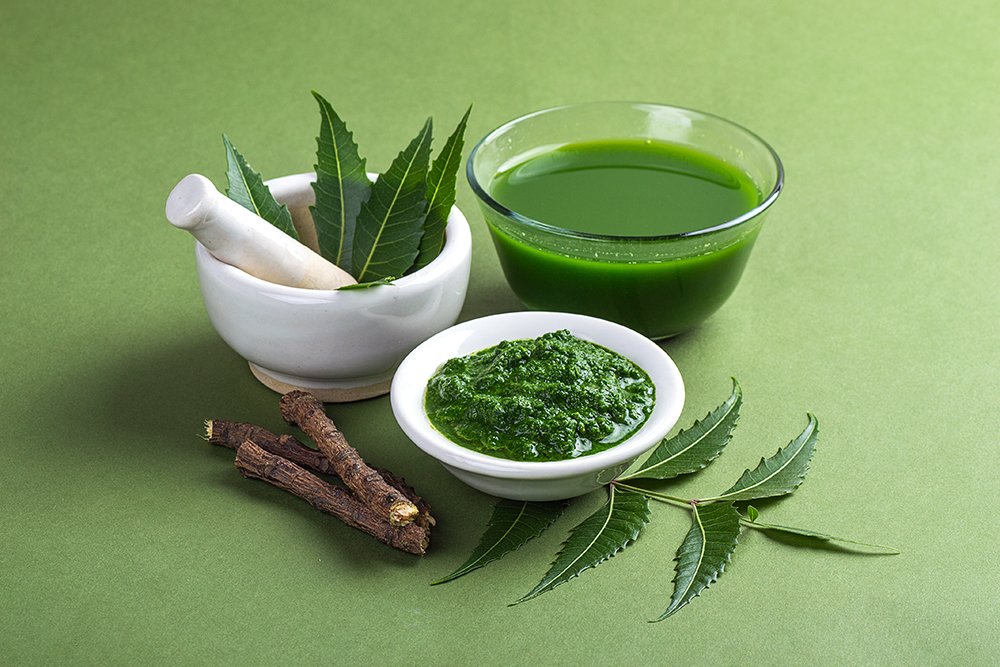
FAQs

A qualified Ayurvedic doctor in Bangalore should hold a BAMS degree - a five-and-a-half-year programme with a mandatory clinical internship. Many experienced specialists also hold an MD in Ayurveda. Always ask about their qualifications and clinical background before beginning treatment. At Ayurhealing, Dr. Mini Nair's credentials are available on request, and we welcome those questions.

Ayurvedic treatments have a strong track record across digestive disorders, hormonal imbalances like PCOS and thyroid dysfunction, back pain, arthritis, skin conditions, diabetes, obesity, anxiety, and respiratory issues. Ayurveda also excels in preventive care - supporting energy, digestion, sleep, and immunity before disease develops. For serious conditions, it works best alongside conventional medical care, not as a replacement.

A full Panchakarma programme typically spans seven to twenty-one days, depending on your condition and goals. It includes a preparatory phase (Purvakarma) using ghee and oil therapies to mobilise toxins, the core detox procedures, and a post-treatment protocol (Paschat Karma) to consolidate results. At Ayurhealing, Dr. Mini Nair guides every patient through all three phases with close monitoring and full support.

In most cases, yes - but always under proper medical guidance. Most Ayurvedic herbs and therapies are safe alongside conventional medications. However, certain herbs can interact with blood thinners, thyroid medications, and diabetes drugs. At Ayurhealing, we ask for a full medication list at your first consultation with Dr. Mini Nair and build your treatment plan with that in mind.