Unlocking Vitality: How Ayurhealing Awakens Your Inner Energy Naturally

In an age dominated by fatigue, stress, and digital burnout, many of us are constantly searching for that elusive spark — inner energy. While energy drinks and stimulants promise quick boosts, they fail to deliver true vitality. Ayurhealing, rooted in the ancient wisdom of Ayurveda, offers a lasting solution by rebalancing the body, mind, and spirit through natural therapies.

If you’re looking to restore your inner vitality holistically, Ayurhealing might be the answer. At Ayurhealing Ayurveda and Siddha Hospital, this wisdom is not only preserved but personalized to every individual.

What Is Inner Energy and Why Are We Losing It?

Inner energy, often referred to as Ojas in Ayurveda, is the subtle essence that supports physical strength, mental clarity, and emotional stability. When Ojas is depleted, we feel:

  • Constant tiredness
  • Low immunity
  • Anxiety or brain fog
  • Poor digestion and skin issues

This depletion is often due to irregular sleep, overstimulation, junk food, and unresolved stress. Ayurhealing revives this inner energy from the root, not just by managing symptoms but by realigning the body’s natural rhythms.

1. Ayurhealing’s Foundation: Understanding Your Unique Energy Blueprint

Unlike one-size-fits-all solutions, Ayurhealing begins by identifying your Prakriti (natural constitution) and Vikriti (current imbalance). Each person is a unique combination of Vata, Pitta, and Kapha—the three doshas that govern all biological functions.

By understanding your dosha type, Ayurhealing experts at Ayurhealing create personalized therapies to nurture your vitality without overstimulating the system.

“True energy comes from balance, not from excess.” — Ayurhealing Philosophy

2. Breath Is Life: Pranayama and Vital Energy Flow

Your breath is the most accessible tool for activating prana—your life force. Ayurhealing emphasizes daily breathwork (Pranayama) to unblock subtle energy channels (nadis) and revitalize body and mind.

Most Effective Pranayama Techniques:

  • Nadi Shodhana: Clears mental fog, enhances focus
  • Kapalabhati: Detoxifies, ignites digestive fire
  • Bhramari: Calms the nervous system, promotes clarity

Regular guided practice at Ayurhealing centers or via their wellness programs here can drastically enhance your energy levels.

3. Rasayana Therapy: Rebuilding Energy from the Inside Out

Rasayana in Ayurveda means “the path of essence.” These rejuvenation therapies are designed to build Ojas, restore vitality, and slow aging.

Powerful Rasayana Herbs for Vitality:

  • Ashwagandha: Reduces cortisol and boosts stamina
  • Shatavari: Restores hormonal balance in women
  • Amalaki (Amla): Rich in antioxidants, revitalizes cells
  • Guduchi: Boosts immunity and calms the mind

At Ayurhealing Ayurveda Hospital, Rasayana therapies are tailored to your constitution and administered in therapeutic doses for long-lasting results.

“Instead of reaching for coffee, try Ashwagandha – the Ayurvedic way to energize with calmness.

4. Shirodhara and Abhyanga: Energy Through Relaxation

Ayurhealing uses two deeply nourishing body therapies that are essential to rejuvenating the mind and body.

Shirodhara – A steady stream of warm oil poured over the forehead.

  • Relieves insomnia and chronic stress
  • Balances Vata (air element), often the cause of fatigue
  • Activates third eye chakra, enhancing inner awareness

Abhyanga – Full-body warm oil massage.

  • Improves lymphatic flow
  • Removes fatigue from muscles and joints
  • Stimulates Marma points (vital energy nodes)

You can book authentic Shirodhara and Abhyanga therapies at Ayurhealing for natural and personalized rejuvenation.

5. Balanced Digestion = Balanced Energy

Ayurveda places a huge emphasis on Agni, or digestive fire. When digestion is sluggish, toxins (Ama) accumulate, blocking energy pathways.

Ayurhealing Digestive Strategies:

  • Trikatu churna (ginger, black pepper, long pepper) to ignite metabolism
  • Buttermilk with spices to restore gut flora
  • Fasting (Langhana) or light khichdi meals during energy crashes
  • Herbal teas like jeera-ajwain-saunf for bloating and gas

When your gut works in harmony, your entire body becomes a powerhouse of vitality.

“Energy is not about eating more, but digesting better.” — Ayurhealing Insight

6. Panchakarma: Detoxify to Energize

Energy blocks are often due to toxin accumulation. Ayurhealing’s signature Panchakarma detox therapy gently removes toxins and resets the system.

Includes:

  • Virechana (purgation) to remove excess Pitta and digestive toxins
  • Basti (enema) to balance Vata and improve nutrient absorption
  • Nasya (nasal cleansing) for mental clarity and energy uplift

This therapy is supervised by certified Ayurvedic doctors at Ayurhealing Ayurveda and Siddha Hospital, ensuring safety and effectiveness.

7. Daily Rituals for Lasting Energy

At its core, Ayurhealing promotes Dinacharya (daily routine) to keep your energy levels consistent.

Top Ayurhealing Rituals:

  • Wake up before sunrise to align with natural energy cycles
  • Oil pulling and tongue scraping to remove toxins
  • Sipping warm water through the day
  • Evening meditation to reset the nervous system

These lifestyle tweaks, taught by Ayurhealing experts, help build deep, lasting energy reserves.

8. Sleep – The Forgotten Key to Vitality

No form of healing works unless your sleep is restored. Ayurhealing recognizes Nidra (sleep) as a pillar of health and offers herbal, dietary, and behavioral solutions for deep rest.

Ayurvedic Sleep Enhancers:

  • Tagara (Valerian root) and Jatamansi for calming the mind
  • Milk with nutmeg before bed
  • Avoiding screens and heavy dinners after sunset
  • Shiro Abhyanga before bed to activate the pineal gland

Many clients at Ayurhealing report full restoration of sleep within weeks of therapy.

Client Story: Rekindling Energy Through Ayurhealing

Ravi, 40, a corporate executive, felt burnt out despite exercising and taking supplements. He turned to Ayurhealing for a more grounded approach. After a 21-day Rasayana and Panchakarma program, including Abhyanga and guided Pranayama, he noticed:

  • Better mental focus
  • Consistent daily energy
  • Improved digestion
  • Restful sleep

“Ayurhealing didn’t just fix my fatigue—it taught me how to manage and protect my energy every day.”

The Ayurhealing Difference

While many wellness centers offer Ayurvedic therapies, Ayurhealing Ayurveda & Siddha Hospital in Bangalore integrates Ayurveda, Siddha, and modern diagnostics to create individualized treatment plans.

Why choose Ayurhealing?

  • Government-registered Ayurveda & Siddha hospital
  • Team of certified doctors with decades of experience
  • Focus on root-cause healing and energy revival
  • Clean, safe, and serene healing environment
  • Online consultations and custom treatment plans available

Explore authentic Ayurvedic therapies backed by modern care at Ayurhealing.

Conclusion: Your Vitality is Within Reach

Energy is not something you borrow from caffeine or sugar. It’s something you build, protect, and renew—naturally. Ayurhealing gives you the tools, therapies, and knowledge to unlock this inner vitality through breath, food, herbs, sleep, and routine.

Whether you’re battling fatigue, burnout, hormonal imbalance, or low immunity, the answer lies not outside, but within—waiting to be awakened.

Let Ayurhealing guide you back to a life of balance, joy, and boundless energy.

The Silent Power of Ayurvedic Sleep Therapy: Reclaiming Rest in a Noisy World

In today’s fast-paced, noisy world, restful sleep has become a rare luxury. Scrolling late into the night, racing thoughts, caffeine overload, and endless stress all contribute to a silent epidemic-sleep deprivation. While modern medicine often offers temporary fixes like sleeping pills, Ayurveda provides something far deeper: a complete, natural, and sustainable approach to healing sleep from its roots.

At Ayurhealing, Ayurvedic sleep therapy is not just about sleeping more – it’s about restoring your body’s natural rhythm, calming your mind, and aligning your sleep with your dosha and internal clock. Here’s how Ayurhealing revives your sleep, one peaceful night at a time.

Why Sleep Matters in Ayurveda

In Ayurveda, sleep (nidra) is one of the three pillars of life, alongside food (ahara) and self-discipline (brahmacharya). Quality sleep is essential for tissue repair, digestion, mental clarity, emotional balance, and immunity. When your sleep is disturbed, everything else begins to unravel – your skin dulls, digestion weakens, and anxiety heightens.

But unlike mainstream medicine, which focuses on treating insomnia as a condition, Ayurveda sees poor sleep as a symptom of an imbalance in the body and mind. The goal is to address the underlying cause – not just the symptom.

What’s Causing Your Sleeplessness?

Ayurveda identifies Vata, Pitta, or Kapha dosha imbalances as the main triggers for disturbed sleep. Let’s understand how each dosha contributes to sleep disorders.

Vata-Type Sleep Imbalance

Vata governs movement and nervous system function. When imbalanced, it causes anxiety, overthinking, light sleep, and frequent waking. You may go to bed tired but lie awake with a racing mind.

Pitta-Type Sleep Imbalance

Pitta governs metabolism and heat. When out of balance, it leads to difficulty falling asleep, night sweats, and waking up around 2–3 AM with irritation. This often affects driven, workaholic individuals.

Kapha-Type Sleep Imbalance

Kapha governs stability and structure. When disturbed, it may cause excessive sleepiness or grogginess upon waking, without feeling refreshed. It’s often seen in people with thyroid issues or lethargy.

At Ayurhealing, the treatment always begins with identifying your dosha and the type of imbalance, allowing for a custom sleep-healing plan.

Ayurhealing’s Approach to Natural Sleep Restoration

Comprehensive Sleep Consultation

Your journey at Ayurhealing starts with a detailed assessment of your:

  • Sleep cycle and disturbances
  • Emotional and mental state
  • Food habits and lifestyle
  • Dosha type and imbalances
    This enables Ayurhealing’s doctors to create a completely personalized plan to reset your sleep naturally-without dependence on sedatives.

Herbal Remedies that Soothe the Nervous System

Ayurhealing offers handpicked herbal formulations based on traditional texts and modern sleep challenges. These include:

  • Ashwagandha – reduces cortisol and calms the mind
  • Tagara (Indian valerian) – deeply sedating for chronic insomnia
  • Jatamansi – nourishes the brain, perfect for Vata disorders
  • Brahmi – improves sleep quality and enhances dream recall
  • Shankhpushpi – used for mental fatigue and cognitive rest

All herbs are prescribed in safe doses under supervision and may be taken as powders, tablets, or decoctions depending on your prakriti (body type).

Panchakarma for Deep Reset

For chronic or long-standing sleep disorders, detoxification through Panchakarma helps restore balance at a deep level. Ayurhealing’s Panchakarma therapies for sleep issues include:

  • Shirodhara – warm herbal oil is poured in a continuous stream over the forehead, calming the mind and regulating pineal gland activity.
  • Abhyanga – full-body warm oil massage to ground Vata and induce physical and mental relaxation.
  • Nasya – herbal nasal drops clear sinuses, enhance pranic flow, and calm the brain.
  • Takradhara – fermented buttermilk poured over the head to cool the system, ideal for Pitta sleep issues.

These treatments are particularly helpful for those with stress-induced insomnia, anxiety-driven sleep loss, or trauma-related sleep issues.

Dinacharya: Ayurvedic Daily Routine for Better Sleep

Sleep healing isn’t confined to bedtime alone. Ayurhealing helps patients build a dosha-balancing daily routine that optimizes circadian rhythms and hormonal health.

  • Waking up early (before 6 AM) aligns the body with natural energy cycles
  • Oil massage (Abhyanga) in the morning grounds the nervous system
  • Eating light by sunset supports digestion and restful sleep
  • Avoiding screen time after dark supports melatonin production
  • Bedtime rituals like sipping warm milk with nutmeg or herbal tea calm the senses

When followed consistently, this gentle structure makes it easier to fall asleep naturally and wake up refreshed.

Mindfulness and Yoga Nidra for Peaceful Nights

Ayurhealing often combines Ayurvedic treatments with mind-body practices like Yoga Nidra, pranayama, and guided meditation. These help you transition out of a hyperactive or anxious state into deep relaxation.

Simple practices recommended:

  • Bhramari pranayama (humming breath) – calms the mind
  • Yoga Nidra (yogic sleep) – rewires subconscious stress patterns
  • Mantra chanting or Om repetition – induces theta brainwaves for sleep

Many patients at Ayurhealing report that these non-invasive methods help them unlearn insomnia” and develop a calm sleep mindset.

Real-Life Transformations with Ayurhealing

Reversing Anxiety-Induced Sleeplessness

Renu, a 28-year-old IT professional, struggled with sleep for two years. After working with Ayurhealing, her dosha was found to be Vata-Pitta. With Shirodhara, herbal tea, and dinacharya coaching, she reported falling asleep in under 15 minutes within 3 weeks.

Sleep Loss Due to Hormonal Shifts

Sathya, a 47-year-old woman going through menopause, faced night sweats and insomnia. Ayurhealing helped her through cooling Pitta-pacifying therapies, Brahmi infusions, and early meal routines. Within a month, her energy and sleep quality returned.

Conclusion: Invite Stillness into Your Nights with Ayurhealing

In a culture that celebrates hustle, sleep often becomes a casualty. But the truth is-without sleep, there is no healing. Whether your sleeplessness stems from anxiety, work stress, hormonal changes, or digital addiction, the Ayurvedic path offers not only a solution but also a sustainable way of life.

Ayurhealing stands at the crossroads of tradition and innovation, helping thousands restore their nights with timeless wisdom. So if you are tired of being tired-take a step back, trust your body’s ancient intelligence, and let Ayurhealing guide you to the rest you deserve.

Ayurvedic Treatments for Eczema: A Natural Path to Skin Healing

Eczema is a skin condition that can disrupt daily life, causing irritation, redness, dryness, and severe itching. While many people rely on conventional treatments for relief, Ayurvedic treatments for eczema offer a holistic and natural approach that goes beyond symptom management. Ayurveda, an ancient system of medicine, seeks to restore balance within the body, allowing it to heal naturally. This article explores the benefits and methods of Ayurvedic Treatments for eczema, helping you understand how it can support your skin’s health and well-being.

What is Eczema?

Eczema, or atopic dermatitis, is a chronic condition that causes skin inflammation, resulting in dryness, redness, and intense itching. It can appear on different parts of the body and can worsen during specific triggers. The skin may also become cracked or blistered in more severe cases.

Common Symptoms of Eczema

  • Redness and Swelling: A hallmark sign of eczema is inflamed, red skin, which may be sensitive to the touch.
  • Dryness and Flakiness: Affected areas often experience extreme dryness and rough patches of skin.
  • Intense Itching: Persistent itching is one of the most bothersome symptoms, often worse at night.
  • Blisters and Oozing: In severe cases, fluid-filled blisters can appear, which eventually crust over.

Possible Causes of Eczema

While the exact cause of eczema is unclear, several factors contribute to its development:

  • Genetic Factors: A family history of eczema, asthma, or allergies increases the likelihood of developing the condition.
  • Environmental Triggers: Pollution, dust, pet dander, and allergens like pollen can worsen eczema flare-ups.
  • Skin Irritants: Harsh soaps, chemicals, and fragrances can exacerbate symptoms.
  • Stress: Emotional stress can trigger or worsen eczema, affecting the body’s immune response.

The Ayurvedic Approach to Eczema

Ayurveda views eczema as a reflection of internal imbalances that manifest externally on the skin. According to this traditional system of medicine, the three doshas—Vata, Pitta, and Kapha—are responsible for different types of skin conditions. An imbalance in any of these doshas can lead to eczema flare-ups. Ayurvedic treatments for eczema focus on restoring harmony and balance within the body to address the root cause of the condition.

The Role of Doshas in Eczema

  • Vata Dosha: When imbalanced, Vata can cause dry, cracked, and flaky skin, typical of eczema’s more desiccated forms.
  • Pitta Dosha: An excess of Pitta can lead to inflammation, redness, and burning sensations, common symptoms of eczema.
  • Kapha Dosha: Kapha imbalance leads to excessive moisture retention and thickened skin, often contributing to oozing eczema.

By identifying which dosha is out of balance, Ayurvedic treatments for eczema can be customized to target your specific needs and help soothe the symptoms.

Key Ayurvedic Treatments for Eczema

Ayurveda offers a range of treatments designed to restore balance and heal the skin from the inside out. These treatments are both internal and external, using natural herbs, oils, and therapies to combat eczema’s symptoms.

Detoxification with Panchakarma

Panchakarma is an essential aspect of Ayurveda that helps detoxify the body by removing accumulated toxins (Ama) that may contribute to eczema flare-ups. This process enhances the body’s natural ability to heal.

  • Virechana (Purgation): A cleansing process that eliminates toxins from the digestive tract, reducing inflammation caused by Pitta imbalances.
  • Vamana (Therapeutic Vomiting): A detoxification technique that clears Kapha toxins, relieving excess fluid and mucus that contribute to skin irritation.
  • Raktamokshana (Bloodletting): Removes toxins from the bloodstream, promoting clearer skin and reducing eczema symptoms.

Panchakarma provides a comprehensive and deep cleanse, which is an integral part of Ayurvedic treatments for eczema.

Herbal Remedies for Eczema

Herbs play a significant role in treating eczema by targeting the root cause and reducing inflammation, itching, and dryness.

Some of the most beneficial herbs for Ayurvedic treatments for eczema include:

  • Neem: Known for its powerful antibacterial, antifungal, and anti-inflammatory properties, neem helps cleanse the skin and reduce infections.
  • Turmeric: With its potent anti-inflammatory and antioxidant properties, turmeric soothes irritated skin and promotes healing.
  • Aloe Vera: Famous for its cooling effects, aloe vera hydrates the skin, preventing dryness and irritation.
  • Manjistha: A blood purifier that helps reduce internal inflammation and prevents eczema flare-ups.
  • Guduchi: An herb that strengthens the immune system and detoxifies the body, promoting better skin health.

These herbs are often used in Ayurvedic treatments for eczema, either in oral supplements or topical applications.

Topical Ayurvedic Treatments for Eczema

In addition to oral remedies, Ayurvedic oils and pastes can provide immediate relief to the skin, promoting healing and reducing symptoms.

  • Neem-Turmeric Paste: Combining neem and turmeric, this paste is a powerful remedy for treating infected and inflamed skin.
  • Kumkumadi Taila (Medicated Oil): This oil helps reduce pigmentation, smooths rough patches, and provides deep nourishment to dry skin.
  • Buttermilk Therapy (Takradhara): Soothing and cooling, buttermilk therapy helps reduce Pitta and alleviate skin irritation.

Topical treatments are especially useful in Ayurvedic treatments for eczema to address localized inflammation and itching.

Dietary Modifications for Eczema Management

Diet plays a significant role in balancing doshas and healing the body. Ayurveda recommends specific foods and drinks to support skin health and reduce eczema flare-ups.

Foods to Include:

  • Cooling Foods: Coconut, cucumbers, and melons help cool the body and reduce inflammation.
  • Fruits and Vegetables: Pomegranate, apples, and leafy greens support detoxification and enhance skin healing.
  • Digestive Spices: Fennel, coriander, and cumin aid in digestion, which is key to maintaining balance in the body.

Foods to Avoid:

  • Spicy Foods: Foods high in spice can increase Pitta and worsen eczema symptoms.
  • Dairy Products: Dairy can aggravate Kapha dosha and contribute to skin congestion.
  • Processed Foods: Excess sugar and refined flour can lead to inflammation, affecting both the skin and overall health.

Adopting a diet in line with Ayurvedic treatments for eczema can help manage and prevent flare-ups.

Lifestyle Adjustments for Eczema Relief

Incorporating lifestyle changes that align with Ayurvedic principles can significantly enhance the effectiveness of eczema treatment.

  • Reduce Stress: Practices such as yoga, meditation, and pranayama can help lower stress, which is often a trigger for eczema flare-ups.
  • Proper Skin Care: Avoid hot showers, and use natural, gentle skin care products. Moisturize regularly to prevent dryness.
  • Sleep Routine: Ensure adequate, restful sleep to promote healing and rejuvenation.

By following Ayurvedic lifestyle recommendations, you can prevent future flare-ups and achieve long-term relief from eczema.

10 Benefits of Ayurvedic Treatments for Eczema

Let’s explore the 10 Benefits of Ayurvedic Treatments for Eczema:

  1. Natural Healing: Uses chemical-free, plant-based treatments to soothe and restore the skin.
  2. Holistic Approach: Addresses the root cause of eczema, promoting overall health and well-being.
  3. Long-Term Relief: Prevents recurrence by focusing on balance and immunity.
  4. Personalized Treatments: Customizes treatments based on dosha imbalances for more effective healing.
  5. Detoxification: Removes harmful toxins from the body, reducing inflammation and skin irritation.
  6. Anti-Inflammatory Properties: Reduces redness, swelling, and itching associated with eczema.
  7. Improved Skin Hydration: Herbs and oils hydrate dry, cracked skin, preventing further damage.
  8. Restored Skin Barrier: Strengthens the skin’s natural barrier to protect against environmental triggers.
  9. Boosted Immunity: Supports the immune system, reducing sensitivity to allergens and irritants.
  10. Mental and Emotional Balance: Promotes mental clarity and reduces stress, improving emotional well-being.

Conclusion

Ayurvedic treatments for eczema offer a natural, holistic, and personalized approach to managing and healing eczema. By addressing both the external symptoms and internal imbalances, Ayurveda provides lasting relief that restores skin health from the inside out. Whether it’s through detoxification, herbal remedies, or lifestyle changes, Ayurveda offers a comprehensive strategy for eczema sufferers looking for a more natural solution.

FAQs

1. How long does it take to see results from Ayurvedic treatments for eczema?

Results vary, but many people notice improvements within 4 to 6 weeks of following Ayurvedic treatments consistently.

2. Can Ayurvedic treatments for eczema be used alongside conventional medicine?

Yes, Ayurveda can complement conventional treatments, but it’s essential to consult with a healthcare professional before combining the two.

3. Are Ayurvedic treatments for eczema suitable for all ages?

Yes, Ayurvedic treatments are gentle and safe for people of all ages, including children.

4. Can Ayurvedic treatments for eczema help with eczema on sensitive areas, like the face?

Absolutely! Ayurvedic oils and herbal remedies can be applied to sensitive areas, ensuring gentle care.

5. Is diet essential when using Ayurvedic treatments for eczema?

Yes, diet plays a crucial role in managing eczema and enhancing the effectiveness of Ayurvedic treatments.

Ayurvedic Treatments for High IgE Levels: A Holistic Approach to Immune Health

High IgE (Immunoglobulin E) levels indicate an overactive immune response, often triggered by allergies or other immune-related conditions. Elevated IgE levels can lead to persistent allergic reactions, eczema, asthma, and other health issues. Conventional medicine tends to focus on symptom suppression, but Ayurveda offers a more holistic, root-cause approach to managing high IgE levels. By focusing on balancing the doshas (Vata, Pitta, and Kapha), strengthening digestion, and detoxifying the body, Ayurvedic Treatments can help mitigate high IgE levels and promote overall well-being. In this article, we will delve into Ayurvedic Treatments for High IgE Levels, the benefits, and how you can incorporate them into your routine for better health and immune function.

Understanding High IgE Levels

Before diving into Ayurvedic Treatments for High IgE Levels, it’s essential to understand what high IgE levels are and how they affect the body. IgE is a type of antibody produced by the immune system in response to allergens. When the immune system overreacts to harmless substances like pollen, dust mites, or certain foods, it produces excess IgE antibodies, which trigger allergic reactions.

Common Symptoms of High IgE Levels

The symptoms associated with high IgE levels are a direct result of an overactive immune system. These include:

  • Allergic Reactions: Sneezing, runny nose, watery eyes, and skin rashes or hives.
  • Skin Inflammation: Eczema, psoriasis, and other skin conditions that cause redness, itching, and dryness.
  • Respiratory Issues: Wheezing, coughing, difficulty breathing, and asthma attacks.
  • Chronic Fatigue: The body’s constant inflammatory response can leave you feeling tired and lethargic.

    High IgE levels are not a disease by themselves but are a signal of an underlying allergy or immune dysfunction.

Root Causes of High IgE Levels

Several factors contribute to elevated IgE levels, including:

  • Genetics: A family history of allergies, asthma, or atopic dermatitis increases the risk of high IgE levels.
  • Environmental Factors: Exposure to allergens like pollen, dust mites, pet dander, and mold can elevate IgE levels.
  • Imbalanced Diet and Lifestyle: A poor diet, sedentary lifestyle, and high-stress levels can weaken immunity and contribute to higher IgE levels.
  • Gut Health: Poor digestion and imbalance in gut flora can affect the immune system and lead to heightened allergic responses.
  • Toxins in the Body: Accumulation of toxins (Ama in Ayurveda) can impair the immune system and increase the production of IgE antibodies.

How Ayurveda Addresses High IgE Levels

Ayurveda views health as a balance between the mind, body, and spirit, with a focus on harmonizing the body’s three doshas—Vata, Pitta, and Kapha. When the doshas are out of balance, it can lead to various health issues, including high IgE levels. Ayurveda treats the root cause by rebalancing the doshas, detoxifying the body, and strengthening the immune system.

Balancing the Doshas to Combat Allergies

  • Vata Imbalance: An aggravated Vata dosha can lead to hypersensitivity and anxiety, often triggering allergic reactions. Ayurvedic treatments aim to calm Vata, especially with grounding herbs and lifestyle practices like meditation and yoga.
  • Pitta Imbalance: Pitta imbalance, which leads to excess heat in the body, causes inflammation, redness, and irritation—common symptoms of high IgE levels. Cooling herbs like aloe vera, turmeric, and mint are used to pacify Pitta and reduce inflammation.
  • Kapha Imbalance: Excess Kapha leads to mucus buildup and respiratory issues. Ayurvedic treatments address Kapha imbalances through detoxification techniques and the use of herbs like ginger and pepper, which stimulate circulation and help clear excess mucus.

The Role of Ama (Toxins) in High IgE Levels

In Ayurveda, Ama refers to the toxins accumulated in the body due to poor digestion, stress, or imbalanced eating habits. Ama can enter the bloodstream, impair the immune system, and trigger allergic responses. Ayurveda emphasizes detoxifying the body to remove Ama and restore optimal immune function.

Effective Ayurvedic Treatments for High IgE Levels

Ayurveda offers several effective treatments to help lower high IgE levels, strengthen immunity, and reduce allergic reactions. These treatments focus on detoxification, immunity-boosting herbs, and dietary adjustments.

Panchakarma for Detoxification

Panchakarma is an Ayurvedic cleansing and detoxification therapy designed to remove toxins (Ama) from the body. This treatment involves a series of steps aimed at purifying the body, reducing inflammation, and rebalancing the doshas.

  • Virechana (Purgation): This therapeutic procedure helps eliminate excess Pitta and cleanses the digestive tract, reducing allergic symptoms.
  • Nasya (Nasal Therapy): Nasya therapy involves applying medicated oils or herbal powders to the nasal passages to clear congestion and promote respiratory health.
  • Abhyanga (Oil Massage): A full-body oil massage promotes relaxation, reduces stress, and nourishes the skin. This therapy also helps in balancing Vata dosha.
  • Raktamokshana (Bloodletting): This technique purifies the blood, alleviating inflammation, skin conditions, and excess IgE production.

Panchakarma therapy should only be performed under the supervision of a qualified Ayurvedic practitioner.

Herbal Remedies for Immune Support

Ayurvedic herbs play a significant role in regulating immune responses and reducing IgE levels. These herbs are often used in formulations to balance the immune system, reduce inflammation, and fight allergens.

  • Turmeric (Haridra): A powerful anti-inflammatory herb that calms the immune system and reduces allergic reactions. It contains curcumin, which has potent antioxidant and immune-modulating properties.
  • Ashwagandha: An adaptogenic herb that helps the body manage stress, boosts immunity, and calms the immune system to reduce the overproduction of IgE.
  • Neem: Known for its blood-purifying and anti-inflammatory properties, Neem helps alleviate skin symptoms and detoxifies the body.
  • Tulsi (Holy Basil): Acts as a natural antihistamine, reducing respiratory issues like coughing and wheezing. It also strengthens the immune system.
  • Triphala: A combination of three fruits—Amalaki, Bibhitaki, and Haritaki—that detoxifies the body and enhances digestion. This combination reduces the production of Ama, lowering the risk of high IgE levels.
  • Licorice Root (Mulethi): Known for its anti-inflammatory and immune-boosting properties, licorice helps to balance Kapha and reduce allergic symptoms.

These herbs can be consumed as teas, powders, or in capsules, but it’s important to consult an Ayurvedic practitioner for proper dosages and combinations.

Dietary Recommendations for Immune Balance

In Ayurveda, diet plays a crucial role in managing high IgE levels. A balanced diet supports the digestive fire (Agni) and strengthens immunity, preventing the accumulation of toxins.

Foods to Include:

  • Fresh Fruits and Vegetables: Include bitter vegetables like kale, bitter gourd, and fenugreek, which cleanse the blood and improve digestion.
  • Cooling Foods: Coconut water, cucumbers, and melons help cool the body and reduce inflammation.
  • Spices and Herbs: Turmeric, cumin, coriander, and ginger are recommended to reduce inflammation and support digestion.
  • Probiotic-rich Foods: Fermented foods like yogurt and kimchi help maintain a healthy gut, promoting strong immunity.

Foods to Avoid:

  • Dairy Products: Milk and cheese may worsen mucus production and exacerbate Kapha imbalance.
  • Processed Foods: Junk food, fried items, and sugary snacks increase inflammation and contribute to toxin buildup.
  • Spicy Foods: Excessive heat from spicy foods can aggravate Pitta and cause flare-ups in conditions like eczema.

Lifestyle Modifications for Immune Health

Maintaining a healthy lifestyle is integral to managing high IgE levels. Ayurveda emphasizes routines that support physical and mental well-being.

  • Regular Yoga and Pranayama (Breathing Exercises): These practices balance the doshas, reduce stress, and improve lung function, which is essential for those with respiratory symptoms.
  • Adequate Sleep: Ensure a regular sleep schedule to help the body heal and rejuvenate. Lack of sleep weakens the immune system.
  • Stress Management: Meditation and mindfulness practices reduce cortisol levels, which can trigger allergic responses.
  • Daily Oil Massage (Abhyanga): Helps reduce stress, soothe the skin, and balance the doshas.

Benefits of Ayurvedic Treatments for High IgE Levels

Ayurvedic treatment offers numerous benefits for individuals dealing with high IgE levels, including:

  • Natural and Holistic Approach: Focuses on treating the root cause of high IgE levels, rather than just masking symptoms.
  • Improved Digestion and Gut Health: Ayurveda strengthens Agni (digestive fire), which helps reduce toxins and inflammation in the body.
  • Detoxification: Panchakarma helps cleanse the body of Ama and other accumulated toxins, restoring balance to the immune system.
  • Stronger Immunity: Immunity-boosting herbs and practices help reduce hypersensitivity to allergens.
  • Reduced Inflammation: Herbs like turmeric and neem soothe inflammation and promote healing.
  • Sustained Relief: Focuses on long-term immune health, reducing reliance on conventional medications.
  • Customizable Treatments: Ayurveda offers personalized treatment plans based on the individual’s doshic imbalance.
  • No Side Effects: Ayurvedic treatments use natural herbs and therapies, which have minimal to no side effects when used correctly.
  • Mental Well-being: Practices like yoga and meditation help reduce anxiety and stress, which can exacerbate allergic reactions.
  • Improved Skin Health: Ayurvedic treatments target skin conditions associated with high IgE levels, such as eczema and hives.

Conclusion

Ayurveda offers a natural and effective way to manage high IgE levels. By addressing the root causes through detoxification, personalized treatments, and lifestyle modifications, Ayurvedic remedies promote long-term health and immunity. The holistic approach ensures that your body is balanced, your immune system is strengthened, and your allergic reactions are minimized. Embrace Ayurveda for better overall health and well-being.

FAQs

1. How long does it take for Ayurvedic treatments to show results for high IgE levels?

Results vary depending on the individual, but noticeable improvements can typically be seen within a few weeks to a couple of months.

2. Can Ayurvedic herbs be taken alongside prescription medications?

Yes, Ayurvedic herbs can complement conventional medications, but it’s crucial to consult a healthcare provider for personalized guidance.

3. Are there any dietary restrictions for people with high IgE levels?

Yes, avoiding dairy, processed foods, and overly spicy foods can help manage high IgE levels and reduce inflammation.

4. Can Panchakarma treatments help with respiratory symptoms of high IgE levels?

Yes, Panchakarma therapies like Nasya and Virechana are beneficial in clearing respiratory congestion and improving lung health.

5. Are Ayurvedic treatments safe for children with high IgE levels?

When administered by a qualified Ayurvedic practitioner, Ayurvedic treatments are generally safe for children and can help manage allergic reactions.

Effective Ayurvedic Treatments for Spondylosis: Natural Spine Care

Spondylosis is a common degenerative condition affecting the spine, resulting in pain, stiffness, and limited mobility. While conventional medicine typically addresses symptoms, Ayurveda focuses on treating the root causes by balancing the body’s energy and restoring joint health. This ancient system of healing not only offers relief from symptoms but also strengthens the spine and promotes long-term wellness. In this article, we will explore Ayurvedic Treatments for Spondylosis, therapies, and dietary recommendations that can help manage spondylosis effectively.

What Is Spondylosis?

Spondylosis refers to the degenerative changes in the spine that occur due to aging, wear and tear, or injury. It affects the cervical (neck), thoracic (mid-back), or lumbar (lower back) regions, leading to the breakdown of cartilage discs, the formation of bone spurs, and inflammation in the spinal joints. The condition can result in pain, stiffness, and sometimes nerve compression, leading to symptoms like numbness and weakness.

Symptoms of Spondylosis

Spondylosis can cause various symptoms depending on the location and severity of the degeneration. Common symptoms include:

  • Back Pain: Persistent pain in the neck, back, or lower back that worsens with movement.
  • Stiffness: Limited mobility, especially after long periods of rest.
  • Muscle Spasms: Painful involuntary muscle contractions around the spine.
  • Numbness and Tingling: When nerve compression occurs, it can lead to sensations of tingling or numbness in the limbs.
  • Weakness: In some cases, spondylosis can lead to weakness in the arms or legs.

The Ayurvedic View of Spondylosis

In Ayurveda, spondylosis is primarily caused by an imbalance in the Vata dosha, which governs movement, circulation, and the nervous system. As we age, the Vata dosha increases and depletes bodily tissues, leading to the dryness and stiffness that characterizes spondylosis. Ayurvedic treatments aim to balance Vata, reduce inflammation, and nourish the spinal tissues, offering long-term relief from the degenerative effects of the condition.

Ayurvedic Treatments for Spondylosis

Using a combination of holistic therapies and natural remedies, Ayurvedic treatments for spondylosis aim to alleviate pain, improve flexibility, and strengthen spinal health.

Ayurvedic Therapies for Spondylosis

Therapies for Spondylosis involve the use of specialized therapies to reduce pain, inflammation, and stiffness while promoting overall spinal health. These therapies help lubricate the joints, strengthen the muscles supporting the spine, and restore the body’s natural balance.

Below are some of the most effective Ayurvedic therapies for spondylosis:

Abhyangam (Ayurvedic Oil Massage)

Abhyangam is a full-body massage using warm, medicated herbal oils designed to pacify the Vata dosha. The massage enhances joint lubrication, improves circulation, and relaxes tense muscles. This therapy helps relieve pain, stiffness, and inflammation while toning the muscles supporting the spine.

Benefits:

  • Relieves pain and stiffness
  • Improves joint mobility and flexibility
  • Reduces muscle spasms and tension
  • Enhances circulation and nourishment to the spine
  • Restores balance to Vata dosha

Kizhi (Herbal Poultice Therapy)

Kizhi involves the application of heated herbal boluses (pouches) filled with a combination of herbs, rice, or sand to the affected areas. The warmth and active ingredients in the herbs help to reduce inflammation, relieve pain, and promote healing in the muscles and joints.

Benefits:

  • Provides targeted relief for localized pain and inflammation
  • Reduces muscle spasms and stiffness
  • Improves blood circulation and healing
  • Relieves tension in the spine and surrounding muscles
  • Enhances flexibility and joint function

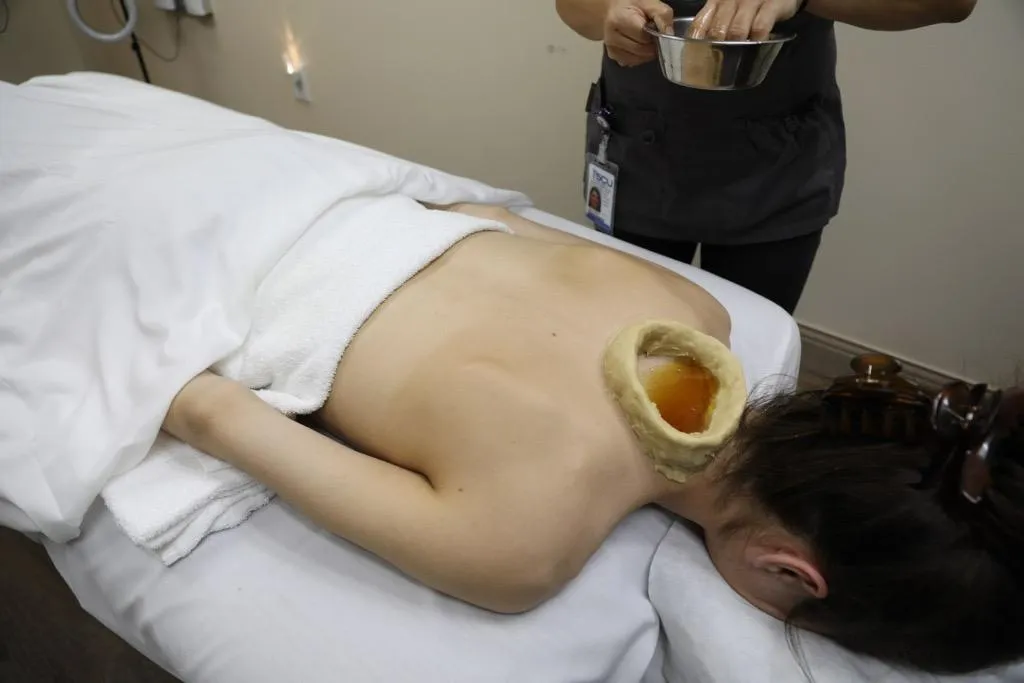
Spine Basti (Spinal Oil Treatment)

Spine Basti is a therapy where medicated oils are poured over the spine and retained in a reservoir made from black gram paste or wheat flour. This therapy helps restore the natural lubrication in the spinal joints, reduces inflammation, and relieves pain in the spine.

Benefits:

  • Lubricates and nourishes spinal joints
  • Reduces inflammation and stiffness
  • Improves mobility and flexibility of the spine
  • Strengthens the spine’s structural integrity
  • Helps alleviate nerve compression and discomfort

Pizhichil (Oil Bath Therapy)

Pizhichil is a therapeutic treatment that involves pouring warm medicated oils continuously over the body while gently massaging it. This therapy pacifies Vata dosha, reduces pain, and restores strength and flexibility to the spinal joints.

Benefits:

  • Relieves pain and stiffness in the spine
  • Nourishes and strengthens muscles and tissues
  • Reduces inflammation and improves circulation
  • Promotes overall relaxation and healing
  • Enhances flexibility and mobility of the joints

Upnaham (Herbal Paste Application)

Upnaham involves applying a herbal paste made from Ayurvedic herbs to the affected area, such as the neck or back. The paste’s active ingredients reduce inflammation, alleviate pain, and help to restore strength to the muscles and joints surrounding the spine.

Benefits:

  • Reduces swelling and pain in the spine
  • Improves circulation and promotes healing
  • Strengthens muscles and supports spinal alignment
  • Alleviates muscle stiffness and inflammation
  • Provides deep tissue relaxation

Sneha Basti (Medicated Oil Enema)

Sneha Basti is an enema therapy that involves the administration of medicated oils through the rectum. This therapy helps to detoxify the body, balance Vata, and relieve spinal pain by promoting relaxation and eliminating toxins.

Benefits:

  • Detoxifies the body and balances Vata dosha
  • Reduces pain and stiffness in the spine
  • Improves digestive health and nutrient absorption
  • Enhances the body’s natural healing ability
  • Promotes overall wellness and vitality

Kashaya Basti (Medicated Decoction Enema)

Kashaya Basti uses a decoction of medicinal herbs instead of oils and is also administered through the rectum. This therapy helps detoxify the body, reduce inflammation, and address the root cause of spinal discomfort by balancing the Vata dosha.

Benefits:

  • Purifies the body and balances the doshas
  • Relieves constipation, a common Vata imbalance symptom
  • Reduces pain and inflammation in the spine
  • Strengthens the nervous system and promotes healing
  • Improves digestive health and overall wellness

Dietary Recommendations for Spondylosis

Diet plays a crucial role in managing spondylosis and supporting overall spinal health. According to Ayurveda, a Vata-pacifying diet is essential for maintaining joint lubrication, reducing inflammation, and promoting healing. Below are some dietary recommendations for individuals with spondylosis:

Warm and Nourishing Foods

Include warm, moist, and easy-to-digest foods like soups, stews, and cooked vegetables in your diet. These foods help balance Vata and provide the necessary nutrients for joint and bone health.

Foods to Include:

  • Cooked vegetables like carrots, sweet potatoes, and squash
  • Warm soups made with bone broth or vegetable stock
  • Stewed fruits like apples, pears, and berries

Healthy Fats and Oils

Healthy fats help lubricate the joints and promote overall tissue health. Include ghee, olive oil, and coconut oil in your diet to nourish the spine and promote flexibility.

Foods to Include:

  • Ghee (clarified butter) for cooking
  • Coconut oil or sesame oil for salads or sautéing
  • Avocados and nuts (almonds, walnuts) for healthy fats

Anti-Inflammatory Spices

Certain spices have powerful anti-inflammatory properties that can help reduce pain and inflammation associated with spondylosis. Include turmeric, ginger, and garlic in your daily meals to support joint health.

Foods to Include:

  • Turmeric, ginger, and garlic in curries, teas, and soups
  • Black pepper to enhance the absorption of turmeric
  • Cinnamon in teas or sprinkled on meals

Hydrating Liquids

Proper hydration is crucial for joint health. Drink plenty of warm water, herbal teas, and fresh fruit juices to keep the body hydrated and reduce the dryness associated with Vata imbalance.

Beverages to Include:

  • Warm water with lemon
  • Herbal teas like ginger or chamomile
  • Freshly squeezed fruit juices (without added sugar)

Avoid Cold and Dry Foods

Cold, dry, and processed foods aggravate Vata and can increase the symptoms of spondylosis. Avoid eating ice cream, cold beverages, and fried or greasy foods.

Foods to Avoid:

  • Cold drinks and ice creams
  • Processed and fried foods
  • Raw salads and uncooked vegetables

Lifestyle Changes to Manage Spondylosis

Implementing these lifestyle changes can help improve spinal health and manage spondylosis symptoms effectively:

  • Practice Regular Gentle Exercises: Engage in low-impact activities like walking, swimming, or yoga. These improve spinal flexibility, strengthen muscles, and reduce stiffness without straining the joints.
  • Maintain Proper Posture: Sit and stand with your back straight and shoulders relaxed. Good posture minimizes spinal stress, prevents further degeneration, and reduces discomfort.
  • Incorporate Stretching Routines: Perform daily stretches focusing on the neck, shoulders, and lower back to improve flexibility and release tension in the spine.
  • Use Correct Sleeping Positions: Sleep on a firm mattress and use a cervical pillow for proper alignment to reduce strain on the spinal cord and surrounding tissues.
  • Manage Stress Levels: Practice meditation, deep breathing, or mindfulness to reduce stress, which can exacerbate muscle tension and spinal pain.
  • Avoid Prolonged Sitting: Take regular breaks to stand, stretch, or walk, especially if you have a desk job, to prevent stiffness and poor circulation.
  • Limit High-Impact Activities: Avoid activities like running or heavy lifting, which can aggravate spinal strain and increase the risk of injury.
  • Wear Supportive Footwear: Use well-cushioned shoes with good arch support to reduce pressure on the spine and improve posture.

Conclusion

Ayurveda provides a natural, holistic approach to managing spondylosis. Through a combination of Ayurvedic Treatments for Spondylosis, dietary changes, and lifestyle adjustments, Ayurveda helps restore balance, reduce pain, and promote long-term spinal health. Ayurvedic therapies such as Abhyangam, Kizhi, and Spine Basti offer effective relief by nourishing the spine, reducing inflammation, and improving joint flexibility. By incorporating these practices into your routine, you can experience improved mobility, reduced discomfort, and a more balanced lifestyle.

FAQs

1. How long does it take to see results from Ayurvedic treatments for spondylosis?

The results vary depending on the severity of the condition and the individual’s response to treatment. Typically, noticeable improvements can be seen within a few weeks of consistent therapy.

2. Are Ayurvedic treatments safe for everyone?

Yes, Ayurvedic treatments are generally safe; however, it is important to consult with a qualified Ayurvedic practitioner before starting any new therapy, especially if you have other health conditions.

3. Can Ayurveda reverse degenerative changes in the spine?

While Ayurveda cannot reverse structural damage, it can effectively manage symptoms, slow the progression of degenerative changes, and improve spinal health.

4. Can I combine Ayurvedic treatments with conventional treatments for spondylosis?

Yes, Ayurvedic treatments can complement conventional treatments. However, it’s crucial to discuss this with your doctor to avoid any potential interactions.

5. What is the cost of Ayurvedic treatments for spondylosis?

The cost of Ayurvedic treatments varies depending on the therapy and the individual’s condition. A consultation with an Ayurvedic practitioner is necessary to determine the cost.

Basti Therapy in Panchakarma: Exploring Its Benefits and Process

Basti therapy is one of the most profound and effective treatments in Ayurveda, especially within the Panchakarma framework. Known for its deep cleansing benefits, Basti is a detoxifying technique that addresses various health concerns by restoring balance to the body’s doshas. Let’s dive deeper into understanding Basti Therapy in Panchakarma, its process, and the remarkable benefits it brings to overall wellness.

What is Basti Therapy?

Basti therapy involves the administration of herbal oils or decoctions into the rectum to cleanse the body and mind. In Ayurveda, the colon is considered the seat of Vata dosha (one of the three primary energies that govern body functions). By utilizing this technique, Basti helps in rectifying imbalances in the body, especially related to Vata dosha.

How Does Basti Therapy Work?

Basti is a deeply cleansing and healing Ayurvedic treatment that uses herbal medicines administered through the rectum to detoxify and rejuvenate the body.

Here’s how Basti Therapy in Panchakarma works, step by step:

  • Penetration of Herbal Medicines: When herbal medicines are introduced, they penetrate deeply into the body, targeting tissues that are typically hard to reach with other methods.

  • Balancing Internal Systems: The herbs used work by balancing the doshas (Vata, Pitta, and Kapha). This helps restore harmony in the body, particularly in areas where imbalances may have caused issues like digestive problems, inflammation, or joint pain.

  • Release of Toxins: One of the primary functions of the treatment is to help release toxins (Ama) that have accumulated in the deeper tissues. These toxins are often the root cause of chronic health issues, and this treatment helps expel them through the rectum.

  • Stimulating Digestion: By cleansing the colon and digestive tract, the process stimulates digestive fire (Agni), improving digestion and nutrient absorption.

  • Restoring Vitality: By removing harmful toxins and balancing the body’s systems, this treatment boosts energy, vitality, and overall well-being. People often report feeling rejuvenated and more energetic after a series of treatments.

  • Supporting Immune Health: With improved digestion and toxin elimination, it strengthens the immune system, helping the body fight off infections and improve its overall health.

Types of Basti Therapy in Panchakarma

Basti therapy offers a range of treatments designed to balance the body’s doshas and promote detoxification. The different types of Basti each serve unique purposes, addressing specific health concerns and improving overall well-being. Below are the main types of Basti therapy:

Anuvasana Basti (Oil Enema)

Anuvasana Basti, also known as Sneha Basti, involves the administration of oil or ghee into the rectum. This type of Basti therapy provides essential lubrication to the intestines and colon, making it particularly beneficial for those experiencing chronic constipation. It helps restore moisture and ease to the digestive system, preventing dryness in the intestines.

Benefits of Anuvasana Basti:

  • Effective for treating constipation and digestive discomfort
  • Lubricates the intestines, preventing dryness and promoting smoother bowel movements
  • Improves absorption of nutrients
  • Enhances skin texture by balancing internal moisture

Anuvasana Basti is often used as an alternative to Snehapana, a treatment that involves drinking herbal oils, making it a versatile choice in Ayurvedic healing.

Niruha Basti (Decoction Enema)

Niruha Basti uses herbal decoctions, usually a blend of medicinal herbs boiled in water, which a practitioner administers through the rectum. The decoction stays in the body for a designated time (typically 15–30 minutes), allowing the body to release toxins that have built up in deeper tissues. This method is especially effective in treating conditions related to Vata imbalances, such as bloating, inflammation, and joint pain.

Benefits of Niruha Basti:

  • Detoxifies the body by removing toxins (Ama) from deep tissues
  • Balances Vata dosha, helping alleviate conditions such as arthritis and digestive issues
  • Improves the functioning of internal organs by eliminating deep-seated toxins
  • Enhances digestion and absorption of nutrients

Niruha Basti is considered one of the most powerful types of Basti therapy for its deep detoxification properties.

Matra Basti (Small Enema)

Matra Basti uses small doses of oil or herbal decoctions to improve the function of the colon and strengthen the digestive tract. This milder form of Basti enhances colon health and prepares the body for deeper detoxification treatments. It also helps lubricate the colon, making it ready for more intensive Basti therapies.

Benefits of Matra Basti:

  • Improves the overall function of the colon
  • Strengthens the digestive system and promotes regular bowel movements
  • Prepares the body for other, more intense Basti treatments
  • Acts as a preventive measure to maintain digestive health

Matra Basti is often used in a series of treatments to gradually support the colon and digestive tract.

Ksheera Basti (Milk Enema)

Ksheera Basti uses milk combined with carefully selected herbal medications. This treatment nourishes the digestive system, strengthens digestive fire (Agni), and eases chronic stomach issues. It effectively balances Pitta dosha and provides relief from conditions like chronic constipation, acidity, and digestive discomfort.

Benefits of Ksheera Basti:

  • Nourishes the intestines, promoting better digestion and absorption
  • Relieves constipation and chronic stomach pains
  • Strengthens the immune system by promoting overall health
  • Soothes inflammation and irritation in the digestive tract

Ksheera Basti is especially useful for individuals who are prone to Pitta-related imbalances, such as heartburn or gastric issues.

Yogavasti (Yogic Enema)

Yogavasti, also known as the Yogic Enema, involves a specific technique in which the patient sits in a yogic position, partially submerged in water. This allows the intestines to absorb the water and then expel it, assisting in the removal of waste and toxins. The process helps improve bowel regularity and cleanses the colon.

Benefits of Yogavasti:

  • Improves bowel movements by encouraging the intestines to flush out waste
  • Promotes the flow of water through the digestive system, enhancing detoxification
  • Reduces bloating, constipation, and discomfort in the digestive tract
  • Encourages internal cleansing, promoting overall well-being

Yogavasti helps regulate digestion and provides a holistic approach to body detoxification, especially for those with chronic digestive issues.

The Role of Basti in Panchakarma

Panchakarma is a five-fold detoxification process in Ayurveda, designed to eliminate toxins from the body. Basti therapy plays a pivotal role in this process, helping to cleanse and rejuvenate the body from the inside out. It is especially effective in dealing with chronic illnesses and imbalances that are difficult to treat through oral medication alone.

The Process of Basti Therapy

Basti therapy is a thorough Ayurvedic treatment that follows a systematic approach to heal and restore balance to the body. Each step is carefully designed to enhance the therapy’s effectiveness, cleanse the body, and promote overall well-being.

Let’s dive into the process Basti Therapy in Panchakarma:

Initial Consultation and Assessment

The process begins with a consultation where a skilled Ayurvedic practitioner evaluates your health, dosha imbalances, and any specific conditions. Based on this assessment, the practitioner determines the most appropriate type of Basti for you. They may also recommend preparatory treatments, such as Snehana (oil application) or Swedana (sweating therapy), to ready the body for the treatment.

Preparation of Herbal Formulations

Once the Basti type is chosen, the practitioner prepares the herbal formulations. These formulations can include decoctions, oils, or milk mixtures, all tailored to address your specific health needs. The herbs are carefully selected for their detoxifying, balancing, and nourishing properties.

Positioning and Relaxation

The next step involves positioning you comfortably, usually on your side or in a semi-reclined posture. This ensures comfort and relaxation throughout the process. It is equally important to relax mentally, as a calm mind enhances the body’s ability to absorb the therapeutic benefits.

Administration of the Herbal Solution

Once you are settled, the practitioner administers the herbal solution into the rectum using a syringe or tube. This may cause mild pressure or slight discomfort, but it should never be painful. The solution remains in the body for a set amount of time, allowing it to take effect.

Retention and Absorption

After administration, the solution is retained in the body for a specific duration, usually between 10 to 30 minutes. During this time, the solution penetrates the tissues, balancing doshas, releasing toxins, and nourishing the internal organs. The practitioner may encourage deep breathing or gentle shifting to facilitate absorption.

Expulsion of the Solution

After the required retention time, you expel the solution naturally through bowel movements. This step is essential as it eliminates toxins, waste, and imbalances that the herbal solution has worked to dislodge. The expulsion helps clear the body of impurities and restores balance.

Post-Treatment Care

Once the expulsion is complete, the practitioner provides guidance on aftercare. This typically includes rest, hydration, and dietary adjustments. A light, nourishing diet is recommended to support the healing process, while heavy or oily foods should be avoided to maintain balance during recovery.

Follow-up and Monitoring

The practitioner may schedule follow-up sessions to monitor progress and ensure the treatment’s success. Based on your response, they might recommend additional Basti sessions. They will assess your body’s reaction to the therapy and adjust the plan as needed to achieve the best results.

The Benefits of Basti Therapy

Basti therapy offers a wide range of health benefits that go beyond digestive health. By targeting various doshas and using different herbal preparations, this therapy promotes balance and harmony within the body.

Below are some of the key benefits of Basti Therapy in Panchakarma:

Detoxification and Cleansing

One of the primary benefits of Basti therapy is its ability to detoxify the body. It helps eliminate toxins (Ama) accumulated in the digestive system and deeper tissues, which can lead to various health problems. This deep detoxification boosts the body’s natural ability to heal itself.

Digestive Health Improvement

Basti therapy supports better digestion by clearing blockages in the colon and improving the functioning of digestive organs. It can be particularly effective in relieving chronic constipation, bloating, and indigestion, enhancing nutrient absorption and overall gastrointestinal health.

Vata Dosha Balancing

Vata dosha governs movement, digestion, and elimination. Basti therapy is especially effective in balancing Vata, which is linked to conditions like dryness, anxiety, and digestive irregularities. By balancing Vata, Basti therapy helps stabilize bodily functions and promotes mental clarity.

Skin Health Enhancement

By eliminating toxins from the body, Basti therapy improves skin texture and appearance. It helps reduce conditions like acne, eczema, and other inflammatory skin issues by purifying the blood and tissues.

Mental Clarity and Stress Relief

In addition to physical health benefits, Basti therapy can enhance mental well-being. By calming the nervous system and balancing Vata, it helps reduce stress and anxiety. Many patients report improved focus, emotional stability, and overall mental clarity after Basti therapy.

Reproductive Health Improvement

Basti therapy can also promote reproductive health. It helps improve circulation to the reproductive organs, balance hormones, and enhance fertility, making it beneficial for individuals experiencing menstrual irregularities or fertility issues.

Increased Energy and Vitality

By cleansing the body of accumulated toxins and improving digestion, Basti therapy boosts energy levels and enhances overall vitality. Many people feel rejuvenated after a series of Basti treatments, with improved physical stamina and a stronger immune system.

Joint Health and Pain Relief

Basti therapy is effective in treating conditions like arthritis and joint pain by reducing inflammation and improving circulation. The herbal decoctions used in Niruha Basti, in particular, help soothe aching joints and provide relief from discomfort.

Who Should Consider Basti Therapy?

Basti therapy is suitable for individuals experiencing a variety of health issues, particularly those related to the digestive system, skin, joints, and mental health. It can also be beneficial for anyone looking to undergo a full-body detox. However, it is essential to consult with a qualified Ayurvedic practitioner to determine whether Basti therapy is the right choice for your specific condition.

Common Conditions Treated with Basti Therapy

  • Constipation and digestive disorders
  • Arthritis and joint pain
  • Chronic fatigue and lack of energy
  • Anxiety and stress
  • Skin conditions like eczema and psoriasis
  • Hormonal imbalances and menstrual irregularities

Side Effects of Basti Therapy

Although Basti therapy is generally safe when administered by a trained practitioner, there can be some mild side effects, including:

  • Mild abdominal discomfort
  • Temporary fatigue or drowsiness
  • Increased bowel movements in the initial days

These side effects are usually temporary and subside as the body adjusts to the therapy.

Is Basti Therapy Right for You?

If you’re considering Basti Therapy in Panchakarma, it’s essential to consult an experienced Ayurvedic doctor who can assess your health condition. Your doctor will determine the right herbs, oils, and techniques based on your body type (Prakriti), current imbalances (Vikriti), and specific health concerns.

Conclusion

Basti Therapy in Panchakarma is a transformative treatment that not only cleanses the body but also nurtures the mind and spirit. By focusing on the root causes of imbalances and utilizing the wisdom of Ayurveda, Basti provides a holistic approach to health. Whether you’re seeking relief from chronic conditions or simply looking to rejuvenate your body, Basti therapy is a powerful tool in the journey towards optimal wellness.

FAQs

How long does a typical Basti therapy session last?

A Basti therapy session usually lasts between 30 minutes to an hour, depending on the type of treatment and individual needs.

Is Basti therapy painful?

No, Basti therapy is generally not painful. You may feel some mild discomfort or a sensation of fullness, but it is not an invasive procedure.

How many sessions of Basti therapy are recommended?

The number of Basti sessions depends on the condition being treated. A typical course can range from 5 to 20 sessions, but your Ayurvedic practitioner will provide personalized guidance.

Can Basti therapy be done at home?

Basti therapy should always be administered under the supervision of a trained Ayurvedic practitioner. Performing it at home without proper knowledge could lead to complications.

Are there any dietary restrictions during Basti Therapy in Panchakarma?

Yes, during Basti therapy, it’s recommended to follow a light and easily digestible diet. Your Ayurvedic doctor may also provide specific dietary guidelines to optimize the benefits of the therapy.

Ayurvedic Treatment for Anxiety with Natural Remedies

Anxiety is a natural response to stress, often manifesting as feelings of fear, unease, or restlessness. It is normal to feel anxious occasionally, like before a significant life event or decision. However, when these feelings persist and interfere with daily activities, they evolve into an anxiety disorder, affecting mental and physical health.

Anxiety may weaken the immue system, disrupt sleep, and strain relationships, leaving one feeling overwhelmed and powerless. Conventional treatments, while effective, often lead to side effects or dependency issues. This is where ayurvedic treatment for anxiety steps in, offering a natural, holistic approach to restoring emotional balance and well-being.

Root Causes of Anxiety in Ayurveda

Ayurveda identifies anxiety as an imbalance in the Vata dosha, which governs the nervous system and mental functions. This imbalance may result from the following:

  • Traumatic experiences: Events from the past, such as abuse or loss.
  • Stressful lifestyles: Deadlines, high-pressure jobs, or unstable relationships.
  • Poor diet and sleep habits: Nutrient deficiencies or irregular routines.
  • Health conditions: Chronic diseases or medication side effects.

These triggers disrupt mental equilibrium, which can result in a long-term state of worry and tension. Ayurvedic treatment for anxiety aims to address these imbalances for lasting relief.

Recognizing Symptoms of Anxiety

Anxiety often shows subtle symptoms, both mental and physical. Common signs include:

  • Racing thoughts and difficulty concentrating.
  • Persistent feelings of dread or panic.
  • Sweating, trembling, or rapid breathing.
  • Fatigue, irritability, and insomnia.
  • Digestive issues, including stomach aches and nausea.

These symptoms might vary in intensity, but recognizing them early is essential to managing the condition through methods like ayurvedic treatment for anxiety.

Diagnosis of Anxiety in Ayurveda

Accurate diagnosis is key to effective treatment. Ayurveda uses a multi-faceted approach to understand the root cause and severity of anxiety.

  • Physical Examination: Evaluates physical health to identify underlying issues.
  • Medical History Review: Unveils previous conditions or genetic predispositions.
  • Mental Assessment: Delves into thought patterns and behaviors to understand emotional triggers.

Through these methods, practitioners can personalize ayurvedic treatment for anxiety, ensuring optimal outcomes.

Ayurvedic Treatment for Anxiety

Ayurveda sees anxiety as a result of Vata dosha imbalance, which can be aggravated by poor sleep, unhealthy routines, and emotional stress. Ignoring this condition could lead to long-term mental health issues.

Core Principles of Ayurvedic Treatment

The focus of ayurvedic treatment for anxiety is on rebalancing the doshas through natural methods such as:

  • Herbal remedies
  • Detoxification therapies
  • Mind-body practices
  • Lifestyle changes

Herbal Remedies in Ayurvedic Treatment for Anxiety

Herbal remedies play a vital role in Ayurvedic treatment for anxiety. These herbs are natural, non-habit-forming, and work in harmony with the body to reduce stress and anxiety. They help to restore balance, calm the mind, and promote emotional stability.

  • Ashwagandha: This adaptogenic herb is renowned for reducing cortisol levels, the stress hormone. It calms the mind, alleviates insomnia, and restores mental clarity.

  • Brahmi: A powerful brain tonic, Brahmi boosts cognitive function, calms the nervous system, and improves mental clarity. It promotes emotional stability by reducing stress and anxiety.

  • Shankhapushpi: This herb is known to reduce anxiety, enhance concentration, and calm the nervous system. It is often used in Ayurvedic practices to boost memory and relieve mental fatigue.

  • Jatamansi: Jatamansi acts as a natural antidepressant, alleviating stress and anxiety. It also helps in enhancing mood, reducing irritability, and improving overall emotional balance.

  • Tulsi (Holy Basil): This herb has adaptogenic qualities, making it highly effective for reducing anxiety. It helps the body cope with emotional stress and enhances mental clarity while promoting relaxation.

Ayurvedic Therapies for Anxiety Relief

Ayurvedic therapies are designed to restore the balance of the doshas and address the root causes of anxiety. These therapies focus on rejuvenating the mind, body, and spirit, providing holistic relief. They can include detoxification, massage, and calming treatments for long-lasting benefits.

  • Panchakarma Therapy: Panchakarma is a detoxification process that cleanses the body of toxins and restores balance. It rejuvenates the nervous system and helps calm the mind, providing long-lasting relief from anxiety.

  • Abhyanga (Ayurvedic Massage): This full-body massage, performed with warm herbal oils, relaxes the body and mind, alleviating tension and anxiety. It helps restore balance by calming the Vata dosha, which is often linked to anxiety.

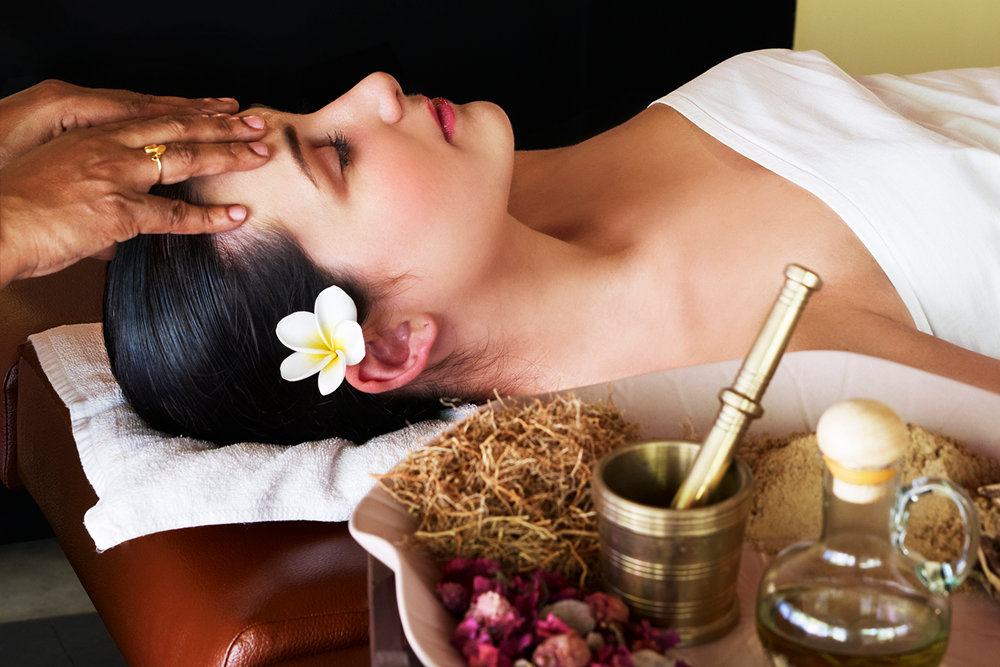
  • Shirodhara: This therapy involves pouring a continuous stream of warm herbal oil over the forehead. It has a calming and soothing effect on the mind, promoting relaxation and reducing the symptoms of anxiety and stress.

  • Nasya Therapy: Nasya therapy involves the administration of herbal oils through the nostrils. It clears the sinuses and helps increase oxygen to the brain, promoting better focus and relieving anxiety.

  • Basti (Ayurvedic Enema): This detoxifying therapy involves herbal enemas to cleanse the body of toxins, balancing the nervous system and reducing stress levels, which in turn helps alleviate anxiety symptoms.

The Role of Diet in Managing Anxiety

Diet plays a crucial role in maintaining mental health. In Ayurveda, food is seen as a source of nourishment for both the body and mind. A well-balanced diet supports emotional stability, boosts energy, and aids in managing anxiety naturally.

  • Whole Grains: Foods like oats, rice, and barley help stabilize blood sugar levels, preventing mood swings and irritability. They provide steady energy and support mental clarity.

  • Healthy Fats: Foods such as ghee, nuts, and avocados provide essential fatty acids that nourish the brain, improving memory and cognitive function, thus helping to manage anxiety and stress.

  • Leafy Greens: Spinach, kale, and other leafy greens are rich in folate, which supports brain function and helps reduce anxiety. They are also high in antioxidants, promoting mental health and relaxation.

  • Turmeric: Known for its anti-inflammatory and mood-boosting properties, turmeric helps reduce inflammation in the brain, improving emotional health and alleviating stress and anxiety.

  • Hydration: Staying hydrated with herbal teas and water supports optimal brain function. Dehydration can lead to fatigue and irritability, worsening anxiety symptoms.

Lifestyle Adjustments for Anxiety Management

Lifestyle changes are essential for managing anxiety effectively. Ayurveda emphasizes the importance of balancing daily habits and incorporating healthy practices. These adjustments can help reduce stress, improve mental clarity, and support emotional well-being.

  • Establishing a Routine: A structured daily routine, including regular sleep and meal times, helps maintain balance and reduce stress. Consistency is key to stabilizing the Vata dosha, which is linked to anxiety.

  • Yoga and Pranayama: Yoga asanas, particularly those that focus on grounding and relaxation, such as Child’s Pose, help calm the mind. Pranayama (breathing exercises), like Nadi Shodhana, reduces stress and promotes mental clarity.

  • Adequate Sleep: Ayurveda emphasizes the importance of sleep for mental well-being. Proper rest restores energy and balances emotions, thus preventing anxiety and stress from escalating.

  • Social Interaction: Engaging in healthy social activities and spending time with loved ones can help reduce feelings of isolation, a common contributor to anxiety.

  • Mindfulness Meditation: Mindfulness meditation allows individuals to manage racing thoughts and increase awareness of their emotions, leading to a calm and balanced state of mind.

Why Ayurveda is Best for Anxiety

Ayurveda offers a unique, natural approach to treating anxiety, setting it apart from conventional methods. Its holistic perspective ensures long-term relief without dependency or side effects.

Key Advantages of Ayurveda:

  • Natural and Safe Remedies: Ayurvedic treatments use herbs, therapies, and lifestyle changes, avoiding synthetic chemicals and their side effects.

  • Personalized Care: Treatments are tailored to the individual’s dosha constitution and specific triggers.

  • Non-Habit Forming: Unlike some allopathic medications, Ayurvedic remedies do not create dependency.

  • Addresses Root Causes: Ayurveda focuses on balancing the body and mind, addressing the underlying issues rather than just the symptoms.

  • Sustainable Results: The emphasis on lifestyle changes ensures lasting mental and physical well-being.

For anyone seeking a safe, comprehensive solution to anxiety, ayurvedic treatment for anxiety provides a time-tested path to peace and balance.

Conclusion

Anxiety, though common, can significantly affect one’s quality of life if left unmanaged. Ayurvedic treatment for anxiety offers a time-tested approach that emphasizes natural remedies, therapeutic interventions, and lifestyle adjustments to restore mental harmony. Whether it’s through calming herbs like Ashwagandha or detoxifying therapies like Panchakarma, Ayurveda provides a comprehensive and sustainable path to well-being.

FAQs

What is the most effective Ayurvedic herb for anxiety?

Ashwagandha is considered one of the best herbs in ayurvedic treatment for anxiety due to its adaptogenic properties. It helps reduce stress hormones and promotes relaxation without causing dependency.

How long does it take for Ayurvedic treatment to show results?

Results vary based on individual conditions. Many people notice improvements within a few weeks, but consistent use of herbs, therapies, and lifestyle changes ensures sustained benefits from ayurvedic treatment for anxiety.

Are there side effects of Ayurvedic herbs for anxiety?

Ayurvedic herbs are natural and generally safe. However, consulting an Ayurvedic practitioner is important to personalize treatment and avoid rare allergic reactions in ayurvedic treatment for anxiety.

Can Ayurveda completely cure anxiety?

Ayurveda focuses on addressing the root cause of anxiety, offering lasting relief. With proper care and adherence to therapies and lifestyle changes, ayurvedic treatment for anxiety can significantly reduce symptoms and prevent recurrence.

Is Ayurveda better than modern medicine for anxiety?

Ayurveda emphasizes long-term healing through natural methods, avoiding side effects and dependency. While modern medicine provides quick relief, ayurvedic treatment for anxiety ensures sustainable mental and emotional balance.

How Ayurveda Helps in Managing Gestational Diabetes

Gestational diabetes is a common concern for many pregnant women. While modern medicine plays a significant role in managing the condition, Ayurveda helps in managing gestational diabetes by offering natural, holistic treatments that complement traditional care. If you’re looking for ways to support your health during pregnancy, Ayurvedic principles might be the key to finding balance and better managing your blood sugar levels.

Understanding Gestational Diabetes

Gestational diabetes mellitus (GDM) is a form of diabetes that develops during pregnancy, typically around the 24th week. It occurs when the body cannot produce enough insulin to meet the increased demands of pregnancy, leading to high blood sugar levels. This insulin resistance is often caused by hormones released by the placenta that block insulin’s effectiveness.

While gestational diabetes usually resolves after childbirth, if left unmanaged, it can cause serious complications like macrosomia (large baby), preeclampsia, and an increased risk of type 2 diabetes later in life.

Causes and Risk Factors 

Several factors contribute to the development of high blood sugar during pregnancy, including:

  • Pregnancy Hormones: Hormones released during pregnancy can cause insulin resistance, making it harder for the body to process sugar effectively.
  • Being Overweight or Obese: Extra weight increases the likelihood of insulin resistance, raising the chances of high blood sugar.
  • Family History of Diabetes: A family history of diabetes, especially type 2 diabetes, can increase the risk.
  • Age Over 25: Women over the age of 25 are at a higher risk for developing high blood sugar.
  • Certain Ethnicities: Women of Hispanic, African American, Native American, and Asian descent are more prone to high blood sugar during pregnancy.
  • Previous Large Babies: If you’ve had a previous pregnancy with a large baby (weighing over 9 pounds), you may be at a higher risk of developing high blood sugar.

Symptoms and Diagnosis

High blood sugar during pregnancy can be hard to detect without testing, but some common symptoms include:

  • Excessive Thirst: A strong feeling of thirst due to high blood sugar levels.
  • Fatigue: Feeling unusually tired because the body is struggling to use glucose for energy.
  • Frequent Urination: High blood sugar levels force the kidneys to work harder, leading to increased urination.

Doctors diagnose high blood sugar during pregnancy using the Glucose Tolerance Test, where blood samples are taken after drinking a sugary liquid. High levels of glucose in the blood indicate insulin resistance or impaired sugar metabolism.

Why Proper Treatment is Crucial

If left untreated, high blood sugar during pregnancy can lead to several complications:

  • High Birth Weight (Macrosomia): Elevated blood sugar can cause the baby to grow too large, leading to difficult deliveries.
  • Preterm Labor: High blood sugar increases the risk of premature birth, which can harm the baby.
  • Increased Risk of Type 2 Diabetes Later: If not managed properly, high blood sugar during pregnancy can increase the likelihood of developing type 2 diabetes later in life.

Managing high blood sugar properly is essential to avoid these risks, and Ayurveda offers natural, holistic solutions to control blood sugar levels while supporting overall well-being during pregnancy.

Ayurvedic Perspective on Gestational Diabetes

In Ayurveda, diabetes is referred to as “Madhumeha.” This condition arises when there is an imbalance in the doshas (Vata, Pitta, and Kapha), particularly the Kapha dosha, which is linked to excess weight and sluggish metabolism. According to Ayurvedic wisdom, Ayurveda helps in managing gestational diabetes by bringing these doshas back into balance.

The Role of Doshas

For those suffering from gestational diabetes, Ayurveda focuses on reducing the effects of the Kapha dosha by incorporating a balanced diet, herbs, and lifestyle changes. By doing so, the body’s insulin sensitivity improves, which in turn helps regulate blood sugar levels.

4 Best Ways Ayurveda Helps In Managing Gestational Diabetes

Let’s explore the 7 Best Ways Ayurveda Helps In Managing Gestational Diabetes:

Herbal Remedies

Several herbs have been shown to help in regulating blood sugar levels. Ayurveda helps in managing gestational diabetes through these natural remedies:

  • Bitter Gourd (Karela): Known for its ability to lower blood sugar levels, bitter gourd is often used in Ayurvedic treatments for diabetes.
  • Fenugreek (Methi): Fenugreek seeds can help improve insulin sensitivity and lower blood sugar levels. It is considered one of the most effective herbs for diabetes in Ayurveda.
  • Indian Gooseberry (Amla): Amla is rich in Vitamin C and antioxidants, which help regulate blood sugar and support overall health.
  • Turmeric: With its anti-inflammatory properties, turmeric helps balance blood sugar levels and supports overall health.
  • Cinnamon: Known for its ability to lower blood sugar, cinnamon can help regulate insulin levels and improve metabolic function.
  • Ginger: Ginger is used in Ayurveda to enhance digestion and support healthy blood sugar levels. It also has anti-inflammatory effects, which can help with insulin resistance.

Dietary Recommendations

A well-balanced diet is essential for managing gestational diabetes, helping to stabilize blood sugar levels and promote overall health.

Let’s explore the best diet to manage Gestational Diabetes:

Foods to Include:

  • Whole Grains: Brown rice, quinoa, and oats provide steady energy and help regulate blood sugar levels.
  • Leafy Greens: Spinach, kale, and other greens are low in calories and high in fiber, promoting stable blood sugar.
  • Legumes: Lentils, chickpeas, and beans offer protein and fiber, which help prevent blood sugar spikes.
  • Nuts & Seeds: Almonds, walnuts, chia seeds, and flaxseeds are rich in healthy fats and help control blood sugar.
  • Berries: Blueberries, strawberries, and raspberries are low in sugar and packed with antioxidants to support metabolic health.
  • Cinnamon & Turmeric: Both help reduce inflammation and lower blood sugar, making them great additions to meals.
  • Coconut: Fresh coconut and coconut water help keep blood sugar steady and provide natural electrolytes.

Foods to Avoid:

  • Refined Sugars: Avoid sugary snacks, soda, and sweets that cause blood sugar spikes.
  • Processed Foods: Steer clear of packaged foods, fast food, and anything with artificial additives that worsen blood sugar control.
  • Full-Fat Dairy: Cheese, butter, and whole milk can raise blood sugar and disrupt insulin sensitivity.
  • Fried Foods: French fries, fried snacks, and deep-fried foods contribute to insulin resistance and weight gain.
  • White Bread & Pasta: These refined carbs cause blood sugar to rise quickly. Opt for whole grain options instead.
  • Alcohol: Alcohol can interfere with blood sugar control and should be limited or avoided.
  • Potatoes: High glycemic index foods like white potatoes can cause rapid spikes in blood sugar. Choose healthier alternatives like sweet potatoes.

Lifestyle Modifications

  • Daily Routine (Dinacharya): Ayurveda encourages a daily routine that aligns with the natural rhythms of the body. By eating meals at consistent times and maintaining a balanced sleep schedule, blood sugar levels can be better managed.
  • Yoga and Pranayama: Gentle yoga poses such as the Cat-Cow stretch and breathing exercises like Anulom Vilom are particularly helpful for managing stress and balancing blood sugar levels during pregnancy.

Hydration and Detoxification

Proper hydration and detoxification play a crucial role in managing gestational diabetes. Ayurveda emphasizes natural approaches to reduce inflammation and enhance insulin function.

Herbal Teas

Consuming teas made from ingredients like cinnamon, ginger, or turmeric supports better metabolic health. These herbs help reduce inflammation, regulate blood sugar levels, and promote insulin sensitivity.

Panchakarma Therapies

Ayurveda offers Panchakarma therapies as gentle and supportive ways to manage gestational diabetes by improving metabolic health and promoting overall well-being.

Here are the relevant Panchakarma practices tailored for this condition:

  • Abhyanga (Oil Massage): Daily application of warm, medicated oils helps improve circulation, balance hormonal fluctuations, and enhance insulin sensitivity. The massage reduces stress, which is a key factor in managing blood sugar levels.

  • Mild Detoxification: Safe and gentle detox methods, such as herbal steam treatments and light cleansing therapies, help eliminate toxins (ama) and optimize digestive and metabolic functions. This supports better glucose metabolism.

  • Basti (Enema Therapy): Specific herbal oils or decoctions administered as enemas can help regulate Vata dosha, which plays a crucial role in stabilizing nervous and hormonal functions that affect blood sugar.

  • Herbal Applications: Gentle herbal treatments, such as applying herbal pastes or packs, can improve localized circulation and reduce inflammation, indirectly supporting metabolic health.

These therapies are non-invasive and can be customized under the guidance of an experienced Ayurvedic practitioner to ensure safety for both mother and baby during pregnancy.

Benefits of Ayurveda for Gestational Diabetes

Explore how Ayurveda helps in managing gestational diabetes by balancing blood sugar levels and supporting overall health naturally.

  • Promotes Holistic Health: Ayurveda balances body, mind, and spirit, addressing overall well-being through diet, lifestyle, and mental health, not just blood sugar.
  • Reduces Reliance on Medication: Ayurveda helps reduce dependence on synthetic medications, minimizing potential side effects for both mother and baby.
  • Supports Fetal Development: By managing blood sugar naturally, Ayurveda ensures the healthy development of the baby while promoting the mother’s well-being.
  • Improves Digestion and Metabolism: Ayurvedic remedies improve digestion, helping to maintain stable blood sugar levels and boost overall health.
  • Enhances Insulin Sensitivity: Herbs like fenugreek and cinnamon naturally improve insulin sensitivity and regulate blood sugar levels.
  • Prevents Long-Term Health Issues: Ayurveda reduces the risk of developing type 2 diabetes later in life by promoting balanced habits.
  • Reduces Stress: Stress-reducing practices like yoga and pranayama help keep blood sugar levels stable and support mental well-being.
  • Supports Detoxification: Ayurvedic detox methods like Panchakarma cleanse the body and improve metabolic function, aiding blood sugar control.

Precautions and Considerations

While Ayurveda offers many benefits in managing gestational diabetes, it’s important to approach it with caution and ensure that treatments are safe and suitable for your unique needs.

Here are some key precautions to keep in mind before incorporating Ayurvedic remedies.

  • Consult an Ayurvedic Practitioner: To ensure safe and effective treatment, it’s important to consult with a qualified Ayurvedic practitioner. They can tailor remedies to meet your individual health needs.
  • Individual Needs Matter: Ayurvedic treatments are highly personalized. What works for one person may not work for another, so it’s important to adapt the remedies according to your unique body type and health condition.
  • Safety During Pregnancy: While Ayurveda is generally safe, always check with your healthcare provider before starting any new treatments. Some herbs or methods may not be suitable for all pregnant women.

Scientific Evidence Supporting Ayurveda

Studies have shown that Ayurvedic herbs, such as fenugreek and bitter gourd, can help in managing blood sugar levels and improving insulin sensitivity. Additionally, case studies and testimonials highlight how Ayurveda helps in managing gestational diabetes and support overall health during pregnancy.

Conclusion

Ayurveda helps in managing gestational diabetes by offering natural remedies that work in harmony with the body’s own healing abilities. From herbal treatments to lifestyle adjustments, Ayurveda provides a comprehensive approach to managing this condition, supporting both the mother’s and the baby’s health. If you’re dealing with gestational diabetes, integrating Ayurvedic practices can be a game-changer in your journey to a healthy pregnancy.

FAQs

What are the main Ayurvedic herbs for gestational diabetes?

Bitter gourd, fenugreek, and Indian gooseberry are the top herbs recommended for managing blood sugar levels in gestational diabetes.

Can Ayurveda completely cure gestational diabetes?

While Ayurveda can significantly help in managing gestational diabetes, it’s essential to work alongside modern medicine and not rely solely on Ayurvedic treatments.

Is Ayurvedic treatment safe during pregnancy?

Yes, but it’s important to consult with a qualified Ayurvedic practitioner to ensure the remedies are safe for pregnancy.

How does Ayurveda compare to modern medicine for gestational diabetes?

Ayurveda focuses on a holistic approach to managing gestational diabetes, including dietary changes, herbal remedies, and lifestyle improvements, while modern medicine primarily targets blood sugar control through medications and insulin.

Can lifestyle changes alone manage gestational diabetes?

Lifestyle changes such as diet, exercise, and stress management, when combined with Ayurvedic practices, can significantly help in managing gestational diabetes.

Ayurvedic Treatment for Tendonitis: Natural Pain Relief

If you’ve ever experienced that nagging pain in your joints or tendons, you might be dealing with tendonitis. It’s a common ailment that can turn even the simplest activities into a struggle. The good news? You don’t have to rely solely on over-the-counter medications or invasive treatments. Today, we’re diving into the world of Ayurveda, an ancient Indian system of medicine that offers natural and holistic ways to combat tendonitis. Unlike many treatments, Ayurvedic treatment for tendonitis aims to reduce inflammation, promote healing, and restore mobility by addressing the root cause.

Ready to dive into the natural and holistic world of Ayurveda? Let’s start with a deeper look at tendonitis and how Ayurveda can be your key to relief.

What is Tendonitis?

Tendonitis is essentially the inflammation or irritation of a tendon—the thick fibrous cords that connect muscles to bones. This condition often arises from repetitive motion or excessive use, leading to pain, swelling, and difficulty moving the affected joint. It can occur in various areas of the body, including the elbow (commonly known as tennis elbow), shoulder (rotator cuff tendinitis), and knee (patellar tendinitis).

Common Causes and Risk Factors

Understanding what triggers tendonitis is crucial for prevention. Here are some common causes:

  • Overuse: Engaging in repetitive tasks, such as playing sports or typing, can irritate the tendons.
  • Poor Posture: Whether you’re at a desk or lifting weights, improper body mechanics can place undue stress on tendons.
  • Age: As we age, our tendons lose flexibility and become more susceptible to injuries.
  • Previous Injuries: A history of tendon injuries can make the area more prone to recurrence.
  • Underlying Conditions: Diseases like diabetes or arthritis can increase the risk of tendonitis.

Understanding the underlying cause of tendonitis is vital to selecting the best Ayurvedic treatment for tendonitis to alleviate symptoms and prevent future flare-ups.

Symptoms of Tendonitis

How can you identify tendonitis? Look for these telltale signs:

  • Pain: A dull ache or sharp pain in the affected area, especially when moving or using the joint.
  • Swelling: Localized swelling around the joint or tendon.
  • Stiffness: Difficulty moving the joint, particularly after periods of inactivity.
  • Tenderness: Sensitivity in the affected area, especially when pressed.

If you’re experiencing these symptoms, it’s time to consider a proactive approach to treatment.

The Ayurvedic Perspective on Tendonitis

Ayurveda is built on the idea of balance within the body. It teaches that health is achieved when the mind, body, and spirit are in harmony. Unlike conventional medicine, which often focuses solely on symptoms, Ayurveda seeks to understand the whole person. This means taking into account lifestyle, emotional well-being, and dietary habits, making it a comprehensive system of healing.

How Ayurveda Views Inflammation and Pain

In Ayurvedic terms, pain and inflammation are often seen as signs of imbalance, typically involving one or more of the three doshas:

  • Vata: Represents movement and can lead to dryness and pain when out of balance.
  • Pitta: Associated with heat and metabolism; when aggravated, it can cause inflammation.
  • Kapha: Linked to structure and stability; an excess can lead to stiffness and heaviness.

By addressing the underlying dosha imbalances, Ayurveda aims to reduce inflammation and promote healing in a natural, sustainable way.

Doshas and Their Role in Tendonitis

Understanding your dosha can provide valuable insights into your health. Here’s a brief overview:

  • Vata Imbalance: Tendonitis related to Vata may manifest as dryness, cracking, and pain, often in the elbows and knees.
  • Pitta Imbalance: This might present as heat, swelling, and redness, typically affecting the shoulders and wrists.
  • Kapha Imbalance: Characterized by sluggishness and stiffness, often seen in the knees and hips.

Identifying which dosha is out of balance can help you tailor your Ayurvedic treatment for tendonitis.

Srotas (Channels) and Their Significance

In Ayurveda, srotas are the channels through which nutrients, energy, and waste flow in the body. Blockages in these channels can lead to discomfort and disease. Ayurvedic treatments aim to clear these blockages, promoting a free flow of energy and helping the body heal itself.

The Concept of Ama (Toxins) in Ayurveda

Ama refers to the toxic buildup in the body resulting from poor digestion or improper metabolism. This buildup can lead to inflammation and pain, contributing to conditions like tendonitis. Ayurvedic treatments focus on detoxifying the body and eliminating ama, creating a healthier internal environment conducive to healing.

Ayurvedic Diagnosis for Tendonitis

One of Ayurveda’s strengths is its personalized approach to health. Rather than a one-size-fits-all solution, Ayurvedic practitioners assess your unique constitution, lifestyle, and symptoms to create a tailored treatment plan. This means your path to recovery will be as unique as you are.

Common Diagnostic Techniques in Ayurveda

Practitioners may use various techniques to diagnose imbalances, including:

  • Pulse Diagnosis: By feeling your pulse, practitioners can gain insights into your dosha balance and internal state.
  • Tongue Examination: The tongue can reveal a lot about your digestive health and dosha imbalances, including colour, coating, and texture.
  • Observation: Practitioners observe your physical attributes, behavior, and overall demeanor to gather additional clues about your health.

Effective Ayurvedic Treatment for Tendonitis

Let’s explore the powerful Ayurvedic Treatment for Tendonitis:

Herbal Remedies

Ayurvedic herbs are potent allies in the fight against tendonitis. Some effective herbs in Ayurvedic treatment for tendonitis include:

  • Turmeric (Curcuma longa): Known for its powerful anti-inflammatory properties, turmeric contains curcumin, which helps reduce pain and swelling. You can consume it as a spice, in tea, or in supplement form.
  • Ginger (Zingiber officinale): This common kitchen spice is a natural anti-inflammatory. Ginger can be consumed as tea or added to meals, helping improve circulation and ease pain.
  • Ashwagandha (Withania somnifera): Often dubbed the “Indian ginseng,” ashwagandha is an adaptogen that helps the body manage stress and supports muscle recovery. It can be taken in powder or capsule form.
  • Devil’s Claw (Harpagophytum procumbens): Known for its pain-relieving properties, this herb can be particularly beneficial for joint and tendon pain.

Preparation and Dosage: Always consult with an Ayurvedic practitioner for proper dosages tailored to your specific needs.

Panchakarma Therapy

Panchakarma is a comprehensive detoxification and rejuvenation program that consists of five therapeutic actions aimed at cleansing the body of toxins. It can be particularly effective for tendonitis.

  • Abhyanga (oil massage): This soothing full-body massage uses warm oils infused with herbs to nourish tissues and reduce inflammation.
  • Swedana (herbal steam therapy): This process involves sweating out toxins while relaxing muscles, enhancing circulation, and alleviating pain.
  • Basti (medicated enema): This treatment is beneficial for balancing Vata and can help in alleviating chronic pain and stiffness.

Engaging in Panchakarma requires guidance from a qualified Ayurvedic practitioner to ensure safety and effectiveness.

Topical Treatments

Ayurvedic topical treatments can be applied directly to the affected area to provide relief.

  • Mahanarayan Oil: This herbal oil is traditionally used to soothe joint pain and improve circulation. Gently massage it onto the affected area for relief.
  • Kottamchukkadi Thailam: A specialized Ayurvedic oil that provides relief from muscular and joint pain.

How to Apply Them Effectively: Warm the oil slightly before application and massage gently in circular motions to enhance absorption and circulation.

Dietary Recommendations

Diet plays a significant role in Ayurvedic healing. Here are some foods to consider:

  • Foods to Consume:
    • Anti-inflammatory foods: Incorporate foods rich in omega-3 fatty acids, like walnuts and flaxseeds.
    • Fresh fruits and vegetables: Aim for a colorful plate; berries, leafy greens, and oranges can provide antioxidants and essential nutrients.
    • Whole grains: Opt for quinoa, brown rice, and barley, which support digestive health.
  • Foods to Avoid:
    • Processed foods: High in sugars and unhealthy fats, these can worsen inflammation.
    • Nightshades: For some people, tomatoes, potatoes, and peppers may aggravate pain.
    • Excessive caffeine and alcohol: These can lead to dehydration and inflammation.

By adjusting your diet, you can further support your healing journey.

Lifestyle Changes to Support Recovery

Listening to your body is key! Allowing time for rest helps the healing process. Avoid strenuous activities that aggravate your condition, and prioritize sleep to facilitate recovery.

Gentle Exercises and Yoga

While rest is essential, gentle movement can be equally important. Activities like yoga and stretching can help maintain flexibility and strengthen muscles without overexertion. Poses like Child’s Pose and Cat-Cow can gently stretch the affected areas, promoting healing and reducing tension.

Stress Management Techniques

Stress can exacerbate pain and inflammation, making it essential to find ways to relax. Consider incorporating practices such as:

  • Mindfulness Meditation: Spend a few minutes each day focusing on your breath, bringing your mind back to the present.
  • Deep Breathing Exercises: These can help calm your mind and reduce tension in the body.
  • Nature Walks: Spending time outdoors can significantly lower stress levels and improve overall well-being.

When to Seek Conventional Medical Help

While Ayurveda provides many natural remedies, it’s essential to recognize when conventional treatment is necessary. If your pain persists despite home remedies or worsens, consulting a healthcare professional is crucial. They can help rule out any serious conditions that may require medical intervention.

How to Combine Treatments for Maximum Benefit

You can safely combine Ayurvedic treatments with conventional medicine to enhance your healing journey. Just ensure clear communication between your Ayurvedic practitioner and healthcare provider to create a coordinated plan. This approach allows you to leverage the strengths of both systems while minimizing any potential interactions.

Conclusion

Living with tendonitis doesn’t have to feel like a never-ending battle. With Ayurveda, you have a natural and holistic way to address the root causes of your discomfort. By embracing herbs, dietary changes, and lifestyle adjustments, you can reclaim your life from pain. Remember, healing takes time, and everyone’s journey is unique. So why wait? Dive into the world of Ayurveda and discover a personalized path to wellness that resonates with you.

FAQs

How can I prevent tendonitis from recurring?

Maintain a balanced diet, practice proper techniques during activities, and regularly incorporate stretches into your routine to help keep tendonitis at bay.

Can tendonitis be completely cured with Ayurveda?

Many individuals find relief and even complete recovery through Ayurvedic practices, particularly when combined with lifestyle changes and proper care.

What is the best Ayurvedic herb for tendonitis?

Turmeric is often considered the best due to its powerful anti-inflammatory properties, making it a staple for managing tendonitis.

How long does it take to see results from Ayurvedic treatments?

While individual experiences vary, many people notice improvements within a few weeks. Patience is key, as healing is a gradual process.

Are there any side effects to Ayurvedic treatments?

Ayurvedic herbs are generally safe, but it’s wise to consult a healthcare professional to avoid any interactions with medications you may be taking.

Ayurvedic Treatment for Neuropathy: Restore Nerve Health

Are you or someone you know struggling with neuropathy? You’re not alone. This condition, characterized by nerve damage that often leads to pain, numbness, and weakness, affects millions worldwide. But what if I told you there’s a holistic approach that could help restore your nerve health? Enter Ayurveda—a centuries-old healing system from India that emphasizes balance and natural remedies. In this article, we’ll dive deep into the world of Ayurvedic treatment for neuropathy

What is Neuropathy?

Neuropathy isn’t just one condition; it’s an umbrella term for various disorders affecting the peripheral nerves. These nerves transmit signals between your brain and the rest of your body. When they’re damaged, the results can be debilitating. Neuropathy can significantly impact your daily life, affecting your ability to perform simple tasks.

Types of Neuropathy

Understanding the different types of neuropathy can help you grasp the full scope of the condition:

  • Peripheral Neuropathy: The most common type, often affecting the hands and feet. It may manifest as tingling sensations or pain in your extremities, making activities like walking or holding objects difficult.
  • Autonomic Neuropathy: This type affects involuntary functions like digestion, heart rate, and blood pressure regulation. It can lead to symptoms like dizziness when standing up, constipation, or abnormal sweating. Imagine your body’s autopilot going haywire!
  • Focal Neuropathy: This involves damage to specific nerves, often resulting in sudden weakness or pain in one area of the body. It can feel like a light switch turning on and off in specific regions, creating confusion and discomfort.

Symptoms of Neuropathy

The symptoms of neuropathy can vary widely but typically include:

  • Tingling or prickling sensations
  • Numbness or loss of feeling
  • Muscle weakness
  • Burning or stabbing pain
  • Sensitivity to touch

Causes of Neuropathy

Neuropathy can be caused by a variety of factors, including:

  • Diabetes (the leading cause)
  • Alcohol abuse
  • Nutritional deficiencies (like vitamins B1, B6, and B12)
  • Autoimmune diseases
  • Infections

Explore Ayurvedic Treatments for Neuropathy

Let’s explore Ayurvedic Treatments for Neuropathy:

Herbal Remedies

Ayurveda harnesses the power of nature. Here are some potent herbs that can work wonders for nerve health:

  • Ashwagandha: Known as the “strength of the stallion,” this adaptogenic herb helps reduce stress and inflammation, essential factors in managing neuropathy. It supports the nervous system and may improve overall energy levels.
  • Turmeric: The golden spice with curcumin, turmeric is a powerhouse of anti-inflammatory and antioxidant properties. It’s like giving your nerves a warm, soothing hug. Turmeric can enhance blood circulation and promote healing at a cellular level.
  • Ginkgo Biloba: Famous for boosting circulation, this ancient herb can enhance blood flow to the nerves, alleviating pain and improving overall function. It may also support cognitive function and memory.
  • Cayenne Pepper: Known for its active ingredient capsaicin, cayenne pepper can help relieve nerve pain by desensitizing the nerve endings. It’s like applying a warm balm to your discomfort.

Dietary Recommendations

What you eat matters! Embrace a diet rich in anti-inflammatory foods and essential nutrients. Here are some dietary tips:

  • Incorporating Omega-3 Fatty Acids: Foods like salmon, walnuts, and flaxseeds can reduce inflammation. Omega-3s are known for their neuroprotective properties, making them vital for nerve health.
  • Eating Foods High in B Vitamins: Leafy greens, beans, and whole grains can nourish your nerves and support their repair. B vitamins, particularly B12, are crucial for maintaining the health of nerve cells.
  • Anti-Inflammatory Foods: Incorporate fruits and vegetables like berries, spinach, and ginger, which contain antioxidants that combat oxidative stress and inflammation.

Lifestyle Modifications

Simple daily habits can profoundly influence your nerve health and overall well-being, making a noticeable difference in managing neuropathy.

Stress Management

Stress is like a thief that robs you of your peace and exacerbates neuropathy symptoms. Techniques such as yoga, meditation, and deep-breathing exercises can help manage stress levels, allowing your body to heal. Imagine transforming your busy mind into a tranquil lake, where ripples of stress dissipate.

  • Yoga: Gentle yoga can help improve flexibility, circulation, and relaxation. Poses like child’s pose and savasana can help relieve tension in the body and calm the mind.
  • Meditation: Regular meditation practice can promote mindfulness and enhance your connection to your body, helping you manage pain and discomfort more effectively.

Regular Exercise

Moving your body isn’t just good for your heart; it’s vital for your nerves! Gentle exercises, such as walking, swimming, or yoga, can improve circulation and reduce symptoms. It’s like tuning up your car—keeping everything running smoothly.

  • Low-Impact Activities: Consider activities that are easy on the joints yet effective, such as cycling or tai chi, to enhance mobility and reduce pain.

Panchakarma Therapy

Panchakarma is a detoxification process in Ayurveda that helps eliminate toxins from your body. It’s like spring cleaning for your internal system!

  • Detoxification Process: The Panchakarma process typically includes methods like oil massages, steam therapy, and enemas to remove impurities and rejuvenate the body.
  • Oil Massages (Abhyanga): These rejuvenating massages not only promote relaxation but also stimulate blood flow and nourish the nervous system. Using herbal oils can enhance their therapeutic effects, providing a soothing experience.

Yoga and Meditation

Yoga isn’t just about striking a pose; it’s a comprehensive approach to enhancing physical and mental well-being. Specific poses can target nerve health, improving flexibility and strength. Think of it as a workout for both your body and your mind.

  • Incorporating Yoga into Your Routine: Even a few minutes of daily yoga can yield significant benefits. Poses like the downward dog, tree pose, and seated forward bend can stimulate blood flow and improve nerve function.

Meditation Techniques for Nerve Health

Meditation can calm your mind and help you connect with your body. Techniques like mindfulness or guided meditation can reduce pain perception, allowing you to navigate the challenges of neuropathy with more ease.

  • Breath Awareness: Focus on your breathing can ground you and promote relaxation. Try inhaling deeply for a count of four, holding for four, and exhaling for four. This simple technique can help alleviate stress and promote a sense of calm.

When to Seek Professional Help

While Ayurveda offers powerful remedies, it’s crucial to consult with a healthcare professional, especially if your symptoms are severe. Think of it as having a trusted navigator on your journey to recovery.

  • Collaborative Care: Combining Ayurvedic treatment with conventional medical advice can provide a more comprehensive approach to managing neuropathy.

Integrating Ayurveda with Conventional Treatments

Combining Ayurvedic practices with conventional treatments can be beneficial. Always discuss new approaches with your healthcare provider to ensure they fit your overall treatment plan.

  • Finding the Right Balance: Your treatment plan should reflect your personal health goals and the specifics of your condition. Open communication with your healthcare team is key.

Conclusion

Embarking on the path of Ayurvedic treatment for neuropathy offers a holistic approach that can help restore balance to your body and mind. By understanding your condition and exploring natural remedies, dietary changes, and lifestyle modifications, you can take significant strides toward alleviating symptoms and promoting overall well-being.

FAQs

Can Ayurveda cure neuropathy?

While Ayurveda may not cure neuropathy completely, it can significantly alleviate symptoms and promote overall nerve health through holistic practices and natural remedies.

What are the best herbs for neuropathy?

Effective herbs include ashwagandha, turmeric, ginkgo biloba, and cayenne pepper. Each of these herbs offers unique benefits for nerve health and symptom relief.

How long does Ayurvedic treatment take to show results?

Results vary from person to person; some may experience relief within weeks, while others might need several months of consistent treatment and lifestyle changes.

Is it safe to combine Ayurveda with other treatments?

Yes, integrating Ayurveda with conventional treatments can be beneficial, but it’s essential to consult with a healthcare professional to ensure compatibility and safety.

What lifestyle changes can help manage neuropathy?

Incorporating regular exercise, managing stress through meditation and yoga, maintaining a balanced diet rich in essential nutrients, and staying hydrated can greatly help in managing neuropathy.