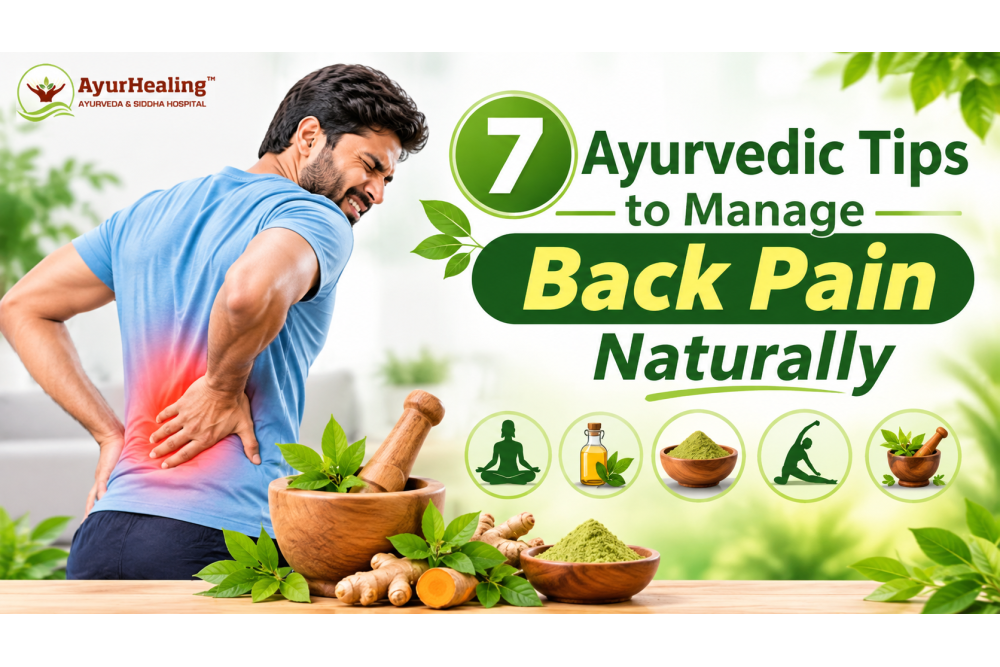
7 Ayurvedic Tips to Manage Back Pain Naturally

Key Takeaways

  • Back pain can develop due to posture, muscle strain, prolonged sitting, injuries and underlying medical conditions.
  • Ayurveda traditionally considers lifestyle, digestion, movement and individual constitution when approaching back discomfort.
  • Gentle yoga and appropriate physical activity can support mobility and general back health.
  • Abhyanga is a traditional oil massage practice, but it is not suitable for every type of back pain.
  • Healthy sleep habits, balanced nutrition and stress management can complement a back-care routine.
  • Panchakarma should only be considered after an individual assessment by a qualified Ayurvedic practitioner.
  • Warning signs such as leg weakness, bladder or bowel changes and numbness around the groin require urgent medical attention.

Back pain is one of those problems that can quietly affect almost every part of daily life. A few hours at a desk, a long commute through Bangalore traffic, poor sleeping posture or an inactive routine can leave your back feeling stiff and uncomfortable. What begins as occasional discomfort may gradually make simple activities such as bending, walking, working or getting out of bed more difficult.

Many people look for natural ways to manage back pain, and Ayurveda is one approach they explore. Consulting a Best Ayurvedic Hospital in Bangalore can help individuals understand traditional Ayurvedic approaches to back care, including personalised guidance on daily routines, diet and physical well-being rather than looking at discomfort in isolation.

But can Ayurveda really help with back pain? And what practical changes can you make at home?

This guide explores seven Ayurvedic-inspired tips for managing back pain, improving everyday movement and supporting spine health. It also explains where traditional practices may fit alongside modern medical care, so you can make informed decisions about your health.

AEO QUICK TAKE

How Can Ayurveda Help Manage Back Pain Naturally?

Ayurveda may support back-pain management through personalised lifestyle guidance, gentle movement, appropriate dietary practices, relaxation and selected traditional therapies. Practices such as gentle yoga, Abhyanga (oil massage) and suitable daily routines may help some people manage discomfort and improve general well-being.

However, the effectiveness of Ayurvedic treatments specifically for back pain is not firmly established by high-quality scientific evidence. Persistent, severe or recurring back pain should be assessed by a qualified healthcare professional to identify its underlying cause.

Why Is Back Pain Becoming So Common in Everyday Life?

Back pain can affect people of different ages and activity levels. Although it is often associated with ageing, younger adults are also experiencing back discomfort because of changing work habits and increasingly sedentary lifestyles.

Some common contributing factors include:

  • Prolonged sitting: Spending several hours at a computer without movement can contribute to stiffness and discomfort.
  • Poor posture: Repeatedly bending forward or maintaining uncomfortable positions may strain the back.
  • Muscle strain: Lifting heavy objects incorrectly or performing sudden movements can cause muscle injuries.
  • Lack of physical activity: Reduced movement may affect muscle strength, flexibility and physical conditioning.
  • Excess body weight: Additional mechanical loading can contribute to discomfort in some individuals.
  • Stress and poor sleep: These can influence how the body experiences and copes with pain.

Back pain can also be associated with conditions such as disc problems, arthritis, spinal stenosis, osteoporosis or nerve compression. Therefore, it is important not to assume that every episode of back pain is simply caused by poor posture.

What does Ayurveda say about back pain?

In traditional Ayurveda, back discomfort may be discussed in relation to Vata dosha, which is associated with movement and bodily functions.

An imbalance of Vata is traditionally linked with symptoms such as stiffness, dryness, discomfort and restricted movement. Ayurvedic practitioners may consider an individual’s constitution, digestion, lifestyle and other symptoms when developing a care approach.

These are traditional Ayurvedic interpretations, not scientifically established explanations for the causes of back pain. A proper medical assessment remains important, particularly when symptoms persist or worsen.

Seven Ayurvedic Tips to Manage Back Pain Naturally

The following practices combine traditional Ayurvedic wellness principles with practical habits that support general musculoskeletal health. They are complementary measures, not substitutes for diagnosis or prescribed treatment.

Tip 1: Include Gentle Yoga and Stretching in Your Daily Routine

Gentle movement is one of the most useful habits to consider when managing everyday back discomfort.

In traditional wellness practices, yoga is used to encourage flexibility, balance and coordination between the body and mind. Certain gentle movements may also help reduce stiffness and improve comfort.

You can consider the following movements, provided they are comfortable and appropriate for your condition:

  • Cat-Cow Stretch: Gently alternate between arching and rounding your back while on your hands and knees.
  • Child’s Pose: Move your hips towards your heels while extending your arms forward, only if this position is comfortable.
  • Pelvic Tilts: While lying on your back with your knees bent, gently move your pelvis to flatten and release the lower back.
  • Gentle Walking: Start with short, comfortable walks and gradually increase activity as tolerated.

An important precaution: Avoid movements that increase pain, cause shooting sensations down the leg or produce numbness. People with diagnosed spinal conditions or recent injuries should seek professional guidance before beginning yoga.

Research provides some support for yoga as a complementary option for chronic low back pain. The US National Center for Complementary and Integrative Health (NCCIH) reports that evidence suggests yoga may offer modest improvements in pain and function for some people. Results vary, and it is not a replacement for appropriate treatment.

Tip 2: Explore Abhyanga, the Traditional Ayurvedic Oil Massage

Abhyanga is a traditional Ayurvedic oil massage practice involving the application of oil to the body using gentle massage movements.

In Ayurveda, Abhyanga is traditionally associated with nourishment, relaxation and balancing Vata. Some people also find gentle massage comforting when dealing with everyday muscle tension.

However, it is important to understand the difference between traditional use and scientific evidence.

Research on massage suggests that it may provide short-term relief for some people with low back pain, but the evidence is not strong enough to establish Abhyanga as a specific treatment for spinal disorders.

Before considering an Ayurvedic massage:

  • Discuss your symptoms with a qualified practitioner.
  • Avoid forceful pressure over painful areas.
  • Do not massage an area with suspected fractures or acute injuries.
  • Seek medical advice if pain travels down your legs or is accompanied by weakness or numbness.

Abhyanga should be considered a complementary wellness practice rather than a guaranteed solution for back pain.

Tip 3: Follow a Balanced Ayurvedic Diet

Food plays an important role in maintaining overall health. A balanced diet provides nutrients required for muscle function, bone health and normal bodily processes.

Traditional Ayurvedic dietary guidance often emphasises fresh, appropriately prepared meals and eating according to individual needs.

Rather than following restrictive food rules, focus on maintaining a varied and nutritious diet.

Some useful dietary habits include:

  • Include green leafy vegetables and seasonal fruits.
  • Eat adequate protein from suitable sources such as lentils, beans, dairy, eggs or other preferred foods.
  • Include calcium-rich foods to support bone health.
  • Maintain adequate vitamin D through appropriate dietary sources and medical advice where necessary.
  • Drink sufficient water throughout the day.
  • Limit excessive consumption of highly processed foods.

Ingredients such as turmeric and ginger are widely used in Indian cooking and have been studied for their biological properties. However, adding them to meals should not be presented as a proven treatment for back pain.

If you have persistent discomfort, dietary changes alone are unlikely to address an underlying spinal or neurological condition.

Tip 4: Improve Your Sleeping Position and Daily Posture

Your posture throughout the day can influence how comfortable your back feels.

Many professionals in Bangalore spend considerable time working on computers, attending online meetings or travelling between home and office. Remaining in one position for long periods may contribute to stiffness.

Try these practical adjustments:

While sitting:

  • Keep your feet comfortably supported.
  • Position your screen close to eye level.
  • Use a chair that supports your lower back.
  • Avoid remaining seated continuously for several hours.

While sleeping:

  • Choose a comfortable sleeping position.
  • If sleeping on your side, try placing a pillow between your knees.
  • If sleeping on your back, a pillow beneath your knees may improve comfort.
  • Choose a mattress that feels supportive and comfortable.

While lifting objects:

Bend your knees, keep the object close to your body and avoid twisting your back while lifting.

There is no single perfect posture that works for everyone. Changing positions regularly and avoiding prolonged inactivity are often more practical than trying to maintain a rigid posture throughout the day.

Tip 5: Manage Stress Through Breathing and Relaxation

Back pain is not always purely physical. Emotional stress, poor sleep and persistent worry can influence pain perception and make existing discomfort more difficult to manage.

Ayurveda traditionally considers mental and physical well-being interconnected. Practices such as Pranayama and meditation are commonly used to encourage relaxation.

You can begin with simple habits:

  • Spend five minutes practising comfortable, slow breathing.
  • Take short breaks between work sessions.
  • Practise meditation in a quiet environment.
  • Maintain a regular sleep schedule.
  • Include enjoyable physical activities in your daily routine.

An Ayurvedic Treatment for Stress may include personalised lifestyle recommendations and suitable traditional practices following an assessment.

From a broader medical perspective, stress management may complement back-pain care, but it does not mean that the pain is imaginary or entirely psychological.

If stress, anxiety or poor sleep is significantly affecting your daily life, consider speaking with an appropriate healthcare professional.

Tip 6: Stay Physically Active and Avoid Prolonged Rest

When back pain develops, many people immediately reduce their movement and spend extended periods resting. While temporary rest may be useful during severe discomfort, prolonged inactivity can make it harder to regain normal movement and strength.

A gradual return to appropriate physical activity is generally encouraged for uncomplicated low back pain.

Consider:

  • Taking short walks throughout the day.
  • Avoiding long periods of uninterrupted sitting.
  • Performing gentle movements within your comfort level.
  • Gradually returning to regular daily activities.
  • Following an exercise programme recommended by a physiotherapist or qualified healthcare professional.

The World Health Organization’s 2023 guideline on chronic primary low back pain includes structured exercise programmes and education among the interventions that may be offered as part of care.

The goal is not to exercise through pain. It is to maintain suitable movement without aggravating the condition.

Tip 7: Consider Ayurvedic Therapies Only After Professional Assessment

Ayurveda includes several traditional therapies that practitioners may consider when assessing musculoskeletal complaints.

One example is Panchakarma, a group of traditional Ayurvedic procedures intended to support purification and balance according to Ayurvedic principles.

Depending on the individual’s condition, an Ayurvedic practitioner may discuss suitable traditional approaches as part of a broader care plan.

However, Panchakarma is not a universal treatment for back pain, and there is insufficient high-quality evidence to establish it as a cure for spinal disorders.

Before considering any therapy, understand:

  • Why the procedure is being recommended.
  • Whether it is appropriate for your specific diagnosis.
  • What preparation and supervision are required.
  • Whether it could interact with existing medicines or medical conditions.
  • What realistic benefits and risks should be expected.

Do not undergo forceful manipulation, intensive massage, purgation or other procedures without proper assessment.

For people exploring Ayurvedic Treatment for Panchakarma, qualified professional guidance is essential.

3. When Should You Consider Professional Ayurvedic Treatment for Spine Health?

Home-care practices can be useful for general wellness, but recurring back pain deserves more attention. If discomfort repeatedly affects your work, sleep or movement, it is important to understand what is causing it.

An Ayurvedic Treatment for Spine Health may involve an individual assessment and traditional interventions selected according to the practitioner’s evaluation. However, the appropriate approach depends on the underlying diagnosis, and evidence for specific Ayurvedic procedures treating spinal conditions remains limited.

When exploring an Ayurvedic Hospital in Bangalore, consider whether the healthcare provider:

  • Reviews your medical history and existing reports.
  • Understands the difference between muscular discomfort and possible neurological symptoms.
  • Explains the purpose and limitations of recommended therapies.
  • Considers your current medicines and other health conditions.
  • Recommends conventional medical evaluation when necessary.

At Ayurhealing, located in Koramangala, Bangalore, the approach to Ayurvedic and Siddha healthcare is guided by individual requirements under the guidance of Dr. Mini Nair. You can explore the hospital’s approach at Ayurhealing.

4. When Is Back Pain a Warning Sign That Needs Medical Attention?

Not every episode of back pain is serious, but certain symptoms should never be ignored.

Seek emergency medical attention

Go to an emergency department immediately if back pain is accompanied by:

  • New difficulty controlling or passing urine or stools.
  • Numbness around the genitals, anus or inner thighs.
  • New or worsening weakness in both legs.
  • Severe neurological symptoms.

These symptoms can indicate serious nerve compression, including cauda equina syndrome.

You should also arrange prompt medical assessment if back pain is associated with fever, unexplained weight loss, a history of cancer, significant trauma, worsening night pain or rapidly increasing discomfort.

Do not delay appropriate medical care to try home remedies, massage or Ayurvedic therapies.

5. A Practical Back-Pain Management Decision Guide

Managing back pain is easier when you follow a sensible sequence rather than trying several remedies at once.

The following structure can help readers understand the steps involved.

Back Pain: From Symptoms to Suitable Care

STEP 1: Recognise the Symptoms

Identify where the pain occurs, how long it has lasted and whether movement makes it worse.

↓

STEP 2: Check for Warning Signs

Look for leg weakness, numbness, bladder or bowel changes, fever or serious injury.

↓

Warning Signs Present

Seek urgent or emergency medical assessment, depending on symptoms.

No Warning Signs

Arrange appropriate assessment if pain persists, recurs or affects daily activities.

↓

STEP 3: Develop an Individual Care Plan

Consider suitable exercise, daily movement, sleep, nutrition and professional guidance.

↓

STEP 4: Monitor Progress

Review pain levels, mobility and daily function; seek reassessment if symptoms worsen.

This approach combines practical self-care with appropriate medical assessment. It also helps prevent people from relying on a single therapy without understanding their condition.

Conclusion: Build a Healthier Routine for Better Spine Health

Back pain can affect your comfort, productivity and ability to enjoy everyday activities. While there is no single remedy that works for everyone, small changes in daily habits can make a meaningful difference to overall well-being.

The seven tips discussed in this guide offer a starting point: gentle yoga, appropriate massage, balanced nutrition, better posture, stress management, regular movement and professionally guided Ayurvedic care.

Ayurveda provides a traditional perspective on maintaining physical balance, but it is important to distinguish traditional practices from treatments supported by strong clinical evidence. Persistent or severe back pain should always receive appropriate medical attention.

At Ayurhealing, we believe that good healthcare begins with understanding individual needs. If you are exploring traditional approaches to wellness and spine health, consider seeking guidance from a qualified practitioner.
FAQs

Ayurveda offers traditional approaches such as Abhyanga, lifestyle guidance and selected therapies. Some complementary practices, including massage and yoga, have evidence suggesting possible benefits for certain types of low back pain. However, evidence for specific Ayurvedic treatments remains limited.

Traditional Ayurvedic preparations may include oils such as Mahanarayan oil and Dhanwantharam oil. Their suitability depends on the individual's condition. There is insufficient strong clinical evidence to establish these oils as proven treatments for spinal disorders.

Gentle massage may provide temporary comfort for some people with muscular discomfort. However, it is not appropriate for every cause of back pain. Seek assessment before massage if you have an injury, severe pain or neurological symptoms.

Yes, yoga may provide modest improvements in pain and function for some people with chronic low back pain. Choose gentle movements appropriate to your physical condition and avoid exercises that worsen symptoms.

Panchakarma is a traditional Ayurvedic treatment system, but strong scientific evidence establishing it as an effective treatment for back pain is lacking. It should only be considered after professional assessment and should not replace evidence-based care.

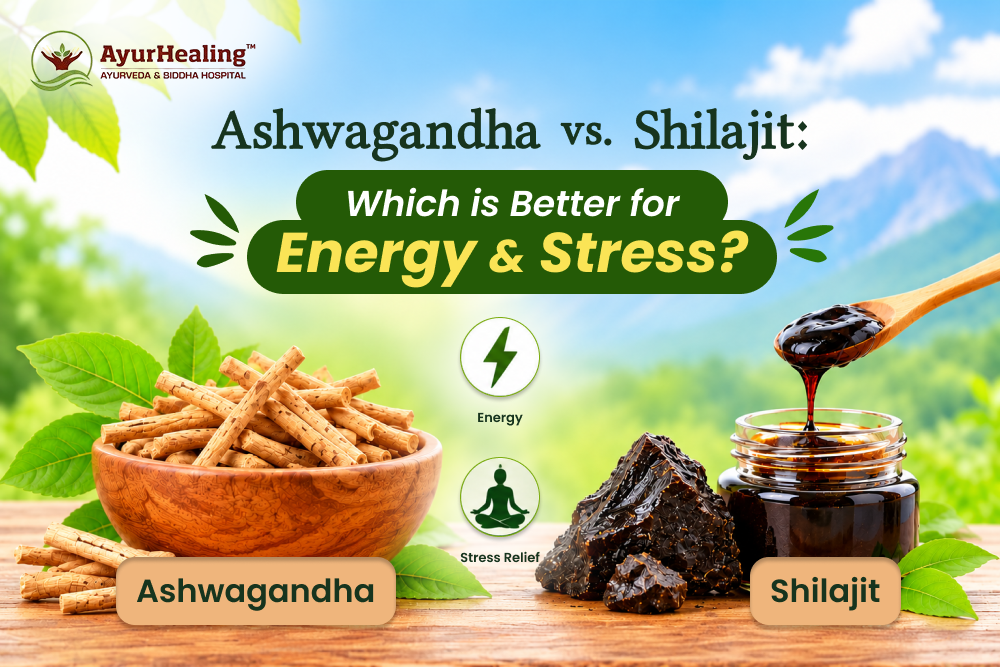
Ashwagandha vs. Shilajit: Which Is Better for Energy & Stress?

Key Takeaways

  • Ashwagandha is traditionally used in Ayurveda to support strength, resilience and general well-being.
  • Some clinical studies suggest that Ashwagandha may help with perceived stress and sleep quality.
  • Shilajit is a mineral-rich natural substance traditionally associated with vitality and rejuvenation.
  • Scientific evidence supporting Shilajit’s energy-enhancing claims is currently limited.
  • Both products require careful quality assessment and appropriate professional guidance.
  • Consistent sleep, balanced nutrition, physical activity and stress management remain important for maintaining energy.
  • An individualised Ayurvedic consultation can help determine whether either ingredient is appropriate.

Modern lifestyles often leave people feeling exhausted, mentally overwhelmed and physically drained. Long working hours, irregular sleep, demanding schedules and constant screen exposure can gradually affect energy levels and overall well-being. As a result, many people are exploring traditional Ayurvedic herbs to support their health.

Two ingredients that frequently attract attention are Ashwagandha and Shilajit. Both have a long history in traditional wellness practices and are commonly associated with vitality, strength and overall balance. However, they are not the same, and their traditional uses, compositions and available scientific evidence differ.

This raises an interesting question: Is Ashwagandha better for managing stress, or does Shilajit offer greater support for energy?

Understanding their differences can help you make a more informed decision rather than choosing a supplement simply because it is trending.

AEO QUICK TAKE

Is Ashwagandha or Shilajit Better for Energy and Stress?

Ashwagandha is generally the more relevant option to investigate when stress management and sleep are the primary concerns, as some human studies suggest that specific Ashwagandha extracts may help reduce perceived stress and improve sleep.

Shilajit is traditionally associated with vitality and physical strength, but reliable human evidence supporting its effectiveness for increasing energy and stamina remains limited.

Neither supplement is suitable for everyone. The right choice depends on individual health conditions, medications, lifestyle and professional advice. Neither should replace medical treatment or healthy daily habits.

What Is Ashwagandha? Understanding Its Ayurvedic Uses

Ashwagandha, scientifically known as Withania somnifera, is a medicinal plant traditionally used in Ayurveda. Its roots are commonly used in Ayurvedic preparations and are associated with supporting strength, vitality and the body’s ability to cope with everyday physical and mental challenges.

In traditional Ayurvedic practice, Ashwagandha is often discussed as a Rasayana, a category of preparations associated with nourishment, rejuvenation and maintaining overall well-being.

How is Ashwagandha traditionally used?

Ashwagandha is commonly explored in traditional wellness practices for:

  • Supporting relaxation and emotional balance.
  • Maintaining general strength and vitality.
  • Supporting restful sleep.
  • Helping the body cope with everyday stress.
  • Supporting recovery and general well-being.

Its growing popularity is also connected to research on withanolides, naturally occurring compounds found in the plant.

What does scientific research say about Ashwagandha?

There is some encouraging human research, particularly concerning stress and sleep.

The US National Institutes of Health (NIH) Office of Dietary Supplements reports that several clinical trials have found improvements in perceived stress, anxiety symptoms and sleep among participants using certain Ashwagandha extracts. However, the studies differ in their formulations, doses and duration, making it difficult to establish universal recommendations.

Most studies have been relatively short, often lasting between six and twelve weeks. More research is needed to understand its long-term effects.

This means Ashwagandha is worth discussing as a potential complementary wellness option, but it should not be considered a proven treatment for anxiety disorders or chronic fatigue.

What Is Shilajit? Exploring Its Traditional Role

Shilajit is a naturally occurring, dark-coloured mineral-rich substance found in mountainous rock formations, including parts of the Himalayas. It develops over long periods through the decomposition of organic material and contains various minerals and organic compounds.

In Ayurveda, Shilajit is traditionally regarded as a Rasayana and is associated with vitality, strength and physical endurance.

Unlike Ashwagandha, which comes from a plant, Shilajit is a complex natural substance with a different composition.

What are the traditional uses of Shilajit?

Shilajit has traditionally been used in Ayurvedic preparations associated with:

  • Supporting general vitality.
  • Maintaining physical strength.
  • Promoting overall nourishment.
  • Supporting healthy ageing.
  • Maintaining general physical well-being.

Its composition can vary depending on its geographical origin, processing and purification.

Does Shilajit really improve energy?

Shilajit is frequently marketed as a natural energy booster. Some preliminary studies have explored its possible effects on physical performance and other health-related outcomes.

However, the available human research is limited. The US Department of Defense’s Operation Supplement Safety (OPSS) notes that there is little reliable evidence supporting claims that Shilajit improves energy, stamina, endurance or mental performance.

Therefore, its traditional reputation should not be confused with established clinical effectiveness.

Ashwagandha vs. Shilajit: What Are the Main Differences?

Although both ingredients are popular in Ayurvedic wellness discussions, they differ in their origins, traditional applications and available scientific evidence.

ComparisonAshwagandhaShilajit
OriginMedicinal plantNatural mineral-rich substance
Scientific nameWithania somniferaNo single botanical species
Commonly studied compoundsWithanolidesFulvic acid and other organic and mineral components
Traditional associationStrength, resilience and relaxationVitality, endurance and rejuvenation
Stress-related evidenceSome encouraging human studiesInsufficient reliable evidence
Energy-related evidenceLimited studies suggest possible fatigue-related benefitsLimited and preliminary
Common formsRoot powder, capsules and extractsPurified resin, powder and capsules

Which one is better for stress?

Ashwagandha has the stronger research background when it comes to perceived stress and sleep.

Some clinical studies have reported improvements in stress scores and reductions in cortisol levels. However, the results relate to particular preparations and study populations, not every commercially available supplement.

Shilajit has a traditional association with vitality, but there is insufficient high-quality human evidence to recommend it specifically for stress management.

Which one is better for physical energy?

The answer is less straightforward.

Ashwagandha has been investigated in studies involving fatigue and physical well-being. Some findings suggest potential benefits, but they do not establish it as a general energy treatment.

Shilajit has also been investigated for physical performance, but the evidence is not strong enough to support the widespread claims made in supplement marketing.

If tiredness is persistent, identifying its underlying cause is more important than immediately choosing an energy supplement.

How Do These Herbs Fit Into an Ayurvedic Approach to Stress Management?

Ayurveda traditionally considers well-being through a combination of physical health, mental balance, digestion, sleep and daily routines.

From this perspective, stress is not necessarily addressed by introducing a single herb. A broader approach may consider a person’s lifestyle, eating habits, sleep quality, daily responsibilities and individual health requirements.

An Ayurvedic Treatment for Stress may involve a personalised combination of traditional dietary guidance, appropriate daily routines, relaxation practices and other interventions selected by a qualified practitioner.

Can Ashwagandha replace stress-management practices?

No. Even when an individual may benefit from a suitable Ashwagandha preparation, it should not replace healthy lifestyle practices or professional mental healthcare.

Consider these everyday habits:

  • Maintain consistent sleep: Follow a regular sleeping and waking schedule.
  • Eat balanced meals: Include vegetables, fruits, whole grains and suitable protein sources.
  • Stay physically active: Choose walking, yoga or other activities appropriate for your health.
  • Practise relaxation: Breathing exercises and meditation may help manage everyday stress.
  • Take regular breaks: Avoid extended periods of uninterrupted work.

For people experiencing persistent anxiety, panic symptoms or significant emotional distress, professional medical assessment is important.

A Simple Decision Guide: Should You Consider Ashwagandha or Shilajit?

Choosing between supplements becomes easier when you start with your actual health concern instead of the popularity of an ingredient.

The following decision structure can help readers understand what to consider before making a choice.

Ashwagandha vs. Shilajit: A Wellness Decision Guide

START: What is your main concern?

Identify the reason you are considering a supplement

Stress or poor sleep

Explore whether Ashwagandha is appropriate. Some specific extracts have encouraging short-term research.

Low physical energy

Investigate the cause of fatigue. Shilajit’s energy claims are not well established.

NEXT: Review your health circumstances

Medical history, medications, pregnancy status, existing conditions and supplement quality

CONSULT A QUALIFIED HEALTHCARE PROFESSIONAL

Discuss suitability, possible interactions and appropriate monitoring

MAKE AN INFORMED DECISION

Choose a safe, individualised approach rather than self-prescribing

This guide is educational, not a diagnostic tool or a recommendation to start either supplement.

What Safety Precautions Should You Know Before Taking These Supplements?

Natural ingredients are not automatically safe for everyone. Their effects can depend on preparation, quality, quantity, individual health conditions and medication use.

Ashwagandha safety considerations

According to the NIH Office of Dietary Supplements, Ashwagandha appears to be generally tolerated in studies lasting up to approximately three months. However, its long-term safety is not established.

Possible side effects include:

  • Stomach discomfort.
  • Nausea and loose stools.
  • Drowsiness.
  • Rare reports of liver injury.

It may also affect thyroid function and interact with medicines used for diabetes, high blood pressure, seizures and immune-related conditions, as well as sedatives and thyroid medication.

Pregnant and breastfeeding women should avoid using it unless specifically advised by an appropriate healthcare professional. People with thyroid disorders, autoimmune conditions or liver problems should seek medical advice before considering it.

Shilajit safety considerations

Shilajit requires particular attention to sourcing and purification.

Unprocessed or poorly processed Shilajit may contain heavy metals, including lead, arsenic, mercury and cadmium. The amount and composition can vary between products.

Before considering a Shilajit supplement:

  • Check whether it is properly purified and processed.
  • Look for credible independent laboratory testing.
  • Check for heavy-metal testing and a certificate of analysis.
  • Avoid products making unrealistic claims about instant energy or guaranteed results.
  • Discuss its suitability with a qualified healthcare professional.

A product’s natural origin does not guarantee its purity or safety.

Can Ayurveda Offer More Than Herbal Supplements for Overall Wellness?

One of the important principles of traditional Ayurveda is that health is not approached through a single ingredient or preparation alone.

Depending on an individual’s needs, a qualified practitioner may consider different aspects of health and recommend suitable interventions.

For example, wellness concerns involving physical discomfort, stress or reduced mobility may require different assessments and approaches.

  • Ayurvedic Treatment for Spine Health: People experiencing back discomfort or mobility-related concerns may benefit from an appropriate assessment and a treatment plan based on their condition.
  • Ayurvedic Treatment for Panchakarma: Panchakarma refers to a group of traditional Ayurvedic procedures. These require proper assessment, preparation and professional supervision rather than being treated as a general detox programme.
  • Ayurvedic Treatment for Joint Care: Joint discomfort and stiffness need an individual assessment to understand possible causes and appropriate care.
  • Ayurvedic Treatment for Piles: Rectal bleeding, pain and discomfort should be medically evaluated. Traditional treatment options should only be considered after an appropriate diagnosis.
  • Ayurvedic Treatment for Stroke: Stroke is a medical emergency. Immediate hospital treatment and evidence-based rehabilitation are essential. Ayurveda must never replace emergency care or prescribed stroke treatment.

These examples demonstrate why individual assessment matters more than choosing a popular herb based on general claims.

How Can You Choose an Ayurvedic Hospital in Bangalore for Personalised Guidance?

When exploring traditional healthcare options, choosing the right healthcare provider is an important step.

If you are considering Ashwagandha, Shilajit or other Ayurvedic preparations, professional guidance can help you understand whether they are appropriate for your circumstances.

When looking for an Ayurvedic Hospital in Bangalore, consider the following factors:

  1. Qualified practitioners: Check the practitioner’s recognised qualifications, registration and relevant experience.
  2. Individual assessment: Your health history, symptoms, lifestyle and current medication should be considered.
  3. Treatment transparency: Ask about the purpose, possible risks and expected outcomes of any recommended preparation or procedure.
  4. Medicine quality: Understand the source, ingredients, manufacturing standards and testing of prescribed products.
  5. Appropriate medical referrals: A responsible healthcare provider should recognise when conventional medical investigation or specialist care is necessary.

At Ayurhealing, our approach to Ayurveda focuses on personalised care and understanding individual wellness requirements.

Located in Koramangala, Ayurhealing provides Ayurvedic and Siddha healthcare under the guidance of Dr. Mini Nair. People exploring traditional approaches to well-being can learn more about the hospital and its healthcare approach at Ayurhealing.

Why Is Personalised Ayurvedic Guidance Important?

Two people experiencing similar symptoms may have very different health requirements. One person may struggle with poor sleep and work-related stress, while another may experience persistent fatigue because of nutritional deficiencies, hormonal changes or an underlying medical condition.

This is why selecting a supplement without understanding the cause of the problem can be misleading.

A personalised consultation can help evaluate:

  • Existing health conditions and medical history.
  • Dietary habits and digestive health.
  • Sleep patterns and stress levels.
  • Current medications and possible interactions.
  • Whether an Ayurvedic preparation is suitable.
  • Whether additional medical investigations are required.

For individuals looking for an Ayurvedic Hospital in Bangalore, prioritising qualified guidance, treatment transparency and appropriate medical referrals is more important than choosing a healthcare provider based on supplement recommendations alone.

Conclusion: Making the Right Choice for Energy and Stress

Ashwagandha and Shilajit have different traditional applications, compositions and levels of scientific evidence. Ashwagandha currently has more encouraging human research relating to stress and sleep, while Shilajit continues to attract interest for its traditional association with vitality and physical strength. However, neither should be treated as a guaranteed solution for fatigue or stress.

The better approach is to understand what your body needs, identify possible causes of your symptoms and seek appropriate professional guidance before starting supplements.

Healthy eating, consistent sleep, regular physical activity and effective stress-management practices remain important foundations of overall well-being.

At Ayurhealing, we believe that healthcare should consider individual needs rather than rely on one-size-fits-all solutions. If you are exploring traditional wellness approaches, consult a qualified practitioner and make informed decisions about your health. Contact Ayurhealing.

FAQs

Ashwagandha has more encouraging human research for perceived stress and sleep. Shilajit has insufficient reliable evidence to establish similar benefits for stress management.

Neither has been conclusively established as a daily energy booster. Some studies suggest Ashwagandha may help with fatigue, while reliable evidence supporting Shilajit's energy-enhancing claims remains limited.

Combining them without professional advice is not recommended. Their safety, possible interactions and suitability depend on individual health conditions and the specific formulations being used.

Some clinical studies suggest that particular Ashwagandha extracts may improve sleep quality and duration, especially among people experiencing sleep difficulties. However, more research is needed to establish long-term benefits and safety.

No. Shilajit products can vary in quality and may contain harmful heavy metals if inadequately processed. People should look for independent laboratory testing and consult a healthcare professional before using it.

Rahu Kethu Change and Ayurveda: A Guide to Holistic Wellness

Across India, planetary movements have traditionally been associated with changes in personal experiences, spiritual reflection and everyday life. Among these movements, the Rahu-Ketu transit holds a special place in Vedic astrology. Many people follow these changes to understand traditional beliefs about transformation, challenges, emotional balance and personal growth.

However, a change in planetary positions can also be an opportunity to reflect on something that matters regardless of astrological beliefs: personal well-being.

This is where Ayurveda offers an interesting perspective. Rather than focusing only on symptoms, Ayurveda traditionally considers the relationship between daily habits, digestion, physical health, mental well-being and lifestyle. It encourages people to pay attention to their routines, eating patterns, sleep and overall balance.

For individuals exploring holistic healthcare, understanding this connection can encourage healthier lifestyle choices. Whether the goal is better digestion, stress management, joint comfort or general wellness, consulting a qualified healthcare professional is an important first step.

For those looking for an Ayurvedic Hospital in Bangalore, understanding how traditional Ayurvedic principles relate to everyday wellness can help them make informed healthcare decisions.

What Is the Rahu Ketu Change in Vedic Astrology?

In Vedic astrology, Rahu and Ketu are known as Chhaya Grahas, or shadow planets. Unlike physical planets, they represent the two lunar nodes: the points where the Moon’s orbital path intersects the apparent path of the Sun.

Rahu and Ketu always occupy opposite positions in the zodiac. Their movement from one zodiac sign to another is commonly called Rahu-Ketu Gochar or Rahu-Ketu transit.

Traditionally, these two nodes are associated with different symbolic meanings:

  • Rahu: Often associated with ambition, desires, material pursuits, uncertainty and unconventional experiences.
  • Ketu: Traditionally connected with detachment, introspection, spirituality, past experiences and inner awareness.

Understanding Rahu-Ketu and Their Traditional Significance

AspectRahuKetu
Traditional identityNorth lunar nodeSouth lunar node
Symbolic associationAmbition and desiresDetachment and introspection
Traditional interpretationMaterial pursuits and unconventional experiencesSpiritual reflection and inner awareness
Zodiac positionAlways opposite KetuAlways opposite Rahu

When Will Rahu and Ketu Change Signs in 2026?

The upcoming 2026 Rahu-Ketu sign change is an important astrological event for followers of Vedic astrology.

According to calculations using the mean lunar nodes, Rahu is expected to move from Aquarius (Kumbha) into Capricorn (Makara), while Ketu moves from Leo (Simha) into Cancer (Karka) on 5 December 2026.

There is a calculation difference worth understanding. Astrological systems using the true nodes place the transition around 25 November 2026. The difference occurs because different astronomical calculation methods are used.

In traditional astrological interpretations, this transition is considered a period for reflection, reviewing priorities and becoming more mindful of personal decisions.

It is important to understand that astrology is a traditional belief system. There is no established scientific evidence that Rahu-Ketu movements directly cause physical illnesses, digestive problems, joint pain or emotional disorders.

How Does Ayurveda Relate to Rahu Ketu Change?

Ayurveda is a traditional Indian system of healthcare that emphasises the relationship between the body, mind, diet, lifestyle and environment.

Although Rahu-Ketu astrology and Ayurveda belong to different traditional knowledge systems, some people explore them together as part of a broader spiritual and wellness journey.

For example, someone approaching a planetary transition as a period of personal reflection may also decide to improve their sleep schedule, eat more balanced meals, practise relaxation techniques or seek professional advice about an ongoing health concern.

These are practical wellness choices, not medically proven remedies for planetary influences.

Understanding the Ayurvedic Concept of Balance

Ayurveda traditionally describes three doshas:

  • Vata: Associated with movement, circulation and nervous system functions in Ayurvedic theory.
  • Pitta: Traditionally connected with digestion, metabolism and transformation.
  • Kapha: Associated with structure, stability and lubrication.

According to Ayurvedic principles, individual constitutions and lifestyle patterns influence how these doshas are understood.

An Ayurvedic practitioner may consider a person’s constitution, dietary habits, daily routine and health history before recommending an approach.

However, these traditional concepts should not replace modern medical diagnosis or evidence-based treatment.

Why Is Holistic Wellness Important During Periods of Change?

Life changes can affect daily routines. Work pressure, irregular eating habits, insufficient sleep and reduced physical activity may influence how people feel physically and emotionally.

Instead of attributing these experiences to planetary movements, it is more useful to identify practical lifestyle factors that can be addressed.

A holistic wellness approach can include:

  1. Maintaining regular meal timings.
  2. Getting sufficient and consistent sleep.
  3. Including appropriate physical activity.
  4. Practising relaxation and stress-management techniques.
  5. Seeking professional advice when symptoms persist.

For people interested in traditional healthcare, an experienced practitioner can help explain which Ayurvedic practices may be appropriate alongside necessary medical care.

6 Areas of Wellness to Focus on During the Rahu Ketu Transition

Wellness areaTraditional Ayurvedic perspectivePractical wellness focus
Stress managementLifestyle practices and individualised careSleep, relaxation and stress management
Spine healthTraditional musculoskeletal carePosture, movement and suitable exercises
Gut healthAgni and digestive balanceBalanced meals, fibre and hydration
Joint careTraditional joint-care approachesMobility, suitable exercise and weight management
PanchakarmaTraditional purification proceduresProfessional assessment and treatment suitability
StrokeComplementary care only where medically appropriateEmergency treatment and supervised rehabilitation

1. Ayurvedic Treatment for Stress: Supporting Emotional Well-Being

Stress is a common part of modern life. Work responsibilities, family commitments, financial concerns and lifestyle changes can contribute to mental and physical tension.

In Ayurveda, mental well-being is traditionally approached through lifestyle practices, daily routines and individualised care.

Some commonly discussed wellness practices include:

  • Maintaining a consistent sleep schedule.
  • Practising meditation and gentle breathing exercises.
  • Taking regular breaks from work.
  • Spending time outdoors.
  • Following a balanced and regular eating routine.

Certain Ayurvedic preparations and therapies are traditionally used for relaxation, but their suitability depends on individual health conditions and available evidence.

When should you seek professional help?

If stress becomes persistent, affects sleep or interferes with daily activities, consider consulting a qualified mental health professional or doctor. Ayurvedic approaches, if appropriate, should complement rather than replace necessary care.

2. Ayurvedic Treatment for Spine Health: Supporting Mobility and Posture

Spinal health plays an important role in everyday movement, flexibility and physical independence.

Long working hours, prolonged sitting, poor workstation arrangements and limited physical activity can contribute to back discomfort.

Traditional Ayurveda discusses different approaches to musculoskeletal wellness. Depending on an individual’s assessment, an Ayurvedic practitioner may consider certain external therapies and lifestyle recommendations.

However, Ayurvedic Treatment for Spine Health should not be considered a guaranteed solution for slipped discs, nerve compression, spinal injuries or other diagnosed conditions.

Practical ways to support spinal health include:

  • Maintaining a comfortable sitting posture.
  • Taking movement breaks during working hours.
  • Incorporating suitable strengthening exercises.
  • Avoiding prolonged inactivity.
  • Seeking medical assessment for persistent or severe back pain.

A combination of appropriate medical guidance, rehabilitation and carefully selected complementary care can support overall mobility.

3. Gut Health Care Treatment: Building Better Digestive Habits

Digestion is closely connected with everyday comfort and overall well-being.

Irregular meals, insufficient fibre, dehydration, stress and changes in routine may contribute to digestive discomfort.

Ayurveda gives considerable importance to Agni, traditionally described as the digestive fire. It encourages mindful eating, suitable food choices and consistent meal timings.

For individuals interested in Gut Health Care Treatment, some useful everyday habits include:

  • Eating meals at reasonably consistent times.
  • Including vegetables, fruits and fibre-rich foods.
  • Drinking sufficient water.
  • Eating slowly and avoiding unnecessary overeating.
  • Maintaining regular physical activity.

Ayurvedic dietary recommendations may differ depending on an individual’s constitution and health needs.

Persistent abdominal pain, blood in stools, unexplained weight loss, repeated vomiting or prolonged digestive problems require medical evaluation rather than self-treatment.

4. Ayurvedic Treatment for Joint Care: Maintaining Everyday Movement

Joint health becomes increasingly important as people age or experience changes in physical activity.

Knee discomfort, stiffness, reduced flexibility and joint pain can affect walking, climbing stairs and other routine activities.

Ayurveda traditionally discusses joint care through individualised lifestyle recommendations, external applications and selected therapies.

An approach involving Ayurvedic Treatment for Joint Care may be considered by people interested in complementary wellness support, depending on their diagnosis and medical history.

Helpful everyday habits include:

  • Maintaining a healthy body weight.
  • Performing suitable low-impact exercises.
  • Avoiding prolonged inactivity.
  • Following a balanced diet.
  • Seeking assessment when joint pain or swelling persists.

People with arthritis, injuries or significant mobility limitations should consult a qualified healthcare professional before starting therapies or exercises.

5. Ayurvedic Treatment for Panchakarma: Understanding Traditional Detoxification Therapies

Panchakarma is one of the recognised therapeutic approaches within Ayurveda. Traditionally, it refers to a group of procedures intended to support purification and balance according to Ayurvedic principles.

The commonly described procedures include:

  • Vamana – therapeutic emesis.
  • Virechana – therapeutic purgation.
  • Basti – administration of medicated preparations through the rectal route.
  • Nasya – administration of selected preparations through the nasal route.
  • Raktamokshana – traditional bloodletting procedures.

Not every person requires Panchakarma, and these procedures should never be selected simply because of an astrological transition or general wellness trend.

Ayurvedic Treatment for Panchakarma requires appropriate professional assessment. The procedures, preparation, suitability and potential risks vary between individuals.

Panchakarma should not be promoted as a scientifically established way to remove planetary effects, cure chronic diseases or eliminate unspecified toxins.

Anyone considering these therapies should discuss existing medical conditions, medicines, pregnancy status and potential complications with qualified healthcare professionals.

6. Ayurvedic Treatment for Stroke: Why Medical Care Must Come First

Stroke is a serious medical emergency that occurs when the blood supply to part of the brain is interrupted or when bleeding occurs in the brain.

It can result in lasting disability and requires immediate medical attention.

Recognising the symptoms early is essential. Remember FAST:

  • F – Face: One side of the face may droop.
  • A – Arms: One arm may become weak or difficult to raise.
  • S – Speech: Speech may become slurred or difficult to understand.
  • T – Time: Seek emergency medical help immediately.

Other warning signs can include sudden vision problems, confusion, dizziness, severe headache or weakness on one side of the body.

There is no established evidence that Ayurvedic treatment can replace emergency stroke treatment or reverse an acute stroke.

After emergency treatment and stabilisation, rehabilitation may be necessary to support movement, communication and daily functioning.

People exploring Ayurvedic Treatment for Stroke should understand that any complementary approach must be discussed with the treating neurologist and rehabilitation team. It must never delay emergency care or replace prescribed treatment.

How Can You Choose the Right Ayurvedic Hospital in Bangalore?

Bangalore offers access to different healthcare facilities and traditional wellness practices. However, choosing a healthcare provider should involve more than comparing advertisements or treatment packages.

If you are searching for an Ayurvedic Hospital in Bangalore, consider the following factors before making a decision.

A Practical Guide to Choosing an Ayurvedic Healthcare Provider

STEP 1: UNDERSTAND YOUR HEALTH REQUIREMENTS

Identify your symptoms, concerns, medical history and treatment goals.

↓

STEP 2: VERIFY PROFESSIONAL QUALIFICATIONS

Check the practitioner’s recognised qualifications, registration and relevant clinical experience.

↓

STEP 3: DISCUSS TREATMENT SUITABILITY

Ask about the proposed treatment, its purpose, possible benefits, limitations and potential risks.

↓

STEP 4: CHECK SAFETY AND TRANSPARENCY

Understand the medicines, ingredients, treatment procedures, costs and follow-up requirements.

↓

STEP 5: MAKE AN INFORMED DECISION

Choose a qualified healthcare provider who communicates clearly, respects your medical history and does not promise unrealistic results.

This approach is particularly important when exploring traditional therapies alongside conventional medical treatment.

A Simple Wellness Architecture: From Awareness to Better Health

The following text-based structure can help readers understand how to turn a period of reflection into practical wellness decisions.

Rahu-Ketu Transition: A Period for Personal Reflection

↓

1. Identify Your Wellness Priorities

Physical health | Emotional well-being | Digestion | Mobility

↓

2. Understand Your Current Lifestyle

Sleep patterns | Food habits | Stress levels | Physical activity

↓

3. Identify Areas That Need Attention

Stress management | Spine health | Gut health | Joint care

↓

4. Explore Appropriate Healthcare Options

Qualified medical consultation | Individualised Ayurvedic assessment | Evidence-based treatment | Suitable lifestyle changes

↓

5. Follow a Safe and Consistent Routine

Balanced diet | Regular movement | Adequate sleep | Professional follow-up

↓

Better-Informed Health Decisions and Sustainable Wellness Habits

This structure highlights an important distinction: astrological transitions may inspire personal reflection, but healthcare decisions should be guided by symptoms, medical evidence and qualified professional advice.

Conclusion: Make Wellness a Meaningful Part of Everyday Life

Rahu-Ketu changes have traditionally been viewed as significant periods of reflection and transformation in Vedic astrology. While these interpretations hold cultural and spiritual importance for many people, they should not determine medical decisions or create unnecessary concerns about health.

Ayurveda offers a traditional perspective on maintaining well-being through attention to diet, daily routines, digestion and individual health needs. When explored responsibly, these principles can encourage people to become more conscious of their everyday habits.

Whether you are interested in stress management, spine health, joint care, gut health or understanding Panchakarma, the most important step is to seek appropriate professional guidance.

For individuals exploring an Ayurvedic Hospital in Bangalore, Ayurhealing offers an opportunity to learn more about personalised Ayurvedic and Siddha healthcare in Koramangala.

FAQs

Rahu-Ketu changes are discussed in Vedic astrology, while Ayurveda is a traditional Indian healthcare system. Some people explore both as part of their spiritual and wellness practices, but there is no established scientific evidence that planetary movements directly influence health.

Using mean-node calculations, Rahu moves into Capricorn and Ketu into Cancer on 5 December 2026. True-node calculations place the transition around 25 November 2026.

Ayurveda includes traditional lifestyle practices and therapies associated with relaxation and well-being. Their effectiveness varies, and persistent or severe stress may require professional mental healthcare.

No. Panchakarma procedures require individual assessment and may not be suitable for everyone. A qualified practitioner should evaluate medical history, current health and potential risks before recommending treatment.

Ayurveda traditionally emphasises digestion, dietary habits and individualised routines. However, persistent digestive symptoms should be medically evaluated, and traditional treatment should not replace necessary medical care.

Is Alkaline Diet Safe? Benefits, Risks and Facts Explained

Key Takeaways

  • An alkaline diet can be healthy when balanced: Eating more fruits, vegetables, whole grains, nuts and legumes can support overall health.
  • It does not significantly change blood pH: The lungs, kidneys and natural buffering systems regulate blood acidity within a narrow range.
  • The benefits come mainly from food quality: Improved fibre intake, better hydration and fewer highly processed foods may support general wellbeing.
  • Highly restrictive diets can carry risks: Avoiding entire food groups may lead to nutritional deficiencies and an unbalanced diet.
  • People with kidney conditions need individual guidance: Certain foods and minerals may need to be limited depending on kidney function and medical advice.
  • Ayurveda focuses on individual needs: Food choices are traditionally considered in relation to digestion, constitution, lifestyle and overall health rather than simply classifying foods as acidic or alkaline.
  • A sustainable eating pattern matters most: Choose a varied, nutritious diet instead of relying on alkaline water, supplements or strict food rules.

Alkaline water, green juices and acid-free meal plans are often promoted as simple ways to improve health. Some claims go even further, suggesting that eating alkaline-forming foods can prevent serious diseases by reducing acidity inside the body.

It sounds convincing, particularly when the recommended foods include fresh vegetables, fruits, pulses and nuts. But there is an important distinction between eating nutritious food and changing the body’s natural acid-base balance.

An alkaline diet can encourage healthier food choices, but its claims are not all supported by scientific evidence. Understanding what happens inside the body can help you decide which parts of this eating approach are worth adopting and which restrictions you can avoid. If you are exploring dietary changes alongside traditional wellness practices, consulting a qualified practitioner at the Best Ayurvedic Hospital in Bangalore can help you consider your individual health needs and make informed choices.

Is an Alkaline Diet Safe?

An alkaline diet can be safe for most healthy adults when it includes a variety of foods and provides enough protein, fibre, vitamins, minerals and healthy fats.

Its emphasis on fruits, vegetables, pulses and nuts can support a nutritious eating pattern. However, there is no convincing evidence that eating alkaline-forming foods significantly changes blood pH or prevents diseases by making the body more alkaline.

Highly restrictive versions may cause nutritional deficiencies. People with kidney disease or other medical conditions should consult a qualified healthcare professional before making major dietary changes.

1. What Is an Alkaline Diet and Why Has It Become Popular?

The alkaline diet, also known as the acid-alkaline diet, groups foods according to their supposed effect on the body’s acid load after digestion and metabolism.

Foods are generally described as alkaline-forming, acid-forming or neutral. These labels do not necessarily reflect how the food tastes. Lemons, for example, taste acidic but are commonly classified as alkaline-forming in this dietary system.

The diet became popular partly because it promotes foods that are already associated with healthy eating, including vegetables, fruits, legumes and nuts. It also encourages people to reduce processed foods and sugary drinks.

Foods commonly included

Food categoryExamples
FruitsBananas, apples, papaya, watermelon and berries
VegetablesSpinach, broccoli, cucumber, carrots and beans
PulsesDal, chickpeas, green gram and kidney beans
Nuts and seedsAlmonds, pumpkin seeds and flaxseeds
BeveragesWater and unsweetened herbal drinks

Foods that some alkaline diets restrict

Depending on the version, people may be advised to reduce red meat, processed meat, dairy products, refined grains, sugary beverages and packaged snacks.

However, these foods should not automatically be considered unhealthy. Milk, curd, whole grains, eggs, fish and other protein sources can provide valuable nutrients. Whether a food belongs in your diet depends on your nutritional needs, health conditions and overall eating pattern.

The problem begins when a food classification system becomes a strict list of things you are not allowed to eat.

2. Does Food Really Change Your Body’s pH?

The central idea behind the alkaline diet is that food can influence the body’s acidity. To understand whether this is true, it helps to look at how the body regulates its pH.

Blood pH normally remains within a narrow range of approximately 7.35 to 7.45. Maintaining this range is essential for normal bodily functions. The body has several mechanisms that continuously regulate it.

The lungs help control carbon dioxide levels. Carbon dioxide is involved in chemical reactions that influence the body’s acid-base balance.

The kidneys help remove excess acids and regulate bicarbonate, which plays an important role in maintaining pH.

Buffering systems in the body help limit sudden changes in acidity.

These processes operate continuously. In a healthy person, eating more alkaline-forming foods does not significantly change blood pH.

There is, however, a difference between blood pH and urine pH. Food choices can influence urine pH because the kidneys adjust the substances they remove from the body. A change in urine pH does not mean that the blood has become more alkaline.

This distinction matters because some alkaline diet claims use changes in urine pH as evidence that the entire body has become less acidic. That conclusion is not scientifically justified.

3. What Benefits Can You Actually Expect From an Alkaline Diet?

Although the idea of changing blood pH through food is not supported by strong evidence, some of the eating habits encouraged by this diet can be beneficial.

The advantage comes from the nutritional value of the foods, not from making the body alkaline.

A greater variety of fruits and vegetables

An alkaline-style eating plan often encourages people to eat more vegetables and whole fruits. Spinach, papaya, carrots, cucumber, beans and broccoli provide fibre, vitamins, minerals and other plant compounds.

Including different colours and varieties in your meals is a practical way to improve dietary diversity.

More fibre from everyday foods

Fruits, vegetables, lentils and beans are useful sources of dietary fibre. Fibre supports normal bowel movements and can help prevent constipation when consumed alongside adequate fluids.

For people who regularly eat refined or heavily processed foods, adding pulses, vegetables and whole fruits can be a meaningful improvement.

Less dependence on processed foods

Some people find that following an alkaline diet encourages them to prepare more meals at home and reduce packaged snacks, sugary drinks and highly processed foods.

That change can improve the overall quality of their diet without requiring strict alkaline food rules.

A more satisfying approach to meals

Vegetables, legumes and fibre-rich foods can add volume to meals and help people feel satisfied. When they replace excessive portions of calorie-dense processed foods, they may also support healthy weight management.

Weight changes, however, depend on several factors, including total food intake, activity levels, sleep and individual health conditions. An alkaline diet does not automatically lead to weight loss.

Better awareness of hydration

Many alkaline diet plans encourage regular water intake. Staying hydrated supports normal bodily functions, but most healthy adults do not need expensive alkaline water to achieve this.

What is worth taking from the diet? Eat more varied plant foods, choose less processed meals and maintain adequate hydration. These habits have nutritional value regardless of whether a food is labelled alkaline or acidic.

4. Where Can an Alkaline Diet Go Wrong?

The diet’s restrictions deserve as much attention as its potential benefits. Removing entire food groups without replacing their nutrients can make an otherwise healthy eating plan inadequate.

Missing essential nutrients

Some versions of the alkaline diet discourage dairy products, grains and animal-based foods. Eliminating these foods without suitable alternatives may affect the intake of important nutrients.

For example:

  • Avoiding dairy without choosing appropriate alternatives may reduce calcium intake.
  • Removing animal products without planning suitable replacements may affect vitamin B12 intake.
  • Restricting whole grains can reduce fibre and certain B vitamins.
  • Poorly planned meals may not provide enough protein or iron.

A plant-based diet can be nutritionally adequate, but it still requires planning. The same principle applies to any restrictive eating pattern.

Extra care is needed with kidney disease

People living with chronic kidney disease may need to monitor nutrients such as potassium, phosphorus, sodium and protein. Their requirements depend on kidney function, blood test results, medication and other health factors.

Some fruits, vegetables, nuts and legumes that are suitable for healthy individuals may need to be adjusted for certain people with kidney disease.

This does not mean that everyone with kidney disease must avoid plant-based foods. It means that dietary choices should be individualised with guidance from a doctor or renal dietitian.

Food restrictions can become difficult to maintain

A long list of foods to avoid can make everyday meals unnecessarily complicated. It may also create anxiety around eating foods that are perfectly suitable as part of a balanced diet.

There is no need to reject every food labelled acid-forming. Nutritional value, portion size, variety and individual requirements are more useful considerations.

Claims about curing diseases can be misleading

One of the more concerning claims associated with alkaline diets is that they can prevent or cure cancer by changing the body’s acidity.

There is no convincing clinical evidence that an alkaline diet can cure cancer or make the blood alkaline enough to prevent it. Cancer treatment should never be delayed or replaced by a special diet, alkaline water or detox programme.

Food can support general health during medical care, but it is not a substitute for evidence-based treatment.

5. Alkaline Diet vs Balanced Diet: Which Is a Better Long-Term Choice?

The two approaches can look similar because both may include fruits and vegetables. The difference lies in what they prioritise.

An alkaline diet places importance on the acid-forming or alkaline-forming classification of foods. A balanced diet focuses on meeting nutritional requirements while allowing suitable choices from different food groups.

ComparisonAlkaline dietBalanced diet
Main focusAlkaline-forming food choicesOverall nutritional needs
Fruits and vegetablesStrong emphasisStrong emphasis
ProteinSome versions restrict sourcesIncludes suitable varied sources
DairyOften limitedIncludes dairy or alternatives where appropriate
Whole grainsMay restrict certain grainsIncludes suitable whole grains
Blood pHOften associated with claims about changing acidityDoes not aim to change blood pH
Long-term flexibilityDepends on the level of restrictionCan be adapted to individual needs

For everyday eating, a balanced approach is generally more flexible. It allows people to enjoy nutritious foods without worrying unnecessarily about whether each ingredient is alkaline or acidic.

6. How to Include Alkaline-Friendly Foods Without Following Strict Rules

You can enjoy many foods recommended by alkaline diets without adopting the entire diet. The following changes are practical and do not require special products.

Build meals around vegetables. Add locally available vegetables such as spinach, carrots, beans, cucumber and other seasonal produce to lunch and dinner.

Choose whole fruits. Papaya, guava, bananas, apples and oranges are convenient options. Whole fruits generally provide more fibre than fruit juice.

Keep protein in your meals. Dal, chickpeas, kidney beans, curd, paneer, eggs and fish can all contribute protein. Choose suitable options according to your preferences and health requirements.

Do not eliminate grains unnecessarily. Rice, wheat, ragi, millets and oats can all form part of a nutritious eating pattern.

Drink enough water. Your fluid requirements depend on your activity, climate and health. Special alkaline water is not essential for most healthy adults.

Make changes you can maintain. A sustainable eating routine is more useful than following strict food rules for a short period.

A practical Indian meal plan

Healthy eating does not require imported ingredients or expensive health products. Familiar foods available in Bangalore markets can provide a good foundation for everyday meals.

MealFood options
BreakfastIdli with sambar, vegetable upma or oats with fruit
Mid-morningPapaya, guava or another seasonal fruit
LunchRice or chapati, dal, cooked vegetables and curd
Evening snackRoasted chana, a handful of nuts or fruit
DinnerVegetable khichdi, dal with chapati or a balanced vegetable meal

Ragi-based dishes, seasonal greens, beans and traditional home-cooked meals can also add variety. The right portions and food combinations will depend on individual nutritional needs.

This is an example of a general meal structure, not a personalised diet prescription. People with medical conditions may need different food choices.

7. How Does Ayurveda Approach Food and Digestion?

Ayurveda has a long-standing tradition of considering food an important part of everyday well-being. Its approach is different from the modern acid-alkaline classification system.

Rather than deciding whether the body needs to become more alkaline, traditional Ayurvedic dietary principles consider factors such as digestion, food qualities, individual constitution and daily habits.

A few concepts help explain this approach:

  • Ahara: Food and dietary practices, which are considered important in traditional Ayurvedic health principles.
  • Agni: The concept of digestive and metabolic capacity in Ayurvedic theory.
  • Dosha: Vata, Pitta and Kapha, the three functional principles used in traditional Ayurvedic understanding of the body.
  • Dinacharya: Daily routines traditionally followed to support a regular lifestyle.

These are traditional Ayurvedic concepts, not modern measurements of blood pH or substitutes for nutritional assessment.

An important point is that Ayurveda does not need to be presented as another version of the alkaline diet. Its traditional approach to food has its own framework, and there is no single alkaline-style meal plan that applies to everyone.

People exploring Ayurvedic healthcare may discuss their food habits, digestion and daily routine with a qualified practitioner. Such guidance should take existing medical conditions, nutritional requirements and ongoing treatment into account.

Traditional practices should also be considered responsibly. They should not replace necessary medical assessment or delay treatment for serious symptoms.

8. Who Should Seek Professional Advice Before Changing Their Diet?

A few additional vegetables or whole fruits are unlikely to require a complicated plan for most healthy adults. Major dietary restrictions are a different matter.

It is sensible to speak with a qualified doctor or registered dietitian before starting a restrictive alkaline diet if you:

  1. Have chronic kidney disease or another long-term medical condition.
  2. Plan to eliminate dairy, grains or major protein sources.
  3. Have unexplained weight loss or a diagnosed nutritional deficiency.
  4. Are pregnant or breastfeeding.
  5. Are receiving treatment for cancer or another serious illness.
  6. Take medication that may require dietary adjustments.

Do not stop prescribed medication or replace medical treatment with an alkaline diet.

A simple decision guide before starting an alkaline diet

START: Interested in an alkaline diet?

Review your current eating habits and health requirements.

↓

Do you have an existing medical condition?

YES

Consult your doctor or registered dietitian before changing your diet.

NO

Continue with a balanced eating approach.

↓

Are you eliminating important food groups?

YES

Find suitable nutritional alternatives with professional guidance.

NO

Maintain food variety and adequate nutrition.

↓
RECOMMENDED APPROACH

Follow a balanced, sustainable eating pattern.

Monitor your nutritional needs and seek professional advice when necessary.

9. Choosing an Ayurvedic Hospital in Bangalore for Personalised Healthcare

Food choices are one part of overall well-being. People who are also exploring traditional healthcare should take time to understand the practitioner’s qualifications and the approach being recommended.

When looking for an Ayurvedic Hospital in Bangalore, consider the quality of the consultation rather than relying only on treatment claims or promotional descriptions.

A few questions can help you make a more informed decision:

  • Are the practitioners qualified? Check educational qualifications, registration and relevant experience.
  • Is the consultation individualised? Your symptoms, medical history and lifestyle should be considered before recommendations are made.
  • Are treatments explained clearly? Ask about the purpose, expected duration, possible risks and costs.
  • Is medical care handled responsibly? A healthcare provider should recognise when conventional assessment or specialist attention is necessary.
  • Is follow-up guidance available? Recommendations should be reviewed according to your progress and changing needs.

A responsible healthcare decision starts with understanding your condition and discussing suitable options with a qualified professional.

Conclusion: Focus on Nutrition, Not Food Labels

The alkaline diet has some useful ideas, particularly its encouragement to eat more fruits, vegetables, pulses and other minimally processed foods. These choices can contribute to a nutritious eating pattern.

However, the scientific evidence does not support the idea that alkaline-forming foods significantly change blood pH or cure serious diseases. Strict restrictions may also make it harder to meet your nutritional requirements.

Instead of organising every meal around an alkaline food chart, focus on variety, adequate nutrition and habits you can follow comfortably over time.

At Ayurhealing, we believe that healthcare should take individual needs into account. Located in Koramangala, Bangalore, Ayurhealing provides Ayurvedic and Siddha healthcare approaches under the guidance of Dr. Mini Nair, with an emphasis on personalised care and overall well-being.

Contact Ayurhealing to learn more about our Ayurvedic and Siddha healthcare approach and consultation options.

FAQs

A balanced alkaline-style diet can be suitable for many healthy adults if it provides all essential nutrients. Highly restrictive versions may lead to nutritional deficiencies, so eliminating major food groups without alternatives is not advisable.

No. In healthy individuals, blood pH is regulated by the lungs, kidneys and natural buffering systems. Food choices can influence urine pH, but this does not mean they significantly change blood pH.

Common choices include spinach, broccoli, cucumber, bananas, apples, papaya, watermelon, lentils, chickpeas, almonds and other fruits, vegetables, legumes and nuts.

There is no convincing clinical evidence that an alkaline diet can prevent or cure cancer by changing the body's pH. It should never replace cancer screening, prescribed treatment or medical advice.

Not without individual dietary guidance. People with kidney disease may need to manage potassium, phosphorus, sodium and protein intake according to their kidney function and medical needs. A doctor or renal dietitian should guide these choices.

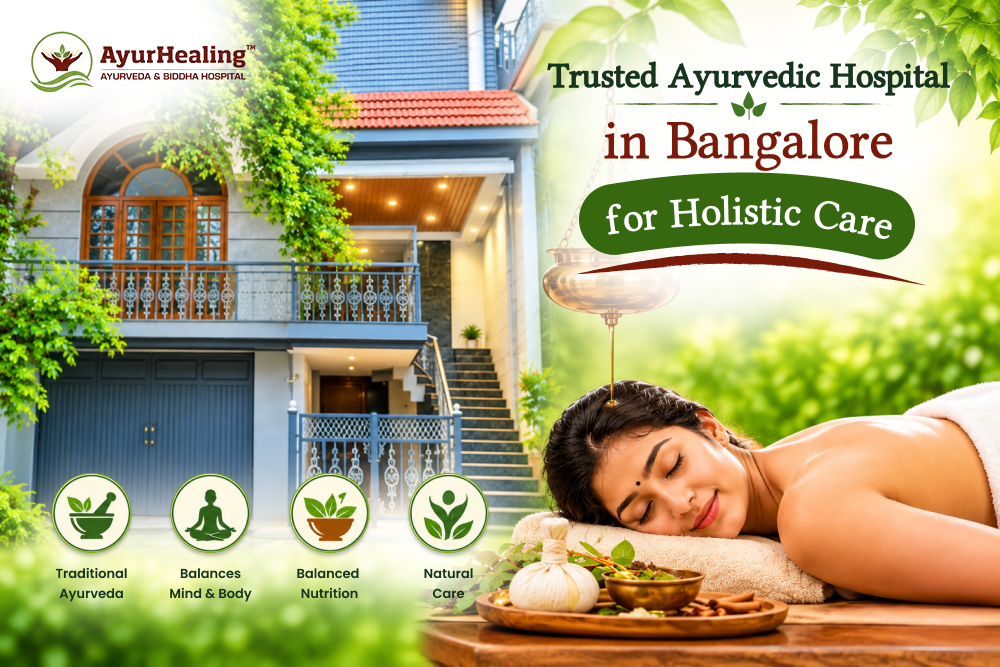
Trusted Ayurvedic Hospital in Bangalore for Holistic Care

Key Takeaways

  • Check practitioner qualifications, registration, and relevant experience before choosing an Ayurvedic hospital.
  • Look for consultations that consider individual health conditions and medical history.
  • Understand the purpose, suitability, and possible risks of traditional Ayurvedic therapies.
  • Panchakarma procedures require professional assessment and supervision.
  • Discuss existing medications and medical conditions before taking Ayurvedic preparations.
  • For serious conditions such as stroke, emergency medical treatment and appropriate specialist care must come first.

Long working hours, irregular meals, limited physical activity, and everyday stress have become part of life for many Bangalore residents. Over time, these habits can influence how we feel, sleep, and manage our health. This has encouraged many people to explore healthcare approaches that consider more than just an individual symptom.

Ayurveda, India’s traditional system of healthcare, takes a broader view of well-being by considering diet, lifestyle, physical activity, sleep, and individual health requirements. For those interested in this approach, finding a trusted Ayurvedic Hospital in Bangalore can be an important step towards understanding available healthcare options.

But how do you know which hospital is right for you? Are all Ayurvedic treatments suitable for everyone? What should you check before beginning a treatment?

Choosing a healthcare provider requires careful consideration, especially when dealing with persistent health concerns. This guide explores what to look for in an Ayurvedic hospital, commonly discussed Ayurvedic approaches, and how to make informed healthcare decisions.

AEO QUICK TAKE

How Do You Choose a Trusted Ayurvedic Hospital in Bangalore?

To choose a trusted Ayurvedic Hospital in Bangalore, check the practitioners’ qualifications and registration, understand the proposed treatment plan, review patient safety practices, and ask about treatment costs and follow-up care. A reliable provider should offer individual assessments, explain potential benefits and risks, and recommend appropriate medical referrals when necessary.

Why Are People Exploring Ayurvedic Healthcare in Bangalore?

Bangalore’s fast-paced lifestyle can make maintaining consistent health habits challenging. Long hours at work, commuting, changing meal schedules, and inadequate rest can affect everyday well-being.

For some people, these challenges lead to recurring concerns such as digestive discomfort, joint stiffness, back pain, or difficulty managing stress.

Ayurveda offers a traditional approach that considers lifestyle and individual health patterns alongside physical symptoms. Its consultations may explore food habits, sleep, daily routines, and other aspects of a person’s lifestyle.

For example, someone experiencing frequent digestive discomfort may be asked about meal timings, food preferences, hydration, and stress levels. Similarly, a person reporting joint stiffness may be assessed for movement difficulties and other relevant health concerns.

This broader perspective is one reason people explore Ayurvedic healthcare. However, it is important to remember that traditional explanations and treatments are not automatically supported by modern clinical evidence. The suitability and effectiveness of individual interventions vary.

What Should You Look for in a Trusted Ayurvedic Hospital in Bangalore?

Finding a suitable hospital involves more than comparing treatment lists or choosing the nearest clinic. The quality of consultation, practitioner credentials, and commitment to patient safety should guide your decision.

Here are five factors worth checking

1. Qualified Ayurvedic Practitioners

Start by checking who will be responsible for your consultation and treatment.

Look for recognised Ayurvedic qualifications, applicable professional registration, relevant experience, and an appropriate area of practice.

A good practitioner should take time to understand your concerns, review your medical history, and explain why a particular approach may be considered.

Do not hesitate to ask questions about qualifications or treatment recommendations.

2. Individualised Healthcare Plans

Two people experiencing similar symptoms may have very different health requirements.

Age, existing medical conditions, medication use, lifestyle, and overall health can influence treatment decisions.

A trustworthy Ayurvedic hospital should consider these factors instead of recommending identical medicines or procedures to every patient.

3. Patient Safety and Hygiene

Safety should never be overlooked when choosing traditional healthcare.

Ask about the ingredients and quality of prescribed preparations, possible side effects, treatment precautions, and hygiene practices.

Some Ayurvedic preparations have been found to contain potentially harmful levels of lead, mercury, or arsenic. Therefore, responsible sourcing, product quality, and professional supervision are important.

4. Clear Treatment Information and Costs

Before beginning treatment, understand what is being recommended and why.

Ask about the expected duration, number of consultations, therapy charges, medicine costs, and follow-up requirements.

A reliable provider should explain these details clearly rather than making unrealistic promises about recovery.

5. Proper Follow-Up and Medical Guidance

Healthcare does not end with the first consultation.

Follow-up appointments help assess progress, discuss concerns, and determine whether the proposed approach remains appropriate.

An Ayurvedic practitioner should also recognise when a patient needs diagnostic investigations, specialist assessment, or urgent conventional medical care.

Factors to Consider When Choosing an Ayurvedic Hospital

What to CheckWhat to Look ForWhy It Matters
QualificationsQualified and registered Ayurvedic practitionersHelps establish professional credibility
Personalised CareAssessment based on health history and individual needsEnsures recommendations are relevant
Treatment SafetyHygiene, precautions, and medicine interactionsHelps reduce avoidable risks
Cost TransparencyClear consultation, therapy, and medicine chargesHelps prevent unexpected expenses
Follow-up SupportProgress reviews and appropriate referralsSupports continuity of care

Which Ayurvedic Treatments and Wellness Approaches Should You Know About?

Ayurveda includes traditional practices involving diet, lifestyle guidance, herbal preparations, and therapeutic procedures. The following areas are commonly discussed in Ayurvedic healthcare.

Their inclusion here is for educational purposes; it does not mean every approach is suitable for every patient or necessarily offered by every hospital.

1. Ayurvedic Treatment for Spine Health

Back pain and spinal discomfort can make ordinary activities surprisingly difficult. Sitting for long periods, bending, lifting objects, or even getting out of bed may become uncomfortable.

When discussing Ayurvedic Treatment for Spine Health, traditional practitioners may consider physical activity, posture, lifestyle, and individual symptoms.

Depending on the assessment, traditional external therapies or lifestyle recommendations may be discussed as supportive approaches.

However, back pain can result from several causes, including muscle strain, disc problems, and nerve compression. Persistent or worsening symptoms need appropriate medical assessment.

Sudden weakness in both legs, numbness around the genitals or anus, or new bladder or bowel difficulties require emergency medical attention.

2. Ayurvedic Treatment for Stress

Stress is not always obvious. Sometimes it appears as difficulty sleeping, irritability, poor concentration, or feeling tired throughout the day.

Traditional Ayurvedic approaches to stress management may consider daily routines, food habits, sleep, and mind-body practices.

Some supportive lifestyle practices include:

  • Maintaining consistent sleeping and waking times.
  • Taking short breaks during demanding workdays.
  • Practising appropriate breathing and relaxation exercises.
  • Following regular meal timings.
  • Including suitable physical activity in daily routines.

Ayurvedic Treatment for Stress may be explored as part of a broader wellness discussion. However, persistent anxiety, depression, or severe emotional distress should be evaluated by a qualified mental health professional. Traditional practices should not replace necessary psychological or psychiatric care.

3. Ayurvedic Treatment for Panchakarma

Panchakarma is one of the traditional Ayurvedic approaches involving a set of therapeutic procedures. It is commonly associated with personalised Ayurvedic treatment plans, but it is not a routine requirement for everyone.

The five traditionally described procedures are:

  • Vamana: Therapeutic emesis.
  • Virechana: Therapeutic purgation.
  • Basti: Medicated enema procedures.
  • Nasya: Administration of preparations through the nasal route.
  • Raktamokshana: Traditional bloodletting.

The procedures differ in their methods, preparation, and potential risks.

Before considering Ayurvedic Treatment for Panchakarma, patients should undergo an appropriate assessment and discuss their medical history, existing medications, contraindications, and possible complications.

Panchakarma should never be treated as a do-it-yourself detox programme or undertaken simply because it is popular.

4. Gut Health Care Treatment

Digestive discomfort can affect more than just mealtimes. Bloating, constipation, acidity, and irregular bowel movements may interfere with work, sleep, and everyday activities.

Traditional Ayurveda gives considerable importance to digestion, food choices, and meal routines.

A broader gut health care treatment discussion may include:

  • Understanding regular eating habits.
  • Reviewing food choices and portion sizes.
  • Maintaining adequate hydration.
  • Considering physical activity and sleep routines.
  • Identifying lifestyle factors that may contribute to discomfort.

Traditional dietary guidance or herbal preparations may also be discussed following professional assessment.

However, recurring digestive symptoms should not automatically be attributed to lifestyle imbalance. Persistent pain, unexplained weight loss, blood in the stool, or ongoing bowel changes require medical evaluation.

5. Ayurvedic Treatment for Joint Care

Joint discomfort can gradually affect independence. Activities such as walking, climbing stairs, exercising, or getting up from a chair may become difficult.

Ayurvedic Treatment for Joint Care traditionally considers individual symptoms, stiffness, movement, and lifestyle.

Depending on the assessment, supportive approaches may involve dietary guidance, lifestyle modifications, or traditional external therapies.

The underlying cause matters. Osteoarthritis, rheumatoid arthritis, gout, injuries, and joint infections are different conditions and require appropriate diagnosis and management.

A hot, swollen joint accompanied by fever needs urgent medical attention. Ayurvedic approaches should not replace prescribed medication or delay necessary treatment.

6. Ayurvedic Treatment for Stroke: What Should Patients and Families Know?

Stroke requires a very different level of attention from routine wellness concerns.

It occurs when blood supply to part of the brain is interrupted or when a blood vessel in the brain bleeds. It can cause serious and lasting complications.

Watch for sudden warning signs such as:

  • Drooping on one side of the face.
  • Weakness or numbness in an arm or leg.
  • Difficulty speaking or understanding speech.
  • Sudden vision changes.
  • Loss of balance or coordination.

If these symptoms appear, seek emergency medical help immediately. Do not wait for an Ayurvedic consultation or try home remedies.

After emergency treatment and once medically stable, stroke rehabilitation becomes important. It may involve physiotherapy, occupational therapy, speech and swallowing therapy, and other specialist support.

Some families explore Ayurvedic Treatment for Stroke as a complementary traditional approach. However, its effectiveness for stroke recovery has not been established through strong clinical evidence.

Any complementary treatment must be discussed with the treating medical team, particularly because some Ayurvedic preparations may interact with prescribed medicines.

Ayurvedic Care Areas and Important Considerations

Health AreaWhat Readers May ExploreImportant Consideration
Spine HealthTraditional approaches to back discomfort and mobilityPersistent or severe pain needs medical assessment
Stress ManagementRelaxation practices and personalised lifestyle guidanceSeek professional support if stress affects daily life
PanchakarmaTraditional procedures selected after assessmentNot suitable for everyone; requires qualified supervision
Gut HealthDietary and lifestyle guidance for digestive concernsOngoing symptoms need proper diagnosis
Joint CareTraditional approaches to joint comfort and mobilitySwelling, severe pain, or restricted movement should be assessed
Stroke RecoverySupportive care alongside rehabilitationEmergency stroke symptoms require immediate hospital care

The Holistic Ayurvedic Care Framework

PATIENT-CENTRED CARE

Understanding individual health needs and wellness goals

↓

1. Health Assessment

Medical history, symptoms and individual needs

2. Personalised Care Plan

Suitable care options and realistic health goals

↓

3. Appropriate Care and Treatment

Lifestyle guidance • Traditional therapies • Panchakarma when appropriate • Coordinated medical care

↓

4. Safety Monitoring

Treatment suitability, precautions and progress

5. Follow-up and Review

Review outcomes and adjust the care plan

↓

CONTINUITY OF CARE

Informed decisions, appropriate support and ongoing healthcare guidance

How to Choose the Right Ayurvedic Hospital in Bangalore: A Simple Decision Guide

If you are comparing healthcare providers, it helps to follow a practical process rather than making a decision based only on advertisements or online ratings.

Use this five-step guide:

1. Verify Credentials

Check recognised qualifications, professional registration, and relevant experience.

↓

2. Understand Your Health Needs

Discuss your symptoms, medical history, existing conditions, and healthcare priorities.

↓

3. Evaluate Treatment Suitability

Ask why a particular treatment is recommended, how it works traditionally, and what evidence supports its use.

↓

4. Check Safety and Transparency

Understand medicine ingredients, possible interactions, treatment risks, hygiene, costs, and follow-up arrangements.

↓

5. Make an Informed Choice

Choose a provider who communicates openly, respects your concerns, and recommends appropriate medical care when necessary.

Following these steps can help you approach your healthcare decisions with greater confidence.

Why Consider Ayurhealing for Ayurvedic Healthcare in Bangalore?

Choosing a healthcare provider is a personal decision. Patients often want a place where their concerns are heard, their health requirements are understood, and treatment recommendations are explained clearly.

Ayurhealing, located in Koramangala, Bangalore, is an Ayurvedic healthcare centre offering personalised Ayurveda and Siddha healthcare under the guidance of Dr. Mini Nair.

Its healthcare approach focuses on individual requirements and traditional systems of care rather than assuming that one approach is suitable for everyone.

For people exploring Ayurvedic healthcare in Bangalore, learning about the centre, its approach, and the available healthcare information can be a useful starting point.

Before starting any treatment, discuss your health history, current medicines, and specific concerns with an appropriately qualified healthcare professional.

Conclusion

Finding the right healthcare provider is about more than selecting a treatment. It involves understanding your health requirements, asking the right questions, and choosing practitioners who prioritise safety and informed decision-making.

A trusted Ayurvedic Hospital in Bangalore should provide qualified professional guidance, individual assessments, clear treatment information, and appropriate follow-up care.

Whether you are exploring Ayurvedic Treatment for Spine Health, Ayurvedic Treatment for Stress, Panchakarma, Gut Health Care Treatment, or Ayurvedic Treatment for Joint Care, take time to understand the purpose, suitability, and limitations of each approach. For serious conditions such as stroke, timely medical treatment and structured rehabilitation must always come first.

At Ayurhealing, we believe that understanding individual health requirements is an important part of holistic healthcare. Located in Koramangala, Bangalore, we offer personalised Ayurveda and Siddha healthcare under the guidance of Dr. Mini Nair.

If you are exploring traditional Ayurvedic healthcare and want to understand the available options, we encourage you to learn more about our approach.

We at Ayurhealing welcome you to explore our website and contact us for further information about our healthcare approach.

FAQs

Check the qualifications and registration of practitioners, individual consultation practices, patient safety standards, treatment transparency, and follow-up arrangements. A reliable hospital should explain the purpose and limitations of its recommendations.

A consultation may involve discussing your symptoms, medical history, lifestyle, diet, sleep patterns, and existing medications. The practitioner may use traditional Ayurvedic assessment methods and explain whether further medical evaluation is needed.

No. Panchakarma procedures have specific indications, contraindications, and potential risks. A qualified practitioner must assess individual suitability before recommending any procedure.

Traditional Ayurvedic approaches may include dietary guidance, lifestyle recommendations, and mind-body practices. However, scientific evidence varies by intervention. Persistent digestive problems or significant mental health symptoms should be assessed by appropriate healthcare professionals.

In some cases, complementary Ayurvedic care may be considered alongside conventional treatment. However, all healthcare providers should know about the medicines and therapies being used because interactions and side effects are possible. Never discontinue prescribed medicines without medical advice.

Pediatric Care: Child Health & Ayurvedic Wellness Guide

Key Takeaways

  • Pediatric care includes preventive check-ups, immunisation, nutrition, developmental monitoring and treatment when a child is unwell.
  • Good sleep, balanced nutrition, physical activity, emotional security and timely medical care support healthy growth.
  • Ayurveda has traditional approaches to child wellness, but evidence for many pediatric uses is limited.
  • Children may be more vulnerable to adverse effects from medicines and herbal products. “Natural” does not automatically mean safe.
  • Consult a pediatrician before giving a child Ayurvedic medicines, supplements or intensive therapies.
  • Seek urgent medical help for serious symptoms such as breathing difficulty, seizures, severe dehydration or sudden weakness.
AEO QUICK TAKE

What Is Pediatric Care, and Can Ayurveda Support Children’s Health?

Pediatric care focuses on a child’s growth, development, prevention of illness and treatment of health conditions from birth through adolescence. Ayurveda is a traditional system of healthcare that some families explore for wellness support. However, Ayurvedic treatment for pediatric care should be considered cautiously, with a qualified pediatric healthcare professional involved. It should never replace vaccinations, necessary medical treatment or urgent care.

AEO QUICK TAKE

What Does Pediatric Care Include?

Pediatric care is more than treating a fever or infection. It supports children through different stages of physical, emotional and developmental growth.

Routine pediatric care may include:

  • Growth monitoring: Tracking height, weight and development over time.
  • Immunisation: Following the recommended vaccination schedule.
  • Nutrition guidance: Supporting age-appropriate feeding and balanced meals.
  • Developmental screening: Checking milestones, communication, movement and social development.
  • Illness assessment: Identifying and treating infections, injuries and other health concerns.
  • Emotional and behavioural support: Helping families address sleep, stress, behaviour and school-related concerns.

The World Health Organization emphasises that children need adequate nutrition, good health, safety, responsive caregiving and opportunities to learn. Immunisation and timely care during illness are also important parts of healthy growth.

How Can Parents Support Their Child’s Everyday Health?

Small, consistent habits can help create a healthy foundation. Children’s needs change with age, so routines should be flexible and suited to their developmental stage.

1. Offer balanced, age-appropriate meals

Include a variety of foods from different food groups, such as vegetables, fruits, grains, protein-rich foods and suitable dairy or alternatives. Follow professional guidance for infant feeding and introducing complementary foods.

Avoid restrictive diets or herbal supplements intended to improve growth unless a qualified healthcare professional recommends them. If your child has poor appetite, difficulty gaining weight or ongoing digestive symptoms, seek an assessment rather than relying on home remedies.

2. Build a steady sleep routine

Regular sleep supports learning, mood and physical health. Keep bedtime routines predictable and adjust sleep expectations to your child’s age. If persistent snoring, breathing pauses or severe sleep difficulties occur, discuss them with a pediatrician.

3. Encourage movement and play

Play supports coordination, strength, social skills and confidence. Encourage age-appropriate movement and outdoor play while ensuring safe supervision. Children with pain, mobility difficulties or medical conditions may need an individually adapted activity plan.

4. Support emotional well-being

Children benefit from feeling safe, heard and supported. Make time to talk, listen without dismissing concerns and maintain routines where possible. Persistent anxiety, withdrawal, behavioural changes or difficulties at school may warrant professional guidance.

EVERYDAY CHILD WELLNESS

Healthy meals and hydration
Consistent sleep routines
Active play and movement
Emotional connection and support

WHEN EXTRA SUPPORT
IS NEEDED

Changes in growth or development
Persistent symptoms or concerns
Pediatrician assessment and guidance
Follow-up and care plan review

AEO QUICK TAKE

What Is the Role of Ayurveda in Pediatric Care?

Ayurveda is a traditional Indian healthcare system that considers diet, daily routines, individual constitution and selected therapies. Some families explore Ayurvedic approaches for general wellness or alongside conventional care.

However, traditional use does not establish that a treatment is safe or effective for children. Scientific evidence for many Ayurvedic pediatric interventions is limited, and a child’s age, weight, health conditions and other medicines can affect treatment safety.

Ayurvedic treatment for pediatric care: What should parents know?

Before considering any Ayurvedic product or procedure for a child, discuss it with the child’s pediatrician. If you consult an Ayurvedic practitioner, verify their qualifications and ask whether they have specific experience working with children.

Ask these questions before starting:

  • What is the exact purpose of the proposed treatment?
  • What ingredients, dose and duration are recommended?
  • Is there reliable evidence for this use in children of my child’s age?
  • What side effects or interactions are possible?
  • How will we monitor whether it is helping?
  • Could it delay a treatment that is known to be effective?

The American Academy of Pediatrics advises families to involve their child’s pediatrician when considering complementary therapies, so potential benefits, risks and interactions can be assessed.

Are Ayurvedic medicines safe for children?

Not automatically. Some Ayurvedic preparations may contain lead, mercury or arsenic in potentially harmful amounts. Product quality and ingredients can vary, and children may be especially vulnerable to toxic exposures.

Do not give children adult formulations, products with unclear ingredients or medicines recommended through unverified online claims. Keep all medicines and supplements out of children’s reach.

What About Panchakarma and Other Ayurvedic Therapies for Children?

Panchakarma is a group of traditional Ayurvedic procedures. Methods may include procedures involving cleansing or other intensive interventions. These are not routine pediatric wellness practices, and their safety and usefulness for children are not established for many conditions.

Ayurvedic treatment for Panchakarma should not be assumed suitable for children. Do not attempt purgation, enemas, fasting or other intensive procedures at home. Discuss any proposed therapy with the child’s pediatrician and a qualified practitioner, including the potential risks and alternatives.

Gentle routines, balanced meals, adequate sleep and age-appropriate activity are generally more practical foundations for everyday wellness than intensive cleansing procedures.

When Should a Child See a Pediatrician?

Parents should seek professional advice when symptoms persist, recur, interfere with daily life or raise concerns about growth or development.

ConcernWhat parents can do
Persistent fever, cough or painContact a pediatrician for assessment, especially if symptoms worsen
Poor appetite or growth concernsArrange a growth and nutrition review
Repeated vomiting or diarrheaSeek advice about hydration and the cause
Developmental or learning concernsDiscuss milestones and possible screening
Ongoing joint, back or movement problemsArrange assessment before trying therapies or exercises
Sudden severe symptomsSeek urgent or emergency medical care

What symptoms need urgent medical attention?

Seek emergency care if a child has difficulty breathing, becomes unusually difficult to wake, has a seizure, shows signs of severe dehydration, develops sudden weakness or has another rapidly worsening or life-threatening symptom.

For suspected strokes-such as sudden facial drooping, weakness on one side, difficulty speaking, sudden loss of balance or a sudden severe headache-call emergency services immediately. Do not delay emergency assessment to try Ayurvedic treatment.

A Parent’s Decision Guide to Child Health and Wellness

Use this simple structure to decide what kind of support may be appropriate. It is educational and does not replace medical advice.

Notice a health or wellness concern

↓

Is there an emergency warning sign?

  • Yes: Seek emergency medical care immediately.
  • No: Continue below.
↓

Is the concern persistent, recurring or affecting growth, sleep, eating, movement or daily activities?

  • Yes: Arrange a pediatric assessment.
  • No: Monitor symptoms and maintain supportive daily routines.
↓

Considering complementary or Ayurvedic care?

  • Discuss it with the pediatrician first.
  • Verify the practitioner’s qualifications and child-specific experience.
  • Review ingredients, evidence, risks and interactions.
  • Do not stop or delay prescribed treatment.
↓

Follow up and reassess

Track symptoms and development, and seek further advice if the child worsens or the plan is not helping.

How Do Related Health Concerns Fit Into Pediatric Care?

Children’s symptoms should be assessed according to their age, development and individual medical history. Adult treatment approaches should not simply be transferred to children.

  • Spine health: Back pain, posture concerns or movement difficulties in children deserve appropriate assessment. Ayurvedic treatment for spine health should not replace evaluation for injury, infection, neurological symptoms or other underlying causes.
  • Joint care: Persistent joint pain, swelling, stiffness or limping should be assessed by a pediatric healthcare professional. Ayurvedic treatment for joint care should only be considered after discussing the diagnosis and safety.
  • Digestive concerns: Ongoing constipation, abdominal pain, vomiting or poor growth may require medical evaluation. Gut health care treatment should be based on the child’s symptoms and diagnosis, not on unsupported “detox” claims.
  • Stroke: Pediatric stroke is a medical emergency. Ayurvedic treatment for stroke is not a substitute for emergency assessment, imaging or specialist-led treatment and rehabilitation.

How Can Families Choose a Healthcare Provider in Bangalore?

When choosing a provider for a child in Bangalore, prioritise child-specific experience, clear communication and coordination with conventional pediatric care.

What to checkQuestions to ask
QualificationsIs the practitioner appropriately qualified and registered?
Pediatric experienceDo they have experience assessing children of my child’s age?
AssessmentWill they review symptoms, medical history and current medicines?
Treatment rationaleWhat is being recommended, and what evidence supports it?
SafetyWhat are the risks, side effects and possible interactions?
CoordinationWill they work with the child’s pediatrician when needed?
Follow-upHow will progress be reviewed, and when should we seek further care?

The Best Ayurvedic Hospital in Bangalore for a family is not necessarily the one making the strongest promises. Look for transparent information, appropriate qualifications, realistic expectations and a willingness to involve the child’s pediatrician.

Conclusion: Supporting Children’s Health With Informed Care

Children thrive when they receive attentive care, nutritious food, adequate sleep, opportunities to play and timely medical support. Parents can build these foundations through everyday routines while staying alert to symptoms that need professional assessment.

Ayurveda is part of India’s traditional healthcare heritage, and some families may wish to explore it as complementary care. For children, however, safety and evidence must come first. Discuss medicines and procedures with your child’s pediatrician, avoid unverified products and never delay necessary treatment.

At Ayurhealing, we encourage families to make informed decisions and confirm the suitability of any service before proceeding. Contact Ayurhealing to enquire about current services and discuss your questions with the team.

FAQs

It refers to traditional Ayurvedic approaches that may be considered for children’s wellness or health concerns. Safety and evidence vary, so parents should consult the child’s pediatrician before using medicines or therapies.

There is insufficient evidence to claim that Ayurvedic products reliably boost children’s immunity. Vaccination, adequate nutrition, sleep and routine preventive care are important foundations of child health.

Panchakarma procedures are not routine pediatric care, and safety and effectiveness are not established for many uses in children. Do not attempt intensive procedures without specialist assessment.

Do not self-prescribe. Persistent digestive symptoms may have several causes, and some products may contain harmful ingredients or interact with medicines. Ask a pediatrician before giving any preparation.

Seek urgent care for breathing difficulty, seizures, unusual difficulty waking, severe dehydration, sudden weakness or other severe or rapidly worsening symptoms.

How to Manage Knee Pain With Ayurvedic Treatment

Key Takeaways

  • Knee pain can result from osteoarthritis, injury, overuse or other conditions. Identifying the cause is the first step.
  • Ayurveda traditionally approaches joint discomfort through individual assessment, medicines, massage, lifestyle advice and selected therapies.
  • Evidence for Ayurvedic treatments varies. Findings from one product or study should not be applied to every medicine or procedure.
  • Exercise, physiotherapy and weight management when appropriate are important parts of managing knee osteoarthritis.
  • Check the ingredients and quality of Ayurvedic products, and discuss possible interactions with your healthcare professional.
  • A hot, swollen knee with fever, inability to bear weight or severe pain after an injury needs urgent medical attention
AEO QUICK TAKE

Can Ayurvedic Treatment Help With Knee Pain?

Ayurvedic treatment for knee pain may help some people manage knee pain, but its effectiveness depends on the treatment and the cause of the pain. It is not a proven cure for every knee condition. A medical assessment, suitable exercise and carefully selected complementary care can help you make a safer plan.

Why Can Knee Pain Make Everyday Life So Difficult?

Knee pain often shows up during ordinary moments: climbing stairs, getting up from a chair, walking to the bus stop or taking a morning stroll. When these movements become uncomfortable, even a familiar routine can start to feel like a challenge.

In Bangalore, long commutes and hours spent sitting at work can make it harder to stay active. But knee pain is not simply an inevitable part of getting older, and it does not always have the same cause.

It may be related to osteoarthritis, a muscle or tendon strain, a ligament or meniscus injury, an inflammatory condition or another health issue. The right approach depends on what is causing the pain and how it affects your movement.

Ayurveda is a traditional Indian system of healthcare that may address joint concerns through individual assessment, medicines, diet, daily routines and selected therapies. Some people explore these approaches alongside conventional care. Understanding their possible benefits and limitations can help you make an informed decision.

AEO QUICK TAKE

Is Ayurvedic Oil Massage Good for Knee Pain?

Traditional oil massage may provide comfort for some people with knee pain. Avoid massage over an acutely injured, hot or markedly swollen knee unless a healthcare professional advises it.

What Are the Common Causes of Knee Pain?

Knee pain may develop gradually or begin suddenly after an injury. These are some common causes:

Possible causeWhat you may notice
OsteoarthritisPain and stiffness that may worsen with activity, sometimes with swelling or reduced movement
Muscle or tendon strainDiscomfort after repeated activity or overuse
Ligament or meniscus injuryPain after twisting or impact; sometimes instability, swelling or locking
Inflammatory joint conditionsPain, swelling and stiffness that may affect more than one joint
Other medical causesSymptoms that need assessment to identify the underlying condition

If pain keeps returning, limits your daily activities or makes walking difficult, arrange a medical assessment rather than assuming it is ordinary wear and tear.

How Does Ayurveda Traditionally Approach Knee Pain?

In Ayurveda, joint discomfort may be assessed in relation to a person’s symptoms, overall health, daily habits and traditional concepts such as dosha balance. A practitioner may recommend a combination of approaches rather than relying on one medicine or therapy.

These explanations belong to the traditional Ayurvedic framework; they are not the same as a biomedical diagnosis. Conditions such as osteoarthritis, injury and inflammatory disease still need appropriate clinical assessment.

Ayurvedic medicines for knee discomfort

Ayurvedic formulations may contain herbal ingredients and, in some cases, mineral-containing components. Their intended uses, quality and supporting evidence vary.

Before taking a product, ask:

  • What are the complete ingredients, and what is the product intended to do?
  • Who manufactures it, and are the batch details and expiry date clearly listed?
  • Could it interact with my prescription medicines or supplements?
  • What side effects should I watch for?
  • How will we know whether it is helping?

Some Ayurvedic preparations have been found to contain potentially harmful levels of metals such as lead, mercury or arsenic. “Natural” does not automatically mean safe. Avoid products that promise guaranteed cures or tell you to stop prescribed treatment without consulting your clinician.

Ayurvedic treatment for joint care

Traditional Ayurvedic treatment for joint care may include medicines, dietary guidance, massage or other procedures. Any plan should be tailored to the individual and reviewed for safety.

For knee osteoarthritis, established care commonly includes therapeutic exercise, information and support, and weight management when appropriate. Complementary care should be considered alongside these measures-not as a replacement for them.

AEO QUICK TAKE

How Long Does Ayurvedic Treatment Take to Work for Knee Pain?

There is no standard timeline. Results depend on the cause of knee pain, the treatment used and individual factors. Ask your practitioner how progress will be monitored and when the plan should be reviewed.

What Ayurvedic Therapies May Be Considered for Knee Pain?

Ayurvedic therapies have different purposes and risks. A treatment that suits one person may not be appropriate for another.

Ayurvedic treatment for Panchakarma

Ayurvedic Treatment for Panchakarma refers to a group of traditional Ayurvedic procedures, with methods that can vary. A practitioner may discuss certain procedures as part of an individual plan.

However, claims that Panchakarma universally “detoxifies” the body or cures joint disease are not established by strong scientific evidence. Before considering a procedure, ask what it involves, why it is being recommended, what risks it carries and whether other options are better supported.

Abhyanga and external therapies

Abhyanga is a traditional oil massage. Some people find massage relaxing, and it may offer comfort for selected people with knee osteoarthritis. It should be used alongside appropriate exercise and medical care, not instead of them.

Avoid massage over an acutely injured, hot or markedly swollen knee unless a healthcare professional advises otherwise. Ask about the oil ingredients and stop if you notice irritation or worsening pain.

Ayurvedic treatment for Virechanam

Ayurvedic treatment for Virechanam is a traditional purgation procedure. It is not a routine treatment for knee pain, and it is different from taking an oral medicine or applying a therapy to the knee.

Purgation can cause dehydration and electrolyte disturbances. Do not attempt it at home or undergo it without an appropriate professional assessment. Ask a qualified healthcare professional whether it is suitable for your circumstances and what alternatives are available.

AEO QUICK TAKE

What Should I Avoid If I Have Knee Pain?

Avoid activities that sharply worsen your pain, and do not self-prescribe medicines or undergo intensive therapies without professional advice. Seek assessment if pain persists or limits daily activities.

What Does Scientific Evidence Say About Ayurveda for Knee Pain?

Research on Ayurvedic approaches to osteoarthritis has reported possible improvements in pain or function in some studies. However, many studies are small or have design limitations. Results for one formulation cannot be assumed to apply to all Ayurvedic medicines or procedures.

The U.S. National Center for Complementary and Integrative Health notes that some studies suggest Ayurvedic preparations may reduce osteoarthritis pain and improve function, but most trials are small or not well designed.

The most accurate conclusion is that some specific Ayurvedic approaches may help some people manage symptoms, while stronger research is needed. It would be misleading to describe Ayurveda as a proven cure for knee osteoarthritis or claim that it repairs damaged cartilage.

What Treatments Can Help Manage Knee Pain?

A helpful care plan depends on the diagnosis, pain level and how much your knee affects daily life. It may include more than one approach.

ApproachHow it may helpWhat to keep in mind
Therapeutic exerciseBuilds strength and supports mobility and functionStart at a suitable level and progress gradually
PhysiotherapyProvides tailored exercises and movement guidanceCan be useful when pain makes activity difficult
Weight management, if appropriateMay reduce stress on the knee and improve symptomsGoals should be realistic and supportive
Medicines recommended by a clinicianMay help manage pain or inflammationChoice depends on medical history and risks
Selected complementary careMay support comfort for some peopleEvidence and safety vary; it should not replace necessary care

Exercise can feel uncomfortable at first for some people with osteoarthritis, but a suitable programme is an important part of long-term management. A physiotherapist or clinician can help you find a starting point and adjust activity as your strength and confidence improve.

A Practical Decision Guide for Knee Pain

Use this guide to organise your next steps. It is educational and does not replace a medical assessment.

Knee pain begins

↓

Check for warning signs

  • Is the knee hot, red or markedly swollen, especially with fever?
  • Is there severe pain after an injury?
  • Can you not walk or put weight on the leg?

If yes: Seek urgent medical care.
If no: Continue below.

↓

Arrange an assessment if pain persists, returns or limits daily activities.

A healthcare professional can evaluate possible causes and discuss suitable treatment.

↓

Build a management plan together

  • Therapeutic exercise or physiotherapy
  • Medicines or other medical treatment, if appropriate
  • Complementary Ayurvedic care after discussing evidence, risks and interactions
↓

Review your progress

Track pain, movement and daily function. Seek further advice if symptoms worsen, new symptoms develop or treatment causes side effects.

How Can You Choose the Best Ayurvedic Hospital in Bangalore?

When comparing Ayurvedic providers in Bangalore, look beyond promotional claims. A good provider should explain the proposed care clearly, assess your needs and recognise when another healthcare professional should be involved.

What to checkQuestions to ask
QualificationsAre the practitioners appropriately qualified and registered?
AssessmentWill my knee pain be assessed? Will referral be recommended if needed?
Treatment detailsWhat medicines or procedures are proposed, and why?
Evidence and expectationsWhat benefits are realistic, and what evidence supports the approach?
SafetyWhat are the risks, contraindications and possible interactions?
Costs and follow-upWhat will treatment cost, and how will progress be reviewed?

The Best Ayurvedic Hospital in Bangalore for your needs is not necessarily the one making the strongest promises. Look for transparent advice, individual assessment, safe practices and realistic expectations.

Everyday Habits That May Support Knee Health

Alongside appropriate treatment, a few manageable habits may make daily movement easier:

  • Keep moving within your comfort level. Avoid prolonged inactivity, but reduce activities that sharply increase pain.
  • Build strength gradually. Follow an exercise plan suited to your condition and ability.
  • Choose activities that feel manageable. Walking on level ground, cycling or water-based exercise may suit some people.
  • Take movement breaks. If you sit for long periods, stand up and move regularly.
  • Use heat or cold carefully. A wrapped cold pack may help after activity; gentle warmth may ease stiffness for some people. Avoid placing either directly on your skin.
  • Notice your patterns. Keep track of what improves or worsens your symptoms and share this with your healthcare professional.

These habits can support joint health, but they do not replace treatment for an underlying condition.

Conclusion: Take a Thoughtful Approach to Knee Pain

Knee pain can affect everyday activities, but understanding its cause is an important first step toward managing it safely. A suitable care plan may include medical assessment, regular movement, strengthening exercises and carefully chosen complementary therapies.

At Ayurhealing, we believe in an individualised approach to wellness. Ayurvedic treatment may be considered as part of a broader care plan, with attention to treatment suitability, product quality and possible interactions. We encourage you to make informed decisions and seek qualified guidance rather than relying on guaranteed-cure claims.

To learn more about our approach. Contact Ayurhealing to enquire about our current services and discuss your healthcare needs with our team.

FAQs

There is no single cure for every cause of knee pain. Some Ayurvedic approaches may help manage symptoms, but evidence varies. They should not replace appropriate diagnosis or established treatment.

There is no universally best medicine. The appropriate choice depends on the cause of pain, your medical history, other medicines and the product’s ingredients and quality. Seek qualified advice rather than self-prescribing.

No. Panchakarma is not a necessary or universally recommended treatment for knee osteoarthritis. Discuss its purpose, evidence, risks and alternatives with a qualified healthcare professional.

Massage may provide comfort for some people, but it is not a substitute for diagnosis, exercise or other recommended care. Avoid massaging an acutely injured or hot, swollen knee without professional advice.

Seek assessment if pain persists, recurs, limits daily activities or comes with swelling or reduced movement. Seek urgent care for a hot, swollen knee with fever, severe injury-related pain or inability to bear weight.