Acidity Treatment with Ayurveda: Natural Remedies, Diet & Wellness Tips

Acidity is a common digestive concern that can cause burning discomfort, sour taste, bloating, belching, and indigestion. Ayurvedic treatment for acidity focuses on understanding digestive imbalance, food habits, daily routines, and individual symptoms rather than treating everyone in the same way. In Ayurveda, acidity-related complaints are traditionally discussed under concepts such as Amlapitta, which is associated with an aggravated Pitta dosha and impaired digestion. Modern medicine, meanwhile, may describe recurring symptoms as acid reflux, heartburn, gastritis, or GERD depending on the underlying cause. This article explains how Ayurveda approaches acidity, dietary habits that may support digestive comfort, and when professional evaluation is important.

What Is Acidity?

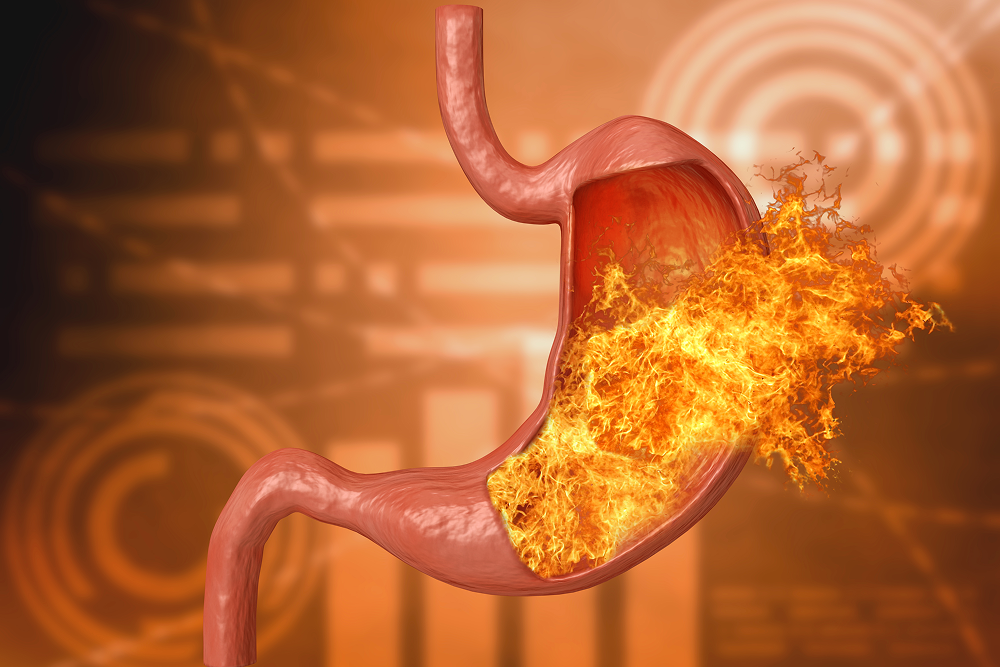
Acidity is commonly used to describe symptoms associated with excess stomach discomfort, burning, acid reflux, or indigestion. Heartburn can occur when stomach contents move back into the esophagus, producing a burning sensation behind the breastbone. Acid reflux that occurs repeatedly and causes troublesome symptoms may be classified as gastroesophageal reflux disease, or GERD.

People may experience acidity differently. Some notice burning after meals, while others experience sour belching, bloating, nausea, heaviness, or discomfort in the upper abdomen. Persistent symptoms should not automatically be assumed to be simple acidity because similar complaints can occur with GERD, gastritis, ulcers, medication-related irritation, or other digestive conditions.

Acidity and Ayurveda: Understanding the Traditional Perspective

In Ayurveda, digestion is closely connected with Agni, the body’s digestive fire. Traditional Ayurvedic thinking considers balanced digestion important for overall well-being. Acidity-related symptoms are commonly associated with an imbalance involving Pitta, particularly when factors such as irregular eating, very spicy foods, excessive sour foods, stress, inadequate rest, or unsuitable eating patterns are present.

The Ayurvedic approach therefore looks beyond the immediate sensation of burning. An Ayurvedic practitioner may consider the person’s appetite, bowel habits, food preferences, sleep, daily routine, stress levels, and other digestive symptoms before suggesting an individualized plan.

It is important to understand that Ayurvedic concepts and modern medical diagnoses are not identical. For example, the traditional Ayurvedic concept of Amlapitta should not automatically be considered equivalent to GERD or gastritis. A person with persistent reflux or stomach symptoms may need medical assessment to determine the actual cause.

Common Causes and Triggers of Acidity

Acidity symptoms can be influenced by eating habits and lifestyle factors. Eating very large meals, lying down soon after eating, consuming foods that personally trigger reflux, and irregular meal timing may contribute to symptoms in some people. For individuals with GERD, commonly reported food and drink triggers include spicy foods, high-fat foods, coffee and other caffeine sources, chocolate, mint, alcohol, tomatoes, and citrus foods. However, triggers can vary from person to person.

Other factors can also contribute to reflux. Being overweight or obese, smoking, pregnancy, certain medicines, and conditions such as hiatal hernia can increase the likelihood of GERD or worsen symptoms.

From an Ayurvedic perspective, maintaining regular meals and avoiding habits that disturb digestion are important parts of supporting digestive balance.

Ayurvedic Treatment for Acidity

Ayurvedic treatment for acidity is generally individualized according to symptoms, digestive patterns, diet, lifestyle, and the practitioner’s assessment. Rather than recommending the same remedy for everyone, Ayurveda traditionally aims to identify factors that may be contributing to digestive imbalance.

An Ayurvedic practitioner may focus on improving meal timing, modifying foods that aggravate symptoms, supporting appropriate digestion, and establishing a consistent daily routine. Depending on the individual’s condition, an Ayurvedic practitioner may also consider traditional herbal preparations or other therapies.

Because Ayurvedic medicines can interact with medicines or may not be appropriate for everyone, they should be selected and used under qualified professional guidance. The U.S. National Center for Complementary and Integrative Health also notes that some Ayurvedic preparations have contained potentially toxic levels of heavy metals, highlighting the importance of using appropriately sourced products and professional supervision.

Ayurvedic Medicine for Acidity

People searching for Ayurvedic medicine for acidity may find many products marketed for digestive discomfort. However, the right preparation depends on the individual’s symptoms and overall health. Self-prescribing multiple herbal products simply because they are described as natural is not recommended.

A qualified Ayurvedic doctor can assess whether the symptoms are more consistent with occasional acidity, digestive discomfort, reflux, or another concern and can determine whether an Ayurvedic formulation is appropriate.

The same principle applies to searches for Ayurvedic medicine for GERD. GERD is a medical condition that can require diagnosis and ongoing management. Ayurveda may be considered as a complementary approach, but persistent or severe reflux should be medically evaluated rather than treated solely through self-medication.

Ayurvedic Treatment for Hyperacidity

Hyperacidity is commonly used to describe frequent or pronounced acidity symptoms. From an Ayurvedic perspective, dietary habits, digestion, and Pitta-related factors may be considered when developing a wellness plan.

An Ayurvedic treatment for hyperacidity may therefore involve dietary adjustments, regular meal timing, appropriate lifestyle changes, and practitioner-guided traditional medicines when suitable. The objective should be to support healthy digestion while identifying and reducing individual triggers.

If symptoms occur frequently, interfere with sleep, or continue despite lifestyle changes, professional assessment is important because recurring reflux may indicate GERD or another digestive condition.

Ayurvedic Treatment for Gastritis

Gastritis involves inflammation of the stomach lining, while gastropathy refers to damage to the stomach lining with little or no inflammation. These conditions can have several causes, including H. pylori infection, long-term use of certain pain-relieving medicines, alcohol, bile reflux, and autoimmune conditions.

Therefore, Ayurvedic treatment for gastritis should not be approached as a one-size-fits-all solution. If gastritis is suspected, identifying the underlying cause is important. Depending on the situation, doctors may use medical history, laboratory testing, endoscopy, or other investigations to determine the cause.

Ayurvedic care may be discussed as part of an individualized wellness approach, but it should not replace appropriate diagnosis or treatment for conditions such as H. pylori infection, ulcers, or gastrointestinal bleeding.

Ayurvedic Treatment for Acidity and Gas

Acidity and gas can occur together, particularly when digestive discomfort is associated with bloating, belching, or irregular bowel habits. An Ayurvedic treatment for acidity and gas may focus on eating habits, meal timing, food tolerance, hydration, and lifestyle routines.

Instead of eliminating large numbers of foods unnecessarily, it can be more useful to identify foods that consistently worsen symptoms. Eating slowly, avoiding very large meals, and maintaining a regular eating schedule may support digestive comfort.

Persistent bloating or abdominal discomfort should also be discussed with a healthcare professional because gas and acidity can occur alongside several digestive conditions.

Ayurvedic Treatment for Heartburn

Heartburn is a burning sensation that commonly occurs when stomach contents reflux into the esophagus. Recurrent heartburn can be a symptom of GERD.

An Ayurvedic treatment for heartburn may include individualized dietary and lifestyle recommendations designed to reduce digestive triggers. However, frequent heartburn should not simply be assumed to be a minor digestive issue. If symptoms are persistent or worsening, medical evaluation can help determine whether GERD or another condition is responsible.

Ayurvedic Diet for Acidity

Diet is an important part of managing digestive comfort, but there is no single acidity diet that works for every individual. Foods that trigger symptoms for one person may be tolerated by another.

A practical approach is to focus on moderate portions, regular meals, adequate hydration, and foods that are comfortable for your digestion. People with reflux may need to identify and reduce foods that consistently trigger their symptoms.

Commonly reported GERD triggers include:

  • Spicy foods and high-fat meals
  • Coffee and other caffeinated drinks
  • Chocolate and mint
  • Alcohol
  • Tomatoes and citrus foods, when they trigger symptoms

These foods do not necessarily need to be permanently eliminated by everyone. Keeping a simple food-and-symptom record can help identify personal triggers.

What Foods Should You Avoid for Acidity?

There is no universal list of foods that every person with acidity must avoid. However, if certain foods repeatedly cause burning, reflux, or discomfort, reducing them may be helpful.

Large meals can also aggravate reflux in some people. If symptoms are worse at night, eating at least three hours before lying down or going to bed may help reduce nighttime symptoms.

Rather than following an extremely restrictive diet, aim for balanced meals and observe how your body responds to different foods.

Lifestyle Tips to Support Better Digestion

Diet is only one part of digestive wellness. Consistent daily habits can also make a difference.

Try to maintain regular meal times and avoid eating very large meals late at night. Eat slowly and give yourself enough time to finish your meal comfortably. If you experience nighttime reflux, avoid lying down immediately after eating. Maintaining a healthy weight, avoiding smoking, and identifying personal food triggers may also help manage GERD symptoms.

Stress management and adequate sleep can also support a healthier daily routine. From an Ayurvedic perspective, maintaining consistency in meals, sleep, and daily activities is considered an important part of supporting digestive balance.

When Should You See an Ayurvedic Doctor in Bangalore?

If acidity occurs occasionally, simple dietary and lifestyle adjustments may help. However, persistent symptoms deserve professional attention.

People searching for Ayurvedic treatment for acidity near me or an Ayurvedic doctor in Bangalore should look for a qualified practitioner who can assess their symptoms rather than relying only on over-the-counter or online remedies.

Professional evaluation is particularly important when symptoms continue despite lifestyle changes, occur frequently, interfere with sleep, or require repeated use of medicines. Persistent reflux may need proper diagnosis and a coordinated treatment approach.

If you experience chest pain, difficulty or pain while swallowing, persistent vomiting, unexplained weight loss, loss of appetite, vomiting blood, or black/tarry stools, seek prompt medical attention. These symptoms can indicate complications or another serious condition and should not be managed through home remedies alone.

Ayurvedic Treatment for Acidity in Bangalore

For people looking for Ayurvedic treatment in Bangalore, Ayurhealing provides an opportunity to explore Ayurveda-based approaches to digestive wellness with professional guidance. A personalized consultation can help understand the individual’s digestive complaints, dietary habits, lifestyle, and overall health before suggesting an appropriate approach.

The goal should be to address contributing habits and support digestive wellbeing while recognizing when conventional medical diagnosis or treatment is necessary.

Conclusion

Acidity treatment with Ayurveda takes a personalized approach to digestive wellness by considering food habits, meal timing, lifestyle, digestion, and individual symptoms. Dietary adjustments and consistent daily routines may help support digestive comfort, while practitioner-guided Ayurvedic care can provide an individualized plan.

At the same time, recurring acidity, heartburn, reflux, or stomach pain should not be ignored. Conditions such as GERD and gastritis can have different causes and may require proper medical evaluation. For individuals seeking Ayurvedic treatment for acidity in Bangalore, working with a qualified Ayurvedic practitioner can help ensure that traditional care is approached responsibly and appropriately alongside necessary medical assessment.

FAQs

The Ayurvedic approach to acidity generally focuses on individualized dietary habits, meal timing, lifestyle practices, digestive balance, and practitioner-guided traditional medicines when appropriate. The specific approach depends on the individual's symptoms and overall health.

Ayurveda traditionally approaches acidity by assessing digestion, food habits, daily routine, and factors associated with Pitta imbalance. Recommendations may include dietary adjustments, regular meal timing, lifestyle changes, and professionally selected Ayurvedic preparations.

Ayurvedic remedies for acidity can vary according to the person's symptoms and constitution. Rather than self-prescribing herbal products, it is better to consult a qualified Ayurvedic practitioner for personalized guidance, especially when symptoms are frequent or severe.

Foods that commonly trigger reflux symptoms include spicy foods, high-fat foods, coffee, chocolate, mint, alcohol, tomatoes, and citrus foods. However, individual triggers vary, so it is better to identify which foods actually worsen your symptoms rather than following an unnecessarily restrictive diet.

Ayurveda may use individualized dietary and lifestyle recommendations to support digestive wellbeing. However, gastritis can have different causes, including H. pylori infection and medication-related stomach irritation, so proper diagnosis is important before choosing treatment.

Ayurvedic Diet for Detoxification: Foods, Benefits & Healthy Habits

An Ayurvedic Detox Diet Plan is a personalised approach to food and lifestyle that aims to support digestion, balance, and overall well-being. Unlike restrictive modern detox diets, an Ayurvedic detox diet focuses on simple, freshly prepared foods, appropriate meal timing, healthy digestion, and individual body constitution. Ayurveda considers factors such as Prakriti, Agni (digestive strength), and Dosha balance when developing dietary recommendations. For people exploring Ayurvedic detox treatment in Bangalore, understanding the role of nutrition can be an important part of a broader Ayurvedic wellness plan.

What Is an Ayurvedic Detox Diet?

An Ayurvedic detox diet is not simply a short-term diet designed to eliminate certain foods. Ayurveda approaches detoxification as a personalised process that may involve dietary adjustments, lifestyle changes, herbal support, and traditional therapies when clinically appropriate.

The objective is to make digestion easier and support the body’s natural physiological processes. Ayurveda places significant importance on Agni, or digestive fire, because healthy digestion is considered an important foundation of overall wellness.

A suitable Ayurvedic diet plan may therefore focus on warm, freshly prepared, easily digestible meals while reducing foods that may be difficult to digest for a particular individual.

An Ayurvedic detox diet should be personalised rather than following the same food plan for everyone.

Understanding Detoxification in Ayurveda

Ayurvedic detoxification is traditionally understood within the broader concept of maintaining balance in the body. When digestion, lifestyle, sleep, and dietary habits become irregular, Ayurveda considers that these factors may contribute to imbalance.

Traditional Ayurvedic care may therefore combine dietary guidance with therapies selected according to an individual’s condition. In appropriate cases, this may include Ayurvedic detoxification therapy or a supervised Panchakarma programme.

It is important to distinguish a professionally supervised Ayurvedic detox programme from extreme fasting or highly restrictive “detox” diets. Ayurveda does not require everyone to follow an identical cleansing routine.

A qualified Ayurvedic practitioner first considers factors such as constitution, age, digestion, lifestyle, season, and existing health concerns before recommending a programme.

The Role of Dosha Balance in an Ayurvedic Detox Diet

Ayurveda describes three fundamental doshas-Vata, Pitta, and Kapha-which are used as part of its traditional framework for understanding individual constitution and physiological tendencies.

Each person’s constitution is different, so dietary recommendations may also differ. For example, a diet suitable for someone with predominant Vata characteristics may not be appropriate for another person with a different constitution.

This is why Dosha balance is an important consideration when developing an Ayurvedic detox programme. Rather than simply counting calories or eliminating food groups, Ayurveda looks at the quality, preparation, timing, and suitability of foods for the individual.

Personalisation is one of the key differences between an Ayurvedic dietary approach and a generic detox diet.

Foods Commonly Included in an Ayurvedic Detox Diet

The foods used during an Ayurvedic detox programme depend on the person’s constitution and treatment plan. However, simple, freshly prepared meals are generally emphasised.

Warm and Easily Digestible Foods

During a dietary reset, practitioners may recommend warm foods such as vegetable soups, lightly cooked vegetables, rice-based meals, and other easily digestible preparations.

These foods can be easier to digest than heavily processed, fried, or very rich meals.

Fresh Fruits and Vegetables

Fresh, seasonal produce can provide a variety of nutrients while adding fibre and hydration to the diet. The specific fruits and vegetables recommended may vary according to the individual and season.

Whole Grains

Traditional dietary plans may include grains such as rice, depending on the person’s digestive capacity and individual requirements.

Herbal Drinks

Certain traditional herbal preparations may be recommended as part of an Ayurvedic diet plan. However, herbs should not be consumed indiscriminately, particularly when a person is taking medicines or has an existing medical condition.

Food choices should support nourishment rather than turning detoxification into a period of unnecessary restriction.

Foods That May Be Limited During Detox

During a personalised Ayurvedic detox programme, practitioners may recommend temporarily reducing foods that are heavy, highly processed, excessively oily, or difficult to digest.

Depending on the individual’s condition, recommendations may include limiting:

  • Deep-fried foods
  • Highly processed foods
  • Excessively sugary foods
  • Heavy meals
  • Excessive caffeine
  • Alcohol
  • Foods that personally cause digestive discomfort

The purpose is not to create unnecessary food restrictions. Instead, the aim is to simplify the diet and support healthy digestion.

A detox diet should provide adequate nourishment and should not involve prolonged starvation or extreme calorie restriction.

Healthy Digestion and Ayurvedic Detoxification

Digestion is central to the Ayurvedic approach to health. When digestion is comfortable and regular, the body can process food and nutrients effectively.

People who are searching for ayurvedic medicine for digestion may benefit from first understanding why digestive symptoms are occurring. Bloating, irregular bowel movements, acidity, heaviness after meals, and poor appetite can have different causes.

An Ayurvedic doctor may assess eating habits, meal timing, food choices, lifestyle, and individual constitution before recommending dietary changes or herbal formulations.

Digestive support should be personalised rather than based on a one-size-fits-all herbal remedy.

Ayurvedic Detox Diet and Daily Habits

Food is only one part of an Ayurvedic detox programme. Daily habits can also influence digestion and overall wellness.

Maintaining regular meal times, getting adequate sleep, staying physically active, and managing stress can complement dietary changes. Ayurveda also places importance on mindful eating-taking time to eat calmly and avoiding unnecessary distractions during meals.

Simple habits can make an Ayurvedic dietary programme easier to maintain in everyday life.

A Balanced Approach to Detoxification

A healthy detox plan should not be viewed as a quick fix. Instead, it can be considered an opportunity to review eating habits and establish healthier routines.

The long-term goal should be sustainable wellness rather than repeatedly following restrictive detox diets.

Ayurvedic Detox Treatment in Bangalore

People searching for Ayurvedic detox treatment in Bangalore may be considering a structured programme that combines dietary guidance with traditional Ayurvedic therapies.

At Ayurhealing, treatment recommendations are personalised according to the individual’s health needs. Depending on the assessment, an Ayurvedic doctor may recommend dietary modifications alongside appropriate traditional therapies.

Panchakarma treatment Bangalore is another commonly searched option for people interested in supervised Ayurvedic detoxification. Panchakarma is a structured Ayurvedic therapeutic programme and should be undertaken only after professional assessment and under appropriate supervision.

Panchakarma and Ayurvedic Detoxification

Panchakarma treatment in Bangalore is often searched for by people interested in traditional Ayurvedic detoxification. Panchakarma is not simply a diet or a general cleansing programme. It is a structured Ayurvedic therapeutic approach that may involve preparatory procedures, specific treatments, dietary recommendations, and post-treatment care.

Before beginning Panchakarma, an Ayurvedic practitioner assesses the individual’s constitution, digestive capacity, age, lifestyle, current health concerns, and suitability for the programme. The treatment plan is then customised according to the person’s needs.

Panchakarma should be undertaken under the supervision of a qualified Ayurvedic practitioner rather than attempted as a self-directed detox programme.

Abhyanga Therapy During Ayurvedic Care

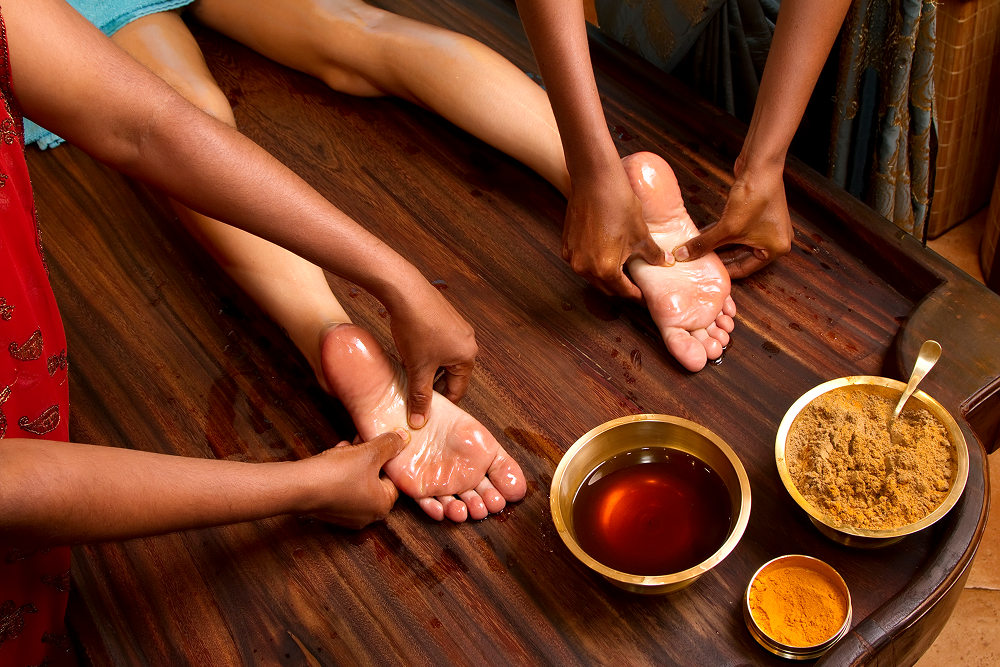
Abhyanga therapy is a traditional Ayurvedic oil-based therapy that may be included in certain treatment programmes. Warm herbal oils are applied using specific massage techniques according to Ayurvedic principles.

Abhyanga may be recommended as part of the preparatory phase of some Ayurvedic treatment programmes. It can also be used independently as part of a personalised wellness plan.

People searching for Ayurvedic massage Bangalore should understand that traditional Ayurvedic massage is different from a general relaxation massage. The oils, techniques, duration, and suitability are determined according to the individual’s health assessment.

Ayurvedic therapies should be selected according to individual needs rather than chosen simply because they are popular.

Shirodhara Therapy and Holistic Wellness

Shirodhara therapy is another classical Ayurvedic procedure that may be recommended as part of a personalised treatment plan. During the procedure, a continuous stream of warm liquid is gently directed over the forehead under professional supervision.

Shirodhara is not a replacement for dietary changes or medical treatment. When considered appropriate, it may complement a broader Ayurvedic approach that includes lifestyle guidance, nutrition, and other therapies.

A practitioner should first determine whether Shirodhara is suitable for the individual based on their health condition and treatment objectives.

Choosing an Ayurvedic Doctor Near Me

If you are searching online for an Ayurvedic doctor near me, it is important to look beyond location alone. The right practitioner should understand your health history, assess your individual constitution, and provide a treatment plan suited to your specific needs.

Before beginning an Ayurvedic detox programme, consider whether the practitioner:

  • Conducts a detailed consultation
  • Understands your existing health conditions and medications
  • Provides personalised dietary guidance
  • Explains the purpose of recommended therapies
  • Gives appropriate follow-up advice

Professional assessment is especially important when detoxification therapies or herbal medicines are being considered.

Ayurvedic Detox Diet in Bangalore

Interest in an Ayurvedic detox diet Bangalore programme has grown as more people look for structured approaches to nutrition and wellness. Bangalore’s busy lifestyle can make regular meals, adequate sleep, and healthy routines challenging for many people.

A personalised Ayurvedic diet can help individuals understand how their food choices, meal timing, digestion, and daily routine may influence overall well-being.

At Ayurhealing, dietary recommendations are not based on a generic detox chart. Instead, they are considered in the context of the individual’s constitution, digestion, lifestyle, and health requirements.

This approach helps make dietary changes more practical and sustainable.

How to Make an Ayurvedic Detox Diet Sustainable

A detox diet should not be treated as a temporary solution that is repeatedly followed whenever someone feels unhealthy. The more useful approach is to use the experience to develop sustainable habits.

After completing an appropriate programme, individuals may continue focusing on freshly prepared meals, balanced nutrition, adequate hydration, regular sleep, and mindful eating.

It is also important to return to regular eating gradually rather than immediately consuming heavy or highly processed foods.

The purpose of an Ayurvedic diet is to encourage healthier long-term habits, not repeated extreme restriction.

When Should You Consult an Ayurvedic Practitioner?

An Ayurvedic consultation can be useful before starting a structured detox programme, especially if you have persistent digestive symptoms or an existing health condition.

You should seek professional guidance if you:

  • Have ongoing digestive problems
  • Take prescription medicines
  • Are pregnant or breastfeeding
  • Have a chronic health condition
  • Are considering Panchakarma
  • Want to use herbal medicines regularly

A qualified practitioner can determine whether an Ayurvedic detox programme is appropriate and help prevent unsuitable dietary restrictions or interactions with existing treatments.

Ayurhealing’s Approach to Ayurvedic Detoxification

At Ayurhealing, Ayurvedic care focuses on understanding the individual rather than applying a standard treatment to everyone. A consultation considers factors such as constitution, digestion, lifestyle, dietary patterns, and overall health before recommendations are made.

The approach may combine dietary guidance with appropriate Ayurvedic therapies depending on the patient’s requirements. Traditional procedures such as Abhyanga therapy, Shirodhara therapy, and Panchakarma may be considered when clinically appropriate.

This personalised approach allows patients to understand why a particular diet or therapy is being recommended and how it fits into their overall wellness plan.

Ayurvedic detoxification is most effective when it is personalised, professionally supervised, and supported by sustainable lifestyle changes.

Finding an Ayurvedic Hospital Near Me

When searching for an Ayurvedic hospital near me, patients should consider the quality of consultation and the qualifications of the practitioners rather than choosing a centre based solely on proximity.

A reputable Ayurvedic healthcare centre should provide a clear explanation of treatments, personalised recommendations, appropriate supervision, and follow-up care.

For people looking for the Best Ayurvedic hospital in Bangalore, Ayurhealing provides personalised Ayurvedic healthcare focused on traditional principles and individual patient requirements.

Conclusion

An Ayurvedic Detox Diet Plan is more than a temporary restriction on food. It is a personalised approach that combines appropriate nutrition, healthy digestion, lifestyle habits, and traditional Ayurvedic therapies when required.

A balanced Ayurvedic detox diet can emphasise freshly prepared foods, appropriate meal timing, simple preparations, and dietary choices suited to an individual’s constitution. When combined with professional guidance, it can become part of a broader approach to Ayurvedic wellness.

For individuals exploring Ayurvedic detox treatment in Bangalore, therapies such as Panchakarma, Abhyanga, and Shirodhara may be considered based on individual health needs. These treatments should always be performed under the guidance of qualified Ayurvedic practitioners.

At Ayurhealing, the focus is on personalised Ayurvedic healthcare rather than one-size-fits-all detox programmes. A professional assessment helps determine which dietary recommendations and traditional therapies are appropriate for each person.

FAQs

An Ayurvedic Detox Diet Plan is a personalised dietary approach based on Ayurvedic principles. It generally focuses on simple, freshly prepared foods, healthy digestion, appropriate meal timing, and lifestyle practices. The exact diet varies according to an individual's constitution and health needs.

Depending on the individual's requirements, an Ayurvedic diet may include warm, freshly prepared meals, cooked vegetables, suitable grains, seasonal foods, and easily digestible preparations. Specific foods should be selected according to individual constitution and digestive capacity.

No. Panchakarma is a structured Ayurvedic therapeutic programme, whereas an Ayurvedic detox diet primarily refers to dietary and lifestyle modifications. Panchakarma may include dietary recommendations as part of a broader supervised treatment programme.

A personalised Ayurvedic diet may support healthy digestion by emphasising appropriate foods, regular meal timing, and suitable lifestyle habits. However, persistent digestive symptoms should be evaluated by a qualified healthcare professional rather than managed through self-directed detox diets.

People seeking Ayurvedic detox treatment in Bangalore should choose a qualified Ayurvedic healthcare provider that offers professional consultations and personalised treatment plans. Ayurhealing provides Ayurvedic consultations and traditional therapies based on individual health requirements.

Ayurvedic Hair Regrowth Treatment in Bangalore: Natural Hair Restoration

Hair loss has become a common concern for people of all ages due to changing lifestyles, stress, pollution, nutritional deficiencies, and hormonal imbalances. If you are searching for ayurvedic hair loss treatment, Ayurveda offers a holistic approach that focuses on identifying the root cause rather than addressing hair fall alone. Whether you are looking for an Ayurvedic hair loss treatment in Bangalore, an ayurvedic medicine for hair loss, or natural ways to promote healthy hair growth, Ayurveda combines personalised herbal formulations, healthy lifestyle practices, and dietary guidance to support long-term scalp and hair health.

Understanding Hair Loss According to Ayurveda

In Ayurveda, healthy hair is considered a reflection of overall health. Hair growth depends on balanced nutrition, proper digestion (Agni), healthy blood circulation, and harmony among the three doshas-Vata, Pitta, and Kapha.

When these doshas become imbalanced, the body may show signs such as excessive hair fall, thinning hair, premature greying, dry scalp, or dandruff. Ayurveda focuses on restoring this balance through personalised treatment rather than applying the same solution to every individual.

Unlike temporary cosmetic approaches, Ayurveda aims to support healthy hair growth by improving overall wellness, digestion, nutrition, and lifestyle habits.

Healthy hair begins with a healthy body, making holistic care an important part of Ayurvedic treatment.

Common Causes of Hair Loss

Hair loss can occur for several reasons, and understanding the underlying cause is essential before beginning treatment.

Some common causes include:

  • Genetic factors
  • Hormonal changes
  • Nutritional deficiencies
  • Emotional stress
  • Irregular sleep
  • Poor scalp hygiene
  • Pollution and environmental exposure
  • Frequent chemical hair treatments
  • Certain medical conditions

Ayurvedic practitioners carefully evaluate these factors along with the individual’s body constitution before recommending an appropriate treatment plan.

A personalised diagnosis helps address the root cause of hair fall instead of focusing only on the visible symptoms.

Ayurvedic Hair Loss Treatment: A Holistic Approach

One of the key strengths of Ayurvedic hair loss treatment is its personalised approach. Instead of treating every case in the same way, Ayurvedic doctors assess the individual’s overall health, digestion, lifestyle, dietary habits, and dosha balance.

A treatment plan may include:

  • Personalised herbal formulations
  • Dietary recommendations
  • Lifestyle modifications
  • Scalp care
  • Stress management practices
  • Traditional Ayurvedic therapies
  • Regular follow-up consultations

The objective is to create a healthy internal environment that naturally supports stronger hair and healthier scalp function.

Ayurveda focuses on long-term hair health rather than providing temporary cosmetic solutions.

Ayurvedic Medicine for Hair Loss

Many people search for an Ayurvedic medicine for hair loss expecting a single solution. However, Ayurveda emphasises that treatment should be personalised.

Before recommending any herbal medicine, an Ayurvedic doctor evaluates:

  • Body constitution (Prakriti)
  • Dosha imbalance
  • Digestive health
  • Lifestyle habits
  • Stress levels
  • Sleep quality
  • Medical history

Based on this comprehensive assessment, herbal formulations may be prescribed according to the individual’s specific needs.

Some traditionally used Ayurvedic herbs include:

  • Bhringraj
  • Amla
  • Brahmi
  • Neem
  • Hibiscus
  • Guduchi

These herbs have been used in Ayurveda for centuries to support healthy scalp function and hair nourishment.

Herbal medicines should always be taken under the guidance of a qualified Ayurvedic practitioner to ensure safe and appropriate use.

Ayurvedic Medicine for Hair Fall

Hair fall is often one of the earliest signs that the body’s internal balance may be affected. Ayurveda views excessive hair fall as a symptom that requires a detailed evaluation rather than a quick solution.

An Ayurvedic medicine for hair fall is selected only after understanding the individual’s:

  • Age
  • Overall health
  • Dietary habits
  • Digestion
  • Lifestyle
  • Stress levels
  • Scalp condition

This personalised approach helps ensure that treatment supports both scalp health and overall well-being.

In addition to herbal support, Ayurvedic doctors often recommend dietary improvements and healthy routines that contribute to stronger hair growth over time.

Ayurvedic Remedy for Hair Loss

An Ayurvedic remedy for hair loss often combines several components rather than relying on medication alone.

Depending on the individual’s needs, recommendations may include:

Herbal Support

Traditional herbal formulations selected according to body constitution.

Nutritional Guidance

A balanced diet rich in essential nutrients that support healthy hair growth.

Healthy Daily Routine

Consistent sleep, hydration, and stress management practices that contribute to overall health.

Scalp Care

Appropriate Ayurvedic oils and personalised scalp care recommendations.

Lifestyle Modifications

Reducing factors that may contribute to hair fall, including unhealthy eating habits, excessive stress, and poor sleep quality.

This comprehensive approach is one of Ayurveda’s greatest strengths in supporting long-term hair health.

Ayurvedic Hair Growth Treatment

The goal of Ayurvedic hair growth treatment is not only to reduce hair fall but also to create an environment that supports healthy hair growth.

Ayurvedic practitioners focus on improving:

  • Healthy digestion
  • Nutrient absorption
  • Blood circulation
  • Scalp nourishment
  • Dosha balance
  • Overall physical health

By addressing these underlying factors, Ayurveda aims to promote stronger, healthier hair over time.

Unlike treatments that focus solely on the scalp, Ayurveda considers the entire body’s health because healthy hair growth depends on internal balance.

Ayurvedic Solution for Hair Fall

Many people searching for an Ayurvedic solution for hair fall are looking for sustainable results rather than temporary improvements.

Ayurveda encourages a comprehensive approach that combines:

  • Personalised consultation
  • Herbal formulations
  • Balanced nutrition
  • Stress management
  • Healthy lifestyle habits
  • Appropriate scalp care

This integrated philosophy helps support healthy hair while promoting overall wellness.

Consistency is an important part of Ayurvedic care, as long-term healthy habits often contribute to lasting results.

Ayurvedic Hair Fall Remedies

Traditional Ayurvedic hair fall remedies are designed to support healthy hair through a combination of internal and external care.

Common recommendations may include:

  • Herbal formulations prescribed by qualified doctors
  • Scalp nourishment using Ayurvedic oils
  • Healthy nutritional practices
  • Yoga and meditation to support stress management
  • Proper hydration
  • Regular sleep patterns
  • Gentle hair care routines

Rather than treating hair independently, Ayurveda recognises the close relationship between digestion, nutrition, emotional well-being, and healthy hair growth.

Supporting the body’s overall health is one of the most effective ways to maintain healthy hair according to Ayurvedic principles.

Lifestyle and Nutrition for Healthy Hair

Hair health is influenced by everyday habits. Ayurveda places significant emphasis on maintaining healthy routines that nourish both the body and scalp.

Simple practices such as eating freshly prepared meals, staying hydrated, managing stress, sleeping adequately, and avoiding excessive chemical exposure can help support healthy hair.

A balanced lifestyle also promotes proper digestion, which Ayurveda considers essential for delivering nutrients required for strong hair growth.

Healthy hair is often the result of consistent lifestyle choices rather than a single treatment or product.

Ayurveda and Dandruff Management

A healthy scalp plays an important role in maintaining strong and healthy hair. Dandruff, dryness, and scalp irritation can affect hair quality and may contribute to increased hair fall in some individuals. Ayurveda approaches scalp health by identifying underlying imbalances rather than focusing only on visible flakes.

Many people search for an Ayurvedic dandruff shampoo hoping for an immediate solution. While Ayurvedic shampoos containing traditional herbal ingredients may help maintain scalp cleanliness, Ayurveda recommends combining external hair care with internal health management. A qualified Ayurvedic practitioner may also advise dietary modifications, herbal formulations, and personalised scalp care based on your body constitution.

Healthy hair begins with a healthy scalp, making consistent scalp care an important part of Ayurvedic hair management.

Best Hair Regrowth Treatment According to Ayurveda

There is no single best hair regrowth treatment suitable for everyone because the causes of hair loss differ from person to person. Ayurveda recognises that factors such as stress, hormonal changes, nutritional deficiencies, poor digestion, and lifestyle habits all influence hair health.

A personalised treatment programme may include:

  • Herbal formulations
  • Scalp nourishment with Ayurvedic oils
  • Nutritional counselling
  • Lifestyle modifications
  • Stress management practices
  • Traditional Ayurvedic therapies when appropriate

Rather than promising overnight results, Ayurveda focuses on improving the body’s internal environment so that healthy hair growth can be naturally supported over time.

Consistency, personalised care, and healthy lifestyle habits are essential for long-term hair wellness.

Ayurvedic Hair Loss Treatment in Bangalore

As awareness of natural healthcare continues to grow, many individuals are choosing Ayurvedic hair loss treatment in Bangalore for a holistic approach to hair care.

At Ayurhealing, every consultation begins with a detailed assessment of your overall health rather than evaluating hair loss alone. Our Ayurvedic doctors examine your body constitution, digestion, nutrition, lifestyle, stress levels, scalp condition, and medical history before preparing an individualised treatment plan.

This personalised approach helps address the underlying factors that may be contributing to hair loss while supporting healthier hair growth through authentic Ayurvedic principles.

Traditional Ayurvedic Therapies for Hair Wellness

In addition to herbal medicines and lifestyle guidance, Ayurveda includes classical therapies that may be recommended depending on an individual’s health assessment.

Some therapies commonly integrated into personalised treatment plans include:

Shirodhara

Shirodhara is a classical Ayurvedic therapy in which warm herbal liquid is gently poured over the forehead under professional supervision. It may be recommended as part of a broader wellness programme to support relaxation and overall balance.

Abhyanga

Abhyanga involves the application of warm herbal oils using rhythmic massage techniques. It is often included within personalised Ayurvedic care to promote overall well-being and complement healthy lifestyle practices.

These therapies are always recommended after a detailed consultation and should be performed only by qualified Ayurvedic professionals.

Why Choose Ayurhealing?

Choosing the right healthcare provider is just as important as choosing the right treatment. At Ayurhealing, we believe every individual deserves personalised care based on authentic Ayurvedic principles.

Founded by Dr. Mini Nair, Ayurhealing offers holistic healthcare that focuses on identifying the root causes of health concerns while supporting long-term wellness. Every patient receives an individual consultation before any treatment is recommended.

Patients choose Ayurhealing because we provide:

  • Experienced Ayurvedic doctors
  • Personalised treatment plans
  • Authentic herbal formulations
  • Traditional Ayurvedic therapies
  • Lifestyle and dietary guidance
  • Holistic patient care
  • Evidence-informed Ayurvedic practice

Our goal is to help patients achieve healthier hair through comprehensive care that supports both scalp health and overall well-being.

Best Ayurvedic Hospital in Bangalore

If you are searching for the Best Ayurvedic Hospital in Bangalore, choosing a centre with experienced practitioners and personalised healthcare is essential.

At Ayurhealing, our treatment philosophy is based on classical Ayurveda while incorporating detailed patient assessments to develop customised treatment plans. Rather than offering standardised solutions, every recommendation is tailored to the individual’s constitution and wellness goals.

Our patient-centred approach has made Ayurhealing a trusted destination for individuals seeking holistic healthcare in Bangalore.

Ayurveda & Siddha Hospital Bangalore

Ayurhealing also serves patients looking for an Ayurveda & Siddha Hospital in Bangalore, providing access to both traditional healthcare systems under expert guidance.

Ayurveda and Siddha each have unique philosophies, and our experienced practitioners carefully evaluate every patient’s health before recommending the most appropriate treatment approach.

Whether your concern is hair loss, scalp health, lifestyle-related conditions, or overall wellness, our focus remains on personalised care and long-term health.

Healthy Hair Begins with Healthy Living

Ayurveda teaches that healthy hair reflects overall physical and mental well-being. Simple lifestyle practices can significantly support hair health, including:

  • Eating a balanced and nutritious diet
  • Staying well hydrated
  • Managing stress effectively
  • Getting adequate sleep
  • Following regular daily routines
  • Avoiding excessive heat and harsh chemical treatments
  • Seeking professional guidance for persistent hair loss

These healthy habits complement Ayurvedic treatment and contribute to stronger, healthier hair over time.

Good hair care begins with good overall health.

Conclusion

Hair loss can affect confidence and quality of life, but understanding its underlying causes is the first step towards effective management. Ayurvedic hair loss treatment focuses on restoring internal balance rather than addressing hair fall alone.

Through personalised herbal formulations, dietary guidance, healthy lifestyle practices, and traditional Ayurvedic therapies, Ayurveda supports healthier hair growth while promoting overall wellness.

If you are looking for Ayurvedic hair loss treatment in Bangalore, Ayurhealing offers personalised consultations led by experienced practitioners under the guidance of Dr. Mini Nair. Our holistic approach aims to improve scalp health, strengthen hair naturally, and support long-term well-being through authentic Ayurvedic care.

Healthy hair is the result of consistent care, balanced living, and personalised treatment tailored to your individual needs.

FAQs

The best Ayurvedic treatment depends on the underlying cause of hair loss. After assessing your body constitution, scalp condition, lifestyle, and overall health, an Ayurvedic doctor recommends a personalised treatment plan that may include herbal medicines, dietary guidance, and traditional therapies.

Ayurveda aims to support healthy hair by addressing factors such as nutrition, digestion, stress, and dosha imbalance. Personalised treatment plans help promote scalp health and may reduce hair fall over time when combined with healthy lifestyle practices.

Traditional Ayurvedic herbs such as Bhringraj, Amla, Brahmi, Neem, and Hibiscus are commonly included in personalised hair care programmes. These should be used only under the guidance of a qualified Ayurvedic practitioner.

The duration varies depending on the individual's health condition, the cause of hair loss, and consistency with treatment and lifestyle recommendations. Your Ayurvedic doctor will provide guidance based on your personalised treatment plan.

If you are looking for authentic Ayurvedic hair loss treatment in Bangalore, choose a trusted centre with experienced Ayurvedic doctors who provide personalised consultations and evidence-informed traditional care. Ayurhealing offers comprehensive treatment plans tailored to your individual hair and scalp health needs.

Ayurvedic Medicine for Herpes: Natural Support, Treatment & Care

Herpes can be physically uncomfortable and emotionally challenging, particularly when symptoms return repeatedly. People experiencing outbreaks may look beyond short-term symptom control and explore supportive approaches that consider their overall health. Ayurvedic medicine for herpes takes a holistic approach, focusing on individual health patterns, skin care, lifestyle, diet, stress management, and overall well-being. At Ayurhealing, Ayurvedic care is personalised according to each individual’s symptoms, body constitution, medical history, and general health. While herpes requires appropriate medical evaluation and cannot currently be considered permanently curable, Ayurveda may be used as supportive care to help manage symptoms and factors that can affect overall wellness.

Understanding Herpes and Why It Can Recur

Herpes is a viral infection caused by the herpes simplex virus (HSV). The two main types are HSV-1 and HSV-2. HSV-1 commonly causes oral herpes, including cold sores around the mouth, although it can also cause genital herpes. HSV-2 more commonly affects the genital area.

After the initial infection, the virus remains in the body in a dormant state and may reactivate at different times. Some people experience occasional outbreaks, while others may have more frequent episodes.

Common symptoms can include painful or uncomfortable blisters, itching, tingling, burning sensations, and skin irritation. Some people may also experience fever, body aches, or fatigue during an initial episode.

Factors such as illness, stress, inadequate sleep, and individual health circumstances may be associated with outbreaks in some people. Understanding these patterns can be useful when developing a comprehensive management plan.

Herpes is contagious, even in some situations where visible sores are absent. Professional medical diagnosis and appropriate precautions therefore remain important.

How Does Ayurveda Approach Herpes?

Ayurveda does not approach every person with the same treatment plan. Classical Ayurvedic practice evaluates the individual’s Prakriti (constitution), current dosha imbalance, digestion, lifestyle, diet, symptoms, and other health factors before recommending care.

From an Ayurvedic perspective, skin manifestations may be assessed in relation to imbalances involving the doshas and other functional principles described in traditional Ayurveda. Treatment is therefore personalised rather than based solely on the name of the condition.

Someone seeking Ayurvedic treatment for herpes in Bangalore may receive recommendations involving internal medicines, external applications, diet, daily routines, and other appropriate Ayurvedic procedures. The exact approach depends on the individual’s condition and should be determined by a qualified practitioner.

It is also important to distinguish supportive traditional care from antiviral treatment. Ayurvedic care should not be presented as eliminating HSV from the body or guaranteeing that outbreaks will never return.

Ayurvedic Medicine for Herpes and Personalised Care

There is no single Ayurvedic medicine for herpes that is suitable for every patient. Ayurvedic formulations are traditionally selected according to the individual’s symptoms, constitution, digestive health, dosha assessment, age, medical history, and other medicines being taken.

An Ayurvedic physician may consider herbal formulations traditionally used to support skin health, inflammatory balance, digestion, or general well-being. The choice, dose, duration, and method of administration need professional supervision.

This is especially important because herbal products can differ considerably in their ingredients and quality. They may also interact with prescription medicines or be unsuitable for people with certain medical conditions.

For this reason, individuals looking for Ayurvedic medicine for herpes in Bangalore should consult a qualified Ayurvedic physician instead of purchasing or combining herbal products based only on online recommendations.

Ayurvedic Treatments Used as Supportive Care

Ayurvedic Treatments for a person experiencing herpes-related symptoms may involve more than herbal medicines. Depending on the clinical assessment, a practitioner may recommend dietary changes, external applications, lifestyle modifications, and selected traditional procedures.

Internal Ayurvedic Support

Internal formulations are prescribed according to the patient’s individual assessment. Rather than simply choosing an herb associated with a particular symptom, an Ayurvedic doctor considers the broader health picture.

Treatment may focus on supporting digestion, maintaining general health, managing stress, and addressing the individual’s Ayurvedic imbalance. Prescriptions should always be individualised.

External Skin Care

During an outbreak, affected skin can become particularly sensitive. Appropriate hygiene and gentle skin care are important.

An Ayurvedic practitioner may recommend suitable external preparations in selected cases, but unknown oils, herbal pastes, or irritating substances should not be applied to active lesions without professional guidance. Keeping the affected area clean and following appropriate medical advice can reduce unnecessary irritation.

Panchakarma and Other Procedures

Some patients associate Ayurveda primarily with Panchakarma, but Panchakarma is not automatically appropriate for everyone with herpes. The decision depends on the person’s health, stage of symptoms, strength, constitution, and physician’s assessment.

A qualified doctor should determine whether any specialised Ayurvedic procedure is suitable and when it should be performed.

Diet and Lifestyle Support During Herpes Management

Ayurveda places considerable emphasis on Ahara (diet) and Vihara (lifestyle). These factors are relevant because overall health is influenced not only by medicine but also by daily routines.

A balanced diet built around nutritious, appropriately prepared foods can support general health. Patients may be advised to maintain regular meal times, stay adequately hydrated, and avoid dietary habits that worsen their individual digestive or health concerns.

No universally proven food plan eliminates herpes from the body. Therefore, excessively restrictive diets and claims that a particular food can “kill” HSV should be treated cautiously.

Sleep is equally important. Maintaining a consistent bedtime, getting adequate rest, exercising appropriately, and allowing time for recovery can support general physical and mental well-being.

Stress Management and Recurrent Herpes

Living with recurrent herpes can itself become a source of worry. Stress may also be associated with recurrence in some individuals, creating a difficult cycle in which anxiety about another outbreak affects overall well-being.

Ayurvedic lifestyle guidance may incorporate appropriate relaxation practices, yoga, breathing exercises, meditation, regular sleep, and structured daily routines. These approaches can form part of a broader stress-management plan.

Managing stress does not remove the herpes virus, but supporting mental and physical well-being can be an important part of comprehensive care.

Patients experiencing persistent anxiety or significant emotional distress related to herpes should also feel comfortable discussing this with an appropriate healthcare professional.

When Should You Consult an Ayurvedic Doctor?

A first episode of suspected herpes should be medically evaluated because several skin conditions can cause similar-looking sores. Testing can help establish an accurate diagnosis and guide treatment.

People with severe symptoms, widespread lesions, eye symptoms, pregnancy, reduced immunity, significant pain, difficulty urinating, or unusual or persistent symptoms should seek prompt conventional medical care.

Once the diagnosis and immediate medical needs are addressed, patients interested in complementary care can discuss Ayurveda with qualified practitioners.

When searching for an Ayurvedic doctor near me, experience, qualifications, proper assessment, hygiene standards, and responsible medical communication should matter more than promises of a quick cure.

Ayurvedic Treatment for Herpes in Bangalore

People living in a busy city such as Bangalore may find that long working hours, irregular eating habits, inadequate sleep, and everyday stress make maintaining a consistent wellness routine difficult. Personalised guidance can help individuals establish healthier habits while managing a recurring condition.

At Ayurhealing, the approach to Ayurvedic treatment for herpes in Bangalore begins with a detailed consultation. The physician considers symptoms, previous episodes, lifestyle, diet, medical history, current medication, and Ayurvedic constitution before recommending suitable supportive care.

If you are searching for an Ayurvedic doctor for herpes in Bangalore, choosing a centre that recognises both the possibilities and limitations of Ayurveda is particularly important. Responsible Ayurvedic care should complement appropriate medical management rather than encourage patients to discontinue necessary antiviral treatment.

Choosing the Right Ayurvedic Hospital in Bangalore

Searches such as Best Ayurvedic doctor in Bangalore, Best Ayurvedic hospital in Bangalore, and Ayurveda hospital near me often appear when people want accessible, personalised traditional healthcare.

Rather than relying solely on claims such as “best,” patients should evaluate whether the hospital provides qualified doctors, individual consultations, clear treatment explanations, appropriate follow-up, and responsible prescribing practices.

An Ayurveda and Siddha hospital may provide access to traditional systems of medicine under one roof. However, the appropriate system and treatment should depend on the patient’s clinical needs rather than assumptions that one therapy works for everyone.

At Ayurhealing, the objective is to provide individualised Ayurvedic care while encouraging patients to make informed decisions about their health.

Can Ayurveda Help Manage Herpes Symptoms?

Can Ayurveda help manage herpes symptoms? Ayurveda may be considered as complementary or supportive care for aspects such as general wellness, lifestyle, stress management, and individual symptoms under professional supervision.

However, patients need realistic expectations. Current medical knowledge does not support claims that Ayurveda can permanently eradicate HSV from the body.

Conventional antiviral medicines can be important for treating outbreaks and, in some patients, reducing recurrence or transmission risk. Anyone already taking prescribed antiviral medication should not stop or replace it without discussing the decision with their treating healthcare professional.

The safest approach is coordinated care that prioritises accurate diagnosis, appropriate medical treatment, and responsible complementary support.

Conclusion

Living with herpes does not mean that every outbreak has to be managed without a broader health plan. Alongside appropriate medical care, improving sleep, managing stress, maintaining healthy routines, eating a balanced diet, and receiving personalised professional guidance can support overall well-being.

Ayurvedic medicine for herpes is best understood as part of an individualised supportive approach rather than a guaranteed method of eliminating the virus. At Ayurhealing, Ayurvedic assessment considers the person’s symptoms, constitution, lifestyle, diet, and general health before suitable recommendations are made.

For those searching for Ayurvedic treatment for herpes in Bangalore, an Ayurvedic doctor near me, or an Ayurveda hospital near me, choosing qualified practitioners and maintaining realistic expectations are essential. A responsible approach combines the strengths of personalised traditional care with appropriate modern medical diagnosis and treatment, helping patients manage their health safely and confidently.

FAQs

There is currently no established permanent cure for herpes simplex virus. Ayurveda may be used as supportive care for general health, lifestyle management, stress, and selected symptoms, but it should not be presented as a guaranteed cure.

There is no single Ayurvedic medicine that is best for everyone. Treatment depends on symptoms, constitution, health history, age, digestion, other medical conditions, and current medications. A qualified Ayurvedic physician should therefore prescribe Ayurvedic medicine for herpes.

Complementary Ayurvedic care may sometimes be used alongside conventional treatment, but your healthcare professionals should know about all medicines and herbal products you take. This helps reduce the risk of interactions and inappropriate treatment.

Patients seeking Ayurvedic treatment for herpes in Bangalore can consult qualified Ayurvedic practitioners who provide individual assessment, personalised treatment planning, lifestyle guidance, and appropriate follow-up. Ayurhealing offers consultations for patients interested in supportive Ayurvedic care.

Seek prompt medical care for severe or rapidly worsening symptoms, herpes symptoms involving the eyes, significant difficulty urinating, symptoms during pregnancy, or outbreaks in people with weakened immune systems. A first suspected outbreak should also be professionally assessed.