Most Effective Ayurvedic Treatments for Pain, Detox & Wellness – Complete Practitioner Guide

If you have ever typed ‘What are the most effective Ayurvedic treatments’ into a search engine, you already know that the results are often overwhelming – and frequently contradictory. As a system of medicine with over 5,000 years of clinical tradition, Ayurvedic treatments span a vast and sophisticated range of therapeutic interventions: from classical herbal formulations and full-body oil therapies to deep detoxification programmes and highly personalised dietary protocols. At Ayurhealing, the best Ayurvedic clinic in Bangalore, our physicians work with this full spectrum of Ayurvedic medicine every day – and this guide is written from that lived clinical experience.

This is not a generic wellness article. It is a practitioner’s honest, detailed answer to the question of how effective Ayurvedic medicines and treatments really are, which conditions they address best, what the list of Ayurvedic treatments looks like in clinical practice, and what patients in Bangalore and beyond should realistically expect when they seek Ayurvedic treatment near me. We will also address – with equal honesty – the disadvantages of Ayurvedic medicine, because informed patients make better decisions and achieve better outcomes.

How Effective Are Ayurvedic Medicines? Setting Realistic Expectations

This is the first question any responsible practitioner should address. The honest answer is: Ayurvedic medicine is highly effective for the right conditions, in the right patients, when delivered with clinical rigour and genuine individualisation. It is not a panacea. It is not effective for every condition. And it is not a replacement for emergency medicine, surgery, or acute pharmaceutical intervention where those are genuinely indicated.

Where effective Ayurvedic treatment consistently excels is in the management and reversal of chronic conditions – the vast category of disorders that develop slowly over time and involve systemic imbalance rather than a single, isolatable pathology. These include digestive disorders, autoimmune conditions, hormonal imbalances, chronic pain, metabolic diseases, neurological conditions, skin disorders, and psychological complaints such as anxiety and chronic stress.

The reason most effective Ayurvedic medicine performs so well in these areas is precisely that it does not attempt to suppress a single symptom with a single drug. Instead, it works by correcting the underlying constitutional imbalance, clearing the toxins (Ama) that accumulate in the tissues over time, restoring digestive fire (Agni), nourishing depleted tissues, and supporting the body’s self-regulatory capacity. This comprehensive, root-cause approach is what chronic disease requires – and what symptom-focused pharmaceutical medicine often struggles to provide.

What Conditions Respond Best to Ayurvedic Treatment?

  • Chronic digestive disorders: IBS, acid reflux, chronic constipation, Crohn’s disease, ulcerative colitis – conditions where gut microbiome health, digestive enzyme function, and mucosal integrity are central
  • Autoimmune and inflammatory conditions: Rheumatoid arthritis, psoriasis, eczema, ankylosing spondylitis – where systemic inflammation driven by doshic imbalance and Ama accumulation is the primary mechanism
  • Metabolic disorders: Type 2 diabetes, obesity, dyslipidaemia, metabolic syndrome – where diet, lifestyle, and constitutional factors are primary drivers
  • Neurological and psychological conditions: Anxiety, depression, insomnia, chronic stress, early-stage neurodegenerative conditions, and post-stroke rehabilitation
  • Musculoskeletal disorders: Chronic back pain, sciatica, cervical spondylosis, osteoarthritis, disc prolapse – where Vata aggravation and tissue degeneration are the underlying mechanisms
  • Hormonal and reproductive disorders: PCOS, hypothyroidism, infertility, endometriosis, menopausal symptoms
  • Respiratory conditions: Allergic rhinitis, chronic sinusitis, asthma, recurrent respiratory infections
  • Skin disorders: Acne, vitiligo, chronic urticaria, hyperpigmentation – where blood purification and liver support are essential

The Complete List of Ayurvedic Treatments: What Is Available in Clinical Practice

When patients ask for a list of Ayurvedic treatments, they are often surprised by the breadth and sophistication of what is available. Ayurveda is not simply herbal medicine – it is a complete medical system with its own surgery, pharmacology, psychology, toxicology, and therapeutic protocols. Here is a comprehensive overview of the treatment modalities available at Ayurhealing, the best Ayurvedic treatment in Bangalore.

Panchakarma: The Five Purification Procedures

Panchakarma is the pinnacle of Ayurvedic therapeutic intervention – a systematic, medically supervised detoxification and rejuvenation programme. Panchakarma is widely considered the most effective Ayurvedic treatment for deep-seated chronic conditions because it eliminates Ama from the body’s tissues at a level that diet and herbal medicine alone cannot reach. The five classical procedures are:

  • Vamana (therapeutic emesis): Medically controlled vomiting using herbal preparations – the primary treatment for Kapha-dominant conditions, including respiratory disorders, obesity, skin diseases, and chronic sinus congestion. Vamana eliminates excess Kapha from the stomach and lungs
  • Virechana (therapeutic purgation): Herbal laxative therapy targeting the small intestine and liver – the definitive Pitta-pacifying procedure used for inflammatory skin conditions, liver disorders, hormonal imbalances, acid-related conditions, and systemic Pitta excess
  • Vasti (medicated enema): Classified as the king of all Panchakarma procedures, Vasti introduces medicated oils or herbal decoctions via the colon to eliminate Vata from its primary seat. It is the most powerful treatment for all Vata disorders, including chronic pain, neurological conditions, disc problems, constipation, and degenerative conditions
  • Nasya (nasal administration): Medicated oils, herbal preparations, or powders are administered through the nasal passage – the gateway to the brain and central nervous system. Used for all conditions of the head, neck, and sense organs, including sinusitis, migraines, cognitive decline, hair loss, and neurological conditions
  • Raktamokshana (bloodletting): Classical blood purification techniques – including leech therapy (Jalaukavacharana) – used for specific skin conditions, gout, localised inflammatory conditions, and disorders of blood toxicity

Kerala External Therapies: The Keraliya Chikitsa Tradition

The Kerala tradition of Ayurveda developed an extraordinary range of external therapies – the Kerala Ayurvedic treatment in Bangalore that Ayurhealing offers encompasses the full classical repertoire:

  • Abhyanga: Full-body warm medicated oil massage performed with precise stroke direction and therapeutic intent – foundational to virtually all treatment programmes. Nourishes the tissues, calms the nervous system, improves lymphatic circulation, and prepares the body for deeper Panchakarma procedures
  • Shirodhara: Continuous gentle stream of warm medicated oil over the forehead – one of the most powerful natural treatments available for stress, anxiety, insomnia, hypertension, and psychosomatic disorders. The direct neurological calming effect of Shirodhara is without parallel in any other medical system
  • Kati Basti: Warm medicated oil retained in a dough ring over the lower back – the signature treatment for disc disorders, lumbar spondylosis, and chronic low back pain. Deeply penetrates the lumbar muscles, intervertebral discs, and spinal nerves
  • Greeva Basti: The cervical equivalent of Kati Basti – warm oil pooled over the neck for cervical spondylosis, upper back pain, and neck stiffness
  • Navarakizhi: Bolus massage using cooked Navara rice in medicated milk – deeply nourishing for the nervous system and muscles. Used for neuromuscular conditions, paralysis, muscular dystrophy, and degenerative disorders
  • Pizhichil: Continuous pouring of warm medicated oil over the body with synchronised massage – the royal treatment for severe Vata disorders, paralysis, and deep rejuvenation
  • Pathrapotala Sweda: Sweating therapy using boluses of fresh medicinal leaves – highly effective for arthritis, joint pain, and musculoskeletal conditions
  • Tharpanam (Akshi Tarpana): Medicated ghee retained around the eyes – used for dry eyes, eye strain, deteriorating vision, and digital eye syndrome
  • Udwartana: Vigorous dry herbal powder massage that reduces Kapha, breaks down subcutaneous fat, and stimulates lymphatic drainage – one of the most effective Ayurvedic treatments for obesity and weight management

Herbal Medicine: The Ayurvedic Medicine List with Disease Indications

A complete Ayurvedic medicine list with disease indications would fill several volumes – the classical texts describe thousands of formulations. Here is a clinically curated overview of the most important and most effective Ayurvedic medicines used at Ayurhealing for specific conditions:

  • Maharasnadi Kwatha: The premier classical formulation for Vata disorders – chronic pain, arthritis, sciatica, and neurological conditions
  • Yogaraj Guggulu: A guggulu-based anti-inflammatory and detoxifying formulation for arthritis, joint pain, and metabolic conditions
  • Triphala Churna: The most versatile Ayurvedic formulation – digestive tonic, gentle detoxifier, and rejuvenative, beneficial for virtually all conditions and constitutions
  • Ashwagandha (Withania somnifera): The premier adaptogen for stress, fatigue, hormonal imbalance, low immunity, and neuromuscular weakness
  • Brahmi (Bacopa monnieri): The foremost brain and nerve tonic – for cognitive function, anxiety, memory, and neurological health
  • Chandraprabha Vati: Classical formulation for urinary, reproductive, and metabolic health – particularly effective for diabetes, UTIs, and kidney conditions
  • Dhanwantharam Kashayam: A classical Kerala formulation for musculoskeletal disorders, Vata conditions, and post-natal care
  • Shatavari (Asparagus racemosus): The primary female reproductive tonic – for PCOS, hormonal imbalance, fertility, and menopausal support
  • Arogyavardhini Vati: A liver and metabolic tonic – used for fatty liver, skin disorders, and metabolic syndrome
  • Kanchanara Guggulu: The classical formulation for thyroid disorders, PCOS, lymphatic congestion, and cystic conditions

Siddha Hospitals in Bangalore: Understanding a Related Healing Tradition

Many patients searching for Ayurvedic treatment near me in Bangalore also encounter references to Siddha medicine – and reasonably want to understand how it differs from Ayurveda and where Siddha hospitals in Bangalore fit into the picture.

Siddha medicine is one of India’s oldest classical medical systems, originating in the Tamil-speaking South and closely associated with the enlightened Siddhar physicians who are believed to have systematised this knowledge thousands of years ago. Like Ayurveda, Siddha medicine works with the concept of three humours (Vatam, Pittam, Kapham) and the five elements, but it has developed its own distinctive pharmacopoeia, diagnostic methods, and therapeutic approach.

Siddha medicine is particularly known for its sophisticated use of purified metals and minerals – mercury, sulphur, gold, and various metallic compounds – processed through elaborate classical methods. It is also distinguished by its unique diagnostic methods, including detailed examination of the urine and its own version of pulse diagnosis.

While Ayurhealing is primarily an Ayurvedic centre, our physicians are knowledgeable about the Siddha tradition and draw on relevant Siddha herbal wisdom where appropriate – particularly in our use of South Indian medicinal plants with strong Siddha clinical histories. For patients specifically seeking a dedicated Siddha hospital in Bangalore, we are happy to provide appropriate guidance and referrals to qualified Siddha practitioners in the city.

The Honest Answer: Disadvantages of Ayurvedic Medicine

Any practitioner who tells you that Ayurvedic medicine has no limitations is not being honest with you. At Ayurhealing, we believe that informed patients make the best decisions – and that means discussing the disadvantages of Ayurvedic medicine with the same candour with which we discuss its strengths.

Genuine Limitations to Be Aware Of

  • Time requirement: Ayurvedic treatment for chronic conditions requires time and patient commitment. Unlike a course of antibiotics that resolves a bacterial infection in 7 to 10 days, Ayurvedic treatment for conditions that have developed over years typically requires weeks to months of consistent effort. Patients who expect rapid symptom suppression may find this challenging
  • Not appropriate for emergencies: Ayurveda is not emergency medicine. Acute infections requiring antibiotics, cardiac events, traumatic injuries, and surgical emergencies require conventional medical intervention. Ayurveda’s strength lies in chronic disease management and prevention – not acute crisis care
  • Quality and regulation variability: The Ayurvedic supplement market is poorly regulated in many countries, and products of variable quality – or products adulterated with heavy metals or undisclosed pharmaceutical compounds – do exist. This makes it essential to seek treatment from qualified, reputable practitioners rather than purchasing products without professional guidance
  • Requires lifestyle commitment: The most effective Ayurvedic treatment programmes require active patient participation – dietary changes, daily routine modifications, and consistent lifestyle practices. Patients who are unwilling or unable to make these changes will see limited results
  • Not a replacement for certain medications: Patients on insulin for Type 1 diabetes, immunosuppressants for organ transplants, or medications for serious psychiatric conditions should not discontinue these without careful medical supervision. Ayurveda can work alongside these treatments – but not always as a replacement
  • Requires skilled prescribing: The individualised nature of Ayurveda is its greatest strength – but it also means that poorly prescribed treatment will be ineffective or, in rare cases, harmful. Seeking the best Ayurvedic clinic in Bangalore or a reputable Ayurvedic treatment near me is not optional – it is essential

These limitations acknowledged, it is equally important to state clearly: when practised with genuine clinical skill and appropriate patient selection, Ayurvedic treatment produces outcomes for chronic disease that conventional medicine frequently cannot match. The key is knowing when to use which system – and having the wisdom and honesty to recommend the right approach for each patient. This is the standard of care at Ayurhealing.

What Are the Best Ayurvedic Treatments? A Condition-by-Condition Guide

For patients wondering specifically what the best Ayurvedic treatments are for their particular condition, here is a clinically grounded, condition-by-condition overview based on the experience of our physicians at Ayurhealing:

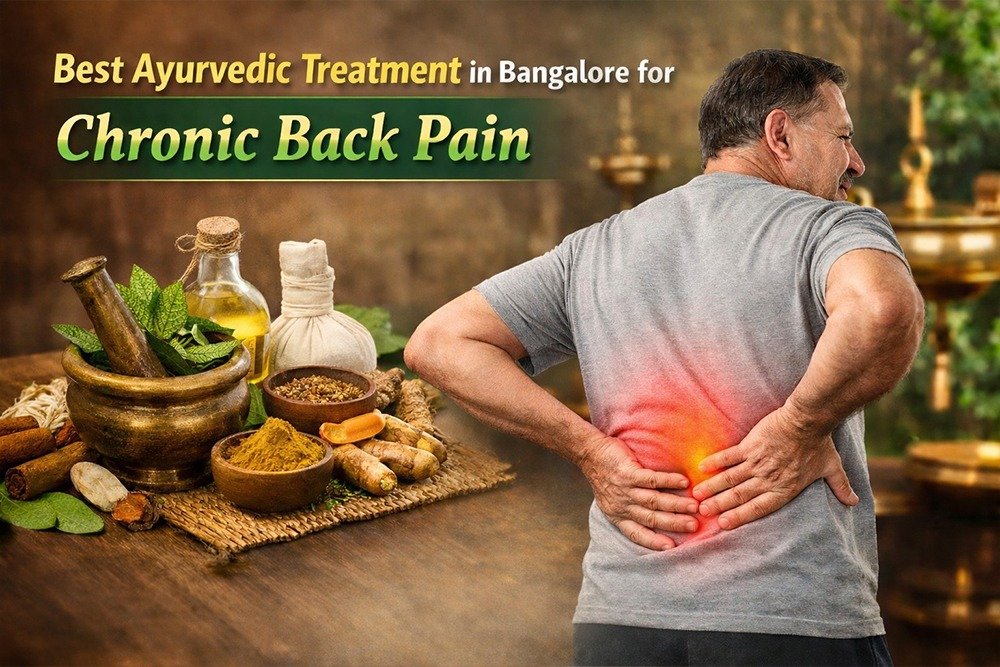
For Chronic Back Pain and Musculoskeletal Disorders

  • Most effective: Kati Basti, Panchakarma Vasti, Navarakizhi, Abhyanga with Vata-pacifying oils
  • Best effective Ayurvedic medicine: Maharasnadi Kwatha, Yogaraj Guggulu, Dhanwantharam Kashayam, Sahacharadi Tailam
  • Timeline: Significant relief typically within 7 to 21 days of intensive treatment; complete management within 3 months

For Stress, Anxiety, and Insomnia

  • Most effective: Shirodhara, Abhyanga, Nasya, Panchakarma Vasti
  • Best effective Ayurvedic medicine: Ashwagandha, Brahmi, Jatamansi, Shankhapushpi, Tagara
  • Timeline: Noticeable improvement in sleep and stress levels within 2 to 4 weeks; sustained improvement with a 3-month programme

For Digestive Disorders

  • Most effective: Virechana (Panchakarma), dietary correction, Agni restoration protocols
  • Best effective Ayurvedic medicine: Triphala, Hingwashtaka Churna, Avipattikar Churna, Kutajarishta
  • Timeline: Acute symptoms often resolve within 2 to 4 weeks; underlying constitutional correction within 3 to 6 months

For Skin Disorders

  • Most effective: Virechana, Raktamokshana, Takradhara, blood-purifying herbal protocols
  • Best effective Ayurvedic medicine: Manjishthadi Kwatha, Arogyavardhini Vati, Khadirarishta, Neem preparations
  • Timeline: Inflammatory skin conditions often show improvement within 4 to 8 weeks; chronic conditions such as psoriasis require 3 to 6 months

For Diabetes and Metabolic Disorders

  • Most effective: Panchakarma (Virechana and Vasti), Udwartana for weight management, dietary correction
  • Best effective Ayurvedic medicine: Chandraprabha Vati, Nishamalaki, Karela preparations, Gurmar (Gymnema sylvestre)
  • Timeline: Measurable improvement in fasting blood sugar within 8 to 12 weeks; HbA1c improvement within 3 to 6 months

Why Ayurhealing Is the Right Choice for Ayurvedic Treatment in Bangalore

When you search for Ayurvedic treatment near me or the best Ayurvedic treatment in Bangalore, the quality of care you receive depends entirely on the clinical expertise, authenticity of practice, and genuine commitment to your well-being of the practitioners you choose. At Ayurhealing, these are not aspirational values – they are the day-to-day reality of how we practise.

  • Experienced physicians: Our senior Ayurvedic doctors bring decades of combined clinical experience in both classical Ayurvedic medicine and the management of complex modern chronic diseases
  • Full clinical range: From initial consultation and herbal prescriptions to full Panchakarma programmes and the complete range of Kerala Ayurvedic treatments in Bangalore – everything is available under one roof
  • Authentic preparations: All herbal formulations and medicated oils are sourced from trusted, GMP-certified manufacturers – never generic or sub-standard products
  • Genuine individualisation: Every patient receives a treatment plan built around their unique constitution, current imbalance, and health goals – not a standardised package
  • Integrative care: We work collaboratively with patients’ conventional medical teams, monitor clinical parameters throughout treatment, and maintain transparent, honest communication at every stage
  • Patient education: We invest in helping patients understand their condition and their treatment – because an educated patient is a healing patient

Conclusion: Choose Effective Ayurvedic Treatment with Confidence

The question of what the most effective Ayurvedic treatments are does not have a single answer, because effectiveness in Ayurveda is always contextual. The most effective treatment is the one that is precisely matched to the individual patient’s constitution, condition, digestive capacity, and life circumstances. This is the art and science of Ayurvedic medicine at its finest – and it is what distinguishes genuine clinical practice from generic wellness.

At Ayurhealing, the best Ayurvedic clinic in Bangalore, we bring this standard of care to every patient we see. Whether you are considering Kerala Ayurvedic treatment in Bangalore, a full Panchakarma programme, targeted herbal medicine, or simply want an expert assessment of how Ayurveda can help your specific condition, our team is here to provide honest, skilled, and genuinely individualised guidance.

Your health deserves the depth and precision of authentic Ayurvedic treatments. Book your consultation at Ayurhealing today – and experience what it means to be truly seen, truly heard, and truly healed.
FAQs

Ayurvedic medicine is highly effective for chronic conditions like digestive issues, pain, and hormonal imbalance, as it targets root causes. However, conventional medicine is better for emergencies and acute conditions.

Effective Ayurvedic treatments for chronic pain include Kati Basti, Panchakarma, Navarakizhi, and herbal medicines. These therapies help manage back pain, sciatica, and arthritis naturally.

Yes, Siddha hospitals in Bangalore offer treatment for conditions like skin and metabolic disorders. Some Ayurvedic centers also integrate Siddha-based herbal approaches.

Ayurveda requires time, lifestyle changes, and patient commitment. It is less suitable for emergency or surgical conditions, and results may take weeks or months.

Consult a qualified Ayurvedic doctor for personalized treatment based on your body type and condition. Avoid self-medication and choose clinics offering proper diagnosis and customized therapies.

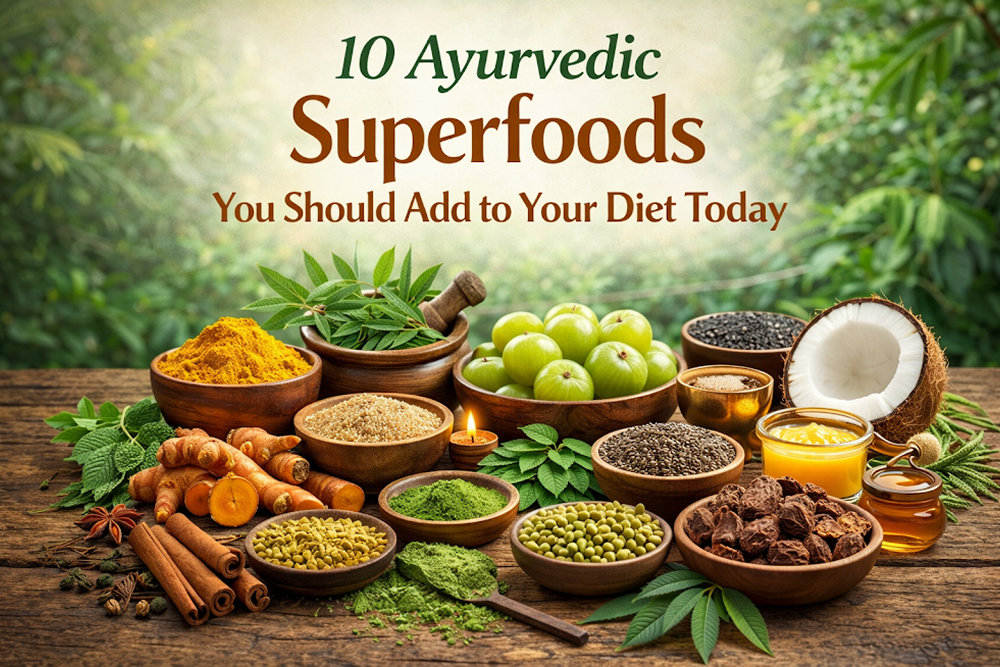
10 Ayurvedic Superfoods You Should Add to Your Diet Today

Modern lifestyles have made people more conscious about what they eat and how food affects their overall well-being. Across the world, more individuals are rediscovering the wisdom of Ayurveda Treatment, an ancient Indian system of holistic health that emphasizes balance in diet, lifestyle, and mind. One of the most effective ways to improve health, according to Ayurveda, is by incorporating nutrient-dense superfoods into your daily routine.

If you are looking for simple ways to improve energy, digestion, immunity, and long-term health, learning about “10 Ayurvedic Superfoods You Should Add to Your Diet Today” is a great place to start. These foods have been used for centuries in Ayurvedic traditions and are known to support digestion, strengthen immunity, and help manage lifestyle diseases naturally.

At Ayurhealing, Ayurvedic doctors often emphasize the importance of food as the first step toward healing. According to Ayurvedic philosophy, food is not merely fuel; it is medicine that shapes the body and mind.

Understanding Ayurveda and the Importance of Food

Ayurveda teaches that every individual has a unique constitution called Prakriti, which is governed by three energies known as Vata, Pitta, and Kapha doshas. The food we eat directly influences these doshas, affecting digestion, metabolism, immunity, and mental clarity.

A balanced Ayurvedic diet food list typically includes fresh vegetables, whole grains, herbs, spices, and nutrient-rich superfoods that nourish the body without creating toxins (known as Ama). When digestion is strong and food is chosen wisely, the body maintains natural balance.

One of the most powerful principles of Ayurveda is simple:
When digestion improves, health improves automatically.

What Are the Superfoods in Ayurveda?

When people ask, What are the superfoods in Ayurveda? the answer goes far beyond trendy health foods. Ayurvedic superfoods are ingredients that have been used for centuries because of their ability to nourish tissues, improve digestion, strengthen immunity, and support long-term vitality.

Unlike modern superfood trends, Ayurvedic superfoods are deeply rooted in traditional dietary practices. They are often included in everyday Ayurvedic food recipes and seasonal meal plans. These foods are rich in antioxidants, essential nutrients, and healing properties that help the body adapt to stress and prevent chronic illness.

Best Ayurvedic Superfoods to Include in Your Daily Diet

1. Turmeric – The Golden Healer

Turmeric is one of the most celebrated herbs in Ayurveda. Known for its anti-inflammatory and antioxidant properties, turmeric supports immune health, digestion, and joint function.

Benefits of turmeric:

  • Helps reduce inflammation
  • Supports liver detoxification
  • Improves digestion
  • Strengthens immunity

Many Ayurvedic doctors recommend adding turmeric to warm milk, soups, or vegetable dishes for daily health support.

2. Amla (Indian Gooseberry)

Amla is considered one of the most powerful rejuvenating foods in Ayurveda. It is extremely rich in vitamin C and supports immunity, digestion, and skin health.

Regular consumption of amla helps balance all three doshas and supports healthy aging. Amla juice, powders, and chutneys are commonly used in Ayurvedic diet food lists for maintaining vitality.

3. Ghee – The Ayurvedic Superfood Fat

Contrary to common misconceptions, ghee is highly valued in Ayurveda as a nourishing fat. When used in moderation, it improves digestion, supports brain health, and enhances nutrient absorption.

Ghee is considered one of the best foods as per Ayurveda because it:

  • Supports healthy digestion
  • Nourishes body tissues
  • Improves memory and concentration
  • Balances Vata and Pitta doshas

4. Mung Beans

Mung beans are considered one of the easiest legumes to digest. They are often used in Ayurvedic cleansing diets and simple meals like khichdi, a traditional Ayurvedic dish.

Because of their light and nourishing qualities, mung beans are often included in diet charts according to Ayurveda.

5. Ashwagandha

Ashwagandha is a powerful adaptogenic herb used in Ayurveda to support stress management and overall vitality. Although often consumed as a herbal supplement, it is also considered a nourishing Ayurvedic superfood.

Regular use may support:

  • Energy and stamina
  • Stress reduction
  • Immune system strength

6. Dates

Dates are naturally sweet and nourishing, making them a valuable superfood in Ayurvedic diets. They provide quick energy and support blood health.

Dates are particularly beneficial for individuals experiencing fatigue, weakness, or low energy levels.

7. Sesame Seeds

Sesame seeds are rich in calcium, iron, and healthy fats. Ayurveda values them for their warming properties and their ability to strengthen bones and support digestion.

They are often used in chutneys, laddus, and various Ayurvedic food recipes.

8. Coconut

Coconut is a cooling food that balances excess heat in the body. Coconut water, coconut milk, and fresh coconut are widely used in Ayurvedic cuisine.

It supports hydration, digestion, and skin health.

9. Ginger

Ginger is one of the most important spices in Ayurvedic cooking. It stimulates digestion, improves circulation, and helps prevent toxin accumulation.

Many Ayurvedic practitioners recommend consuming a small amount of ginger before meals to stimulate digestive fire (Agni).

10. Triphala

Triphala is a traditional Ayurvedic blend made from three fruits. It is widely known for supporting digestion, detoxification, and gut health.

Triphala is often recommended in Ayurvedic wellness programs for gentle cleansing and improved metabolism.

Ayurveda Breakfast: Starting the Day the Right Way

Many people ask, “What is Ayurveda breakfast?” In Ayurveda, breakfast should be warm, nourishing, and easy to digest.

A healthy Ayurvedic breakfast may include foods such as:

  • Warm porridge with ghee and dates
  • Herbal tea with ginger or turmeric
  • Steamed fruits or lightly cooked vegetables

The goal is to start the day with foods that ignite digestion rather than overwhelm it.

Diet Chart According to Ayurveda

A typical diet chart according to Ayurveda focuses on balance rather than restriction. Meals are usually structured around seasonal foods and digestive strength.

An Ayurvedic day often follows this pattern:

  • Warm breakfast that supports digestion
  • A balanced lunch with grains, vegetables, and protein
  • A light dinner to prevent digestive overload

Many Ayurvedic doctors recommend eating the largest meal during midday when digestion is strongest.

7-Day Ayurvedic Meal Plan for Better Health

A 7-day Ayurvedic meal plan usually includes a variety of seasonal vegetables, whole grains, and spices that support digestion and detoxification.

The plan may include foods like:

  • Khichdi made with mung beans and rice
  • Vegetable stews with digestive spices
  • Herbal teas such as cumin-coriander-fennel tea

These meals help maintain digestive balance and support the body’s natural detox process.

Benefits of Superfoods in Lifestyle Diseases Management

Modern health challenges such as diabetes, obesity, hypertension, and digestive disorders are often described as lifestyle diseases. Ayurveda addresses these conditions by correcting diet, improving digestion, and balancing metabolism.

Including Best Ayurvedic Superfoods in daily meals may help:

  • Improve digestion and metabolism
  • Reduce inflammation
  • Strengthen immunity
  • Support healthy weight management
  • Improve energy and mental clarity

At Ayurhealing, dietary guidance is often one of the first steps recommended for patients managing chronic conditions.

Ayurveda strongly believes that the right food can prevent disease before it begins.

Why Ayurvedic Diets Are Gaining Popularity Worldwide

More people today are realizing that modern diets often lack balance and natural nourishment. Highly processed foods can weaken digestion and contribute to chronic illness.

Ayurvedic diets focus on:

  • Fresh, seasonal foods
  • Natural herbs and spices
  • Balanced meals
  • Mindful eating habits

These principles make Ayurveda highly relevant for modern health challenges.

How Ayurhealing Helps You Follow an Ayurvedic Diet

At Ayurhealing, doctors emphasize that every individual requires a personalized dietary approach. The right Ayurvedic diet food list depends on body constitution, health conditions, and lifestyle.

Patients often receive guidance on:

  • Choosing the best food as per Ayurveda
  • Planning balanced meals
  • Managing lifestyle diseases with diet
  • Creating sustainable eating habits

This personalized approach helps individuals build long-term health rather than relying on short-term diet trends.

Final Thoughts

Incorporating Ayurvedic superfoods into your diet is one of the simplest and most powerful steps toward better health. These time-tested ingredients nourish the body, strengthen digestion, and help maintain balance in everyday life.

If you are looking to improve your diet naturally, following Ayurvedic principles and consulting experts at Ayurhealing can help you build a lifestyle that supports long-term wellness.

FAQs

Ayurvedic superfoods include ingredients like turmeric, amla, ghee, ginger, sesame seeds, mung beans, and coconut. These foods support digestion, immunity, and overall health.

An Ayurvedic breakfast usually includes warm, nourishing foods such as porridge, herbal tea, cooked fruits, and light grains that are easy to digest.

The best foods according to Ayurveda are fresh, seasonal, and natural foods that support digestion and balance the doshas.

Yes, Ayurvedic superfoods may help manage lifestyle diseases by improving digestion, reducing inflammation, and supporting metabolic balance.

A 7-day Ayurvedic meal plan includes simple, balanced meals made with grains, vegetables, herbs, and spices that support digestion and overall wellness.

Natural Healing in Bangalore: Ayurvedic Medicine, Siddha, and Herbal Remedies

For thousands of years, humanity has turned to the natural world for healing – to plants, minerals, and the accumulated wisdom of physicians who understood that the body, when properly supported, has an extraordinary capacity to restore itself. Ayurvedic medicine: natural healing with Siddha, herbs, and remedies represents the fullest expression of this ancient tradition – a living, evolving system that is as relevant today as it was when it was first codified in the classical Indian texts. At Ayurhealing, the best Ayurvedic clinic in Bangalore, we bring this wisdom to life through authentic Ayurvedic treatments that combine classical herbal science, proven natural remedies, and the rich healing heritage of both Ayurveda and Siddha medicine.

Whether you are seeking relief from a chronic condition, looking to build long-term resilience, or simply curious about natural healing with Ayurveda, this blog offers a comprehensive guide to how these ancient systems work, what makes them effective, and why Ayurhealing is the trusted choice for those seeking the best Ayurvedic treatment in Bangalore, rooted in genuine tradition.

The Foundation of Ayurvedic and Natural Healing

To truly appreciate Ayurvedic and natural healing, it helps to understand the philosophical framework from which it emerges. Ayurveda – a Sanskrit term meaning ‘the science of life’ – is built on the principle that every human being is a unique expression of the five elements: earth, water, fire, air, and space. These elements combine to form three biological forces or doshas – Vata, Pitta, and Kapha – which govern every function of the body and mind.

Health, in this system, is not merely the absence of disease. It is a dynamic state of balance – between the doshas, between the individual and their environment, and between the physical body and the deeper layers of mind and consciousness. When this balance is disturbed – through poor diet, irregular lifestyle, emotional stress, seasonal changes, or constitutional vulnerability – disease arises. Ayurveda natural healing works by identifying the nature and location of this imbalance and correcting it through a combination of diet, herbal medicine, treatments, and lifestyle guidance.

This is the medicine that Ayurhealing practises – not a simplified or commercialised version of Ayurveda, but the genuine classical tradition, applied with rigour, compassion, and deep respect for each patient’s individuality.

What Makes Ayurvedic Medicine Distinctly Natural

The word ‘natural’ is used liberally in wellness marketing today, often without much meaning. In the context of Ayurvedic medicine, natural practice, however, has specific significance. Ayurvedic medicine is natural in a profound sense:

  • Plant-based pharmacopoeia: The vast majority of Ayurvedic medicines are derived from medicinal plants, many of which have been used continuously for thousands of years and are now validated by modern pharmacological research
  • Mineral and animal preparations: Classically prepared Ayurvedic medicines also include purified minerals (Bhasmas) and animal-derived substances, all processed according to classical methods to ensure safety and bioavailability
  • Whole-plant philosophy: Unlike pharmaceutical medicine, which isolates single active compounds, Ayurveda uses the whole plant – recognising that the synergistic action of multiple compounds is often more effective and safer than any single isolated constituent
  • Individualised prescribing: No two patients with the same diagnosis receive identical treatment, because no two patients have identical constitutions, digestive capacities, or life circumstances
  • Seasonal and ecological attunement: Ayurvedic medicine acknowledges that human health is inseparable from the rhythms of nature – and adjusts treatment accordingly

Siddha Medicine and Hospitals in Bangalore: A Sister Tradition

Alongside Ayurveda, Siddha medicine represents one of the world’s oldest living medical traditions. Originating in the Tamil-speaking regions of South India and closely associated with the Siddhar saints – enlightened physician-sages who are believed to have attained mastery over both the body and consciousness – Siddha medicine shares many philosophical foundations with Ayurveda while maintaining its own distinct identity, pharmacopoeia, and therapeutic approach.

Patients in Bangalore often enquire about Siddha hospitals in Bangalore when seeking alternatives to conventional medicine. It is worth understanding what Siddha medicine offers and how it relates to Ayurveda.

Key Characteristics of Siddha Medicine

  • Elemental framework: Like Ayurveda, Siddha medicine recognises five elements (Panchabhutas) and three humours – Vatam, Pittam, and Kapham – with distinct Tamil names and some variation in emphasis and interpretation
  • Extensive mineral pharmacopoeia: Siddha medicine is particularly well known for its sophisticated use of purified metals and minerals – mercury, sulphur, gold, and various metallic compounds – processed through elaborate classical methods to render them therapeutically potent and safe
  • Unique diagnostic methods: Siddha physicians use distinctive diagnostic tools, including examination of the urine (Mutra Pariksha), pulse diagnosis, and detailed observation of physical features
  • Herbal preparations: Siddha medicine draws on the rich botanical heritage of South India, using many herbs that overlap with the Ayurvedic pharmacopoeia alongside uniquely Siddha formulations
  • Spiritual dimension: The Siddhar tradition places particular emphasis on the integration of physical healing with spiritual development – the Siddhars viewed the perfection of the body as a vehicle for higher consciousness

At Ayurhealing, while our primary clinical tradition is classical Ayurveda, we draw on the wisdom of the Siddha tradition where relevant – particularly in our use of certain South Indian herbs and formulations that have a strong evidence base within the Siddha system. For patients specifically seeking Siddha hospitals in Bangalore, we can provide appropriate referrals to qualified Siddha practitioners.

Herbal Remedies and Natural Remedies in Ayurveda: The Green Pharmacy

The Ayurvedic medicine natural herbs tradition is arguably the most sophisticated and diverse herbal medical system in the world. The classical Ayurvedic texts describe thousands of medicinal plants, each with precisely documented properties, tastes (Rasas), potencies (Viryas), post-digestive effects (Vipakas), and specific therapeutic actions. This level of pharmacological sophistication – developed entirely through centuries of careful clinical observation – is genuinely remarkable.

Herbal remedies in Ayurveda are not folk cures or home remedies in the simplistic sense. They are the product of a rigorous, systematised medical tradition with its own epistemology, quality standards, and clinical protocols. At Ayurhealing, all herbal formulations are sourced from trusted, GMP-certified manufacturers and prescribed only after a thorough constitutional assessment.

The Most Powerful Ayurvedic Herbs and Their Healing Properties

Here is an overview of some of the most important and widely used herbs in the natural remedies in the Ayurveda tradition:

  • Ashwagandha (Withania somnifera): One of the most celebrated Ayurvedic adaptogens. Ashwagandha strengthens the nervous system, reduces cortisol and stress hormones, improves sleep quality, supports immune function, and enhances physical stamina. It is among the most extensively researched herbs in the world, with strong clinical evidence supporting its traditional uses
  • Turmeric (Curcuma longa): The golden spice of Ayurveda. Curcumin – turmeric’s primary active compound – is one of the most powerful natural anti-inflammatory agents known to science. Turmeric is used in Ayurveda for inflammatory conditions, liver health, skin disorders, digestive complaints, and as a general rejuvenative
  • Triphala: A classical Ayurvedic formulation combining three fruits – Amalaki (Indian gooseberry), Bibhitaki, and Haritaki. Triphala is the most widely used Ayurvedic herbal remedy in the world – a gentle, safe, and highly effective digestive tonic, detoxifier, and rejuvenative that benefits all three doshas
  • Brahmi (Bacopa monnieri): The pre-eminent Ayurvedic brain tonic. Brahmi enhances cognitive function, improves memory and learning, reduces anxiety, and protects the nervous system from oxidative stress. It has been used for centuries to support students, scholars, and anyone requiring heightened mental performance
  • Shatavari (Asparagus racemosus): The primary Ayurvedic herb for female reproductive health. Shatavari supports hormonal balance, fertility, and the health of the reproductive tissues – but is also a powerful general rejuvenative and immune tonic used by both men and women
  • Neem (Azadirachta indica): Bitter, cooling, and deeply purifying, Neem is Ayurveda’s premier blood-purifying herb. It is used for skin conditions, infections, parasitic disorders, blood sugar management, and oral health. Neem is one of the most pharmacologically active plants in the Ayurvedic pharmacopoeia
  • Ginger (Zingiber officinale): Both a food and a medicine, ginger is described in Ayurveda as the ‘universal medicine’ (Vishwabheshaja). It stimulates digestive fire, reduces nausea, relieves pain and inflammation, improves circulation, and supports respiratory health
  • Guggulu (Commiphora mukul): A resin with powerful anti-inflammatory, cholesterol-lowering, and detoxifying properties. Guggulu is used in classical Ayurveda for arthritis, obesity, cardiovascular health, skin disorders, and thyroid conditions
  • Amalaki (Emblica officinalis): The richest natural source of Vitamin C, with 20 times more bioavailable Vitamin C than an orange. Amalaki is the quintessential Ayurvedic rejuvenative herb, supporting immunity, skin health, digestion, and the health of all seven body tissues
  • Haridra (Turmeric) and Manjishtha: Two of the most important herbs for skin health in Ayurveda – used both internally and externally to treat pigmentation, rashes, acne, eczema, and dullness

Ayurvedic Treatments for Chronic Diseases: A Deeper Approach

One of the areas where Ayurvedic treatments for chronic diseases most clearly demonstrates its value is in conditions that conventional medicine struggles to resolve – autoimmune disorders, chronic pain, metabolic diseases, neurological conditions, and complex digestive disorders. These are conditions that develop over years, involve multiple body systems, and resist the kind of targeted single-drug interventions that work well for acute infections or structural problems.

The reason Ayurvedic treatments are particularly effective for chronic conditions lies in the comprehensiveness of the approach. Rather than targeting a single mechanism or pathway, Ayurveda addresses the entire internal environment – clearing toxins through Panchakarma, restoring digestive function, correcting doshic imbalance, nourishing depleted tissues, and supporting the body’s self-regulatory capacity. This multi-level intervention is precisely what chronic disease requires.

Chronic Conditions Successfully Addressed Through Ayurvedic Treatment

  • Autoimmune and inflammatory conditions: Rheumatoid arthritis, psoriasis, ulcerative colitis, and ankylosing spondylitis respond well to Ayurvedic detoxification, anti-inflammatory herbal protocols, and dietary correction
  • Digestive disorders: Irritable bowel syndrome, Crohn’s disease, chronic constipation, acid reflux, and functional dyspepsia are among the conditions most effectively treated through Ayurvedic restoration of digestive fire and gut integrity
  • Neurological conditions: Parkinson’s disease, multiple sclerosis, neuropathy, and post-stroke rehabilitation benefit from nourishing, Vata-pacifying treatments including Panchakarma Vasti, Navarakizhi, and nerve-tonic herbal protocols
  • Hormonal and reproductive disorders: PCOS, hypothyroidism, endometriosis, infertility, and menopausal symptoms are addressed through constitutional treatment, herbal endocrine support, and Panchakarma
  • Respiratory conditions: Asthma, chronic bronchitis, allergic rhinitis, and recurrent upper respiratory infections respond well to Kapha-reducing therapies, Nasya, and herbal respiratory protocols
  • Skin disorders: Eczema, psoriasis, acne, vitiligo, and chronic dermatitis are treated through blood purification, liver support, dietary correction, and classical Ayurvedic herbal formulations

At Ayurhealing, our physicians have extensive experience in managing these complex chronic conditions. We work collaboratively with patients’ conventional medical teams and monitor clinical parameters throughout treatment to ensure both safety and measurable improvement. Our approach to Ayurvedic treatments for chronic diseases is characterised by patience, precision, and genuine commitment to each patient’s long-term well-being.

Kerala Ayurvedic Treatment in Bangalore: Classical Therapies with Proven Results

The state of Kerala has long been regarded as the heartland of classical Ayurvedic therapeutic practice. The Kerala tradition – known for its mastery of external oil therapies (Keraliya Chikitsa) – developed a rich collection of highly specialised treatments that go beyond what is described in the pan-Indian classical texts alone. These therapies were refined over centuries by physician lineages (Ashtavaidya families) who passed their knowledge from generation to generation with extraordinary care.

At Ayurhealing, we offer the full range of authentic Kerala Ayurvedic treatments in Bangalore, performed by trained therapists under the supervision of experienced physicians. These therapies form the backbone of our clinical work for musculoskeletal conditions, neurological disorders, rejuvenation, and Panchakarma.

Signature Kerala Therapies at Ayurhealing

  • Abhyanga: Classical full-body warm medicated oil massage using dosha-specific herbal oils. Performed with precise stroke directions and pressure, Abhyanga nourishes the tissues, calms the nervous system, improves lymphatic circulation, and serves as the foundation of most Kerala treatment programmes
  • Shirodhara: A continuous, gentle stream of warm medicated oil poured over the forehead. Shirodhara directly calms the hypothalamic-pituitary-adrenal axis, reduces cortisol, and produces a state of profound neurological rest – making it one of the most effective natural treatments for stress, insomnia, anxiety, and hypertension
  • Kati Basti: Warm medicated oil retained in a dough ring over the lower back – the definitive treatment for disc disorders, lumbar spondylosis, and chronic low back pain
  • Navarakizhi: A unique Kerala therapy in which the body is massaged with boluses of cooked Navara rice in medicated milk. Deeply nourishing for the nervous system and muscles, Navarakizhi is used for neuromuscular conditions, paralysis, and degenerative disorders
  • Pizhichil: Warm medicated oil is poured continuously over the body while two therapists perform synchronised massage – known as the ‘royal treatment‘ for its profound rejuvenating effect on severe Vata disorders
  • Tharpanam (Akshi Tarpana): Medicated ghee retained around the eyes in dough rings – used for dry eyes, eye strain, deteriorating vision, and computer vision syndrome
  • Panchakarma: The comprehensive five-action detoxification and rejuvenation programme – the pinnacle of Ayurvedic therapeutic intervention, offering deep cleansing and systemic renewal that no other medical system can replicate

Ayurvedic Lifestyle Medicine: Living in Harmony with Your Nature

One of the most significant and underappreciated contributions of Ayurveda to modern healthcare is the concept of Ayurvedic lifestyle medicine. Long before lifestyle medicine became a recognised medical specialty in the West, Ayurveda had developed the world’s most comprehensive system of preventive health science – built around the understanding that daily habits, seasonal rhythms, dietary choices, and psychological patterns are the most powerful determinants of long-term health.

Ayurvedic lifestyle medicine encompasses two primary frameworks: Dinacharya (the optimal daily routine) and Ritucharya (the optimal seasonal routine). Together, these frameworks provide a detailed blueprint for living in alignment with one’s constitution and with the rhythms of nature – thereby preventing the accumulation of Ama (toxins) and the aggravation of doshas that lead, over time, to chronic disease.

Core Pillars of Ayurvedic Lifestyle Medicine

  • Dinacharya (Daily Routine): Rising with or before the sun, oil pulling and tongue scraping upon waking, Abhyanga (self-massage) before bathing, appropriate exercise, regular and timely meals, and a consistent sleep schedule – these daily practices, when maintained consistently, create the internal conditions for vibrant health
  • Ritucharya (Seasonal Routine): Each season brings specific doshic influences that require corresponding dietary and lifestyle adjustments. Following Ritucharya prevents the seasonal accumulation of doshas, which is one of the primary triggers of illness
  • Sattvic diet: Ayurvedic dietary science goes far beyond calorie counting or macronutrient ratios. It considers the quality of food (fresh versus stale), the method of preparation, the emotional state while cooking and eating, the digestibility of food combinations, and the constitutional suitability of foods for the individual
  • Yoga and Pranayama: Physical postures and breathing practices selected for the individual’s constitution – not generic yoga sequences but personalised recommendations aligned with doshic needs
  • Meditation and mental hygiene: Ayurveda recognises that the mind is a primary driver of both health and disease. Daily meditation, time in nature, creative expression, and the cultivation of positive relationships are all part of a complete Ayurvedic lifestyle prescription
  • Seasonal Panchakarma: Annual or biannual Panchakarma programmes clear the accumulated seasonal toxins and doshic excesses that lifestyle practices alone cannot fully address – maintaining the clarity and balance of the internal environment

At Ayurhealing, we do not simply prescribe treatments – we educate our patients in the principles of Ayurvedic lifestyle medicine so that they become empowered, knowledgeable partners in their own health. We believe that the most powerful medicine is the wisdom to live well – and that is what the Ayurvedic tradition, at its finest, has always offered.

Why Ayurhealing Is the Best Ayurvedic Clinic in Bangalore for Natural Healing

Bangalore is home to many Ayurvedic centres – from small massage parlours offering basic oil therapies to larger clinics with varying standards of clinical care. If you are looking for the best Ayurvedic treatment in Bangalore – treatment that is genuinely classical, clinically effective, and delivered with the personalised attention that Ayurveda demands – Ayurhealing stands apart.

  • Authentic classical practice: Every treatment at Ayurhealing is grounded in the classical Ayurvedic texts and delivered with full respect for their principles – we do not dilute or commercialise what we offer
  • Senior physicians: Our team of experienced Ayurvedic doctors brings deep clinical expertise in both classical Ayurveda and the management of modern chronic diseases
  • Genuine Kerala therapies: Our Kerala Ayurvedic treatment in Bangalore is performed by trained therapists using authentic medicated oils and preparations – not generic products
  • Individualised care: No two patients receive the same plan – every prescription is tailored to the individual’s Prakriti, Vikriti, and life circumstances
  • Integrative approach: We work alongside patients’ conventional medical teams, monitoring clinical parameters and coordinating care for the best possible outcomes
  • Education and empowerment: We take the time to explain your condition, your treatment, and the lifestyle practices that will support your long-term health – because informed patients achieve better results
  • Comprehensive range of therapies: From individual consultations and herbal prescriptions to full Panchakarma programmes and Kerala external therapies – everything you need for deep, lasting healing is available under one roof

Conclusion: Rediscover the Wisdom of Natural Healing at Ayurhealing

The ancient systems of Ayurvedic medicine, natural herbs, and Siddha tradition are not relics of a pre-scientific past – they are living, evolving bodies of knowledge that have been refined through millennia of careful clinical observation and practice. In a world increasingly burdened by chronic disease, pharmaceutical side effects, and the limitations of symptom-focused medicine, these traditions offer something profoundly valuable: a comprehensive, personalised, root-cause approach to health that honours the full complexity of the human being.

At Ayurhealing, the best Ayurvedic clinic in Bangalore, we are privileged to offer this wisdom to every patient who walks through our doors – through authentic Ayurvedic treatments, classical Kerala Ayurvedic treatment in Bangalore, powerful natural remedies in Ayurveda, and a genuine commitment to Ayurvedic lifestyle medicine that empowers each person to take lasting ownership of their health.

If you are ready to experience the depth of what Ayurveda’s natural healing can offer, book your consultation with the team at Ayurhealing today. Your journey back to yourself begins here.

FAQs

Ayurvedic medicine focuses on treating the whole person rather than just symptoms. Unlike conventional herbal medicine, which often uses individual herbs or extracts, Ayurveda prescribes herbal formulations based on a person’s body constitution (dosha), digestive strength, and health condition. This personalised approach makes Ayurvedic treatment more holistic and targeted.

Yes, there are a few Siddha hospitals in Bangalore and certified Siddha practitioners providing treatment. Siddha medicine is more widely practised in Tamil Nadu. At Ayurhealing, our primary focus is classical Ayurvedic treatment, with some Siddha herbal knowledge integrated as appropriate. Patients seeking Siddha treatment can also receive guidance on suitable referrals.

The results of Ayurvedic treatment for chronic diseases depend on the condition, the patient’s constitution, and how consistently the treatment plan is followed. Many patients experience improvements in energy, digestion, and overall well-being within 4–8 weeks, while measurable improvements for conditions like arthritis, skin disorders, or hormonal imbalance may take 3–6 months.

Yes, Ayurvedic herbal remedies are generally safe for long-term use when prescribed by a qualified Ayurvedic physician. Ayurveda has thousands of years of traditional knowledge supporting its herbal formulations. However, self-medication should be avoided, especially with strong herbal or mineral-based preparations.

Yes, Ayurvedic treatment can often be safely combined with conventional medicine. Many patients use Ayurveda alongside treatments for conditions like diabetes, hypertension, thyroid disorders, and autoimmune diseases. At Ayurhealing, treatment plans are designed carefully to avoid interactions and support integrative, holistic healthcare.

Best Ayurvedic Treatment for Migraine in Bangalore 

Migraines are more than just headaches-they are debilitating episodes that can disrupt daily life, productivity, and emotional well-being. For those seeking the best Ayurvedic treatment for migraine in Bangalore, Ayurhealing offers a holistic approach rooted in ancient wisdom, personalized care, and natural remedies. Unlike conventional medicine that often focuses on temporary relief, Ayurveda addresses the root cause of migraines, balancing the body, mind, and spirit.

Understanding Migraines Through Ayurveda

Ayurveda views migraines (known as Ardhavabhedaka) as a result of imbalances in the three doshas: Vata, Pitta, and Kapha.

  • Vata imbalance may cause nervous system irregularities.
  • Pitta imbalance often leads to burning sensations, irritability, and sensitivity to light.
  • Kapha imbalance can manifest as heaviness, congestion, and lethargy.

By identifying the dominant imbalance, Ayurhealing’s practitioners design customized therapies that go beyond symptom management.

Why Choose Ayurvedic Treatment for Migraines in Bangalore?

Bangalore, with its blend of modern healthcare and traditional wellness centers, has emerged as a hub for authentic Ayurvedic care. From Kerala Ayurvedic treatment in Bangalore to specialized Siddha hospitals in Bangalore, the city offers diverse options. Ayurhealing stands out as one of the best Ayurvedic clinics in Bangalore, combining classical Ayurvedic practices with modern diagnostic insights.

Key reasons to choose Ayurvedic treatment in Bangalore:

  • Access to experienced Ayurvedic doctors.
  • Availability of authentic Kerala-style therapies.
  • Integration of detox programs and retreats.
  • Personalized treatment plans tailored to individual constitution (Prakriti).

Ayurvedic Therapies for Migraine Relief

At Ayurhealing, treatments are designed to restore balance and eliminate toxins. Some of the most effective therapies include:

1. Shirodhara (Oil Therapy)

Warm medicated oil is poured continuously on the forehead, calming the nervous system and reducing stress, a major migraine trigger.

2. Nasya (Nasal Therapy)

Herbal oils are administered through the nasal passage to clear toxins, improve oxygen flow, and relieve headaches.

3. Panchakarma (Detoxification)

A comprehensive detox program that includes Vamana (therapeutic vomiting), Virechana (purgation), Basti (medicated enema), and more.

This Ayurvedic detox in Bangalore is highly recommended for chronic migraine sufferers.

4. Herbal Medicines

Ayurvedic herbs like Ashwagandha, Brahmi, and Shankhpushpi are prescribed to strengthen the nervous system.

  • Can Ashwagandha cure migraines? While not a standalone cure, Ashwagandha helps reduce stress and inflammation, both of which are linked to migraine episodes.

Lifestyle & Diet Recommendations

Ayurveda emphasizes that healing is incomplete without lifestyle changes. Ayurhealing guides patients to adopt:

  • Balanced diet: Avoid spicy, oily, and processed foods. Favor fresh fruits, vegetables, and whole grains.
  • Daily routine: Regular sleep, yoga, and meditation.
  • Stress management: Breathing exercises and mindfulness practices.

Ayurvedic Retreats & Resorts in Bangalore

For those seeking immersive healing, Bangalore Ayurvedic retreats and the best Ayurvedic resorts in Bangalore provide serene environments for recovery. Ayurhealing collaborates with retreats that offer:

  • Panchakarma detox programs.
  • Yoga and meditation sessions.
  • Herbal therapies and rejuvenation massages.

Such retreats are ideal for individuals looking to combine treatment with relaxation.

Conclusion

Migraines can feel overwhelming, but Ayurveda offers hope through holistic healing. At Ayurhealing, the focus is not just on relieving pain but on transforming lifestyle, detoxifying the body, and restoring balance. Whether you are exploring Kerala Ayurvedic treatment in Bangalore, seeking the best Ayurvedic retreat in Bangalore, or simply searching for the best Ayurvedic treatment for migraine in Bangalore, Ayurhealing provides a comprehensive solution.

Ayurveda doesn’t just treat migraines-it empowers you to live a healthier, balanced, and stress-free life.

FAQs

Herbs like Ashwagandha, Brahmi, and Shankhpushpi are commonly recommended. However, the best medicine depends on your dosha imbalance, which Ayurhealing doctors assess individually.

Migraines are often linked to magnesium, vitamin D, and hormonal deficiencies. Ayurveda focuses on correcting these through diet and herbal supplements.

Permanent relief requires addressing root causes-stress, poor diet, toxin accumulation, and lifestyle irregularities. Ayurvedic detox, regular yoga, and personalized herbal therapies are key.

Ashwagandha helps reduce stress and inflammation, which are major migraine triggers. While it may not cure migraines on its own, it plays a vital role in holistic treatment.

Ayurhealing combines authentic Kerala Ayurvedic practices, experienced doctors, personalized care, and modern diagnostic support, making it a trusted choice for migraine treatment.

Best Ayurvedic Treatment for Psoriasis at Ayurhealing in Bangalore

Psoriasis affects millions worldwide, causing itchy, scaly patches that disrupt daily life. If you are searching for the best Ayurvedic treatment for psoriasis, look no further than Ayurhealing, the best Ayurveda treatment centre in Bangalore. Rooted in ancient wisdom, Ayurveda views psoriasis not as mere skin trouble, but as an imbalance of Vataand Kaphadoshas, often triggered by toxins (ama) buildup. At our Siddha Hospital in Bangalore, we have helped countless patients find lasting relief through personalized Ayurvedic psoriasis treatments.

Imagine waking up without that relentless itch or embarrassment. That’s the promise of Ayurveda at Ayurhealing, where we blend Kerala Ayurvedic treatment in Bangalore traditions with modern diagnostics. Unlike quick fixes, our approach heals from within, targeting root causes for sustainable results. Best Ayurvedic doctor in Bangalore. Our experts, trained in classical methods, craft plans just for you.

Understanding Psoriasis Through Ayurvedic Eyes

Psoriasis, known as Kishth or Eka Kushtha in Ayurveda, isn’t just a skin condition-it’s your body’s cry for balance. Ayurvedic medicine teaches that poor digestion, stress, and environmental toxins flare it up, leading to rapid skin cell turnover.

Why Ayurveda Outshines Allopathy for Psoriasis

Many wonder: which treatment is better for psoriasis, allopathy or Ayurvedic? Allopathy offers symptom relief with creams and pills, but it often masks issues without addressing doshic imbalance. Psoriasis Ayurveda treatment, on the other hand, detoxifies holistically.

  • Allopathy: Suppresses symptoms; side effects like liver strain are common.
  • Ayurveda: Restores equilibrium; fewer rebounds, as seen in patients at the best Ayurvedic clinic in Bangalore.

At Ayurhealing, we have witnessed 80% improvement in moderate cases within 21 days. Stories pour in, like Rajesh, a techie from Bengaluru, who ditched steroid creams after our protocol and now enjoys clear skin post-monsoon.

The Science Behind Ayurvedic Psoriasis Treatments

Ayurveda isn’t mysticism; it’s time-tested. Texts prescribe Ayurvedic panchakarma treatment for psoriasis to purge toxins via therapies like Virechana (purgation) and Raktamokshana (bloodletting). Modern studies, including those from AIIMS, back this, showing reduced plaques after Panchakarma.

The Best Ayurvedic Treatment for Psoriasis: Our Proven Protocol at Ayurhealing

At Ayurhealing, the best ayurvedic hospital for psoriasis treatment in Bangalore, we customize based on your Prakriti (constitution). No cookie-cutter plans here.

Ayurvedic Panchakarma Treatment for Psoriasis

Our 14-28 day inpatient program transforms lives:

  1. Purva Karma (Preparation): Snehana (oil massages) and Swedana (herbal steam) soften toxins.
  2. Pradhana Karma (Detox): Virechana flushes Pitta, while Basti (enemas) calms Vata.
  3. Paschat Karma (Rejuvenation): Rasayanas rebuild skin vitality.

Patients rave about our Kerala Ayurvedic treatment in Bangalore, authentic, like a trip to God’s Own Country without leaving Bengaluru.

Best Herbs for Psoriasis in Ayurveda: Nature’s Pharmacy

Herbs are the heartbeat of Ayurvedic treatment for skin care. We use:

  • Neem (Azadirachta indica): Antifungal powerhouse; apply as a paste or take internally to cool inflammation.
  • Manjistha (Rubia cordifolia): Blood purifier extraordinaire; reduces scaling.
  • Guduchi (Tinospora cordifolia): Immunity booster; fights autoimmune flares.
  • Aloe Vera and Turmeric: Daily elixirs for soothing relief.
  • Bakuchi (Psoralea corylifolia): Seed oil for repigmentation-how to cure psoriasis permanently starts here.

Bold truth:

Combined with diet, these herbs at Ayurhealing yield results that allopathy can’t match.

For topical bliss, try our Panchatikta Ghrita, a medicated ghee that nourishes without greasiness.

Lifestyle and Diet: How to Cure Psoriasis Permanently with Ayurveda

Treatment alone isn’t enough. What foods should be avoided in Ayurveda for psoriasis? Ditch the dosha-aggravators!

Foods to Embrace and Avoid

Supercharge healing with these:

  • Do Eat: Bitter greens (kale, fenugreek), mung dal, pomegranate, ghee. They pacify Kapha-Pitta.
  • Avoid: Yogurt, seafood, nightshades (tomatoes, eggplant), processed sugars, alcohol-these brew ama.

Sample day: Warm turmeric milk for breakfast; steamed veggies for lunch; light khichdi for dinner. Psoriasis vanished for many after 3 months of this at our best Ayurvedic treatment in Bangalore programs.

Daily Rituals for Radiant Skin

Incorporate Ayurvedic treatment for skin care:

  • Oil pulling with coconut oil.
  • Pranayama to tame stress, psoriasis’s silent trigger.

Yoga asanas like Paschimottanasana enhance circulation. Track progress with our app, exclusive to Ayurhealing patients.

Why Choose Ayurhealing: The Best Ayurvedic Clinic in Bangalore for Psoriasis

Nestled in Bengaluru’s green heart, Ayurhealing stands as the Siddha Hospital in Bangalore, fusing Kerala authenticity with local accessibility. Our best Ayurvedic doctor in Bangalore, Dr. Mini Nair, brings 28+ years of healing psoriasis via lineage recipes.

What sets us apart?

  • Personalized Plans: Pulse diagnosis pinpoints your needs.
  • Affordable Luxury: Packages from ₹25,000 for 14 days.
  • Proven Track Record: 95% satisfaction; before-and-after photos on site.
  • Holistic Stay: organic meals and a yoga pavilion.

Don’t just manage psoriasis, cure psoriasis permanently with us. Book a free consult today.

FAQs

The gold standard is Panchakarma combined with herbs like Neem and Manjistha, tailored at centres like Ayurhealing.

Through detox, diet correction, and lifestyle shifts, many achieve remission in 3-6 months.

Skip curd, non-veg, spicy/junk food; favor warm, light, bitter meals.

Ayurveda wins for root-cause healing without side effects.

Ayurveda and Lifestyle Disorders in Bangalore

The rise of lifestyle disorders is one of the defining health challenges of our time. Obesity, diabetes, hypertension, and chronic stress – once considered diseases of affluence – now affect people across all walks of life in Indian cities, including Bangalore. If you are searching for a meaningful, lasting solution, Ayurveda and lifestyle disorders are a subject worth understanding deeply. At Ayurhealing, the best Ayurveda treatment centre in Bangalore, we have helped thousands of patients reverse and manage lifestyle diseases through personalised Ayurvedic treatment – addressing not just the symptoms, but the habits, imbalances, and root causes that allow these conditions to take hold.

Unlike quick fixes or lifelong medication dependency, Ayurveda and lifestyle work hand in hand. Ayurveda does not simply treat a disease – it teaches you how to live in a way that prevents disease from arising in the first place. This blog explores how Ayurvedic treatment in Bangalore addresses the most common lifestyle disorders and why Ayurhealing is the trusted choice for those seeking genuine, sustainable healing.

What Are Lifestyle Diseases and Why Are They Rising?

Before exploring how Ayurveda addresses them, it is important to understand what the different types of lifestyle diseases are and why they have become so prevalent. Lifestyle diseases, also called non-communicable diseases (NCDs), are conditions that develop primarily as a result of the way we live: what we eat, how we move (or don’t move), how we manage stress, and how well we sleep.

The most common lifestyle diseases include:

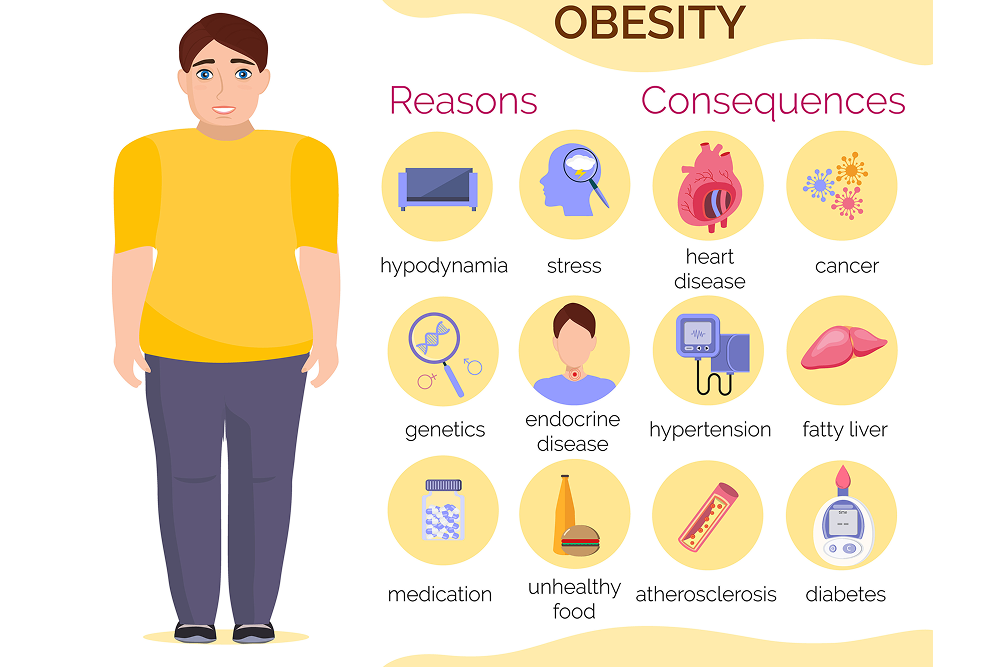
Obesity

Excess accumulation of body fat due to caloric surplus, sedentary habits, hormonal imbalances, and poor dietary quality

Type 2 Diabetes

Impaired insulin sensitivity and blood sugar regulation, largely driven by diet, inactivity, and chronic stress

Hypertension (High Blood Pressure)

Persistently elevated blood pressure resulting from stress, poor diet, excess sodium, and lack of exercise

Cardiovascular Disease

Conditions affecting the heart and blood vessels, often linked to obesity, diabetes, and hypertension

Chronic Stress and Anxiety Disorders

Persistent psychological and physiological stress that disrupts hormonal balance, immunity, and overall function

Metabolic Syndrome

A cluster of conditions – high blood sugar, excess abdominal fat, abnormal cholesterol, and high blood pressure – occurs together

How to control lifestyle diseases is one of the most searched health questions in Bangalore today. The answer, from an Ayurvedic perspective, lies not in managing these conditions in isolation but in correcting the underlying imbalance – the disrupted relationship between an individual’s constitution and their daily life.

Bangalore’s fast-paced IT culture, long working hours, irregular meal timings, high stress levels, and sedentary office jobs create the perfect conditions for lifestyle disorders to flourish. Ayurveda and lifestyle diseases have a deeply relevant relationship in this context – because Ayurveda was designed precisely to help people navigate the demands of daily life without sacrificing their health.

Ayurvedic Treatment of Obesity and Weight Management

Obesity is arguably the most visible lifestyle disorder of our era – and it is also one of the most misunderstood. Conventional approaches tend to reduce it to a simple equation of calories in versus calories out. Ayurvedic treatment of obesity recognises that weight gain is a complex, multi-factorial condition involving digestive fire (Agni), metabolic rate, doshic imbalance – particularly Kapha – the accumulation of Ama (undigested toxins), and the psychological relationship with food.

In Ayurveda, obesity treatment in Ayurveda is called Sthaulya Chikitsa. The approach is comprehensive: it simultaneously addresses sluggish digestion, Kapha accumulation, toxin buildup, hormonal balance, and the emotional drivers of overeating. This is why Ayurvedic medicine for obesity weight loss produces results that are sustainable rather than temporary.

Key Ayurvedic Therapies and Medicines for Weight Loss:

Udwartana (Herbal Powder Massage)

A vigorous dry powder massage using Kapha-reducing herbs such as Triphala and Mustard. It breaks down subcutaneous fat, stimulates lymphatic drainage, and improves skin texture. One of the most effective external therapies for the best Ayurvedic treatment for weight loss

Panchakarma – Virechana and Vasti

Panchakarma therapies clear deep-seated toxins from the digestive tract and tissues, restore metabolic function, and reset the digestive fire – creating the internal conditions necessary for healthy weight management

Medohar Guggulu

A classical Ayurvedic formulation known for its fat-reducing, cholesterol-lowering, and metabolic-boosting properties

Triphala

A foundational Ayurvedic herbal combination that regulates digestion, reduces Ama, and supports healthy elimination – essential for sustainable weight management

Trikatu

A warming herbal blend of ginger, black pepper, and long pepper that stimulates Agni, improves metabolism, and reduces Kapha accumulation

Dietary correction

Our physicians design a personalised dietary plan that reduces Kapha-increasing foods, improves meal timing, and establishes healthy eating rhythms in alignment with the body’s natural metabolic cycles

At Ayurhealing, the best Ayurvedic clinic in Bangalore for metabolic health, our physicians take a compassionate, non-judgmental approach to weight management – understanding that sustainable results require both physical treatment and genuine lifestyle support.

Ayurvedic Treatment for Hypertension and High Blood Pressure

Hypertension is often called the ‘silent killer’ – it progresses without obvious symptoms until it causes a serious cardiac event. In Bangalore, where workplace stress, erratic schedules, and dietary imbalances are commonplace, high blood pressure is increasingly diagnosed even in younger adults. Ayurvedic treatment for hypertension offers a deeply effective, side-effect-free approach to managing and reversing this condition.

The question many patients ask: Can Ayurveda cure high blood pressure? – deserves a nuanced answer. In many cases, especially when hypertension is in its early to moderate stages and not yet associated with organ damage, Ayurvedic intervention can normalise blood pressure without the need for lifelong pharmaceutical dependency. Even in more advanced cases, Ayurvedic medicine to cure high blood pressure can significantly reduce medication requirements and improve quality of life.

How Ayurveda Understands Hypertension

In Ayurvedic terms, hypertension involves the aggravation of Vata and Pitta doshas in the cardiovascular system (Rakta and Rasa Dhatus). Vata aggravation causes constriction and irregular blood flow; Pitta aggravation adds heat, inflammation, and intensity to the circulatory system. Stress – the dominant trigger of hypertension in modern life – is itself a profound Vata aggravator.

Effective Ayurvedic approaches to hypertension include:

  • Shirodhara: The continuous warm oil flow over the forehead directly calms the sympathetic nervous system, reduces cortisol, and lowers blood pressure. Regular Shirodhara is one of the most powerful Ayurvedic tools for stress-driven hypertension
  • Abhyanga (warm oil massage): Calms the nervous system, improves peripheral circulation, and reduces Vata aggravation – all of which contribute to lower blood pressure
  • Sarpagandha (Rauwolfia serpentina): A classical Ayurvedic herb with well-documented antihypertensive properties – the source of the modern drug reserpine
  • Arjuna (Terminalia arjuna): A heart-supportive herb that strengthens the cardiac muscle, regulates heart rate, and supports healthy blood pressure
  • Brahmi and Ashwagandha: Powerful adaptogenic herbs that reduce the physiological impact of stress – addressing the most common root cause of elevated blood pressure
  • Dietary and lifestyle guidance: Reduction of salt, stimulants, and Pitta-aggravating foods; incorporation of cooling, calming practices, including Pranayama and meditation

The best Ayurvedic treatment for blood pressure at Ayurhealing is always individualised. Our best Ayurvedic doctor in Bangalore works closely with patients who are on antihypertensive medications, carefully monitoring blood pressure as treatment progresses and coordinating with the patient’s cardiologist as needed.

Diabetes Treatment in Ayurveda: Regulating Blood Sugar Naturally

India has the second-highest number of people with diabetes in the world – and Bangalore is no exception to this trend. Ayurvedic treatment for diabetes, known classically as Prameha Chikitsa, has a rich and detailed history stretching back thousands of years. Long before the discovery of insulin, Ayurvedic physicians were treating and managing blood sugar disorders with sophisticated herbal protocols, dietary science, and lifestyle prescriptions.

Diabetes treatment in Ayurveda does not claim to replace insulin therapy in Type 1 diabetes. However, for Type 2 diabetes – which is fundamentally a lifestyle disorder – Ayurveda offers some of the most effective natural interventions available anywhere in the world. The best Ayurvedic medicine for blood sugar control works by improving insulin sensitivity, enhancing pancreatic function, reducing Ama (metabolic toxins), and correcting the underlying Kapha and Vata imbalances that drive the condition.

Proven Ayurvedic Herbs and Therapies for Diabetes

  • Bitter Gourd (Karela): Contains compounds that mimic insulin and improve glucose uptake at the cellular level – one of the most well-researched natural interventions for blood sugar control
  • Fenugreek (Methi): Rich in soluble fibre and compounds that slow glucose absorption and improve insulin sensitivity
  • Gurmar (Gymnema sylvestre): Known as the ‘sugar destroyer’ – reduces sugar absorption in the intestine and supports regeneration of pancreatic beta cells
  • Neem: Potent blood-purifying and anti-diabetic herb that reduces blood sugar and supports healthy liver function
  • Turmeric (Curcuma longa): Curcumin has well-documented anti-inflammatory and insulin-sensitising properties – highly relevant to Type 2 diabetes management
  • Chandraprabha Vati: A classical Ayurvedic formulation used to support urinary and metabolic health in diabetic patients
  • Panchakarma: Particularly Virechana and Vasti, which clear metabolic toxins, improve liver function, and reset the body’s metabolic processes – creating the internal conditions for better blood sugar regulation

At Ayurhealing, our approach to diabetes treatment in Ayurveda, Bangalore, integrates herbal medicine, Panchakarma when indicated, dietary science, and lifestyle coaching. We work alongside patients’ endocrinologists and monitor HbA1c and fasting glucose levels throughout treatment to ensure both safety and measurable results.

Stress and Anxiety Treatment in Ayurveda: Healing the Stressed Mind

Of all the lifestyle disorders, chronic stress may be the most pervasive and the most underestimated in its impact. Stress does not merely affect mental well-being; it is now well-established that chronic psychological stress drives inflammation, hormonal disruption, immune suppression, cardiovascular disease, and metabolic dysfunction. In this sense, stress is not just a lifestyle disorder in itself – it is a major driver of every other lifestyle disease on this list.

Stress and anxiety treatment in Ayurveda is particularly sophisticated because Ayurveda has always understood the inseparability of mind and body. The concept of Manas Prakriti (mental constitution) and the role of the three mental qualities – Sattva, Rajas, and Tamas – gives Ayurvedic physicians a rich framework for understanding and treating psychological distress in a way that connects directly to the physical body.

Ayurvedic Approach to Stress, Anxiety, and Mental Well-being

In Ayurvedic terms, stress and anxiety Ayurveda understanding identifies chronic stress as a condition of aggravated Vata, specifically in the mind (Manas) and nervous system. The primary seats of Vata in the mind are the brain and the heart. When Vata here becomes aggravated by overwork, overstimulation, irregular routine, and emotional strain, it produces anxiety, racing thoughts, insomnia, palpitations, and a profound sense of being ungrounded.

The best Ayurvedic medicine for stress relief and anxiety management at Ayurhealing includes:

  • Ashwagandha (Withania somnifera): The most celebrated Ayurvedic adaptogen – clinically demonstrated to reduce cortisol levels, improve stress resilience, enhance sleep quality, and support overall nervous system health
  • Brahmi (Bacopa monnieri): A brain tonic that enhances cognitive function, reduces anxiety, and calms the overactive nervous system – among the finest Ayurvedic medicines for mental stress
  • Jatamansi (Nardostachys jatamansi): A deeply calming herb used specifically for anxiety, insomnia, and Vata disorders of the mind
  • Shankhapushpi: A classical Ayurvedic herb for mind rejuvenation – improves memory, reduces anxiety, and supports healthy sleep
  • Shirodhara: The gentle, continuous flow of warm oil over the forehead directly calms the hypothalamic-pituitary-adrenal (HPA) axis – the body’s central stress response system. Patients consistently report profound calm and improved sleep following Shirodhara sessions
  • Abhyanga: Full-body warm oil massage calms the nervous system, reduces cortisol, and restores the sense of embodied safety that chronic stress erodes
  • Pranayama and meditation: Nadi Shodhana (alternate nostril breathing), Bhramari (humming bee breath), and mindfulness meditation are integrated into every stress management programme at Ayurhealing

Anxiety Ayurveda treatment at Ayurhealing always includes a careful assessment of the patient’s daily routine, sleep patterns, work habits, and relationship to rest. Often, the most powerful prescription is the simplest: a structured Dinacharya (daily routine) that provides the nervous system with the predictability and grounding it needs to recalibrate.

How to Control Lifestyle Diseases: The Ayurvedic Lifestyle Framework

Beyond treating individual conditions, Ayurveda and lifestyle offer a comprehensive framework for preventing and managing lifestyle diseases at their root. This framework is built around three pillars: Ahara (diet), Vihara (daily habits and routine), and Aushadha (medicine and treatment). When all three are aligned with an individual’s constitution and needs, the conditions for lifestyle disease simply cannot take hold.

Dietary Principles for Preventing Lifestyle Disorders

  • Eat according to your Agni: Digestive fire varies between individuals and throughout the day. Eating the largest meal at noon, when Agni is strongest, and lighter meals in the morning and evening, optimises digestion and reduces Ama formation
  • Favour fresh, seasonal, and locally sourced foods: Processed, packaged, and stale foods are among the primary sources of Ama in the modern diet
  • Reduce Kapha-increasing foods: For those prone to obesity, diabetes, and sluggish metabolism, heavy dairy, refined carbohydrates, and fried foods should be significantly reduced
  • Include warming spices daily: Turmeric, ginger, cumin, coriander, and black pepper improve digestion, reduce inflammation, and support metabolic health
  • Avoid incompatible food combinations: Ayurveda identifies specific food combinations that impair digestion and contribute to Ama – such as milk with sour fruits or fish with dairy

Daily Routine (Dinacharya) for Lifestyle Disease Prevention

  • Rise early: Waking before sunrise aligns the body’s biological rhythms with natural cycles, supporting hormonal balance and metabolic health
  • Oil pulling and tongue scraping: Simple morning practices that remove overnight toxin accumulation and support digestive and oral health
  • Regular exercise appropriate to your constitution: Kapha types benefit from vigorous exercise; Vata types do best with gentle, consistent movement; Pitta types benefit from cooling, moderate activity
  • Consistent meal times: Irregular eating is one of the primary Vata aggravators and a major driver of metabolic dysfunction
  • Screen-free wind-down before bed: Blue light exposure disrupts melatonin production and aggravates Vata – a consistent sleep routine is essential for recovery from all lifestyle disorders
  • Regular Panchakarma: Seasonal Panchakarma – at least once a year – clears accumulated toxins and resets the body’s systems before imbalance becomes disease

Why Choose Ayurhealing for Lifestyle Disorder Treatment in Bangalore

If you are looking for the best Ayurvedic treatment in Bangalore for lifestyle disorders, Ayurhealing offers more than just clinical treatment. We offer a genuine partnership in your health journey – from initial consultation through treatment to long-term lifestyle support.

  • Expert physicians: Our team includes some of the best Ayurvedic doctors in Bangalore with deep expertise in metabolic, cardiovascular, and psychological health conditions
  • Authentic Kerala Ayurvedic treatments in Bangalore: We offer the full range of classical external therapies using genuine medicated oils and preparations
  • Personalised care: Every treatment plan is tailored to the individual’s constitution, condition, and lifestyle – not a generic protocol
  • Integrative approach: We work collaboratively with patients’ conventional medical teams, monitoring clinical parameters and coordinating care
  • Comprehensive lifestyle support: Dietary counselling, Dinacharya planning, yoga, Pranayama, and stress management are all integrated into our programmes
  • Proven outcomes: Thousands of patients have achieved meaningful, measurable improvements in weight, blood sugar, blood pressure, and mental well-being through our Ayurvedic programmes

As the best Ayurvedic clinic in Bangalore for lifestyle health, Ayurhealing is committed to making authentic Ayurvedic care accessible, effective, and transformative for every patient who walks through our doors.

Conclusion: Choose Ayurveda, Choose a Healthier Life

Lifestyle disorders are not inevitable. They are the cumulative result of habits, choices, and imbalances that – with the right guidance – can be corrected. Ayurveda and lifestyle diseases share a profound relationship: Ayurveda not only treats these conditions but also provides the framework for a life in which they are far less likely to arise.

At Ayurhealing, the best Ayurveda treatment centre in Bangalore, we believe that every person deserves to live with vitality, clarity, and freedom from chronic disease. Whether you are managing obesity, diabetes, hypertension, or chronic stress – or you want to invest in long-term preventive health – our team of the best Ayurvedic doctor in Bangalore is here to guide you every step of the way.

Book your consultation at Ayurhealing today and take the first meaningful step towards reclaiming your health – naturally, authentically, and for life.

FAQs

In many cases - particularly when lifestyle disorders are in their early to moderate stages - Ayurvedic treatment can produce significant reversal of the condition, reducing or eliminating the need for pharmaceutical intervention. For more advanced cases or where organ damage is present, Ayurveda works alongside conventional medicine to improve outcomes, reduce side effects, and enhance quality of life. At Ayurhealing, our physicians will give you an honest assessment of what is achievable in your specific situation.

Most patients begin to notice meaningful improvements within 4 to 8 weeks of consistent Ayurvedic treatment - particularly in energy levels, digestion, sleep, and stress. For measurable changes in clinical parameters such as blood sugar, blood pressure, and body weight, a committed programme of 3 to 6 months is typically recommended. Lifestyle disorders develop over years - sustainable reversal requires patient, consistent effort.

In most cases, yes - when prescribed by a qualified Ayurvedic physician who is aware of your current medications. At Ayurhealing, our doctors carefully assess all medications you are taking before prescribing any herbal formulations, and they work collaboratively with your existing medical team. Never self-medicate with Ayurvedic herbs if you are on prescription medications - always consult a qualified practitioner first.

The most effective Ayurvedic medicine for mental stress and anxiety depends on your individual constitution and the specific nature of your condition. However, Ashwagandha, Brahmi, Jatamansi, and Shankhapushpi are among the most consistently effective herbs for stress and anxiety disorders. These are best prescribed as part of a comprehensive programme that also includes Shirodhara, lifestyle correction, and Pranayama - as offered at Ayurhealing.

Yes. Ayurhealing offers online consultations for patients who are unable to visit our centre in Bangalore in person. Online consultations include a detailed case history, dietary and lifestyle assessment, and herbal medicine prescriptions. For patients requiring hands-on therapies such as Panchakarma or Shirodhara, we welcome outstation and international patients for residential treatment programmes at our best Ayurveda treatment centre in Bangalore.

Restore Your Health Naturally with Authentic Ayurvedic Therapies

In a world where fast-fix solutions dominate healthcare, more and more people are turning back to the roots – to authentic Ayurvedic therapies that have stood the test of time for over 5,000 years. If you are ready to restore your health naturally, heal at a deeper level, and reclaim your vitality, then Ayurveda treatment in Bangalore could be the most transformative decision you ever make. At Ayurhealing, one of the most trusted names in natural Ayurvedic healing, we offer a comprehensive range of authentic Ayurvedic treatments tailored to your unique constitution, because we believe that real healing begins when we treat the whole person, not just the disease.

Whether you are struggling with a chronic health condition, seeking relief from stress and burnout, or simply wanting to invest in your long-term wellbeing, Ayurhealing – the best Ayurvedic centre in Bangalore – is your sanctuary for healing, restoration, and renewal. From Panchakarma treatment and Abhyanga massage in Bangalore to Shirodhara in Bangalore and beyond, every therapy we offer is grounded in classical wisdom and delivered with genuine care.

What Does It Mean to Restore Your Health Naturally?

The phrase ‘restore your health naturally’ is not merely a wellness trend – it is a philosophy. In the context of Ayurvedic treatment for holistic health, restoring health naturally means identifying the root cause of imbalance in your body, removing the obstacles to healing, and supporting the body’s innate intelligence to return to its optimal state.

Modern medicine excels at managing acute conditions and emergencies. But for the growing epidemic of chronic illness – fatigue, digestive disorders, hormonal imbalances, anxiety, skin problems, joint pain – conventional approaches often offer only symptom management. Natural Ayurvedic healing takes a fundamentally different approach. It asks: Why is this imbalance occurring? What is the person’s individual constitution? What lifestyle, dietary, and emotional factors are contributing to this condition? And how can we support the body to heal itself?

Authentic Ayurvedic Therapies: What Sets Them Apart

The word ‘authentic’ matters enormously in Ayurveda. In recent years, the global popularity of Ayurveda has led to a proliferation of diluted, commercialised versions of these ancient therapies – spas offering oil massages with little therapeutic intent, or generic herbal supplements without proper constitutional assessment. Authentic Ayurvedic medicine is something very different.

Authentic practice means:

  • Classical training: Treatments are administered by practitioners trained in the classical Ayurvedic texts – the Charaka Samhita, Sushruta Samhita, and Ashtanga Hridayam
  • Constitutional assessment: Every treatment begins with a thorough evaluation of your Prakriti (birth constitution) and Vikriti (current imbalance) through pulse diagnosis, physical examination, and detailed case history
  • Genuine medicated oils and herbal preparations: Authentic therapies use properly prepared herbal oils and medicines – not generic, off-the-shelf products
  • Individualised treatment: No two patients receive identical treatment plans, because no two people are constitutionally identical
  • Physician supervision: All therapies are prescribed and monitored by a qualified Ayurvedic physician throughout the course of treatment

At Ayurhealing, every one of these standards is upheld without compromise. This is what makes us the best Ayurvedic health and wellness centre in Bangalore for those who want results that last.

Our Core Authentic Ayurvedic Treatments at Ayurhealing, Bangalore

As Bangalore’s best Ayurvedic clinic, Ayurhealing offers a full spectrum of classical therapies. Below is an in-depth look at the treatments that form the cornerstone of our practice.

Panchakarma Treatment: The Gold Standard of Ayurvedic Detoxification

If there is one therapy that defines authentic Ayurvedic medicine, it is Panchakarma. The word means ‘five actions’ and refers to a set of five classical purification procedures that systematically eliminate accumulated toxins (Ama) from the body’s tissues, channels, and organs. Panchakarma is not a spa experience – it is a medically supervised detoxification and rejuvenation programme that produces profound and lasting results.

The five classical Panchakarma procedures are:

  • Vamana (therapeutic emesis): Used primarily for Kapha-related conditions such as respiratory disorders, skin diseases, and obesity
  • Virechana (therapeutic purgation): The primary Pitta-pacifying procedure, used for liver disorders, inflammatory conditions, and hormonal imbalances
  • Vasti (medicated enema): The most powerful Vata-pacifying treatment – used for chronic pain, neurological conditions, constipation, and degenerative disorders. Considered the king of all Panchakarma procedures
  • Nasya (nasal administration): Medicated oils or herbal preparations are administered through the nasal passage to treat head, neck, and neurological conditions
  • Raktamokshana (bloodletting): Used for specific skin conditions, gout, and conditions related to blood toxicity

Before Panchakarma begins, a preparatory phase called Purvakarma is undertaken. This includes Snehana (internal and external oleation) and Swedana (sudation or sweating therapies), which loosen deep-seated toxins and prepare the body for elimination. Most Panchakarma treatment programmes at Ayurhealing run for 7, 14, or 21 days, depending on the individual’s condition and goals.

Abhyanga Massage in Bangalore: Nourishment for Body and Soul

Abhyanga is the classical Ayurvedic full-body warm oil massage – and it is far more than a relaxation therapy. Abhyanga massage in Bangalore at Ayurhealing is performed using medicated herbal oils specifically chosen for your dosha and current health status. The massage follows classical Marma points (vital energy points) and specific stroke directions to promote lymphatic drainage, improve circulation, nourish the tissues, and pacify aggravated Vata.

Regular Abhyanga is known to:

  • Deeply nourish the skin, muscles, and connective tissue
  • Calm the nervous system and reduce anxiety and stress
  • Improve sleep quality and restore energy levels
  • Stimulate the lymphatic system and support detoxification
  • Lubricate the joints and improve flexibility
  • Slow the ageing process and maintain youthful vitality

Whether you are searching for an Ayurvedic massage centre near me or specifically looking for the best Ayurvedic treatment in Bangalore for stress relief and rejuvenation, Abhyanga at Ayurhealing delivers results that go far beyond what a conventional massage can offer.

Shirodhara in Bangalore: Peace for the Overworked Mind

Shirodhara is one of the most iconic and profoundly relaxing therapies in Ayurveda. During a Shirodhara session, a continuous, gentle stream of warm medicated oil is poured in a slow, steady rhythm over the forehead – specifically over the Ajna Marma (the third eye point). The effect on the nervous system is immediate and extraordinary.

Shirodhara in Bangalore at Ayurhealing is recommended for:

  • Chronic stress, anxiety, and burnout
  • Insomnia and disturbed sleep patterns
  • Hypertension and psychosomatic disorders
  • Post-traumatic stress and emotional imbalances
  • Mental fatigue and lack of concentration

The type of oil or liquid used in Shirodhara – whether sesame oil, coconut oil, medicated buttermilk, or specific herbal decoctions is determined by your dosha and condition. This therapy is often described by patients as one of the most deeply transformative experiences of their lives, producing a state of profound rest that even the deepest sleep rarely achieves.

Kerala Ayurvedic Treatments in Bangalore

Kerala has long been regarded as the heartland of classical Ayurvedic practice. The Kerala tradition is particularly renowned for its mastery of external therapies (Keraliya Chikitsa), a rich collection of highly specialised oil-based treatments that go beyond what is described in the classical texts alone. At Ayurhealing, we offer the full range of authentic Kerala Ayurvedic treatments in Bangalore, performed by experienced therapists trained in the Kerala tradition.

Key Kerala therapies available at Ayurhealing include:

  • Pizhichil: Warm medicated oil is poured continuously over the entire body while two therapists simultaneously perform synchronised massage. Often called the ‘royal treatment,’ Pizhichil is profoundly rejuvenating for severe Vata disorders
  • Pathrapotala Sweda: A sweating therapy using boluses of fresh leaves from Vata-pacifying plants. Highly effective for arthritis, joint pain, and musculoskeletal conditions
  • Kati Basti: Warm medicated oil is retained in a dough ring placed over the lower back – the definitive treatment for low back pain and disc disorders
  • Tharpanam (Akshi Tarpana): Medicated ghee is retained around the eyes in dough rings – used for eye disorders, digital eye strain, and to improve vision

Authentic Ayurvedic Therapies for Hair, Skin, and Nails

One of the most visible ways that internal health expresses itself is through the condition of your hair, skin, and nails. In Ayurveda, these are considered the by-products of deeper tissue transformation – particularly the Asthi Dhatu (bone tissue) and Majja Dhatu (nerve tissue and marrow). When these tissues are well-nourished and the doshas are in balance, hair is lustrous, skin glows, and nails are strong. When there is an imbalance, these are often the first places it shows.

At Ayurhealing, our authentic Ayurvedic therapies for hair, skin, and nails take a deeply holistic approach – addressing both the internal cause and the external expression of imbalance.

Ayurvedic Care for Healthy Hair

  • Shiro Abhyanga (head massage): Warm medicated oil is massaged into the scalp to nourish the hair follicles, improve circulation, and reduce scalp dryness – addressing conditions such as hair fall, premature greying, and dandruff
  • Nasya: Nasal administration of medicated oils directly nourishes the brain, sensory organs, and scalp – highly effective for hair loss related to stress and hormonal imbalance
  • Internal herbal medicines: Formulations containing Bhringaraj, Amalaki, Brahmi, and Ashwagandha strengthen the hair from within by nourishing the deeper tissues

Ayurvedic Skin Care

  • Lepam (herbal face and body packs): Freshly prepared herbal pastes applied to the face and body to cleanse, brighten, and rejuvenate the skin
  • Virechana: The primary Panchakarma therapy for skin conditions – by clearing Pitta and liver toxins, it treats acne, psoriasis, eczema, and hyperpigmentation at the root
  • Abhyanga with customised oils: Regular warm oil massage nourishes all seven tissue layers, improving skin texture, elasticity, and natural radiance
  • Dietary correction: Our physicians identify and address the dietary triggers of your skin condition – whether it is excess heat, toxins, or nutritional deficiency

Strengthening Nails Naturally

In Ayurveda, weak, brittle, or ridged nails reflect imbalances in Vata dosha and poor nourishment of the Asthi Dhatu (bone tissue). Treatments include Abhyanga with sesame or ashwagandha oil, dietary additions such as sesame seeds and ghee, and internal formulations that strengthen the deeper tissues. Addressing mineral absorption through digestive correction also plays a significant role.

Ayurvedic Treatment for Holistic Health: Mind, Body, and Spirit

One of the most important distinctions between Ayurveda and conventional medicine is its understanding of health as a state that encompasses the mind and spirit, not just the physical body. The classical Ayurvedic definition of health – Swastha describes a person who is established in the self, with balanced doshas, proper tissue formation, good digestive fire, and a happy mind, senses, and soul.

This is why Ayurvedic treatment for holistic health at Ayurhealing always addresses all dimensions of a person’s life. Our physicians ask not only about your physical symptoms but also about your relationships, work, sleep, emotional patterns, and sense of meaning and purpose. These are not peripheral concerns – they are central to the Ayurvedic understanding of what creates and perpetuates disease.

Alongside clinical treatments, we offer guidance on Dinacharya (daily routine), Ritucharya (seasonal routine), yoga and Pranayama (breathing practices), and Sattvic diet – all woven together into a personalised programme that supports transformation at every level of your being.

Finding the Best Ayurvedic Doctor Near You in Bangalore

If you have been searching for the best Ayurvedic doctor near me or the best Ayurvedic doctor in Bangalore, it is important to know what to look for. A genuinely skilled Ayurvedic physician will take the time to understand your complete health history, assess your constitution through traditional diagnostic tools, including pulse diagnosis, provide a clear explanation of your condition in Ayurvedic terms, prescribe an individualised treatment plan rather than a generic protocol, and follow up regularly to monitor your progress and adjust the treatment as needed.

At Ayurhealing, our team of senior Ayurvedic physicians brings decades of combined experience in both classical Ayurveda and modern clinical practice. We treat a wide range of conditions – from digestive disorders and hormonal imbalances to neurological conditions, skin diseases, respiratory problems, and musculoskeletal pain. As a recognised Ayurvedic wellness centre in Bengaluru, our reputation is built on clinical results and the genuine trust of our patients.

We also offer online consultations for those unable to visit in person – making the best Ayurvedic medicine in Bangalore accessible regardless of where you are located. For international patients, residential treatment packages with accommodation can be arranged.

What to Expect During Your First Visit to Ayurhealing

Many patients come to Ayurhealing not quite knowing what to expect from an Ayurvedic consultation. Here is a simple overview of your first visit:

  • Detailed case history: Your physician will ask about your current health complaints, medical history, family history, diet, sleep patterns, stress levels, and emotional wellbeing
  • Nadi Pariksha (pulse diagnosis): A trained physician reads the qualities of the pulse at three levels to assess doshic balance, organ function, and the state of the seven tissues
  • Physical examination: Skin, tongue, eyes, nails, and body frame are all observed as diagnostic indicators
  • Prakriti and Vikriti assessment: Your birth constitution and current imbalance are determined, forming the foundation of your treatment plan
  • Personalised treatment plan: A comprehensive plan is provided – including recommended therapies, dietary guidance, herbal medicines, lifestyle adjustments, and a realistic timeline for results

At Ayurhealing, we never rush a consultation. We believe that the time taken to truly understand a patient is an investment in the quality and effectiveness of the healing that follows.

Conclusion: Your Journey to Authentic Wellness Begins Here

True health is not merely the absence of disease; it is a state of vibrant energy, clear mind, emotional resilience, and deep connection to yourself. Authentic Ayurvedic therapies offer a proven path to this kind of health, grounded in centuries of wisdom and refined through generations of clinical practice.

At Ayurhealing, the best Ayurvedic health and wellness centre in Bangalore, we are privileged to walk alongside our patients on this journey, offering the full depth of Kerala Ayurvedic treatments in Bangalore, classical Panchakarma treatment, and personalised natural Ayurvedic healing in an environment of warmth, authenticity, and genuine care.

Whether you are dealing with a chronic condition that has not responded to conventional treatment, seeking to detoxify and rejuvenate your system, or simply ready to invest in your long-term health, Ayurhealing is here for you. Book your consultation with the best Ayurvedic doctor in Bangalore today and take your first step towards restoring your health naturally.

FAQs

Ayurhealing focuses on authentic classical Ayurveda with personalised treatments prescribed by experienced physicians. Every therapy is customised based on the patient’s condition rather than using standard wellness packages.

Panchakarma programmes usually last 7, 14, or 21 days, depending on individual health needs. It is ideal for detoxification, chronic disease management, and rejuvenation after a physician consultation.

Yes, Ayurvedic treatments can generally be combined with conventional medicine under medical supervision. Ayurhealing physicians carefully assess treatments to avoid interactions.

Yes. Therapies like Shirodhara, Abhyanga, and Nasya, along with herbal support, help calm the nervous system, reduce stress, and restore mental balance naturally.

Yes. Ayurhealing provides specialised Ayurvedic therapies that address skin and hair issues by treating the root cause through internal balance and holistic care.

Best Ayurvedic Treatment in Bangalore for Chronic Back Pain

Back pain is one of the most common and debilitating health complaints affecting people across all age groups in Bangalore and beyond. Whether it is a dull ache in the lower back after a long day at the desk or a sharp, shooting pain that travels down the legs, chronic back pain can severely affect your quality of life. If you are searching for a lasting, natural solution, Ayurvedic treatment for back pain in Bangalore offers one of the most time-tested and effective approaches. At Ayurhealing, the premier Ayurvedic clinic in Bangalore, we combine classical Kerala Ayurvedic treatments with personalized care to address the root cause of your pain, rather than just its symptoms.

From low back pain Ayurvedic treatment in Bangalore to Ayurveda treatment for sciatica, leg pain, and spine treatment in Ayurveda, our expert team brings a deeply holistic approach to healing that has transformed thousands of lives. This blog explains how Ayurveda understands and treats chronic back pain, the therapies available, and why Ayurhealing is trusted as the premier Ayurvedic treatment centre in Bangalore for musculoskeletal conditions.

Understanding Chronic Back Pain Through the Lens of Ayurveda

In modern medicine, back pain is often attributed to muscle strain, disc herniation, nerve compression, or degenerative changes in the spine. While these diagnoses are useful, Ayurveda goes deeper by identifying the underlying doshic imbalance that makes these conditions possible in the first place.

According to Ayurvedic principles, chronic back pain – known as Kati Shoola in Sanskrit – is predominantly a disorder of aggravated Vata dosha. Vata governs all movement, nerve function, and structural dryness in the body. When Vata becomes aggravated due to poor diet, sedentary habits, stress, irregular sleep, or overexertion, it accumulates in the bones, joints, and nervous tissue – leading to pain, stiffness, and reduced mobility.

Different types of back pain correspond to different doshic presentations. Low back ache Ayurvedic treatment focuses primarily on pacifying Vata, while conditions involving heat, inflammation, or nerve irritation may also involve Pitta. Understanding your individual constitution and the nature of your pain is the first step towards effective treatment at Ayurhealing.

Common Causes of Chronic Back Pain in Ayurveda

  • Vata aggravation: Caused by excessive travel, cold exposure, irregular meals, stress, and overuse of digital devices
  • Accumulation of Ama (toxins): Poor digestion leads to toxin buildup in the joints and tissues, causing stiffness and pain
  • Weak Asthi Dhatu (bone tissue): Nutritional deficiency or poor absorption weakens bones, making the spine vulnerable
  • Muscle tension and postural imbalances: Prolonged sitting, poor ergonomics, and inadequate exercise weaken the back muscles
  • Nerve compression: Disc prolapse or bone spurs compress spinal nerves, leading to radiating pain and sciatica
  • Emotional stress: In Ayurveda, unresolved grief, fear, and anxiety directly aggravate Vata and manifest as back pain

Conditions We Treat: From Low Back Pain to Sciatica and Spine Disorders

At Ayurhealing, the best Ayurvedic doctor in Bangalore treats a wide spectrum of back-related conditions using classical therapies and individually tailored treatment plans. Here are the primary conditions we address:

Low Back Pain (Kati Shoola)

The most common complaint we see is low back pain Ayurvedic treatment focuses on reducing Vata aggravation, improving circulation to the lumbar region, and strengthening the supporting musculature. This includes Kati Basti, medicated oil massage, and specific herbal formulations to nourish the vertebrae and intervertebral discs.

Sciatica (Gridhrasi)

Known in Ayurveda as Gridhrasi, sciatica involves the compression or irritation of the sciatic nerve, causing pain that radiates from the lower back through the buttocks and down one or both legs. Ayurveda treatment for sciatica leg pain at Ayurhealing includes Kati Basti, Pinda Sweda, Navarakizhi, and targeted Vata-pacifying herbal therapies that decompress nerve pathways and reduce inflammation.

Upper Back Pain and Cervical Issues

Tension in the upper back and neck – often related to poor posture, desk work, and stress – is addressed through Ayurvedic treatment for upper back pain, including Greeva Basti (neck-specific oil pooling), Abhyanga, and Nasya. These therapies relax the muscles, nourish the cervical vertebrae, and restore healthy nerve function.

Spine Treatment in Ayurveda

Conditions such as spondylosis, spondylolisthesis, disc prolapse, and spinal stenosis respond well to spine treatment in Ayurveda. Rather than using invasive procedures, Ayurveda uses a combination of oleation, sudation (sweating therapies), Panchakarma detoxification, and rejuvenative herbal medicines to slow degeneration, reduce compression, and restore spinal integrity.

Kerala Ayurvedic Treatments in Bangalore for Back Pain at Ayurhealing

Our centre offers the most authentic Kerala Ayurvedic treatments in Bangalore, performed by trained therapists under the supervision of experienced Ayurvedic physicians. Below is an overview of the key therapies used for chronic back pain treatment in Ayurveda, Bangalore:

TherapyDescriptionBest for
Kati BastiWarm medicated oil is retained in a dough ring placed over the lower back for 30–45 minutesLow back pain, disc prolapse, lumbar spondylosis
Greeva BastiWarm oil pooled over the cervical region (neck)Upper back pain, cervical spondylosis, neck stiffness
AbhyangaFull-body or localised warm herbal oil massageMuscle stiffness, Vata imbalance, poor circulation
Pinda SwedaMassage using heated boluses of medicated herbs and riceSciatica, nerve pain, muscle weakness
NavarakizhiBolus massage using cooked Navara rice in medicated milkNerve degeneration, muscle wasting, and chronic pain
Pathrapotala SwedaSweating therapy using leaves of Vata-pacifying herbsArthritis, joint pain, spine conditions
Panchakarma (Vasti)Medicated enema – the most powerful Vata treatment in AyurvedaChronic Vata disorders, sciatica, disc conditions
PizhichilContinuous pouring of warm medicated oil over the body with massageSevere Vata disorders, paralysis, chronic back pain

Kati Basti – The Signature Treatment for Low Back Pain

Among all therapies, Kati Basti is the most iconic and effective for low back pain Ayurvedic treatment. A ring made from black gram flour dough is placed on the lower back, and warm medicated oil – chosen specifically for your dosha and condition – is poured into this ring and held for 30 to 45 minutes.

The therapeutic warmth and medicinal properties of the oil penetrate deep into the lumbar muscles, intervertebral discs, and spinal nerves. Kati Basti relieves stiffness, reduces inflammation, nourishes the spinal discs, and strengthens the muscles supporting the lumbar spine. Most patients experience significant relief within 3 to 5 sessions, with a full programme of 7 to 14 days recommended for chronic cases.

Panchakarma and Vasti for Chronic Back Pain

For deep-seated, chronic back pain that has not responded to other treatments, Panchakarma – particularly Vasti (medicated enema therapy) – is the most powerful intervention in Ayurvedic medicine. Vasti directly addresses aggravated Vata in the colon, which is considered its primary seat in the body. By eliminating Vata excess at its source, Vasti produces rapid and lasting relief from chronic pain, nerve compression, and disc disorders.

At Ayurhealing, the best Ayurvedic treatment in Bangalore for back pain includes comprehensive Panchakarma programs of 7, 14, or 21 days, designed and supervised by our senior physicians.

Herbal Medicines Used in Ayurvedic Treatment for Back Pain

Alongside external therapies, Ayurvedic medicine uses a rich pharmacopoeia of herbs and classical formulations to treat chronic back pain from within. At Ayurhealing, our best Ayurvedic doctor in Bangalore prescribes herbal medicines based on your specific condition, constitution, and the nature of the pain.

  • Maharasnadi Kwatha: A classical herbal decoction known for its powerful Vata-pacifying and anti-inflammatory action – highly effective for sciatica and joint pain
  • Yogaraj Guggulu: A guggulu-based formulation that reduces inflammation, clears Ama (toxins), and supports joint health
  • Dhanwantharam Kashayam: Specifically formulated for musculoskeletal disorders, nerve pain, and postpartum back pain
  • Sahacharadi Tailam: A medicated oil used both internally and externally for neurological and Vata conditions, including sciatica
  • Ashwagandha: A potent adaptogen that strengthens muscles, reduces inflammation, and relieves stress-related back pain
  • Bala Tailam: A nourishing oil used in Abhyanga and Kati Basti to strengthen muscles and nerves of the back
  • Shallaki (Boswellia): A powerful natural anti-inflammatory, particularly effective for disc degeneration and spondylosis

All herbal formulations used at Ayurhealing are sourced from trusted, GMP-certified manufacturers and prescribed only after a thorough consultation. Self-medication with Ayurvedic herbs is not advised – dosage and formulation must be matched to your individual constitution and condition.

Chronic Pain Bangalore: Why Ayurveda Outperforms Conventional Painkillers

For those dealing with chronic pain in Bangalore, the standard medical approach often involves prolonged use of painkillers, muscle relaxants, or steroid injections. While these provide temporary relief, they do not address the underlying cause and frequently lead to side effects, including gastric problems, liver stress, and dependency.

In contrast, Ayurvedic treatment for back pain works by:

  • Identifying and correcting the root doshic imbalance rather than suppressing symptoms
  • Removing Ama (toxins) from the joints and nervous system through Panchakarma
  • Nourishing and regenerating damaged tissues, including intervertebral discs, cartilage, and nerve sheaths
  • Strengthening the supporting musculature of the spine through targeted therapies and yoga
  • Addressing the emotional and lifestyle factors that perpetuate Vata aggravation
  • Producing lasting results without harmful side effects or dependency

Patients who come to Ayurhealing after years of managing pain with conventional medicine frequently report not only relief from pain, but also improved digestion, better sleep, reduced stress, and a renewed sense of vitality – because Ayurvedic wellness and healing work on the whole person, not just the symptomatic region.

Siddha Treatment for Back Pain: A Complementary Perspective

In addition to Ayurveda, Siddha treatment for back pain is another ancient Indian medical system that many patients enquire about. Siddha medicine, which originated in Tamil Nadu and is closely related to Ayurveda, also uses herbal medicines, mineral preparations, and external therapies such as oil application and fomentation to treat back pain.

While both systems share a similar philosophical foundation- the concept of individual constitution, elemental imbalance, and natural healing – Ayurveda’s approach to back pain is particularly well-supported by classical texts, centuries of clinical experience, and a wide range of highly specialised external therapies such as Kati Basti and Panchakarma Vasti. At Ayurhealing, our practitioners draw upon the wisdom of both traditions when designing treatment plans, ensuring the most comprehensive and effective care possible.

Lifestyle and Diet Recommendations to Support Ayurvedic Back Pain Treatment

Treatment at Ayurhealing extends beyond clinic sessions. Our physicians provide detailed guidance on daily habits and dietary choices that support recovery and prevent recurrence of chronic back pain.

Diet Recommendations for Back Pain

  • Include: Warm, cooked, easy-to-digest meals; ghee, sesame oil, warm milk, root vegetables, whole grains, and nourishing soups
  • Avoid: Cold, raw, and dry foods; excessive caffeine, alcohol, carbonated drinks, and processed snacks
  • Hydration: Sip warm water throughout the day to support circulation and tissue nourishment
  • Bone-supportive foods: Sesame seeds, dairy (if tolerated), leafy greens, and calcium-rich foods to support Asthi Dhatu (bone tissue)
  • Anti-inflammatory spices: Turmeric, ginger, cumin, and coriander should be incorporated into daily cooking

Lifestyle Modifications

  • Posture awareness: Maintain correct spinal alignment while sitting, standing, and sleeping – use a firm mattress and ergonomic chair
  • Gentle movement: Regular walking, gentle yoga asanas (particularly Pawanmuktasana and Bhujangasana), and swimming support spinal health
  • Avoid prolonged sitting: Take a 5-minute break every 45 minutes if working at a desk
  • Stress management: Practice Pranayama (breathing exercises) and meditation daily to reduce Vata aggravation through the nervous system
  • Sleep hygiene: Sleep on your side with a pillow between the knees if you have lower back pain; avoid sleeping on your stomach
  • Stay warm: Cold weather aggravates Vata – keep the lower back warm, especially in air-conditioned environments

Why Ayurhealing Is the Best Ayurvedic Clinic in Bangalore for Back Pain

If you have been searching for Ayurvedic treatment for back pain near me or the best back pain treatment in Bangalore, look no further than Ayurhealing. As a leading Ayurveda treatment centre in Bangalore with a reputation built on clinical excellence and genuine patient care, we offer:

  • Expert Physicians: Our team of the best Ayurvedic doctors in Bangalore has extensive experience in musculoskeletal and neurological conditions
  • Authentic Kerala Therapies: We offer traditional Kerala Ayurvedic treatments in Bangalore with trained therapists and genuine medicated oils
  • Personalised Treatment Plans: Every patient receives a customised programme based on their constitution, condition, and lifestyle
  • Comprehensive Panchakarma: Full Panchakarma programmes including Vasti – the most effective Ayurvedic therapy for chronic Vata disorders
  • Holistic Support: Diet counselling, yoga guidance, herbal medicines, and lifestyle coaching are integral parts of every programme
  • Transparent Care: We take the time to educate patients about their condition, treatment, and long-term preventive strategies
  • Proven Results: Thousands of patients have found lasting relief from chronic back pain through our evidence-informed Ayurvedic approach

Whether you are a resident or travelling to Bangalore specifically for treatment, Ayurhealing offers in-patient accommodation options and comprehensive treatment packages for outstation patients.

Conclusion: Take the First Step Towards a Pain-Free Life with Ayurhealing

Living with chronic back pain does not have to be your reality. Ayurveda offers a profound, time-tested system for understanding and healing the body, from the muscles and bones to the nerves and the mind. By addressing the root cause of your pain through personalised therapies, herbal medicines, dietary guidance, and lifestyle support, Ayurvedic treatment for back pain in Bangalore offers something that conventional medicine often cannot: true, lasting healing.

At Ayurhealing, the best Ayurvedic treatment centre in Bangalore, our experienced team is committed to walking alongside you on this healing journey. Whether you are dealing with low back pain, sciatica, upper back pain, or spine disorders, we have the expertise, therapies, and heart to help you recover and thrive.

Do not let back pain define your life. Book your consultation with the best Ayurvedic doctor in Bangalore at Ayurhealing today and experience the transformative power of authentic Kerala Ayurvedic treatments in Bangalore – designed just for you.

FAQs

Yes. Ayurvedic treatment for back pain in Bangalore has a strong clinical track record. Therapies like Kati Basti, Panchakarma Vasti, and Navarakizhi address the root cause of pain rather than suppressing symptoms. Patients with disc problems, sciatica, spondylosis, and muscle-related pain consistently report significant and lasting improvement.

For mild to moderate back pain, many patients notice relief within 3 to 5 sessions of Kati Basti or Abhyanga. For chronic, long-standing conditions, a complete programme of 14 to 21 days is recommended. Our physicians will provide a realistic timeline after your initial consultation.

In many cases, yes. Ayurveda treatment for sciatica leg pain using Kati Basti, Pinda Sweda, and Panchakarma Vasti has helped numerous patients avoid surgery. However, results depend on the severity and duration of the condition. Our doctors will give you an honest assessment during your consultation at Ayurhealing.

Physiotherapy focuses on strengthening muscles and improving mobility through exercises and manual techniques. Kati Basti, on the other hand, uses warm medicated oil to nourish the spinal discs, reduce nerve inflammation, and pacify Vata at a deep tissue level. The two approaches are complementary, and our physicians can advise on combining them when appropriate.

Yes, Ayurvedic therapies are gentle, non-invasive, and highly suitable for elderly patients who may not be able to tolerate surgeries or strong medications. Therapies are customised to the patient's age, strength, and health status. Gentle oil massages, Kati Basti, and mild herbal medicines are commonly used for older patients with excellent results.

Yes. Ayurvedic treatment for upper back pain is offered at Ayurhealing through Greeva Basti, Abhyanga, and targeted herbal applications. Conditions such as cervical spondylosis, trapezius tension, and thoracic stiffness respond very well to these therapies.

Ayurvedic Body Types: Vata, Pitta, Kapha

Have you ever wondered why some people seem to digest anything effortlessly while others struggle with the mildest spice? Or why are certain individuals naturally calm while others are energetic and intense? The answer lies in Ayurveda, one of the world’s oldest and most complete healing systems. At Ayurhealing, our Ayurvedic wellness centre in Bangalore helps people discover their unique constitution through understanding Ayurvedic body types: Vata, Pitta, and Kapha. These three doshas are the biological energies that govern your physical and mental characteristics, health tendencies, and overall well-being.

What Is Ayurveda and Why Do Body Types Matter?

Ayurveda, a Sanskrit word meaning ‘the science of life,’ is a 5,000-year-old system of natural medicine that originated in the Indian subcontinent. Unlike modern medicine, which tends to treat symptoms, Ayurvedic medicine focuses on the root cause of imbalance. It recognises that every human being is unique – shaped by a distinct combination of the five elements: earth, water, fire, air, and ether (space).

These five elements combine to form the three primary forces known as doshas. These are Vata (air + ether), Pitta (fire + water), and Kapha (earth + water). Your unique ratio of these three doshas at birth is known as your Prakriti or original constitution. Your current imbalanced state is called Vikriti. The goal of Ayurveda is to bring your Vikriti back into alignment with your Prakriti.

Understanding what the three Ayurvedic body types are helps you make better choices about food, exercise, sleep, relationships, and even career. At Ayurhealing, the best Ayurvedic doctors in Bangalore guide patients in identifying their unique constitution through detailed consultations and Ayurvedic body type tests.

The Three Ayurvedic Body Types: Vata, Pitta, and Kapha

Vata Body Type: The Energy of Movement

Vata is composed of air and ether. It governs all movement in the body – including breathing, nerve impulses, circulation, and the flow of thoughts. People with a dominant Vata body type are often described as creative, quick-thinking, and enthusiastic – but also prone to anxiety and irregularity when imbalanced.

Physical characteristics of Vata:

  • Lean, light frame with prominent joints and veins
  • Dry skin, hair, and lips
  • Cold hands and feet, poor circulation
  • Irregular appetite and digestion
  • Light, interrupted sleep patterns
  • Quick to gain energy, but also quick to feel fatigued

Mental and emotional characteristics of Vata:

  • Creative, imaginative, and enthusiastic
  • Learns quickly but forgets easily
  • Naturally curious and multi-tasking
  • Prone to worry, anxiety, and nervousness when out of balance
  • Emotionally sensitive and changeable in mood

When Vata becomes aggravated, you may experience symptoms of Vata imbalance, such as constipation, dry skin, insomnia, anxiety, scattered thinking, and joint pain. Ayurhealing’s expert practitioners offer Kerala Ayurvedic treatments in Bangalore specifically designed to pacify Vata and restore warmth, stability, and rhythm to the body.

Pitta Body Type: The Energy of Transformation

Pitta is made up of fire and water. It governs digestion, metabolism, body temperature, and intelligence. Those with a dominant Pitta body type are naturally sharp, focused, determined, and driven – but can become irritable, aggressive, or inflammatory when Pitta is out of balance.

Physical characteristics of Pitta:

  • Medium, well-proportioned build with good muscle tone
  • Warm body temperature, often feeling hot
  • Oily skin that may be prone to rashes, acne, or redness
  • Strong, sharp appetite and fast metabolism
  • Moderate to heavy sweating
  • Sharp, penetrating eyes (often light or green in colour)

Mental and emotional characteristics of Pitta:

  • Highly intelligent, analytical, and goal-oriented
  • Natural leader with a strong sense of purpose
  • Perfectionist tendencies
  • Prone to anger, frustration, and impatience when imbalanced
  • Competitive and courageous by nature

Common symptoms of Pitta imbalance include acid reflux, inflammation, skin disorders, excessive heat, liver problems, and irritability. The best Ayurvedic clinic in Bangalore – Ayurhealing – provides cooling therapies, herbal formulations, and lifestyle guidance to bring Pitta back into harmony.

Kapha Body Type: The Energy of Structure

Kapha is formed from earth and water. It provides structure, stability, lubrication, and nourishment to the body. People with a dominant Kapha body type tend to be calm, loving, patient, and strong – but when imbalanced, they can become lethargic, possessive, or resistant to change.

Physical characteristics of Kapha:

  • Larger, sturdy, and well-built frame
  • Smooth, oily skin and thick, lustrous hair
  • Slow but steady digestion and metabolism
  • Cool, moist skin
  • Deep, prolonged sleep – often difficult to wake up
  • Prone to weight gain, congestion, and fluid retention

Mental and emotional characteristics of Kapha:

  • Calm, grounded, and deeply empathetic
  • Loyal, patient, and nurturing in relationships
  • Slow to learn but excellent long-term memory
  • Prone to depression, attachment, and lethargy when imbalanced
  • Resistant to change but highly dependable

Common symptoms of Kapha imbalance include weight gain, congestion, mucus buildup, depression, laziness, and diabetes. At Ayurhealing, we design stimulating, invigorating therapies to awaken the Kapha constitution and restore lightness and motivation.

Vata, Pitta, and Kapha Characteristics: A Quick Comparison

The table below summarises the key Vata, Pitta, and Kapha characteristics across body and mind:

FeatureVataPittaKapha
ElementsAir + EtherFire + WaterEarth + Water
Body FrameThin, lightMedium, muscularLarge, heavy
SkinDry, roughWarm, oily, reddishCool, smooth, oily
DigestionIrregular, variableStrong, fastSlow, steady
SleepLight, interruptedModerate, soundHeavy, prolonged
MindCreative, quickSharp, focusedCalm, stable
EmotionsAnxious, fearfulAngry, irritableDepressed, attached
Climate PreferencePrefers warmthPrefers coolPrefers dry heat
Energy LevelBursts of energyConsistent, drivenSlow to start, endures
Imbalance SignsAnxiety, drynessInflammation, acidityWeight gain, lethargy

Vata, Pitta, and Kapha Diet Chart: Eating for Your Dosha

One of the most practical aspects of Ayurvedic medicine is its dietary guidance. The right diet for your dosha can prevent disease, improve energy, and enhance mental clarity. Below is a simplified Vata, Pitta, Kapha diet chart to help you get started:

Vata Diet Guidelines

Vata types benefit from warm, oily, and nourishing foods. Since Vata is cold, dry, and light, it is balanced by its opposites.

  • Favour: warm soups, ghee, sesame oil, root vegetables, sweet fruits, dairy, whole grains
  • Reduce: raw vegetables, dry foods, cold drinks, beans (except mung), crackers, and excessive caffeine
  • Best tastes: Sweet, Sour, and Salty
  • Eating habits: Eat regular meals at fixed times; avoid skipping meals; eat in a calm environment

Pitta Diet Guidelines

Pitta types need cooling, light, and slightly dry foods. Since Pitta runs hot, it benefits from cooling and soothing ingredients.

  • Favour: cucumber, coconut, coriander, mint, sweet fruits, leafy greens, basmati rice, ghee
  • Reduce: chilli, tomatoes, fermented foods, sour citrus, alcohol, red meat, and excess salt
  • Best tastes: Sweet, Bitter, and Astringent
  • Eating habits: Do not skip meals; avoid eating when angry; prefer lunch as the largest meal

Kapha Diet Guidelines

Kapha types do well with light, dry, and warming foods. Kapha is heavy and cool, so stimulating and invigorating food choices help maintain balance.

  • Favour: spicy foods, legumes, most vegetables, light fruits like apples and pears, honey, barley
  • Reduce: dairy, heavy sweets, fried foods, wheat, excessive oils, and cold or iced beverages
  • Best tastes: Pungent, Bitter, and Astringent
  • Eating habits: Eat smaller meals; avoid heavy dinners; consider fasting one day per week

How Do I Know My Body Is Vata, Pitta, or Kapha?

This is one of the most frequently asked questions at our International Holistic Health Centre. The simplest answer is: take an Ayurvedic body type test. However, a proper assessment involves more than ticking boxes – it includes observation of physical traits, pulse diagnosis (Nadi Pariksha), and an in-depth conversation about your health history.

Signs You May Be Vata-Dominant

  • You are naturally thin and find it hard to gain weight
  • Your skin tends to be dry, and you often feel cold
  • Your mind jumps from thought to thought; you love creativity, but struggle to finish projects
  • You experience irregular digestion – sometimes fine, sometimes bloated or constipated
  • You are prone to anxiety, worry, or nervousness under stress

Signs You May Be Pitta-Dominant

  • You have a strong appetite and feel irritable if you miss a meal
  • You tend to feel warm or hot even in cool weather
  • You are driven, competitive, and ambitious
  • You are prone to skin rashes, acne, or heartburn
  • You become irritable or critical under stress

Signs You May Be Kapha-Dominant

  • You have a heavier build and find it easy to gain weight but hard to lose it
  • You feel sluggish in the mornings and love sleeping in
  • You are naturally calm, loving, and slow to anger
  • You are prone to congestion, mucus, and respiratory issues
  • You tend to be sentimental and hold onto things – emotionally and physically

At Ayurhealing, our best Ayurvedic doctors in Bangalore conduct thorough consultations to accurately determine your dosha combination. Most people are bi-doshic (e.g., Vata-Pitta or Pitta-Kapha), and a few rare individuals are tri-doshic. The Ayurvedic body type calculator available at our clinic considers dozens of factors for an accurate reading.

Ayurvedic Wellness and Healing at Ayurhealing, Bangalore

As a leading Ayurvedic wellness centre in Bangalore and a recognised International Holistic Health Centre, Ayurhealing offers a comprehensive range of therapies tailored to your unique constitution. Our approach blends classical Kerala Ayurvedic treatments in Bangalore with modern wellness understanding.

Panchakarma Detoxification

Panchakarma is the cornerstone of Ayurvedic medicine. It is a five-step purification process that removes deep-seated toxins (Ama) from the body, rejuvenates tissues, and restores doshic balance. Our best Ayurvedic treatment in Bangalore includes personalised Panchakarma programmes designed for your specific body type and health condition.

Abhyanga (Ayurvedic Oil Massage)

A full-body warm oil massage using dosha-specific herbal oils. Abhyanga nourishes the skin, improves circulation, calms the nervous system, and reduces stress. Especially beneficial for Vata types.

Shirodhara

A deeply relaxing therapy in which a continuous, gentle stream of warm oil is poured over the forehead (“third eye”). It is highly effective for anxiety, insomnia, migraines, and mental fatigue – common Vata and Pitta concerns.

Udvartana (Herbal Powder Massage)

A stimulating, dry powder massage that breaks down fat deposits and reduces Kapha heaviness. It improves skin texture, boosts circulation, and promotes weight loss in Kapha-dominant individuals.

Nasya (Nasal Therapy)

Medicated oils or herbal preparations are administered through the nasal passage to clear sinus congestion, improve mental clarity, and treat head and neck conditions. Beneficial for all doshas in different formulations.

Kati Basti and Joint Therapies

Warm medicated oil is applied over affected joints or the lower back. This specialised Kerala Ayurvedic treatment in Bangalore is particularly effective for chronic back pain, sciatica, and arthritis – common Vata disorders.

Taking the Vata Pitta Kapha Test: What to Expect

A Vata Pitta Kapha test at Ayurhealing is a structured consultation process that goes well beyond a simple online quiz. Our best Ayurvedic doctors in Bangalore assess the following during an Ayurvedic body type test:

  • Nadi Pariksha (Pulse Diagnosis): The physician reads the qualities of the pulse at three levels to understand doshic dominance and organ function
  • Physical Examination: Body frame, skin texture, hair quality, eyes, tongue, and nails are examined
  • Lifestyle History: Sleep patterns, digestion, energy levels, and emotional tendencies are discussed
  • Medical History: Current conditions, past illnesses, and family history are reviewed
  • Mental Constitution: Questions about how you respond to stress, change, and relationships are included

Based on this holistic assessment, your practitioner at Ayurhealing determines your Prakriti (birth constitution) and Vikriti (current imbalance), then designs a personalised treatment and wellness plan. An Ayurvedic body type calculator may also be used to support the consultation.

Why Choose Ayurhealing as Your Ayurvedic Wellness Centre in Bangalore?

Ayurhealing is not just a clinic – it is a sanctuary for holistic healing. As a trusted International Holistic Health Centre and the best Ayurvedic clinic in Bangalore, we are committed to offering authentic, result-oriented Ayurvedic care.

  • Experienced Practitioners: Our team of the best Ayurvedic doctors in Bangalore brings decades of combined experience in classical Ayurveda
  • Personalised Treatment: Every programme is tailored to your unique Prakriti and current health goals – no generic protocols
  • Authentic Kerala Therapies: We offer traditional Kerala Ayurvedic treatments in Bangalore with trained therapists and genuine herbal preparations
  • Holistic Approach: From diet and lifestyle to herbal medicine and yoga, we address every dimension of health
  • Welcoming Environment: Our centre is designed to soothe the senses and provide a peaceful space for healing
  • Accessibility: Centrally located in Bangalore, making it convenient for city residents and outstation visitors alike

Whether you seek relief from a chronic condition, wish to undergo a seasonal detox, or simply want to understand your body type through an Ayurvedic wellness and healing journey, Ayurhealing is your trusted partner.

Practical Ayurvedic Wellness Tips for Each Body Type

Daily Routine (Dinacharya) for Vata

  • Wake up before sunrise and start the day with warm water and lemon
  • Practice gentle yoga or slow walks – avoid intense, high-impact exercise
  • Follow a consistent daily schedule – Vata thrives on routine
  • Meditate for at least 10–15 minutes to calm the mind
  • Use sesame oil for self-massage (Abhyanga) before bathing
  • Go to bed by 10 PM and maintain consistent sleep hours

Daily Routine (Dinacharya) for Pitta

  • Wake up slightly later than Vata types – around 6 AM is ideal
  • Engage in moderate, cooling exercise such as swimming or cycling
  • Avoid overexposure to heat, sunlight, and competitive pressure during midday
  • Practice compassion and surrender – avoid perfectionism and self-criticism
  • Use coconut oil for massage and choose cooling herbal teas such as brahmi or fennel
  • Spend time in nature – near water or in green environments – to cool the mind

Daily Routine (Dinacharya) for Kapha

  • Rise early (before 6 AM) to avoid sluggishness associated with Kapha morning hours
  • Engage in vigorous, stimulating exercise – running, dancing, or strength training
  • Dry-brush the skin before bathing to stimulate circulation
  • Avoid daytime napping and excessive sitting
  • Use stimulating herbal teas such as ginger, cinnamon, or tulsi
  • Seek new experiences, socialise regularly, and challenge mental stagnation

Conclusion: Embrace Your Unique Nature with Ayurhealing

Understanding your Ayurvedic body type- Vata, Pitta, or Kapha is one of the most empowering steps you can take on your wellness journey. It helps you eat the right foods, build sustainable habits, manage stress effectively, and seek treatments that truly resonate with your nature rather than fighting against it.

At Ayurhealing, Bangalore’s most trusted Ayurvedic wellness centre and International Holistic Health Centre, we believe that true healing begins with self-knowledge. Our team of top Ayurvedic doctors in Bangalore is dedicated to guiding you through personalized Ayurvedic wellness and healing, whether through Kerala Ayurvedic treatments in Bangalore, Panchakarma, dietary counseling, herbal medicine, or daily lifestyle recommendations.

Your constitution is your blueprint for vibrant health. Let us help you read it. Book your Ayurvedic body type test or Vata, Pitta, Kapha test at Ayurhealing today and take the first step toward a life of balance, clarity, and lasting well-being.

FAQs

The three Ayurvedic body types are Vata (air + ether), Pitta (fire + water), and Kapha (earth + water). Each represents a unique combination of the five elements and governs specific physical and mental functions. Most people have a dominant dosha, with a secondary one also influencing their constitution.

You can identify your body type through an Ayurvedic body type test or Vata Pitta Kapha test. The most accurate method is a formal consultation with a qualified Ayurvedic physician - like those at Ayurhealing - who will use pulse diagnosis, physical examination, and lifestyle assessment to determine your Prakriti.

Vata imbalance presents as anxiety, dry skin, constipation, insomnia, and joint pain. Pitta imbalance shows up as inflammation, acidity, skin rashes, anger, and excessive body heat. Kapha imbalance manifests as weight gain, congestion, lethargy, depression, and mucus buildup.

Yes! Most people are bi-doshic, meaning two doshas are prominent in their constitution (e.g., Vata-Pitta, Pitta-Kapha). Some rare individuals are tri-doshic, meaning all three doshas are roughly equal. Your specific combination is determined by your Prakriti assessment.

When practised under the guidance of a qualified physician, Ayurvedic medicine is highly safe and effective. At Ayurhealing, all treatments and herbal formulations are prescribed after a thorough assessment. We use authentic, high-quality herbal preparations with no harmful adulterants.

The Ultimate Guide to the Best Ayurvedic Medicine for Leucorrhea

If you are seeking the best ayurvedic medicine for leucorrhea, you aren’t just looking for a quick fix; you are looking for a way to restore your body’s natural rhythm. At Ayurhealing, we understand that vaginal health is a sensitive yet vital aspect of a woman’s overall well-being. Excessive white discharge, or Shweta Pradara in Sanskrit, is often the body’s way of signaling an internal imbalance. Through the lens of Ayurvedic treatment, we don’t just treat the symptom; we treat the root cause, ensuring long-term relief and reproductive health.

Understanding Leucorrhea: The Ayurvedic Perspective

In Ayurveda, leucorrhea is primarily associated with an imbalance in the Kapha Dosha. When Kapha increases due to poor diet, sedentary lifestyle, or emotional stress, it affects the Rasa Dhatu (plasma tissues) of the female reproductive system, leading to a thick, white, and sometimes odorous discharge.

While some discharge is a normal part of the menstrual cycle, persistent “likoria” requires professional attention. Seeking the best Ayurvedic doctor in Bangalore or a Siddha Ayurvedic doctor near me is the first step toward personalized healing.

Common Symptoms

  • Thick white, yellow, or greenish discharge.
  • Itching or burning sensation in the vaginal area.
  • Lower back pain and weakness.
  • Irritability and digestive sluggishness.

Why Choose Ayurvedic Treatment for White Discharge?

Unlike conventional treatments that may rely heavily on antibiotics (which can sometimes disrupt the natural flora), Ayurvedic treatment for the white discharge problem focuses on:

  1. Nidana Parivarjana: Eliminating the root causes.
  2. Samyana: Balancing the Doshas through internal medicine.
  3. Sodhana: Detoxifying the body (Panchakarma).

Key Benefits of Seeking the Best Ayurvedic Treatment in Bangalore

Choosing a specialized center like Ayurhealing ensures you receive Kerala Ayurvedic Treatment in Bangalore, which is renowned for its authentic approach to women’s health.

FeatureConventional TreatmentAyurvedic Treatment at Ayurhealing
ApproachSymptomatic reliefRoot-cause elimination
Side EffectsRisk of yeast infectionsVirtually none; promotes overall health
LongevityRecurrence is commonLong-term hormonal balance
PersonalizationStandardized medicationTailored to your Prakriti (Body type)

Best Ayurvedic Medicine for Leucorrhea: Herbs and Formulations

When patients ask, “What is the best Ayurvedic medicine for leucorrhoea?” the answer lies in a combination of potent, astringent, and cooling herbs.

1. Lodhra (Symplocos racemosa)

Lodhra is arguably the most famous herb for female reproductive issues. It acts as an astringent (Kashaya) and helps in firming the tissues of the vaginal wall, effectively reducing excessive secretion.

2. Ashoka (Saraca asoca)

The “remover of sorrows,” Ashoka, is vital for uterine health. It balances the Pitta and Kapha doshas and is a staple in any Ayurvedic medicine for white discharge.

3. Shatavari (Asparagus racemosus)

As a powerful rejuvenative (Rasayana), Shatavari supports the female hormonal system, ensuring that the discharge isn’t a result of hormonal fluctuations or weakness.

4. Triphala

Used both internally and externally (as a wash), Triphala helps in maintaining the pH balance and removing toxins (Ama) from the system.

How to Treat Leucorrhea Naturally: Home Remedies and Lifestyle

Many women wonder how to stop likoria naturally before visiting a clinic. While Ayurvedic home remedies for white discharge are excellent for mild cases, chronic conditions require the guidance of the best Ayurveda clinic.

Effective Home Remedies

  • Rice Water (Tandulodaka): Drinking the water used to wash rice is a traditional and highly effective Ayurvedic medicine for white discharge. It is cooling and reduces inflammation.
  • Fenugreek Seeds: Soaking methi seeds overnight and drinking the water on an empty stomach helps in balancing the internal pH.
  • Coriander Seeds: A tea made from coriander seeds acts as a diuretic and detoxifier, helping to cure likoria home remedies style.
  • Amla (Indian Gooseberry): Consuming Amla powder with honey helps boost immunity and fight infections naturally.

The Role of Diet (Pathya)

To support your Ayurvedic treatment, avoid “Abhishyandi” food, those that cause blockage in the body channels.

  • Avoid: Heavy creams, white flour (Maida), fermented foods, and excessive sweets.
  • Include: Leafy greens, barley, garlic, and buttermilk.

Finding the Best Ayurvedic Treatment Centre in Bangalore

For residents in the city, finding a Siddha Ayurvedic doctor near me can be the turning point for chronic health issues. Ayurhealing stands out as the best Ayurvedic clinic in Bangalore, providing a bridge between ancient wisdom and modern diagnostic clarity.

Why Ayurhealing?

Our facility is recognized for having the best Ayurvedic doctor in Bangalore. We combine the purity of Kerala Ayurvedic Treatment in Bangalore with a deep understanding of the urban lifestyle. Whether you are looking for the best ayurvedic treatment for leucorrhoea or general wellness, our protocols are designed to be “human-centric” and sustainable.

Conclusion: Embracing Holistic Health

Leucorrhea is not just a physical discomfort; it is an indicator of your internal health. By opting for Ayurvedic medicine for leucorrhea, you are choosing a path that respects your body’s intelligence. From the soothing therapies of Kerala Ayurvedic Treatment to the specialized care at Ayurhealing, your journey to recovery is supported by centuries of proven science.

Don’t let “likoria” affect your confidence or energy. Seek the expertise of the best Ayurvedic doctor in Bangalore today and rediscover the balance your body deserves.

FAQs

In Ayurveda, there is no "one size fits all." Formulations like Pushyanuga Churna, Ashokarishta, and Pradrantak Lauha are frequently prescribed, but the best medication for leukorrhea depends on your specific Dosha imbalance as diagnosed by an expert.

Non-infectious leucorrhea (physiological) is not contagious. However, if the discharge is caused by a fungal or bacterial infection, it can be. This is why a consultation at the best Ayurvedic treatment centre in Bangalore is essential for a correct diagnosis.

Most women see a significant difference within 2 to 4 weeks. However, a full course of Ayurvedic treatment for the white discharge problem usually lasts 3 months to ensure the body’s tissues are fully rejuvenated.

Generally, yes. However, you must inform your Ayurvedic doctor in Bangalore about any existing prescriptions to ensure there are no herb-drug interactions.