
Ayurveda for High BP: Natural Treatments & Remedies

In today’s fast-paced world, high blood pressure, or hypertension, has become a common health issue affecting millions of people worldwide. While there are various conventional treatments available, many individuals are seeking natural alternatives to manage their high BP. Ayurveda, an ancient Indian holistic healing system, offers a comprehensive approach to addressing hypertension by focusing on lifestyle modifications, dietary changes, herbal remedies, and stress management techniques. In this article, we will explore the principles of Ayurveda and discuss natural treatments and remedies for high BP.

Understanding High Blood Pressure

What is high BP?

High BP, or hypertension, occurs when the force of blood against the artery walls is consistently too high. It is often referred to as a “silent killer” because it can go unnoticed for years while causing damage to vital organs such as the heart, kidneys, and blood vessels.

Causes and risk factors

Several factors contribute to the development of high blood pressure, including genetics, age, lifestyle choices, and underlying medical conditions. Some common risk factors include a sedentary lifestyle, unhealthy diet, obesity, smoking, excessive alcohol consumption, and chronic stress.

Ayurvedic Perspective on High BP

Doshas and BP

According to Ayurveda, high BP is primarily associated with an imbalance in the Pitta and Vata doshas. Pitta represents the fire and water elements, while Vata represents the air and ether elements. Imbalances in these doshas can lead to increased blood pressure.

Imbalance and its Impact on BP

Excessive intake of pungent, salty, and sour foods can aggravate Pitta, leading to increased blood pressure. Similarly, imbalanced Vata dosha can disrupt the natural flow of blood and cause hypertension. Ayurveda focuses on restoring the balance of these doshas through lifestyle modifications and herbal remedies.

Lifestyle Modifications for High Blood Pressure

Diet and nutrition

A heart-healthy diet plays a crucial role in managing high blood pressure. Ayurveda recommends consuming fresh, whole foods that are easy to digest. Include a variety of fruits, vegetables, whole grains, lean proteins, and healthy fats in your diet. Avoid processed foods, excessive salt, caffeine, and alcohol.

Exercise and physical activity

Regular exercise helps improve cardiovascular health and regulate blood pressure. Engage in moderate exercises such as brisk walking, swimming, or cycling for at least 30 minutes a day. Yoga and meditation are also beneficial for reducing stress and promoting relaxation.
Stress management and relaxation techniques
Chronic stress contributes to high blood pressure. Ayurveda emphasizes the importance of stress management techniques like deep breathing exercises, mindfulness meditation, and practicing self-care activities such as oil massages and warm baths.

Ayurvedic Natural Remedies for High BP

Ashwagandha

Ashwagandha, also known as Indian ginseng, is an apoptogenic herb known for its ability to reduce stress and anxiety. It helps relax blood vessels and promote healthy blood flow, thus assisting in maintaining normal blood pressure levels.

Brahmi

Brahmi, a herb known for its cognitive-enhancing properties, also supports heart health. It aids in reducing hypertension by calming the mind, enhancing mental clarity, and improving overall blood circulation.

Arjuna

Arjuna, derived from the bark of the Arjuna tree, has been used in Ayurveda to support heart health for centuries. It helps strengthen the cardiovascular system, regulate blood pressure, and improve heart function.

Triphala

Triphala, a combination of three fruits, is a powerful Ayurvedic remedy for various health conditions, including high blood pressure. It promotes digestion, detoxification, and overall well-being, indirectly contributing to maintaining healthy blood pressure levels.

Ayurvedic Therapies for High Blood Pressure

Abhyanga (Ayurvedic massage)

Abhyanga is a therapeutic Ayurvedic massage using warm herbal oils. It helps reduce stress, improve blood circulation, and relax the body and mind. Regular abhyanga can be beneficial in managing high blood pressure.

Shirodhara (oil pouring therapy)

Shirodhara involves pouring a continuous stream of warm oil onto the forehead. This therapy induces a deep state of relaxation, calms the nervous system, and supports overall well-being, including blood pressure regulation.

Nasya (nasal administration)

Nasya involves the administration of herbal oils or powders into the nasal passages. This Ayurvedic therapy helps clear the respiratory system, improve oxygenation, and balance the doshas, which can contribute to maintaining healthy blood pressure.

Conclusion

Ayurveda offers a holistic approach to managing high BP by addressing the underlying imbalances in the body and mind. By adopting Ayurvedic lifestyle modifications, incorporating Natural remedies, and exploring Ayurvedic therapies, you can complement conventional treatments and support healthy BP levels. However, it is important to remember that Ayurveda should be used as a complementary approach and not a substitute for medical advice or prescribed medications.

FAQs

Can Ayurveda cure high BP completely?
Ayurveda aims to balance the body and promote overall well-being, including BP regulation. However, it is important to consult with a healthcare professional for an accurate diagnosis and appropriate treatment plan.

Are Ayurvedic Natural Remedies For High BP safe to use alongside prescribed medications?
Ayurvedic Natural Remedies For High BP should be used under the guidance of a qualified Ayurvedic practitioner and in coordination with your healthcare provider to ensure safety and avoid potential interactions.

How long does it take to see results with Ayurvedic treatments for high BP?
The time to see results may vary depending on individual factors, the severity of the condition, and adherence to Ayurvedic recommendations. It is advisable to have realistic expectations and follow the treatment plan for high BP consistently.

Are there any dietary restrictions to follow in Ayurveda for high blood pressure?
Ayurveda recommends avoiding processed foods, excessive salt, caffeine, and alcohol. It emphasizes a whole-foods-based diet that is easy to digest and supports overall health.
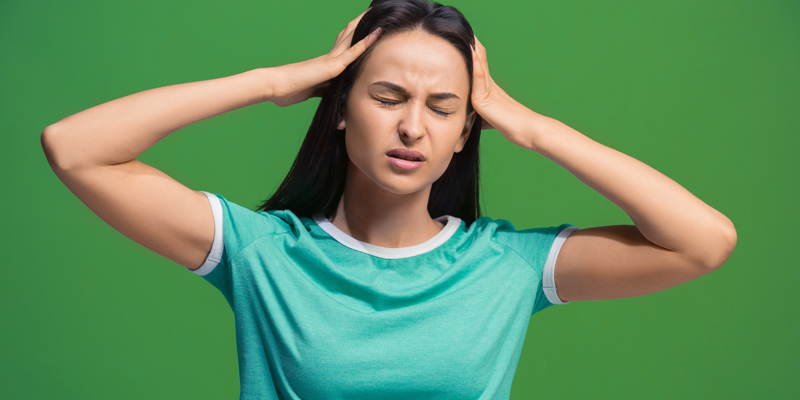

Ayurvedic Treatment for Migraines: A Natural Path to Relief

Migraine headaches can be debilitating, causing intense pain and disrupting daily life. Many people seek relief from conventional medications, but there is also a natural alternative worth considering: Ayurvedic treatment for Migraine. Ayurveda, an ancient system of medicine originating from India, offers holistic approaches to managing and preventing migraines. In this article, we will explore the principles of Ayurveda and discover how it can provide a natural path to relief for migraine sufferers.

Understand The Migraines

Migraines are recurring headaches characterized by severe throbbing pain, usually on one side of the head. They can be accompanied by other symptoms such as nausea, sensitivity to light and sound, and visual disturbances. Various factors, including stress, hormonal changes, certain foods, and environmental factors, often trigger migraines.

Understanding Ayurveda

Ayurveda, which means “science of life,” is a comprehensive system of medicine that focuses on achieving balance and harmony within the body, mind, and spirit. It views health as a state of optimal balance and disease as an imbalance or disruption of this harmony. Ayurveda seeks to restore balance through personalized treatments and lifestyle modifications.

Causes of Migraines in Ayurveda

According to Ayurveda, migraines are primarily caused by an imbalance of  doshas. Pitta represents the fire element and governs metabolism, while Vata represents the air and ether elements and controls movement. When Pitta and Vata become aggravated, they can disrupt the flow of energy and cause migraines.

Ayurvedic Diagnosis of Migraines

In Ayurveda, diagnosing migraines involves examining various factors such as the individual’s constitution (Prakriti), current imbalances (Vikriti), lifestyle, and emotional well-being. A skilled Ayurvedic practitioner will assess these factors to determine the underlying causes of Migraine headache and develop a personalized treatment plan.

Ayurvedic Treatment for Migraines

Ayurvedic Treatment for Migraines focuses on addressing the root causes rather than just alleviating symptoms. It involves a combination of herbal remedies, lifestyle modifications, dietary changes, and therapeutic interventions to restore balance and prevent future migraine episodes.

Ayurvedic Herbal Remedy for Migraine Relief

Ayurveda offers effective herbal remedies for migraine relief. These natural remedies have been used for centuries and are known for their ability to manage migraines. Here are some commonly used herbs:

  • Feverfew: It is known for its anti-inflammatory properties. Feverfew helps reduce the severity and frequency of migraines. It can be consumed as a tea or supplement.
  • Ginger: With powerful anti-inflammatory and analgesic properties, ginger is an excellent Ayurvedic remedy for migraine relief. It can alleviate pain, reduce nausea, and improve digestion. Ginger can be consumed as tea, added to meals, or taken in capsule or extract form.
  • Brahmi: This herb has a calming effect on the nervous system, making it beneficial for reducing stress-related migraines. It improves mental clarity and promotes relaxation. Brahmi can be consumed as a supplement or used as Brahmi oil for head massage.
  • Lavender: Lavender has soothing and calming properties, relieving migraine symptoms. It helps reduce stress and anxiety, common triggers for migraines. Lavender essential oil can be inhaled or applied topically (diluted with carrier oil).
  • Peppermint: With a cooling effect and natural muscle relaxant properties, peppermint alleviates tension headaches and migraines. Applying peppermint oil topically (diluted) or inhaling it can provide relief.
  • Coriander: Coriander seeds possess cooling and soothing properties that help reduce pain and inflammation associated with migraines. Soak coriander seeds in water overnight, then strain and consume the liquid in the morning for relief.


It is important to consult an Ayurvedic practitioner before using any herbal remedy for migraine to ensure proper dosage and suitability for your specific condition. The Ayurvedic herbal remedy can complement other lifestyle modifications and therapies to get relief from migraine effectively.

Lifestyle and Dietary Recommendations

Migraine headache treatment in Ayurveda emphasizes the importance of a balanced lifestyle and a nourishing diet.

Some recommendations include the following:

  • Stress management: Practicing relaxation techniques such as meditation and gentle yoga can help reduce stress, a common trigger for migraines.
  • Regular sleep schedule: Maintaining a consistent sleep routine promotes deep rest and helps prevent migraines.
  • Avoiding trigger foods: Certain foods like processed meats, aged cheeses, and artificial additives can trigger migraines. Identifying and avoiding these triggers is crucial.
  • Hydration: Drinking an adequate amount of water throughout the day supports overall health and can prevent dehydration-related migraines.

Ayurvedic Therapies for Migraine Management

Ayurveda offers effective therapies for managing migraines. These therapies focus on balancing the body and mind to address the root causes of migraines.

Here are some commonly used Ayurvedic therapies:

  • Shirodhara: Warm herbal oil is poured onto the forehead to promote relaxation and relieve migraines caused by stress and tension.
  • Nasya: Medicated oils or herbal preparations are administered into the nasal passages to clear congestion and reduce sinus-related migraines.
  • Abhyanga: Therapeutic full-body massage with warm herbal oils improves circulation, reduces muscle tension
  • Mukhalepam: Herbal pastes and masks applied to the face reduce stress, improve blood circulation, and alleviate migraines triggered by facial tension.
  • Panchakarma: This detoxification and rejuvenation therapy eliminates toxins, restores balance, and addresses imbalances contributing to migraines.


These Ayurvedic therapies, when combined with herbal remedies, lifestyle modifications, and a healthy diet, provide a comprehensive approach to effectively managing migraines.

Yoga and Meditation for Migraine Prevention

Yoga and meditation are integral parts of Ayurvedic treatment for migraine headache. Certain yoga asanas (postures) and meditation techniques can help reduce stress, improve blood flow, and promote overall well-being. Practices like Shavasana (corpse pose), Anulom Vilom (alternate nostril breathing), and Bhramari Pranayama (bee breath) are particularly beneficial for managing migraines.

Pranayama Techniques for Migraine Relief

Pranayama, the practice of controlled breathing, can be highly effective in relieving migraines. Techniques like Sheetali Pranayama (cooling breath) and Kapalabhati (skull-shining breath) help calm the mind, release tension, and balance the doshas.

Ayurvedic Self-Care Practices for Migraines

In addition to specific treatments and therapies, Ayurveda emphasizes self-care practices that can support migraine management. Some self-care practices to consider include:

  • Adequate rest: Taking breaks and allowing yourself time to relax and rejuvenate can prevent stress accumulation and reduce the risk of migraines.
  • Scalp massage: Massaging the scalp with herbal oils can improve blood circulation to the head and provide relief from migraines.
  • Hot and cold therapy: Applying hot or cold compresses to the head and neck area can help alleviate pain and reduce inflammation.

Managing Stress and Emotions

Stress and emotional imbalances can contribute to migraines. Ayurveda emphasizes the importance of managing stress through lifestyle modifications, mindfulness practices, and herbal support. Additionally, addressing emotional well-being through practices like journaling, counselling, and practising gratitude can help prevent migraines.

Ayurvedic Remedies for Acute Migraine Attacks

During acute migraine attacks, certain Ayurvedic remedies can provide immediate relief. Applying a paste of sandalwood and water to the forehead, inhaling the aroma of lavender essential oil, or drinking a cup of chamomile tea can help alleviate pain and induce relaxation.

Ayurvedic Treatment Duration and Follow-up

The duration of Ayurvedic treatment for migraine headache can vary depending on the severity and individual response to the therapies. Regular follow-up visits with an Ayurvedic practitioner are essential to monitor progress, make necessary adjustments to the treatment plan, and ensure long-term management of migraines.

Conclusion

Ayurvedic treatment for migraines offers a natural and holistic approach to managing and preventing these debilitating headaches. By addressing the root causes, balancing the doshas, and adopting lifestyle modifications, individuals can find relief and regain control over their health. Incorporating herbal remedies, Ayurvedic therapies, yoga, and meditation can further enhance the effectiveness of the treatment. Consult with a qualified Ayurvedic practitioner to receive personalized guidance and embark on a natural path to relief from migraines.

FAQs

What is an Ayurvedic remedy for migraine?
Ayurvedic remedies for migraines involve the use of natural herbs, lifestyle modifications, dietary changes, and therapeutic practices to alleviate symptoms and prevent future episodes. These remedies aim to restore balance in the body and address the underlying causes of migraines.

Is Ayurveda offer therapies specifically beneficial for migraine headache treatment?
Yes, Ayurveda offers specific therapies for migraine headache treatment. Some commonly recommended therapies include Shirodhara (continuous pouring of warm oil on the forehead), Nasya (administration of herbal oils or powders through the nasal passages), and Abhyanga (therapeutic massage with warm oils). These therapies help relax the nervous system, reduce stress, and promote relief from migraines.

Is Ayurvedic treatment effective for migrain headache?
Yes, Ayurvedic treatment can be highly effective in managing migrain headache. By addressing the underlying causes and imbalances, Ayurveda offers holistic solutions that promote long-term relief.

Are there any side effects of Ayurvedic remedies for migraines?
When used correctly and under the guidance of a qualified Ayurvedic practitioner, Ayurvedic remedies are generally safe and free from major side effects. However, individual sensitivities and allergies should be considered.

Can Ayurvedic treatment completely cure migraines?
While Ayurvedic treatment can provide significant relief and reduce the frequency and intensity of migraines, the extent of improvement may vary from person to person. Consistency and adherence to the treatment plan are key factors in achieving long-term results.

Can Ayurveda help in preventing migraines?
Yes, Ayurveda focuses on identifying triggers, balancing the doshas, and promoting overall well-being, which can help prevent migraines. By adopting Ayurvedic lifestyle recommendations, individuals can minimize the risk of migraine episodes.

Regrow Your Hair Naturally with Ayurvedic Treatment

Are you experiencing hair loss and looking for a natural solution? Ayurveda, the ancient Indian system of medicine, offers effective remedies for hair regrowth. Ayurvedic treatment for hair loss and regrowth focuses on addressing the root cause of the problem and promoting overall well-being. In this article, we will explore the principles of Ayurveda and discover various Ayurvedic remedies for hair regrowth.

Understanding Hair Loss

Hair loss can be a distressing condition that affects both men and women. It can occur due to various factors such as genetics, hormonal imbalances, nutritional deficiencies, stress, and certain medical conditions. Understanding the underlying causes and types of hair loss is crucial to finding the right treatment.

Causes of Hair Loss

Hair loss can be caused by genetic factors, hormonal changes, poor nutrition, scalp infections, excessive styling, and certain medications. By addressing the specific cause, you can effectively treat and prevent further hair loss.

Types of Hair Loss

There are different types of hair loss, including androgenic alopecia (male and female pattern baldness), alopecia areata (patchy hair loss), telogen effluvium (temporary hair shedding), and traction alopecia (hair loss due to pulling or tension). Each type requires a tailored approach to treatment.

Ayurvedic Approach to Hair Care

Ayurveda, the holistic system of medicine, views hair as an extension of one’s overall health. According to Ayurvedic principles, imbalances in the doshas (Vata, pitta, and kapha) can contribute to hair problems. Restoring the balance of these doshas is the key to healthy hair.

Principles of Ayurveda
Ayurveda emphasizes the importance of maintaining a healthy lifestyle and following a balanced diet. It advocates for the use of natural herbs, oils, and therapies to promote hair growth and prevent hair loss. The approach is holistic, focusing on the individual as a whole.

Ayurvedic Treatment for Hair Loss and Regrowth
Ayurvedic treatments for hair loss and regrowth involve a combination of herbal remedies, dietary modifications, lifestyle changes, and stress management techniques. These treatments aim to rejuvenate the scalp, strengthen the hair follicles, and promote healthy hair growth.

Ayurvedic Remedies for Hair Regrowth

When it comes to regrowing your luscious locks, Ayurveda holds the key to unlocking nature’s secrets.
Let’s delve into the captivating world of Ayurvedic remedies for hair regrowth and discover the enchanting power of these time-tested treatments.

Amla: The Vitamin C Powerhouse

Amla, also known as Indian gooseberry, is renowned for its high vitamin C content and antioxidant properties. It nourishes the hair follicles, strengthens the roots, and promotes hair growth. Here’s how you can incorporate amla into your hair care routine:

  • Consume amla in its fresh, dried, or powdered form to benefit from its internal rejuvenating effects.
  • Apply amla oil to your scalp and gently massage it in circular motions. This helps stimulate blood circulation and nourish the hair follicles.

Bhringraj: The King of Hair Growth

Bhringraj is often hailed as the “king of herbs” for its remarkable ability to promote hair regrowth. It stimulates hair follicles, prevents premature greying, and nourishes the scalp. Here’s how you can harness the power of bhringraj:

  • Use bhringraj oil, which is readily available in Ayurvedic stores or online. Apply the oil to your scalp and massage it gently. Leave it on for a few hours or overnight before rinsing.
  • Alternatively, you can make a hair pack by mixing bhringraj powder with water or yogurt. Apply the paste to your scalp and hair, leave it on for about 30 minutes, and then rinse thoroughly.

Brahmi: The Calming Elixir

Brahmi, also known as gotu kola, is an Ayurvedic herb with calming and rejuvenating effects on the scalp. It improves blood circulation, strengthens hair follicles, and promotes hair growth. Here’s how you can incorporate brahmi into your hair care routine:

  • Apply brahmi oil to your scalp and massage it gently. Leave it on for a few hours or overnight before washing your hair.
  • Alternatively, you can make a hair mask by mixing brahmi powder with water or aloe vera gel. Apply the paste to your scalp and hair, leave it on for about 30 minutes, and then rinse thoroughly.

Coconut Oil: The Natural Elixir

Coconut oil is a beloved Ayurvedic remedy for hair growth and overall hair health. It acts as a natural emollient, moisturizing the scalp and nourishing the hair. Here’s how you can make the most of coconut oil:

  • Warm up coconut oil and massage it into your scalp using circular motions. This helps stimulate blood circulation and promotes the absorption of nutrients.
  • Leave the oil on overnight for maximum benefits, and wash your hair the next morning. Regular use of coconut oil can strengthen hair follicles, reduce protein loss, and promote healthy hair growth.


Neem: The Nature’s Cleanser

Neem, also known as Indian lilac, is a potent herb with antibacterial and antifungal properties. It helps cleanse the scalp, nourish hair follicles, and promote healthy hair growth. Here’s how you can utilize neem for your hair:

  • Boil neem leaves in water until the water reduces to half its original quantity. Allow the mixture to cool and strain it. Use the neem-infused water as a final rinse after shampooing your hair.
  • Alternatively, you can apply neem oil to your scalp and massage it gently. Leave it on for a few hours before washing your hair.


Hibiscus: The Flower of Beauty

Hibiscus is not only a stunning flower but also a fantastic remedy for hair growth. It strengthens the hair, prevents breakage, and adds a natural lustre to your locks. Here’s how you can harness the power of hibiscus:

  • Create a hair mask by grinding hibiscus flowers and leaves into a paste. Apply this paste to your scalp and hair, leave it on for about 30 minutes, and then rinse thoroughly.
  • Alternatively, you can use hibiscus-infused hair oil. Simply soak hibiscus flowers and leaves in carrier oil like coconut or sesame oil for a few weeks. Strain the oil and use it for regular scalp massages.


Fenugreek Seeds: The Seed of Strength

Fenugreek seeds, also known as methi, are a powerhouse of nutrients that can boost hair growth and prevent hair loss. They contain proteins, vitamins, and minerals that nourish the hair follicles and promote healthy strands. Here’s how you can incorporate fenugreek seeds into your hair care routine:

  • Soak fenugreek seeds in water overnight. Grind them into a fine paste the next morning and apply it to your scalp and hair. Leave it on for about 30 minutes before rinsing thoroughly.
  • You can also combine fenugreek seed powder with yogurt to make a hair mask. Apply the mask to your scalp and hair, leave it on for about 30 minutes, and then wash off with a mild shampoo.

Remember, consistency is key when using Ayurvedic remedies. Give these natural ingredients time to work their magic and embrace the beauty of regrowing your hair naturally.


Ayurvedic Treatment for Hair Loss and Regrowth

Discover the time-honoured Ayurvedic therapies that combat hair loss and promote regrowth for a vibrant and healthy mane. Let’s delve into the powerful Ayurvedic treatments that can help you regain your crowning glory:

Shiroabhyanga: The Soothing Scalp Massage

Shiroabhyanga, a therapeutic scalp massage, is a cornerstone of Ayurvedic treatment for hair loss and regrowth. This ancient practice not only nourishes the scalp but also stimulates hair follicles and promotes blood circulation. Here’s what you need to know about Shiroabhyanga:

  • Warm Ayurvedic oils like Brahmi, Bhringraj, or Amla oil are gently massaged into the scalp, allowing their potent herbal properties to penetrate deeply.
  • The rhythmic massage movements improve blood circulation, which helps deliver essential nutrients to the hair follicles.
  • Regular sessions of Shiroabhyanga can strengthen the hair roots, reduce hair fall, and stimulate regrowth.

Nasya: Balancing Energy and Revitalizing Hair Follicles

Nasya, an Ayurvedic therapy for rejuvenating the head and neck region, has remarkable benefits for hair loss and regrowth. This treatment involves the administration of medicated oils or herbal preparations through the nasal passage. Here’s how Nasya can aid in hair restoration:

  • The herbal oils used in Nasya help balance the doshas (energies) in the head and neck region, promoting overall well-being, including healthy hair growth.
  • The therapeutic effects of Nasya extend to the hair follicles, where the herbal preparations nourish and revitalize them.
  • By improving blood circulation and enhancing the absorption of nutrients, Nasya can effectively address the underlying causes of hair loss and stimulate regrowth.


Panchakarma: Detoxification for Hair Rejuvenation

Panchakarma, a comprehensive Ayurvedic detoxification therapy, offers a holistic approach to addressing hair loss by eliminating toxins and restoring balance in the body. This rejuvenating treatment involves a series of steps to cleanse and revitalize the system. Here’s how Panchakarma supports hair regrowth:

  • The detoxification process of Panchakarma eliminates toxins that can contribute to hair loss and scalp issues.
  • By removing impurities from the body, Panchakarma helps create an optimal environment for hair follicles to thrive.
  • This holistic therapy also improves digestion, metabolism, and overall well-being, which are crucial factors for healthy hair growth.

By incorporating these Ayurvedic treatments into your hair care regimen, you can address the root causes of hair loss and stimulate natural regrowth, revealing a vibrant and voluminous mane.


Conclusion

Regrowing your hair naturally with Ayurvedic treatment is a holistic approach that addresses the root cause of hair loss. By following Ayurvedic principles, incorporating herbal remedies, and maintaining a healthy hair care routine, you can promote hair regrowth and maintain healthy, lustrous locks. Embrace the power of Ayurveda and enjoy the benefits of naturally beautiful hair.

FAQs

Can Ayurvedic treatment regrow hair for everyone?
Ayurvedic treatment can be beneficial for most people experiencing hair loss, but individual results may vary. It’s important to consult an Ayurvedic practitioner for personalized advice.

How long does it take to see results with Ayurvedic hair regrowth remedies?
The time it takes to see results may vary depending on the severity of the hair loss and individual factors. Consistency and patience are key when using Ayurvedic remedies.

Are there any side effects of using Ayurvedic treatments for hair regrowth?
Ayurvedic treatments generally have minimal side effects when used correctly. However, it’s important to use genuine, high-quality products and follow the recommended guidelines.

Can Ayurvedic treatments prevent hair loss caused by genetics?
While Ayurvedic treatments can improve the overall health of your hair, they may not completely reverse hair loss caused by genetic factors. However, they can help slow down the progression of hair loss.

Are Ayurvedic remedies safe to use alongside other hair care products?
Ayurvedic remedies are generally safe to use alongside other hair care products. However, it’s advisable to avoid harsh chemical treatments and choose natural, gentle products that align with Ayurvedic principles.

Ayurveda in Modern World: Challenges and Opportunities

Ayurveda is an ancient Indian medical system that dates back more than 5000 years. It is based on the concept of holistic health and well-being, which integrates physical, mental, and spiritual aspects of human life. Ayurveda uses natural herbs, minerals, and animal products to treat various ailments and diseases. In recent years, Ayurveda has gained significant popularity in the modern world as people are looking for natural alternatives to conventional medicine. However, Ayurveda faces several challenges and opportunities in the modern world, which we will discuss in this article.

Know About Ayurveda

Ayurveda is a Sanskrit word that means “knowledge of life” or “science of life.” It is a holistic medical system that emphasizes the importance of maintaining balance and harmony in the body, mind, and spirit to achieve optimal health. Ayurveda is based on the principle that each person is unique, and therefore, their health and well-being should be personalized according to their body type, lifestyle, and environment.

History of Ayurveda

Ayurveda has a long and rich history that dates back more than 5000 years. It originated in the Indian subcontinent and is considered one of the oldest medical systems in the world. The first recorded evidence of Ayurveda can be found in the Vedas, which are ancient Hindu texts. Ayurveda was developed by the sages and seers who lived in the forests and mountains of India. Over time, Ayurveda evolved and spread to other parts of the world, including Tibet, China, and Southeast Asia.

Principles of Ayurveda

Ayurveda is based on several fundamental principles that are critical to its philosophy and practice. These principles include:

Tridoshas

Tridoshas are the three fundamental energies that govern the body’s functions. They are known as Vata, Pitta, and Kapha. Each person has a unique combination of these three doshas, which determines their body type, personality, and health.

Prakriti

Prakriti is a person’s natural constitution, which is determined by their dosha balance. Understanding a person’s Prakriti is essential to personalized Ayurvedic treatment.

Panchamahabhutas

Panchamahabhutas are the five elements that make up the universe and the human body. They are earth, water, fire, air, and ether. Each dosha is associated with specific elements which affect a person’s physical and mental health.

Saptadhatus

Saptadhatus are the seven tissues that make up the human body, according to Ayurveda. Each of these tissues has a specific function and is essential for maintaining optimal health.

The seven saptadhatus are:

  1. Rasa – This is the plasma or the fluid part of the blood that carries nutrients to all parts of the body.
  2. Rakta – This is the blood and is responsible for carrying oxygen and nutrients to the tissues and organs of the body.
  3. Mamsa – This is the muscle tissue and is responsible for movement and strength.
  4. Meda – This is the fat tissue and is responsible for insulation and energy storage.
  5. Asthi – This is the bone tissue and is responsible for supporting the body.
  6. Majja – This is the bone marrow and is responsible for producing blood cells and maintaining immunity.
  7. Shukra – This is the reproductive tissue and is responsible for fertility and sexual health.

In Ayurveda, it is believed that the health of the saptadhatus is essential for overall health and well-being. An imbalance in any of these tissues can lead to health problems and disease. Ayurvedic treatments focus on restoring balance to the saptadhatus through natural remedies, lifestyle changes, and dietary modifications.

Ayurvedic Treatment

The Ayurvedic approach to treatment considers the individual’s distinct constitution and current state of health. It focuses on restoring balance and harmony to the body, mind, and spirit. Ayurvedic treatment includes:

Herbal Medicine

Ayurveda uses natural herbs and plant extracts to treat various diseases and ailments. Ayurvedic medicine is prepared using herbs, minerals, and animal products. It is believed that natural remedies have fewer side effects and can be more effective than conventional medicine.

Diet and Lifestyle Changes

Ayurveda emphasizes the importance of diet and lifestyle changes to maintain optimal health. Ayurvedic diet is based on the individual’s dosha balance and includes foods that balance the doshas and promote health. Ayurvedic lifestyle includes daily routines, such as yoga, meditation, and massage, which help maintain balance and harmony in the body.

Panchakarma

Panchakarma is an Ayurvedic detoxification treatment that cleanses the body of toxins and impurities. It includes five procedures, such as Vamana (induced vomiting), Virechana (purgation), Nasya (nasal medication), Basti (medicated enema), and Raktamokshana (bloodletting).

Yoga and Meditation

Yoga and meditation are an essential part of Ayurvedic treatment. They help reduce stress and anxiety and promote relaxation. Yoga includes various postures and breathing exercises that help maintain physical and mental health.

Ayurveda Challenges and Opportunities in Modern World

Ayurveda has gained significant popularity in the modern world as people are looking for natural alternatives to conventional medicine. However, Ayurveda faces several challenges and opportunities in the modern world, which we will discuss below.

Ayurveda Challenges 

Lack of Scientific Validation
Ayurveda has been criticized for its lack of scientific validation. Many Ayurvedic treatments have not been scientifically studied, and there is little research to support their effectiveness.

Cultural Appropriation
Ayurveda has been appropriated by the Western world, and many Ayurvedic practices and products have been commercialized. This has led to a loss of cultural identity and authenticity.

Quality Control and Safety Concerns
Ayurvedic products are not regulated in many countries, which raises concerns about their safety and quality. Many Ayurvedic products have been found to contain harmful substances, such as heavy metals.

Ayurveda Opportunities

Increasing Demand for Natural Remedies
There is an increasing demand for natural remedies, and Ayurveda is becoming more popular in the modern world. People are looking for alternative ways to maintain their health and well-being.

Integration with Modern Medicine
Ayurveda has the potential to complement modern medicine. You can use Ayurvedic treatments alongside conventional medicine to provide a more holistic approach to healthcare.

Wellness Tourism
Ayurvedic treatments have become popular among tourists, and many countries, such as India and Sri Lanka, offer Ayurvedic wellness tourism packages. This has created new opportunities for Ayurvedic practitioners and businesses.

Conclusion

Ayurveda is an ancient Indian medical system that has gained popularity in the modern world. Ayurvedic practices offer a holistic approach to healthcare, which emphasizes the importance of balance and harmony in the body, mind, and spirit. Ayurveda faces several challenges and opportunities in the modern world, including the lack of scientific validation, cultural appropriation, quality control, and safety concerns. However, Ayurveda has the potential to complement modern medicine, provide natural alternatives to conventional medicine, and create new opportunities for businesses and practitioners.

FAQs

What is the difference between Ayurveda and modern medicine?
Ayurvedic and modern medicine have different approaches to healthcare. Ayurveda emphasizes the importance of balance and harmony in the body, mind, and spirit, while modern medicine focuses on treating specific symptoms or diseases. Ayurveda also uses natural remedies and lifestyle changes to promote health, while modern medicine relies on synthetic drugs and surgery.

Is Ayurveda safe?
Ayurveda can be safe when practiced by trained professionals and when products are of high quality. However, there have been concerns about the safety and quality of Ayurvedic products, especially when they are not regulated.

Can you use Ayurvedic treatments alongside modern medicine?
You can use Ayurvedic treatments alongside modern medicine, but it is important to consult with a healthcare professional before combining different treatments.

How long does Ayurvedic treatment take to work?
The duration of Ayurvedic treatment depends on the individual’s health condition and the severity of the disease. Some treatments may take a few days to work, while others may take several months.

Is Ayurvedic treatment effective?
The effectiveness of Ayurvedic treatment depends on several factors, such as the individual’s constitution, health condition, and the quality of the treatment. Ayurveda has been found to be effective in treating several health conditions, but more research is needed to validate its effectiveness.

Chronic cough Ayurvedic Treatment: An Ayurvedic Approach

Chronic cough can be a persistent and bothersome condition that significantly affects one’s quality of life. While conventional medicine offers various treatment options, Ayurveda, the ancient Indian system of medicine, provides a holistic approach to addressing chronic cough and promoting overall respiratory health. In this article, we will explore Ayurvedic treatments, key herbs, and formulations, along with lifestyle recommendations to manage Chronic Cough effectively.

Understanding Chronic Cough

Chronic cough is defined as a cough that lasts for more than eight weeks in adults or four weeks in children. It can be caused by various factors, such as respiratory infections, allergies, asthma, and gastroesophageal reflux disease (GERD). Ayurveda views chronic cough as a manifestation of underlying imbalances in the doshas, particularly Vata and Kapha.

Ayurvedic Perspective on Chronic Cough

According to Ayurveda, chronic cough is associated with an imbalance in Vata and Kapha doshas. Vata represents the air and space elements, while Kapha represents the water and earth elements. Imbalances in these doshas can lead to excessive dryness (Vata) or congestion (Kapha) in the respiratory system, resulting in persistent coughing.

Causes of Chronic Cough

  • Respiratory Infections: Chronic cough can be a lingering symptom of respiratory infections such as bronchitis, sinusitis, or pneumonia.
  • Allergies and Asthma: Allergic reactions and asthma can trigger chronic cough by irritating the airways.
  • Gastroesophageal Reflux Disease (GERD): Acid reflux from the stomach can cause irritation in the throat, leading to a chronic cough.
  • Smoking and Environmental Factors: Smoking and exposure to environmental pollutants can contribute to chronic cough.

Ayurvedic Treatments for Chronic Cough

Ayurveda offers a comprehensive approach to managing chronic cough by addressing the root cause and balancing the doshas. Here are some effective Ayurvedic treatments for chronic cough:

  • Herbal Remedies: Ayurvedic herbs such as Vasaka, Tulsi, Yashtimadhu, and Kantakari have potent expectorant and soothing properties that help alleviate cough and promote respiratory health.
  • Dietary and Lifestyle Changes: Following a warm and nourishing diet, avoiding cold and heavy foods, staying hydrated, and practising deep breathing exercises can support the healing process and reduce coughing.
  • Ayurvedic Therapies: Ayurvedic therapies like Nasya (nasal administration of medicated oils), steam inhalation, and Panchakarma (detoxification procedures) can help clear the respiratory passages and strengthen the lungs.

Key Ayurvedic Herbs for Chronic Cough

  • Vasaka (Adhatoda vasica): Vasaka is a powerful herb known for its bronchodilator and expectorant properties. It helps loosen mucus, relieve congestion, and soothe the airways.
  • Tulsi (Ocimum sanctum): Tulsi, or Holy Basil, has antimicrobial and anti-inflammatory properties. It supports respiratory health, reduces cough, and strengthens the immune system.
  • Yashtimadhu (Glycyrrhiza glabra): Yashtimadhu acts as a natural demulcent and expectorant. It helps soothe the throat, reduces cough, and supports overall respiratory function.
  • Kantakari (Solanum xanthocarpum): Kantakari is a potent herb that aids in expectoration, reduces cough, and helps clear congestion in the respiratory system.

Ayurvedic Formulations for Chronic Cough

  • Sitopaladi Churn: Sitopaladi Churna is a classic Ayurvedic formulation that combines herbs like Sitopala (sugar candy), Vamshalochana (bamboo manna), Pippali (long pepper), and Ela (cardamom). It is commonly used to relieve cough, congestion, and respiratory discomfort.
  • Talisadi Churn: Talisadi Churna is another well-known Ayurvedic formula that contains herbs like Talisa (Abies webbiana), Vamshalochana, Pippali, and Ela. It helps manage chronic cough, asthma, and bronchitis.
  • Kanakasav: Kanakasava is an Ayurvedic liquid formulation that combines herbs like Vasaka, Kantakari, Guduchi (Tinospora cordifolia), and Bharangi (Clerodendrum serratum). It is beneficial in treating chronic cough, respiratory infections, and asthma.

Prevention and Management of Chronic Cough

In addition to Ayurvedic treatments, the following preventive measures and lifestyle changes can help manage chronic cough effectively:

  • Hydration and Humidification: Drinking plenty of warm fluids and using a humidifier can help moisturize the airways, reduce irritation, and alleviate coughing.
  • Avoiding Triggers: Identifying and avoiding triggers such as allergens, irritants, and cold air can minimize the frequency and severity of coughing episodes.
  • Stress Management: Stress-reducing techniques like meditation, yoga, and deep breathing can help control coughing triggered by stress or anxiety.

Ayurveda and Overall Respiratory Health

Ayurveda emphasizes maintaining overall respiratory health to prevent and manage chronic coughs effectively. Following a balanced lifestyle, incorporating Ayurvedic dietary guidelines, and practising pranayama (breathing exercises) can help improve lung strength, enhance immunity, and promote a healthy respiratory system.

Conclusion

We have covered a detailed guide on Chronic Cough and its Ayurvedic Treatment. Chronic cough can significantly impact a person’s quality of life. While modern medicine provides various treatment options, Ayurveda offers a holistic approach that addresses the root cause and aims for long-term relief. By incorporating Ayurvedic principles, herbal remedies, dietary recommendations, lifestyle modifications, and breathing exercises, individuals can manage chronic cough effectively and improve their overall respiratory health.

FAQs

Can Ayurvedic treatments completely cure chronic cough?
Ayurvedic treatments aim to address the root cause of chronic cough and provide symptomatic relief. However, the outcome may vary depending on the individual’s condition and adherence to the recommended treatment plan.

Are Ayurvedic herbs safe to use for chronic cough?
Ayurvedic herbs are generally safe when used as directed and in consultation with a qualified Ayurvedic practitioner. However, it’s essential to inform your healthcare provider about any existing medical conditions or ongoing treatments.

Can dietary changes help with a chronic cough?
Yes, dietary changes play a crucial role in managing chronic cough. Avoiding cold and heavy foods, consuming warm and nourishing meals, and staying hydrated can provide relief and support respiratory health.

Is Ayurvedic treatment suitable for children with chronic cough?
Ayurvedic treatment can be beneficial for children with Chronic Cough. However, it is important to consult a qualified Ayurvedic practitioner for appropriate dosages and formulations suitable for children.

How long does it take to see results with Ayurvedic treatment for Chronic Cough?
The time required to see results may vary depending on the individual’s condition, severity of symptoms, and adherence to the recommended treatments. It’s important to follow the treatment plan consistently and consult with an Ayurvedic practitioner for personalized guidance.

Can Ayurvedic treatments be used alongside conventional medicine for Chronic Cough?
Yes, Ayurvedic treatments can be used in conjunction with conventional medicine for Chronic Cough. It is advisable to consult with healthcare professionals from both disciplines to ensure safe and effective integration.

Ayurveda and Personalized Medicine: A New Frontier

As the field of medicine continues to evolve, personalized medicine has become a new frontier for healthcare providers. Personalized medicine allows healthcare professionals to tailor treatments for individual patients. This involves taking into account a patient’s unique genetic makeup, lifestyle factors, and environmental influences. Ayurveda, an ancient system of medicine from India, has gained attention as a potential tool for personalized medicine. Ayurveda has been used for thousands of years and has a holistic approach to health and wellness.
In this article, we will explore the principles of Ayurveda and how they can be applied to personalized medicine.

Introduction to Aysurveda

Ayurveda is a Sanskrit word that means “science of life.” It is a holistic approach to health and wellness that emphasizes the interconnectedness of the mind, body, and spirit. According to Ayurvedic philosophy, each person is unique and has a specific combination of three doshas, or energies. These doshas determine their physical and mental characteristics. The three doshas are Vata, Pitta, and Kapha. They are believed to be responsible for regulating bodily functions, such as digestion, metabolism, and energy levels.

Understanding Personalized Medicine


Personalized medicine is a model of healthcare that takes into account the individual variations in genetics, environment, and lifestyle that contribute to disease. Rather than taking a one-size-fits-all approach to treatment, personalized medicine seeks to tailor therapies to the specific needs of each patient. This approach can result in more effective treatments, reduced side effects, and better outcomes for patients.

Ayurveda as a Tool for Personalized Medicine


Ayurveda can be used as a tool for personalized medicine. It helps healthcare providers understand each patient’s unique dosha balance and tailors treatment accordingly. Ayurvedic practitioners use a variety of techniques to assess a patient’s dosha balance. These techniques include pulse diagnosis, tongue examination, and observation of physical and mental characteristics.

An Ayurvedic practitioner can develop a personalized treatment plan for a patient after identifying their dosha balance. The plan can include dietary recommendations, lifestyle modifications, and herbal remedies. For instance, a patient with a Vata imbalance may be advised to consume warm, moist foods. They may also be advised to avoid cold, dry foods. On the other hand, a patient with a Pitta imbalance may be advised to eat cooling foods. They may also be advised to steer clear of spicy or acidic foods.

Benefits of Ayurveda in Personalized Medicine


Holistic approach: Ayurveda takes a holistic approach to health and wellness, considering the interconnectedness of the mind, body, and spirit. This approach can help identify the root cause of a patient’s health issues rather than simply treating the symptoms.

Personalized treatment plans: Ayurveda recognizes that each person is unique and therefore requires personalized treatment plans. By taking into account a patient’s dosha (body type) and other individual characteristics, Ayurvedic practitioners can develop customized treatment plans that address the specific needs of each patient.

Natural remedies: Ayurvedic treatments often involve the use of natural remedies, such as herbs, oils, and spices. These remedies are believed to be gentler on the body and have fewer side effects than synthetic medications.

Reduced side effects: Since Ayurvedic treatments are personalized and often involve natural remedies, they can have fewer side effects than traditional medications. This can be particularly beneficial for patients who are sensitive to certain drugs or have a history of adverse reactions.

Emotional well-being: Ayurveda recognizes the importance of emotional well-being in overall health. By addressing emotional imbalances and stressors, Ayurvedic treatments can help promote a sense of calm and balance in the mind and body.

Chronic disease management: Ayurvedic treatments can be particularly effective for managing chronic diseases, such as diabetes, arthritis, and cardiovascular disease. By developing personalized treatment plans that address the underlying causes of these conditions, Ayurvedic practitioners can help patients manage their symptoms and improve their quality of life.

Prevention-focused: Ayurveda places a strong emphasis on disease prevention and overall wellness. By identifying imbalances in the body before they develop into full-blown illnesses, Ayurvedic practitioners can help patients maintain optimal health and avoid chronic conditions.

Integrating Ayurveda into Modern Medicine

While Ayurveda has been used for thousands of years in India, it is only recently that it has gained attention as a tool for personalized medicine in the Western world. Integrating Ayurveda into modern medicine can be a challenge, as the two systems have different approaches to diagnosis and treatment. However, many healthcare providers recognize the value of Ayurveda in promoting holistic wellness and tailoring treatment to the specific needs of each patient.

The Future of Ayurveda and Personalized Medicine

As personalized medicine continues to evolve, Ayurveda is likely to play an increasingly important role in healthcare. By using Ayurvedic principles to understand each patient’s unique dosha balance and tailoring treatment accordingly, healthcare providers can achieve better outcomes and promote holistic wellness. As more research is conducted into the efficacy of Ayurveda in personalized medicine, we can expect to see it become more widely integrated into modern healthcare.

Conclusion

Ayurveda has the potential to be a valuable tool for personalized medicine. By taking into account the unique characteristics of each patient, Ayurvedic practitioners can develop personalized treatment plans that can be more effective and have fewer side effects than traditional one-size-fits-all approaches. As more healthcare providers integrate Ayurveda into their practice, we can expect to see the benefits of personalized medicine continue to expand. However, it is important to note that Ayurveda should not be used as a replacement for modern medicine but rather as a complementary approach that can help promote holistic wellness.

FAQs

Is Ayurveda safe?
Ayurveda is generally considered safe when practiced by qualified practitioners. However, as with any medical treatment, there may be potential risks and side effects.

Can Ayurveda treat all types of diseases?
Ayurveda can be used to treat a wide range of diseases and conditions, but it may not be effective for all cases. It is important to consult with a qualified Ayurvedic practitioner to determine the best course of treatment for your specific needs.

How is Ayurveda different from modern medicine?
Ayurveda and modern medicine have different approaches to diagnosis and treatment. Ayurveda emphasizes the interconnectedness of the mind, body, and spirit, while modern medicine focuses more on the physical aspects of disease.

Is Ayurveda only for people with a specific cultural background?
Ayurveda has its roots in Indian culture, but it can be practiced by people of all cultural backgrounds. Its principles can be applied to anyone, regardless of their ethnic or cultural background.

How can I find a qualified Ayurvedic practitioner?
You can find a qualified Ayurvedic practitioner by researching online or asking for recommendations from your healthcare provider. It is important to ensure that the practitioner you choose is properly trained and licensed.


Ayurveda and Mind, Body Health: Exploring the Connection

Ayurveda, an ancient holistic healing system from India, emphasizes the balance between mind, body, and spirit for optimal health and well-being. This system has been in practice for over 5,000 years and has been gaining popularity in the West due to its effectiveness in managing various health conditions. In this article, we will explore the connection between Ayurveda and mind-body health and how it can benefit individuals seeking holistic healing.

Understanding Ayurveda

Ayurveda is a Sanskrit term that translates to “the science of life.” It is a holistic approach to health that emphasizes the balance between mind, body, and spirit for optimal well-being. The principles of Ayurveda are based on the belief that each individual is unique and there is no one-size-fits-all approach to health and healing.

Ayurveda is gaining popularity in the West due to its effectiveness in managing various health conditions, including chronic pain, digestive issues, and mental health problems such as anxiety and depression. In this article, we will explore the connection between Ayurveda and mind-body health and how it can benefit individuals seeking.

What is Ayurveda?

Ayurveda is an ancient holistic healing system from India that dates back over 5,000 years. It is based on the belief that health and well-being depend on the balance between mind, body, and spirit. Ayurveda uses a personalized approach to health and healing, focusing on the individual’s unique constitution, or “dosha.”

Ayurvedic Principles

Five Elements and Three Doshas

Ayurveda is based on the principles of the five elements: ether, air, fire, water, and earth. These elements combine to form the three doshas: Vata (ether and air), Pitta (fire and water), and Kapha (water and earth).
Each individual has a unique combination of doshas, which determines their physical and mental characteristics, such as body type, temperament, and preferences. Ayurvedic practitioners use this information to develop a personalized approach to health and healing.

Mind-Body Connection

Ayurveda recognizes the connection between the mind and body and the impact that mental health has on physical health. Negative emotions, stress, and anxiety can lead to physical health problems, while positive emotions and a calm mind can promote well-being.

Ayurveda uses a holistic approach to mental health, focusing on lifestyle practices and treatments that promote balance and harmony between the mind and body.

Ayurvedic Lifestyle Practices for Mind-Body Health

Ayurveda recommends various lifestyle practices for promoting mind-body health. These practices include:

Proper Diet and Nutrition
Ayurveda recognizes the importance of proper nutrition for maintaining optimal health. Ayurvedic practitioners recommend a diet that is tailored to the individual’s dosha and promotes balance and harmony between the mind and body.

The Ayurvedic diet is based on six tastes: sweet, sour, salty, bitter, pungent, and astringent. Each taste has a different effect on the body and mind, and the goal of the Ayurvedic diet is to balance the tastes based on the individual’s dosha.

For example, a person with a Vata dosha should eat warm, nourishing foods that are sweet, sour, and salty to balance their cold and dry qualities. A person with a Pitta dosha should eat cooling, calming foods that are bitter, sweet, and astringent to balance their hot and sharp qualities. A person with a Kapha dosha should eat light, spicy foods that are pungent, bitter, and astringent to balance their heavy and sluggish qualities.

Yoga and Meditation
Yoga and meditation are essential components of Ayurvedic practice for promoting mind-body health. It is a physical practice that involves various postures, or asanas, that promote flexibility, strength, and balance. Yoga also includes breathing techniques, or pranayama, that help calm the mind and reduce stress.

Meditation is a mental practice that involves focusing the mind and achieving a state of calm awareness. Meditation can help reduce stress, anxiety, and depression and promote a sense of inner peace and well-being.

Aromatherapy
Aromatherapy is a form of holistic healing that uses essential oils to promote physical and emotional well-being. Ayurveda uses aromatherapy as a natural way to balance the doshas and promote mind-body health.

Massage Therapy
Ayurveda recognizes the healing power of touch and recommends various massage therapies for promoting relaxation and reducing stress. Abhyanga, a full-body oil massage, is a common Ayurvedic massage therapy that promotes mind-body health.

Ayurvedic Herbs and Supplements
Ayurveda uses a variety of herbs and supplements to promote mind-body health. These herbs and supplements are tailored to the individual’s dosha and may include ginger, turmeric, ashwagandha, and Triphala.

Ayurvedic Treatments for Mind-Body Health

Ayurveda offers various treatments for promoting mind-body health. These treatments include:

Panchakarma
Panchakarma is a cleansing and detoxification process that removes toxins from the body and promotes mind-body health. This Ayurvedic treatment includes five procedures: Vamana (emesis), virechana (purgation), Basti (enema), Nasya (nasal medication), and rakta moksha (bloodletting).

Shirodhara
Shirodhara is an Ayurvedic treatment that involves pouring warm oil over the forehead in a continuous stream. This treatment promotes relaxation and reduces stress, anxiety, and insomnia.

Abhyanga
Abhyanga is a full-body oil massage that promotes relaxation and reduces stress. This Ayurvedic massage therapy also promotes lymphatic drainage and improves circulation.

Ayurvedic Approach to Mental Health

Ayurveda takes a holistic approach to mental health, recognizing the connection between the mind and body. Ayurvedic treatments and lifestyle practices can help manage various mental health conditions, including:

Anxiety and Depression
Ayurveda recommends various lifestyle practices, such as yoga, meditation, and aromatherapy, for managing anxiety and depression. Ayurvedic herbs and supplements, such as ashwagandha and Brahmi, can also help reduce anxiety and depression symptoms.

Stress Management
Ayurveda offers various lifestyle practices and treatments, such as massage therapy and Panchakarma, for managing stress. These practices promote relaxation and reduce the negative effects of stress on the mind and body.

Insomnia
Ayurveda recognizes the importance of proper sleep for maintaining optimal health. Ayurvedic treatments, such as Shirodhara, and lifestyle practices, such as yoga and meditation, can help promote relaxation and improve sleep quality.

The Benefits of a Balanced Mind-Body Connection 

  • When the mind and body are in balance, we experience a wide range of benefits, including improved physical health, mental clarity, emotional stability, and spiritual growth.
  • By promoting a balanced mind-body connection through Ayurvedic practices and lifestyle factors, we can experience greater vitality, happiness, and fulfillment in our lives.
  • Ayurveda recognizes that each person is unique and offers personalized treatment plans to support individual health and well-being.

Conclusion

We have covered a detailed guide on Ayurveda and Mind-Body Health Connection. Ayurveda is an ancient holistic healing system that emphasizes the balance between mind, body, and spirit for optimal health and well-being. Ayurvedic lifestyle practices and treatments can help manage various health conditions and promote mind-body health. By incorporating Ayurveda into your daily life, you can achieve balance, harmony, and optimal well-being.

FAQs

How does Ayurveda promote mind-body health?
Ayurveda promotes mind-body health by emphasizing the connection between the mind and body and offering practices like meditation, yoga, and a balanced diet that can help promote overall well-being.

Can Ayurveda help with mental health conditions like anxiety and depression?
Yes, Ayurvedic practices like meditation, yoga, and the use of herbs and supplements have been shown to have a positive impact on mental health conditions like anxiety and depression.

Is Ayurveda a safe practice?
Ayurveda is generally considered safe, but it’s important to consult with a qualified practitioner before starting any new Ayurvedic practices or using herbs and supplements.

Can Ayurveda be used in conjunction with Western medicine?
Yes, Ayurveda can be used in conjunction with Western medicine. However, it’s important to consult with your healthcare provider before incorporating Ayurvedic practices into your treatment plan.

Ayurvedic Body Types: Doshas and Their Characteristics

Ayurveda is an ancient Indian science of medicine that has been practiced for thousands of years. According to Ayurveda, every individual is unique and has a specific body type, which is determined by the doshas present in their body. The three doshas are Vata, Pitta, and Kapha. Each dosha has its own unique characteristics, and understanding them is essential for maintaining a healthy body and mind. In this article, we will explore the different Ayurvedic body types, their characteristics, and the appropriate diet for each body type.

What are Ayurvedic Body Types?

Ayurvedic body types, also known as doshas, are the three fundamental energies that govern the functioning of the body and mind. These energies are known as Vata, Pitta, and Kapha, and they are present in varying degrees in every individual. The balance of these doshas determines an individual’s body type.

Vata Body Type
The Vata body type is characterized by qualities such as lightness, dryness, and coldness. People with a dominant Vata dosha tend to be thin and have a fast metabolism. They are usually creative, energetic, and spontaneous but can also be anxious and have trouble sleeping. Vata body types benefit from warm, nourishing foods that help to ground them and calm their nervous system. Foods such as cooked grains, root vegetables, and warm soups are ideal for this body type.

Pitta Body Type
The Pitta body type is characterized by qualities such as heat, intensity, and sharpness. People with a dominant Pitta dosha tend to have a medium build, a strong appetite, and a high metabolism. They are usually intelligent, ambitious, and have a strong will but can also be irritable and prone to inflammation. Pitta body types benefit from foods that are cooling and calming, such as fresh fruits and vegetables, whole grains, and lean proteins.

Kapha Body Type
The Kapha body type is characterized by qualities such as heaviness, oiliness, and coldness. People with a dominant Kapha dosha tend to have a heavier build, a slower metabolism, and a calm disposition. They are usually loving, nurturing, and patient but can also be prone to lethargy and weight gain. Kapha body types benefit from foods that are light and dry, such as raw fruits and vegetables, whole grains, and lean proteins.

Vata, Pitta & Kapha Body Type Diet

The Vata Pitta, & Kapha Body Type is a way of eating that is tailored to an individual’s specific dosha. It focuses on foods that balance the doshas and promote optimal health and well-being.
Each dosha has its own unique characteristics and requires a specific diet to maintain balance and promote optimal health. The ayurvedic body type diet is not a one-size-fits-all approach and is personalized to meet the needs of each individual.
Here are the dietary recommendations for Vata, Pitta & Kapha Body Type:

Vata Body Type Diet

The vata body type is characterized by the elements of air and space, which make them prone to digestive issues and anxiety. To balance their dosha, vata Body Type individuals should follow a diet that is warm, nourishing, and grounding.

Foods to include in Vata Body Type Diet:

  1. Warm, cooked meals
  2. Moist and oily foods such as ghee and coconut oil
  3. Sweet, sour, and salty tastes
  4. Nuts and seeds
  5. Cooked vegetables such as carrots, beets, and sweet potatoes

Foods to avoid in Vata Body Type Diet:

  1. Cold and raw foods
  2. Dry and light foods such as crackers and rice cakes
  3. Bitter and astringent tastes
  4. Carbonated drinks and caffeine
  5. Cold and dry air-conditioned environments
Pitta Body Type Diet

The pitta body type is characterized by the elements of fire and water, which make them prone to inflammation and digestive issues. To balance their dosha, pitta Body Type individuals should follow a diet that is cooling, hydrating, and soothing.

Foods to include In Pitta Body Type Diet:

  1. Cooling and hydrating foods such as cucumber and melons
  2. Sweet, bitter, and astringent tastes
  3. Dairy products such as milk and ghee
  4. Whole grains such as basmati rice and quinoa
  5. Sweet and juicy fruits such as grapes and mangoes

Foods to avoid In Pitta Body Type Diet:

  1. Spicy and acidic foods
  2. Fried and greasy foods
  3. Alcohol and caffeine
  4. Sour and salty tastes
  5. Hot and humid environments
Kapha Body Type Diet

The kapha body type is characterized by the elements of water and earth, which make them prone to weight gain and respiratory issues. To balance their dosha, kapha Body Type individuals should follow a diet that is light, dry, and stimulating.

Foods to include In Kapha Body Type Diet:

  1. Light and dry foods such as popcorn and crackers
  2. Pungent, bitter, and astringent tastes
  3. Fruits such as apples and pears
  4. Vegetables such as leafy greens and sprouts
  5. Spices such as ginger, black pepper, and turmeric

Foods to avoid In Kapha Body Type Diet:

  1. Sweet, sour, and salty tastes
  2. Heavy and oily foods
  3. Dairy products and red meat

It is important to note that the Ayurvedic body type diet is not a substitute for medical treatment and should be used in conjunction with a healthcare professional’s advice.

Ayurvedic Body Types and Exercise

In addition to diet, exercise is also an important factor in maintaining a healthy body and mind. Each ayurvedic body type requires a different type of exercise to maintain balance.
Here are some exercise recommendations for each body type:

Vata Body Type Exercise
  1. Gentle, calming exercises such as yoga and tai chi
  2. Walking and hiking
  3. Swimming and water aerobics
Pitta Body Type Exercise
  1. Cooling exercises such as swimming and water sports
  2. Moderate-intensity exercises such as biking and hiking
  3. Yoga and meditation to promote relaxation
Kapha Body Type Exercise
  1. High-intensity exercises such as running and aerobics
  2. Strength training and weightlifting
  3. Dynamic yoga and other energetic activities

Conclusion

In conclusion, understanding your Ayurvedic body type can help you make informed decisions about your diet and exercise routine. Each dosha has its own unique characteristics, and by balancing these energies, you can achieve optimal health and well-being. By following the ayurvedic body type diet and exercise recommendations, you can maintain balance and harmony in your body and mind.

Comparing Homeopathy, Allopathy, and Ayurveda: Pros and Cons

Healthcare is an essential aspect of our lives, and people around the world use different approaches to deal with various health issues. The three most popular approaches are homeopathy, allopathy, and Ayurveda. Each approach has its own set of benefits and drawbacks, and choosing the right one can be challenging.
In this article, we will be comparing homeopathy, allopathy, and Ayurveda to help you make an informed decision.

Understanding Homeopathy, Allopathy, and Ayurveda

Before we dive into the pros and cons of each approach, let’s understand what homeopathy, allopathy, and Ayurveda are.

Homeopathy

Homeopathy is a system of alternative medicine based on the idea that “like cures like.” In other words, a substance that causes symptoms in a healthy person can cure similar symptoms in a sick person. Homeopathy uses highly diluted substances, often in the form of tablets or liquids, to treat various health conditions.

Allopathy
Allopathy, also known as modern medicine or conventional medicine, is a system of medicine that uses drugs and surgery to treat diseases. Allopathic medicines are designed to target specific symptoms and eliminate them. Allopathy also uses a range of diagnostic tools, such as blood tests and imaging tests, to diagnose diseases.

Ayurveda
Ayurveda is a system of medicine that originated in India thousands of years ago. It is based on the belief that health and wellness depend on a delicate balance between the mind, body, and spirit. Ayurveda uses natural remedies, such as herbs and minerals, to treat diseases and promote overall health.

Pros and Cons of Homeopathy

Homeopathy has been used for over 200 years and is popular among people looking for natural remedies. Here are some of the pros and cons of homeopathy:

Pros

  1. Homeopathy uses natural substances, which makes it safe and non-toxic.
  2. Homeopathy treats the whole person, not just the symptoms.
  3. Homeopathic medicines are easy to administer and do not cause any side effects.

Cons

  1. Homeopathy is not effective in treating serious or life-threatening diseases.
  2. Homeopathy can be time-consuming as it requires frequent consultations and follow-ups.
  3. Homeopathy is not backed by scientific evidence and is considered a pseudoscience by many.

Pros and Cons of Allopathy

Allopathy is the most widely used system of medicine globally, and it has its own set of advantages and disadvantages. Here are some of them:

Pros

  1. Allopathy is effective in treating serious and life-threatening diseases.
  2. Allopathic medicines are backed by scientific research and are approved by regulatory bodies.
  3. Allopathy uses modern diagnostic tools to diagnose diseases accurately.

Cons

  1. Allopathic medicines can have side effects and can be toxic in some cases.
  2. Allopathy treats only the symptoms and not the underlying causes of diseases.
  3. Allopathy can be expensive, especially in developed countries.

Pros and Cons of Ayurveda

Ayurveda is a holistic system of medicine that has gained popularity in recent years. Here are some of the pros and cons of Ayurveda:

Pros
⦁ Ayurveda uses natural remedies, which makes it safe and non-toxic.
⦁ Ayurveda treats the whole person, not just the symptoms.
⦁ Ayurvedic medicines are often cheaper than allopathic medicines.

Cons
⦁ Ayurveda is not effective in treating serious or life-threatening diseases.
⦁ Ayurvedic medicines are not regulated by any authority, which raises safety concerns.
Ayurvedic treatments‘ effectiveness varies because people’s constitutions and health conditions are unique.

Homeopathy vs Allopathy vs Ayurveda

Now that we have discussed the pros and cons of homeopathy, allopathy, and Ayurveda, let’s compare Homeopathy vs Allopathy vs Ayurveda.

Effectiveness

When it comes to effectiveness, allopathy is the clear winner. Allopathy has advanced diagnostic tools, such as blood tests and imaging tests, which help in accurate diagnosis and treatment. Allopathy also has effective medicines for serious and life-threatening diseases, such as cancer and heart disease.

On the other hand, homeopathy and Ayurveda are effective in treating chronic and lifestyle diseases, such as arthritis, asthma, and diabetes. However, they are not recommended for serious or life-threatening diseases.

Safety

Homeopathy and Ayurveda are generally considered safe as they use natural remedies. Homeopathic medicines are highly diluted and do not cause any side effects. Ayurvedic medicines are also natural and have minimal side effects.
Allopathic medicines, on the other hand, can have side effects and can be toxic in some cases. However, allopathy has strict regulations and safety checks to ensure the safety of medicines.

Cost

Ayurveda is the most affordable system of medicine as it uses natural remedies that are readily available. Homeopathy is also affordable, but it requires frequent consultations and follow-ups, which can increase the cost.
Allopathy can be expensive, especially in developing countries where healthcare costs are high. However, in some cases, insurance can cover the cost of allopathic treatments.

Regulation

Allopathy is heavily regulated and has strict safety checks to ensure the safety and effectiveness of medicines. Homeopathy is also regulated, but it is not as strict as allopathy. Ayurveda, on the other hand, is not regulated by any authority, which raises safety concerns.

Conclusion

We have covered a detailed guide on the comparison of homeopathic vs allopathic vs ayurvedic. Choosing the right system of medicine depends on various factors, such as the type of disease, severity of the disease, and personal preferences. Allopathy is the most effective system of medicine for serious and life-threatening diseases. Homeopathy and Ayurveda are effective in treating chronic and lifestyle diseases, but they are not recommended for serious or life-threatening diseases.

When it comes to safety, homeopathy and Ayurveda are generally safe as they use natural remedies. Allopathy can have side effects, but it has strict safety checks and regulations to ensure the safety of medicines.

Lastly, when it comes to cost, Ayurveda is the most affordable system of medicine, followed by homeopathy. Allopathy can be expensive, especially in developed countries.

Ayurvedic Diet Tips for Balanced and Healthy Eating Habits

Eating healthy and nutritious food is essential to maintain good health. The Ayurvedic diet is an age-old tradition that has been followed for centuries. It emphasizes the importance of eating whole, unprocessed foods that are fresh and seasonal. Ayurveda and food are closely related, as Ayurveda believes that food is medicine. This article will provide you with tips for following an Ayurvedic diet that can help you maintain a healthy and balanced lifestyle.

Understand The Ayurvedic Diet

The Ayurvedic diet is a way of eating food that focuses on the principles of Ayurveda. It is based on the belief that every individual has a unique body constitution, and hence, their dietary needs and requirements are also unique. The Ayurvedic diet emphasizes the consumption of whole, fresh, and seasonal foods that are easy to digest and provide nourishment to the body.

Understanding Ayurvedic Body Types

Ayurveda categorizes individuals into three body types or doshas – Vata, Pitta, and Kapha. Each body type has its own unique characteristics and dietary requirements. Understanding your body type is important to know which foods to include and which to avoid in your diet.

Ayurvedic Principles of Eating

Ayurveda emphasizes the importance of mindful eating of food. It suggests that one should eat in a calm and peaceful environment, without any distractions. It also recommends chewing food properly, as it aids in digestion. Ayurveda also suggests eating according to one’s hunger and satiety levels and not overeating or undereating.

Ayurvedic Diet Guidelines


Following are some Ayurvedic diet guidelines that can help you maintain a healthy and balanced diet:

  • Emphasize Whole and Unprocessed Foods
    Ayurveda recommends the consumption of whole, unprocessed foods that are fresh and seasonal. These foods are easy to digest and provide nourishment to the body. Avoid processed and packaged foods that are high in preservatives and additives.
  • Eat According to Your Body Type
    As mentioned earlier, Ayurveda categorizes individuals into three body types or doshas. Each body type has its own unique characteristics and dietary requirements. Eating according to your body type can help you maintain a healthy, balance in your body.
  • The Ayurvedic principles for selecting and preparing foods for the three doshas are as follows:
Vata dosha

For Vata dosha (air and space elements), it is important to balance the cool, dry, light, and rough qualities. Warm foods (both in temperature and spice), hydrating foods (such as soups and stews), healthy fats (like olive oil, ghee, organic cream, and avocados), and grounding foods (such as dense, healthy comfort foods) can restore balance and minimize the effects of excess Vata energy.

Pitta dosha

For Pitta dosha (fire and water elements), it is best to consume cool foods (especially those with internal cooling properties such as peppermint, cucumber, cilantro, and parsley), astringent foods (such as beans, legumes, pomegranate, and green tea), substantial foods, and mild foods. This helps to minimize the aggravation of Pitta, which tends towards hot, oily, light, and sharp qualities.

Kapha dosha

For Kapha dosha (earth and water elements), it is important to balance the heavy, cool, oily, and smooth qualities. Eating light, warm, dry foods (such as beans and popcorn) and roughage (such as vegetables) can help to restore balance and counteract the effects of excess Kapha energy.

  • Include All Six Tastes in Your Diet
    Ayurveda suggests that one should include all six tastes – sweet, sour, salty, bitter, pungent, and astringent – in their diet. Each taste has its own unique properties and benefits. Including all six tastes can help you maintain a balanced and healthy diet.
  • Eat Mindfully
    Ayurveda emphasizes the importance of mindful eating of food. It suggests that one should eat in a calm and peaceful environment, without any distractions. It also recommends chewing food properly, as it aids in digestion. Ayurveda also suggests eating according to one’s hunger and satiety levels and not overeating or undereating.
  • Stay Hydrated
    Ayurveda recommends drinking warm water throughout the day to stay hydrated. It also suggests avoiding cold or iced drinks, as they can impair digestion.
  • Use Ayurvedic Spices and Herbs
    Ayurveda recommends the use of various spices and herbs in cooking. These spices and herbs have medicinal properties and can provide various health benefits. Some commonly used Ayurvedic spices and herbs include turmeric, cumin, coriander, ginger, and garlic.

Ayurvedic Diet to Lose Weight

Ayurvedic diet can help you to lose your weight by emphasizing the consumption of whole, unprocessed foods and mindful eating.

Following are some Ayurvedic diet tips to lose your weight:
Eat a Light Dinner
Ayurveda recommends eating a light dinner that is easy to digest. It suggests avoiding heavy and oily foods at dinner time, as they can lead to weight gain.

  • Avoid Skipping Meals
    Skipping meals can slow down your metabolism, making it difficult to lose weight. Ayurveda recommends eating regular meals throughout the day to maintain a healthy metabolism.
  • Include Fiber in Your Diet
    Fiber-rich foods can help you feel full for longer periods, reducing the chances of overeating. Ayurveda recommends the consumption of whole grains, fruits, and vegetables, which are rich in fiber.
  • Practice Mindful Eating
    Eating mindfully can help you stay aware of your hunger and fullness cues, reducing the chances of overeating. Ayurveda recommends eating in a calm and peaceful environment without any distractions.

Conclusion

The Ayurvedic diet emphasizes the importance of eating whole, unprocessed foods that are fresh and seasonal. It also emphasizes mindful eating and staying hydrated throughout the day. Following these Ayurvedic diet guidelines can help you maintain a healthy and balanced lifestyle. Incorporating Ayurvedic principles in your diet can also aid in weight loss.