Why Ayurhealing is the Future of Natural Medicine and Preventive Care

Most people come to Ayurveda after everything else has failed them. They have tried the prescriptions, the supplements, the diets – and they still do not feel well. Something is still off. The energy is not there. The digestion is unpredictable. The sleep is broken. The mind will not quiet down. And the appointments, however well-meaning, keep addressing the symptoms without ever really getting to the bottom of things.

At Ayurhealing, we hear this story more often than you might expect. And what strikes us every time is not the frustration – which is entirely understandable – but the relief people feel when they discover that there is a system of medicine that was designed, from its very foundations, to ask the questions conventional care often skips. Questions like: Why is this person’s body doing this? What has gone out of balance, and when? What does this individual need – not as a category of patient, but as a unique human being with a specific constitution, a specific history, and a specific way of experiencing the world?

That is the promise of Ayurvedic healing. And while it is an ancient promise – made by a system of traditional Indian medicine that is more than 5,000 years old – it holds up remarkably well in the context of modern life. This blog is our attempt to explain why, in plain language, without mysticism or oversimplification.

What Ayurveda Actually Is – And What It Is Not

There is a great deal of confusion about what Ayurveda is. For some people, it conjures images of exotic oils and obscure herbs. For others, it is loosely associated with yoga and meditation – a lifestyle choice rather than a medical system. And for a growing number of people, it has become synonymous with the wellness industry: turmeric lattes, Ayurvedic skincare, and adaptogen powders sold in trendy packaging.

None of these associations is entirely wrong. But none of them capture what Ayurveda actually is at its core.

Ayurveda is a complete system of medicine. It has its own anatomy, its own physiology, its own pharmacology, its own surgery, its own psychiatry, and its own paediatrics. It was developed and refined over millennia by physicians who were, by any reasonable standard, brilliant clinical observers. They built a framework for understanding health and disease that is comprehensive, internally consistent, and – this is what makes it remarkable – deeply personalised.

The word Ayurveda itself comes from Sanskrit: Ayus (life) and Veda (knowledge). It is, literally, the knowledge of life. And unlike systems of medicine that focus primarily on disease, on identifying pathology and neutralising it, Ayurveda focuses primarily on the person. On their constitution. On the conditions that allowed the imbalance to develop. And on restoring the body’s own intelligence to correct that imbalance from within.

The Three Doshas – Understanding Your Unique Constitution

Central to Ayurvedic thinking is the concept of the three doshas: Vata, Pitta, and Kapha. These are biological energies – governing principles that determine how your body functions, how your mind works, and what kinds of imbalances you are most susceptible to.

  • Vata governs movement – the nervous system, circulation, breathing, and all forms of cellular communication. When Vata is balanced, you feel creative, light, and adaptable. When aggravated, anxiety, insomnia, constipation, joint pain, and dryness follow.
  • Pitta governs transformation – digestion, metabolism, body temperature, and the processing of both food and information. Balanced Pitta brings sharp intellect, strong digestion, and healthy ambition. Aggravated Pitta manifests as inflammation, irritability, acid reflux, skin eruptions, and burnout.
  • Kapha governs structure – the body’s tissues, lubrication, immunity, and emotional stability. Balanced Kapha produces strength, endurance, and deep calm. Excess Kapha leads to weight gain, lethargy, congestion, and resistance to change.

Every person has a unique ratio of these three energies – their Prakriti, or constitutional type. Holistic health in Ayurveda begins with understanding your Prakriti, because what is healthy for a predominantly Vata person may be aggravating for someone who is predominantly Pitta. This is why Ayurvedic medicine resists generalisation. There is no universal superfood, no ideal sleep schedule, no one-size-fits-all diet. Everything is contextual, individual, and dynamic.

Root Cause Healing: Why Ayurveda Goes Deeper Than Symptom Management

One of the most important distinctions between Ayurveda and conventional medicine – and one of the primary reasons people seek out the best Ayurvedic clinic in Bangalore – is the commitment to root cause healing. Conventional medicine excels at crisis management. If you are having a heart attack, an asthma attack, or a severe infection, you want a hospital. But for the chronic, low-grade, persistent conditions that are increasingly defining modern ill-health – fatigue, digestive dysfunction, hormonal disruption, anxiety, metabolic imbalance – the root cause often goes unaddressed.

Ayurveda approaches chronic conditions by tracing the disease back through its stages of development. Classical Ayurvedic texts describe six stages of disease progression – from the initial accumulation of a dosha through to the point where structural damage occurs. The earlier in this progression that an imbalance is identified and addressed, the more completely it can be reversed. This is why Ayurveda places such strong emphasis on preventive healthcare – not as a buzzword, but as a clinical practice. Catching the pattern before it becomes pathology is genuinely easier to treat than waiting for a diagnosis.

The Role of Ama – Understanding Toxic Accumulation

A concept that sits at the heart of Ayurvedic diagnosis is Ama – a Sanskrit term for undigested, unprocessed material that accumulates in the body when the digestive fire (Agni) is weak or disrupted. Ama is not a metaphor. It refers to actual metabolic waste – incompletely processed food, cellular debris, and the biochemical residue of chronic stress – that the body has failed to clear.

When Ama accumulates, it clogs the body’s channels (srotas), interferes with tissue nutrition, and provides the conditions in which disease can take root. Most chronic conditions, in Ayurvedic understanding, involve some degree of Ama accumulation. And this is precisely why Ayurvedic detox through Panchakarma is such a central therapeutic tool – it is specifically designed to draw Ama out of the deep tissues and eliminate it safely, restoring the channels and allowing the body’s own healing intelligence to function properly again.

At Ayurhealing, assessing the presence and location of Ama is a key part of every initial consultation. It informs not just what treatments are recommended, but in what sequence, and with what dietary support.

The Real Benefits of Ayurvedic Medicine – Beyond the Headlines

The benefits of Ayurvedic medicine are often listed in bullet points on wellness websites, stripped of their clinical context. We want to offer something more honest and more useful: a grounded account of what Ayurvedic treatment actually delivers, based on real patient outcomes, and what it requires from you in return.

What Ayurvedic Treatment Genuinely Offers

  • Personalised care that accounts for your individual constitution: No two people receive the same treatment plan at Ayurhealing. Your dosha, your Ama load, your digestive strength, your stress patterns, and your specific health goals all shape what is recommended for you.
  • Herbal medicine with thousands of years of clinical refinement: Ayurvedic herbal medicine is not a folk remedy. It is a sophisticated pharmacological system in which single herbs and complex formulations are prescribed based on their rasa (taste), virya (potency), vipaka (post-digestive effect), and prabhava (specific action) – and matched precisely to the patient’s condition and constitution.
  • Immune system support through Rasayana therapy: Rasayana is Ayurveda’s branch of rejuvenation and immune system boosting. Herbs and preparations such as Chyawanprash, Ashwagandha, Amalaki, and Guduchi are used to rebuild Ojas – the body’s vital essence – and strengthen the immune system at a deep tissue level.
  • Mind-body balance through integrated treatment: Ayurveda has always understood that the mind and body are not separate systems. Emotional patterns – chronic anxiety, suppressed anger, grief – directly affect dosha balance and tissue health. Treatment always addresses both dimensions simultaneously.
  • Sustainable lifestyle transformation: The Ayurvedic lifestyle – Dinacharya (daily routine), Ritucharya (seasonal routine), appropriate diet, yoga, pranayama, and sleep hygiene – creates the conditions for lasting health, not just temporary symptom relief.
  • Safe, evidence-informed alternative medicine: When practised by qualified physicians using properly prepared medicines, Ayurveda is a safe system of natural healing with a strong safety profile and growing evidence base. It is not a replacement for emergency medicine, but as a system of holistic wellness and chronic disease management, it has genuine clinical value.

What Ayurvedic Treatment Requires From You

This is the part that many wellness resources skip – and it is too important to omit. Ayurvedic treatment is a partnership. The practitioner brings knowledge, assessment, and guidance. The patient brings commitment, honesty, and a genuine willingness to change. Specifically:

  • You will likely be asked to make dietary changes that may feel unfamiliar at first.
  • You will be asked to build structure into your day – consistent meal times, consistent sleep, consistent morning practices.
  • Herbal medicines need to be taken as prescribed, at the right times, with the right carriers.
  • Chronic conditions that took years to develop will not resolve in two weeks. Meaningful, lasting improvement typically takes two to four months of consistent effort.
  • Honesty with your practitioner matters. The more complete the picture they have, the more precisely they can help.

None of this is said to discourage you. It is said because people who enter Ayurvedic treatment with realistic expectations and genuine commitment tend to get extraordinary results. And people who approach it as a passive experience – expecting to be treated without changing anything – tend to be disappointed.

Ayurvedic Detox and Panchakarma: A Reset Your Body Will Thank You For

Of all the tools in the Ayurvedic toolkit, Panchakarma – the classical five-fold Ayurvedic detox – is the most comprehensive and the most transformative. It is not a juice cleanse or a three-day fast. It is a medically supervised, multi-week process of systematically drawing accumulated toxins out of the body’s deep tissues and eliminating them through specifically targeted pathways.

The experience of a well-administered Panchakarma is difficult to describe to someone who has not been through it. Patients commonly report a sense of lightness and clarity that they had forgotten was possible. Old patterns – physical and emotional – that had seemed immovable begin to shift. Digestion improves dramatically. Sleep deepens. Skin clears. Energy returns. And the effects, when consolidated with appropriate post-treatment care, tend to last.

At Ayurhealing, Panchakarma is always preceded by a thorough medical assessment and designed specifically for each patient. The preparatory phase (Purvakarma), the active procedures, and the recovery protocol (Paschat Karma) are all managed by our physicians, with regular check-ins throughout. We do not offer Panchakarma as a standalone product. We offer it as part of a comprehensive healing journey – because that is the only context in which it delivers its full potential.

Herbal Medicine and Natural Healing: The Pharmacopoeia That Modern Science Is Finally Taking Seriously

For decades, herbal medicine was dismissed by the mainstream as unscientific – the province of tradition rather than evidence. That is changing rapidly. A growing body of research is validating what Ayurvedic physicians have observed clinically for centuries: that plants contain complex arrays of bioactive compounds that interact with the human body in sophisticated, multi-target ways that single-molecule pharmaceuticals often cannot replicate.

Some of the most-studied herbal healing agents in Ayurveda include:

  • Ashwagandha (Withania somnifera): Extensively researched for its adaptogenic properties – reducing cortisol, improving resilience to stress, supporting thyroid function, and enhancing both physical and cognitive performance.
  • Turmeric (Curcuma longa): Its active compound curcumin is one of the most studied anti-inflammatory and antioxidant agents in the world, with applications in joint disease, metabolic syndrome, and cognitive health.
  • Triphala: A classical three-fruit formulation with well-documented effects on digestive health, liver function, and antioxidant status – used in Ayurveda as both a daily tonic and a therapeutic medicine.
  • Brahmi (Bacopa monnieri): Supported by multiple clinical trials for its effects on memory, cognitive processing speed, anxiety reduction, and neuroprotection.
  • Guduchi (Tinospora cordifolia): One of Ayurveda’s most important natural medicine plants for immune modulation – used to both stimulate and regulate immune function depending on the clinical context.

At Ayurhealing, every herbal prescription is made by Dr. Mini Nair based on your specific dosha, current imbalance, and digestive capacity. The quality of herbal medicines matters enormously – poorly prepared or adulterated products are a real problem in the market. We source only from trusted, quality-verified suppliers, and we never recommend a product simply because it is popular.

The Ayurvedic Lifestyle: Small Daily Choices That Create Profound Long-Term Health

One of the most accessible – and most underestimated – aspects of Ayurvedic lifestyle is Dinacharya: the Ayurvedic daily routine. This is not a rigid schedule imposed from outside. It is a set of practices, timed to align with the body’s natural rhythms and the cycles of the day, that create the conditions for optimal physiological and psychological function.

A well-designed Dinacharya for a Bangalore professional might include:

  • Waking before sunrise: The hours between 4 and 6 am are governed by Vata – light, clear, and conducive to meditation, breathwork, and gentle movement.
  • Oil pulling (Gandusha): Swishing warm sesame oil in the mouth for several minutes to support oral health, reduce bacterial load, and stimulate the digestive reflex.
  • Self-massage (Abhyanga): Even five minutes of warm oil applied to the body before bathing has measurable effects on nervous system tone, skin health, and lymphatic circulation.
  • Mindful eating: Sitting down, eating without screens, chewing properly, and allowing three to four hours between meals – simple practices that dramatically improve digestive function.
  • Evening wind-down: Reducing screen exposure in the hour before sleep, taking a short walk after dinner, and being in bed by 10 pm to align with the Kapha phase of the night when rest is deepest.

None of these practices is complicated. But done consistently, they create a physiological environment in which the body can maintain its own balance with far less intervention. Preventive healthcare in Ayurveda is not about restriction – it is about rhythm.

Why Ayurhealing – And Why Now

Bangalore is a city that demands a great deal from its people. The pace, the pressure, the hours – they take a toll that accumulates quietly, over years, until one day the body makes itself impossible to ignore. By that point, the imbalance is usually deep-rooted and has been building for a long time.

The best time to engage with Ayurvedic treatment is before that point. Before the diagnosis. Before the burnout. Before the body stops compensating and starts breaking down. Ayurveda’s greatest strength is not in treating disease – it is in preventing it. And for those who are already unwell, it offers something equally valuable: a path back to health that addresses the real reasons why the body lost its balance, not just the symptoms of that loss.

At Ayurhealing, Dr. Mini Nair and our team are here to offer that path – with the clinical rigour that genuine healing requires, and the human care that every patient deserves. Whether you are new to alternative medicine and curious about what Ayurveda might offer, or a seasoned practitioner of holistic wellness looking to go deeper, we welcome you. Come as you are. We will take it from there.

FAQs

Ayurveda is not simply a collection of herbal remedies - it is a complete medical science with its own anatomy, physiology, pharmacology, and clinical methodology. What sets it apart is its insistence on individualisation. Every assessment and treatment plan is built around the specific person - their constitution (Prakriti), current imbalance (Vikriti), digestive strength, and lifestyle. At Ayurhealing, this personalised approach is the foundation of everything Dr. Mini Nair recommends.

When practised by a qualified physician using properly prepared medicines, Ayurveda has an excellent safety profile. However, safety depends on correct prescription - the right herb, at the right dose, for the right constitution. Self-prescribing based on online information carries real risks, and certain herbs can interact with conventional medications. At Ayurhealing, every prescription is made by Dr. Mini Nair after a full assessment, with all potential interactions carefully considered.

Acute conditions often respond within days to two weeks. Chronic conditions that have been building for months or years typically require two to four months of consistent treatment before lasting improvement is established. This reflects the time it genuinely takes to reverse deep-rooted imbalances - not a limitation of Ayurveda. At Ayurhealing, Dr. Mini Nair schedules regular follow-ups to monitor your progress and adjust your plan as your body responds.

Yes. Ayurveda has dedicated branches for both paediatrics (Kaumarabhritya) and geriatric care (Jarachikitsa). For children, it offers gentle approaches to respiratory infections, digestive issues, and skin conditions. For elderly patients, Rasayana and rejuvenation therapies support joint health, cognitive function, and immune resilience. At Ayurhealing, Dr. Mini Nair assesses each patient's age, constitution, and health status carefully before making any recommendations.

Heal Naturally with Yoga & Ayurvedic Diet | Bangalore’s Wellness

Bangalore is a city that never slows down. Between the tech deadlines, the traffic, the late-night deliveries, and the endless screen time, most people wake up tired before their day has even begun. If this sounds familiar, you are not alone – and more importantly, you don’t have to keep living this way. At Ayurhealing, we believe that the body has an extraordinary ability to restore itself when given the right conditions. That is the foundation of natural healing in Bangalore – one rooted in Ayurveda, yoga, and a way of eating that speaks directly to your constitution, not a generic diet plan.

The ancient science of Ayurveda has guided people toward health for over 5,000 years. And contrary to what many assume, it is not just for those who are already sick. It is a living philosophy – one that addresses the root cause of imbalance, not just the symptoms. Whether you are dealing with chronic fatigue, hormonal issues like PCOS, digestive trouble, or simply the weight of stress that modern life loads onto your shoulders, Ayurveda has a thoughtful, time-tested answer.

Why Ayurveda Resonates with Bangalore’s Lifestyle

Bangalore’s population is unique – a city full of intelligent, driven individuals who often put their health last on the priority list. The result? A sharp rise in lifestyle diseases: gut problems, stress-induced skin issues, sleep disorders, weight gain, and hormonal disruptions. Conventional medicine treats these in isolation. Ayurveda treats the whole person.

What makes holistic health in Bangalore increasingly relevant is that people here are beginning to ask better questions. Not just “What do I take for this?” but “Why is this happening, and how do I stop it from coming back?” That shift in mindset is exactly where Ayurveda thrives.

At Ayurhealing, our practitioners take the time to understand your Prakriti – your individual mind-body constitution – before recommending anything. This personalised approach is what separates genuine Ayurvedic care from over-the-counter herbal guesswork.

What a Real Ayurvedic Consultation Looks Like

If you have ever wondered what visiting the best Ayurvedic doctor in Bangalore actually involves, here is an honest picture. It begins with a detailed conversation – about your daily routine, your digestion, your sleep patterns, your stress levels, and your family history. The doctor will observe your pulse (nadi pariksha), examine your tongue, and listen carefully to what your body is trying to say.

From there, a personalised plan is built. This could include an Ayurvedic diet plan, specific herbal formulations, lifestyle corrections, yoga practices, and – when needed – deeper therapies like Panchakarma. Nothing is one-size-fits-all. Nothing is rushed.

Ayurvedic Diet in Bangalore: Eating for Your Body Type, Not a Trend

One of the most powerful but underestimated tools in Ayurveda is food. Not superfoods. Not calorie counting. Not cutting out entire food groups overnight. The Ayurvedic diet in Bangalore that we recommend at Ayurhealing is built around one simple principle: food is medicine when it aligns with your dosha.

The three doshas – Vata, Pitta, and Kapha – are biological energies that govern how your body functions. When they are balanced, you feel vibrant. When they are off, you feel it – in your digestion, your mood, your energy, your skin, your weight. The right food choices can gently bring these energies back into alignment.

Core Principles of an Ayurvedic Diet

  • Eat freshly cooked, warm meals: Cold, stale, or processed foods are harder to digest and disturb Vata. A warm, freshly cooked meal signals safety to the body.
  • Follow seasonal and local eating: Seasonal fruits and vegetables grown close to home are naturally suited to your body’s current needs.
  • Favour digestive spices: Turmeric, cumin, coriander, ginger, and fennel are not just flavours – they are functional herbs that support gut health and reduce inflammation.
  • Avoid eating in distress: Ayurveda recognises that how you eat is just as important as what you eat. Eating while stressed, distracted, or in a hurry impairs digestion regardless of how clean your plate is.
  • Give your gut time to rest: Allow three to four hours between meals. Constant snacking overloads the digestive fire (Agni) and leads to the accumulation of Ama – undigested toxins.

For those specifically looking for the best Ayurvedic diet plan for weight loss in Bangalore, the approach is far more nuanced than a standard calorie deficit. The focus is on improving Agni (digestive fire), reducing Ama, and eating foods appropriate for your dosha – particularly if excess Kapha is at the root of weight gain. Many clients at Ayurhealing have found this approach more sustainable than anything they had tried before, precisely because it works with their body rather than against it.

Panchakarma Treatment in Bangalore: The Deep Reset Your Body Needs

If the Ayurvedic diet is the daily foundation of health, then Panchakarma is the deep seasonal cleanse. This ancient five-fold detoxification therapy is one of the most comprehensive healing systems ever devised, and it is now available at select Ayurveda clinics in Bangalore, including Ayurhealing.

Panchakarma works by drawing out accumulated toxins (Ama) from the tissues, bringing them into the digestive tract, and then expelling them through carefully monitored processes. It is not a DIY cleanse. It requires the guidance of a qualified practitioner who monitors your body’s response every step of the way.

What Panchakarma Typically Includes

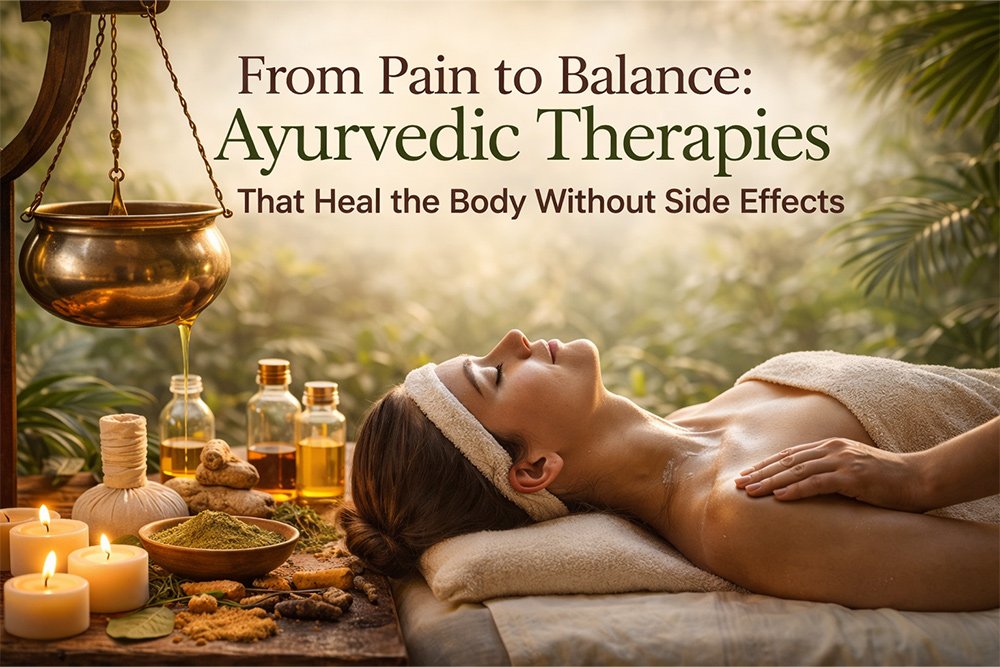
  • Abhyanga: A full-body warm oil massage that loosens toxins from the tissues, improves circulation, and deeply calms the nervous system.
  • Shirodhara: A continuous stream of warm medicated oil poured over the forehead. Profoundly effective for anxiety, insomnia, and mental fatigue.
  • Swedana: Medicated steam therapy that opens the channels, softens the tissues, and prepares the body for deeper cleansing.
  • Virechana: Therapeutic purgation that specifically targets excess Pitta – especially useful for liver health, skin conditions, and inflammatory issues.
  • Basti: A medicated enema that is considered the most powerful treatment for Vata disorders – including joint pain, constipation, and nervous system imbalance.

The Ayurvedic detox diet that accompanies Panchakarma is equally important. During the treatment period, you will typically eat simple, easily digestible food-often kitchari (a combination of rice and moong dal cooked with ghee and spices)-to allow your digestive system to rest while the deeper work happens.

Ayurhealing also offers authentic Kerala Ayurvedic treatment in Bangalore, drawing on the richly developed therapeutic traditions of Kerala – widely regarded as the heartland of classical Ayurvedic practice in India. These treatments use high-quality, traditionally prepared oils and follow protocols refined over centuries.

Yoga for Stress Relief: The Missing Piece in Most Health Routines

Ayurveda and yoga were never meant to be separated. They grew from the same philosophical roots – the Vedic tradition, and they work most effectively when practised together. While Ayurveda primarily addresses the body’s physical constitution and the management of disease, yoga brings the nervous system into balance, trains the breath, and cultivates the mental clarity that is essential for genuine healing.

In a city like Bangalore, where stress is practically a background condition of daily life, yoga for stress relief is not a luxury – it is a necessity. Chronic stress elevates cortisol, disrupts sleep, impairs digestion, and suppresses immune function. No herb or diet can fully compensate for a nervous system that is perpetually in fight-or-flight mode.

Yoga Practices That Complement Ayurvedic Healing

  • Pranayama (breathwork): Practices like Nadi Shodhana (alternate nostril breathing) and Bhramari (humming bee breath) directly regulate the autonomic nervous system, reducing anxiety within minutes.
  • Restorative yoga: Gentle, supported postures held for extended periods activate the parasympathetic nervous system – the body’s rest-and-digest mode – which is essential for those with high Vata or Pitta imbalances.
  • Yoga Nidra: Often called yogic sleep, this guided practice brings the body and mind to the threshold between waking and sleeping – one of the most effective tools for burnout recovery and deep nervous system restoration.,
  • Surya Namaskar (Sun Salutations): A complete, dynamic sequence that, when practised mindfully and at the appropriate pace for your dosha, improves circulation, flexibility, lymphatic flow, and mental focus.

At Ayurhealing, yoga recommendations are always tailored to your dosha and current health condition. Someone dealing with high Pitta and inflammatory issues, for instance, will benefit from a cooling, grounding practice – not an intense, heat-generating Ashtanga sequence. This level of personalisation is what makes yoga truly therapeutic rather than merely physical.

Natural Healing for PCOS and Gut Health in Bangalore

Two of the most common concerns we see at Ayurhealing’s wellness centre in Bangalore are PCOS (Polycystic Ovary Syndrome) and gut-related disorders. These two conditions might seem unrelated, but Ayurveda often identifies a common root: impaired Agni (digestive fire) leading to the accumulation of Ama, which then disrupts hormonal signalling.

PCOS Natural Treatment in Bangalore – An Ayurvedic Perspective

Conventional medicine manages PCOS primarily through hormonal contraceptives or insulin-sensitising drugs. These can be helpful in the short term, but they do not address the underlying imbalance. PCOS natural treatment in Bangalore through Ayurveda involves a multi-layered approach:

  • Identifying the dominant dosha imbalance – in PCOS, Kapha and Vata disturbances are most common
  • Recommending a targeted Ayurvedic diet that reduces Kapha, supports insulin sensitivity, and reduces inflammation
  • Prescribing specific herbal remedies – such as Shatavari, Ashwagandha, Triphala, and Guduchi – to regulate hormones and support reproductive health
  • Recommending appropriate yoga for stress relief, since elevated cortisol is a significant driver of hormonal disruption in PCOS
  • Using Panchakarma therapies like Virechana to clear accumulated Pitta and Ama from the body

Gut Health and Ayurveda – Restoring Digestive Intelligence

The gut is considered the seat of health in Ayurveda. When Agni is strong, digestion is complete, nutrients are absorbed properly, and waste is eliminated efficiently. When Agni is weak – due to stress, irregular eating, processed food, or emotional disturbance – Ama begins to accumulate, and this is where most chronic disease originates.

Our approach to gut health through Ayurveda at Ayurhealing includes not just dietary corrections but also specific herbal formulations, lifestyle adjustments (meal timing, eating environment, rest), and in some cases, Basti therapy – which directly nourishes and restores the colon. The results, for many of our clients, have been transformative: reduced bloating, regular digestion, clearer skin, and a sense of lightness that they had forgotten was possible.

Herbal Remedies in Bangalore: Ancient Wisdom, Modern Evidence

One of the great gifts of Ayurveda is its vast herbal pharmacopoeia. Herbal remedies in Bangalore offered through Ayurhealing are never randomly selected or based on trends. Every formulation is chosen based on your dosha, your current imbalance, and your specific health goals.

Some of the most commonly used herbs in our practice include:

  • Ashwagandha: An adaptogen that helps the body manage stress, supports adrenal health, and improves sleep quality.
  • Triphala: A classical three-fruit formulation that gently cleanses the digestive tract, supports liver function, and improves nutrient absorption.
  • Brahmi: Used to calm the nervous system, improve cognitive function, and support mental clarity – particularly beneficial for those dealing with burnout or anxiety.
  • Turmeric (Haridra): A potent anti-inflammatory herb that supports joint health, liver detoxification, and immune function.
  • Shatavari: A deeply nourishing herb for women’s health, supporting hormonal balance, fertility, and adrenal recovery.

All herbs recommended at our Ayurveda clinic in Bangalore are sourced from trusted suppliers and prepared in forms that are appropriate for your constitution and digestive capacity. Quality and authenticity are non-negotiable.

Why Choose Ayurhealing as Your Wellness Centre in Bangalore

There is no shortage of wellness options in Bangalore. But not all of them offer the depth, personalisation, and clinical integrity that genuine Ayurvedic healing requires. Here is what sets Ayurhealing apart:

  • Experienced Practitioners: Our doctors bring years of clinical training in classical Ayurveda and have helped patients across a wide spectrum of conditions – from chronic disease management to preventive wellness.
  • Personalised Treatment Plans: No two patients receive the same protocol. Every recommendation – diet, herbs, therapies, yoga – is tailored to your unique constitution and current needs.
  • Authentic Kerala Ayurvedic Therapies: Our therapeutic team is trained in genuine Kerala traditions, using properly prepared medicated oils and time-tested protocols.
  • Integrated Approach: We combine Ayurvedic medicine, dietary guidance, yoga therapy, and lifestyle coaching into a cohesive, supportive programme – not fragmented recommendations.
  • Compassionate Care: Healing is not just a clinical transaction. At Ayurhealing, you are seen as a whole person – your history, your pressures, your goals – and the care you receive reflects that.

Whether you are seeking the best Ayurvedic doctor in Bangalore, exploring Panchakarma treatment in Bangalore, or simply looking to overhaul how you eat and live, Ayurhealing is here to walk that path with you.

Your Journey to Holistic Health Starts Here

Healing is rarely a single event. It is a process – sometimes slow, sometimes surprising, always worthwhile. Ayurveda does not promise shortcuts, but it does promise something more valuable: a way of living that builds genuine, lasting health from the inside out.

The combination of yoga for stress relief, a personalised Ayurvedic diet in Bangalore, targeted herbal remedies, and – where needed – the deep restoration of Panchakarma creates a foundation that no supplement stack or crash diet can replicate. It is whole-person medicine, and it works.

If you are ready to stop managing your symptoms and start addressing their root cause, reach out to us at Ayurhealing. Let us have a real conversation about your health – and build a plan that is genuinely yours.

FAQs

Ayurhealing takes a deeply personalised approach to every patient. Rather than offering standardised treatment packages, our practitioners take time to assess your unique Prakriti (constitution) and the specific nature of your imbalance before recommending anything. This means your diet plan, herbal formulations, and therapies are built around you - not a template. We also integrate yoga therapy and lifestyle coaching as part of our holistic health programme, rather than treating them as optional extras.

Panchakarma is a powerful detoxification therapy, but it is not universally suitable for all individuals at all times. It is generally not recommended during pregnancy, for very young children, in cases of acute illness, or for those who are severely debilitated. A qualified Ayurvedic doctor at Ayurhealing will assess your health status before recommending Panchakarma, and if you are a suitable candidate, the programme will be designed specifically for your dosha and current condition. The preparation phase (Purvakarma) and post-treatment diet (Paschat Karma) are equally important parts of the process.

Yes - but the mechanism is different from conventional dieting. The best Ayurvedic diet plan for weight loss in Bangalore works by identifying the root cause of weight gain. In many cases, this is excess Kapha, sluggish Agni (digestive fire), or the accumulation of Ama (metabolic waste). The diet is designed to kindle Agni, reduce Kapha-aggravating foods, and improve the body's natural metabolic intelligence. Many clients find this approach far more sustainable than calorie restriction, because it addresses the reasons behind cravings and irregular hunger signals rather than simply suppressing them.

Ayurveda views PCOS as primarily a condition involving Kapha and Vata imbalance, often complicated by Ama accumulation and impaired Agni. Rather than managing symptoms through hormonal medication alone, our approach at Ayurhealing addresses the underlying imbalance through a combination of targeted dietary changes, specific herbal remedies (such as Shatavari, Ashwagandha, and Guduchi), yoga practices that support hormonal balance, and - in more complex cases - Panchakarma therapies. This integrated approach aims to restore the body's natural hormonal rhythm over time, rather than simply suppressing symptoms.

This depends on the nature and duration of your health concern, your commitment to the recommended diet and lifestyle changes, and your individual constitution. For acute concerns, some relief can often be felt within a few days to weeks. For chronic conditions - such as PCOS, long-standing digestive issues, or metabolic imbalances - meaningful improvement typically takes two to four months of consistent effort. Ayurveda works by gradually restoring balance rather than forcing rapid change, which means results tend to be more stable and lasting. At Ayurhealing, we schedule regular follow-up consultations to monitor your progress and adjust your plan as your body responds.

Top Ayurvedic Doctor in Bangalore – Dr. Mini Nair’s Approach to Root-Cause Healing

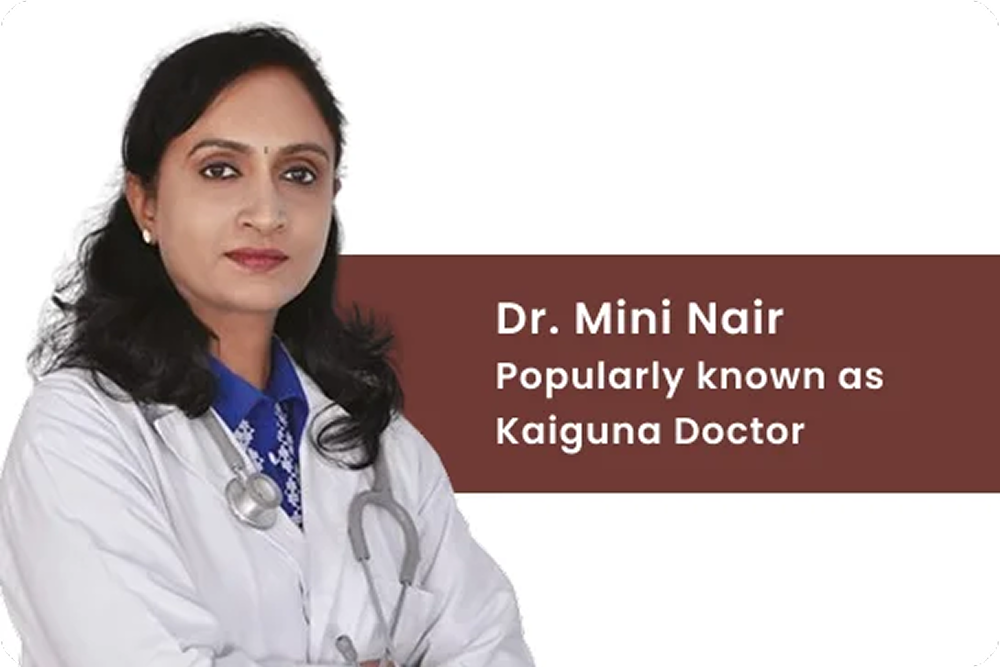
When people across Bangalore ask who is the best Ayurvedic doctor in Bangalore, the name that consistently rises to the top – among patients, within the Ayurvedic community, and across clinical referrals – is Dr. Mini Nair. As the founder and lead physician at Ayurhealing Bangalore, Dr. Mini Nair has spent decades doing what the best medicine has always demanded: listening carefully, thinking deeply, and treating the person – not just the condition. Her approach to root-cause healing in Ayurveda has guided thousands of patients away from the cycle of symptom management and towards genuine, lasting recovery.

Whether you are searching for the top Ayurvedic doctor in Bangalore for a chronic condition that has resisted conventional treatment, seeking a trusted Panchakarma specialist in Bangalore, or simply want to understand your health through the lens of Ayurvedic wisdom. This blog introduces Dr. Mini Nair’s philosophy, clinical approach, conditions she treats, and why Ayurhealing is one of the most respected Ayurvedic clinics in Bengaluru today.

Who is Dr. Mini Nair? The Physician Behind Ayurhealing Bangalore

Dr. Mini Nair is a classically trained Ayurvedic physician in Bengaluru with a career built on one central conviction: that the human body, when properly understood and supported, has a profound capacity to heal itself. This conviction is not a philosophical abstraction for Dr. Nair – it is the daily reality she witnesses in her clinic, where patients with conditions ranging from chronic PCOD and psoriasis to degenerative spine disorders and autoimmune diseases achieve outcomes that surprise even their conventional medical specialists.

Trained in classical Ayurveda with deep exposure to the Kerala Ayurvedic tradition, Dr. Mini Nair brings to each consultation a rare combination of scholarly rigour and genuine clinical intuition. She is proficient in traditional diagnostic methods, including Nadi Pariksha (pulse diagnosis), Prakriti assessment, and detailed constitutional analysis – and she uses these classical tools alongside a thorough understanding of modern pathophysiology to build treatment plans that are both authentically Ayurvedic and clinically sophisticated.

Her work at Ayurhealing reflects a simple yet powerful belief: that every patient deserves to be fully understood before treatment. In an era of rushed appointments and generic protocols, Dr. Mini Nair’s willingness to sit with a patient for as long as it takes to understand their situation is itself a form of medicine, truly, and the foundation on which all effective Ayurvedic treatment is built.

Dr. Mini Nair’s Qualifications and Clinical Background

  • Bachelor of Ayurvedic Medicine and Surgery (BAMS) with distinction from a recognised Ayurvedic college
  • Post-graduate specialisation in Panchakarma and classical Ayurvedic therapeutics
  • Advanced training in Kerala Ayurvedic external therapies under senior practitioners of the Kerala tradition
  • Decades of clinical experience managing complex chronic diseases in both hospital and outpatient settings
  • Ongoing study of classical Ayurvedic texts, ensuring treatment protocols remain grounded in authentic tradition
  • Experience working alongside conventional medical specialists – cardiologists, endocrinologists, dermatologists, and orthopaedic surgeons – in integrated care settings

Root-Cause Healing in Ayurveda: Dr. Mini Nair’s Core Philosophy

The phrase root-cause healing in Ayurveda is central to everything Dr Mini Nair does – but what does it actually mean in clinical practice? It means that when a patient presents with, say, chronic migraines, Dr. Mini Nair does not simply prescribe a herb to reduce headache frequency. She asks: ” Why is this person experiencing these migraines? What is the doshic imbalance at the root of this pattern? What is the state of their digestive fire? What is happening in their gut, their liver, their stress response, their sleep, their emotional life? And what has been happening for months or years before this symptom emerged?

This depth of enquiry is what distinguishes the best Ayurvedic doctor in Bangalore from a practitioner who simply maps symptoms to herbal remedies. Ayurveda’s greatest diagnostic gift is the ability to see the pattern beneath the symptom – to identify the constitutional vulnerability, the accumulated imbalance, and the lifestyle and emotional factors that together create the conditions for disease. Dr. Mini Nair’s years of clinical training and practice have sharpened this diagnostic perception to a remarkable degree.

The Five Principles That Guide Dr. Mini Nair’s Practice

  1. Listen before prescribing: Every consultation at Ayurhealing begins with a thorough, unhurried patient history. Dr. Mini Nair believes that the patient’s own account of their health journey contains the most important diagnostic information – and she takes the time to hear it fully
  2. Treat the constitution, not just the condition: Every treatment plan is built around the patient’s unique Prakriti and current Vikriti – their birth constitution and present imbalance. No two patients with the same diagnosis receive the same plan
  3. Address Ama before supplementing: One of the most common clinical errors in Ayurvedic practice is prescribing tonics and rejuvenatives to a patient with significant Ama (undigested toxins) in their system. Dr. Mini Nair always assesses and addresses Ama before moving to nourishment – ensuring that herbal medicines are properly absorbed and utilised
  4. Integrate lifestyle as medicine: Prescriptions at Ayurhealing always include dietary guidance, Dinacharya (daily routine) recommendations, and – where appropriate – yoga and Pranayama practices tailored to the patient’s constitution
  5. Honest, realistic prognosis: Dr. Mini Nair is known for the candour with which she discusses what Ayurvedic treatment can and cannot achieve for each patient. Setting realistic expectations – and then consistently meeting or exceeding them – is a hallmark of her practice

Conditions Dr. Mini Nair Treats at Ayurhealing

As the best Ayurvedic doctor in Bangalore for a wide range of conditions, Dr. Mini Nair’s clinical expertise spans virtually the full scope of Ayurvedic medicine. The following are among the most common and complex conditions treated at Ayurhealing Bangalore:

Ayurvedic Treatment for PCOD in Bangalore

Polycystic Ovarian Disease (PCOD) is one of the most prevalent hormonal disorders affecting women in Bangalore today – driven by the city’s demanding lifestyle, high stress levels, irregular food habits, and sedentary desk-based work culture. Ayurvedic treatment for PCOD in Bangalore at Ayurhealing under Dr. Mini Nair addresses the condition at every level of its pathogenesis.

In Ayurvedic terms, PCOD involves a complex interplay of Kapha and Vata aggravation, impaired metabolic fire (Agnimandya), Ama accumulation in the reproductive channels (Artavaha Srotas), and hormonal disruption driven by both constitutional factors and lifestyle. Dr. Mini Nair’s treatment approach includes:

  • Virechana (therapeutic purgation): To clear Pitta and deep metabolic toxins from the liver and reproductive system
  • Vasti (medicated enema): To address the Vata component of PCOD – irregular cycles, anxiety, and systemic hormonal imbalance
  • Uttara Vasti: A specialised gynaecological Vasti that directly nourishes and balances the reproductive tissues
  • Herbal formulations: Shatavari, Kanchanara Guggulu, Ashoka, and constitution-specific formulations to regulate cycles, reduce cyst formation, and restore hormonal balance
  • Dietary and lifestyle correction: Addressing the Kapha-aggravating dietary patterns and sedentary habits that perpetuate the condition

Many patients at Ayurhealing have achieved regular menstrual cycles, reduced cyst burden, and successful conception through Dr Mini Nair’s PCOD treatment programme – often after years of unsuccessful conventional management.

Ayurvedic Doctor for Psoriasis in Bangalore

Psoriasis is one of the most challenging chronic skin conditions – characterised by rapid, abnormal skin cell proliferation, intense inflammation, and significant psychological impact. As an Ayurvedic doctor specializing in psoriasis in Bangalore, Dr. Mini Nair approaches this condition through the classical framework of Eka Kushtha – a chronic skin disorder characterized by the deep vitiation of Vata and Kapha, combined with liver and blood toxicity.

Dr. Mini Nair’s psoriasis treatment protocol at Ayurhealing typically includes:

  • Virechana (medicated purgation): The single most important Panchakarma procedure for psoriasis – it directly purifies the liver, clears blood toxins, and reduces the systemic Pitta-Kapha aggravation driving the skin pathology
  • Raktamokshana (blood purification): Classical leech therapy or venesection for severe, localised plaques – directly reduces blood toxicity in the affected region
  • Takradhara: Continuous pouring of medicated buttermilk over the body or scalp – profoundly cooling and anti-inflammatory for Pitta-predominant psoriasis
  • Internal herbal medicines: Manjishthadi Kwatha, Khadirarishta, Arogyavardhini Vati, and constitution-specific formulations to purify the blood and reduce inflammatory mediators
  • Dietary guidance: Complete elimination of incompatible food combinations, triggers, and Pitta-aggravating foods with a positive focus on anti-inflammatory, easily digestible alternatives

Psoriasis management at Ayurhealing is a medium to long-term commitment – typically 3 to 6 months for significant improvement, with ongoing lifestyle support thereafter. Dr. Mini Nair is transparent about this timeline from the outset and provides the ongoing clinical support and encouragement patients need to stay the course.

Chronic Disease Ayurveda Treatment: Beyond the Common Conditions

Beyond PCOD and psoriasis, Dr. Mini Nair’s expertise in Ayurvedic treatment of chronic diseases extends across a broad and complex clinical landscape. Conditions regularly managed at Ayurhealing include:

  • Rheumatoid arthritis and other autoimmune joint conditions
  • Chronic digestive disorders, including IBS, Crohn’s disease, and ulcerative colitis
  • Type 2 diabetes and metabolic syndrome
  • Hypertension and stress-related cardiovascular risk
  • Hypothyroidism and thyroid nodules
  • Chronic migraine and tension headaches
  • Chronic fatigue syndrome and burnout
  • Chronic back pain, sciatica, and disc disorders
  • Anxiety disorders, insomnia, and stress-related conditions
  • Infertility and reproductive health disorders in both men and women
  • Post-COVID health complications, including fatigue, brain fog, and respiratory sequelae

Panchakarma Specialist in Bangalore: Dr. Mini Nair’s Approach to Detoxification

Among Dr. Mini Nair’s most distinctive clinical skills is her expertise in Panchakarma – the classical Ayurvedic five-action detoxification and rejuvenation system that remains the most powerful intervention available in the entire Ayurvedic therapeutic repertoire. As a Panchakarma specialist in Bangalore, Dr. Mini Nair brings both classical fidelity and clinical wisdom to the design and supervision of Panchakarma programmes at Ayurhealing.

Panchakarma is not a spa programme – and under Dr Mini Nair’s care, it is never treated as one. A properly administered Panchakarma programme is a medically supervised process that begins with a detailed constitutional assessment, includes a carefully sequenced preparatory phase (Purvakarma), proceeds through the primary purification procedures at precisely the right intensity for the individual patient, and concludes with a structured post-treatment rejuvenation phase (Paschatkarma). Each stage requires continuous physician oversight and adjustment.

What a Panchakarma Programme at Ayurhealing Involves

  1. Initial consultation and assessment: Nadi Pariksha, Prakriti-Vikriti analysis, review of investigations, and detailed case history – determining which Panchakarma procedures are appropriate and in what sequence
  2. Purvakarma (preparation): Internal oleation (Snehapana) with medicated ghee and external oleation through daily Abhyanga and Swedana – loosening deep-seated toxins and preparing the body for elimination
  3. Primary Panchakarma procedures: Selected from Vamana, Virechana, Vasti, Nasya, and Raktamokshana according to the individual’s doshic imbalance, condition, and strength
  4. Paschatkarma (post-treatment): A graduated dietary and lifestyle re-introduction programme that consolidates the purification achieved and rebuilds the tissues with targeted herbal rejuvenatives
  5. Ongoing support: Follow-up consultations, herbal medicine prescriptions, and lifestyle guidance to maintain the benefits of Panchakarma in daily life

Programmes at Ayurhealing run for 7, 14, or 21 days depending on the individual’s condition and goals. Dr Mini Nair personally supervises every Panchakarma programme – monitoring the patient’s response daily and adjusting the treatment as needed.

Natural Healing Without Surgery: When Ayurveda Offers a Genuine Alternative

One of the most significant questions patients ask Dr. Mini Nair at Ayurhealing is whether natural healing without surgery is genuinely possible for their condition. It is a question she answers with the same honesty that characterises every aspect of her practice: sometimes yes, sometimes no, and always with a clear explanation of why.

There are conditions where Ayurvedic treatment cannot and should not replace surgery – acute appendicitis, severe structural spinal instability, certain cancers, and genuine surgical emergencies among them. Dr. Mini Nair will always refer a patient for surgery when that is the clinically appropriate course.

But there are also many conditions where surgery is recommended as a first resort when it need not be, and where natural healing without surgery through Ayurvedic treatment produces excellent outcomes with significantly lower risk. These include:

  • Lumbar disc prolapse and sciatica: Many patients referred for discectomy have achieved full recovery through Panchakarma Vasti, Kati Basti, and targeted herbal protocols under Dr. Mini Nair’s care
  • Uterine fibroids and ovarian cysts: Early to moderate fibroids and cysts respond well to Ayurvedic treatment, often avoiding the need for surgical intervention
  • Gallstones: Small to medium gallstones without acute complications can often be managed conservatively through Ayurvedic dietary correction and herbal therapy
  • Varicose veins: Mild to moderate varicose veins respond to Raktamokshana, herbal formulations, and lifestyle correction
  • Knee joint degeneration: Many patients facing knee replacement surgery for moderate osteoarthritis have achieved significant pain relief and functional improvement through Janu Basti, Panchakarma, and herbal protocols

The key is accurate assessment – and this is where the experience and clinical judgement of a physician like Dr. Mini Nair is genuinely invaluable. She will never promise outcomes she cannot deliver – but she will always ensure that every appropriate natural option has been explored before a patient commits to an irreversible surgical procedure.

Dosha Imbalance Treatment: Understanding Your Constitution at Ayurhealing

A significant part of what makes Dr. Mini Nair Ayurveda consultations so valuable is the clarity they provide patients about their constitutional nature. Many patients arrive at Ayurhealing having spent years pursuing health goals that were fundamentally misaligned with their constitution – the Vata-dominant person who has been pushing themselves through intense gym workouts and raw food diets, the Pitta-type who has been suppressing stress through willpower alone, the Kapha-type who has been fighting their natural rhythm rather than working with it.

Dosha imbalance treatment at Ayurhealing begins with a thorough Prakriti assessment – determining each patient’s original constitutional makeup – followed by Vikriti analysis to understand how and where that constitution has become imbalanced. This dual assessment is the foundation of all personalised Ayurvedic treatment.

Signs of Dosha Imbalance That Patients Commonly Present With

Vata imbalance signs:

  • Anxiety, racing thoughts, and difficulty settling the mind
  • Dry skin, hair, and mucous membranes
  • Irregular digestion – alternating constipation and loose stools
  • Joint cracking, pain, and stiffness – particularly in the lower back
  • Insomnia or light, interrupted sleep
  • Feeling ungrounded, scattered, or overwhelmed

Pitta imbalance signs:

  • Skin rashes, acne, rosacea, or excessive sweating
  • Acid reflux, heartburn, and inflammatory bowel symptoms
  • Irritability, perfectionism, and difficulty delegating
  • Excessive body heat and intolerance of hot weather
  • Inflammatory joint conditions and eye problems

Kapha imbalance signs:

  • Weight gain that is difficult to shift despite dietary effort
  • Mucus congestion, sinus problems, and respiratory complaints
  • Mental sluggishness, low motivation, and depression
  • Excessive sleep and difficulty waking in the morning
  • Fluid retention and swelling

Once Dr. Mini Nair identifies the specific nature and location of a patient’s dosha imbalance, she designs a treatment plan that addresses that imbalance, using the classical Ayurvedic principle of opposites (Viparita Guna Chikitsa) to restore balance through targeted diet, herbal medicine, and therapeutic interventions.

Siddha Medicine in Bangalore: A Complementary Tradition at Ayurhealing

Patients who ask about Siddha medicine in Bangalore often want to understand its relationship to Ayurveda and whether it is available alongside Ayurvedic treatment at Ayurhealing. Siddha medicine, originating in the Tamil tradition and closely associated with the enlightened Siddhar sages, is a sister system to Ayurveda, sharing its elemental framework and three-humour model while developing its own distinctive pharmacopoeia and diagnostic methods.

Dr. Mini Nair has a working knowledge of the Siddha tradition. She incorporates relevant Siddha herbal wisdom into her practice, which complements Ayurvedic treatment, particularly by using specific South Indian medicinal plants with well-established Siddha clinical histories. For patients seeking dedicated Siddha medicine in Bangalore, Dr. Nair can provide guidance and referrals to qualified Siddha practitioners.

Conclusion: Experience Root-Cause Healing with Dr. Mini Nair at Ayurhealing

In a city as large and medically diverse as Bangalore, finding a truly exceptional Ayurvedic physician-one who combines classical knowledge, clinical skill, genuine empathy, and honest communication-is not always straightforward. Dr. Mini Nair is that physician. Her work at Ayurhealing Bangalore represents the very best of what Ayurvedic treatment can offer: a deeply individualised, root-cause approach to healing that honours the full complexity of the human being and achieves results that transform lives.

Whether you are dealing with a complex chronic condition, seeking a trusted Panchakarma specialist in Bangalore, looking for an Ayurvedic doctor for psoriasis in Bangalore, or simply want to understand your own constitution and how to live in alignment with it, Ayurhealing and Dr. Mini Nair are here for you.

Book your consultation today and take the first step toward the kind of healing that goes to the root.

FAQs

Dr. Mini Nair of Ayurhealing Bangalore is widely recognised for treating chronic conditions using personalised Ayurvedic therapies, Panchakarma, and holistic care.

Her approach focuses on root-cause healing, personalised treatment plans, and expert supervision of Panchakarma therapies, ensuring effective long-term results.

Yes, Dr. Mini Nair offers effective Ayurvedic treatment for PCOD through a combination of Panchakarma, herbal medicines, and lifestyle correction.

Ayurhealing provides specialised Ayurvedic treatment for psoriasis, focusing on detoxification, personalised care, and long-term skin health improvement.

You can book an appointment with Dr. Mini Nair online or visit the Ayurhealing clinic in Bangalore for a detailed consultation.

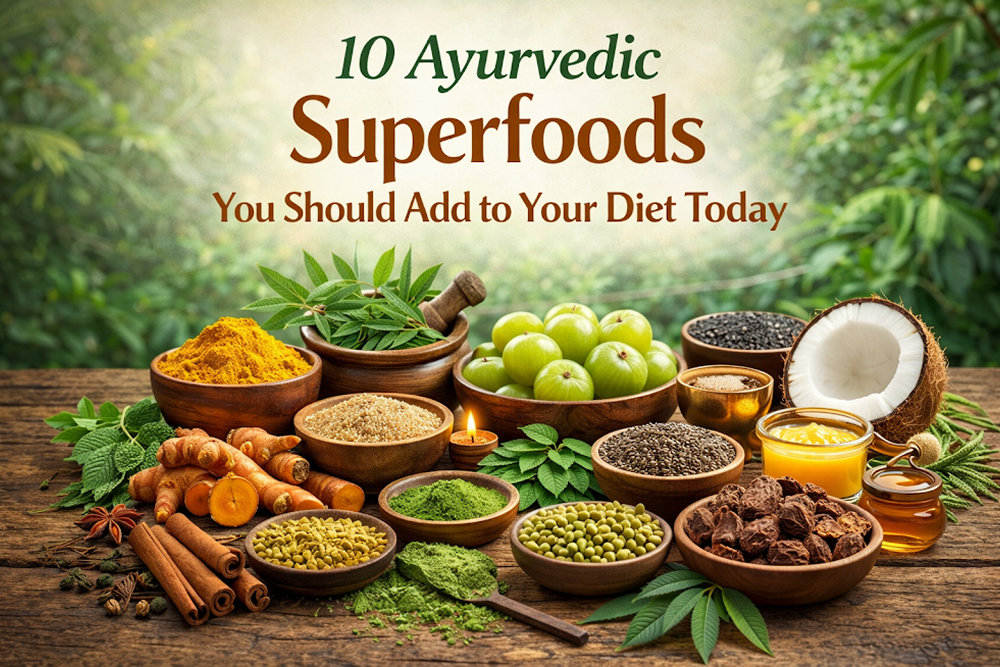
10 Ayurvedic Superfoods You Should Add to Your Diet Today

Modern lifestyles have made people more conscious about what they eat and how food affects their overall well-being. Across the world, more individuals are rediscovering the wisdom of Ayurveda Treatment, an ancient Indian system of holistic health that emphasizes balance in diet, lifestyle, and mind. One of the most effective ways to improve health, according to Ayurveda, is by incorporating nutrient-dense superfoods into your daily routine.

If you are looking for simple ways to improve energy, digestion, immunity, and long-term health, learning about “10 Ayurvedic Superfoods You Should Add to Your Diet Today” is a great place to start. These foods have been used for centuries in Ayurvedic traditions and are known to support digestion, strengthen immunity, and help manage lifestyle diseases naturally.

At Ayurhealing, Ayurvedic doctors often emphasize the importance of food as the first step toward healing. According to Ayurvedic philosophy, food is not merely fuel; it is medicine that shapes the body and mind.

Understanding Ayurveda and the Importance of Food

Ayurveda teaches that every individual has a unique constitution called Prakriti, which is governed by three energies known as Vata, Pitta, and Kapha doshas. The food we eat directly influences these doshas, affecting digestion, metabolism, immunity, and mental clarity.

A balanced Ayurvedic diet food list typically includes fresh vegetables, whole grains, herbs, spices, and nutrient-rich superfoods that nourish the body without creating toxins (known as Ama). When digestion is strong and food is chosen wisely, the body maintains natural balance.

One of the most powerful principles of Ayurveda is simple:
When digestion improves, health improves automatically.

What Are the Superfoods in Ayurveda?

When people ask, What are the superfoods in Ayurveda? the answer goes far beyond trendy health foods. Ayurvedic superfoods are ingredients that have been used for centuries because of their ability to nourish tissues, improve digestion, strengthen immunity, and support long-term vitality.

Unlike modern superfood trends, Ayurvedic superfoods are deeply rooted in traditional dietary practices. They are often included in everyday Ayurvedic food recipes and seasonal meal plans. These foods are rich in antioxidants, essential nutrients, and healing properties that help the body adapt to stress and prevent chronic illness.

Best Ayurvedic Superfoods to Include in Your Daily Diet

1. Turmeric – The Golden Healer

Turmeric is one of the most celebrated herbs in Ayurveda. Known for its anti-inflammatory and antioxidant properties, turmeric supports immune health, digestion, and joint function.

Benefits of turmeric:

  • Helps reduce inflammation
  • Supports liver detoxification
  • Improves digestion
  • Strengthens immunity

Many Ayurvedic doctors recommend adding turmeric to warm milk, soups, or vegetable dishes for daily health support.

2. Amla (Indian Gooseberry)

Amla is considered one of the most powerful rejuvenating foods in Ayurveda. It is extremely rich in vitamin C and supports immunity, digestion, and skin health.

Regular consumption of amla helps balance all three doshas and supports healthy aging. Amla juice, powders, and chutneys are commonly used in Ayurvedic diet food lists for maintaining vitality.

3. Ghee – The Ayurvedic Superfood Fat

Contrary to common misconceptions, ghee is highly valued in Ayurveda as a nourishing fat. When used in moderation, it improves digestion, supports brain health, and enhances nutrient absorption.

Ghee is considered one of the best foods as per Ayurveda because it:

  • Supports healthy digestion
  • Nourishes body tissues
  • Improves memory and concentration
  • Balances Vata and Pitta doshas

4. Mung Beans

Mung beans are considered one of the easiest legumes to digest. They are often used in Ayurvedic cleansing diets and simple meals like khichdi, a traditional Ayurvedic dish.

Because of their light and nourishing qualities, mung beans are often included in diet charts according to Ayurveda.

5. Ashwagandha

Ashwagandha is a powerful adaptogenic herb used in Ayurveda to support stress management and overall vitality. Although often consumed as a herbal supplement, it is also considered a nourishing Ayurvedic superfood.

Regular use may support:

  • Energy and stamina
  • Stress reduction
  • Immune system strength

6. Dates

Dates are naturally sweet and nourishing, making them a valuable superfood in Ayurvedic diets. They provide quick energy and support blood health.

Dates are particularly beneficial for individuals experiencing fatigue, weakness, or low energy levels.

7. Sesame Seeds

Sesame seeds are rich in calcium, iron, and healthy fats. Ayurveda values them for their warming properties and their ability to strengthen bones and support digestion.

They are often used in chutneys, laddus, and various Ayurvedic food recipes.

8. Coconut

Coconut is a cooling food that balances excess heat in the body. Coconut water, coconut milk, and fresh coconut are widely used in Ayurvedic cuisine.

It supports hydration, digestion, and skin health.

9. Ginger

Ginger is one of the most important spices in Ayurvedic cooking. It stimulates digestion, improves circulation, and helps prevent toxin accumulation.

Many Ayurvedic practitioners recommend consuming a small amount of ginger before meals to stimulate digestive fire (Agni).

10. Triphala

Triphala is a traditional Ayurvedic blend made from three fruits. It is widely known for supporting digestion, detoxification, and gut health.

Triphala is often recommended in Ayurvedic wellness programs for gentle cleansing and improved metabolism.

Ayurveda Breakfast: Starting the Day the Right Way

Many people ask, “What is Ayurveda breakfast?” In Ayurveda, breakfast should be warm, nourishing, and easy to digest.

A healthy Ayurvedic breakfast may include foods such as:

  • Warm porridge with ghee and dates
  • Herbal tea with ginger or turmeric
  • Steamed fruits or lightly cooked vegetables

The goal is to start the day with foods that ignite digestion rather than overwhelm it.

Diet Chart According to Ayurveda

A typical diet chart according to Ayurveda focuses on balance rather than restriction. Meals are usually structured around seasonal foods and digestive strength.

An Ayurvedic day often follows this pattern:

  • Warm breakfast that supports digestion
  • A balanced lunch with grains, vegetables, and protein
  • A light dinner to prevent digestive overload

Many Ayurvedic doctors recommend eating the largest meal during midday when digestion is strongest.

7-Day Ayurvedic Meal Plan for Better Health

A 7-day Ayurvedic meal plan usually includes a variety of seasonal vegetables, whole grains, and spices that support digestion and detoxification.

The plan may include foods like:

  • Khichdi made with mung beans and rice
  • Vegetable stews with digestive spices
  • Herbal teas such as cumin-coriander-fennel tea

These meals help maintain digestive balance and support the body’s natural detox process.

Benefits of Superfoods in Lifestyle Diseases Management

Modern health challenges such as diabetes, obesity, hypertension, and digestive disorders are often described as lifestyle diseases. Ayurveda addresses these conditions by correcting diet, improving digestion, and balancing metabolism.

Including Best Ayurvedic Superfoods in daily meals may help:

  • Improve digestion and metabolism
  • Reduce inflammation
  • Strengthen immunity
  • Support healthy weight management
  • Improve energy and mental clarity

At Ayurhealing, dietary guidance is often one of the first steps recommended for patients managing chronic conditions.

Ayurveda strongly believes that the right food can prevent disease before it begins.

Why Ayurvedic Diets Are Gaining Popularity Worldwide

More people today are realizing that modern diets often lack balance and natural nourishment. Highly processed foods can weaken digestion and contribute to chronic illness.

Ayurvedic diets focus on:

  • Fresh, seasonal foods
  • Natural herbs and spices
  • Balanced meals
  • Mindful eating habits

These principles make Ayurveda highly relevant for modern health challenges.

How Ayurhealing Helps You Follow an Ayurvedic Diet

At Ayurhealing, doctors emphasize that every individual requires a personalized dietary approach. The right Ayurvedic diet food list depends on body constitution, health conditions, and lifestyle.

Patients often receive guidance on:

  • Choosing the best food as per Ayurveda
  • Planning balanced meals
  • Managing lifestyle diseases with diet
  • Creating sustainable eating habits

This personalized approach helps individuals build long-term health rather than relying on short-term diet trends.

Final Thoughts

Incorporating Ayurvedic superfoods into your diet is one of the simplest and most powerful steps toward better health. These time-tested ingredients nourish the body, strengthen digestion, and help maintain balance in everyday life.

If you are looking to improve your diet naturally, following Ayurvedic principles and consulting experts at Ayurhealing can help you build a lifestyle that supports long-term wellness.

FAQs

Ayurvedic superfoods include ingredients like turmeric, amla, ghee, ginger, sesame seeds, mung beans, and coconut. These foods support digestion, immunity, and overall health.

An Ayurvedic breakfast usually includes warm, nourishing foods such as porridge, herbal tea, cooked fruits, and light grains that are easy to digest.

The best foods according to Ayurveda are fresh, seasonal, and natural foods that support digestion and balance the doshas.

Yes, Ayurvedic superfoods may help manage lifestyle diseases by improving digestion, reducing inflammation, and supporting metabolic balance.

A 7-day Ayurvedic meal plan includes simple, balanced meals made with grains, vegetables, herbs, and spices that support digestion and overall wellness.

Ayurveda and Lifestyle Disorders in Bangalore

The rise of lifestyle disorders is one of the defining health challenges of our time. Obesity, diabetes, hypertension, and chronic stress – once considered diseases of affluence – now affect people across all walks of life in Indian cities, including Bangalore. If you are searching for a meaningful, lasting solution, Ayurveda and lifestyle disorders are a subject worth understanding deeply. At Ayurhealing, the best Ayurveda treatment centre in Bangalore, we have helped thousands of patients reverse and manage lifestyle diseases through personalised Ayurvedic treatment – addressing not just the symptoms, but the habits, imbalances, and root causes that allow these conditions to take hold.

Unlike quick fixes or lifelong medication dependency, Ayurveda and lifestyle work hand in hand. Ayurveda does not simply treat a disease – it teaches you how to live in a way that prevents disease from arising in the first place. This blog explores how Ayurvedic treatment in Bangalore addresses the most common lifestyle disorders and why Ayurhealing is the trusted choice for those seeking genuine, sustainable healing.

What Are Lifestyle Diseases and Why Are They Rising?

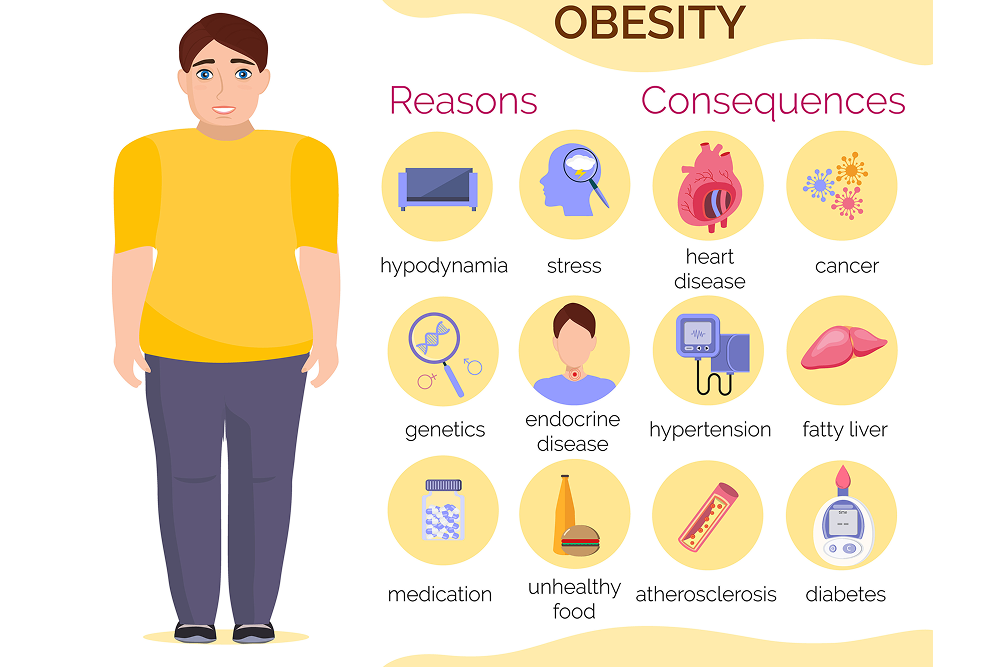
Before exploring how Ayurveda addresses them, it is important to understand what the different types of lifestyle diseases are and why they have become so prevalent. Lifestyle diseases, also called non-communicable diseases (NCDs), are conditions that develop primarily as a result of the way we live: what we eat, how we move (or don’t move), how we manage stress, and how well we sleep.

The most common lifestyle diseases include:

Obesity

Excess accumulation of body fat due to caloric surplus, sedentary habits, hormonal imbalances, and poor dietary quality

Type 2 Diabetes

Impaired insulin sensitivity and blood sugar regulation, largely driven by diet, inactivity, and chronic stress

Hypertension (High Blood Pressure)

Persistently elevated blood pressure resulting from stress, poor diet, excess sodium, and lack of exercise

Cardiovascular Disease

Conditions affecting the heart and blood vessels, often linked to obesity, diabetes, and hypertension

Chronic Stress and Anxiety Disorders

Persistent psychological and physiological stress that disrupts hormonal balance, immunity, and overall function

Metabolic Syndrome

A cluster of conditions – high blood sugar, excess abdominal fat, abnormal cholesterol, and high blood pressure – occurs together

How to control lifestyle diseases is one of the most searched health questions in Bangalore today. The answer, from an Ayurvedic perspective, lies not in managing these conditions in isolation but in correcting the underlying imbalance – the disrupted relationship between an individual’s constitution and their daily life.

Bangalore’s fast-paced IT culture, long working hours, irregular meal timings, high stress levels, and sedentary office jobs create the perfect conditions for lifestyle disorders to flourish. Ayurveda and lifestyle diseases have a deeply relevant relationship in this context – because Ayurveda was designed precisely to help people navigate the demands of daily life without sacrificing their health.

Ayurvedic Treatment of Obesity and Weight Management

Obesity is arguably the most visible lifestyle disorder of our era – and it is also one of the most misunderstood. Conventional approaches tend to reduce it to a simple equation of calories in versus calories out. Ayurvedic treatment of obesity recognises that weight gain is a complex, multi-factorial condition involving digestive fire (Agni), metabolic rate, doshic imbalance – particularly Kapha – the accumulation of Ama (undigested toxins), and the psychological relationship with food.

In Ayurveda, obesity treatment in Ayurveda is called Sthaulya Chikitsa. The approach is comprehensive: it simultaneously addresses sluggish digestion, Kapha accumulation, toxin buildup, hormonal balance, and the emotional drivers of overeating. This is why Ayurvedic medicine for obesity weight loss produces results that are sustainable rather than temporary.

Key Ayurvedic Therapies and Medicines for Weight Loss:

Udwartana (Herbal Powder Massage)

A vigorous dry powder massage using Kapha-reducing herbs such as Triphala and Mustard. It breaks down subcutaneous fat, stimulates lymphatic drainage, and improves skin texture. One of the most effective external therapies for the best Ayurvedic treatment for weight loss

Panchakarma – Virechana and Vasti

Panchakarma therapies clear deep-seated toxins from the digestive tract and tissues, restore metabolic function, and reset the digestive fire – creating the internal conditions necessary for healthy weight management

Medohar Guggulu

A classical Ayurvedic formulation known for its fat-reducing, cholesterol-lowering, and metabolic-boosting properties

Triphala

A foundational Ayurvedic herbal combination that regulates digestion, reduces Ama, and supports healthy elimination – essential for sustainable weight management

Trikatu

A warming herbal blend of ginger, black pepper, and long pepper that stimulates Agni, improves metabolism, and reduces Kapha accumulation

Dietary correction

Our physicians design a personalised dietary plan that reduces Kapha-increasing foods, improves meal timing, and establishes healthy eating rhythms in alignment with the body’s natural metabolic cycles

At Ayurhealing, the best Ayurvedic clinic in Bangalore for metabolic health, our physicians take a compassionate, non-judgmental approach to weight management – understanding that sustainable results require both physical treatment and genuine lifestyle support.

Ayurvedic Treatment for Hypertension and High Blood Pressure

Hypertension is often called the ‘silent killer’ – it progresses without obvious symptoms until it causes a serious cardiac event. In Bangalore, where workplace stress, erratic schedules, and dietary imbalances are commonplace, high blood pressure is increasingly diagnosed even in younger adults. Ayurvedic treatment for hypertension offers a deeply effective, side-effect-free approach to managing and reversing this condition.

The question many patients ask: Can Ayurveda cure high blood pressure? – deserves a nuanced answer. In many cases, especially when hypertension is in its early to moderate stages and not yet associated with organ damage, Ayurvedic intervention can normalise blood pressure without the need for lifelong pharmaceutical dependency. Even in more advanced cases, Ayurvedic medicine to cure high blood pressure can significantly reduce medication requirements and improve quality of life.

How Ayurveda Understands Hypertension

In Ayurvedic terms, hypertension involves the aggravation of Vata and Pitta doshas in the cardiovascular system (Rakta and Rasa Dhatus). Vata aggravation causes constriction and irregular blood flow; Pitta aggravation adds heat, inflammation, and intensity to the circulatory system. Stress – the dominant trigger of hypertension in modern life – is itself a profound Vata aggravator.

Effective Ayurvedic approaches to hypertension include:

  • Shirodhara: The continuous warm oil flow over the forehead directly calms the sympathetic nervous system, reduces cortisol, and lowers blood pressure. Regular Shirodhara is one of the most powerful Ayurvedic tools for stress-driven hypertension
  • Abhyanga (warm oil massage): Calms the nervous system, improves peripheral circulation, and reduces Vata aggravation – all of which contribute to lower blood pressure
  • Sarpagandha (Rauwolfia serpentina): A classical Ayurvedic herb with well-documented antihypertensive properties – the source of the modern drug reserpine
  • Arjuna (Terminalia arjuna): A heart-supportive herb that strengthens the cardiac muscle, regulates heart rate, and supports healthy blood pressure
  • Brahmi and Ashwagandha: Powerful adaptogenic herbs that reduce the physiological impact of stress – addressing the most common root cause of elevated blood pressure
  • Dietary and lifestyle guidance: Reduction of salt, stimulants, and Pitta-aggravating foods; incorporation of cooling, calming practices, including Pranayama and meditation

The best Ayurvedic treatment for blood pressure at Ayurhealing is always individualised. Our best Ayurvedic doctor in Bangalore works closely with patients who are on antihypertensive medications, carefully monitoring blood pressure as treatment progresses and coordinating with the patient’s cardiologist as needed.

Diabetes Treatment in Ayurveda: Regulating Blood Sugar Naturally

India has the second-highest number of people with diabetes in the world – and Bangalore is no exception to this trend. Ayurvedic treatment for diabetes, known classically as Prameha Chikitsa, has a rich and detailed history stretching back thousands of years. Long before the discovery of insulin, Ayurvedic physicians were treating and managing blood sugar disorders with sophisticated herbal protocols, dietary science, and lifestyle prescriptions.

Diabetes treatment in Ayurveda does not claim to replace insulin therapy in Type 1 diabetes. However, for Type 2 diabetes – which is fundamentally a lifestyle disorder – Ayurveda offers some of the most effective natural interventions available anywhere in the world. The best Ayurvedic medicine for blood sugar control works by improving insulin sensitivity, enhancing pancreatic function, reducing Ama (metabolic toxins), and correcting the underlying Kapha and Vata imbalances that drive the condition.

Proven Ayurvedic Herbs and Therapies for Diabetes

  • Bitter Gourd (Karela): Contains compounds that mimic insulin and improve glucose uptake at the cellular level – one of the most well-researched natural interventions for blood sugar control
  • Fenugreek (Methi): Rich in soluble fibre and compounds that slow glucose absorption and improve insulin sensitivity
  • Gurmar (Gymnema sylvestre): Known as the ‘sugar destroyer’ – reduces sugar absorption in the intestine and supports regeneration of pancreatic beta cells
  • Neem: Potent blood-purifying and anti-diabetic herb that reduces blood sugar and supports healthy liver function
  • Turmeric (Curcuma longa): Curcumin has well-documented anti-inflammatory and insulin-sensitising properties – highly relevant to Type 2 diabetes management
  • Chandraprabha Vati: A classical Ayurvedic formulation used to support urinary and metabolic health in diabetic patients
  • Panchakarma: Particularly Virechana and Vasti, which clear metabolic toxins, improve liver function, and reset the body’s metabolic processes – creating the internal conditions for better blood sugar regulation

At Ayurhealing, our approach to diabetes treatment in Ayurveda, Bangalore, integrates herbal medicine, Panchakarma when indicated, dietary science, and lifestyle coaching. We work alongside patients’ endocrinologists and monitor HbA1c and fasting glucose levels throughout treatment to ensure both safety and measurable results.

Stress and Anxiety Treatment in Ayurveda: Healing the Stressed Mind

Of all the lifestyle disorders, chronic stress may be the most pervasive and the most underestimated in its impact. Stress does not merely affect mental well-being; it is now well-established that chronic psychological stress drives inflammation, hormonal disruption, immune suppression, cardiovascular disease, and metabolic dysfunction. In this sense, stress is not just a lifestyle disorder in itself – it is a major driver of every other lifestyle disease on this list.

Stress and anxiety treatment in Ayurveda is particularly sophisticated because Ayurveda has always understood the inseparability of mind and body. The concept of Manas Prakriti (mental constitution) and the role of the three mental qualities – Sattva, Rajas, and Tamas – gives Ayurvedic physicians a rich framework for understanding and treating psychological distress in a way that connects directly to the physical body.

Ayurvedic Approach to Stress, Anxiety, and Mental Well-being

In Ayurvedic terms, stress and anxiety Ayurveda understanding identifies chronic stress as a condition of aggravated Vata, specifically in the mind (Manas) and nervous system. The primary seats of Vata in the mind are the brain and the heart. When Vata here becomes aggravated by overwork, overstimulation, irregular routine, and emotional strain, it produces anxiety, racing thoughts, insomnia, palpitations, and a profound sense of being ungrounded.

The best Ayurvedic medicine for stress relief and anxiety management at Ayurhealing includes:

  • Ashwagandha (Withania somnifera): The most celebrated Ayurvedic adaptogen – clinically demonstrated to reduce cortisol levels, improve stress resilience, enhance sleep quality, and support overall nervous system health
  • Brahmi (Bacopa monnieri): A brain tonic that enhances cognitive function, reduces anxiety, and calms the overactive nervous system – among the finest Ayurvedic medicines for mental stress
  • Jatamansi (Nardostachys jatamansi): A deeply calming herb used specifically for anxiety, insomnia, and Vata disorders of the mind
  • Shankhapushpi: A classical Ayurvedic herb for mind rejuvenation – improves memory, reduces anxiety, and supports healthy sleep
  • Shirodhara: The gentle, continuous flow of warm oil over the forehead directly calms the hypothalamic-pituitary-adrenal (HPA) axis – the body’s central stress response system. Patients consistently report profound calm and improved sleep following Shirodhara sessions
  • Abhyanga: Full-body warm oil massage calms the nervous system, reduces cortisol, and restores the sense of embodied safety that chronic stress erodes
  • Pranayama and meditation: Nadi Shodhana (alternate nostril breathing), Bhramari (humming bee breath), and mindfulness meditation are integrated into every stress management programme at Ayurhealing

Anxiety Ayurveda treatment at Ayurhealing always includes a careful assessment of the patient’s daily routine, sleep patterns, work habits, and relationship to rest. Often, the most powerful prescription is the simplest: a structured Dinacharya (daily routine) that provides the nervous system with the predictability and grounding it needs to recalibrate.

How to Control Lifestyle Diseases: The Ayurvedic Lifestyle Framework

Beyond treating individual conditions, Ayurveda and lifestyle offer a comprehensive framework for preventing and managing lifestyle diseases at their root. This framework is built around three pillars: Ahara (diet), Vihara (daily habits and routine), and Aushadha (medicine and treatment). When all three are aligned with an individual’s constitution and needs, the conditions for lifestyle disease simply cannot take hold.

Dietary Principles for Preventing Lifestyle Disorders

  • Eat according to your Agni: Digestive fire varies between individuals and throughout the day. Eating the largest meal at noon, when Agni is strongest, and lighter meals in the morning and evening, optimises digestion and reduces Ama formation
  • Favour fresh, seasonal, and locally sourced foods: Processed, packaged, and stale foods are among the primary sources of Ama in the modern diet
  • Reduce Kapha-increasing foods: For those prone to obesity, diabetes, and sluggish metabolism, heavy dairy, refined carbohydrates, and fried foods should be significantly reduced
  • Include warming spices daily: Turmeric, ginger, cumin, coriander, and black pepper improve digestion, reduce inflammation, and support metabolic health
  • Avoid incompatible food combinations: Ayurveda identifies specific food combinations that impair digestion and contribute to Ama – such as milk with sour fruits or fish with dairy

Daily Routine (Dinacharya) for Lifestyle Disease Prevention

  • Rise early: Waking before sunrise aligns the body’s biological rhythms with natural cycles, supporting hormonal balance and metabolic health
  • Oil pulling and tongue scraping: Simple morning practices that remove overnight toxin accumulation and support digestive and oral health
  • Regular exercise appropriate to your constitution: Kapha types benefit from vigorous exercise; Vata types do best with gentle, consistent movement; Pitta types benefit from cooling, moderate activity
  • Consistent meal times: Irregular eating is one of the primary Vata aggravators and a major driver of metabolic dysfunction
  • Screen-free wind-down before bed: Blue light exposure disrupts melatonin production and aggravates Vata – a consistent sleep routine is essential for recovery from all lifestyle disorders
  • Regular Panchakarma: Seasonal Panchakarma – at least once a year – clears accumulated toxins and resets the body’s systems before imbalance becomes disease

Why Choose Ayurhealing for Lifestyle Disorder Treatment in Bangalore

If you are looking for the best Ayurvedic treatment in Bangalore for lifestyle disorders, Ayurhealing offers more than just clinical treatment. We offer a genuine partnership in your health journey – from initial consultation through treatment to long-term lifestyle support.

  • Expert physicians: Our team includes some of the best Ayurvedic doctors in Bangalore with deep expertise in metabolic, cardiovascular, and psychological health conditions
  • Authentic Kerala Ayurvedic treatments in Bangalore: We offer the full range of classical external therapies using genuine medicated oils and preparations
  • Personalised care: Every treatment plan is tailored to the individual’s constitution, condition, and lifestyle – not a generic protocol
  • Integrative approach: We work collaboratively with patients’ conventional medical teams, monitoring clinical parameters and coordinating care
  • Comprehensive lifestyle support: Dietary counselling, Dinacharya planning, yoga, Pranayama, and stress management are all integrated into our programmes
  • Proven outcomes: Thousands of patients have achieved meaningful, measurable improvements in weight, blood sugar, blood pressure, and mental well-being through our Ayurvedic programmes

As the best Ayurvedic clinic in Bangalore for lifestyle health, Ayurhealing is committed to making authentic Ayurvedic care accessible, effective, and transformative for every patient who walks through our doors.

Conclusion: Choose Ayurveda, Choose a Healthier Life

Lifestyle disorders are not inevitable. They are the cumulative result of habits, choices, and imbalances that – with the right guidance – can be corrected. Ayurveda and lifestyle diseases share a profound relationship: Ayurveda not only treats these conditions but also provides the framework for a life in which they are far less likely to arise.

At Ayurhealing, the best Ayurveda treatment centre in Bangalore, we believe that every person deserves to live with vitality, clarity, and freedom from chronic disease. Whether you are managing obesity, diabetes, hypertension, or chronic stress – or you want to invest in long-term preventive health – our team of the best Ayurvedic doctor in Bangalore is here to guide you every step of the way.

Book your consultation at Ayurhealing today and take the first meaningful step towards reclaiming your health – naturally, authentically, and for life.

FAQs

In many cases - particularly when lifestyle disorders are in their early to moderate stages - Ayurvedic treatment can produce significant reversal of the condition, reducing or eliminating the need for pharmaceutical intervention. For more advanced cases or where organ damage is present, Ayurveda works alongside conventional medicine to improve outcomes, reduce side effects, and enhance quality of life. At Ayurhealing, our physicians will give you an honest assessment of what is achievable in your specific situation.

Most patients begin to notice meaningful improvements within 4 to 8 weeks of consistent Ayurvedic treatment - particularly in energy levels, digestion, sleep, and stress. For measurable changes in clinical parameters such as blood sugar, blood pressure, and body weight, a committed programme of 3 to 6 months is typically recommended. Lifestyle disorders develop over years - sustainable reversal requires patient, consistent effort.

In most cases, yes - when prescribed by a qualified Ayurvedic physician who is aware of your current medications. At Ayurhealing, our doctors carefully assess all medications you are taking before prescribing any herbal formulations, and they work collaboratively with your existing medical team. Never self-medicate with Ayurvedic herbs if you are on prescription medications - always consult a qualified practitioner first.

The most effective Ayurvedic medicine for mental stress and anxiety depends on your individual constitution and the specific nature of your condition. However, Ashwagandha, Brahmi, Jatamansi, and Shankhapushpi are among the most consistently effective herbs for stress and anxiety disorders. These are best prescribed as part of a comprehensive programme that also includes Shirodhara, lifestyle correction, and Pranayama - as offered at Ayurhealing.

Yes. Ayurhealing offers online consultations for patients who are unable to visit our centre in Bangalore in person. Online consultations include a detailed case history, dietary and lifestyle assessment, and herbal medicine prescriptions. For patients requiring hands-on therapies such as Panchakarma or Shirodhara, we welcome outstation and international patients for residential treatment programmes at our best Ayurveda treatment centre in Bangalore.

Ayurvedic Body Types: Vata, Pitta, Kapha

Have you ever wondered why some people seem to digest anything effortlessly while others struggle with the mildest spice? Or why are certain individuals naturally calm while others are energetic and intense? The answer lies in Ayurveda, one of the world’s oldest and most complete healing systems. At Ayurhealing, our Ayurvedic wellness centre in Bangalore helps people discover their unique constitution through understanding Ayurvedic body types: Vata, Pitta, and Kapha. These three doshas are the biological energies that govern your physical and mental characteristics, health tendencies, and overall well-being.

What Is Ayurveda and Why Do Body Types Matter?

Ayurveda, a Sanskrit word meaning ‘the science of life,’ is a 5,000-year-old system of natural medicine that originated in the Indian subcontinent. Unlike modern medicine, which tends to treat symptoms, Ayurvedic medicine focuses on the root cause of imbalance. It recognises that every human being is unique – shaped by a distinct combination of the five elements: earth, water, fire, air, and ether (space).

These five elements combine to form the three primary forces known as doshas. These are Vata (air + ether), Pitta (fire + water), and Kapha (earth + water). Your unique ratio of these three doshas at birth is known as your Prakriti or original constitution. Your current imbalanced state is called Vikriti. The goal of Ayurveda is to bring your Vikriti back into alignment with your Prakriti.

Understanding what the three Ayurvedic body types are helps you make better choices about food, exercise, sleep, relationships, and even career. At Ayurhealing, the best Ayurvedic doctors in Bangalore guide patients in identifying their unique constitution through detailed consultations and Ayurvedic body type tests.

The Three Ayurvedic Body Types: Vata, Pitta, and Kapha

Vata Body Type: The Energy of Movement

Vata is composed of air and ether. It governs all movement in the body – including breathing, nerve impulses, circulation, and the flow of thoughts. People with a dominant Vata body type are often described as creative, quick-thinking, and enthusiastic – but also prone to anxiety and irregularity when imbalanced.

Physical characteristics of Vata:

  • Lean, light frame with prominent joints and veins
  • Dry skin, hair, and lips
  • Cold hands and feet, poor circulation
  • Irregular appetite and digestion
  • Light, interrupted sleep patterns
  • Quick to gain energy, but also quick to feel fatigued

Mental and emotional characteristics of Vata:

  • Creative, imaginative, and enthusiastic
  • Learns quickly but forgets easily
  • Naturally curious and multi-tasking
  • Prone to worry, anxiety, and nervousness when out of balance
  • Emotionally sensitive and changeable in mood

When Vata becomes aggravated, you may experience symptoms of Vata imbalance, such as constipation, dry skin, insomnia, anxiety, scattered thinking, and joint pain. Ayurhealing’s expert practitioners offer Kerala Ayurvedic treatments in Bangalore specifically designed to pacify Vata and restore warmth, stability, and rhythm to the body.

Pitta Body Type: The Energy of Transformation

Pitta is made up of fire and water. It governs digestion, metabolism, body temperature, and intelligence. Those with a dominant Pitta body type are naturally sharp, focused, determined, and driven – but can become irritable, aggressive, or inflammatory when Pitta is out of balance.

Physical characteristics of Pitta:

  • Medium, well-proportioned build with good muscle tone
  • Warm body temperature, often feeling hot
  • Oily skin that may be prone to rashes, acne, or redness
  • Strong, sharp appetite and fast metabolism
  • Moderate to heavy sweating
  • Sharp, penetrating eyes (often light or green in colour)

Mental and emotional characteristics of Pitta:

  • Highly intelligent, analytical, and goal-oriented
  • Natural leader with a strong sense of purpose
  • Perfectionist tendencies
  • Prone to anger, frustration, and impatience when imbalanced
  • Competitive and courageous by nature

Common symptoms of Pitta imbalance include acid reflux, inflammation, skin disorders, excessive heat, liver problems, and irritability. The best Ayurvedic clinic in Bangalore – Ayurhealing – provides cooling therapies, herbal formulations, and lifestyle guidance to bring Pitta back into harmony.

Kapha Body Type: The Energy of Structure

Kapha is formed from earth and water. It provides structure, stability, lubrication, and nourishment to the body. People with a dominant Kapha body type tend to be calm, loving, patient, and strong – but when imbalanced, they can become lethargic, possessive, or resistant to change.

Physical characteristics of Kapha:

  • Larger, sturdy, and well-built frame
  • Smooth, oily skin and thick, lustrous hair
  • Slow but steady digestion and metabolism
  • Cool, moist skin
  • Deep, prolonged sleep – often difficult to wake up
  • Prone to weight gain, congestion, and fluid retention

Mental and emotional characteristics of Kapha:

  • Calm, grounded, and deeply empathetic
  • Loyal, patient, and nurturing in relationships
  • Slow to learn but excellent long-term memory
  • Prone to depression, attachment, and lethargy when imbalanced
  • Resistant to change but highly dependable

Common symptoms of Kapha imbalance include weight gain, congestion, mucus buildup, depression, laziness, and diabetes. At Ayurhealing, we design stimulating, invigorating therapies to awaken the Kapha constitution and restore lightness and motivation.

Vata, Pitta, and Kapha Characteristics: A Quick Comparison

The table below summarises the key Vata, Pitta, and Kapha characteristics across body and mind:

FeatureVataPittaKapha
ElementsAir + EtherFire + WaterEarth + Water
Body FrameThin, lightMedium, muscularLarge, heavy
SkinDry, roughWarm, oily, reddishCool, smooth, oily
DigestionIrregular, variableStrong, fastSlow, steady
SleepLight, interruptedModerate, soundHeavy, prolonged
MindCreative, quickSharp, focusedCalm, stable
EmotionsAnxious, fearfulAngry, irritableDepressed, attached
Climate PreferencePrefers warmthPrefers coolPrefers dry heat
Energy LevelBursts of energyConsistent, drivenSlow to start, endures
Imbalance SignsAnxiety, drynessInflammation, acidityWeight gain, lethargy

Vata, Pitta, and Kapha Diet Chart: Eating for Your Dosha

One of the most practical aspects of Ayurvedic medicine is its dietary guidance. The right diet for your dosha can prevent disease, improve energy, and enhance mental clarity. Below is a simplified Vata, Pitta, Kapha diet chart to help you get started:

Vata Diet Guidelines

Vata types benefit from warm, oily, and nourishing foods. Since Vata is cold, dry, and light, it is balanced by its opposites.

  • Favour: warm soups, ghee, sesame oil, root vegetables, sweet fruits, dairy, whole grains
  • Reduce: raw vegetables, dry foods, cold drinks, beans (except mung), crackers, and excessive caffeine
  • Best tastes: Sweet, Sour, and Salty
  • Eating habits: Eat regular meals at fixed times; avoid skipping meals; eat in a calm environment

Pitta Diet Guidelines

Pitta types need cooling, light, and slightly dry foods. Since Pitta runs hot, it benefits from cooling and soothing ingredients.

  • Favour: cucumber, coconut, coriander, mint, sweet fruits, leafy greens, basmati rice, ghee
  • Reduce: chilli, tomatoes, fermented foods, sour citrus, alcohol, red meat, and excess salt
  • Best tastes: Sweet, Bitter, and Astringent
  • Eating habits: Do not skip meals; avoid eating when angry; prefer lunch as the largest meal

Kapha Diet Guidelines

Kapha types do well with light, dry, and warming foods. Kapha is heavy and cool, so stimulating and invigorating food choices help maintain balance.

  • Favour: spicy foods, legumes, most vegetables, light fruits like apples and pears, honey, barley
  • Reduce: dairy, heavy sweets, fried foods, wheat, excessive oils, and cold or iced beverages
  • Best tastes: Pungent, Bitter, and Astringent
  • Eating habits: Eat smaller meals; avoid heavy dinners; consider fasting one day per week

How Do I Know My Body Is Vata, Pitta, or Kapha?

This is one of the most frequently asked questions at our International Holistic Health Centre. The simplest answer is: take an Ayurvedic body type test. However, a proper assessment involves more than ticking boxes – it includes observation of physical traits, pulse diagnosis (Nadi Pariksha), and an in-depth conversation about your health history.

Signs You May Be Vata-Dominant

  • You are naturally thin and find it hard to gain weight
  • Your skin tends to be dry, and you often feel cold
  • Your mind jumps from thought to thought; you love creativity, but struggle to finish projects
  • You experience irregular digestion – sometimes fine, sometimes bloated or constipated
  • You are prone to anxiety, worry, or nervousness under stress

Signs You May Be Pitta-Dominant

  • You have a strong appetite and feel irritable if you miss a meal
  • You tend to feel warm or hot even in cool weather
  • You are driven, competitive, and ambitious
  • You are prone to skin rashes, acne, or heartburn
  • You become irritable or critical under stress

Signs You May Be Kapha-Dominant

  • You have a heavier build and find it easy to gain weight but hard to lose it
  • You feel sluggish in the mornings and love sleeping in
  • You are naturally calm, loving, and slow to anger
  • You are prone to congestion, mucus, and respiratory issues
  • You tend to be sentimental and hold onto things – emotionally and physically

At Ayurhealing, our best Ayurvedic doctors in Bangalore conduct thorough consultations to accurately determine your dosha combination. Most people are bi-doshic (e.g., Vata-Pitta or Pitta-Kapha), and a few rare individuals are tri-doshic. The Ayurvedic body type calculator available at our clinic considers dozens of factors for an accurate reading.

Ayurvedic Wellness and Healing at Ayurhealing, Bangalore

As a leading Ayurvedic wellness centre in Bangalore and a recognised International Holistic Health Centre, Ayurhealing offers a comprehensive range of therapies tailored to your unique constitution. Our approach blends classical Kerala Ayurvedic treatments in Bangalore with modern wellness understanding.

Panchakarma Detoxification

Panchakarma is the cornerstone of Ayurvedic medicine. It is a five-step purification process that removes deep-seated toxins (Ama) from the body, rejuvenates tissues, and restores doshic balance. Our best Ayurvedic treatment in Bangalore includes personalised Panchakarma programmes designed for your specific body type and health condition.

Abhyanga (Ayurvedic Oil Massage)

A full-body warm oil massage using dosha-specific herbal oils. Abhyanga nourishes the skin, improves circulation, calms the nervous system, and reduces stress. Especially beneficial for Vata types.

Shirodhara

A deeply relaxing therapy in which a continuous, gentle stream of warm oil is poured over the forehead (“third eye”). It is highly effective for anxiety, insomnia, migraines, and mental fatigue – common Vata and Pitta concerns.

Udvartana (Herbal Powder Massage)

A stimulating, dry powder massage that breaks down fat deposits and reduces Kapha heaviness. It improves skin texture, boosts circulation, and promotes weight loss in Kapha-dominant individuals.

Nasya (Nasal Therapy)

Medicated oils or herbal preparations are administered through the nasal passage to clear sinus congestion, improve mental clarity, and treat head and neck conditions. Beneficial for all doshas in different formulations.

Kati Basti and Joint Therapies

Warm medicated oil is applied over affected joints or the lower back. This specialised Kerala Ayurvedic treatment in Bangalore is particularly effective for chronic back pain, sciatica, and arthritis – common Vata disorders.

Taking the Vata Pitta Kapha Test: What to Expect

A Vata Pitta Kapha test at Ayurhealing is a structured consultation process that goes well beyond a simple online quiz. Our best Ayurvedic doctors in Bangalore assess the following during an Ayurvedic body type test:

  • Nadi Pariksha (Pulse Diagnosis): The physician reads the qualities of the pulse at three levels to understand doshic dominance and organ function
  • Physical Examination: Body frame, skin texture, hair quality, eyes, tongue, and nails are examined
  • Lifestyle History: Sleep patterns, digestion, energy levels, and emotional tendencies are discussed
  • Medical History: Current conditions, past illnesses, and family history are reviewed
  • Mental Constitution: Questions about how you respond to stress, change, and relationships are included

Based on this holistic assessment, your practitioner at Ayurhealing determines your Prakriti (birth constitution) and Vikriti (current imbalance), then designs a personalised treatment and wellness plan. An Ayurvedic body type calculator may also be used to support the consultation.

Why Choose Ayurhealing as Your Ayurvedic Wellness Centre in Bangalore?

Ayurhealing is not just a clinic – it is a sanctuary for holistic healing. As a trusted International Holistic Health Centre and the best Ayurvedic clinic in Bangalore, we are committed to offering authentic, result-oriented Ayurvedic care.

  • Experienced Practitioners: Our team of the best Ayurvedic doctors in Bangalore brings decades of combined experience in classical Ayurveda
  • Personalised Treatment: Every programme is tailored to your unique Prakriti and current health goals – no generic protocols
  • Authentic Kerala Therapies: We offer traditional Kerala Ayurvedic treatments in Bangalore with trained therapists and genuine herbal preparations
  • Holistic Approach: From diet and lifestyle to herbal medicine and yoga, we address every dimension of health
  • Welcoming Environment: Our centre is designed to soothe the senses and provide a peaceful space for healing
  • Accessibility: Centrally located in Bangalore, making it convenient for city residents and outstation visitors alike

Whether you seek relief from a chronic condition, wish to undergo a seasonal detox, or simply want to understand your body type through an Ayurvedic wellness and healing journey, Ayurhealing is your trusted partner.

Practical Ayurvedic Wellness Tips for Each Body Type

Daily Routine (Dinacharya) for Vata

  • Wake up before sunrise and start the day with warm water and lemon
  • Practice gentle yoga or slow walks – avoid intense, high-impact exercise
  • Follow a consistent daily schedule – Vata thrives on routine
  • Meditate for at least 10–15 minutes to calm the mind
  • Use sesame oil for self-massage (Abhyanga) before bathing
  • Go to bed by 10 PM and maintain consistent sleep hours

Daily Routine (Dinacharya) for Pitta

  • Wake up slightly later than Vata types – around 6 AM is ideal
  • Engage in moderate, cooling exercise such as swimming or cycling
  • Avoid overexposure to heat, sunlight, and competitive pressure during midday
  • Practice compassion and surrender – avoid perfectionism and self-criticism
  • Use coconut oil for massage and choose cooling herbal teas such as brahmi or fennel
  • Spend time in nature – near water or in green environments – to cool the mind

Daily Routine (Dinacharya) for Kapha

  • Rise early (before 6 AM) to avoid sluggishness associated with Kapha morning hours
  • Engage in vigorous, stimulating exercise – running, dancing, or strength training
  • Dry-brush the skin before bathing to stimulate circulation
  • Avoid daytime napping and excessive sitting
  • Use stimulating herbal teas such as ginger, cinnamon, or tulsi
  • Seek new experiences, socialise regularly, and challenge mental stagnation

Conclusion: Embrace Your Unique Nature with Ayurhealing

Understanding your Ayurvedic body type- Vata, Pitta, or Kapha is one of the most empowering steps you can take on your wellness journey. It helps you eat the right foods, build sustainable habits, manage stress effectively, and seek treatments that truly resonate with your nature rather than fighting against it.

At Ayurhealing, Bangalore’s most trusted Ayurvedic wellness centre and International Holistic Health Centre, we believe that true healing begins with self-knowledge. Our team of top Ayurvedic doctors in Bangalore is dedicated to guiding you through personalized Ayurvedic wellness and healing, whether through Kerala Ayurvedic treatments in Bangalore, Panchakarma, dietary counseling, herbal medicine, or daily lifestyle recommendations.

Your constitution is your blueprint for vibrant health. Let us help you read it. Book your Ayurvedic body type test or Vata, Pitta, Kapha test at Ayurhealing today and take the first step toward a life of balance, clarity, and lasting well-being.

FAQs

The three Ayurvedic body types are Vata (air + ether), Pitta (fire + water), and Kapha (earth + water). Each represents a unique combination of the five elements and governs specific physical and mental functions. Most people have a dominant dosha, with a secondary one also influencing their constitution.

You can identify your body type through an Ayurvedic body type test or Vata Pitta Kapha test. The most accurate method is a formal consultation with a qualified Ayurvedic physician - like those at Ayurhealing - who will use pulse diagnosis, physical examination, and lifestyle assessment to determine your Prakriti.

Vata imbalance presents as anxiety, dry skin, constipation, insomnia, and joint pain. Pitta imbalance shows up as inflammation, acidity, skin rashes, anger, and excessive body heat. Kapha imbalance manifests as weight gain, congestion, lethargy, depression, and mucus buildup.

Yes! Most people are bi-doshic, meaning two doshas are prominent in their constitution (e.g., Vata-Pitta, Pitta-Kapha). Some rare individuals are tri-doshic, meaning all three doshas are roughly equal. Your specific combination is determined by your Prakriti assessment.

When practised under the guidance of a qualified physician, Ayurvedic medicine is highly safe and effective. At Ayurhealing, all treatments and herbal formulations are prescribed after a thorough assessment. We use authentic, high-quality herbal preparations with no harmful adulterants.

From Pain to Balance: Ayurvedic Therapies That Heal the Body Without Side Effects

Living with persistent pain, stress, digestive disorders, or lifestyle-related illnesses has become increasingly common in urban environments like Bangalore. While modern medicine often focuses on suppressing symptoms, many people now seek gentler, long-term healing approaches without side effects. This is where Ayurveda stands apart.

At Ayurhealing, traditional Ayurvedic wisdom is applied in a clinically structured, deeply personalized manner, helping the body heal from within rather than forcing short-term relief.

This comprehensive guide explores Ayurvedic therapies in Bangalore, including Panchakarma therapy, Abhyanga massage, Shirodhara, and holistic wellness practices, while answering common questions such as: What are Ayurvedic therapies? Who should avoid Abhyanga massage? And what are the five therapies of Panchakarma?

Ayurveda: A System That Treats the Root, Not Just the Pain

Ayurveda is one of the world’s oldest medical systems, practiced for over 5,000 years. Unlike symptom-focused treatments, Ayurveda identifies the root imbalance causing disease, whether physical, mental, or metabolic.

Important principle of Ayurveda:

Healing happens when balance is restored, not when symptoms are suppressed.

The Three Types of Ayurveda (Tridosha Theory)

Ayurveda classifies the human constitution into three functional energies (Doshas):

DoshaGovernsWhen Imbalanced
VataMovement, nerves, jointsPain, arthritis, anxiety, insomnia
PittaDigestion, metabolismAcidity, inflammation, skin issues
KaphaStructure, immunityObesity, sluggish digestion, sinus

A skilled Ayurveda doctor in Bangalore evaluates your Prakriti (constitution) and Vikriti (imbalance) before designing treatment.

Why More People Choose Ayurvedic Treatment in Bangalore

Bangalore’s fast-paced lifestyle contributes to stress disorders, joint pain, hormonal imbalances, digestive problems, and burnout. Ayurvedic therapy offers a non-invasive, drug-free solution.

Benefits of Ayurveda

  • No chemical side effects
  • Treats chronic and lifestyle disorders
  • Strengthens immunity naturally
  • Improves digestion and metabolism
  • Enhances mental clarity and emotional balance
  • Safe for long-term use under supervision

What Are Ayurvedic Therapies?

Ayurvedic therapies are structured healing procedures that detoxify the body, balance doshas, rejuvenate tissues, and calm the nervous system.

They are broadly classified into:

  • Purification therapies (Shodhana)
  • Rejuvenation therapies (Rasayana)
  • Palliative therapies (Shamana)

Among these, Panchakarma therapy is considered the gold standard.

Panchakarma Therapy: The Core of Ayurvedic Healing and Detoxification

Panchakarma therapy is the cornerstone of traditional Ayurvedic healing, offering a deep and systematic detoxification process that removes accumulated toxins (Ama) from the body. Unlike surface-level treatments, Panchakarma works at the root cause by balancing the three doshas-Vata, Pitta, and Kapha-to restore long-term health, immunity, and vitality. This powerful Ayurvedic detox treatment is widely used for chronic diseases, lifestyle disorders, stress management, and rejuvenation.

Vamana Therapy – Kapha Detoxification

Vamana therapy is designed to eliminate excess Kapha dosha and mucus-related toxins from the body. It is particularly effective for respiratory disorders, obesity, allergies, sinus congestion, asthma, and metabolic imbalances. By cleansing the upper digestive and respiratory channels, Vamana improves breathing, digestion, and energy levels.

Virechana Therapy – Pitta Cleansing

Virechana therapy focuses on removing aggravated Pitta toxins through controlled therapeutic purgation. This treatment detoxifies the liver, intestines, and digestive tract, making it highly effective for skin disorders, acidity, liver problems, hormonal imbalance, and inflammatory conditions. Virechana is one of the most recommended Ayurvedic treatments for detox and skin health.

Basti Therapy – Balancing Vata Dosha

Basti therapy is considered the most important treatment in Panchakarma, as it directly balances Vata dosha, which governs the nervous system and movement in the body. Medicated enemas cleanse and nourish the colon, helping relieve joint pain, arthritis, sciatica, constipation, neurological disorders, and chronic back pain. Basti is widely known as the best Ayurvedic therapy for Vata imbalance.

Nasya Therapy – Detox for Head and Sinuses

Nasya therapy involves administering herbal oils or medicines through the nasal passages to detoxify the head, brain, and sinus region. It is highly effective for sinusitis, migraines, allergies, cervical pain, insomnia, and mental stress. Nasya also enhances memory, concentration, and overall mental clarity, making it a key Ayurvedic treatment for sinus and neurological health.

Raktamokshana – Blood Purification Therapy

Raktamokshana is a specialized blood purification therapy in Ayurveda that removes deep-rooted toxins from the bloodstream. It is commonly used for chronic skin diseases, acne, eczema, psoriasis, inflammation, and toxin-related disorders. By purifying the blood, this therapy improves circulation, skin health, and immunity.

Why Panchakarma Therapy Is Essential for Holistic Healing

Panchakarma therapy is not just a detox program-it is a complete Ayurvedic healing system that rejuvenates the body, calms the mind, and restores natural balance. When performed under expert Ayurvedic supervision, Panchakarma offers long-lasting relief from chronic conditions and supports sustainable wellness.

Panchakarma therapy in Bangalore is especially effective for:

  • Chronic joint pain & arthritis
  • Digestive disorders
  • Hormonal imbalance
  • Skin diseases

Bold truth:

Panchakarma doesn’t just cleanse the body, it resets it.

Abhyanga Massage: The Foundation of Ayurvedic Therapy

Abhyanga massage is a synchronized full-body oil massage using medicated herbal oils chosen based on dosha imbalance.

What Is Abhyanga Massage Good For?

  • Joint lubrication & pain relief
  • Improved circulation
  • Better sleep
  • Anti-aging benefits

Full Body Abhyanga Massage in Bangalore

A full-body Abhyanga massage in Bangalore is typically recommended:

  • Before Panchakarma
  • For arthritis and back pain
  • For chronic fatigue and stress

Who Should Not Do Abhyanga Massage?

Abhyanga should be avoided or modified if you have:

  • Acute fever
  • Indigestion
  • Severe infection
  • Recent trauma
  • High Ama (toxins)

A qualified Siddha Ayurvedic doctor near you will decide suitability.

What Are the 7 Positions of Abhyanga?

Traditional Abhyanga follows seven body positions for uniform oil absorption:

  1. Sitting
  2. Supine (lying on back)
  3. Left lateral
  4. Prone (lying on stomach)
  5. Right lateral
  6. Sitting (again)
  7. Standing (optional finish)

Each position ensures dosha-specific oil penetration into joints, muscles, and nerves.

Shirodhara: Therapy for the Mind & Nervous System

Shirodhara massage in Bangalore is one of the most powerful therapies for mental balance.

A continuous stream of warm herbal oil is gently poured over the forehead (Ajna Chakra).

Best Shirodhara Massage in Bangalore – Benefits

  • Improves sleep quality
  • Helps migraines & headaches
  • Supports hormonal balance
  • Enhances memory and focus

Key insight:

Shirodhara works directly on the hypothalamus and nervous system, something pills cannot do.

Siddha & Ayurveda: A Powerful Combination

Many people search for a Siddha Ayurvedic clinic near me because Siddha medicine complements Ayurveda beautifully, especially for chronic and degenerative conditions.

When Siddha + Ayurveda Works Best

  • Skin disorders
  • Joint degeneration
  • Respiratory conditions
  • Metabolic disorders

At Ayurhealing, therapies are designed after evaluating whether Ayurveda, Siddha, or an integrated approach is best for the individual.

Choosing the Best Ayurvedic Doctor in Bangalore

Not all clinics practice authentic Ayurveda. Choosing the best Ayurvedic clinic in Bangalore requires careful evaluation.

What to Look For

  • Proper diagnosis (Nadi, Dosha, Prakriti)
  • Personalized treatment plans
  • Genuine herbal oils & medicines
  • Clean therapy rooms
  • Qualified doctors, not just therapists

Remember:

True Ayurveda is personalized, never one-size-fits-all.

Ayurvedic Wellness Centre Bangalore: Beyond Treatment

A true Ayurvedic wellness centre in Bangalore focuses on:

  • Lifestyle correction
  • Diet planning
  • Mental well-being
  • Long-term prevention

This is where Ayurhealing stands apart-combining classical wisdom with modern clinical discipline.

Kerala Ayurvedic Treatment in Bangalore: Authentic & Traditional

Kerala-style Ayurveda is known for:

  • High-quality medicated oils
  • Skilled therapists
  • Classical Panchakarma protocols

When done correctly, Kerala Ayurvedic treatment in Bangalore offers results comparable to traditional centers in Kerala, without travel.

Final Thoughts: Healing Without Side Effects Is Possible

Modern healthcare often focuses on one critical question: How fast can the pain be suppressed? In contrast, Ayurveda asks a far deeper and more transformative question: Why did the pain begin in the first place? This fundamental difference is what sets authentic Ayurvedic treatment apart and creates lasting change. Through personalized and root-cause-based Ayurvedic therapy in Bangalore, guided by experienced Ayurvedic doctors, healing becomes a natural and sustainable process rather than a temporary fix. By addressing the body’s internal imbalances instead of masking symptoms, Ayurveda offers long-term relief without harmful side effects. Ayurhealing embodies this timeless philosophy, supporting individuals on a journey that moves beyond pain and restores balance naturally.

FAQs

They are natural healing procedures using oils, herbs, detox methods, and lifestyle guidance to restore balance.

Yes, when supervised by an experienced Ayurvedic doctor.

Usually 7–21 days, depending on the condition and body constitution.

Absolutely. Best Ayurvedic massage in Bangalore helps arthritis, back pain, and nerve issues naturally.

Ayurveda is deep, not slow. It creates sustainable healing rather than temporary relief.

Best Ayurvedic Treatment in Bangalore: Natural Solutions for Pain, Stress & Digestion

When people search for the best Ayurvedic Treatment in Bangalore, they are usually not just looking for medicines or massages. They are looking for relief that lasts, care that listens, and healing that feels natural. In a fast-moving city like Bangalore, pain, stress, and digestive issues have quietly become part of everyday life. Long working hours, irregular food habits, emotional pressure, and lack of rest slowly disturb the body’s natural balance.

This is where Ayurveda treatments offer a meaningful alternative. At Ayurhealing, a trusted name among Ayurvedic centres in Bangalore, healing is approached with patience, personalization, and respect for the individual. Whether someone is searching for the Best Ayurvedic doctor in Bangalore, a reliable Ayurvedic Wellness Centre in Bangalore, or natural answers to pain, stress, and digestion, Ayurhealing focuses on restoring balance rather than suppressing symptoms.

Why Ayurveda Matters in Today’s Lifestyle

Ayurveda: A Science of Balance, Not Just Treatment

Ayurveda is one of the world’s oldest healing systems, yet it remains deeply relevant today. Unlike modern approaches that often isolate symptoms, Ayurveda views health as a balance between body, mind, digestion, and daily habits.

At its core, Ayurveda works on three principles:

  • Understanding the individual constitution (Prakriti)
  • Identifying imbalance (Vikriti)
  • Correcting the root cause gently and naturally

This is why many chronic issues-pain, stress, and digestive disorders-respond well to Ayurvedic care when practiced authentically.

Best Ayurvedic Treatment Centre in Bangalore

What Makes Ayurhealing Different

Among the many Ayurvedic centers in Bangalore, Ayurhealing stands out because it does not follow a one-size-fits-all approach. Every treatment begins with listening and understanding, not just what hurts, but why it hurts.

Ayurhealing is known for:

  • Doctor-led diagnosis and treatment
  • Authentic Kerala-based therapies
  • Ethical treatment planning
  • Calm, healing environment
  • Focus on long-term wellness

This is why many patients consider it the Best Ayurvedic Treatment Centre in Bangalore for holistic care.

Natural Solutions for Pain Through Ayurveda

Understanding Pain in Ayurveda

Pain, according to Ayurveda, is often linked to Vata imbalance. It may appear as joint pain, muscle stiffness, nerve pain, or chronic body aches. Rather than numbing pain, Ayurveda aims to correct circulation, lubrication, and nerve nourishment.

Natural Solutions for Pain at Ayurhealing

Ayurvedic pain management focuses on:

  • Improving blood flow
  • Reducing inflammation naturally
  • Strengthening muscles and joints
  • Calming the nervous system

This approach makes Ayurveda effective for those seeking natural pain relief for nerve pain and musculoskeletal conditions.

How to Relieve Pain Without Medicine

Many people ask, “How to relieve pain without medicine?” Ayurveda offers time-tested answers.

At Ayurhealing, pain relief may include:

  • Warm oil therapies that relax tissues
  • Herbal applications that reduce stiffness
  • Lifestyle guidance to prevent recurrence

The goal is not temporary comfort but sustainable mobility and ease.

Natural Pain Relief Foods in Ayurveda

Food as Medicine

Ayurveda strongly believes that food can heal or harm. Certain foods act as natural pain relievers by reducing inflammation and supporting tissue repair.

Examples include:

  • Warm, freshly cooked meals
  • Spices that improve circulation
  • Foods that calm aggravated Vata

This is why Ayurvedic doctors often guide patients on natural pain relief foods alongside therapies.

What Is the Strongest Natural Pain Reliever According to Ayurveda?

Ayurveda does not label a single substance as the “strongest.” Instead, it focuses on what works best for the individual. Pain relief becomes effective when:

  • Digestion improves
  • Toxins are reduced
  • The nervous system calms

This personalized method is what makes Ayurvedic pain management unique.

Ayurvedic Therapy for Stress: Healing the Mind Gently

Stress: A Silent Health Disruptor

Stress is not just mental-it directly affects digestion, sleep, immunity, and hormones. Many people search for natural treatments for stress because they want relief without dependency on chemicals.

Ayurvedic View of Stress

In Ayurveda, stress is linked to:

  • Vata imbalance (anxiety, restlessness)
  • Pitta imbalance (irritability, burnout)

At Ayurhealing, stress management is approached holistically.

Natural Home Remedies for Stress and Anxiety

Ayurveda emphasizes daily habits and gentle therapies rather than quick fixes. Stress relief may include:

  • Calming routines
  • Breathing awareness
  • Herbal support when required

These methods form the foundation of natural remedies for stress and emotional balance.

Natural Anti-Stress Foods and Lifestyle Support

Food plays a crucial role in mental health. Ayurveda recommends:

  • Warm, nourishing meals
  • Regular eating times
  • Avoidance of overstimulation

These principles support the use of natural medicine for stress management without side effects.

Shirodhara and Abhyanga: Deep Stress Relief Therapies

At Ayurhealing, therapies like:

They are widely used to calm the nervous system. Many people searching for the Best Ayurvedic Massage Centre in Bangalore choose Ayurhealing because these therapies are performed with strict classical methods.

Natural Solutions for Digestion Through Ayurveda

Why Digestion Is Central to Health

Ayurveda considers digestion (Agni) as the foundation of health. Poor digestion leads to gas, bloating, acidity, fatigue, and even joint pain.

This is why many people look for:

  • Solution for digestion
  • Best solution for digestive problems

Ayurvedic Solution for Digestion Problems

At Ayurhealing, digestive issues are addressed by:

  • Correcting food habits
  • Improving metabolism naturally
  • Removing toxin buildup

This approach helps those searching for a solution to the digestion problem without harsh medications.

Natural Remedies for Digestion and Bloating

Ayurveda focuses on gentle correction rather than suppression. Supportive measures may include:

  • Warm herbal drinks
  • Proper meal timing
  • Simple lifestyle corrections

This helps with a natural solution for the gas problem and bloating.

Drinks to Help Digestion and Bloating

From an Ayurvedic perspective, warm and digestive-supporting drinks are preferred. These help:

  • Improve gut movement
  • Reduce heaviness
  • Support nutrient absorption

This guidance aligns with those seeking drinks to help digestion and bloating.

How to Improve Gut Health Naturally

Ayurvedic Gut Health Principles

Gut health is more than probiotics. Ayurveda focuses on:

  • Balanced doshas
  • Proper elimination

At Ayurhealing, gut health plans are personalized, helping people understand how to improve gut health naturally.

Foods Good for Digestion and Bloating

Ayurveda encourages foods that are:

  • Warm
  • Fresh
  • Easy to digest

These principles guide patients in asking about foods good for digestion and bloating.

How to Improve Digestion Fast (Ayurvedic View)

Ayurveda teaches that quick improvement happens when:

  • Eating habits are corrected
  • Stress is reduced
  • Simple daily routines are followed

This balanced approach helps people understand how to improve digestion fast without harming the body.

Panchakarma and Deep Healing

What Is the Cost of Panchakarma in Bangalore?

One common question is: What is the cost of Panchakarma in Bangalore?

The answer depends on:

  • Health condition
  • Type of procedures required

At Ayurhealing, Panchakarma is planned ethically and only when necessary, prioritizing value over packages.

Which Disease Is Best Treated by Ayurveda?

Ayurveda is especially effective for:

  • Stress-related disorders
  • Digestive problems
  • Skin conditions

This is why many people seek the Best Ayurvedic Centre in Bangalore for long-term issues.

Specialized Ayurvedic Care at Ayurhealing

Ayurvedic Skin Treatment in Bangalore

Skin issues are often internal. Ayurhealing offers Ayurvedic skin treatment in Bangalore by correcting digestion, detoxification, and lifestyle.

Best Ayurvedic Doctor in Bangalore

Choosing the Best Ayurvedic doctor in Bangalore means choosing someone who listens, explains, and treats ethically. Ayurhealing’s doctors focus on clarity, safety, and patient education.

Ayurvedic Wellness Centre Bangalore: Beyond Treatment

As a Best Ayurvedic Wellness Centre in Bangalore, Ayurhealing supports preventive care, not just illness management. Wellness programs help individuals maintain balance even before disease begins.

Why Ayurhealing Is Trusted Among Ayurvedic Centres in Bangalore

AspectAyurhealing Approach
DiagnosisPersonalized & detailed
TherapiesAuthentic Kerala methods
DoctorsExperienced & ethical
FocusLong-term healing
EnvironmentCalm & healing

Conclusion: A Natural Path to Balance and Well-Being

In a city filled with options, choosing the Best Ayurvedic Treatment in Bangalore means choosing authenticity, experience, and care that respects your individuality. Ayurhealing offers natural solutions for pain, stress, and digestion through time-tested Ayurvedic wisdom, compassionate doctors, and ethical practice.

Healing is not about rushing-it is about restoring balance.

And at Ayurhealing, balance is where every journey begins.

FAQs

Yes, when guided by qualified doctors and authentic methods.

Yes, both are deeply connected and treated holistically.

Yes, when medically indicated and personalized.

Costs vary, but Ayurhealing focuses on ethical, transparent pricing.

Sciatica Treatment in Ayurveda: Natural, Long-Lasting Relief Through Holistic Healing

Authentic Ayurvedic Care for Sciatica at Ayurhealing

Sciatica pain can quietly take over daily life, and simple actions like sitting, walking, or sleeping become difficult. Many people searching for sciatica treatment in Ayurveda are doing so after trying painkillers or injections that offer only short-term relief. Ayurveda approaches sciatica not as an isolated nerve problem, but as a deeper imbalance affecting the spine, nerves, digestion, and lifestyle.

At Ayurhealing, an International Holistic Health Centre, sciatica is treated using classical Ayurveda treatment, personalized therapies, and Kerala-based healing protocols. Patients seeking the best Ayurvedic doctor in Bangalore, the top Ayurvedic clinic in Bangalore, or a trusted Ayurvedic hospital in Bangalore often choose Ayurhealing because its focus is not on quick pain suppression, but on long-term recovery and nerve nourishment.

Within the first phase of treatment, many patients experience reduced nerve irritation, better mobility, and improved sleep, clear signs that the healing process has begun.

Understanding Sciatica Through Ayurveda

What Is Sciatica According to Ayurveda?

In Ayurveda, sciatica is commonly correlated with a condition known as Gridhrasi. It is primarily caused by the aggravation of Vata dosha, sometimes in combination with Kapha. Vata governs movement and nerve impulses, so when it becomes imbalanced, pain radiates along the sciatic nerve from the lower back to the legs.

Unlike modern medicine, which often focuses only on the compressed nerve, Ayurveda looks at why the compression occurred-poor digestion, toxin accumulation (Ama), incorrect posture, stress, or long-term lifestyle strain.

Is There an Ayurvedic Treatment for Sciatica?

Yes, Ayurvedic treatment for sciatica has been practiced for centuries and remains highly effective when done correctly. Ayurveda does not rely on one single therapy or medicine. Instead, treatment is customized based on:

  • Body constitution (Prakriti)
  • Stage and intensity of pain
  • Digestive strength
  • Daily routine and work habits

This personalized approach is why many patients consider Ayurveda one of the most sustainable systems for nerve pain management.

Ayurvedic Treatment for Sciatica Pain: How It Works

Root-Cause Healing Rather Than Temporary Relief

Ayurvedic treatment for sciatica pain works by addressing three core aspects:

  • Reducing nerve inflammation
  • Removing toxins blocking nerve pathways
  • Strengthening muscles, ligaments, and spinal tissues

Instead of numbing pain, Ayurveda aims to restore balance, allowing the nerve to heal naturally.

At Ayurhealing, treatment plans often combine internal medicines, external therapies, and lifestyle guidance, ensuring the body supports its own recovery.

Kerala Ayurvedic Treatment for Sciatica

Why Kerala Ayurveda Is Highly Effective

Kerala Ayurvedic treatment in Bangalore is known for its precision, disciplined protocols, and experienced therapists. For sciatica, Kerala-style treatments focus on sustained oil therapies and detoxification methods that calm aggravated Vata.

At Ayurhealing, Kerala Ayurvedic treatment for sciatica is offered with:

  • Traditional oils prepared using classical formulations
  • Therapies performed by trained therapists
  • Continuous doctor supervision

This authenticity plays a major role in achieving long-term pain relief.

Best Ayurvedic Treatment for Sciatica Nerve Pain

Key Therapies Used in Ayurveda

Ayurvedic treatment for sciatica nerve pain typically includes a carefully chosen combination of therapies rather than long lists of procedures. The most commonly used include:

  • Basti therapy (medicated enema), considered one of the most powerful treatments for Vata disorders

These therapies work together to reduce nerve compression and restore mobility gradually.

Best Ayurvedic Oil for Sciatica Pain

Certain medicated oils play a vital role in sciatica management. Oils are selected based on the patient’s condition and dosha imbalance. When applied correctly, they:

  • Reduce dryness and stiffness
  • Improve nerve conductivity

At Ayurhealing, oils are chosen only after proper consultation, ensuring safety and effectiveness.

Which Ayurvedic Medicine Is Best for Sciatica Pain?

There is no single “strongest” medicine that suits everyone. Ayurvedic medicine for sciatica pain is prescribed after understanding the root cause. Medicines are used to:

  • Calm aggravated Vata
  • Improve digestion
  • Reduce inflammation
  • Support nerve regeneration

This individualized approach is why Ayurveda offers more sustainable results than over-the-counter painkillers.

What Is the Fastest Way to Cure Sciatica Naturally?

Ayurvedic Perspective on Speed and Safety

The fastest way to cure sciatica naturally is not about rushing treatment-it is about correct treatment. Ayurveda focuses on:

  • Early diagnosis
  • Consistent therapy
  • Proper rest and posture
  • A diet that pacifies Vata

When followed sincerely, many patients experience relief within weeks, with continued improvement over time.

Is Sciatica 100% Curable According to Ayurveda?

Ayurveda views sciatica as manageable and often reversible, especially when treated early. Chronic cases may take longer, but with disciplined treatment and lifestyle correction, patients can live pain-free or with significantly reduced symptoms.

The key lies in commitment and guidance from an experienced Ayurveda doctor.

Diet and Lifestyle Support for Sciatica in Ayurveda

The Role of Food and Daily Routine

Ayurveda emphasizes that healing does not happen only in the therapy room. Diet and routine strongly influence nerve health. Warm, easily digestible foods and proper hydration help reduce Vata aggravation.

Many patients ask, “What drink blocks sciatic nerve pain?”

From an Ayurvedic point of view, warm herbal drinks that improve digestion and circulation are preferred over cold or processed beverages.

Can Uric Acid Cause Sciatica?

High uric acid can contribute to joint inflammation and stiffness, which may indirectly worsen sciatica symptoms. Ayurveda addresses this by improving metabolism, reducing toxin buildup, and balancing doshas-rather than treating uric acid in isolation.

Choosing the Best Ayurvedic Doctor in Bangalore for Sciatica

Finding the right doctor is crucial. A qualified Ayurvedic doctor will:

  • Spend time understanding your pain history
  • Explain the treatment plan clearly
  • Avoid unnecessary or aggressive therapies
  • Focus on long-term healing

This is why many patients trust Ayurhealing when searching for the best Ayurvedic treatment centre in Bangalore or a famous Ayurveda doctor in Bangalore.

Ayurhealing: A Trusted Destination for Sciatica Treatment

As an International Holistic Health Centre, Ayurhealing combines classical Ayurveda with compassionate, patient-focused care. The goal is not just pain relief, but helping individuals regain confidence in movement and daily life.

Patients choose Ayurhealing for:

  • Ethical treatment protocols
  • Personalized therapy plans
  • Authentic Kerala Ayurvedic care
  • Calm, healing environment

Conclusion: A Natural Path to Sciatica Relief

Sciatica does not have to control your life. With the right guidance, discipline, and holistic care, sciatica treatment in Ayurveda offers a powerful and natural path toward healing. At Ayurhealing, every treatment is guided by tradition, experience, and respect for the individual, ensuring that healing occurs at the root, not just on the surface.

If you are looking for lasting relief, natural recovery, and expert Ayurvedic care, Ayurveda offers hope-and Ayurhealing offers the right place to begin.

FAQs

Yes, when guided by an experienced Ayurvedic doctor, it is safe and sustainable.

Yes, by correcting lifestyle habits and strengthening the spine and nerves.

Not always, but it is highly beneficial in moderate to chronic cases.

In most cases, yes, with some activity modifications advised by the doctor.

Best Ayurvedic Hospital for Chronic Diseases in Bangalore: Natural, Long-Term Healing at Ayurhealing

Living with a chronic illness can feel exhausting-physically, emotionally, and mentally. Many people today are actively searching for the best Ayurvedic hospital for chronic diseases in Bangalore because modern medicine often focuses on symptom control rather than complete healing. Ayurveda, on the other hand, looks deeper-addressing the root cause of disease, restoring balance, and supporting long-term wellness.

At Ayurhealing, a trusted name among those seeking Ayurvedic treatment in Bangalore, chronic conditions are approached with patience, personalization, and time-tested wisdom. From joint disorders and neurological conditions to chronic skin issues, respiratory problems, and lifestyle diseases, Ayurveda offers a holistic pathway to healing that aligns with the body’s natural intelligence.

Within the first phase of treatment, many patients begin to notice improvements in digestion, sleep, pain levels, and overall energy-key signs that healing has started from within.

Why Choose Ayurveda for Chronic Diseases?

Understanding Chronic Illness Through Ayurveda

According to Ayurveda, chronic diseases develop due to long-standing imbalance in the doshas (Vata, Pitta, Kapha), weak digestion (Agni), toxin accumulation (Ama), and lifestyle disharmony. Instead of labeling diseases alone, Ayurveda evaluates:

  • Body constitution (Prakriti)
  • Disease progression (Samprapti)
  • Mental and emotional stressors
  • Diet and daily routine

This is why many people ask, “Which diseases can be cured by Ayurveda?” because Ayurveda doesn’t just manage illness; it supports deep, sustainable healing.

Which Diseases Can Be Cured or Managed by Ayurveda?

Ayurveda is highly effective in managing and improving many chronic conditions, including:

  • Migraine and neurological conditions
  • Chronic cold and cough
  • Digestive and metabolic disorders
  • Stress-related illnesses

With the right diagnosis, discipline, and therapies, long-term relief is achievable.

Best Ayurvedic Hospital for Chronic Diseases in Bangalore

What Makes Ayurhealing a Trusted Choice

Patients recognize Ayurhealing as one of the top Ayurvedic hospitals in Bangalore because of its patient-first, ethical, and authentic approach.

Core strengths of Ayurhealing include:

  • Experienced Ayurveda doctors
  • Customized treatment protocols
  • Classical Panchakarma therapies
  • Focus on chronic and lifestyle diseases
  • Compassionate, human-centered care

Rather than offering one-size-fits-all packages, Ayurhealing emphasizes individual healing journeys.

Best Ayurvedic Hospital in Bangalore for Skin Disorders

Ayurvedic Approach to Chronic Skin Conditions

Skin diseases are often internal in origin, linked to digestion, liver health, stress, and toxins. As a best Ayurvedic hospital in Bangalore for skin, Ayurhealing focuses on:

  • Blood purification therapies
  • Dietary correction
  • Herbal medicines
  • Panchakarma detox

Commonly treated conditions include eczema, psoriasis, acne, and chronic itching.

Best Ayurvedic Hospital for Cervical Spondylosis

Natural Relief for Neck and Spine Disorders

Cervical spondylosis is a growing issue due to sedentary lifestyles and prolonged screen time. Ayurveda views it primarily as a Vata disorder.

Effective treatments include:

  • Abhyanga massage
  • Kati Basti / Greeva Basti
  • Herbal medicines for nerve nourishment
  • Panchakarma therapies

This integrated approach makes Ayurveda a preferred option for those seeking the best Ayurvedic hospital for cervical spondylosis.

Best Ayurvedic Hospital for Neurology Care

Ayurveda and Neurological Disorders

Ayurveda has a strong tradition in managing neurological conditions by strengthening nerves and calming the nervous system.

Conditions supported include:

  • Neuropathy
  • Tremors
  • Stress-related neurological symptoms

Through therapies like Shirodhara treatment near me, Abhyanga, and internal medicines, Ayurveda promotes nerve regeneration and mental clarity.

Best Ayurvedic Medicine for Chronic Cold and Cough

Root-Cause Treatment for Respiratory Issues

Chronic cold and cough are often linked to weak immunity, poor digestion, and Kapha imbalance.

Ayurvedic medicine addresses this through:

  • Herbal formulations
  • Immunity-boosting therapies

This holistic approach provides long-term relief instead of repeated antibiotic use.

What Is the Best Treatment for Chronic Disease?

Ayurvedic Perspective on Long-Term Healing

The best treatment for chronic disease is one that:

  • Treats the root cause
  • Strengthens the body
  • Prevents recurrence
  • Supports mental well-being

Ayurveda fulfills all these aspects by combining Ayurvedic treatment, therapies, medicines, and lifestyle guidance into one cohesive system.

How to Heal Chronic Illness Naturally

Healing chronic illness naturally requires consistency and commitment. Ayurveda supports this by focusing on:

  • Detoxification (Panchakarma)
  • Mental balance
  • Sustainable lifestyle changes

This makes Ayurhealing a preferred destination for those searching for the best Ayurvedic hospital in Bangalore.

Panchakarma: The Backbone of Chronic Disease Management

Ayurvedic Panchakarma Treatment Near Me

Panchakarma is a powerful detox and rejuvenation process that removes deep-rooted toxins and restores balance.

Benefits include:

  • Improved digestion
  • Reduced inflammation
  • Enhanced immunity
  • Better response to medicines

Ayurhealing functions as a comprehensive Panchakarma treatment centre with strict classical protocols.

Key Therapies Offered at Ayurhealing

Abhyanga Massage

  • Reduces stiffness
  • Nourishes tissues

Shirodhara Treatment

  • Reduces anxiety and insomnia
  • Improves mental focus

These therapies are integral to chronic disease healing.

Choosing the Best Ayurvedic Doctor Near Me

When selecting an Ayurveda doctor, look for:

  • Clinical experience
  • Diagnostic clarity
  • Honest communication
  • Focus on long-term results

Ayurhealing is often recommended when patients search for the best Ayurvedic doctor near me due to its ethical and transparent approach.

Kerala Ayurvedic Treatment in Bangalore

Authentic Therapies, Traditional Wisdom

Ayurhealing follows traditional Kerala Ayurvedic treatment in Bangalore, known for:

  • Skilled therapists
  • Time-tested oil preparations
  • Classical treatment sequences

This authenticity is crucial for managing chronic conditions effectively.

Why Patients Trust Ayurhealing

ReasonBenefit
Personalized careBetter outcomes
Doctor-led therapiesSafety & effectiveness
Holistic approachLong-term healing
Ethical practicePatient trust

Conclusion: Ayurhealing – A Trusted Name in Chronic Disease Care

Chronic diseases demand patience, understanding, and a system of medicine that works with the body-not against it. As the best Ayurvedic hospital for chronic diseases in Bangalore, Ayurhealing offers a balanced, ethical, and deeply human approach to healing.

If you are looking for lasting relief, improved quality of life, and natural healing, Ayurhealing provides a path rooted in tradition, compassion, and clinical wisdom.

FAQs

Many chronic conditions can be significantly improved or reversed when treated early and consistently.

Healing timelines vary depending on disease duration, lifestyle, and commitment.

Not always, but it is highly beneficial in many cases.

Yes, when prescribed by qualified Ayurvedic doctors.

In some cases, under proper medical guidance.

Anyone seeking natural, sustainable healing for chronic health issues.