Kyphosis Treatment with Ayurveda: Restoring Spinal Alignment

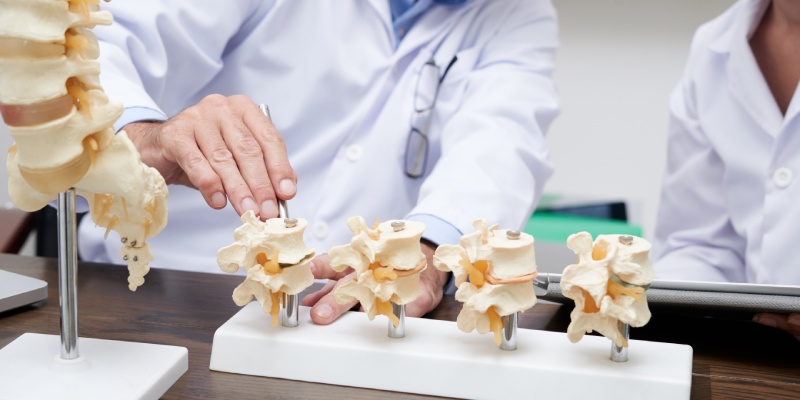
Kyphosis, often referred to as a hunchback or round back, is a condition characterized by an abnormal curvature of the spine. This curvature leads to a rounded upper back. However, modern medicine offers various treatments, including surgery and physical therapy. Ayurveda, the ancient Indian system of medicine, provides holistic and natural approaches to treating kyphosis. In this article, you will explore Kyphosis Treatment with Ayurveda.

Understanding Kyphosis in Ayurveda

In Ayurveda, kyphosis is known as “Kubja Vat.” “Kubja” signifies hunchback, and “Vat” denotes the imbalance of the Vata dosha, one of the three fundamental energies governing the body. According to Ayurvedic principles, kyphosis can result from imbalances in the Vata dosha. These imbalances may stem from factors such as poor posture, weak muscles, nutritional deficiencies, or injury.

Types of Kyphosis in Ayurveda

Ayurveda categorizes kyphosis into different types based on its underlying causes and symptoms. 

These include:

  1. Congenital: Present at birth due to vertebral abnormalities or developmental issues in the spine.
  2. Postural: Resulting from poor posture habits such as slouching or prolonged sitting.
  3. Structural: Caused by degenerative conditions or injuries affecting the spine.
  4. Scheuermann’s: Developed during adolescence due to abnormal growth of the vertebrae.
  5. Senile: Found in older adults, often associated with osteoporosis and compression fractures.
  6. Nutritional: Resulting from poor nutrition, particularly deficiencies in calcium and vitamin D, weakening spinal structures.

Kyphosis Treatment with Ayurveda

Ayurvedic Kyphosis Treatment aims to restore the balance of the Vata dosha. It also addresses the root cause of the condition.

1. Herbal Remedies

Ayurvedic practitioners prescribe various herbs and herbal formulations to alleviate pain, reduce inflammation, and strengthen the spine.

Some effective Ayurvedic Herbal Remedies are:

  • Ashwagandha: Known for its anti-inflammatory properties, Ashwagandha helps reduce pain and inflammation associated with the condition.
  • Guggulu: This resin extract has been traditionally used in Ayurveda to support joint health and alleviate stiffness in the spine.
  • Shallaki: Also known as Boswellia, Shallaki is effective in reducing swelling and promoting mobility in the spine.
  • Ginger: With its potent anti-inflammatory properties, ginger can help alleviate pain and improve circulation in the affected area.
  • Turmeric: Curcumin, the active compound in turmeric, exhibits anti-inflammatory and antioxidant properties, making it beneficial for managing symptoms.
  • Guduchi: Also known as Tinospora cordifolia, Guduchi is an immune-modulating herb. It supports the body’s natural healing processes and helps reduce inflammation.

2. Dietary Changes

A balanced and nutritious diet plays a crucial role in managing kyphosis. Ayurveda emphasizes consuming foods that pacify the Vata dosha, such as:

  1. Warm, Cooked Meals: Consuming warm, freshly cooked meals helps pacify the Vata dosha and supports digestion, which is essential for overall health.
  2. Ghee (Clarified Butter): Adding ghee to your diet lubricates the joints and nourishes the tissues, promoting flexibility and reducing stiffness.
  3. Whole Grains and Fresh Produce: Incorporating whole grains, fresh fruits, and vegetables provides essential nutrients and antioxidants necessary for spinal health.
  4. Bone Broth: Rich in minerals like calcium, magnesium, and phosphorus, bone broth supports bone density and joint health, helping prevent and manage the condition.
  5. Omega-3 Fatty Acids: Found in fatty fish, flaxseeds, and walnuts, omega-3 fatty acids have anti-inflammatory properties that can help reduce pain and inflammation in the spine.
  6. Protein-Rich Foods: Consuming adequate protein from sources like lean meats, legumes, and nuts supports muscle strength and tissue repair, which is essential for spinal health.

3. Lifestyle Modifications

In addition to herbal remedies and dietary changes, Ayurveda advocates adopting a healthy lifestyle to support spinal health. This includes:

  1. Proper Posture: Maintaining good posture throughout the day helps prevent further curvature of the spine and relieves strain on the back muscles.
  2. Regular Exercise: Engaging in regular physic al activity, such as walking, swimming, or yoga, strengthens the muscles supporting the spine and improves flexibility.
  3. Stress Management: Practicing relaxation techniques, such as deep breathing exercises or meditation, helps reduce stress and tension in the body, benefiting spinal health.
  4. Ergonomic Adjustments: Making ergonomic changes to your workspace and daily activities, such as using supportive chairs and ergonomic keyboards, can help alleviate strain on the spine.
  5. Weight Management: Maintaining a healthy weight reduces the load on the spine, minimizing the risk of developing or exacerbating the condition.
  6. Hydration: Drinking an adequate amount of water keeps the intervertebral discs hydrated and supports overall spinal health and flexibility.

4. Panchakarma Therapy for Kyphosis

Here are the Panchakarma Therapy for Kyphosis:

Detoxification Techniques

Panchakarma, a set of purification therapies in Ayurveda, helps eliminate toxins from the body and restore balance. 

Treatments such as:

  1. Virechana (Purgation): This Ayurvedic therapy involves the use of natural laxatives to eliminate toxins and waste materials from the body, promoting detoxification and purification.
  2. Basti (Enema): Basti therapy involves the administration of herbal decoctions or oils through the rectum to cleanse the colon and remove accumulated toxins.
  3. Nasya (Nasal Administration): Nasya therapy involves the application of medicated oils or herbal preparations to the nasal passages, clearing congestion and promoting detoxification.
  4. Triphala: A traditional Ayurvedic formula comprising three fruits, Triphala acts as a natural laxative, supporting regular bowel movements and detoxification.
  5. Trikatu: This combination of three warming herbs—ginger, black pepper, and long pepper—helps stimulate digestion, improve metabolism, and eliminate toxins from the body.
  6. Hydration: Drinking plenty of water throughout the day helps flush out toxins and supports the body’s natural detoxification processes.

Massage and Therapeutic Exercises

  1. Abhyanga (Warm Oil Massage): Abhyanga helps relax the muscles, improve circulation, and alleviate pain and stiffness in the spine.
  2. Pinda Sweda (Herbal Poultice Massage): This therapy involves applying warm herbal poultices to the affected area, promoting relaxation and reducing inflammation.
  3. Kati Basti: In this Ayurvedic therapy, a dough ring is placed on the lower back and filled with warm medicated oil to alleviate pain and stiffness in the lumbar region.
  4. Gentle Stretching: Performing gentle stretching exercises for the back and spine helps improve flexibility and mobility, reducing the risk of stiffness and discomfort.
  5. Core Strengthening: Engaging in exercises that target the core muscles, such as Pilates or specific yoga poses, helps stabilize the spine and improve posture.
  6. Swimming: Swimming is a low-impact exercise that strengthens the muscles supporting the spine while providing gentle stretching and relaxation.

5. Yoga and Ayurveda for Kyphosis

Let’s explore Yoga and Ayurveda for Kyphosis:

Asanas for Spinal Alignment

  1. Bhujangasana (Cobra Pose): This yoga pose stretches the spine, chest, and abdomen, promoting flexibility and strengthening the back muscles.
  2. Dhanurasana (Bow Pose): Dhanurasana helps open up the chest and shoulders, improving posture and relieving tension in the spine.
  3. Setu Bandhasana (Bridge Pose): Setu Bandhasana stretches the spine and strengthens the back muscles, promoting spinal alignment and mobility.
  4. Marjariasana (Cat-Cow Stretch): This dynamic yoga pose helps improve spinal flexibility and mobility by alternating between arching and rounding the back.
  5. Trikonasana (Triangle Pose): Trikonasana stretches the spine and side body, promoting proper alignment and relieving tension in the back muscles.
  6. Supta Padangusthasana (Reclining Hand-to-Big-Toe Pose): This reclined yoga pose gently stretches the hamstrings and lower back, improving flexibility and relieving stiffness.

Pranayama and Meditation

  • Nadi Shodhana (Alternate Nostril Breathing): Nadi Shodhana helps balance the nervous system, calm the mind, and enhance respiratory function, benefiting overall well-being.
  • Ujjayi Pranayama (Victorious Breath): Ujjayi Pranayama promotes relaxation, reduces stress, and improves concentration, essential for mental clarity and emotional balance.
  • Bhramari Pranayama (Bee Breath): Bhramari Pranayama involves making a buzzing sound while exhaling, which helps calm the mind and reduce anxiety and tension.
  • Mindfulness Meditation: Practicing mindfulness meditation involves focusing on the present moment without judgment, helping reduce stress and promote relaxation.
  • Walking Meditation: Walking mindfully while paying attention to each step and breath can help calm the mind, improve focus, and reduce stress and anxiety.
  • Guided Visualization: Guided visualization involves mentally picturing a peaceful and calming scene, helping relax the mind and reduce tension in the body.

Importance of Consulting an Ayurvedic Practitioner

While Ayurvedic remedies offer natural solutions for kyphosis, it’s essential to seek guidance from a qualified Ayurvedic practitioner before starting any treatment regimen. Additionally, a skilled practitioner can assess individual constitution and determine the underlying cause of kyphosis. They can then customize a holistic treatment plan to address specific needs effectively.

Conclusion

We have covered the detailed guide on Kyphosis Treatment with Ayurveda. Kyphosis, a condition affecting spinal alignment, can significantly impact one’s quality of life. Ayurveda offers a comprehensive approach to treating kyphosis. It focuses on restoring balance to the body and promoting overall well-being through herbal remedies, dietary adjustments, lifestyle modifications, and therapeutic interventions. By embracing Ayurvedic principles and incorporating holistic practices into daily life, individuals with kyphosis can experience relief from symptoms. They can also achieve better spinal health.

FAQs

Can Ayurveda cure severe cases of kyphosis? 

Ayurveda can offer significant relief and improvement in spinal alignment, especially in mild to moderate cases. However, severe cases may require a combination of Ayurvedic and conventional medical interventions.

How long does it take to see results from Ayurvedic Kyphosis Treatment? 

The timeline for experiencing results may vary depending on individual factors such as the severity of the condition, adherence to treatment, and overall health status. Some individuals may notice improvement within a few weeks, while others may require longer-term treatment for sustained benefits.

Are there any side effects of Kyphosis Treatment with Ayurveda? 

When administered by a qualified practitioner and followed correctly, Ayurvedic treatments are generally safe and well-tolerated. However, it’s essential to inform your practitioner about any pre-existing health conditions or allergies to avoid potential adverse effects.

Is Ayurvedic treatment suitable for children with kyphosis? 

Ayurvedic treatment can be adapted for children with kyphosis. However, it’s crucial to consult with a pediatric Ayurvedic practitioner. This ensures personalized recommendations and appropriate dosages.

Can kyphosis be prevented with Ayurveda? 

While certain lifestyle modifications and preventive measures recommended by Ayurveda, such as maintaining proper posture and following a balanced diet, can support spinal health, some factors contributing to kyphosis may be beyond prevention. However, early intervention and holistic approaches can help manage and minimize its impact.
Natural Remedies for Bronchitis: Natural Way to Breathe Easy

Dealing with bronchitis can be a challenge, but understanding and incorporating natural remedies can significantly alleviate symptoms and enhance respiratory well-being. In this comprehensive guide, we will delve into Natural Remedies for Bronchitis, providing you with the tools to breathe easily.

Understanding Bronchitis

Bronchitis, characterized by inflammation of the bronchial tubes, can result in persistent coughing, wheezing, and breathing difficulties. While conventional medicine plays a vital role, exploring natural remedies offers a holistic approach to easing discomfort. Understanding the condition lays the foundation for effective, complementary interventions.

Know The Types

There are two distinct types of bronchitis: acute and chronic.. Viral infections often cause acute bronchitis, while chronic bronchitis is a more prolonged condition, typically linked to smoking or long-term exposure to irritants. Both types share common symptoms, and natural remedies can play a significant role in alleviating these symptoms.

Causes of Bronchitis

  • Viral Infections: Result from viruses like influenza or the common cold. Often follows a respiratory infection.
  • Bacterial Infections: Occurs less frequently but can stem from bacteria like Mycoplasma pneumoniae. May develop after a viral illness.
  • Environmental Factors: Linked to irritants like tobacco smoke, air pollution, or industrial dust. Prolonged exposure leads to chronic bronchitis.

Symptoms of Bronchitis

  • Persistent Cough: Main symptom, starting dry and progressing to mucus production.
  • Shortness of Breath: Difficulty breathing, varying in intensity.
  • Chest Discomfort: Pain or tightness in the chest, exacerbated during coughing.
  • Fatigue: General weakness and tiredness.
  • Excessive Mucus: Clear, white, yellow, or green mucus production.
  • Sore Throat: Irritation and pain due to coughing.
  • Fever and Chills: Elevated temperature with chills during fever episodes.
  • Wheezing: Whistling sound while breathing, more common in chronic bronchitis.
  • Nasal Congestion: Difficulty breathing through the nose.
  • Body Aches: Muscular discomfort and aches.
  • Difficulty Sleeping: Disrupted sleep due to coughing and respiratory discomfort.
  • Headache: Headache caused by persistent coughing.
  • Loss of Appetite: Reduced interest in food due to overall malaise.
  • Runny Nose: Increased nasal discharge, especially in viral cases.
  • Cyanosis (Bluish Skin): Severe cases may lead to bluish discoloration, indicating low oxygen levels.

10 Powerful Natural Remedies for Bronchitis

Ayurvedic Approach: Spogel Seeds or Isabgol Seeds

Ayurveda, the ancient Indian system of medicine, emphasizes the connection between constipation and breathlessness. Spogel Seeds, also known as Psyllium, act as a natural remedy to promote regular bowel movements. This, in turn, aids in preventing and controlling the intensity of bronchitis attacks. Incorporating Spogel seeds into your daily routine aligns with Ayurvedic principles for respiratory wellness.

Ginger and Honey Magic

For individuals experiencing seasonal bronchial issues, a simple yet powerful remedy involves combining fresh ginger juice with honey. This dynamic duo, taken twice a day, can effectively reduce the frequency and intensity of bronchitis problems. It’s crucial to balance home remedies with prescribed medications, especially during acute breathlessness episodes.

Mustard Oil and Camphor Remedy

Mustard oil and camphor present a soothing natural solution suitable for all age groups. Warming two tablespoons of oil and dissolving camphor in it creates a chest, neck, and back rub that provides relief. This gentle approach is generally safe for all ages, but it’s essential to ensure no allergic reactions to camphor before application.

The Healing Power of Steam

Research indicates that antibiotics may not be the most effective treatment for bronchitis. Inhaling steam, possibly infused with eucalyptus oil, proves beneficial in loosening lung secretions. This uncomplicated yet effective method aids in clearing obstructed airways and provides additional antibacterial benefits. Understanding the science behind steam inhalation enhances its application for respiratory relief.

Dynamic Duo: Ginger and Black Pepper

A warm cup of water infused with ginger powder and black pepper, sweetened with honey, creates a flavourful remedy. Consuming this mixture twice a day contributes to easing bronchial discomfort. The synergy between ginger and black pepper adds depth to the remedy’s effectiveness, promoting a natural and pleasant approach to respiratory wellness.

Turmeric and Milk Elixir

Combining the anti-inflammatory properties of turmeric with the soothing nature of milk creates a potent bronchitis elixir. Boiling a glass of milk with a teaspoon of turmeric powder and consuming it two to three times a day supports respiratory health. This golden elixir showcases the power of natural ingredients in providing relief from symptoms.

Sesame Seeds: Tiny Seeds, Big Relief

Sesame seeds, renowned for their medicinal properties, offer a significant contribution to relief. Mixing half a teaspoon of sesame seed powder with water and consuming it twice daily harnesses the seeds’ medicinal benefits. Understanding the specific properties of sesame seeds highlights their role in holistic bronchial recovery.

Tomato Soup: More Than Comfort Food

Beyond being a comforting dish, tomato soup’s richness in vitamin C makes it a valuable ally against bronchitis. Vitamin C helps reduce excessive mucus formation, providing relief from coughing. Consuming tomato soup at least twice a day showcases the dual benefits of comfort and respiratory support.

Epsom Salt Soak

Managing acute bronchitis symptoms can be facilitated through an Epsom salt bath. Adding a few tablespoons of Epsom salt to your bathwater and soaking for half an hour offers soothing relief. Understanding the application of Epsom salt enhances its effectiveness in alleviating discomfort.

Saltwater Gargle: Simple Yet Effective

A straightforward yet impactful remedy for throat inflammation associated with bronchitis is a saltwater gargle. Mixing one teaspoon of salt in warm water and gargling several times a day soothes the throat and aids in cutting through irritating mucus. Understanding the balance in salt concentration ensures the gargle’s effectiveness without causing discomfort.

Conclusion

Incorporating natural remedies into your routine offers a holistic and complementary approach to managing bronchitis. While these remedies provide relief, it’s essential to work in tandem with medical advice for a comprehensive respiratory wellness plan. Breathe easy and embrace the healing power of nature, knowing that these remedies contribute to your journey toward optimal respiratory health.

FAQs

Are natural remedies alone sufficient for bronchitis treatment?

While natural remedies provide valuable support, they are best used as complementary measures alongside medical advice and prescribed medications, especially during acute episodes.

How long does it take for natural remedies for bronchitis to show results?

Results vary, and consistency is key. Relief from symptoms may be experienced over time with dedicated and regular application of natural remedies.

Can these remedies be used for children?

Some remedies are generally safe for all ages, but consulting with a healthcare professional before administering them to children is advisable.

Are there any dietary recommendations for bronchitis?

Maintaining a balanced diet rich in vitamins and staying hydrated supports overall respiratory health. Seeking advice from a nutritionist offers the benefit of receiving personalized dietary recommendations tailored to your individual needs and health goals.

Can these remedies prevent bronchitis recurrence?

Consistent use of natural remedies, coupled with a healthy lifestyle, may contribute to reducing the frequency of bronchitis episodes. However, individual responses vary.

Ayurvedic Solutions for Keratosis Pilaris: Causes & Symptoms

Keratosis Pilaris, commonly known as “chicken skin,” presents as small, rough bumps on the skin’s surface, often found on the upper arms, thighs, buttocks, and occasionally on the face. These bumps, though harmless, can be a source of frustration due to their appearance and texture. In this article, we’ll explore effective Ayurvedic treatment for keratosis pilaris.

What is Keratosis Pilaris?

It is a harmless skin condition. It occurs when the hair follicles become blocked with a build-up of keratin. This causes small bumps to form on the skin’s surface. The condition is often associated with other skin conditions like eczema or dry skin. It tends to worsen during the winter months when the air is drier.

Causes of Keratosis Pilaris

Medical experts do not know the exact cause of it. However, they believe it to be hereditary and potentially associated with other skin conditions like eczema or dry skin.

Certain factors can exacerbate the condition, including:

  • Genetics: The problem often runs in families, suggesting a genetic predisposition to the condition.
  • Dry Skin: Dry skin can contribute to the build-up of keratin in the hair follicles, leading to the formation of bumps.
  • Weather Conditions: Cold, dry weather can worsen symptoms, while humidity may improve them.

Symptoms of Keratosis Pilaris

The primary symptom is the appearance of small, rough bumps on the skin, typically on the upper arms, thighs, cheeks, or buttocks. These bumps may be red, white, or flesh-coloured and can sometimes be accompanied by itching or irritation.

Common Symptoms Include:

  • Small, rough bumps on the skin
  • Redness or inflammation around the bumps
  • Itching or irritation

Ayurvedic Treatment for Keratosis Pilaris

Ayurveda, the ancient Indian system of medicine, offers holistic solutions for managing the issue. Ayurvedic Treatment for Keratosis Pilaris focus on balancing the body’s energies and addressing the root cause of the condition rather than just alleviating symptoms.

Ayurvedic Therapies

Explore Ayurvedic therapies beneficial for managing the issue:

  • Panchakarma: Panchakarma is a cleansing and rejuvenating therapy that involves various detoxification procedures to eliminate toxins from the body.
  • Swedana: Swedana, or herbal steam therapy, helps open the pores and promote sweating, which can aid in the removal of toxins and impurities from the skin.
  • Nasya: Nasya involves the administration of herbal oils or powders through the nasal passages to cleanse and detoxify the upper respiratory tract and improve skin health.

Diet and Lifestyle Adaptations

In addition to therapies, making dietary and lifestyle changes can also help manage keratosis pilaris.

Foods to Eat

  • Omega-3 Fatty Acids: Foods rich in omega-3 fatty acids, such as flaxseeds, walnuts, and fatty fish, can help reduce inflammation and improve skin health.
  • Antioxidant-Rich Foods: Antioxidant-rich foods like fruits, vegetables, and green tea can help protect the skin from oxidative damage and promote healing.

Foods to Avoid

  • Processed Foods: Processed foods high in sugar, refined grains, and unhealthy fats can contribute to inflammation and exacerbate skin conditions.
  • Dairy and Gluten: Some individuals may find that avoiding dairy and gluten helps improve their symptoms, as these foods can be inflammatory for some people.

Lifestyle Adaptations

  • Moisturize Regularly: Keeping the skin well-hydrated with a gentle moisturizer can help prevent dryness and reduce the appearance of bumps.
  • Avoid Harsh Chemicals: Avoid using harsh soaps or exfoliants that can irritate the skin and worsen symptoms.
  • Protect Your Skin: Protecting your skin from harsh weather conditions, such as cold, dry air or excessive sun exposure, can help prevent flare-ups.

Natural Ayurvedic Home Remedies For Keratosis Pilaris

In addition to Ayurvedic Treatment for Keratosis Pilaris, several natural home remedies can help alleviate symptoms and promote healthy skin.

Natural Remedies Include:

Coconut Oil

Coconut oil is renowned for its moisturizing properties and ability to nourish the skin deeply. Rich in fatty acids, it helps hydrate the skin and reduce inflammation. To use coconut oil as a remedy, simply apply a small amount to the affected areas and massage gently in circular motions. Leave it on overnight for maximum absorption, and rinse off in the morning.

Apple Cider Vinegar

Apple cider vinegar contains acetic acid, which acts as a natural exfoliant and helps unclog pores, making it an effective home remedy for Keratosis Pilaris. To use apple cider vinegar, dilute it with water in equal parts and apply the solution to the affected areas using a cotton ball. Leave it on for a few minutes before rinsing off with water. Regular use can help improve the texture of the skin and reduce the appearance of bumps.

Oatmeal Bath

Oatmeal is known for its soothing properties and ability to relieve itching and irritation associated with skin conditions. Taking an oatmeal bath can help soften the skin, reduce inflammation, and alleviate discomfort. Simply grind oats into a fine powder and add it to warm bathwater. Soak in the bath for 15-20 minutes, gently rubbing the affected areas to exfoliate the skin. Repeat this remedy regularly for the best results.

Aloe Vera Gel

Aloe vera gel is a natural moisturizer with anti-inflammatory properties, making it an excellent remedy for soothing irritated skin and reducing redness associated with the issue. Apply fresh aloe vera gel directly to the affected areas and leave it on for 20-30 minutes before rinsing off with water. For added benefits, mix a few drops of coconut oil or honey with the aloe vera gel before applying.

Turmeric Paste

Turmeric is a potent anti-inflammatory and antioxidant spice that can help reduce inflammation and promote healing in the skin. Create a paste by mixing turmeric powder with water or coconut oil until a thick consistency is achieved. Apply the paste to the affected areas and leave it on for 15-20 minutes before rinsing off with water. Repeat this remedy regularly to experience its anti-inflammatory benefits.

Neem Oil

Neem oil is renowned for its antibacterial and anti-inflammatory properties, making it an effective remedy for managing keratosis pilaris. Apply a few drops of neem oil directly to the affected areas and massage gently until absorbed. Leave it on overnight and rinse off in the morning. Regular use of neem oil can help reduce inflammation, prevent infections, and improve the overall appearance of the skin affected by Keratosis Pilaris.

Pranayam and Yoga Asanas for Keratosis Pilaris

Pranayama (breathing exercises) and yoga asanas (postures) can help improve circulation, reduce stress, and promote overall well-being, which can benefit individuals.

Recommended Pranayama and Yoga Asanas:

  • Bhastrika Pranayama: Bhastrika Pranayama, or bellows breath, involves rapid, forceful breathing through the nose to increase oxygen flow to the body and promote detoxification.
  • Surya Namaskar (Sun Salutation): Surya Namaskar is a sequence of 12 yoga poses performed in a flowing sequence, which can help improve flexibility, strength, and circulation.
  • Gomukhasana (Cow Face Pose): Gomukhasana stretches the shoulders, chest, and arms, helping to relieve tension and improve posture.

Incorporating these practices into your daily routine can help support overall health and well-being while managing keratosis pilaris symptoms.

Conclusion

We have covered a depth guide on Ayurvedic Treatment for Keratosis Pilaris. Keratosis pilaris, although not harmful, can be a frustrating condition to manage. Ayurveda offers a holistic approach to treating chicken skin by addressing the underlying imbalances in the body and promoting overall skin health through herbal remedies, therapies, dietary modifications, and lifestyle adaptations. By incorporating Ayurvedic principles into your skincare routine and making healthy choices, you can effectively manage chicken skin and achieve smoother, healthier-looking skin.

FAQs

Is keratosis pilaris contagious?

No, It is not contagious and cannot be spread through contact with affected individuals.

Can keratosis pilaris be cured completely?

While there is no cure, symptoms can be managed effectively with proper skincare, dietary, and lifestyle interventions.

Can diet affect keratosis pilaris?

Yes, certain dietary factors like consuming inflammatory foods or lacking essential nutrients can exacerbate symptoms.

Can keratosis pilaris worsen with certain skincare products?

Yes, using harsh exfoliants or drying products can aggravate the symptoms. It’s important to choose gentle, moisturizing skincare products formulated for sensitive skin.

Is there a link between keratosis pilaris and other skin conditions like eczema or psoriasis?

While keratosis pilaris is a separate condition, individuals with eczema or psoriasis may be more prone to developing it. However, having one condition does not necessarily cause the other.

Discovering Spinal Cord Tumor Types: A Learning Guide

The spinal cord, a crucial component of the central nervous system, can be susceptible to various medical conditions, including Tumors. Understanding the different types of spinal cord Tumors is essential for early detection, accurate diagnosis, and effective treatment. In this guide, we’ll explore the various Spinal Cord Tumor Types.

Introduction to Spinal Cord Tumors

Spinal cord Tumors, whether benign or malignant, can disrupt the normal functioning of the spinal cord, leading to various neurological symptoms. While the exact cause of these Tumors remains unclear, factors such as genetic predisposition, exposure to radiation, or previous history of cancer may contribute to their development.

Symptoms of Spinal Cord Tumor:

  • Pain: Persistent back or neck pain.
  • Weakness/Numbness: Gradual loss of strength or sensation in limbs.
  • Walking Difficulty: Trouble with balance or coordination.
  • Bladder/Bowel Issues: Loss of control or function.
  • Sensory Changes: Altered sensations like tingling or hypersensitivity.
  • Muscle Spasms: Involuntary muscle contractions or twitching.

Diagnosis of Spinal Cord Tumor:

  • Imaging: MRI or CT scans for detailed spinal cord images.
  • Neurological Exam: Reflexes, strength, and sensation assessment.
  • Biopsy: Surgical sample to identify Tumor type.
  • Electrophysiological Tests: EMG/NCS will be used to evaluate nerve function.
  • CSF Analysis: Lumbar puncture to check for Tumor markers.
  • History and Physical: Detailed medical history and examination.

Understanding the Anatomy of the Spinal Cord

Before delving into the types of spinal cord Tumors, it’s crucial to understand the basic anatomy of the spinal cord. This cylindrical structure, protected by the vertebral column, transmits messages between the brain and the rest of the body. The spinal cord is segmented, with each segment serving specific regions of the body.

Classification of Spinal Cord Tumors

Spinal cord Tumors can be classified into two main categories: primary Tumors and secondary Tumors.

Primary Tumors

Primary spinal cord Tumors originate within the spinal cord or its surrounding structures. They can develop from various types of cells, including nerve cells, glial cells, and supportive tissue cells.

Secondary Tumors

Secondary spinal cord Tumors, also known as metastatic Tumors, originate from cancerous cells that have spread (metastasized) to the spinal cord from other parts of the body, such as the lungs, breasts, or prostate.

Common Spinal Cord Tumor Types

Several Spinal Cord Tumor Types exist, each with distinct characteristics and treatment considerations.

Intramedullary Tumors

Intramedullary Tumors originate within the spinal cord itself, posing unique challenges due to their proximity to delicate nerve tissue. Among the notable intramedullary Tumor types are:

Ependymoma

Ependymomas, the most prevalent spinal cord Tumors, originate from ependymal cells lining the central canal of the spinal cord. These Tumors are commonly found in the neck region and are characterized by their association with disruptions in cerebrospinal fluid flow.

Astrocytoma

Arising from astrocytes, star-shaped cells crucial for nerve cell function, astrocytomas are particularly prevalent among children. Their occurrence in the spinal cord underscores the importance of early detection and intervention to mitigate potential neurological complications.

Hemangioblastoma

Comprising several blood vessels, hemangioblastomas can manifest in various spinal cord regions, posing challenges due to their vascular nature. Prompt diagnosis and management are imperative to prevent hemorrhagic complications and neurological deficits.

Lipoma

Lipomas, though rare, represent a congenital anomaly originating from fat tissue within the spinal cord. Typically located in the mid-back region, lipomas can exert pressure on the spinal cord, necessitating surgical intervention to alleviate symptoms and prevent neurological deterioration.

Intradural–Extramedullary Tumors

Intradural–extramedullary Tumors develop within the dural sheath surrounding the spinal cord, presenting distinct diagnostic and therapeutic considerations. Key Tumor types within this category include:

Meningioma

Derived from the meninges covering the spinal cord, meningiomas predominantly affect the upper back region and exhibit a predilection for female individuals. Their slow-growing nature underscores the importance of vigilant monitoring and timely intervention to prevent neurological sequelae.

Neurofibroma

Associated with neurofibromatosis, neurofibromas arise from the protective covering of the spinal cord and nerves. These Tumors necessitate a multidisciplinary approach encompassing genetic evaluation, imaging studies, and surgical resection to optimize patient outcomes.

Schwannoma

Comprising Schwann cells are responsible for nerve insulation, and Schwannomas typically localize within the dural sheath surrounding the spinal cord. Their encapsulated nature facilitates surgical resection, often resulting in favourable outcomes and symptom alleviation.

Myxopapillary Ependymoma

Myxopapillary ependymomas develop in the tissue surrounding the spinal cord and present distinct histological features warranting specialized diagnostic modalities and tailored therapeutic interventions.

Symptoms and Diagnosis

Symptoms of spinal cord Tumors vary depending on their location, size, and aggressiveness. Common symptoms include back pain, weakness or numbness in the limbs, difficulty walking, and changes in bowel or bladder control. Diagnosis typically involves imaging tests such as MRI or CT scans, neurological examination, and biopsy if necessary.

Ayurvedic Treatment Approaches

Ayurvedic treatment for spinal cord Tumors aims to restore the balance of the doshas, cleanse the body of toxins, and rejuvenate the affected tissues.

Panchakarma Therapy

Panchakarma, the Ayurvedic detoxification and purification therapy, involves procedures such as Virechana (purgation), Vamana (emesis), Basti (enema), Nasya (nasal administration), and Rakta Mokshana (bloodletting). These therapies help eliminate ama, reduce doshic imbalances, and promote healing at a cellular level.

Herbal Remedies

Ayurvedic herbs and formulations with anti-inflammatory, detoxifying, and rejuvenating properties are prescribed to address the underlying causes of spinal cord Tumors and alleviate associated symptoms. Commonly used herbs include Ashwagandha, Guggul, Shatavari, Triphala, and Brahmi.

Diet and Lifestyle Modifications

A balanced diet tailored to the individual’s doshic constitution, along with lifestyle modifications such as stress management, adequate rest, and regular exercise, play a crucial role in supporting Ayurvedic treatment for spinal cord Tumors. Avoiding processed foods, excessive stimulants, and unhealthy habits can help maintain overall health and prevent disease recurrence.

Prognosis and Recovery in Ayurveda

The prognosis for individuals with spinal cord Tumors in Ayurveda depends on factors such as the stage of the disease, the individual’s response to treatment, and their overall vitality. Ayurvedic interventions focus on enhancing the body’s innate healing mechanisms, promoting tissue regeneration, and restoring balance at the physical, mental, and spiritual levels.

Conclusion

Understanding the diverse Spinal Cord Tumor Types is paramount for patients, caregivers, and healthcare providers. Early recognition, timely intervention, and informed decision-making are essential for optimizing outcomes and improving the quality of life for individuals affected by spinal cord Tumors.

FAQs

Can spinal cord Tumors be prevented?

While the exact cause of most spinal cord Tumors is unknown, certain risk factors, such as genetic conditions or exposure to radiation, may increase the risk. However, there are currently no proven methods for preventing spinal cord Tumors.

 Can Ayurveda cure spinal cord Tumors?

While Ayurveda offers holistic approaches to managing spinal cord Tumors and promoting healing, it is essential to consult with a qualified Ayurvedic practitioner for personalized treatment guidance and support.

Are there specific herbs recommended for different Spinal Cord Tumor Types in Ayurveda?

Ayurvedic herbs such as Ashwagandha, Guggul, Shatavari, Triphala, and Brahmi are commonly used to support the treatment of spinal cord Tumors due to their anti-inflammatory, detoxifying, and rejuvenating properties.

How are spinal cord Tumors diagnosed?

Diagnosis of spinal cord Tumors typically involves a combination of imaging tests such as MRI or CT scans, neurological examination, and sometimes biopsy for further evaluation.

What are the treatment options for various Spinal Cord Tumor Types?

Treatment options for spinal cord Tumors may include surgery, radiation therapy, chemotherapy, or a combination of these therapies, depending on the type and stage of the Tumor.

Where can I find support resources for spinal cord Tumor patients and families?

There are many support resources available for spinal cord Tumor patients and their families, including support groups, counselling services, and educational materials provided by healthcare organizations and advocacy groups.

Natural Cure for Astigmatism: Clear Vision Naturally

Astigmatism is a common refractive error of the eye that affects how light enters the eye, causing blurred or distorted vision. While conventional treatments like eyeglasses, contact lenses, or refractive surgeries are widely used, many individuals seek natural remedies to address astigmatism and improve their vision without invasive procedures. In this article, we’ll explore Natural Cure for Astigmatism.

Understanding Astigmatism

It is a common refractive error that affects how the eye focuses light. Here’s what you need to know:

What is Astigmatism?

It occurs when the cornea or lens of the eye has an irregular shape, causing light rays to focus unevenly onto the retina. Instead of a smooth, spherical shape, the cornea or lens may be more oval or cylindrical, leading to blurred or distorted vision at any distance.

Causes of Astigmatism

Several factors can contribute to the development of it, including

  • Irregular corneal shape
  • Abnormalities in the lens curvature
  • Genetics (family history of astigmatism)
  • Eye surgery or injury
  • Conditions like keratoconus (progressive thinning of the cornea)

Symptoms of Astigmatism:

Common symptoms of it include:

  • Blurred vision, both near and far
  • Distorted or stretched vision
  • Eye strain or discomfort
  • Headaches, especially after prolonged visual tasks
  • Difficulty seeing clearly at night
  • Squinting to improve focus

Ayurvedic Perspective on Eye Health

In Ayurveda, the eyes are considered a vital organ connected to the Pitta dosha, which governs vision and heat in the body. Imbalances in Pitta dosha can lead to eye problems like astigmatism. Ayurvedic practitioners emphasize the importance of adopting lifestyle habits and natural remedies to restore balance and promote eye health.

Natural Cure for Astigmatism

Let’s explore some effective Natural Cure for Astigmatism:

Home Remedy for Astigmatism

Ayurveda, the ancient Indian system of medicine, offers holistic approaches to treating various health conditions, including eye disorders like astigmatism.

Here is the list of Home Remedy for Astigmatism:

  1. Triphala Eye Wash: Triphala is a combination of three fruits—amalaki, bibhitaki, and haritaki—known for their rejuvenating properties. Prepare a triphala solution by soaking the powder in water overnight. Use it as an eye wash to reduce inflammation and improve vision.
  2. Ghee Massage: Ghee, or clarified butter, is highly regarded in Ayurveda for its nourishing and lubricating effects. Gently massage a small amount of lukewarm ghee around the eyes before bedtime to alleviate dryness and strain.
  3. Bilberry: Known for its antioxidant properties, bilberry can help improve blood circulation to the eyes and strengthen the retina, potentially reducing the severity of symptoms.
  4. Eyebright: This herb has been traditionally used to alleviate eye discomfort and improve vision. It may help reduce eye strain and promote overall eye health in individuals with astigmatism.
  5. Ginkgo Biloba: Ginkgo biloba extract contains compounds that enhance blood flow to the eyes and support nerve function. Incorporating this herbal supplement into your routine may aid in managing symptoms.
  6. Fennel Seeds: Fennel seeds are rich in vitamins and minerals that are beneficial for eye health. Boil fennel seeds in water, strain, and use the cooled solution as an eye wash to soothe irritation and reduce inflammation associated with astigmatism.
  7. Amla (Indian Gooseberry): Amla is a powerhouse of vitamin C and antioxidants, making it a valuable herbal remedy for improving vision and preventing eye disorders like astigmatism. Consuming amla juice or incorporating dried amla powder into your diet may provide benefits for eye health.
  8. Turmeric: Curcumin, the active compound in turmeric, possesses anti-inflammatory and antioxidant properties that can help alleviate eye discomfort and reduce inflammation associated with astigmatism. Adding turmeric to your meals or consuming it as a supplement may support overall eye health.

Integrating these Home Remedy options for Astigmatism into your daily routine promotes eye health, alleviates strain, and improves overall visual comfort.

Lifestyle Changes for Managing Astigmatism

Aside from Ayurvedic remedies, making lifestyle modifications can significantly contribute to managing astigmatism and promoting better vision.

Importance of Diet and Nutrition

Maintaining good eye health through diet is crucial for managing astigmatism. Here’s a direct breakdown:

Food to Eat:

  • Leafy Greens: Spinach, kale, and other leafy greens are rich in lutein and zeaxanthin, which protect the eyes from damage.
  • Colorful Fruits and Vegetables: Carrots, bell peppers, and berries provide vitamins A, C, and E, essential for healthy vision.
  • Omega-3 Fatty Acids: Salmon, flaxseeds, and walnuts support eye health and reduce inflammation.
  • Whole Grains: Quinoa, brown rice, and oats offer vitamin E, zinc, and niacin for eye health.
  • Eggs: Eggs contain lutein, zeaxanthin, and vitamin D, which help maintain eye health.

Food to Avoid:

  • Processed Foods: Sugary snacks and fast food lack nutrients and may harm eye health.
  • Sugary Beverages: Sodas and fruit juices can lead to blood sugar spikes, affecting eye health.
  • Trans Fats: Fried foods and processed snacks containing trans fats promote inflammation.
  • Excessive Alcohol: Heavy alcohol consumption may cause dehydration and worsen dry eyes.
  • Excessive Sodium: High sodium intake from processed foods can increase eye pressure.

By choosing nutrient-rich foods and avoiding unhealthy options, you can support your eye health and manage astigmatism effectively. It’s crucial to seek guidance from a qualified healthcare provider for tailored dietary recommendations that suit your individual needs.

Eye Exercises and Relaxation Techniques

Enhance visual acuity, reduce eye strain, and complement traditional treatments with these daily eye exercises.

  • Blinking Exercises: Regularly blinking your eyes helps keep them moist and prevents dryness, especially during extended periods of screen time or focusing on tasks. Aim to blink consciously for a few seconds every few minutes to maintain eye lubrication.
  • Near-Far Focus: Practice near-far focusing by alternately focusing on objects at different distances. For example, focus on a nearby object for a few seconds, then shift your gaze to something in the distance. Repeat this process several times to strengthen eye muscles and improve visual flexibility.
  • Palming Technique: Palming is a simple yet effective relaxation technique for the eyes. Rub your palms together vigorously to generate warmth, then cup them over closed eyes without applying pressure. Relax in this position for a few minutes, allowing the warmth to soothe tired eyes and promote relaxation.
  • Eye Yoga: Incorporate eye yoga exercises into your routine to relieve eye strain and improve circulation. One example is the “clockwise and counterclockwise eye rotation” exercise: Sit comfortably and slowly rotate your eyes clockwise for a few seconds, then switch to counterclockwise rotations. Repeat several times to relax eye muscles and increase blood flow.

By integrating Ayurvedic principles, herbal remedies, and lifestyle adjustments into your routine, you can effectively manage astigmatism symptoms and promote long-term eye health.

Conclusion

We have covered a detailed guide on Natural Cure for Astigmatism. While astigmatism may present challenges in vision, natural remedies rooted in Ayurveda offer promising alternatives to traditional treatment methods. By embracing holistic approaches, individuals can address underlying imbalances, alleviate symptoms, and foster overall well-being for clear and vibrant eyesight.

FAQs

Can Ayurvedic remedies cure astigmatism completely?

Ayurvedic remedies can help manage symptoms and improve overall eye health, but a complete cure depends on individual factors and the severity of the condition.

Are there any side effects associated with Ayurvedic Home Remedy for Astigmatism?

When used as directed, Ayurvedic Home Remedy options for Astigmatism typically have minimal to no side effects. However, it’s essential to consult with a qualified Ayurvedic practitioner before starting any new regimen.

Can I combine Ayurvedic treatments with conventional medical options?

Yes, integrating Ayurvedic treatments with conventional medical options can provide a comprehensive approach to managing symptoms and promoting overall eye health. However, consult with healthcare professionals for personalized guidance.

Are there any dietary restrictions to follow when using Ayurvedic remedies for astigmatism?

Ayurveda emphasizes a balanced diet tailored to individual dosha imbalances. Consult with an Ayurvedic practitioner to determine dietary recommendations suitable for your specific needs.

Are there any specific eye exercises recommended for astigmatism?

Yes, there are several eye exercises that can help improve eye health. Some examples include the pencil push-up exercise, focusing on near and far objects, and circular eye movements. These exercises aim to strengthen eye muscles, improve focus, and alleviate symptoms.

Home Remedies for Spondylolisthesis: Natural Relief

Spondylolisthesis is a condition where one vertebra slips forward over the vertebra below it. This can lead to lower back pain, leg pain, and other symptoms. While there are various treatment options available, many individuals seek natural remedies to alleviate their discomfort. In this article, we will cover 10 effective Home Remedies for Spondylolisthesis.

Understanding Spondylolisthesis

It occurs when a vertebra slips out of its normal position onto the bone below it. This displacement can result from various factors, including genetics, repetitive stress injuries, congenital defects, and age-related degeneration of the spine.

Types of Spondylolisthesis:

  1. Degenerative Spondylolisthesis: Occurs due to ageing and wear-and-tear on the spine.
  2. Isthmic Spondylolisthesis: Results from a defect or fracture in the pars interarticularis of the vertebra.
  3. Traumatic Spondylolisthesis: Caused by an injury or trauma to the spine.
  4. Pathological Spondylolisthesis: Arises from conditions such as tumours or infections affecting the spine.

Symptoms of Spondylolisthesis

Common symptoms include:

  • Lower back pain
  • Muscle stiffness or tightness
  • Numbness or tingling sensations in the legs
  • Difficulty walking or standing
  • Pain that worsens with activity and improves with rest

Causes of Spondylolisthesis

It can be caused by various factors, including:

  • Genetics
  • Traumatic injury
  • Repetitive stress on the spine
  • Degenerative changes in the spine
  • Abnormal bone growth or development

10 Effective Ayurvedic Home Remedies for Spondylolisthesis

Let’s explore 10 effective Home Remedies for Spondylolisthesis.

Herbal Oil Massage (Abhyanga)

Abhyanga with warm herbal oils helps lubricate the joints, reduce stiffness, and alleviate pain associated with spondylolisthesis. Popular oils for this purpose include sesame oil, coconut oil, and castor oil. Massaging the affected area gently in circular motions improves circulation and relaxes the muscles, providing relief from discomfort.

Gentle Yoga and Stretching Exercises

Practising gentle yoga poses and stretching exercises tailored to strengthen the back muscles and improve flexibility can provide significant relief from spondylolisthesis symptoms. Yoga poses such as Cat-Cow, Child’s Pose, and Cobra Pose help stretch and strengthen the muscles supporting the spine, reducing strain and discomfort.

Turmeric and Ginger Tea

Turmeric and ginger are potent anti-inflammatory herbs that can help reduce inflammation and alleviate pain associated with spondylolisthesis. To make a soothing tea, simmer fresh ginger and turmeric slices in water for 10-15 minutes, then strain and enjoy. Adding a touch of honey and lemon enhances both the flavour and the healing properties.

Ashwagandha

Ashwagandha, also known as Indian ginseng, is an adaptogenic herb that helps reduce stress and inflammation in the body. Consuming ashwagandha supplements or adding ashwagandha powder to warm milk can help manage spondylolisthesis symptoms. It’s recommended to take ashwagandha regularly for its cumulative effects on overall well-being.

Hot Compress with Epsom Salt

Applying a hot compress infused with Epsom salt to the affected area can help relax muscles, reduce pain, and promote healing in spondylolisthesis. Epsom salt, rich in magnesium, has natural muscle-relaxing properties. Dissolve Epsom salt in hot water, soak a cloth in the solution, wring out excess liquid, and apply it to the lower back for 15-20 minutes.

Triphala Powder

Triphala, a combination of three fruits (Amalaki, bibhitaki, and haritaki), is known for its detoxifying properties. Consuming Triphala powder with warm water can help improve digestion and reduce inflammation associated with spondylolisthesis. It’s best to take Triphala on an empty stomach in the morning or before bedtime for optimal results.

Ayurvedic Dietary Recommendations

When dealing with spondylolisthesis, your diet plays a crucial role in managing symptoms and promoting healing. Here’s what to include and avoid in your diet:

Foods to Eat:

  1. Anti-inflammatory Fruits: Berries, cherries, and pineapple are rich in antioxidants and enzymes that reduce inflammation and aid in healing.
  2. Leafy Greens: Spinach, kale, and Swiss chard provide vitamins, minerals, and phytonutrients that support spinal health and reduce inflammation.
  3. Omega-3 Rich Foods: Salmon, walnuts, and flaxseeds are packed with omega-3 fatty acids, which have anti-inflammatory properties and alleviate pain.
  4. Healthy Fats: Avocados, olive oil, and coconut oil lubricate joints, reduce inflammation, and support spinal health.
  5. Whole Grains: Quinoa, brown rice, and oats are high in fibre and nutrients that promote digestive health and reduce inflammation.
  6. Lean Proteins: Chicken, turkey, tofu, and legumes aid in muscle repair and growth, supporting the spine and reducing pain.
  7. Herbal Teas: Chamomile, peppermint, and ginger teas have soothing properties that relax muscles, reduce pain, and promote well-being.

Foods to Avoid:

  1. Processed Foods: Avoid sugary, fatty, and artificially processed foods as they increase inflammation and worsen symptoms.
  2. Spicy Foods: Limit spicy foods like 
  3. Chilli peppers and hot sauces as they irritate the digestive system and increase inflammation.
  4. Highly Acidic Foods: Reduce intake of citrus fruits, tomatoes, and vinegar, which can irritate the stomach lining and worsen inflammation.
  5. Meat: Limit consumption of meat, especially fatty cuts, as they contribute to inflammation and joint stiffness.
  6. Nightshade Vegetables: Some individuals may be sensitive to nightshade vegetables like tomatoes and potatoes, which can increase inflammation and pain.
  7. Alcohol and Caffeine: These beverages dehydrate the body and exacerbate inflammation, so opt for water or herbal teas instead.
  8. Dairy Products: Monitor dairy intake, especially if sensitive to lactose, as dairy can worsen inflammation in some individuals.

By following these dietary guidelines, you can support your body’s natural healing process and alleviate symptoms effectively.

Pranayama and Meditation

Pranayama (breathing exercises) and meditation help calm the mind, reduce stress, and promote relaxation, which can be beneficial for managing spondylolisthesis. Practising deep breathing techniques such as alternate nostril breathing (Nadi Shodhana) and belly breathing (Diaphragmatic breathing) can help release tension and improve overall well-being.

Castor Oil Packs

Applying warm castor oil packs to the lower back can help improve circulation, reduce inflammation, and alleviate pain associated with spondylolisthesis. To make a castor oil pack, soak a piece of flannel cloth in warm castor oil, place it over the affected area, cover with plastic wrap, and apply a heating pad for 30-60 minutes. Repeat regularly for best results.

Ayurvedic Herbal Supplements

Certain Ayurvedic herbal supplements like Guggulu and Shallaki have anti-inflammatory and analgesic properties that can help manage spondylolisthesis symptoms when taken under the guidance of an Ayurvedic practitioner. These supplements work synergistically with other remedies to promote overall spinal health and alleviate discomfort.

Precautions and Considerations

It’s essential to consult with a qualified Ayurvedic practitioner before starting any new remedies, especially if you have underlying health conditions or are pregnant or breastfeeding.

Conclusion

Home remedies for spondylolisthesis offer natural and effective relief for symptoms, helping individuals manage their condition and improve their quality of life. By incorporating these remedies into their daily routine and making lifestyle modifications, individuals can alleviate pain, improve mobility, and promote overall spinal health.

FAQs

Can exercise worsen spondylolisthesis?

While some exercises may exacerbate symptoms, others can improve spinal health and alleviate pain. It’s essential to consult with a healthcare professional or physical therapist to determine the most suitable exercises for your condition.

Are there specific exercises to avoid with spondylolisthesis?

Exercises that involve high-impact movements, heavy lifting, or extreme spinal flexion should be avoided as they can strain the spine and worsen symptoms.

Are Ayurvedic remedies safe for everyone?

Ayurvedic remedies are generally safe when used under supervision, but consult a healthcare professional, especially if you have underlying conditions or take medications.

Any dietary restrictions with Ayurvedic recommendations?

Focus on anti-inflammatory foods, avoiding processed, spicy, and acidic ones, but individual restrictions may apply.

 Is swimming a good exercise for spondylolisthesis?

Swimming is an excellent low-impact exercise that provides cardiovascular benefits without putting strain on the spine. It can help improve overall fitness and reduce pain.

Ayurvedic Herbs List: Natures Healing Power

In a world that often relies on modern medicine, it’s easy to overlook the centuries-old wisdom of Ayurveda. Ayurveda, the ancient Indian system of medicine, places a strong emphasis on natural remedies and holistic well-being. Ayurvedic herbs, in particular, have been used for generations to promote health and vitality. In this article, we will explore the top 10 Ayurvedic herbs list, their benefits, and potential side effects.

Top 10 Ayurvedic Herbs List

Ayurveda, a traditional system of medicine originating from India, has long recognized the healing potential of various herbs. These herbs are considered to be nature’s gifts, offering a holistic approach to health and well-being. 

Let’s delve into the Top 10 Ayurvedic Herbs List.

Ashwagandha: The Stress Buster

Ashwagandha, often referred to as “Indian Ginseng,” is renowned for its stress-relieving properties. This adaptogenic herb helps the body adapt to stressors, reducing anxiety and promoting a sense of calm.

Benefits And Side Effects Of Ashwagandha

Benefits:

  • Stress Reduction: Ashwagandha is known for its ability to reduce stress and anxiety, promoting a sense of calm.
  • Enhanced Energy: It can boost energy levels and improve overall vitality.
  • Hormonal Balance: Ashwagandha may help balance hormones in the body.

Side Effects:

It’s generally safe, but in some cases, it may cause drowsiness or digestive discomfort.

Tulsi (Holy Basil): Nature’s Immunity Booster

Tulsi, also known as Holy Basil, is a potent immune system booster. It possesses antibacterial and antiviral properties, making it a valuable herb for overall health.

Benefits And Side Effects Of Tulsi (Holy Basil)

Benefits:

  • Immune Support: Tulsi strengthens the immune system, helping the body fight infections.
  • Stress Management: It aids in stress management and relaxation.
  • Respiratory Health: Tulsi can improve respiratory health and alleviate cough and cold symptoms.

Side Effects:

  • Rarely, it may cause mild stomach upset or skin reactions.

Triphala: The Digestive Elixir

Triphala is a combination of three fruits: Amalaki, Bibhitaki, and Haritaki. This Ayurvedic formulation is revered for its digestive benefits, promoting regular bowel movements and detoxification.

Benefits And Side Effects Of Triphala

Benefits

  • Improved Digestion: Triphala enhances digestion and regular bowel movements.
  • Detoxification: It helps to detoxify the body and remove harmful toxins.
  • Antioxidant Properties: Triphala is rich in antioxidants, supporting overall health.

Side Effects:

  • Excessive use may lead to diarrhoea or abdominal discomfort.

Turmeric: The Golden Spice

Turmeric, with its active compound curcumin, is a powerful anti-inflammatory and antioxidant herb. It aids in reducing inflammation, supporting joint health, and promoting overall vitality.

Benefits And Side Effects Of Turmeric

Benefits

  • Anti-Inflammatory: Turmeric is a potent anti-inflammatory, aiding in joint health.
  • Antioxidant Power: It’s rich in antioxidants that combat free radicals.
  • Digestive Aid: Turmeric can improve digestion and alleviate indigestion.

Side Effects:

  • High doses may cause digestive issues or interact with certain medications.

Neem: The Skin Saver

Neem, known for its bitter taste, is a skin-friendly herb. It helps combat acne, soothes skin irritations, and promotes a healthy complexion.

Benefits And Side Effects Of Neem

Benefits

  • Acne Control: Neem helps control acne and promotes clear skin.
  • Skin Soothing: It soothes skin irritations and itching.
  • Dental Health: Neem can improve oral hygiene and reduce gum inflammation.

Side Effects:

  • Some people may experience stomach upset or a bitter taste when using neem.

Amla (Indian Gooseberry): The Vitamin C Powerhouse

Amla is packed with vitamin C and antioxidants. It boosts immunity, aids in digestion, and promotes healthy hair and skin.

Benefits And Side Effects Of Amla (Indian Gooseberry)

Benefits

Side Effects:

  • Excessive consumption may lead to digestive discomfort.

Brahmi: The Brain Tonic

Brahmi is considered a brain tonic in Ayurveda. It enhances cognitive function, memory, and concentration, making it an excellent choice for students and professionals.

Benefits And Side Effects Of Brahmi

Benefits

  • Cognitive Enhancement: Brahmi improves cognitive function, memory, and concentration.
  • Stress Reduction: It helps manage stress and anxiety.
  • Mental Clarity: Brahmi supports mental clarity and alertness.

Side Effects:

  • Rarely, it may cause digestive issues or dry mouth.

Shatavari: Women’s Health Companion

Shatavari is renowned for its benefits to women’s health. It supports reproductive health, eases menstrual discomfort, and may help with menopausal symptoms.

Benefits And Side Effects Of Shatavari

Benefits

  • Hormonal Balance: Shatavari supports hormonal balance in women.
  • Menstrual Relief: It eases menstrual discomfort and irregularities.
  • Lactation Support: Shatavari can enhance milk production in breastfeeding mothers.

Side Effects:

  • It’s generally safe but may cause mild digestive upset in some individuals.

Guggul: The Cholesterol Controller

Guggul is known for its cholesterol-lowering properties. It helps maintain healthy lipid levels and supports cardiovascular health.

Benefits And Side Effects Of Guggul

Benefits
  • Cholesterol Management: Guggul helps lower cholesterol levels.
  • Cardiovascular Health: It supports heart health and circulation.
  • Anti-inflammatory: Guggul has anti-inflammatory properties.
Side Effects:
  • It may cause mild stomach discomfort in some cases.

Giloy: The Immunity Enhancer

Giloy is a potent immunity enhancer. It helps the body resist infections and can be particularly beneficial during seasonal changes.

Benefits And Side Effects Of Giloy

Benefits

  • Immune Support: Giloy enhances immunity and helps the body resist infections.
  • Fever Reduction: It can reduce fever and alleviate symptoms of viral illnesses.
  • Detoxification: Giloy aids in detoxifying the body.

Side Effects:

It’s generally safe but may cause digestive discomfort in some individuals.

Haritaki: The Detoxifier

Haritaki aids in detoxification by promoting healthy bowel movements. It helps remove toxins from the body, supporting overall well-being.

Benefits And Side Effects Of Haritaki

Benefits

  • Colon Cleansing: Haritaki promotes healthy bowel movements and detoxification.
  • Digestive Health: It supports overall digestive health.
  • Antioxidant Properties: Haritaki is rich in antioxidants.

Side Effects:

  • Excessive use may lead to diarrhoea or abdominal cramps.

Gokshura: The Urinary Aid

Gokshura is known for its benefits to the urinary system. It helps maintain urinary tract health and may support kidney function.

Benefits And Side Effects Of Gokshura

Benefits

  • Urinary Health: Gokshura supports urinary tract health and kidney function.
  • Libido Enhancement: It may boost libido and sexual function.
  • Anti-inflammatory: Gokshura has anti-inflammatory properties.

Side Effects:

  • It’s generally safe but may cause digestive discomfort in some cases.

Conclusion

The top 10 Ayurvedic herbs list, including Ashwagandha, Tulsi, Triphala, Turmeric, Neem, Amla, Brahmi, Shatavari, Guggul, and Giloy, offers a holistic approach to health and well-being. These time-tested remedies provide benefits such as stress reduction, immune support, digestive health, and more. However, it’s crucial to be mindful of potential side effects and consult with a healthcare professional before incorporating them into your routine. By harnessing the power of these Ayurvedic herbs, you can take proactive steps towards a healthier and balanced life.

FAQs

Are Ayurvedic herbs safe to use?

Ayurvedic herbs are generally safe when used as directed. However, it’s essential to consult with a healthcare professional before starting any new herbal regimen, especially if you have underlying medical conditions or are pregnant or nursing.

How can I find a comprehensive Ayurvedic Herbs List?

You can find Ayurvedic Herbs Lists in books, online resources, and from Ayurvedic practitioners. They often categorize herbs based on their medicinal properties and applications. You can also refer to this article for the Top 10 Ayurvedic Herbs List.

What are the common herbs included in an Ayurvedic Herbs List?

Common herbs in such a list may include Ashwagandha, Tulsi, Turmeric, Amla, Triphala, Neem, Brahmi, and more, each renowned for specific health benefits.

Are there any side effects of Ayurvedic herbs?

While Ayurvedic herbs are generally safe, some individuals may experience mild side effects. It’s essential to start with a lower dosage and monitor your body’s response.

How long does it take to see results from Ayurvedic herbs?

The time it takes to see results from Ayurvedic herbs can vary depending on individual factors and the specific herb. Some people may experience benefits within a few weeks, while others may require more extended use for noticeable effects.

Ayurvedic Treatment for Scoliosis: Align Your Spine

Scoliosis, characterized by an abnormal sideways curvature of the spine, can significantly impact one’s well-being. While conventional treatments exist, Ayurveda, the ancient Indian system of medicine, offers a holistic approach to managing scoliosis. In this article, we will guide you on powerful Ayurvedic Treatment for Scoliosis. We will also explore the signs, causes, and types of scoliosis, shedding light on how Ayurveda can play a vital role in alleviating symptoms and promoting overall health.

Understanding Scoliosis 

Scoliosis, a condition characterized by an abnormal curvature of the spine, can be a source of discomfort and pain for many individuals.

Scoliosis affects millions worldwide, causing physical and emotional challenges. Conventional treatments often involve bracing or surgery, but Ayurveda presents an alternative path to spinal alignment. Let’s explore the ancient wisdom that Ayurveda brings to the table.

Signs & Symptoms of Scoliosis

Understanding the signs and symptoms is the first step in addressing scoliosis:

  • Uneven Shoulders: One shoulder blade appears higher or more prominent than the other.
  • Uneven Waist: A noticeable asymmetry in the waistline, with one side higher or more defined.
  • Asymmetrical Hips: Hips appear uneven, with one side higher or more pronounced than the other.
  • Spinal Curve: A sideways curvature of the spine, forming an “S” or “C” shape, often visible when bending forward.
  • Tilted Head: The head may not align with the centre of the pelvis when viewed from behind, indicating a potential spinal deviation.
  • Uneven Leg Length: One leg appears longer than the other, contributing to an uneven stance.
  • Back Pain: Chronic or persistent back pain, particularly in areas affected by abnormal spinal curvature.
  • Limited Mobility: Difficulty in performing certain movements due to the restrictions imposed by the spinal curvature.

Causes of Scoliosis

Identifying the underlying causes of scoliosis is crucial for tailored treatment approaches:

  • Neuromuscular Conditions: Muscle issues from conditions like cerebral palsy.
  • Birth Defects: Abnormal spinal structures present at birth.
  • Spine Injuries: Trauma causing spinal curvature.
  • Idiopathic: Unknown cause, often genetic, appearing in adolescence.

Types of Scoliosis

Understanding the different types of scoliosis guides individualized assessment and treatment:

  1. Congenital Scoliosis: Present at birth due to spinal abnormalities.
  2. Idiopathic Scoliosis: Most common, with no known cause, categorized by age.
  3. Neuromuscular Scoliosis: Caused by muscle issues from conditions like cerebral palsy.
  4. Degenerative Scoliosis: Appears in older age due to spine degeneration.
  5. Syndromic Scoliosis: Associated with genetic syndromes.

Complications

Untreated or severe scoliosis can lead to:

  1. Persistent Back Pain: Chronic discomfort in areas affected by the unusual spine shape, impacting daily life.
  2. Breathing Challenges: Diminished lung space from pronounced curvature, resulting in breathlessness.
  3. Heart and Organ Strain: Affected positioning of organs, potentially causing reduced cardiac function.
  4. Digestive Discomfort: Compression of abdominal organs causing digestive problems.
  5. Potential Spinal Cord Issues: Rare instances of significant curvature causing spinal cord damage or nerve compression.
  6. Emotional Impact: Negative psychological effects, including decreased confidence and social anxiety, due to visible physical changes.

Ayurvedic Treatment for Scoliosis

Ayurvedic practitioners use a holistic approach to diagnose scoliosis. By identifying the underlying imbalances in doshas, they tailor treatments to address the root cause rather than just the symptoms. This personalized diagnosis sets the foundation for effective Ayurvedic interventions.

Let’s explore the powerfull Ayurvedic Treatment for Scoliosis:

Herbal Remedies in Ayurveda for Scoliosis

Ayurveda, with its holistic approach, offers a treasure trove of herbal remedies to address issues related to spinal alignment. Let’s explore some potent herbs that have been traditionally used to alleviate discomfort and promote overall spinal health.

  • Ashwagandha (Withania somnifera): Known as the “Indian Ginseng,” Ashwagandha’s anti-inflammatory properties make it a go-to herb for reducing pain and inflammation associated with spinal issues.
  • Guggul (Commiphora wightii): Guggul, with its ability to improve blood circulation, contributes to maintaining the integrity of the vertebral column, supporting overall spinal health.
  • Turmeric (Curcuma longa): The golden spice turmeric contains curcumin, which has potent anti-inflammatory effects, offering relief from discomfort related to spinal alignment issues.
  • Boswellia (Boswellia serrata): Boswellia resin, renowned for its anti-arthritic properties, supports joint flexibility, easing movement and promoting comfort in the spine.
  • Triphala: Triphala, a blend of three fruits, acts as a natural detoxifier, eliminating toxins and contributing to the overall health of the spine.
  • Licorice (Glycyrrhiza glabra): With anti-inflammatory and analgesic properties, liquorice becomes a valuable herb in managing discomfort associated with spinal alignment.
  • Bala (Sida cordifolia): Bala, known for its muscle-strengthening properties, aids in improving muscle tone around the spine, providing essential support.
  • Ginger (Zingiber officinale): Ginger, with its anti-inflammatory and analgesic effects, can be beneficial for individuals experiencing discomfort related to spinal alignment.

Dietary Recommendations for Scoliosis

A balanced and spine-friendly diet plays a crucial role in managing issues related to spinal alignment. Let’s explore dietary recommendations that contribute to overall spinal health and alleviate associated discomfort.

  • Anti-Inflammatory Foods: Including foods rich in omega-3 fatty acids can significantly reduce inflammation, providing relief from discomfort related to spinal alignment.
  • Calcium-Rich Foods: Dairy products, leafy greens, and fortified plant-based milk support bone health, which is crucial for maintaining the integrity of the vertebral column.
  • Vitamin D Sources: Adequate exposure to sunlight and inclusion of vitamin D-rich foods enhance calcium absorption, promoting overall spinal health.
  • Avoid Processed Foods: Limiting processed and sugary foods helps prevent the exacerbation of discomfort associated with spinal alignment.
  • Magnesium-Rich Foods: Nuts, seeds, and whole grains provide essential magnesium, supporting muscle function and alleviating muscle spasms around the spine.
  • Protein for Muscle Health: Lean protein sources contribute to muscle strength, offering vital support to the muscles around the spine.
  • Hydration: Proper hydration is essential for overall health, maintaining the elasticity of spinal discs and preventing stiffness.

Lifestyle Modifications for Scoliosis

Beyond herbal remedies and dietary adjustments, certain lifestyle modifications play a pivotal role in promoting spinal health. Let’s explore lifestyle changes that contribute to enhanced spinal well-being.

  • Regular Exercise: Engaging in low-impact exercises that promote flexibility and strengthen core muscles provides crucial support to the spine.
  • Maintain Good Posture: Conscious effort towards maintaining good posture, especially during extended periods of sitting or standing, helps alleviate strain on the spine.
  • Ergonomic Adjustments: Making ergonomic changes in your workspace, such as adjusting chair height and incorporating lumbar support, creates a spine-friendly environment.
  • Weight Management: Maintaining a healthy weight reduces the load on the spine, preventing exacerbation of discomfort related to spinal issues.
  • Regular Stretching: Incorporating stretching exercises into daily routines improves flexibility, preventing muscle tightness around the spine.
  • Stress Management: Practicing stress-reducing techniques like meditation or deep breathing alleviates muscle tension, positively impacting spinal health.
  • Adequate Sleep: Ensuring sufficient restorative sleep is crucial for the body’s healing processes and overall well-being.

Ayurvedic Therapies for Scoliosis

Ayurvedic therapies offer a unique approach to addressing issues related to spinal alignment. Let’s delve into specific Ayurvedic therapies that promote enhanced spinal alignment and alleviate associated discomfort.

  • Panchakarma: Panchakarma, a set of detoxification therapies, purifies the body and eliminates toxins, contributing to reduced inflammation and enhanced spinal health.
  • Abhyanga (Ayurvedic Massage): Ayurvedic massage with specific herbal oils relaxes muscles, improves circulation, and addresses stiffness and discomfort related to spinal issues.
  • Swedana (Herbal Steam Therapy): Herbal steam therapy induces sweating, supporting detoxification and alleviating pain in the spine.
  • Kati Basti (Localized Oil Bath): Kati Basti, with warm herbal oil, can be effective in relieving pain and promoting healing in the affected spinal area.
  • Janu Basti (Knee Therapy): Janu Basti involves creating a reservoir of warm herbal oil around the knee, indirectly benefiting the surrounding spinal areas.
  • Nasya (Nasal Administration of Medication): Nasya, the administration of herbal oils or powders through the nasal passages, aims to balance doshas and promote overall well-being, indirectly impacting spinal health.

Conclusion

Ayurvedic treatment for scoliosis offers a holistic approach to managing symptoms and improving overall health. While it may not provide a complete cure, the integration of Ayurvedic practices with conventional medical care can significantly enhance the well-being of individuals with scoliosis.

FAQs

Can Ayurvedic treatment completely cure scoliosis?

Ayurvedic treatment aims to manage and alleviate symptoms; however, a complete cure may vary based on individual cases.

How long does it take to see results with Ayurvedic scoliosis treatment?

Results vary, and factors such as severity, adherence to treatment, and individual differences play a role. Patience is key.

Can Ayurveda be used in conjunction with conventional medical treatments for scoliosis?

Yes, Ayurveda can complement conventional treatments, providing a holistic approach to scoliosis management.

Are there specific dietary restrictions in Ayurvedic scoliosis treatment?

Ayurvedic recommendations may include dietary modifications; however, personalized guidance from an Ayurvedic practitioner is crucial.

Is Ayurvedic scoliosis treatment suitable for all age groups?

Ayurvedic treatment can be adapted for different age groups, with personalized approaches based on individual needs and conditions.

Ayurvedic Tonsils Treatment: Holistic Healing

In the fast-paced world we live in, health concerns often take a back seat. Tonsil issues are no exception, and their treatment has traditionally been limited to conventional methods. However, the holistic approach of Ayurveda has gained recognition for its effectiveness in addressing tonsil problems. Let’s delve into the world of Ayurvedic tonsils treatment and explore the holistic healing it offers.

Understanding Tonsil Problems

Tonsil problems come in various forms, from recurrent infections to chronic issues affecting daily life. Conventional treatments, such as antibiotics and surgeries, have their limitations. This calls for a more comprehensive approach that goes beyond symptomatic relief.

Causes of Tonsils

  • Viral Infections: Common cold and flu viruses can lead to inflamed tonsils.
  • Bacterial Infections: Streptococcus bacteria are a common cause of bacterial tonsillitis.
  • Poor Immune System: Weak immune systems make individuals more susceptible to tonsil issues.
  • Allergies: Allergic reactions can trigger inflammation in the tonsils.
  • Environmental Factors: Exposure to pollutants and irritants may contribute to tonsil problems.
  • Genetic Predisposition: Family history can play a role in the likelihood of tonsil issues.

Ayurveda and Tonsil Health

Ayurveda, the ancient Indian system of medicine, views health as a balance between mind, body, and spirit. Applying this perspective to tonsil health, Ayurvedic treatments focus on restoring harmony within the individual. The holistic principles embedded in Ayurveda make it a promising avenue for those seeking a more profound and lasting solution.

Effective Ayurvedic Tonsils Treatment Options

Discover holistic solutions rooted in Ayurveda to address and manage tonsil issues effectively. 

Explore the Effective Ayurvedic Tonsils Treatment Options that form a comprehensive approach to promote healing and prevent recurrence.

Tonsils Ayurvedic Home Remedy 

Let’s explore the Effective Tonsils Ayurvedic Home Remedy Options.

Turmeric-Ginger Tea

Boil a teaspoon of turmeric and a small piece of ginger in water. This concoction, rich in anti-inflammatory compounds, can be sipped throughout the day to alleviate swelling and discomfort in the tonsils.

Honey and Cinnamon

Mix a tablespoon of honey with a pinch of cinnamon. This natural blend not only offers a pleasant flavor but also combines antibacterial properties, providing relief and support for irritated tonsils.

Saltwater Gargle

Dissolve half a teaspoon of salt in warm water for a saltwater gargle. This simple yet effective remedy helps reduce inflammation, clears away mucus, and eases the pain associated with tonsil issues.

Tulsi (Holy Basil) Decoction

Boil a handful of tulsi leaves in water to create a potent decoction. Tulsi, with its antimicrobial and anti-inflammatory properties, can be an excellent remedy for soothing and healing inflamed tonsils.

Licorice Root Tea

Steep licorice root in hot water to prepare a soothing tea. Known for its anti-inflammatory and demulcent qualities, licorice root can provide relief from throat irritation and contribute to the healing of tonsil issues.

Amla (Indian Gooseberry) Juice

Extract the juice of fresh amla and consume it regularly. Amla, rich in vitamin C and antioxidants, not only boosts the immune system but also helps prevent recurring tonsil problems.

Fenugreek Water Gargle

Boil fenugreek seeds in water and allow the mixture to cool. Gargle with this solution to benefit from fenugreek’s anti-inflammatory properties, which can help reduce soreness and inflammation in the tonsils.

Warm Milk with Turmeric

Before bedtime, warm a glass of milk and add a pinch of turmeric. Turmeric curcumin, known for its anti-inflammatory and antioxidant properties, can contribute to a restful night’s sleep and provide relief for tonsil discomfort.

Dietary Changes for Tonsil Healing

Ayurveda emphasizes the role of diet in maintaining overall health. Specific dietary recommendations for tonsil health can aid in the healing process. Knowing which foods to include and avoid can make a significant difference in the effectiveness of Ayurvedic treatment.

Foods to Eat

  1. Warm Soups: Nutrient-rich and easily digestible soups provide comfort and hydration, crucial for recovery.
  2. Mashed Vegetables: Soft, mashed vegetables are gentle on the throat, ensuring minimal irritation during swallowing.
  3. Herbal Teas: Chamomile and peppermint teas offer not only warmth but also soothing effects on inflamed tonsils.
  4. Cooled Rice Porridge: A cooling rice porridge provides a nourishing and easy-to-swallow option for individuals with tonsil discomfort.
  5. Aloe Vera Juice: Aloe vera juice, with its anti-inflammatory properties, aids in reducing inflammation in the throat.
  6. Probiotic-rich Foods: Yogurt and kefir, rich in probiotics, support a healthy balance of gut bacteria, positively influencing overall health.

Foods to Avoid

  1. Spicy Foods: Spicy foods can exacerbate throat irritation and discomfort, making them unsuitable for tonsil-related issues.
  2. Citrus Fruits: Citrus fruits, being acidic, may cause additional irritation to inflamed tonsils and should be avoided.
  3. Hard and Crunchy Snacks: Hard snacks like chips and pretzels can scratch the throat, worsening the condition.
  4. Dairy Products: Some individuals may find dairy products, such as milk and cheese, exacerbating their tonsil discomfort.
  5. Sugary Treats: Excessive sugar consumption may suppress the immune system, hindering the body’s ability to combat tonsil issues.
  6. Cold Beverages: Cold drinks can intensify throat discomfort; opting for warm beverages is preferable during tonsil problems.

Lifestyle Modifications

Beyond herbs and diet, Ayurveda advocates for lifestyle changes that support holistic well-being. Incorporating practices like daily routines and stress management techniques can complement the healing process and prevent future issues.

  1. Hydration: Adequate water intake keeps the throat moist, aiding in the recovery process and preventing dehydration.
  2. Rest: Sufficient rest is essential to support the body’s natural healing mechanisms, promoting a quicker recovery.
  3. Avoid Irritants: Steer clear of smoke, pollution, and other environmental irritants that can worsen tonsil discomfort.
  4. Warm Compress: Applying a warm compress to the throat can provide soothing relief and reduce inflammation.
  5. Mindful Breathing: Practicing deep breathing exercises reduces stress, supporting overall well-being and contributing to a healthier throat.
  6. Posture Improvement: Maintaining good posture minimizes strain on the neck and throat muscles, promoting a faster recovery and preventing future issues.

Yoga for Tonsils

Unlock the benefits of yoga in managing tonsil problems. 

  • Lion Pose (Simhasana): Strengthens the throat muscles and releases tension, promoting overall throat health.
  • Bridge Pose (Setu Bandhasana): Promotes blood circulation to the throat area, aiding in the healing process.
  • Fish Pose (Matsyasana): Opens up the throat, stretches neck muscles, and stimulates the thyroid gland.
  • Child’s Pose (Balasana): Relaxes the neck and shoulders, offering relief from tension and discomfort.
  • Downward-Facing Dog (Adho Mukha Svanasana): Strengthens the entire body, including the throat area, promoting overall well-being.
  • Neck Stretches: Gentle neck stretches improve flexibility, alleviate stiffness, and contribute to throat comfort.

Conclusion

We have covered a detailed guide on effective Ayurvedic Tonsils Treatment that offers a holistic and effective approach to addressing the problems. By understanding the principles of Ayurveda, incorporating herbal remedies, making dietary and lifestyle changes, and dispelling misconceptions, individuals can embark on a journey toward lasting tonsil health.

FAQs

Is Ayurvedic Tonsillitis treatment suitable for all age groups?

Ayurvedic tonsil treatment is generally suitable for all age groups, but it’s essential to consult with an Ayurvedic practitioner for personalized recommendations.

How long does it take to see results with Ayurvedic Tonsillitis treatment?

The timeline for results varies from person to person, depending on the severity of the condition and individual response to treatment. Patience and consistency are key.

Can Ayurvedic treatment be combined with conventional medicine for tonsil issues?

Integrating Ayurvedic treatment with conventional medicine can be done under the guidance of healthcare professionals for a more comprehensive approach.

Are there any side effects of Ayurvedic Tonsillitis treatment?

When followed correctly, Ayurvedic Tonsillitis treatment is generally safe. However, individual sensitivities to herbs or remedies may vary, so it’s crucial to inform your Ayurvedic practitioner of any allergies or concerns.

Natural remedies for Parkinson’s Triumph: Ayurvedic Therapies

Parkinson’s disease, a neurodegenerative disorder affecting millions worldwide, brings challenges beyond its physical manifestations. In this article, we delve into the world of Natural remedies for Parkinson’s Disease as a promising alternative, offering not just relief from symptoms but a holistic approach to empower wellness.

Understanding Parkinson’s Disease

Parkinson’s symptoms extend beyond the commonly known tremors and stiffness. We explore the emotional and social impacts, shedding light on the daily struggles faced by individuals dealing with this progressive condition.

Causes of Ayurvedic Perspective

Ayurveda, the ancient healing system, identifies key factors:

  • Vata Dosha Imbalance: Disruption in Vata energy is linked to neurological issues.
  • Accumulation of Ama (Toxins): Ama build-up disrupts energy channels, impacting neurological health.
  • Digestive Issues: Poor digestion is associated with imbalances.
  • Genetic Influence: Ayurveda acknowledges genetic predisposition.
  • Environmental Toxins: Exposure to toxins can disturb dosha balance.
  • Emotional Stress: Chronic stress affects dosha balance.
  • Sleep Disruption: Lack of proper sleep aggravates doshas.
  • Unhealthy Lifestyle: Poor lifestyle choices contribute to imbalances.

Symptoms from Ayurvedic Perspective

Ayurveda outlines key symptoms:

  • Tremors (Kampa): Hand tremors reflect Vata disturbance.
  • Stiffness (Stambha): Muscle stiffness signals Vata imbalance.
  • Bradykinesia (Akinesia): Slowed movements align with Vata’s role in motion.
  • Postural Instability: Difficulty in maintaining balance is linked to Vata disturbances.
  • Reduced Sense of Smell (Gandha Nasa Hani): Diminished smell is a potential symptom.
  • Speech Changes (Vak Vaigunya): Altered speech patterns indicate neurological imbalances.
  • Micrographia (Likhana Kashtata): Reduced handwriting size is a motor control issue.
  • Masked Face (Mukha Shushka): Lack of facial expressions reflects facial muscle imbalances.

Understanding these Ayurvedic insights enhances the approach to managing and preventing imbalances.

Effective Natural remedies for Parkinson’s Disease

Ayurveda, deeply rooted in ancient Indian wisdom, operates on the principles of Vata, Pitta, and Kapha. This section elucidates the philosophy of Ayurveda, emphasizing the importance of addressing the root cause of Parkinson’s, not merely alleviating symptoms.

Let’s explore Effective Natural remedies for Parkinson’s Disease:

Herbal Remedies in Ayurveda

Ayurveda harnesses the power of nature through herbal remedies to address Parkinson’s disease. Let’s explore key herbal interventions that play a pivotal role in Ayurvedic treatment:

  • Ashwagandha (Withania Somnifera): Known for its adaptogenic properties, Ashwagandha helps manage stress and reduce inflammation, contributing to overall neurological health.
  • Brahmi (Bacopa Monnieri): Brahmi supports cognitive function, enhancing memory and concentration. It is a vital herb in Ayurvedic formulations for neurological disorders.
  • Mucuna Pruriens: Rich in L-DOPA, a precursor to dopamine, Mucuna Pruriens aids in replenishing dopamine levels, offering relief from Parkinson’s symptoms.
  • Ginkgo Biloba: With neuroprotective effects, Ginkgo Biloba improves blood circulation to the brain, potentially slowing the progression of neurodegenerative conditions.
  • Turmeric (Curcuma Longa): The active compound, curcumin, possesses anti-inflammatory and antioxidant properties, contributing to the overall well-being of Parkinson’s patients.
  • Ginger (Zingiber Officinale): Ginger’s anti-inflammatory properties may assist in reducing oxidative stress, providing relief from inflammation associated with Parkinson’s.
  • Gotu Kola (Centella Asiatica): Known for its rejuvenating effects on the nervous system, Gotu Kola promotes mental clarity and may support neurological health.
  • Triphala: A combination of three fruits—Amalaki, Bibhitaki, and Haritaki—Triphala aids in detoxification and promotes digestive health, indirectly benefiting neurological functions.

Dietary Recommendations

Ayurvedic dietary principles play a crucial role in managing Parkinson’s. Here are specific recommendations for an Ayurvedic diet:

  • Incorporate Warm, Cooked Meals: Warm, cooked meals are easier to digest and help balance the Vata dosha, providing comfort to the digestive system.
  • Emphasize Anti-Inflammatory Foods: Include foods like turmeric, ginger, and green leafy vegetables to reduce inflammation associated with Parkinson’s.
  • Moderate Protein Intake: Opt for lean proteins like legumes, poultry, and fish, supporting muscle function without overloading the digestive system.
  • Hydrate with Warm Water: Drinking warm water throughout the day aids digestion and promotes toxin elimination, which is essential for overall health.
  • Limit Dairy and Heavy Foods: Reduce the intake of dairy and heavy, oily foods, as they may contribute to sluggish digestion and increased Kapha dosha.
  • Herbal Teas for Digestive Support: Incorporate herbal teas like ginger or fennel to enhance digestion and soothe the digestive tract.
  • Avoid Processed and Refined Foods: Processed and refined foods may aggravate Vata and contribute to inflammation; therefore, they should be minimized in the diet.
  • Mindful Eating Practices: Practicing mindfulness while eating promotes proper digestion and absorption of nutrients, supporting overall well-being.

Lifestyle Modifications

Ayurveda emphasizes holistic well-being through lifestyle adjustments. Consider the following modifications to enhance your lifestyle:

  • Regular Exercise Routine: Engage in moderate exercise, such as walking or yoga, to improve circulation, flexibility, and overall physical well-being.
  • Adequate Sleep: Ensure sufficient, restful sleep, as it plays a crucial role in rejuvenating the body and maintaining balance in the doshas.
  • Stress Management Techniques: Practice stress-reducing activities like meditation, deep breathing, or mindfulness to alleviate mental and emotional strain.
  • Daily Oil Massage (Abhyanga): Perform self-massage using warm oil, promoting relaxation, improving circulation, and nourishing the nervous system.
  • Maintain Regular Routine: Establish a daily routine that aligns with natural circadian rhythms, promoting balance in Vata and overall well-being.
  • Mind-Body Practices: Explore mind-body practices like Tai Chi or Qigong, which integrate movement, breath, and mindfulness to enhance overall vitality.

Ayurvedic Therapies for Parkinson’s Disease

In addition to herbal remedies and lifestyle adjustments, specific Ayurvedic therapies offer targeted support for managing Parkinson’s disease:

  • Shirodhara: Shirodhara involves a continuous flow of warm oil on the forehead, promoting relaxation and balancing the nervous system.
  • Basti (Enema Therapy): Basti treatments help eliminate toxins from the body, supporting digestive health and indirectly benefiting neurological function.
  • Nasya (Nasal Therapy): Administering herbal oils through the nasal passages helps clear congestion, enhance cognitive function, and promote neurological well-being.
  • Panchakarma: Panchakarma, a comprehensive detoxification process, aims to eliminate accumulated toxins, restoring balance to the body and mind.
  • Svedana (Herbal Steam Bath): Herbal steam baths promote sweating, aiding in the elimination of toxins and contributing to overall detoxification.
  • Marma Therapy: Marma points, vital energy centers in the body, are stimulated to enhance the flow of energy and support neurological health.

Incorporating these Ayurvedic therapies into a holistic approach can contribute significantly to managing Parkinson’s disease and promoting overall well-being.

Conclusion

In the journey toward wellness, Natural remedies for Parkinson’s Disease emerges as a holistic and transformative approach. By addressing the root causes, incorporating herbal remedies, and emphasizing lifestyle modifications, Ayurveda offers a comprehensive solution that goes beyond conventional treatments.

FAQs

Does Natural remedies are replacement for conventional medications?

While Natural remedies can complement conventional medications, it’s essential to consult healthcare professionals for an integrated approach.

How long does it take to see results with Ayurvedic remedies?

The timeline varies, but many experience positive changes within a few weeks to months of consistent Ayurvedic care.

Are there any side effects of Ayurvedic treatment for Parkinson’s?

When administered by qualified practitioners, Ayurvedic treatments are generally safe. However, individual responses may vary.

Can Ayurveda benefit individuals in advanced stages of Parkinson’s?

Ayurvedic interventions can offer support and enhance the quality of life, even in advanced stages, but complete reversal may not be guaranteed.

Is Ayurvedic treatment only for Parkinson’s symptoms, or does it address the root cause?

Ayurveda focuses on addressing the root cause of ailments, aiming for holistic well-being rather than just symptom management.