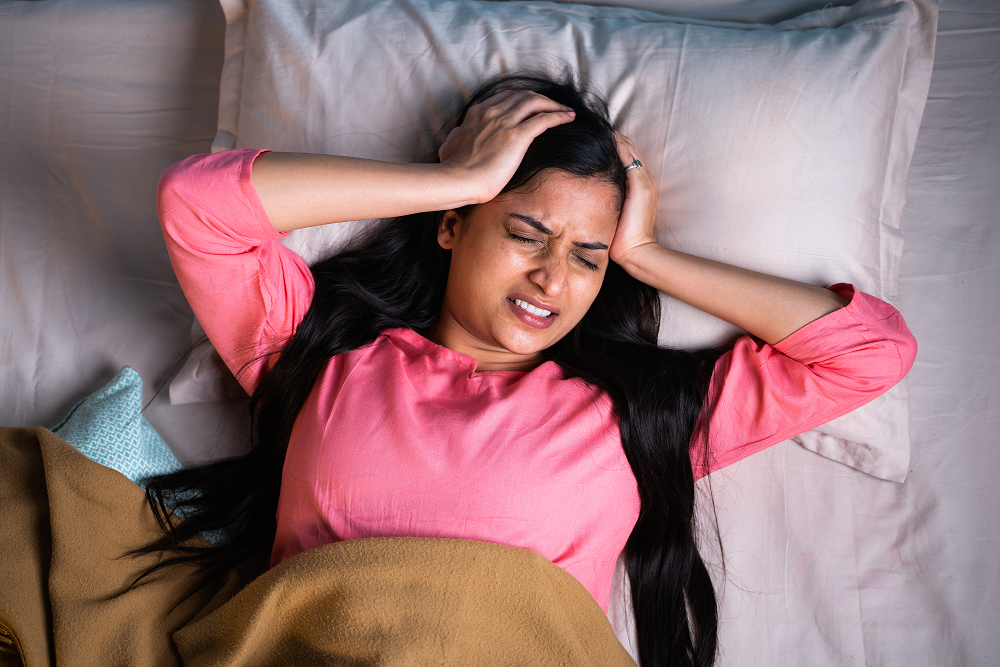
Migraine can affect much more than your head-it can interfere with work, sleep, concentration, and everyday life. Ayurvedic migraine treatment takes a holistic approach by looking at possible triggers, lifestyle patterns, digestion, sleep, stress, and individual health needs rather than focusing only on temporary symptom relief. Ayurveda has traditionally used personalised dietary guidance, herbal preparations, therapies, and daily routines as part of migraine care. For people looking for migraine treatment in Ayurveda, understanding the condition and choosing an appropriate treatment plan with a qualified practitioner is an important first step.
At Ayurhealing, the focus is on personalised Ayurvedic care designed around the individual’s symptoms, lifestyle, and health requirements.
What Is a Migraine?
A migraine is a neurological condition that can cause moderate to severe headache, often accompanied by symptoms such as nausea, sensitivity to light or sound, and sometimes visual or sensory disturbances. A migraine attack can last for several hours or even days, and symptoms can vary significantly from person to person.
Some people experience an aura before or during a migraine. An aura may involve visual changes, tingling sensations, difficulty speaking, or other temporary neurological symptoms.
Common migraine triggers may include:
- Irregular sleep or lack of sleep
- Stress and emotional strain
- Dehydration
- Skipping meals
- Certain foods or drinks
- Hormonal changes
- Excessive screen exposure
- Strong smells or bright lights
- Changes in weather or routine
Identifying personal triggers can be an important part of effective migraine management.
Ayurvedic Migraine Treatment: Understanding the Approach
Ayurveda approaches health by considering the individual as a whole. In traditional Ayurvedic practice, headaches and migraine-like symptoms may be assessed in relation to an individual’s constitution, digestion, lifestyle, sleep, stress, and other factors.
Migraine treatment in Ayurveda is personalised rather than being a one-size-fits-all approach. A qualified Ayurvedic practitioner may evaluate the pattern, frequency, intensity, associated symptoms, diet, daily routine, and other relevant health factors before recommending a treatment plan.
Depending on the individual’s assessment, Ayurvedic care may involve dietary modifications, lifestyle changes, herbal preparations, and selected traditional therapies.
The objective is generally to support overall balance and healthy routines while addressing factors that may contribute to recurring symptoms.
Ayurvedic Therapies Used in Migraine Care
Traditional Ayurvedic practice includes several therapies that may be considered as part of an individual’s treatment plan. The choice of therapy depends on the person’s condition and should be determined by a qualified practitioner.
Shirodhara
Shirodhara is a traditional Ayurvedic procedure involving a controlled stream of liquid applied to the forehead. It is traditionally used in Ayurvedic practice for relaxation and supporting a calm state of mind.
Nasya
Nasya is a traditional Ayurvedic procedure involving the administration of selected herbal preparations through the nasal route. It is used in classical Ayurvedic practice for conditions involving the head and neck.
Abhyanga
Abhyanga refers to traditional Ayurvedic oil massage. Depending on the individual’s needs, it may be incorporated into a broader Ayurvedic wellness or treatment plan.
Panchakarma-Based Care
In some cases, an Ayurvedic practitioner may consider selected Panchakarma procedures as part of a personalised treatment plan. These procedures should only be undertaken under appropriate professional supervision.
Not every migraine patient requires every Ayurvedic therapy. The appropriate approach depends on the individual’s symptoms, health history, and clinical assessment.
Potential Benefits of Ayurvedic Migraine Care
People exploring Ayurvedic care often want to understand how it may fit into their overall migraine-management strategy. A personalised approach may encourage healthier habits that can be useful for people who experience recurring headaches.
Potential areas of focus may include:
- Supporting consistent sleep and daily routines
- Improving hydration and regular meal patterns
- Identifying lifestyle-related migraine triggers
- Supporting stress management
- Encouraging appropriate dietary habits
- Providing personalised traditional Ayurvedic care
However, migraine is a complex neurological condition, and individual responses to treatment can vary. Ayurvedic treatment should not be presented as a guaranteed cure for migraine. It is best considered as part of an informed, personalised approach to health.
Migraine Treatment: Why Individual Assessment Matters
Searching online for the best migraine medicine or the quickest solution may seem convenient, but migraine treatment is not the same for everyone. The most appropriate treatment depends on the type of migraine, frequency of attacks, severity of symptoms, triggers, medical history, and other factors.
Similarly, someone searching for a migraine specialist near me should consider the practitioner’s qualifications, experience, and approach to migraine care rather than choosing a provider solely because of online rankings.
If headaches are frequent, severe, changing in pattern, or interfering with everyday activities, professional medical evaluation is important. Conventional medical care may be necessary, and Ayurvedic care can be discussed as a complementary approach where appropriate.
Home Remedies for Migraines and Headache Care
Simple lifestyle measures may help some people manage common migraine triggers. These are not substitutes for professional diagnosis or treatment, but they can support a healthy routine.
Maintaining regular meals, drinking enough water, following a consistent sleep schedule, and taking breaks from prolonged screen exposure can be useful. A quiet, dark environment may also feel more comfortable during an attack for people who are sensitive to light and sound.
Some people explore home remedies for migraines or headache natural remedies, such as relaxation techniques, gentle breathing exercises, adequate hydration, and identifying foods or environmental factors that appear to trigger their symptoms.
Keeping a headache diary can be particularly helpful. Recording when headaches occur, sleep patterns, meals, stress, menstrual cycles where relevant, and possible triggers may help identify recurring patterns.
There is no single “best remedy for headache” that works for everyone. Persistent or recurrent headaches deserve proper assessment rather than relying solely on home remedies.
Vestibular Migraine Treatment and Ayurveda
Vestibular migraine is a migraine condition in which dizziness, vertigo, imbalance, or sensitivity to motion may be prominent symptoms. Headache may or may not occur at the same time.
Because dizziness and balance symptoms can have several possible causes, vestibular migraine treatment should begin with appropriate medical assessment. A healthcare professional may need to distinguish vestibular migraine from inner-ear, neurological, or other conditions.
Ayurvedic care may be considered as a complementary approach after appropriate evaluation, particularly when the individual is interested in lifestyle, dietary, or traditional Ayurvedic support.
Choosing an Ayurvedic Clinic in Bangalore
If you are looking for an Ayurvedic clinic in Bangalore for migraine care, consider factors such as practitioner qualifications, experience, personalised consultation, transparency about treatment, and coordination with other healthcare professionals when needed.
At Ayurhealing, migraine care can be approached by understanding the individual’s symptoms, lifestyle, daily routine, and overall health before suggesting an appropriate Ayurvedic plan.
If you are searching for the Best Ayurvedic Doctor in Bangalore, focus on professional qualifications, relevant clinical experience, and a responsible approach to patient care rather than relying only on marketing claims.
When Should You Seek Medical Attention?
Most headaches are not emergencies, but certain symptoms require prompt medical evaluation. Seek urgent medical attention if a headache is sudden and extremely severe, follows a significant injury, or occurs with symptoms such as weakness, confusion, fainting, seizures, difficulty speaking, or significant vision changes.
You should also seek medical advice if your headaches are becoming increasingly frequent, changing significantly, or affecting your ability to work and carry out normal activities.
Do not delay medical assessment simply because you are exploring Ayurvedic treatment.
Take a Personalised Approach to Migraine Care
Living with recurring migraine can be challenging, but understanding your symptoms, identifying triggers, maintaining healthy routines, and seeking appropriate professional guidance can make migraine management more structured.
Ayurvedic migraine treatment focuses on personalised care rather than a single remedy for everyone. If you are considering Ayurveda for migraine, consult a qualified practitioner who can assess your individual needs and guide you toward an appropriate treatment plan.
For those searching for Ayurvedic migraine treatment in Bangalore, Ayurhealing aims to provide an informed and personalised approach to Ayurvedic healthcare while encouraging responsible medical care when required.