Home Remedies for Trigeminal Neuralgia: Natural Relief

Trigeminal Neuralgia, a condition often described as one of the most excruciatingly painful disorders, can severely affect the quality of life. If you’re grappling with this, you’re likely searching for effective relief. Fortunately, nature offers a treasure trove of remedies that can help alleviate the discomfort and pain associated with this condition. In this article, you will explore the Top 10 home remedies for trigeminal neuralgia.

What is Trigeminal Neuralgia?

It is a chronic pain condition that affects the trigeminal nerve, which carries sensation from your face to your brain. Even mild stimulation of your face, such as brushing your teeth or putting on makeup, can trigger a jolt of excruciating pain. This condition primarily causes sudden, severe, and sporadic pain in the face, often described as stabbing or electric shock-like.

Symptoms

  • Sharp, Electric Pain: Brief, intense facial pain.
  • Trigger Sensitivity: Pain triggered by touch, eating, or talking.
  • Unilateral Pain: Affects one side of the face.
  • Short Episodes: Lasts seconds to minutes.
  • Interference with Daily Activities: Difficulties in eating, talking, and social interaction.

Causes and Risk Factors

  • Nerve Compression: Blood vessel pressing on the trigeminal nerve.
  • Aging: More common in older adults.
  • Multiple Sclerosis: Nerve sheath damage.
  • Facial Trauma: Injury to the face or nerves.
  • More Common in Women: Higher prevalence among females.
  • Family History: Genetic predisposition.

Why Consider Home Remedies?

Home remedies for Trigeminal Neuralgia offer several advantages. They are generally accessible, affordable, and come with fewer side effects compared to conventional medication. Many natural treatments also aim to support overall well-being, which can be beneficial in managing chronic pain conditions.

Limitations of Conventional Treatments

Traditional treatments for Trigeminal Neuralgia, such as anticonvulsant medications or surgery, often come with significant side effects or risks. Medications can cause dizziness, confusion, or even long-term kidney or liver damage. Surgical options, while sometimes effective, are invasive and can lead to complications.

Top 10 Home Remedies for Trigeminal Neuralgia

Lets explore Top 10 Home Remedies for Trigeminal Neuralgia:

Warm Sesame Oil Compress (Tila Taila)

Warm sesame oil has been used in Ayurveda for its ability to pacify vata dosha and soothe nerve pain. It promotes circulation and relaxes tense muscles, offering relief from trigeminal neuralgia.

How to Use:

  • Heat sesame oil until comfortably warm.
  • Soak a clean cloth in the oil and apply it to the affected area.
  • Leave on for 10-15 minutes.
  • Repeat 2-3 times daily.

Turmeric (Haridra)

Turmeric, with its active compound curcumin, is a potent anti-inflammatory and analgesic herb in Ayurveda. It helps reduce inflammation along the trigeminal nerve, thereby easing pain.

How to Use:

  • Mix 1 teaspoon of turmeric powder in warm milk or water.
  • Drink this mixture daily.
  • Alternatively, apply a paste of turmeric and water to the affected area for 15 minutes.

Ashwagandha (Withania somnifera)

Ashwagandha is an adaptogenic herb that helps the body cope with stress and inflammation, which can exacerbate trigeminal neuralgia. It promotes overall nerve health and pain relief.

How to Use:

  • Take 1-2 teaspoons of Ashwagandha powder with warm water or milk daily.
  • Consult an Ayurvedic practitioner for the appropriate dosage and form.

Ayurvedic Herbal Oil Massage

Ayurvedic oils like Mahanarayan oil or Bala oil are specifically formulated to calm the nervous system and alleviate muscle tension. Regular massage can reduce the frequency and intensity of trigeminal neuralgia episodes.

How to Use:

  • Warm the oil slightly.
  • Gently massage the affected area with circular motions.
  • Leave the oil on for at least 30 minutes before washing off.

Brahmi (Bacopa monnieri)

Brahmi is revered in Ayurveda for its ability to enhance cognitive function and calm the nerves. It supports the nervous system and helps in reducing nerve pain associated with trigeminal neuralgia.

How to Use:

  • Take Brahmi powder or extract as directed by an Ayurvedic practitioner.
  • Alternatively, brew Brahmi tea and drink it daily.

Dietary Modifications

Ayurveda suggests that dietary choices can influence the balance of doshas and impact health conditions like trigeminal neuralgia. Avoiding vata-aggravating foods can help manage symptoms.

How to Use:

  • Consume warm, nourishing foods.
  • Include ghee (clarified butter), soups, and well-cooked vegetables in your diet.

Gingko Biloba

Gingko biloba is known for its ability to improve blood circulation and reduce inflammation, potentially alleviating nerve pain associated with trigeminal neuralgia.

How to Use:

  • Take Gingko biloba extract as per the dosage recommended by an Ayurvedic practitioner.
  • Consult with a healthcare provider before starting supplementation.

Licorice (Yashtimadhu)

Licorice is a soothing herb that helps reduce inflammation and supports the mucous membranes, making it beneficial for alleviating trigeminal neuralgia symptoms.

How to Use:

  • Chew on liquorice root or take liquorice powder with warm water.
  • Use under guidance due to its potential impact on blood pressure and other health conditions.

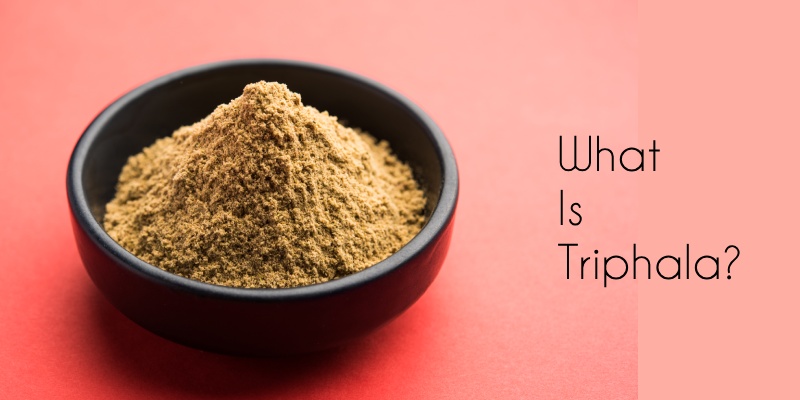
Triphala

Triphala, a combination of three fruits (amla, haritaki, bibhitaki), is renowned in Ayurveda for its detoxifying properties. It helps in balancing the doshas and promoting overall health.

How to Use:

  • Take Triphala powder with warm water before bedtime to promote digestive health and overall well-being.

Pranayama and Meditation

Pranayama (breathing exercises) and meditation are integral parts of Ayurvedic practice to calm the mind, reduce stress, and balance the nervous system, which can alleviate trigeminal neuralgia pain.

How to Use:

  • Practice deep breathing exercises (like Nadi Shodhana) daily.
  • Meditate for at least 10-15 minutes in a quiet, peaceful environment.

How Ayurvedic Home Remedies Can Help

Ayurvedic remedies focus on addressing the root cause of trigeminal neuralgia by balancing the doshas and promoting overall health. These remedies not only provide relief from pain but also support the body’s natural healing mechanisms. However, it’s essential to consult with an experienced Ayurvedic practitioner before starting any new regimen, especially if you are already undergoing medical treatment.

Conclusion

We have covered a detailed guide on the Top 10 Home Remedies for Trigeminal Neuralgia. Ayurvedic home remedies offer a comprehensive approach to managing trigeminal neuralgia, focusing on natural healing and restoring harmony within the body. By integrating these remedies into your daily routine and seeking guidance from an Ayurvedic practitioner, you can potentially alleviate pain, improve nerve function, and enhance your quality of life. Always prioritize consultation with a healthcare provider for personalized advice and treatment planning.

FAQs

  1. Are Ayurvedic remedies effective for trigeminal neuralgia?

Ayurvedic remedies can be highly effective in managing trigeminal neuralgia by addressing the underlying imbalance in the body’s energies (doshas) and supporting nerve health. They provide a holistic approach that not only alleviates pain but also improves overall well-being.

  1. Can I use multiple remedies together?

Yes, Ayurveda often combines multiple remedies to enhance their effectiveness and address different aspects of the condition. However, it’s advisable to consult with an Ayurvedic practitioner to ensure compatibility and appropriate dosages.

  1. How long does it take to see results with Ayurvedic treatments?

Results vary depending on individual factors such as the severity of the condition, overall health, and adherence to the treatment plan. Consistency in following Ayurvedic practices and remedies is key to achieving sustained relief.

  1. Are there any side effects to using Ayurvedic herbs and oils?

When used correctly and under the guidance of a qualified practitioner, Ayurvedic remedies generally have minimal side effects. However, individual sensitivities and allergies should always be considered. It’s essential to use herbs and oils as directed to avoid adverse reactions.

  1. Can lifestyle changes improve trigeminal neuralgia symptoms?

Yes, adopting an Ayurvedic lifestyle that includes dietary modifications, stress management techniques (like yoga and meditation), and regular exercise can significantly reduce trigeminal neuralgia symptoms. These changes support overall health and help maintain balance in the body.


 

Ayurvedic Treatment for Cervical Myelopathy: Natural Solutions

In today’s fast-paced world, cervical myelopathy, a condition affecting the spinal cord in the neck region, has become increasingly prevalent. While conventional treatments like surgery and medications offer relief, many individuals seek alternative approaches such as Ayurvedic treatments for natural relief. This article explores Cervical Myelopathy Ayurvedic Treatment, providing insights into its effectiveness and benefits.

Understanding Cervical Myelopathy

Cervical myelopathy refers to the compression of the spinal cord in the neck region, leading to symptoms such as neck pain, numbness, weakness, and difficulty walking. This condition can significantly impact an individual’s quality of life, making it crucial to explore effective treatment options.

Causes of Cervical Myelopathy

  1. Degenerative Changes: Gradual breakdown of spinal discs and joints, as in cervical spondylosis, directly compresses the spinal cord.
  2. Herniated Discs: Protrusion of the soft inner material of a spinal disc directly impinges on the spinal cord, causing symptoms.
  3. Spinal Stenosis: Narrowing of the spinal canal due to bone spurs or tissue overgrowth directly encroaches upon the spinal cord, leading to symptoms.
  4. Traumatic Injury: Direct trauma to the cervical spine, such as fractures or dislocations, immediately compresses the spinal cord, resulting in symptoms.
  5. Tumours: Benign or malignant tumours within the spinal canal directly compress the spinal cord, causing symptoms.
  6. Inflammatory Conditions: Conditions like rheumatoid arthritis or infections directly affect the spinal cord, leading to inflammation and subsequent symptoms.

Symptoms of Cervical Myelopathy

  • Neck Pain: Persistent discomfort in the neck region, often radiating to the shoulders and arms.
  • Numbness: Reduced sensation or tingling sensation in the arms, hands, or fingers.
  • Weakness: Decreased muscle strength and coordination, particularly in the arms and hands.
  • Difficulty Walking: Impaired balance and coordination, leading to instability while walking or difficulty in maintaining a steady gait.
  • Loss of Fine Motor Skills: Difficulty with tasks requiring precise movements, such as buttoning a shirt or writing.
  • Muscle Spasms: Involuntary contractions or tightening of muscles in the neck, shoulders, or arms.
  • Lack of Coordination: Difficulty in performing coordinated movements, such as reaching for objects or grasping items.
  • Bowel or Bladder Dysfunction: Incontinence or difficulty controlling bowel or bladder function, particularly in advanced cases.
  • Clumsiness: Increased likelihood of dropping objects or tripping over obstacles due to impaired coordination.
  • Pain or Tingling in Legs: Some individuals may experience pain, numbness, or tingling sensations in the legs, especially with prolonged standing or walking.

Cervical Myelopathy Ayurvedic Treatment

Ayurveda, an ancient system of medicine originating from India, offers a holistic approach to healing, focusing on balancing the body’s energies for optimal health.

Cervical Myelopathy Ayurvedic Treatment aims to address the root cause of the condition while promoting natural relief and overall well-being.

Ayurvedic Herbal Remedies

Ayurvedic herbal remedies offer a diverse array of potent solutions for managing cervical. 

Incorporating these natural remedies into your daily routine can help alleviate symptoms and promote healing. 

Here are six Ayurvedic herbal remedies commonly used for cervical:

  • Ashwagandha: Known for its stress-reducing and anti-inflammatory properties, Ashwagandha supports nerve health and overall well-being.
  • Guggulu: With powerful anti-inflammatory effects, Guggulu reduces swelling and aids tissue regeneration.
  • Shallaki: This herb is valued for its analgesic and anti-inflammatory effects, reducing pain and stiffness in the neck.
  • Turmeric: Curcumin in turmeric has strong anti-inflammatory and antioxidant properties, reducing inflammation and symptoms.
  • Ginger: Ginger’s anti-inflammatory and analgesic effects make it effective in reducing pain and inflammation.
  • Triphala: This herbal formulation supports overall health with its antioxidant and anti-inflammatory properties.

Balanced Diet Recommendations

Diet plays a crucial role in managing cervical myelopathy by providing essential nutrients that support the body’s natural healing processes and reduce inflammation. 

Maintaining a balanced diet is crucial for managing cervical. Here are dietary recommendations:

Foods to Eat:

  • Fruits and Vegetables: Provide essential nutrients and antioxidants for immune function and tissue repair.
  • Whole Grains: Rich in fibre and nutrients, they stabilize blood sugar levels and provide sustained energy.
  • Lean Proteins: Essential for muscle repair and growth, minimize inflammation.
  • Healthy Fats: Sources like avocados, nuts, and olive oil provide essential fatty acids for brain health and reduce inflammation.
  • Herbal Teas: Ginger, turmeric, and chamomile teas have anti-inflammatory and soothing properties.

Foods to Avoid:

  • Processed Foods: High in refined sugars and unhealthy fats, exacerbate inflammation.
  • Saturated and Trans Fats: Increased inflammation contributes to cardiovascular disease.
  • Excessive Salt: This leads to fluid retention and inflammation.
  • Alcohol and Caffeine: Dehydrate the body and worsen symptoms.
  • Spicy Foods May exacerbate inflammation and digestive issues.

Lifestyle Modifications for Cervical Myelopathy

In addition to herbal remedies and dietary changes, adopting certain lifestyle modifications can significantly improve the management of cervical myelopathy symptoms and promote overall well-being.

  • Yoga: Regular practice of yoga asanas tailored to alleviate neck and spinal discomfort can improve flexibility, strengthen supporting muscles, and enhance posture, reducing the risk of spinal cord compression.
  • Meditation: Incorporating mindfulness meditation into your daily routine can reduce stress, anxiety, and muscle tension, providing relief from cervical myelopathy symptoms and promoting relaxation.
  • Stress Reduction Techniques: Engaging in stress-reducing activities such as deep breathing exercises, progressive muscle relaxation, and guided imagery can alleviate tension in the neck and shoulders, reducing the severity of symptoms.

Panchakarma Therapy

Panchakarma therapy, a cornerstone of Ayurvedic medicine, offers a comprehensive approach to detoxification and rejuvenation.

This ancient cleansing therapy involves a series of specialized treatments designed to remove toxins from the body and restore balance to the doshas (bioenergies).

  • Vamana (Emesis Therapy): Vamana involves therapeutic vomiting to eliminate excess Kapha dosha from the body, reducing inflammation and congestion in the respiratory and digestive systems.
  • Virechana (Purgation Therapy): Virechana utilizes herbal laxatives to cleanse the intestines and eliminate toxins accumulated in the liver, gallbladder, and gastrointestinal tract.
  • Basti (Enema Therapy): Basti involves the administration of medicated enemas to remove accumulated toxins from the colon and balance the Vata dosha, alleviating symptoms of cervical myelopathy such as constipation and muscle stiffness.
  • Nasya (Nasal Administration): Nasya therapy involves the administration of herbal oils or powders into the nasal passages to clear congestion, improve respiratory function, and enhance mental clarity.
  • Rakta Mokshana (Bloodletting Therapy): Rakta Mokshana is used to purify the blood and remove impurities that contribute to inflammation and oxidative stress in the body, promoting healing and rejuvenation.

Benefits of Ayurvedic Treatment

  • Holistic Healing: Ayurvedic treatment takes a holistic approach to healing, addressing the underlying cause of the condition rather than just managing symptoms.
  • Minimal Side Effects: Ayurvedic remedies are natural and generally safe, with minimal risk of adverse side effects.
  • Improves Overall Well-being: Ayurvedic treatment not only targets the physical symptoms but also promotes mental, emotional, and spiritual well-being.
  • Long-term Relief: By addressing the root cause of the condition, Ayurvedic treatment offers long-term relief from symptoms of cervical myelopathy.

Conclusion

Cervical Myelopathy Ayurvedic Treatment offers a natural and holistic approach to managing cervical myelopathy symptoms, focusing on addressing the root cause of the condition while promoting overall well-being. By incorporating herbal remedies, dietary modifications, and lifestyle changes, individuals can find relief and improve their quality of life.

FAQs

Can Ayurvedic treatment cure cervical myelopathy? 

Ayurvedic treatments may provide natural relief and improve symptoms, but they may not cure entirely. Consulting with a qualified Ayurvedic practitioner is essential for personalized treatment recommendations.

Are there any side effects of Ayurvedic remedies for cervical myelopathy? 

When used correctly and under the guidance of a qualified practitioner, Ayurvedic remedies are generally safe. However, it’s crucial to inform your healthcare provider about any supplements or herbs you’re taking to avoid potential interactions.

Can Ayurvedic treatment alone replace surgery for cervical myelopathy? 

Ayurvedic treatment may provide relief from symptoms and improve overall well-being, but consulting with a healthcare provider is crucial to determine the most appropriate treatment approach. In some cases, surgery may be necessary to address severe compression of the spinal cord.

Are there any specific yoga poses recommended for cervical myelopathy? 

Certain yoga poses, such as gentle neck stretches, shoulder rolls, and cat-cow stretches, can help alleviate tension and improve flexibility in the neck and upper back. However, practising under the guidance of a qualified yoga instructor is crucial to prevent exacerbating symptoms.

Can Ayurvedic treatment prevent the progression of cervical myelopathy? 

While Ayurvedic treatment can help manage symptoms and improve quality of life, its ability to prevent the progression may vary depending on individual factors, such as the severity of the condition and adherence to the treatment plan. Regular monitoring and follow-up with healthcare providers are essential.


Ayurvedic Dosha Balancing Diet: Pitta, Vata & Kapha Insights

The Ayurvedic Dosha Balancing Diet is rooted in ancient Indian wisdom, focusing on the holistic balance of three fundamental energies known as Doshas—Pitta, Vata, and Kapha. These Doshas govern various aspects of physiology and psychology, influencing our health and well-being. Understanding and aligning with your dominant Dosha through a personalized diet is key to achieving optimal health and harmony.

Ayurvedic Doshas

In Ayurveda, Doshas are fundamental energies that govern all biological functions and processes in the body.

Understanding Doshas is crucial as they determine individual constitution and susceptibility to imbalance.

  • Pitta, associated with fire and water elements, governs metabolism, digestion, and transformation in the body.
  • Vata, aligned with air and ether, controls movement, circulation, and nervous system functions.
  • Kapha, influenced by earth and water, regulates structure, lubrication, and stability.

Understanding your predominant Dosha type helps tailor lifestyle practices, including diet, to support overall well-being.

Here, we explore how dietary choices can harmonize Pitta, Vata, and Kapha Doshas.

Understanding Pitta Dosha

Pitta is characterized by qualities of heat, intensity, and transformation. When balanced, Pitta promotes strong digestion, sharp intellect, and warm personality traits. However, excess Pitta can manifest as irritability, inflammation, acidity, and skin conditions like rashes or acne.

Vata Dosha Explained

Vata embodies the qualities of dryness, coldness, and movement. It governs functions related to movement, such as breathing, circulation, and muscle contractions. Balanced Vata promotes creativity, flexibility, and mental alertness. Imbalanced Vata can lead to anxiety, constipation, dry skin, and joint pains.

Kapha Dosha Overview

Kapha embodies the qualities of heaviness, coldness, and stability. It governs structure, lubrication, and the immune system. Balanced Kapha promotes endurance, strength, and emotional stability. Excess Kapha can lead to lethargy, weight gain, congestion, and sinus issues.

Ayurvedic Dosha Balancing Diet Plan

Let’s explore the Ayurvedic Dosha Balancing Diet plan:

Dosha Balancing Diet for Pitta

The Pitta in Ayurveda is characterized by qualities of heat, intensity, and transformation. It governs metabolic processes, digestion, and body temperature regulation. A balanced Pitta promotes strong digestion, clear thinking, and a sharp intellect. Imbalanced Pitta can lead to issues such as acidity, inflammation, and skin irritations.

Let’s explore the Dosha Balancing Diet for Pitta:

Food To Take

  • Cooling Fruits: Sweet fruits like sweet berries, cherries, and grapes.
  • Vegetables: Cucumbers, leafy greens (like kale, and spinach), and bitter vegetables (like bitter gourd).
  • Grains: Basmati rice, barley, and oats.
  • Dairy: Cooling dairy such as milk and ghee (clarified butter).
  • Nuts and Seeds: Coconut, sunflower seeds.
  • Sweeteners: Honey (in moderation).

Food To Avoid

  • Spicy Foods: Chili peppers, hot sauces.
  • Sour Foods: Citrus fruits (lemon, oranges), vinegar.
  • Salty Foods: Excessive salt.
  • Fried and Oily Foods: Deep-fried foods, heavy gravies.
  • Alcohol: Especially hard liquor.

Herbs and Spices

  • Cooling Herbs: Mint, coriander, cilantro.
  • Spices: Fennel, cardamom, turmeric (in moderation).

Sample Day Ayurvedic diet plan for Pitta dosha balance

  • Breakfast: Fresh fruit salad with a sprinkle of mint leaves.
  • Mid-Morning Snack: Cucumber slices with a yogurt dip.
  • Lunch: Basmati rice with steamed spinach and grilled chicken.
  • Afternoon Snack: Coconut water or a handful of sunflower seeds.
  • Dinner: Quinoa salad with cucumbers, tomatoes, and a drizzle of olive oil (in moderation).

Dosha Balancing Diet for Vata

Vata embodies the qualities of dryness, coldness, and movement. It governs functions related to movement, nervous system activities, and creativity. Balanced Vata promotes flexibility, creativity, and vitality. Imbalanced Vata can lead to anxiety, insomnia, and digestive issues.

Let’s explore the Dosha Balancing Diet for Vata:

Food To Take

  • Warm and Nourishing Foods: Cooked grains like rice, wheat, and oats.
  • Root Vegetables: Sweet potatoes, carrots, beets.
  • Fruits: Ripe and sweet fruits like bananas, mangoes, and dates.
  • Dairy: Warm milk, ghee (clarified butter).
  • Nuts and Seeds: Almonds, sesame seeds.
  • Sweeteners: Jaggery, maple syrup (in moderation).

Food To Avoid

  • Cold and Raw Foods: Raw vegetables, salads.
  • Dry Foods: Crackers, popcorn.
  • Bitter and Astringent Foods: Green leafy vegetables, beans.
  • Carbonated Drinks: Soda, fizzy drinks.
  • Caffeine: Coffee, strong tea.

Herbs and Spices

  • Warming Spices: Ginger, cinnamon, cloves.
  • Nourishing Herbs: Ashwagandha, Shatavari.

Sample Day Ayurvedic diet plan for Vata dosha balance

  • Breakfast: Oatmeal cooked with milk and topped with sliced bananas and almonds.
  • Mid-Morning Snack: Dates stuffed with almond butter.
  • Lunch: Warm quinoa salad with roasted root vegetables.
  • Afternoon Snack: Warm-spiced herbal tea with a dash of honey.
  • Dinner: Lentil soup with ginger and turmeric, served with whole grain bread.

Dosha Balancing Diet for Kapha

Kapha embodies the qualities of heaviness, coldness, and stability. It governs functions related to structure, stability, and immune system strength. Balanced Kapha promotes endurance, compassion, and stability. Imbalanced Kapha can lead to weight gain, lethargy, and respiratory issues.

Let’s explore the Dosha Balancing Diet for Kapha:

Food To Take

  • Light and Dry Foods: Legumes like lentils, and chickpeas.
  • Grains: Quinoa, millet, buckwheat.
  • Vegetables: Leafy greens (like kale, and spinach), cruciferous vegetables.
  • Fruits: Apples, pears, berries (in moderation).
  • Dairy: Skim milk, goat milk (in moderation).
  • Sweeteners: Honey (in moderation).

Food To Avoid

  • Heavy and Oily Foods: Deep-fried foods, creamy desserts.
  • Sweet and Sour Foods: Excessive sweets, citrus fruits.
  • Cold Foods: Ice cream, cold drinks.
  • Excessive Salt: Salty snacks, processed foods.

Herbs and Spices

  • Pungent Spices: Black pepper, cayenne pepper.
  • Stimulating Herbs: Trikatu (a blend of ginger, black pepper, and long pepper).

Sample Day Ayurvedic diet plan for Kapha dosha balance

  • Breakfast: Spiced oatmeal with chopped apples and a sprinkle of cinnamon.
  • Mid-Morning Snack: Sliced pear with a handful of almonds.
  • Lunch: Stir-fried vegetables (broccoli, bell peppers) with tofu and quinoa.
  • Afternoon Snack: Herbal tea with a slice of whole grain toast.
  • Dinner: Grilled fish with steamed vegetables (spinach, asparagus) and quinoa.

Conclusion

Adopting an Ayurvedic Dosha balancing diet plan tailored to Pitta, Vata, or Kapha provides a holistic approach to nurturing physical, mental, and emotional well-being. By harmonizing dietary choices with individual Dosha characteristics, one can optimize digestion, energy levels, and overall vitality. Embrace Ayurvedic wisdom to unlock the secrets of balanced living and embark on a journey towards sustained health and wellness.

FAQs

What is the best way to determine my predominant Dosha?

To determine your Dosha type, consider consulting with an Ayurvedic practitioner who can assess your physical, mental, and emotional characteristics.

Can I follow an Ayurvedic diet plan for dosha balance if I’m already healthy?

Yes, maintaining balance through diet can prevent future imbalances and support overall wellness.

Are Ayurvedic dietary guidelines suitable for everyone?

While Ayurvedic principles are beneficial for many, individual variations in health conditions and lifestyles should be considered for personalized dietary recommendations.

How quickly can I expect to see results from following a Dosha-balancing diet?

Results vary, but many individuals report feeling improvements in energy levels and digestion within a few weeks of adopting Ayurvedic practices.

Can children follow Ayurvedic dietary recommendations?

Ayurvedic principles can be adapted for children, focusing on wholesome, balanced meals that support their growth and development.


Ayurvedic Treatment for AVN: Remedies for Natural Relief

Avascular Necrosis (AVN), also known as osteonecrosis, is a debilitating condition where bone tissue dies due to a lack of blood supply. Conventional treatments often involve medication, lifestyle changes, and surgery. However, Ayurveda, an ancient Indian system of medicine, offers a natural and holistic approach to managing and potentially reversing AVN. This article delves into Ayurvedic remedies for AVN, providing insights into how natural treatments can offer relief and promote healing.

Understanding Avascular Necrosis (AVN)

AVN occurs when there is an interruption in the blood flow to a bone, leading to bone tissue death. This can result from trauma, long-term use of high-dose steroids, excessive alcohol consumption, or certain medical conditions like lupus and sickle cell disease. The lack of blood flow deprives the bone of essential nutrients and oxygen, leading to the collapse of bone structure over time.

Symptoms

  • Joint pain that worsens with movement.
  • Limited range of motion in affected joints.
  • Stiffness, especially after periods of rest.
  • Gradual onset of symptoms, often affecting hips, knees, or shoulders.

Diagnosis

  • Imaging Tests: MRI and X-rays to assess bone structure and damage.
  • Bone Scans: Detect changes in bone density and blood flow.
  • Clinical Evaluation: Physical examination to assess joint function and range of motion.

Causes

  • Decreased Blood Supply: Interrupted blood flow to bones leading to tissue damage.
  • Injury or Trauma: Impact injuries or repetitive stress affecting joints.
  • Medical Conditions: Conditions like sickle cell anemia or lupus affecting blood vessels and bones.

Ayurvedic Approach to Healing

Ayurveda is grounded in the balance of the body’s three doshas: Vata, Pitta, and Kapha. It focuses on individualized treatment plans, dietary changes, herbal remedies, and lifestyle adjustments to restore balance and health. The fundamental belief is that health and wellness depend on a delicate balance between mind, body, and spirit.

How Ayurveda Differs from Conventional Medicine

Unlike conventional medicine, which often targets symptoms, Ayurveda aims to address the root cause of health issues. It emphasizes prevention, holistic healing, and the use of natural substances to promote the body’s innate healing capabilities. Ayurvedic treatments are designed to detoxify the body, strengthen the immune system, and restore balance to bodily functions.

Ayurvedic Treatment for AVN

Let’s explore effective Ayurvedic Treatment for AVN to heal you naturally.

Lifestyle Changes and Practices

Learn about lifestyle adjustments to enhance overall well-being and vitality.

Yoga and Exercise

Gentle yoga poses and exercises can enhance joint flexibility and strength, alleviating some symptoms of AVN. Regular physical activity helps maintain joint function and reduce stiffness.

Meditation and Stress Management

Regular meditation and stress management techniques help in reducing pain and improving overall well-being. Techniques such as deep breathing, mindfulness, and guided imagery can significantly alleviate stress and promote relaxation.

Dietary Recommendations for AVN

Explore Ayurvedic dietary guidelines for optimal health and vitality.

Foods to Include

Ayurveda recommends a diet rich in:

  • Whole grains like brown rice and quinoa, which provide sustained energy and essential nutrients.
  • Fresh fruits such as apples, pomegranates, and berries, which are packed with antioxidants and vitamins.
  • Vegetables like spinach, broccoli, and carrots, known for their high fiber content and essential vitamins.
  • Nuts and seeds including almonds and flaxseeds, which offer healthy fats and proteins.
  • Healthy fats such as ghee and olive oil, which are crucial for maintaining joint lubrication and overall health.

Foods to Avoid

Patients with AVN should avoid:

  • Processed foods that are high in preservatives and lack nutritional value.
  • Excessive red meat which can lead to inflammation and worsen symptoms.
  • Sugary snacks and beverages that can cause blood sugar spikes and increase inflammation.
  • High-fat dairy products which might exacerbate joint pain and inflammation.
  • Alcohol which can impair nutrient absorption and contribute to bone deterioration.

Herbal Remedies for AVN

Explore the Herbal Remedies for AVN for natural wellness.

Ashwagandha

Known for its adaptogenic properties, Ashwagandha helps reduce inflammation and stress, promoting overall bone health. It supports the body in adapting to stress and enhances physical endurance.

Guggul

Guggul is effective in reducing pain and inflammation and is often used to treat various bone-related disorders. It contains anti-inflammatory and antioxidant properties that aid in the healing process.

Turmeric

Rich in curcumin, turmeric has potent anti-inflammatory and antioxidant properties, making it beneficial for managing AVN. Curcumin helps reduce the pain and swelling associated with AVN.

Shatavari

Shatavari supports bone health and boosts the immune system, aiding in the body’s natural healing process. It is particularly effective in nourishing the tissues and enhancing overall vitality.

Ayurvedic Therapies

Understand traditional Ayurvedic therapies for holistic healing and balance.

Panchakarma

Panchakarma is a detoxification process that includes five procedures to cleanse the body and restore balance. These procedures include Vamana (therapeutic vomiting), Virechana (purgation), Basti (enema), Nasya (nasal administration), and Raktamokshana (bloodletting).

Abhyanga (Ayurvedic Massage)

Abhyanga involves the use of warm herbal oils to massage the body, improving circulation and reducing pain. The oils used are specifically chosen to balance the doshas and enhance the body’s natural healing processes.

Basti (Herbal Enemas)

Basti therapy involves administering herbal concoctions via enemas to detoxify the colon and promote healing. It is particularly effective in treating Vata-related disorders and enhancing joint and muscle health.

Raktamokshana (Bloodletting)

This ancient technique helps remove toxins from the blood, improving circulation and reducing pain in the affected areas. It is often used for conditions where there is a significant buildup of toxins in the blood.

Benefits of Ayurvedic Treatment for AVN

Let’s explore the benefits of Ayurvedic treatment for AVN:

  • Natural Healing: Ayurvedic treatments harness natural remedies and holistic approaches to support the body’s healing processes.
  • Anti-inflammatory Properties: Herbs like Ashwagandha and Turmeric in Ayurveda help reduce inflammation, easing discomfort.
  • Holistic Balance: Ayurvedic practices aim to balance the body’s systems, promoting overall health and vitality.
  • Personalized Care: Treatment plans are tailored to individual needs, considering factors like diet, lifestyle, and health history.
  • Minimal Side Effects: Ayurvedic therapies are generally gentle with fewer side effects compared to conventional treatments.
  • Joint Health Support: Ayurvedic practices like specialized massages and dietary recommendations promote joint health and flexibility.
  • Enhanced Well-being: Beyond physical symptoms, Ayurveda addresses mental and emotional well-being, reducing stress and improving quality of life.
  • Complementary Approach: Integrating Ayurvedic therapies with conventional medicine can optimize treatment outcomes, offering a comprehensive approach to wellness.

Precautions and Considerations

Explore essential precautions and considerations for safe and effective Ayurvedic treatment.

  • Consult Healthcare Provider: Before starting Ayurvedic treatment, consult your healthcare provider, especially if you have health conditions or take medications.
  • Verify Product Quality: Ensure Ayurvedic products are from trusted sources and certified. Check herb authenticity to prevent issues.
  • Allergy Awareness: Know your allergies to herbs and oils used in Ayurveda. Discuss allergies with your practitioner.
  • Monitor Symptoms: Regularly monitor your symptoms during treatment. Promptly report any changes or concerns to your healthcare provider.

Conclusion

Ayurveda offers a promising approach to managing AVN through natural remedies, lifestyle changes, and holistic healing practices. By integrating Ayurvedic treatments with conventional medicine, patients can experience enhanced relief and improved quality of life. If you’re struggling with AVN, exploring Ayurvedic options might provide the natural relief you’ve been seeking. Embrace the holistic benefits of Ayurveda and take a step towards a healthier, pain-free life.

FAQs

Can Ayurveda completely cure Avascular Necrosis?

Ayurveda can manage and potentially reverse the damage caused by Avascular Necrosis, but the effectiveness varies depending on the stage and severity of the condition. Early intervention and consistent treatment are key to achieving the best outcomes.

What lifestyle changes should I make to complement Ayurvedic treatments?

Incorporating regular exercise, yoga, meditation, and a balanced diet rich in whole foods can significantly enhance the effectiveness of Ayurvedic treatments. Avoiding processed foods, alcohol, and excessive stress is also recommended.

How do I know if Ayurvedic treatment is right for me?

Consulting with a qualified Ayurvedic practitioner can help determine if this approach is suitable for your specific condition. They will assess your overall health, dosha balance, and severity of Avascular Necrosis to create a personalized treatment plan.

Can Ayurvedic treatment prevent the progression of AVN?

Yes, Ayurvedic treatment aims to not only manage symptoms but also prevent the progression of AVN by improving blood flow, reducing inflammation, and promoting overall bone health through natural remedies and lifestyle adjustments.

Can I use Ayurvedic treatments alongside conventional medicine?

Yes, many patients benefit from a combination of Ayurvedic and conventional treatments. Always consult your doctor before starting any new regimen to ensure there are no interactions or contraindications.

What are some common herbs used in Ayurvedic treatments for AVN?

Common herbs used include Ashwagandha, Guggul, Turmeric, Shatavari, and Boswellia. These herbs are known for their anti-inflammatory, pain-relieving, and bone-strengthening properties.

Ayurvedic Treatment for Herpes: Natural Cure Therapies

Herpes is a viral infection that affects millions of people worldwide, causing discomfort and distress. While modern medicine offers various treatments to manage symptoms, Ayurveda provides a holistic approach to addressing the root cause of the condition. Ayurveda, originating from ancient India, focuses on restoring balance in the body through natural remedies, dietary adjustments, and lifestyle modifications. Let’s dive into effective Ayurvedic Treatment for Herpes.

Understanding Herpes

Herpes is a common viral infection caused by the herpes simplex virus (HSV). It manifests in various forms, including oral herpes (HSV-1) and genital herpes (HSV-2). This viral infection typically presents as fluid-filled blisters or sores on the affected areas, such as the mouth, lips, or genital region. Herpes can be transmitted through direct contact with an infected individual’s saliva, genital secretions, or lesions

Types of Herpes: HSV-1 and HSV-2

HSV-1 is commonly transmitted through oral-to-oral contact and can cause painful blisters around the mouth or on the lips. HSV-2 spreads through sexual contact and results in genital sores. Both types of herpes can cause discomfort, itching, and emotional distress.

Symptoms:

  • Presence of fluid-filled blisters or sores around the mouth (oral) or genital area (genital)
  • Itching, tingling, or burning sensations in the affected area
  • Pain or discomfort during urination (for genital)
  • Flu-like symptoms, including fever, headache, and fatigue
  • Swollen lymph nodes in the groin area (for genital)

Causes:

  • Infection with the herpes simplex virus (HSV), including HSV-1 and HSV-2
  • Direct contact with an infected person’s saliva, genital secretions, or lesions
  • Sexual intercourse with an infected individual (for genital)
  • Oral-genital contact (for oral)
  • Weakened immune system due to stress, illness, or certain medications
  • Vertical transmission from mother to newborn during childbirth (for neonatal)
  • Skin-to-skin contact with a lesion, even in the absence of visible symptoms

Ayurvedic Approach to Herpes

Ayurveda views herpes as a manifestation of imbalances in the body’s doshas, particularly Pitta and Kapha. Pitta imbalance can lead to inflammation and heat in the body, while Kapha imbalance may cause congestion and stagnation. Restoring balance in these doshas is essential for managing herpes and preventing recurrent outbreaks.

How Ayurveda Differs from Modern Medicine

Unlike modern medicine, which often focuses on symptomatic relief through antiviral medications, Ayurveda addresses the underlying imbalances contributing to herpes outbreaks. Ayurvedic treatments aim to strengthen the immune system, reduce inflammation, and promote overall well-being to prevent future recurrences.

Ayurvedic Diagnosis for Herpes

Diagnosis for Herpes involves a comprehensive assessment of dosha imbalances and specific symptom presentations to tailor personalized treatment plans.

Dosha Imbalance and Herpes

An Ayurvedic practitioner assesses an individual’s dosha imbalance through a comprehensive evaluation of their physical, mental, and emotional state. By identifying the predominant doshas contributing to herpes outbreaks, personalized treatment plans can be developed to restore balance and alleviate symptoms.

Ayurvedic Consultation Process

During a consultation, the practitioner conducts a detailed intake interview to gather information about the individual’s medical history, lifestyle habits, dietary preferences, and stress levels. Physical examinations, including pulse diagnosis (Nadi Pariksha) and tongue analysis (Jivha Pariksha), may also be performed to assess dosha imbalances.

Effective Ayurvedic Treatment for Herpes

Let’s explore effective Ayurvedic Treatment for Herpes:

Herbal Remedies

Ayurveda harnesses the therapeutic properties of various herbs to manage herpes symptoms and support the body’s natural healing process. Some commonly used herbs include:

Neem (Azadirachta indica)

Neem has strong antiviral properties that can reduce inflammation and speed up healing. Applying neem oil directly to the affected area can provide relief and promote recovery.

Turmeric (Curcuma longa)

Turmeric contains curcumin, a powerful compound with anti-inflammatory and antiviral effects. Mixing turmeric powder with water to form a paste and applying it to sores can help alleviate symptoms.

Aloe Vera (Aloe barbadensis)

Aloe Vera has soothing and healing properties. Applying fresh aloe vera gel directly to lesions can soothe discomfort and support tissue repair.

Lemon Balm (Melissa officinalis)

Lemon balm possesses antiviral properties that can inhibit the simplex virus. Using lemon balm extract or cream directly on sores can reduce outbreak duration.

Licorice Root (Glycyrrhiza glabra)

Licorice root contains glycyrrhizin, which has antiviral and anti-inflammatory effects. Making a paste with licorice root powder and water and applying it to sores can reduce inflammation and aid healing.

Echinacea (Echinacea purpurea)

Echinacea boosts the immune system, helping the body fight off viral infections. Consuming echinacea supplements or tea regularly can reduce outbreak frequency.

Tea Tree Oil (Melaleuca alternifolia)

Tea tree oil has antimicrobial properties that can prevent infection and reduce pain. Diluting tea tree oil with a carrier oil and applying it to sores can promote healing.

Propolis

Propolis contains compounds that inhibit viral replication and boost the immune system. Applying propolis ointment directly to lesions can expedite healing and prevent recurrence.

Dietary Recommendations

A balanced diet plays a crucial role in managing herpes outbreaks and supporting overall health. Ayurveda emphasizes the importance of consuming fresh, whole foods that are easy to digest and nourishing to the body.

Foods to Include

A diet rich in fresh fruits, vegetables, whole grains, and lean proteins supports the immune system and helps manage herpes effectively.

  • Fresh fruits: Berries, citrus fruits, and apples.
  • Vegetables: Leafy greens, carrots, and broccoli.
  • Whole grains: Brown rice, quinoa, and oats.
  • Lean proteins: Chicken, fish, and tofu.
Foods to Avoid

Avoiding spicy, oily, and processed foods can prevent aggravation of Pitta dosha, reducing the likelihood of herpes outbreaks.

  • Spicy foods: Chili peppers, hot sauces, and curry.
  • Oily foods: Fried foods and heavily processed oils.
  • Processed foods: Fast food, packaged snacks, and sugary treats.

Sample Ayurvedic Diet Plan For Herpes 

A well-balanced Ayurvedic diet for managing herpes may include the following:

  • Breakfast: Start with fresh fruit or smoothies, whole grain toast or porridge with ghee, and herbal tea or warm lemon water.
  • Mid-Morning Snack: Have a small handful of nuts or seeds (almonds, walnuts, pumpkin seeds) and a piece of fresh fruit or a homemade energy ball with dates and nuts.
  • Lunch: Choose a balanced meal with vegetables, legumes, whole grains, and lean proteins. For example, a mixed vegetable stir-fry with tofu or chickpeas, brown rice or quinoa, and a side salad with tahini dressing.
  • Afternoon Snack: Enjoy fresh fruit (berries, apples, oranges) with raw vegetables or a small portion of hummus for added protein and fiber.
  • Dinner: Keep it light with vegetable soup or stew, steamed vegetables with quinoa or millet, and a small serving of grilled fish or lentils. Avoid heavy, oily, or spicy foods close to bedtime.
  • Evening Beverage: End your day with a soothing herbal tea like chamomile, peppermint, or ginger to aid digestion and promote relaxation.

Lifestyle Modifications

In addition to herbal remedies and dietary adjustments, certain lifestyle modifications can help prevent herpes outbreaks and promote overall well-being:

  • Stress Management: Practicing relaxation techniques such as meditation, deep breathing exercises, and yoga can reduce stress levels and support immune function, minimizing the risk of herpes flare-ups.
  • Adequate Rest and Sleep: Prioritizing quality sleep and restorative rest allows the body to repair and rejuvenate, strengthening its natural defenses against viral infections like herpes.
  • Sun Protection: Avoid direct sunlight, especially during peak hours. Wear protective clothing, use a broad-spectrum sunscreen with SPF 30+, and seek shade to prevent herpes outbreaks.
     

Panchakarma for Detoxification

Panchakarma, an Ayurvedic detoxification therapy, aims to eliminate toxins (ama) from the body and restore dosha balance

This comprehensive cleansing process consists of five therapeutic procedures:

  • Vamana (Therapeutic Emesis): Induced vomiting to expel excess Kapha and toxins from the upper respiratory tract.
  • Virechana (Therapeutic Purgation): Controlled purgation using herbal laxatives to remove excess Pitta and toxins from the gastrointestinal tract.
  • Basti (Medicated Enema): Administration of herbal decoctions and oils through the rectum to cleanse the colon and balance Vata dosha.
  • Nasya (Nasal Administration): Application of medicated oils or powders into the nasal passages to alleviate sinus congestion and balance Kapha dosha.
  • Raktamokshana (Bloodletting): Selective blood purification techniques to remove impurities and balance Pitta dosha.

Topical Applications

Ayurvedic topical treatments can provide symptomatic relief and promote healing of herpes sores. Commonly used topical applications include:

  • Herbal Pastes: A paste made from neem leaves, turmeric powder, and aloe vera gel can be applied directly to herpes lesions to reduce inflammation and accelerate wound healing.
  • Medicated Oils: Herbal oils infused with antimicrobial and anti-inflammatory herbs such as neem, manjishtha, and sandalwood can be gently massaged onto the affected areas to soothe pain and discomfort.

Conclusion

Ayurvedic treatment for herpes offers a natural and holistic approach to managing this challenging condition. By addressing the root cause, promoting balance, and enhancing overall well-being, Ayurveda provides an effective alternative or complement to conventional treatments. Whether you are new to Ayurveda or looking for additional ways to manage herpes, these natural therapies can offer significant relief and improve your quality of life.

FAQs

What role does diet play in the Ayurvedic treatment of herpes?

Diet is crucial in Ayurvedic treatment for herpes. A balanced diet with fresh fruits, vegetables, whole grains, and lean proteins supports the immune system. Avoiding spicy, oily, and processed foods helps manage Pitta dosha, reducing the likelihood of outbreaks.

Can Ayurvedic treatment for herpes be used alongside modern antiviral medications for herpes?

Yes, Ayurvedic treatments can complement modern antiviral medications. While modern medicine focuses on symptomatic relief, Ayurveda addresses the underlying dosha imbalances and strengthens the immune system, offering a holistic approach to managing herpes.

Are there specific foods that should be avoided in an Ayurvedic diet for managing herpes?

 Yes, an Ayurvedic diet for managing herpes advises avoiding spicy foods (like chili peppers and hot sauces), oily foods (such as fried foods and heavily processed oils), and processed foods (including fast food and sugary snacks) to prevent aggravation of Pitta dosha.

What are some effective Ayurvedic herbs used to manage herpes symptoms?

Effective Ayurvedic herbs for managing herpes symptoms include neem (antiviral properties), turmeric (anti-inflammatory and antiviral effects), aloe vera (soothing and healing), lemon balm (antiviral properties), licorice root (anti-inflammatory and antiviral effects), echinacea (immune booster), tea tree oil (antimicrobial properties), and propolis (inhibits viral replication).

What lifestyle modifications are recommended in Ayurveda to prevent herpes outbreaks?

Ayurveda recommends several lifestyle modifications to prevent herpes outbreaks, including practicing stress management techniques like meditation and yoga, ensuring adequate rest and sleep, and protecting the skin from direct sunlight by wearing protective clothing and using sunscreen.


Effective Natural Remedies for Ankylosing Spondylitis Relief

Ankylosing Spondylitis (AS) is a chronic inflammatory condition primarily affecting the spine and sacroiliac joints. It can lead to stiffness, pain, and potentially severe joint damage if left untreated. While conventional treatments like medications and physical therapy play a crucial role in managing AS, many individuals seek additional relief through natural remedies. In this article, we’ll explore effective natural remedies for Ankylosing Spondylitis to alleviate the symptoms and improve the overall quality of life.

Introduction to Ankylosing Spondylitis

Ankylosing Spondylitis is a type of arthritis that primarily affects the spine. It causes inflammation of the vertebrae, leading to stiffness, pain, and potentially limited mobility. Over time, the inflammation can cause the vertebrae to fuse together, resulting in a rigid spine AS, which can also affect other joints, such as the hips, shoulders, and knees.

Understanding the Symptoms

Early Symptoms

  • Lower back pain: Persistent pain and stiffness in the lower back, especially in the morning or after periods of inactivity.
  • Fatigue: Feeling tired or fatigued, often due to disrupted sleep patterns caused by pain.
  • Stiffness: Difficulty bending or moving the spine, particularly in the morning or after prolonged periods of sitting or lying down.

Advanced Symptoms

  • Limited mobility: Difficulty bending or twisting the spine, leading to reduced range of motion.
  • Pain in other joints: Inflammation and pain in other joints, such as the hips, shoulders, and knees.
  • Difficulty breathing: Rarely, severe AS can affect the ribs and chest, leading to difficulty breathing.

Causes of Ankylosing Spondylitis

Genetic Factors

  • HLA-B27 gene: The presence of the HLA-B27 gene is strongly associated with the condition, suggesting a genetic predisposition.
  • Family history: Individuals with a family history of AS are at a higher risk of developing the condition.

 Environmental Factors

  • Smoking: Smoking has been linked to an increased risk of developing the condition and can worsen symptoms in individuals already diagnosed.
  • Infections: Certain infections may trigger or exacerbate inflammation in individuals predisposed to the condition.

Effective Natural Remedies for Ankylosing Spondylitis Relief

Living with ankylosing spondylitis requires a multifaceted approach to managing symptoms and improving overall well-being. Here are some effective natural remedies to consider:

Ayurvedic Home Remedies for Ankylosing Spondylitis

Here are 6 Ayurvedic Home Remedies for Ankylosing Spondylitis that can help alleviate symptoms and promote overall well-being:

Turmeric

Turmeric, a spice known for its anti-inflammatory properties, can help reduce pain and inflammation. Mix turmeric powder with warm milk or water and consume daily.

Ginger:

Ginger is another potent anti-inflammatory herb that can provide relief from pain and stiffness. Prepare ginger tea by boiling fresh ginger slices in water and drink it several times a day.

Triphala:

Triphala, a combination of three fruits (Amalaki, bibhitaki, and haritaki), is used in Ayurvedic medicine to support digestive health and reduce inflammation. Take Triphala powder with warm water before bedtime.

Ashwagandha:

Ashwagandha, also known as Indian ginseng, is an adaptogenic herb that helps the body cope with stress and reduce inflammation. Take Ashwagandha powder mixed with honey or warm milk daily.

Boswellia:

Boswellia, also called Indian frankincense, contains compounds that have anti-inflammatory effects and may help relieve joint pain and stiffness. Take Boswellia supplements as directed by a healthcare provider.

Castor Oil:

Castor oil packs applied to the affected area can help reduce inflammation and alleviate pain associated with ankylosing spondylitis. Soak a clean cloth in warm castor oil, apply it to the affected area, and cover it with plastic wrap. Leave it on for 20-30 minutes and then remove.

Exercise Regularly

Regular exercise is essential for maintaining flexibility, strength, and mobility. Low-impact activities such as swimming, yoga, and tai chi can help improve posture, reduce stiffness, and alleviate pain associated with ankylosing spondylitis.

Maintain Good Posture

Maintaining proper posture is crucial for individuals with ankylosing spondylitis to prevent further spine stiffness and deformity. Avoid slouching or hunching over and practice good ergonomics, especially when sitting for extended periods.

Apply Heat or Cold Therapy

Heat therapy, such as warm baths or heating pads, can help relax muscles and relieve pain and stiffness. Cold therapy, using ice packs or cold compresses, can reduce inflammation and numb sore areas.

Follow a Healthy Diet

A balanced diet rich in fruits, vegetables, whole grains, and lean proteins can help reduce inflammation and support overall health. 

Maintaining a healthy diet is paramount for managing ankylosing spondylitis symptoms and promoting overall well-being. Here are some dietary recommendations to consider:

Foods to Eat:

  1. Anti-inflammatory Foods: Incorporate foods that have anti-inflammatory properties, such as:
    • Fruits: Berries, cherries, oranges, and pineapple.
    • Vegetables: Spinach, kale, broccoli, and sweet potatoes.
    • Whole Grains: Brown rice, quinoa, oats, and barley.
    • Legumes: Beans, lentils, and chickpeas.
  2. Omega-3 Fatty Acids: Include sources of omega-3 fatty acids in your diet, as they have been shown to reduce inflammation. Opt for:
    • Fatty Fish: Salmon, mackerel, trout, and sardines.
    • Nuts and Seeds: Walnuts, flaxseeds, chia seeds, and hemp seeds.
  3. Healthy Fats: Choose sources of healthy fats to support overall health and reduce inflammation, such as:
    • Avocados
    • Olive oil
    • Coconut oil
  4. Protein-Rich Foods: Ensure an adequate intake of lean protein to support muscle health and repair. Opt for:
    • Poultry: Chicken and turkey.
    • Fish: Cod, halibut, and tilapia.
    • Plant-Based Proteins: Tofu, tempeh, and edamame.

Foods to Avoid:

  1. Processed Foods: Limit your consumption of processed foods, which often contain high levels of unhealthy fats, sugars, and additives.
  2. Sugary Foods and Beverages: Minimize your intake of sugary foods and beverages, including:
    • Soda
    • Candy
    • Pastries
    • Sweetened cereals
  3. Trans Fats: Avoid foods containing trans fats, as they can contribute to inflammation and worsen symptoms. Check labels for:
    • Margarine
    • Processed snacks
    • Fried foods
  4. Red and Processed Meats: Limit your consumption of red meat and processed meats, which may exacerbate inflammation and increase disease activity.
  5. Nightshade Vegetables: Some individuals with ankylosing spondylitis may find relief by reducing their intake of nightshade vegetables, such as:
    • Tomatoes
    • Peppers
    • Eggplants

Practice Stress Management Techniques

Stress can exacerbate symptoms of ankylosing spondylitis, so incorporating stress management techniques such as deep breathing, meditation, or mindfulness can be beneficial. Engaging in hobbies, spending time outdoors, and connecting with loved ones can also help reduce stress levels.

Stay Hydrated

Proper hydration is essential for maintaining joint health and preventing stiffness and inflammation. Drink plenty of water throughout the day to keep your body hydrated and support the lubrication of joints. Limit the consumption of sugary beverages and alcohol, as they can contribute to dehydration and inflammation.

Get Adequate Rest

Getting enough rest and quality sleep is essential for managing pain and fatigue associated with ankylosing spondylitis. Establishing a regular sleep routine and creating a comfortable sleep environment can improve sleep quality and overall well-being.

Precautions and Considerations

It’s essential to approach natural remedies for Ankylosing Spondylitis with caution and consult with a healthcare professional before making any significant changes to your treatment plan. While many natural remedies are safe when used appropriately, some may interact with medications or exacerbate underlying health conditions.

Consulting with Healthcare Professionals

Always consult with a rheumatologist or healthcare provider specializing in Ankylosing Spondylitis before starting any new treatment regimen. They can provide personalized guidance and ensure that your treatment plan is safe and effective for your specific needs.

Conclusion

While there is no cure for Ankylosing Spondylitis, effective management strategies can help alleviate symptoms and improve overall quality of life. In addition to conventional treatments, incorporating natural remedies such as dietary modifications, exercise, and alternative therapies can provide additional relief and support. By working closely with healthcare professionals and making lifestyle changes, individuals with Ankylosing Spondylitis can take proactive steps towards better health and well-being.

FAQs

  • Are natural remedies safe for everyone with Ankylosing Spondylitis?
  • Natural remedies can vary in their safety and effectiveness for different individuals. It’s essential to consult with a healthcare professional before incorporating any new treatments into your regimen.
  • Can diet and nutrition really impact Ankylosing Spondylitis symptoms?
  • While more research is needed, many individuals report experiencing symptom relief and improved overall well-being through dietary modifications focused on anti-inflammatory foods.
  • Is there a specific type of exercise that is best for managing Ankylosing Spondylitis?
  • Low-impact exercises that focus on improving flexibility, strength, and posture are generally recommended. Activities such as swimming, cycling, and yoga can help reduce stiffness, alleviate pain, and improve overall mobility without putting excessive strain on the joints.
  • Are there any natural remedies that have been scientifically proven to help with Ankylosing Spondylitis?
  • While scientific research on natural remedies for Ankylosing Spondylitis is limited, some interventions, such as exercise and certain dietary modifications, have shown promising results in small studies. However, more research is needed to confirm their effectiveness.
  • Can stress worsen symptoms of Ankylosing Spondylitis?
  • Stress can exacerbate symptoms for some individuals by triggering inflammation and muscle tension. Practicing stress management techniques such as mindfulness meditation, deep breathing exercises, and relaxation techniques can help reduce stress levels and improve overall well-being.


Home Remedies for Anemia: Boosting Iron Levels Naturally

Anemia, a common blood disorder, affects millions worldwide, leading to fatigue, weakness, and a host of other health issues. While conventional treatments are available, many people are turning to Ayurvedic remedies for a more natural and holistic approach. In this article, we’ll explore Natural Home Remedies for Anemia to boost your Iron Levels Naturally.

What is Anemia?

Anemia is a condition characterized by a lack of healthy red blood cells or hemoglobin, which impairs the body’s ability to carry adequate oxygen to tissues. There are several types of anemia, including:

  • Iron-deficiency anemia: The most common type, caused by a shortage of iron in the body.
  • Vitamin deficiency anemia: Results from a lack of vitamin B12 or folate.
  • Aplastic anemia: A rare but serious condition where the body stops producing enough new blood cells.
  • Hemolytic anemia: Occurs when red blood cells are destroyed faster than they can be produced.
  • Sickle cell anemia: An inherited form of anemia where red blood cells are misshapen.

Common Symptoms

Symptoms of anemia can vary depending on the type and severity but often include:

  • Fatigue and weakness
  • Pale or yellowish skin
  • Shortness of breath
  • Dizziness or lightheadedness
  • Irregular heartbeats
  • Cold hands and feet
  • Headaches

Understanding these symptoms is crucial for timely diagnosis and treatment.

Causes of Anemia
  • Iron Deficiency: The most common cause of anemia is iron deficiency, which can result from a poor diet, blood loss, or an inability to absorb iron properly.
  • Chronic Diseases: Chronic conditions like kidney disease, cancer, and autoimmune diseases can also cause anemia.
  • Genetic Factors: Certain genetic conditions, such as sickle cell anemia or thalassemia, can lead to chronic anemia.

Benefits of Natural Home Remedies For Anemia

Ayurvedic Natural Home Remedies For Anemia offers a variety of advantages for managing anemia naturally and effectively.

Here are the key benefits:

  • Natural and Safe: Derived from herbs, fruits, and spices, Ayurvedic remedies are generally safer and free from the harsh side effects often associated with synthetic medications.
  • Improves Iron Absorption: Ingredients like Amla (Indian Gooseberry) are high in vitamin C, which significantly enhances the body’s ability to absorb iron, improving hemoglobin levels.
  • Holistic Approach: Ayurveda addresses the root causes by considering diet, lifestyle, and mental well-being, ensuring a comprehensive treatment.
  • Boosts Energy Levels: Herbs such as Ashwagandha and Shatavari are known for their rejuvenating properties, helping to increase energy levels and reduce fatigue.
  • Supports Digestive Health: Remedies like Triphala improve digestion, ensuring better nutrient absorption.
  • Enhances Blood Circulation: Ingredients such as ginger and garlic improve blood circulation, ensuring efficient delivery of oxygen and nutrients throughout the body.
  • Balances Doshas: Ayurvedic treatments help restore the balance of the body’s doshas (Vata, Pitta, and Kapha), reducing symptoms and promoting overall health.
  • Reduces Stress: Practices like yoga, meditation, and the use of adaptogenic herbs such as Ashwagandha help manage stress, improving both mental and physical health.

Best Ayurvedic Home Remedies For Anemia

Ayurveda offers a variety of Home Remedies For Anemia that can help boost iron levels and improve symptoms of anemia.

Here are some of the most effective ones:

Ashwagandha

Ashwagandha is a powerful adaptogen known for its ability to boost energy levels and improve overall vitality. It enhances hemoglobin levels and improves blood circulation, making it an excellent remedy for anemia.

  • How to use: Mix one teaspoon of Ashwagandha powder with warm milk and drink it before bedtime.
  • Benefits: Reduces stress, enhances stamina, and boosts overall health.

Triphala

Triphala, a blend of three fruits (Amla, Haritaki, and Bibhitaki), is rich in vitamin C and antioxidants. It helps in the absorption of iron from the diet and improves digestive health, which is crucial for managing anemia.

  • How to use: Take one teaspoon of Triphala powder with warm water before bed.
  • Benefits: Improves digestion, detoxifies the body, and enhances nutrient absorption.

Amla (Indian Gooseberry)

Amla is an excellent source of vitamin C, which enhances iron absorption. Consuming fresh Amla juice or Amla powder mixed with honey can significantly improve hemoglobin levels.

  • How to use: Drink Amla juice daily or mix Amla powder with honey and consume it once a day.
  • Benefits: Boosts immunity, enhances iron absorption, and promotes healthy skin and hair.

Sesame Seeds

Black sesame seeds are rich in iron, calcium, magnesium, and other essential minerals. Soaking them overnight and consuming them in the morning can help boost iron levels naturally.

  • How to use: Soak one tablespoon of black sesame seeds overnight, grind them into a paste, and mix with a teaspoon of honey. Eat this mixture daily.
  • Benefits: Improves bone health, enhances digestion, and boosts energy levels.

Beetroot

Beetroot is packed with iron, folic acid, fiber, and antioxidants. Drinking beetroot juice or adding it to salads can help increase red blood cell production and improve overall health.

  • How to use: Drink a glass of beetroot juice daily or add grated beetroot to your salads.
  • Benefits: Supports liver function, detoxifies the body, and enhances stamina.

Spinach

Spinach is a powerhouse of iron, vitamin C, and folic acid. Including spinach in your daily diet, either as a juice, salad, or cooked dish, can help combat anemia effectively.

  • How to use: Include spinach in your meals regularly, either in salads, soups, or smoothies.
  • Benefits: Improves eye health, supports healthy skin, and enhances bone health.

Honey and Lemon

A mixture of honey and lemon juice in warm water is a simple yet effective remedy for anemia. Lemon juice enhances iron absorption, while honey provides an instant energy boost.

  • How to use: Mix one tablespoon of honey and the juice of half a lemon in a glass of warm water. Drink this mixture every morning on an empty stomach.
  • Benefits: Detoxifies the body, boosts immunity, and provides a natural energy source.

Pomegranate

Pomegranate is rich in iron, vitamins, and antioxidants. It helps improve hemoglobin levels and promotes healthy blood flow.

  • How to use: Eat a pomegranate daily or drink a glass of fresh pomegranate juice.
  • Benefits: Enhances heart health, boosts immunity, and provides anti-inflammatory properties.

Herbal Teas for Anemia

Herbal teas can be a soothing and effective way to improve iron levels. They not only provide hydration but also offer a host of beneficial nutrients.

Best Herbal Teas for Boosting Iron

  • Nettle Tea: Rich in iron and vitamin C, which aids in iron absorption.
    • How to use: Steep a teaspoon of dried nettle leaves in hot water for 10 minutes. Drink once or twice a day.
  • Dandelion Root Tea: Supports liver health and iron absorption.
    • How to use: Brew dried dandelion root in boiling water for 15 minutes. Drink once a day.
  • Ginger Tea: Enhances blood circulation and improves digestive health.
    • How to use: Boil a few slices of fresh ginger in water for 10 minutes. Drink one to two cups daily.

Dietary Tips for Anemia

Incorporating the right foods into your diet is crucial for managing anemia effectively.

Iron-Rich Foods

Incorporating iron-rich foods into your diet is crucial for managing anemia. Some of the best options include:

  • Lentils
  • Chickpeas
  • Pumpkin seeds
  • Quinoa
  • Dark leafy greens
  • Red meat (in moderation)
  • Eggs
  • Tofu
  • Fortified cereals

Foods to Avoid

Certain foods can inhibit iron absorption and should be consumed in moderation:

  • Coffee and tea
  • Dairy products
  • Foods high in calcium
  • Processed foods
  • Foods with high levels of phytates, such as whole grains and legumes (consume with vitamin C-rich foods to counteract this)

Lifestyle Changes to Manage Anemia

Adopting healthy lifestyle changes can significantly improve symptoms and overall well-being.

Regular Exercise

Engaging in regular physical activity can improve blood circulation and increase energy levels. Moderate exercises like walking, yoga, and swimming are beneficial for people with anemia.

  • Benefits: Enhances cardiovascular health, boosts mood, and increases stamina.

Stress Management

Stress can worsen anemia symptoms. Practices like meditation, deep breathing exercises, and adequate sleep can help manage stress and improve overall health.

  • Benefits: Reduces cortisol levels, improves mental clarity, and enhances emotional well-being.

Precautions and Considerations

It’s important to take certain precautions and consider professional advice when using Ayurvedic remedies.

When to Consult a Doctor

While Ayurvedic remedies are generally safe, it’s essential to consult a healthcare professional if you have severe anemia or if symptoms persist despite treatment. Proper diagnosis and guidance are crucial for effective management.

Potential Side Effects of Herbs

Although Ayurvedic herbs are natural, they can still cause side effects or interact with other medications. Always start with small doses and monitor your body’s response.

  • Common side effects: Digestive issues, allergic reactions, and interactions with prescription medications.

Conclusion

Ayurvedic Home Remedies for Anemia offers a natural and holistic approach to managing it. By incorporating these remedies into your daily routine, you can effectively boost your iron levels and improve your overall health. Remember to maintain a balanced diet, stay active, and consult with a healthcare provider to ensure the best results.

FAQs

What are the most effective natural remedies for anemia?

Some of the most effective natural remedies for anemia include Ashwagandha, Triphala, Amla, sesame seeds, beetroot, spinach, honey and lemon, and pomegranate.

How long does it take to see results from Ayurvedic treatments for anemia?

Results can vary depending on the severity of anemia and individual response to treatment. Generally, noticeable improvements can be seen within a few weeks to a few months.

Can children use Ayurvedic remedies for anemia?

Yes, children can use Ayurvedic remedies for anemia. Still, it is essential to consult with a healthcare provider or an Ayurvedic practitioner to ensure safe and appropriate dosages.

Are there any side effects of using Ayurvedic remedies for anemia?

While Ayurvedic remedies are generally safe, they can cause side effects or interact with other medications. Always start with small doses and monitor for any adverse reactions.

How can I incorporate Ayurvedic remedies into my daily routine?

You can incorporate Ayurvedic remedies by adding specific herbs and foods to your diet, drinking herbal teas, and following lifestyle practices such as regular exercise and stress management. It’s best to follow a consistent routine for optimal results.

Ayurvedic Treatment for Fibromyalgia: Healing Naturally

Fibromyalgia is a complex and often misunderstood condition characterized by chronic, widespread musculoskeletal pain, fatigue, sleep disturbances, and tenderness in specific areas of the body known as tender points. It predominantly affects women and can have a significant impact on daily functioning and quality of life. In this article, we will explore the effective Ayurvedic Treatment for Fibromyalgia.

Ayurvedic Perspective on Fibromyalgia

In Ayurveda, fibromyalgia is understood as a manifestation of an imbalance in the three fundamental energies or doshas: Vata, Pitta, and Kapha. According to Ayurvedic principles, imbalances in these doshas disrupt the body’s natural harmony, leading to the development of various health conditions, including fibromyalgia. Factors such as poor digestion, accumulation of toxins (ama), emotional stress, and unhealthy lifestyle choices are believed to contribute to dosha imbalances and the onset of symptoms.

Key Ayurvedic Treatment for Fibromyalgia

Ayurvedic treatment for fibromyalgia aims to address the root cause of the condition by restoring dosha balance and promoting overall well-being. These treatments include a combination of herbal remedies, dietary modifications, lifestyle adjustments, and stress management techniques.

Let’s explore various fibromyalgia ayurvedic treatment options.

1. Ayurvedic Therapy

Ayurvedic therapies aim to restore balance to the mind, body, and spirit, promoting overall well-being and alleviating symptoms. Some Ayurvedic therapies commonly used for fibromyalgia include:

Abhyanga (Ayurvedic Massage):

Abhyanga involves the application of warm herbal oils to the body in gentle, rhythmic strokes. This traditional Ayurvedic massage helps improve circulation, reduce muscle tension, and promote relaxation, providing relief from pain and stiffness associated with fibromyalgia.

Shirodhara:

Shirodhara is a deeply relaxing Ayurvedic therapy that involves pouring a continuous stream of warm oil over the forehead (third eye). This soothing treatment helps calm the nervous system, balance the doshas, and induce a state of deep relaxation, making it beneficial for managing stress and anxiety in patients.

Panchakarma:

Panchakarma is a comprehensive Ayurvedic detoxification and rejuvenation therapy that aims to remove accumulated toxins (ama) from the body and restore dosha balance. This intensive cleansing process typically involves a series of therapeutic treatments such as massage, herbal steam therapy, and dietary interventions, providing profound healing and renewal for individuals.

Yoga and Pranayama (Breathing Exercises):

Yoga and pranayama are integral components of Ayurvedic therapy for fibromyalgia, promoting physical strength, flexibility, and emotional well-being. Gentle yoga poses combined with conscious breathing techniques help release tension, improve energy flow, and enhance overall vitality, supporting the body’s natural healing process.

2. Herbal Remedies for Fibromyalgia

Ayurvedic practitioners often prescribe specific herbs known for their anti-inflammatory, analgesic, and adaptogenic properties to help alleviate symptoms. Some commonly used herbs include

Ashwagandha (Withania somnifera):

Ashwagandha, known for its adaptogenic properties, helps the body cope with stress and reduce inflammation, making it beneficial for managing chronic pain symptoms.

Studies suggest that ashwagandha may improve pain tolerance and reduce fatigue associated with chronic pain conditions.

Turmeric (Curcuma longa):

Turmeric contains curcumin, a compound with potent anti-inflammatory and antioxidant properties that can alleviate pain and inflammation.

Incorporating turmeric into your diet or taking supplements may provide relief from joint pain and stiffness commonly experienced in chronic pain conditions.

Triphala:

Triphala, an Ayurvedic herbal formulation consisting of three fruits, supports healthy digestion and elimination, helping to remove toxins from the body.

By promoting detoxification and reducing inflammation, Triphala can support overall well-being in individuals with chronic pain.

Guggulu (Commiphora mukul):

Guggulu is valued in Ayurveda for its anti-inflammatory and analgesic properties, making it a valuable addition to treatment regimens for chronic pain.

Studies suggest that guggulu may help reduce pain and inflammation, providing relief for individuals struggling with chronic pain conditions.

Boswellia (Boswellia serrata):

Boswellia, also known as Indian frankincense, contains compounds with anti-inflammatory properties that can help reduce pain and inflammation.

Research suggests that boswellia may be effective in relieving symptoms associated with chronic pain conditions such as osteoarthritis and rheumatoid arthritis.

Ginger (Zingiber officinale):

Ginger is well-known for its anti-inflammatory and analgesic properties, making it a popular natural remedy for managing chronic pain.

Consuming ginger tea or incorporating fresh ginger into your meals may help alleviate pain symptoms and improve overall well-being.

Licorice (Glycyrrhiza glabra):

Liquorice root contains compounds with anti-inflammatory and analgesic properties that can help reduce pain and inflammation in the body.

Incorporating liquorice root tea or supplements into your daily routine may provide relief from chronic pain symptoms.

Devil’s Claw (Harpagophytum procumbens):

Devil’s claw is a plant native to southern Africa, traditionally used for its anti-inflammatory and pain-relieving properties.

Research suggests that devil’s claw may help alleviate symptoms of osteoarthritis, rheumatoid arthritis, and other chronic pain conditions.

3. Dietary Recommendations for Fibromyalgia

Here are the Dietary Recommendations:

Foods to Eat:

  • Warm and Cooked Meals:
    • Stick to warm, cooked dishes like soups, stews, and cooked grains such as rice and quinoa. They’re gentle on digestion and provide essential nutrients.
  • Digestive Spices:
    • Use spices like ginger, cumin, coriander, and fennel in cooking to aid digestion and ease digestive discomfort.
  • Healthy Fats in Moderation:
    • Incorporate healthy fats like ghee, coconut oil, and olive oil in moderation to support joint health and reduce inflammation.
  • Colourful Fruits and Vegetables:
    • Opt for a variety of colourful fruits and vegetables to get a range of vitamins, minerals, and antioxidants that support overall health.
  • Lean Protein Sources:
    • Choose lean proteins like lentils, beans, tofu, and poultry to support muscle health and provide sustained energy.
  • Calming Herbal Teas:
    • Enjoy herbal teas made from calming herbs like chamomile, peppermint, and liquorice root to promote relaxation and reduce stress levels.
  • Hydration:
    • Stay hydrated with water throughout the day, and consider hydrating options like coconut water and herbal infusions.

Foods to Avoid:

  • Processed and Refined Foods:
    • Minimize processed and refined foods such as sugary snacks, white bread, and processed meats, as they can increase inflammation.
  • Caffeine and Stimulants:
    • Limit caffeine from coffee, tea, and energy drinks, as well as stimulants like chocolate, to avoid disruptions in sleep patterns and heightened stress levels.
  • Added Sugars and Artificial Sweeteners:
    • Reduce consumption of added sugars and artificial sweeteners to prevent spikes in blood sugar levels and inflammation.
  • Heavy and Greasy Foods:
    • Avoid heavy, greasy foods like fried foods and rich desserts, as they can exacerbate digestive issues and discomfort.

4. Lifestyle Modifications for Fibromyalgia

Here are the recommended life Lifestyle Modifications to solve the issue.

Yoga and Meditation:

Practice gentle yoga and meditation regularly to reduce stress, promote relaxation, and improve flexibility. Mind-body practices like yoga and meditation can help manage symptoms by calming the nervous system and enhancing overall well-being.

Adequate Sleep:

Prioritize getting sufficient restful sleep each night. Poor sleep quality and insomnia are common challenges. Create a relaxing bedtime routine, limit caffeine and screen time before bed, and ensure your sleep environment is conducive to restorative sleep.

Regular Exercise:

Engage in low-impact exercises such as walking, swimming, or cycling to improve muscle strength, flexibility, and cardiovascular health. Start with gentle exercises and gradually increase intensity to avoid exacerbating symptoms.

Stress Management Techniques:

Incorporate stress-reducing techniques such as deep breathing exercises, progressive muscle relaxation, and guided imagery into your daily routine. Managing stress effectively can help reduce flare-ups and improve overall quality of life.

Healthy Coping Strategies:

Develop healthy coping strategies to manage the emotional and psychological aspects of living with chronic pain. Seek support from friends, family, or support groups, and consider counselling or therapy to learn effective coping skills and enhance resilience.

Conclusion

Fibromyalgia ayurvedic treatment offers a holistic and personalized approach to managing the issue, focusing on restoring balance to the mind, body, and spirit. By incorporating herbal remedies, dietary modifications, lifestyle adjustments, and stress management techniques, individuals can experience significant relief from fibromyalgia symptoms and improve their overall quality of life.

FAQs

  1. What is the duration of Ayurvedic treatment for fibromyalgia? 

Ayurvedic treatment duration varies depending on individual factors such as the severity of symptoms, overall health, and adherence to the treatment plan. While some individuals may experience improvements within a few weeks, others may require longer-term commitment for significant results.

2. Can Ayurveda cure fibromyalgia completely? 

While Ayurveda cannot guarantee a complete cure for fibromyalgia, it can effectively manage symptoms and improve quality of life. Consistent adherence to Ayurvedic principles and treatments can lead to long-term relief and better symptom management.

3. Are there any dietary restrictions to follow during Fibromyalgia ayurvedic treatment? 

Ayurvedic dietary recommendations emphasize fresh, whole foods and avoidance of processed, unhealthy options. It’s essential to avoid foods that aggravate dosha imbalances and consume a balanced diet tailored to individual needs.

4. Is Ayurvedic treatment safe for pregnant women with fibromyalgia? 

Pregnant women should consult with a qualified Ayurvedic practitioner before starting any new treatment regimen, including herbal remedies and dietary modifications. Some herbs and practices may not be suitable during pregnancy and may require modifications or avoidance.

5. Is Fibromyalgia ayurvedic treatment suitable for children or adolescents with fibromyalgia?
Ayurvedic treatments can be adapted for children and adolescents with fibromyalgia under the guidance of a qualified practitioner. However, it’s essential to consider age-appropriate dosages, dietary modifications, and lifestyle recommendations to ensure safe and effective treatment outcomes.

What is Triphala: Benefits, Side Effects Revealed

Triphala, a traditional herbal formulation hailing from ancient Ayurvedic practices, has garnered significant attention in modern wellness circles. This article delves deep into Understanding Triphala: Benefits, Side Effects Revealed, shedding light on its multifaceted properties and potential impacts on health.

Understanding Triphala

It is a traditional herbal remedy originating from India. It has gained significant popularity in recent years for its numerous health benefits. The name “Triphala” translates to “three fruits,” which refers to its composition of three key ingredients: Amalaki (Emblica officinalis), Bibhitaki (Terminalia bellirica), and Haritaki (Terminalia chebula). This ancient formula has been used for centuries in Ayurvedic medicine to promote overall well-being and treat various ailments.

Composition of Triphala

Each of the three fruits in it offers unique health-promoting properties.

  • Amalaki, known as Indian gooseberry, is rich in vitamin C and antioxidants, supporting immunity and rejuvenation.
  • Bibhitaki aids in digestion and respiratory health.
  • Haritaki is valued for its detoxifying and cleansing properties.

Together, these ingredients synergize to enhance their individual effects, making Triphala a potent herbal formulation.

16 Effective Health Benefits of Triphala

Here are 16 notable Health Benefits of Triphala:

1. Digestive Health

It aids in digestion by promoting regular bowel movements and balancing the gastrointestinal tract. It acts as a mild laxative, relieving constipation and supporting natural detoxification processes. Its gentle yet effective action helps maintain optimal digestive function and overall gut health.

2. Immune System Support

With its antioxidant-rich composition, Triphala strengthens the immune system, protecting against infections and diseases. By enhancing the body’s natural defense mechanisms, it reduces the risk of common ailments like colds and flu. Regular consumption supports immune function for overall health and well-being.

3. Detoxification Properties

Its detoxifying effects extend beyond digestion, eliminating toxins from the liver, kidneys, and blood. It purifies the body internally, promoting clearer skin, improved vitality, and overall well-being. By supporting the body’s natural detox processes, it helps maintain optimal health from the inside out.

4. Antioxidant Effects

The potent antioxidants in Triphala combat oxidative stress, neutralizing harmful free radicals. This reduces the risk of chronic diseases such as cancer and heart disease while slowing down the ageing process. Regular intake supports cellular health and longevity, promoting overall well-being and vitality.

5. Skin Health Benefits

Triphala’s detoxifying and rejuvenating properties extend to the skin, promoting a clear, radiant complexion. By purifying the blood and removing impurities, it reduces acne, blemishes, and other skin conditions. Its nourishing effects support healthy skin from within, enhancing overall appearance and vitality.

6. Weight Management Support

Triphala aids in weight management by promoting healthy metabolism and digestion. It regulates appetite and assists in the breakdown of fats, contributing to a balanced weight loss regimen. Its natural properties support sustainable weight management, promoting overall health and vitality.

7. Anti-inflammatory Effects

Triphala exhibits anti-inflammatory properties, alleviating symptoms of conditions like arthritis and inflammatory bowel diseases. By reducing inflammation and associated pain, it supports joint and gut health. Its natural soothing effects promote comfort and well-being, enhancing overall quality of life.

8. Dental Health Benefits

Triphala’s antimicrobial properties benefit oral health by preventing dental problems like cavities and gum disease. By inhibiting harmful bacteria growth in the mouth, it promotes fresh breath and healthy gums. Its natural cleansing action supports overall dental hygiene and oral well-being.

9. Stress Relief

Triphala’s adaptogenic properties help the body cope with stress, reducing cortisol levels and promoting relaxation. It calms the nervous system, alleviating stress and anxiety. By supporting emotional well-being, it enhances overall resilience and promotes a sense of calm and balance.

10. Improved Cognitive Function

Regular consumption of Triphala supports cognitive function and brain health. It enhances memory, concentration, and mental clarity, promoting optimal cognitive performance. Its neuroprotective properties support overall brain health and cognitive well-being, enhancing quality of life and mental acuity.

11. Cardiovascular Support

Triphala supports heart health by lowering cholesterol levels, reducing blood pressure, and improving circulation. It maintains cardiovascular function and reduces the risk of heart disease and stroke. Its natural cardiovascular support promotes overall heart health and vitality.

12. Respiratory Health Benefits

Triphala aids respiratory health by clearing congestion, reducing inflammation, and strengthening the respiratory system. It alleviates symptoms of asthma, allergies, and respiratory infections. Its natural respiratory support promotes clear breathing and overall respiratory well-being.

13. Hormonal Balance

Triphala balances hormones by supporting the endocrine system and regulating hormone production. It alleviates symptoms of hormonal imbalances such as irregular menstruation and menopausal symptoms. Its hormone-balancing effects promote overall hormonal health and well-being.

14. Liver Support

Triphala promotes liver health by detoxifying the liver and improving its function. It protects the liver from damage caused by toxins and environmental pollutants. Its natural liver support promotes optimal liver function and overall detoxification processes.

15. Joint Health Benefits

Triphala’s anti-inflammatory properties alleviate joint pain and inflammation associated with conditions like arthritis. It supports joint mobility and flexibility, promoting overall joint health and comfort. Its natural joint support enhances mobility and quality of life, supporting an active lifestyle.

16. Energy Boost

Regular consumption of Triphala increases energy levels and combats fatigue. It improves stamina, vitality, and overall physical endurance, promoting a healthy and active lifestyle. Its natural energy-boosting effects enhance overall well-being and vitality, supporting optimal physical performance.

How to Use Triphala

Understanding how to effectively incorporate this herbal remedy into your daily routine is key to maximizing its benefits.

  • Select Your Preferred Form: Choose between powder, capsules, or tablets based on your preference.
  • Consult Dosage Guidelines: Refer to recommended dosage instructions provided by a healthcare professional.
  • Start with a Small Amount: Begin with a minimal dose to gauge your body’s reaction before increasing intake.
  • Mix with Water or Juice: Blend the supplement with water or juice for easier consumption.
  • Take on an Empty Stomach: Ingest the supplement before breakfast for optimal absorption.
  • Avoid Meal Interference: Ensure a gap of at least 30 minutes before or after meals.
  • Stay Hydrated: Drink ample water throughout the day to aid in the detoxification process.
  • Maintain Consistency: Incorporate the supplement into your daily routine consistently for the best results.
  • Monitor Your Body’s Response: Pay attention to any adverse reactions and adjust dosage accordingly.
  • Adjust Dosage as Necessary: Modify intake based on your body’s needs and reactions.
  • Combine with Healthy Habits: Pair the supplement with a balanced diet and regular exercise for enhanced benefits.
  • Exercise Caution: Avoid excessive consumption to prevent digestive discomfort or adverse effects.
  • Store Properly: Keep the supplement in a cool, dry place away from direct sunlight.
  • Seek Professional Advice: Consult with a healthcare professional if you have any underlying health concerns.
  • Listen to Your Body: Tune in to your body’s signals and adjust usage accordingly for optimal results.

Potential Side Effects of Triphala

While Triphala is generally considered safe for most people, some individuals may experience mild side effects such as digestive discomfort, including abdominal cramps, bloating, or diarrhoea. Allergic reactions are rare but may occur in sensitive individuals.

Precautions and Considerations

It’s essential to consult with a healthcare professional before incorporating Triphala into your regimen, especially if you have pre-existing medical conditions or are taking medications. Pregnant and nursing women should avoid Triphala unless recommended by a qualified healthcare practitioner.

Conclusion

Now, you have a clear understanding of Triphala. Triphala offers a myriad of health benefits, ranging from digestive support to immune system enhancement and skin rejuvenation. However, it’s crucial to use it responsibly and under the guidance of a healthcare provider to minimize the risk of adverse effects and maximize its therapeutic potential.

FAQs

1. Is Triphala safe for daily consumption?

It is generally safe for daily use, but it’s advisable to start with a smaller dosage and
monitor your body’s response. Consultation with a healthcare professional is
recommended, especially for long-term usage.

2. Can Triphala be used for weight loss?

It may aid in weight management by promoting healthy digestion and metabolism.
However, it’s not a quick-fix solution for weight loss, and its effects may vary
depending on individual factors such as diet and lifestyle.

3. What are the main benefits of taking Triphala?

Triphala offers a range of benefits, including improved digestive health, enhanced
immune system function, detoxification of the body, antioxidant support, and
promotion of healthy skin.

4. Are there any age restrictions for using Triphala?

It is generally safe for adults of all ages. However, dosage adjustments may be
necessary for children or elderly individuals, and consultation with a healthcare
provider is recommended.

5. Are there any common side effects of Triphala?

Some individuals may experience side effects such as mild digestive discomfort,
such as abdominal cramps, bloating, or diarrhoea when taking Triphala.

6. Can Triphala be used during pregnancy?

Pregnant and nursing women should avoid it unless prescribed by a qualified
healthcare practitioner. While it’s considered safe for most people, its effects on
pregnancy and breastfeeding have not been extensively studied.

Types of Ayurvedic Treatments: A Comprehensive Guide

In the pursuit of holistic wellness, Ayurveda emerges as a beacon of ancient wisdom, offering profound insights into natural healing methods. This comprehensive guide delves into the diverse types of Ayurvedic treatments, illuminating pathways to holistic well-being. From herbal remedies to lifestyle adjustments, embark on a journey of self-discovery and rejuvenation through the principles of Ayurveda.

The Concept of Ayurvedic Treatments

Ayurvedic treatments are grounded in the fundamental principles of Ayurveda, which aim to restore balance and harmony within the body. Unlike conventional medicine, which often focuses solely on treating symptoms, Ayurvedic treatments address the root cause of health issues by addressing imbalances in the body’s doshas—Vata, Pitta, and Kapha.

Different Types of Ayurvedic Treatments

Let’s explore different types of Ayurvedic Treatments:

1. Herbal Medicine

Herbal medicine is a cornerstone of Ayurvedic treatment, utilizing a wide range of plant-based remedies to promote health and well-being. Herbs are chosen based on their unique properties and are often used in combination to create customized formulations.

2. Panchakarma Therapy

Panchakarma therapy is a comprehensive detoxification and rejuvenation program that aims to cleanse the body of toxins and restore balance. It typically involves a series of therapeutic treatments, including massage, herbal steam baths, and internal cleansing procedures.

3. Yoga and Meditation

Yoga and meditation are integral components of Ayurvedic practice, promoting physical, mental, and spiritual well-being. These practices help to calm the mind, improve flexibility, and enhance overall health.

4. Dietary Changes and Nutrition

Diet plays a crucial role in Ayurveda, with emphasis placed on eating fresh, whole foods that are in season and locally sourced. Ayurvedic dietary guidelines are tailored to individual constitution and aim to promote digestion, balance doshas, and prevent disease.

5. Ayurvedic Massage Therapy

It is known as Abhyanga and involves the use of warm herbal oils to nourish the skin, soothe muscles, and promote relaxation. It is believed to help balance the doshas and improve overall health and well-being.

6. Ayurvedic Detoxification Techniques

Ayurvedic detoxification techniques, such as fasting, herbal cleanses, and enemas, are used to rid the body of accumulated toxins and impurities. These practices help to rejuvenate the body and promote optimal health.

7. Pranayama and Breathing Exercises

Pranayama, or yogic breathing exercises, are an essential aspect of Ayurvedic practice, promoting relaxation, mental clarity, and emotional balance. These techniques help to regulate the flow of prana, or life force energy, throughout the body.

8. Marma Therapy

Marma therapy involves the stimulation of vital energy points located throughout the body. By activating these points through gentle massage and manipulation, marma therapy helps to release blocked energy and promote healing.

9. Ayurvedic Lifestyle Recommendations

Ayurveda offers practical lifestyle recommendations for promoting health and well-being, including daily routines, sleep hygiene practices, and stress management techniques.

10. Sound Therapy in Ayurveda

Sound therapy, or Nada Yoga, is used in Ayurveda to promote healing and balance. By listening to specific sounds and vibrations, individuals can harmonize their doshas and enhance overall health.

11. Gem Therapy in Ayurveda

Gem therapy, known as Ratna Vigyan, involves the use of precious and semi-precious gemstones to balance the doshas and promote healing. Each gemstone is believed to possess unique properties that can influence physical, mental, and emotional health.

12. Colour Therapy in Ayurveda

Colour therapy, or Rangachikitsa, utilizes the therapeutic properties of colour to balance the doshas and promote well-being. Different colours are associated with specific doshas and can be used to restore harmony within the body.

Benefits of Ayurvedic Treatments

Ayurvedic treatments offer numerous benefits for overall health and well-being:

  • Holistic Healing: Achieve comprehensive health improvements by addressing root causes rather than just symptoms.
  • Tailored Care: Receive personalized treatment plans based on individual needs for maximum effectiveness.
  • Minimal Side Effects: Experience fewer adverse reactions thanks to the use of natural remedies.
  • Disease Prevention: Reduce the risk of developing various health issues through proactive wellness practices.
  • Stress Reduction: Enjoy relaxation and mental clarity through stress-relieving techniques like massage and meditation.
  • Improved Digestion: Enhance gut health and digestion for better overall well-being.
  • Increased Energy: Boost vitality and energy levels by restoring balance within the body.
  • Long-Term Wellness: Achieve sustainable health benefits by addressing underlying imbalances over time.

Choosing the Right Ayurvedic Treatment

When choosing an Ayurvedic treatment, it’s essential to consider the following factors:

  • Consult with an Expert: Seek guidance from a qualified Ayurvedic practitioner who can tailor a treatment plan to your specific health needs.
  • Identify Health Goals: Clearly define the health issues or goals you want to address through treatment.
  • Explore Treatment Options: Research different therapies available in Ayurveda, such as herbal remedies, detoxification, yoga, and dietary changes.
  • Assess Commitment Level: Determine the level of commitment you can devote to the chosen treatment, considering time, resources, and lifestyle adjustments.
  • Understand Timeframe: Understand the expected duration and intensity of the treatment to manage expectations effectively.
  • Seek Recommendations: Gather feedback from others who have undergone similar treatments to understand their experiences and outcomes.
  • Consider Personal Preferences: Choose treatments that align with your preferences, whether it’s hands-on therapies, dietary changes, or meditation practices.
  • Stay Open-minded: Be willing to explore different treatments and adapt as needed to find what works best for you.

Precautions and Considerations

While Ayurvedic treatments are generally safe, it’s essential to take precautions and consider the following:

  • Potential contraindications of Ayurvedic treatments: Some treatments may not be suitable for certain individuals or health conditions, so it’s essential to consult with a qualified practitioner before starting any new regimen.
  • Importance of seeking guidance from qualified practitioners: To ensure safety and effectiveness, seek guidance from experienced Ayurvedic practitioners who can provide personalized recommendations.
  • Being mindful of allergies and sensitivities: Some herbs and therapies may trigger allergic reactions or sensitivities, so it’s essential to disclose any known allergies or health concerns to your practitioner.

Integration with Modern Medicine

Ayurveda can complement modern medicine by providing holistic support for overall health and well-being. Integrating Ayurvedic treatments with conventional healthcare can offer a comprehensive approach to healing and prevention.

Conclusion

Different types of Ayurvedic treatments offer a holistic approach to health and wellness, addressing the root cause of health issues and promoting balance and harmony within the body. By incorporating Ayurvedic principles into your lifestyle, you can enhance your overall well-being and vitality.

FAQs

  • Are Ayurvedic treatments safe?

They are generally safe when prescribed and administered by qualified practitioners. However, it’s essential to consult with a healthcare provider before starting any new regimen, especially if you have underlying health conditions or concerns.

  • Can Ayurvedic treatments cure chronic illnesses?

While they can help manage symptoms and improve overall well-being, they may not always cure chronic illnesses. However, Ayurveda takes a holistic approach to health, addressing underlying imbalances that contribute to chronic conditions.

  • Are there any dietary restrictions with Ayurvedic treatments?

Ayurvedic dietary recommendations vary depending on individual constitution and health concerns. While there may be specific dietary guidelines to follow during certain treatments or detox programs, Ayurveda emphasizes whole, seasonal foods that promote balance and well-being.

  • Are Ayurvedic treatments suitable for everyone?

While these are generally safe for most people, certain treatments may not be suitable for everyone. It’s essential to consult with a qualified practitioner to determine the most appropriate treatment plan based on your individual needs and health history.

  • What are the different types of Ayurvedic treatments available?

They encompass a wide range of modalities, including herbal medicine, Panchakarma therapy, yoga, meditation, massage therapy, dietary changes, and more. Each type of treatment targets specific aspects of health and well-being, offering diverse options for holistic healing.