Ayurvedic Treatment for Tailbone Pain: Soothe Naturally

Tailbone pain, medically known as coccydynia, can be a debilitating condition affecting one’s quality of life. From discomfort while sitting to difficulty in performing daily activities, tailbone pain demands effective and natural solutions. In this article, we delve into the Ayurvedic Treatment for Tailbone Pain, exploring its principles and remedies for soothing Coccydynia naturally.

Understanding Ayurveda

Ayurveda, an ancient system of medicine originating from India, views health as a harmonious balance between the body, mind, and spirit. The holistic approach of Ayurveda focuses on preventing and treating ailments by promoting balance in all aspects of life.

Causes of Tailbone Pain

The pain can result from various factors, including:

  • Trauma and Injuries: Falls or direct impact on the tailbone can lead to inflammation and pain.
  • Prolonged Sitting: Sitting for extended periods, especially on hard surfaces, can strain the coccyx.
  • Infections and Inflammation: Infections in the surrounding area or inflammatory conditions may contribute to pain.
  • Poor Posture: Incorrect posture while sitting or standing puts undue pressure on the tailbone.
  • Degenerative Joint Conditions: Conditions like arthritis affecting the joints near the tailbone can cause pain.
  • Childbirth: Injuries during childbirth, particularly in the coccyx area, may result in persistent pain.
  • Excess Body Weight: Being overweight or obese can strain the coccyx and exacerbate pain.
  • Psychological Stress: Mental stress and tension can manifest physically, contributing to tailbone discomfort.

Effective Ayurvedic Treatment for Tailbone Pain

Ayurveda identifies coccydynia as an imbalance in the body’s energies or doshas. By restoring this balance through natural and home remedies, Ayurveda aims to provide long-lasting relief from Tailbone Pain.

Let’s explore various powerful Ayurvedic Treatment options for Tailbone Pain:

Home Remedies For Tailbone Pain

Explore these eight potent home remedies recommended in Ayurveda to alleviate and soothe tailbone pain discomfort naturally.

  • Ashwagandha: Known for its adaptogenic and anti-inflammatory properties, Ashwagandha provides relief from inflammation and pain in the tailbone area.
  • Turmeric: The active compound curcumin in turmeric possesses potent anti-inflammatory and analgesic effects, making it a valuable remedy for coccydynia.
  • Guggul: Guggul aids in reducing inflammation and supports joint health, offering comprehensive relief from coccygeal discomfort.
  • Boswellia: Boswellia extracts have anti-arthritic properties, providing effective management of Coccydynia.
  • Triphala: A combination of three fruits, Triphala aids in detoxification, supporting the body’s natural healing process.
  • Ginger: Ginger’s anti-inflammatory nature helps alleviate pain and improves overall joint function.
  • Eucalyptus Oil: The topical application of eucalyptus oil provides a soothing effect, reducing localized pain and discomfort.
  • Licorice Root: Licorice root, with its anti-inflammatory and analgesic properties, contributes to pain relief and overall healing.

Yoga Pain Relief

Discover six specific yoga poses that target tailbone pain, offering relief and improving flexibility in the affected area.

  1. Child’s Pose (Balasana): Stretches and relaxes the lower back, easing tension in the tailbone area.
  2. Cat-Cow Stretch: Promotes flexibility in the spine, reducing stiffness in the tailbone region.
  3. Downward-Facing Dog (Adho Mukha Svanasana): Strengthens the back and pelvic muscles, supporting coccygeal health.
  4. Pigeon Pose (Eka Pada Rajakapotasana): Opens the hips and stretches the lower back, providing relief from Coccydynia.
  5. Bridge Pose (Setu Bandhasana): Strengthens the spine and buttocks, enhancing support for the tailbone.
  6. Supta Baddha Konasana (Reclining Bound Angle Pose): Relaxes the pelvic region, reducing strain on the tailbone and lower back.

Ayurvedic Diet

Embrace these dietary recommendations, including foods to eat and avoid, to support natural healing and reduce inflammation in the tailbone area.

Food to Eat

  1. Turmeric and Ginger: Incorporate these anti-inflammatory spices into your meals or prepare a soothing turmeric and ginger tea.
  2. Omega-3 Fatty Acids: Include fish like salmon, flaxseeds, chia seeds, and walnuts for their anti-inflammatory properties.
  3. Warm Soups and Broths: Opt for nourishing soups and broths, easy to digest and comforting for the digestive system.
  4. Leafy Greens: Consume kale, spinach, and other leafy greens rich in vitamins and minerals to support the healing process.
  5. Fruits with Bromelain: Pineapple, containing bromelain, is known for its anti-inflammatory effects.
  6. Probiotic-Rich Foods: Yogurt, kefir, and fermented foods support gut health, contributing to overall well-being.
  7. Whole Grains: Choose whole grains like brown rice and quinoa for their nutritional value and digestive benefits.
  8. Nuts and Seeds: Almonds, walnuts, and flaxseeds provide healthy fats and essential nutrients.

Food to Avoid

  1. Spicy Foods: Limit the intake of spicy foods as they may exacerbate inflammation in the body.
  2. Processed Foods: Reduce or eliminate processed foods, which often contain additives and preservatives that can contribute to inflammation.
  3. Highly Caffeinated Beverages: Limit coffee and energy drinks, as excessive caffeine intake can contribute to inflammation and discomfort.
  4. Sugary Treats: Minimize the intake of sugary snacks and desserts, as they can contribute to inflammation and compromise overall health.
  5. Fried and Fatty Foods: Avoid excessive consumption of fried and fatty foods, as they can contribute to inflammation and digestive issues.
  6. Dairy Products: Some individuals may find relief by reducing dairy consumption, as certain dairy products can contribute to inflammation for some.
  7. Acidic Foods: Cut back on highly acidic foods, such as citrus fruits and tomatoes, as they may aggravate inflammation.

Ayurvedic Lifestyle Changes

Implementing these six lifestyle modifications rooted in Ayurveda can significantly aid in managing and preventing recurring tailbone pain while promoting overall well-being.

  1. Mindful Sitting: Maintain proper posture and use cushions or ergonomic chairs to support the tailbone.
  2. Regular Movement Breaks: Avoid prolonged sitting; incorporate short walks or stretches throughout the day.
  3. Stress Management: Practice relaxation techniques like meditation or deep breathing to reduce stress.
  4. Warm Compress: Apply a warm compress to the tailbone area to ease tension and promote blood flow.
  5. Adequate Sleep: Ensure sufficient, restful sleep to support the body’s natural healing processes.
  6. Hydration: Drink plenty of water to keep the body hydrated and aid in detoxification.

Precautions and Considerations

While Ayurveda offers natural remedies, it is essential to know when to seek professional medical advice.

Precautions for individuals with specific health conditions ensure a safe and tailored approach to treatment.

  1. Consultation with Healthcare Professional: Before initiating any Ayurvedic treatment, it’s essential to consult with a healthcare professional to ensure the chosen remedies align with your overall health and medical history.
  2. Individualized Ayurvedic Approach: Discomfort in the lower spine can have diverse underlying causes. Customize your Ayurvedic approach by seeking advice from an Ayurvedic practitioner to address your specific condition.
  3. Monitoring for Allergic Reactions: As with any herbal remedy, be vigilant for potential allergic reactions. If you experience any adverse effects, discontinue use and consult a healthcare provider promptly.
  4. Consistency in Ayurvedic Practices: Ayurveda emphasizes consistency. Adhering to recommended herbal remedies, dietary changes, and lifestyle adjustments regularly enhances their effectiveness in managing discomfort.
  5. Combination with Conventional Treatments: If you are already undergoing conventional medical treatments, coordinate with your healthcare provider when incorporating Ayurvedic practices to ensure compatibility and holistic care.
  6. Monitoring Progress and Adjustments: Regularly assess your progress with Ayurvedic interventions. If there are challenges or changes in your condition, consult with an Ayurvedic practitioner for adjustments to your treatment plan.

Conclusion

In conclusion, Ayurvedic treatment for tailbone pain offers a holistic and natural alternative to conventional methods. By addressing the root causes and promoting balance in the body, Ayurveda provides individuals with a path to soothe tailbone pain naturally.

FAQs

How does Ayurveda define Coccydynia?

Ayurveda defines Coccydynia as an imbalance in the body’s energies or doshas, seeking to restore balance through natural remedies.

What are the primary factors contributing to Coccydynia according to Ayurveda?

Ayurveda attributes Coccydynia to trauma, prolonged sitting, infections, poor posture, degenerative joint conditions, childbirth injuries, excess body weight, and psychological stress.

What are some effective Ayurvedic home remedies for tailbone pain?

Ayurvedic home remedies for tailbone pain include Ashwagandha, Turmeric, Guggul, Boswellia, Triphala, Ginger, Eucalyptus Oil, and Licorice Root.

Can yoga help alleviate tailbone pain, and if so, which poses are recommended?

Yes, yoga can help. Recommended poses for pain relief in Ayurveda include Child’s Pose, Cat-Cow Stretch, Downward-Facing Dog, Pigeon Pose, Bridge Pose, and Supta Baddha Konasana.

What dietary guidelines does Ayurveda suggest for managing tailbone pain?

Ayurvedic dietary guidelines involve incorporating anti-inflammatory spices like Turmeric and Ginger, Omega-3 fatty acids, warm soups, leafy greens, Bromelain-rich fruits, probiotic foods, and whole grains while avoiding spicy, processed, caffeinated, sugary, fried, fatty, and acidic food
Ayurvedic Treatment for Pancreatitis: Heal Naturally

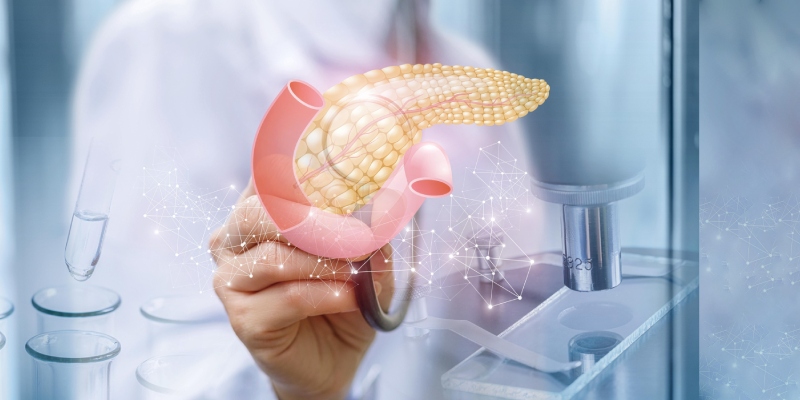
Pancreatitis, a condition impacting the crucial organ—the pancreas—is a serious and potentially life-threatening ailment. While conventional treatments often focus on symptomatic relief, Ayurveda takes a holistic approach, addressing the root cause of the disease and promoting internal healing. In this article, we will explore the Ayurvedic Treatment for Pancreatitis.

What is Pancreatitis?

Pancreatitis is a condition where the pancreas, a crucial organ, becomes inflamed, causing pain and challenges for those affected. Conventional treatments usually include medications and lifestyle adjustments. However, delving into Ayurvedic approaches introduces a realm of natural healing methods. Ayurveda offers alternative paths to manage and alleviate the discomfort associated with pancreatitis, providing a holistic perspective on healing.

Causes

  • Alcohol Consumption: Excessive alcohol intake is a leading cause, as it can inflame and damage the pancreas over time.
  • Gallstones: The presence of gallstones can obstruct the pancreatic duct, leading to inflammation and pancreas problems.
  • Unhealthy Lifestyle Choices: Poor dietary habits, smoking, and lack of exercise contribute to overall health issues, including pancreas problems.
  • Trauma or Injury: Physical trauma or injury to the abdomen can trigger pancreas problems in some cases.
  • Genetic Factors: Inherited conditions and genetic factors can increase the susceptibility to developing pancreas issues.

Symptoms

  • Severe Abdominal Pain: Intense pain in the upper abdomen, often radiating to the back, is a hallmark symptom.
  • Nausea and Vomiting: Persistent nausea and vomiting may accompany the issue, contributing to dehydration.
  • Fever: Elevated body temperature is a common symptom, indicating inflammation in the pancreas.
  • Digestive Issues: Digestive problems, including diarrhoea and oily, foul-smelling stools, can occur due to pancreatic enzyme imbalances.
  • Weight Loss: Unexplained weight loss is a potential symptom, reflecting the impact of pancreas problems on nutrient absorption.
  • Jaundice: Yellowing of the skin and eyes (jaundice) may occur if pancreas inflammation affects the bile duct.
  • Increased Heart Rate: An elevated heart rate can be a response to the systemic inflammation associated with the pancreas problem.

Types

  • Acute Pancreatitis: Sudden inflammation, often due to gallstones or alcohol.
  • Chronic Pancreatitis: Ongoing inflammation, leading to long-term damage.

5 Powerful Steps On Ayurvedic Treatment for Pancreatitis

Let’s explore 5 Powerful Steps of Ayurvedic Treatment for Pancreatitis:

Step 1: Comprehensive Diagnosis

Ayurveda, translating to “the science of life,” prioritizes understanding individual root causes before suggesting treatment. Modern diagnostic tools like CT scans, radiography, and USG help identify imbalances contributing to the disease. This information guides the creation of a personalized treatment plan focused on restoring body balance.

Step 2: Detoxification and Cleansing

Ayurveda identifies pancreas problems as an outcome of Pitta dosha imbalance, governing metabolism and digestion. To eliminate toxins and excess Pitta, detoxification is vital. Ayurvedic physicians use the Rasa Shastra Technique, employing purification therapies to remove accumulated toxins. A 3-week in-house treatment supports the body’s healing processes and cleanses the digestive system, restoring dosha balance and enhancing pancreas function.

Step 3: Diet and Nutrition

Diet plays a crucial role in Ayurvedic pancreatitis treatment. The Ahaar (diet) focuses on easily digestible foods, including fresh fruits, boiled vegetables, whole grains, soups, herbal teas, and ghee. These choices soothe and support digestion and healing, alleviating inflammation and reducing pancreatic strain.

Step 4: Herbal Remedies

In the treatment of pancreas problems, the incorporation of Aushadh (herbal remedies) plays a pivotal role. Ayurvedic physicians customize specific herbal formulations based on an individual’s dosha imbalances and the severity of their pancreas problem.

An optimal approach to pancreatitis treatment involves a synergistic blend of various herbs, each offering unique benefits:

  • Turmeric: Celebrated for its anti-inflammatory and antioxidant properties, this golden herb is effective in alleviating inflammation in the pancreas.
  • Aloe Vera: With its soothing and healing properties, aloe vera acts to pacify excess Pitta and provides relief to the inflamed pancreas.
  • Triphala: A formulation combining three fruits—Amla, Haritaki, and Bibhitaki—Triphala aids in digestion and supports the detoxification of the body.
  • Guduchi: Referred to as the “Amrit” of Ayurveda, Guduchi strengthens the immune system and accelerates the healing process.
  • Liquorice: By supporting digestive health and contributing to the healing of damaged tissues, liquorice helps soothe the inflamed pancreas.
Step 5: Lifestyle Modifications

Ayurveda extends its treatment beyond diet and herbal remedies, emphasizing the significance of lifestyle changes, often deemed the most effective ways to address the issue.

This involves incorporating daily routines (Dinacharya) tailored to an individual’s constitution. Key aspects include:

  • Regular Exercise: Gentle forms of exercise, such as walking and yoga, are advocated to enhance digestion and overall vitality.
  • Stress Management Techniques: Recognizing that stress can exacerbate symptoms, Ayurvedic Physicians recommend pacifying relaxation techniques like yoga, meditation, and pranayama (breath control) to reduce stress and promote relaxation.
  • Adequate Hydration: Emphasizing the importance of drinking warm water throughout the day, this practice helps maintain digestive balance and supports the detoxification process.

Incorporating these lifestyle modifications, in conjunction with herbal remedies, offers a comprehensive and holistic approach to the treatment of pancreatitis within the principles of Ayurveda.

Conclusion

We have covered a detailed guide on Ayurvedic Treatment for Pancreatitis. In a rapidly evolving medical landscape, Ayurveda’s ancient wisdom stands out. The gradual Ayurvedic treatment process, monitored and adjusted by physicians, integrates natural remedies, dietary adjustments, lifestyle changes, and herbal therapies. Incorporating Ayurvedic principles into your treatment plan can balance energies, reduce inflammation, and support digestive health. For a holistic approach to the pancreas problem, consider visiting our Ayurveda Pancreatitis Clinic today.

FAQs

  • Is Ayurvedic treatment effective for severe pancreatitis?
  • While Ayurvedic treatment presents a holistic approach, individual responses may vary based on the severity.
  • How soon can one expect to see results from Ayurvedic treatment?
  • The healing process’s duration varies, but consistent monitoring and adjustments ensure gradual improvements.
  • Can Ayurveda prevent pancreatitis recurrence?
  • Integration of Ayurvedic principles into daily life may assist in preventing recurrence by addressing root causes.
  • Are there dietary restrictions during Ayurvedic treatment?
  • Ayurvedic diets prioritize easily digestible foods, promoting balance without imposing strict restrictions.
  • Is Ayurveda a complement to conventional treatment?
  • Ayurveda can complement conventional approaches, providing a holistic perspective for enhanced well-being.

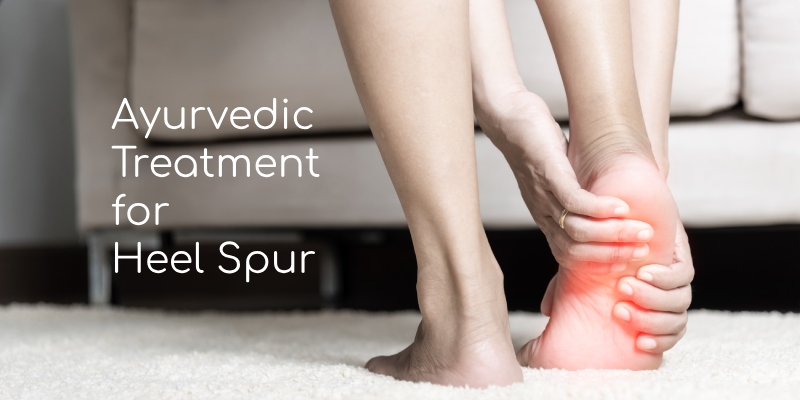
Ayurvedic Treatment for Heel Spur: Soothing Solutions

Heel spurs, characterized by bony protrusions on the heel, can be a source of significant discomfort for many individuals. As these spurs press against soft tissues, pain and inflammation often follow, impacting daily activities. In this article, we delve into the realm of Ayurvedic Treatment for Heel Spur.

Ayurvedic Perspective on Heel Spurs

From an Ayurvedic perspective, heel spurs may be a manifestation of dosha imbalances. The interconnectedness of physical, mental, and environmental factors is crucial in determining the root causes of heel spurs, ensuring a more effective and lasting solution.

Effective Ayurvedic Treatment for Heel Spur

Let’s explore effective Ayurvedic Treatment for Heel Spur:

Herbs and Remedies

Heel spurs can be managed effectively through Ayurvedic herbs and remedies that harness nature’s healing power.

  1. Turmeric: Known for its potent anti-inflammatory properties, it helps in reducing pain and inflammation associated with heel pain.
  2. Boswellia: This herb exhibits anti-arthritic effects, aiding in managing discomfort caused by heel pain.
  3. Guggul: Recognized for its anti-inflammatory and pain-relieving attributes, it assists in alleviating heel spur symptoms.
  4. Ashwagandha: Offers pain relief and supports the healing process when used in warm oil massages.
  5. Triphala: A combination of three fruits, Triphala can be consumed to help detoxify the body and promote overall wellness.
  6. Epsom Salt Soaks: Soaking the feet in warm water mixed with Epsom salt can reduce inflammation and provide relief.

Dietary Recommendations

Ayurvedic dietary choices play a crucial role in managing heel spurs. Here is a comprehensive guide outlining recommended dietary choices and foods to avoid for optimal well-being.

Foods to Eat
  1. Leafy Greens: Spinach, kale, and Swiss chard contain anti-inflammatory properties beneficial for managing the problem.
  2. Ginger and Garlic: Known for their anti-inflammatory and immune-boosting properties, they aid in reducing inflammation.
  3. Healthy Fats: Omega-3 fatty acids found in fish, flaxseeds, and walnuts help in reducing inflammation and promoting healing.

Pineapple: Contains bromelain, an enzyme with anti-inflammatory properties, assisting in pain reduction.

Foods to Avoid
  1. Processed Foods: High in additives and preservatives, they can exacerbate inflammation and discomfort.
  2. Sugary Treats: Excessive sugar intake may worsen inflammation and contribute to heel spur discomfort.
  3. Acidic Foods: Citrus fruits and tomatoes can sometimes trigger inflammation and should be consumed in moderation.
  4. High-Caffeine Beverages: Excessive caffeine can contribute to inflammation, so it’s advisable to limit coffee and energy drinks.

Lifestyle Changes

Incorporating lifestyle changes can significantly contribute to managing and preventing heel spurs.

  • Foot Care Rituals: Regularly soaking feet in warm water and gentle exfoliation can aid in relieving discomfort.
  • Mindfulness Practices: Stress management techniques like meditation or deep breathing help reduce inflammation.
  • Proper Footwear: Wearing supportive shoes with cushioned soles can ease pressure on the heels.
  • Weight Management: Maintaining a healthy weight reduces stress on the feet, helping manage heel spur symptoms.

Yoga and Exercise

Explore specific yoga poses and exercises tailored to strengthen and support feet, relieving heel spur discomfort.

  1. Tadasana (Mountain Pose): Helps in strengthening the arches of the feet and improves overall posture.
  2. Virabhadrasana (Warrior Pose): Stretches the calf muscles and improves flexibility in the ankles.
  3. Toe Raises and Rolls: Simple exercises to strengthen the muscles in the feet and ankles.
  4. Achilles Tendon Stretch: Targets the back of the heel, promoting flexibility and reducing tension.

Panchakarma Therapies for Heel Spur Treatment

Panchakarma therapies emerge as powerful tools, offering not just symptom management but holistic healing. Let’s delve into the specific Panchakarma therapies that prove beneficial for heel spur treatment.

Abhyanga: The Healing Touch

Abhyanga, or Ayurvedic massage, involves the application of warm, herbal oils to the body. This therapy not only relaxes the entire system but also enhances blood circulation, which is crucial for addressing heel spurs.

Swedana: The Detoxifying Steam

Swedana, a therapeutic sweating treatment, aids in the elimination of toxins from the body. Through induced perspiration, Swedana contributes to cleansing and supports the body’s natural healing processes.

Basti: The Cleansing Enema

Basti is a process where herbal mixtures and oils are gently administered through the rectum for therapeutic purposes. This purification process helps in eliminating accumulated toxins, promoting overall detoxification and rejuvenation.

Leech Applications: Nature’s Detoxifiers

Leech therapy, although unconventional, has been used in Ayurveda for its detoxifying properties. The enzymes released by leeches during the process contribute to improved circulation and alleviate pain associated with heel spurs.

Other Ayurvedic External Treatments

Discover external applications and treatments using Ayurvedic principles for soothing relief from heel spurs.

  1. Herbal Pastes: Applying a paste of Ayurvedic herbs like turmeric or ashwagandha directly to the affected area can provide relief.
  2. Warm Oil Massages: Massaging the heel and surrounding area with warm oils infused with Ayurvedic herbs helps reduce pain and inflammation.
  3. Herbal Compresses: Using warm compresses infused with herbs like Boswellia can alleviate discomfort.
  4. Eucalyptus Oil Application: Adding a few drops of eucalyptus oil to warm water for soaking feet can offer a soothing effect.

These introductions set the stage for each subheading, providing context to the specific aspects of Ayurvedic treatment for heel spurs.

Conclusion

We have covered a detailed guide on 6 effective Ayurvedic Treatment options for Heel Spur. Ayurveda stands as a holistic and natural solution for individuals seeking relief from heel spurs. By addressing root causes, incorporating herbal remedies, and embracing lifestyle changes, individuals can experience not only immediate comfort but also long-term well-being. Explore the rich tradition of Ayurveda to discover personalized paths to soothing solutions for heel spurs.

FAQs

Is Ayurvedic treatment suitable for all types of heel spurs?

Yes, Ayurvedic treatment can be customized to cater to the unique characteristics of different types.

What yoga poses and exercises are beneficial for relieving heel spur discomfort?

Tadasana (Mountain Pose), Virabhadrasana (Warrior Pose), toe raises and rolls, and Achilles tendon stretch are specific yoga poses and exercises that strengthen and support feet, relieving heel spur discomfort.

Can Ayurveda be combined with conventional medical treatments?

Absolutely. Ayurveda can complement conventional treatments, and collaboration between Ayurvedic and modern healthcare practitioners is encouraged for comprehensive care.

Are there any dietary restrictions with Ayurvedic treatment for heel spurs?

Ayurvedic dietary recommendations focus on reducing inflammation, and individuals may be advised to avoid specific trigger foods.

Is Ayurvedic treatment only for managing symptoms, or does it provide a cure?

Ayurvedic treatment aims not only to manage symptoms but also to address the root causes, providing a comprehensive and sustainable approach to healing.

Ayurvedic Vertigo Treatment: Balancing Dizziness

Vertigo is a common yet debilitating condition that affects millions of people worldwide. The sudden spinning sensation, often accompanied by nausea and a loss of balance, can significantly disrupt one’s daily life. In the pursuit of relief from this discomfort, many individuals are turning to Ayurvedic remedies, which offer a holistic approach to addressing the root causes of vertigo.

In this article, we will discuss effective Ayurvedic Vertigo Treatment Options.

What is Vertigo?

Vertigo is not just a simple case of dizziness. It is a complex sensation that makes you feel like you or your surroundings are spinning or moving when there is no actual movement. It’s often caused by issues in the inner ear or the vestibular nerve. Conventional medicine primarily treats the symptoms, but Ayurveda seeks to address the underlying imbalances in the body.

Causes of Vertigo in Ayurveda

In Ayurveda, the causes of this condition are attributed to various imbalances and factors:

  1. Vata Imbalance: Ayurveda often associates this condition with an aggravated Vata dosha, which can disrupt the nervous system and affect balance.
  2. Stress and Anxiety: Excessive mental stress, anxiety, and overthinking can contribute to this condition. Ayurveda emphasizes the mind-body connection and its impact on health.
  3. Improper Diet: Consuming cold, heavy, and greasy foods can aggravate Vata and lead to this condition. Ayurvedic dietary recommendations focus on foods that pacify Vata.
  4. Lack of Physical Activity: A sedentary lifestyle can weaken the body, making it more susceptible to this condition. Regular exercise is essential to balance the doshas.
  5. Environmental Factors: Changes in weather, particularly cold and windy conditions, can trigger this condition in individuals with Vata imbalances.
  6. Dehydration: Insufficient fluid intake can lead to an imbalance in bodily fluids, affecting the inner ear and causing this condition.
  7. Ear Infections: Infections or issues in the inner ear can directly contribute to this condition. Ayurveda aims to address such infections holistically.

Symptoms of This Condition

This condition presents a range of symptoms that can be distressing and disorienting:

  1. Spinning Sensation: The hallmark of this condition is a sensation that you or your surroundings are spinning or moving, even when you are still.
  2. Nausea and Vomiting: The spinning sensation often triggers nausea and, in some cases, vomiting.
  3. Unsteadiness and Loss of Balance: This condition can lead to unsteadiness, making it difficult for individuals to maintain balance and walk without support.
  4. Dizziness: A constant feeling of dizziness accompanies this condition, which can be quite disconcerting.
  5. Sweating: Some individuals may experience profuse sweating during an episode.
  6. Ringing in the Ears (Tinnitus): Tinnitus, a ringing or buzzing sound in the ears, may accompany this condition.
  7. Hearing Loss: In cases where this condition is due to inner ear issues, temporary hearing loss may occur during episodes.
  8. Headache: This condition can often lead to headaches, adding to the discomfort.
  9. Fatigue: Experiencing episodes can be physically and mentally draining, leading to fatigue.
  10. Anxiety: The fear of sudden episodes can contribute to anxiety and stress, exacerbating the condition.

Ayurvedic Diagnosis

In Ayurveda, a practitioner will diagnose the root cause of vertigo by assessing an individual’s doshic imbalance. An Ayurvedic diagnosis helps tailor a treatment plan to the specific needs of the patient. This may involve pulse examination, tongue analysis, and detailed questioning about the patient’s lifestyle and habits.

Ayurvedic Vertigo Treatment Options

Ayurveda, an ancient system of natural healing, views vertigo as an imbalance in the body’s three doshas: Vata, Pitta, and Kapha. It emphasizes the holistic well-being of an individual by focusing on diet, lifestyle, and herbal remedies.

Let’s explore effective Ayurvedic Vertigo Treatment Options.

Diet and Lifestyle Changes

Ayurvedic treatment starts with dietary and lifestyle modifications, which are crucial in balancing the doshas. To maintain balance and alleviate vertigo, consider the following dietary guidelines:

Eat
  • Fresh, seasonal fruits, especially bananas, pomegranates, and figs, which help pacify Vata dosha.
  • Warm, cooked vegetables like carrots, sweet potatoes, and zucchini.
  • Whole grains such as rice, quinoa, and oats.
  • Lean proteins like chicken and fish.
  • Dairy products, especially ghee (clarified butter).
  • Nuts and seeds like almonds, walnuts, and flaxseeds.
  • Herbal teas, including ginger tea and chamomile tea.
Don’t Eat
  • Cold or iced foods and beverages can aggravate Vata dosha.
  • Raw vegetables, as they can be hard to digest.
  • Spicy and hot foods that can increase Pitta dosha.
  • Excessive caffeine and alcohol.
  • Processed and fried foods.
  • Sugary snacks and carbonated drinks.

Lifestyle Changes

In addition to dietary modifications, lifestyle changes are essential to manage vertigo effectively:

  • Establish a Routine: A regular daily routine can help balance the doshas. Wake up and go to bed at the same time each day, and schedule meals and activities consistently.
  • Stress Management: Chronic stress can exacerbate the issue. Engage in stress-reduction practices such as meditation, deep breathing exercises, and yoga.
  • Adequate Rest: Ensure you get enough restorative sleep. Create a comfortable and calming sleep environment to improve sleep quality.
  • Hydration: Proper hydration is crucial for overall health. Drink adequate water throughout the day, as dehydration can worsen symptoms.
  • Regular Exercise: Engage in gentle exercises like walking or yoga. Avoid strenuous activities that could trigger dizziness.
  • Avoid Triggering Foods: Be mindful of your diet and avoid foods that worsen your symptoms. If a specific food triggers vertigo for you, eliminate it from your diet.

Natural Remedies for vertigo

Ayurvedic herbs and herbal formulations play a significant role in managing vertigo. They can help improve blood circulation, reduce inflammation, and calm the nervous system. 

Let’s explore powerful Natural Remedies for Vertigo.

Kaunch Beej

Kaunch beej is a superb neuroprotective herb with profuse amounts of levodopa amino acid that stimulates brain functions and also balances the three doshas of Vata, Pitta, and Kapha. Drinking a mixture of 1 tsp kaunch beej powder mixed with 1 small glass of warm milk soothes throbbing headaches and resolves vertigo.

Shankapushpi

Laden with alkaloids that promote brain power, shankapushpi possesses the ability to decrease precarious spinning activities and preserve inner ear balance. Taking a pacifying decoction of 2 grams of shankapushpi powder dissolved in a cup of warm water after dinner at night suppresses the shaky sensations of vertigo.

Amalaki

The ubiquitous Indian gooseberry, also known as amla or Amalaki, is abundant in vitamin C, an antioxidant that thwarts toxic free radicals from the brain and enhances nervous system operations. Consuming a small portion of amla juice with 2 tsp honey twice a day alleviates uncomfortable symptoms of vertigo, such as nausea and migraine, and restores inner ear balance.

Jatiphala

Jatiphala or jaiphal, commonly known as nutmeg, is imbued with a miraculous bioactive compound called myristicin, which bolsters brain functions. Preparing a mixture of 1 tbsp nutmeg powder with 1 tsp cumin powder and honey and ingesting this along with meals twice a day provides significant relief from unstable movements in vertigo and heightens productivity as well.

Guduchi

Guduchi is rich in antioxidants, which boost cognitive functions of memory, thinking, and concentration, elevate neurotransmitter functions to uplift mood and normalize an exacerbated Vata and Pitta dosha. Having 2 – 3 tbsp of guduchi kashaya, made along with coriander and neem extracts, every morning half an hour before food eases unsteadiness in the body and dispels tingling feelings in the ears.

Panchakarma Therapy

Panchakarma is an Ayurvedic detoxification process that can help in balancing the doshas and removing accumulated toxins. It involves various treatments such as oil massages, herbal steam, and purgation. Panchakarma therapy is personalized according to the patient’s doshic imbalance.

Balancing Dizziness with Yoga

Yoga is an integral part of Ayurvedic therapy for vertigo. Specific asanas (postures) and pranayama (breathing exercises) can help improve balance and reduce the symptoms. 

Some recommended yoga poses include the Triangle Pose (Trikonasana), Downward-Facing Dog (Adho Mukha Svanasana), and Child’s Pose (Balasana). Deep breathing exercises like Anulom Vilom and Bhramari Pranayama are particularly effective.

Conclusion

Ayurvedic vertigo treatment offers a holistic and natural approach to managing dizziness. By addressing the root causes and providing personalized care, Ayurveda empowers individuals to lead a vertigo-free life. It’s essential to consult with a qualified Ayurvedic practitioner to create a personalized treatment plan.

FAQs

Is Ayurvedic treatment safe for vertigo?

Ayurvedic treatments are generally safe when administered by qualified practitioners. However, it’s essential to consult with a healthcare professional before starting any new treatment.

How long does it take to see results with Ayurvedic vertigo treatment?

The time it takes to see results may vary depending on the individual and the severity of the condition. Some people experience improvement within a few weeks, while others may take longer.

Are there any dietary restrictions for vertigo patients in Ayurveda?

Ayurvedic dietary recommendations may include avoiding certain foods that aggravate specific doshas. It’s best to follow the guidance of an Ayurvedic practitioner.

Can Ayurveda cure vertigo completely?

Ayurveda aims to manage and reduce the frequency and intensity. The extent of relief may vary from person to person.

Is Ayurveda suitable for all types of vertigo?

Ayurveda can be beneficial for various types, but it’s crucial to undergo a proper diagnosis to determine the underlying causes and tailor the treatment accordingly.

Home Remedies for Back Pain Relief: Solutions that Work

Back pain is a common affliction that can affect people of all ages and backgrounds. It can be caused by various factors, including muscle strains, poor posture, injuries, or underlying medical conditions. Dealing with back pain can be debilitating, but the good news is that there are numerous effective home remedies for Back Pain Relief to help you regain your quality of life.

Understanding the Prevalence of Back Pain

It is a widespread issue that affects millions of people globally. It is one of the leading causes of disability and missed workdays. While it can be a temporary inconvenience for some, others suffer from chronic back discomfort, which can significantly impact their daily activities.

The Need for Powerful Home Remedies for Back Pain

In the quest for back discomfort relief, many individuals turn to home remedies. These approaches are not only cost-effective but also often produce favorable results without the need for invasive medical procedures or prescription medications. In this article, we will explore a variety of natural and accessible remedies to help alleviate the problem.

Causes of Back Pain

Understanding the root causes is essential for effective treatment and prevention.

Here are some of the common culprits behind this condition:

Identifying Common Causes

  1. Muscle Strains: Overexertion or sudden movements can strain the muscles in your back.
  2. Poor Posture: Maintaining improper posture over time can lead to a chronic issue.
  3. Injuries: Accidents or falls can result in back discomfort.
  4. Medical Conditions: Conditions like herniated discs or arthritis can cause persistent back discomfort.
  5. Lifestyle Factors: Obesity, smoking, and stress can contribute to back issues.

Why Recognizing the Cause Matters

Before we dive into our treasure chest of home remedies, pinpointing the exact cause of your back discomfort is paramount. This understanding will guide you to the most suitable remedies and help prevent future discomfort.

13 Effective Home Remedies for Back Pain Relief

It can be a challenging condition to manage, but there are a variety of natural remedies that can provide relief and improve your overall well-being.

Let’s explore the 13 Effective Home Remedies for Back Pain Relief to help you make informed choices in your journey to alleviate back discomfort.

1. Rest and Posture Correction

The first step in treating back discomfort is to rest and avoid activities that exacerbate your discomfort. Additionally, pay close attention to your posture. Maintaining an ergonomic and supportive posture during activities and while sitting can help alleviate and prevent back problems.

Resting and adopting good posture relieve pressure on your spine and back muscles, promoting healing and reducing pain.

Heat and Cold Therapy

Alternating between hot and cold therapy can be an effective way to alleviate back pain. Apply a hot compress for 15-20 minutes, followed by a cold compress for 10-15 minutes. Repeat this process as needed throughout the day.

Heat therapy relaxes and dilates blood vessels, improving blood flow and reducing muscle stiffness. Cold therapy reduces inflammation and numbs the area, providing relief from pain.

Stretching Exercises

Gentle stretching exercises are crucial for relieving back pain. Examples include knee-to-chest stretches, cat-cow yoga poses, and the child’s pose. Perform these stretches daily to improve flexibility and reduce muscle tension.

Stretching helps increase the range of motion in your spine and reduces muscle tightness, which can alleviate pain and prevent future discomfort.

Yoga and Tai Chi

Regular practice of yoga or Tai Chi can significantly benefit those with back pain. These activities promote strength, balance, and flexibility. Consult with a certified instructor to learn the proper techniques.

Yoga and Tai Chi enhance core strength, improve posture, and reduce stress, all of which can help prevent and relieve back pain.

Herbal Remedies

Certain herbs, such as turmeric and ginger, have anti-inflammatory properties. You can incorporate them into your diet or take them as supplements, following the recommended dosage.

These herbs can reduce inflammation and back pain, making them valuable additions to your back discomfort management regimen.

Essential Oils

Essential oils like lavender and eucalyptus can be used topically through massage or in aromatherapy diffusers. Dilute them with a carrier oil if using on the skin.

These oils have analgesic and anti-inflammatory properties, making them ideal for massaging into sore areas or inhaling for relaxation and back pain relief.

Epsom Salt Baths

Dissolve Epsom salt in a warm bath and soak in it for 15-20 minutes. You can do this 2-3 times a week.

Epsom salt contains magnesium, which can help relax sore muscles, reduce back pain, and promote overall relaxation.

Acupuncture

Acupuncture involves the insertion of thin needles into specific points of your body. Consult with a qualified acupuncturist for treatment.

Acupuncture stimulates the release of endorphins and improves energy flow in the body, which can reduce pain and promote overall well-being.

Chiropractic Care

Chiropractors use hands-on spinal manipulation to adjust misaligned vertebrae and alleviate back pain. Consult a licensed chiropractor for treatment.

Chiropractic care can improve spinal alignment and reduce the issue, particularly for those with musculoskeletal issues.

Massage Therapy

Regular massages can help relax tense muscles and reduce tension in the back. You can opt for professional massages or use self-massage techniques.

Massages improve blood circulation, release muscle tension, and promote relaxation, all of which contribute to back pain relief.

Lifestyle Changes

Make gradual but consistent lifestyle changes, including regular exercise, maintaining a healthy weight, and stress reduction techniques like meditation.

Adopting a healthier lifestyle can prevent future back issues and improve your overall well-being.

Ergonomic Adjustments

Ensure that your work and living spaces are ergonomically designed to support your back. This includes using proper lumbar support in chairs, adjusting computer monitor heights, and maintaining a neutral spine position while lifting.

Ergonomic adjustments reduce strain on your back, decreasing the risk of developing pain due to poor posture or improper lifting techniques.

Dietary Modifications

Your diet can be your ally in the fight against back discomfort. Here’s what you should and shouldn’t eat:

Eat:
  • Fruits and Vegetables: These are packed with anti-inflammatory compounds that can help reduce back problems.
  • Omega-3 Fatty Acids: Found in fish like salmon and flaxseeds, they have natural anti-inflammatory properties.
  • Turmeric: This spice is renowned for its anti-inflammatory benefits.
  • Ginger: Another spice that can reduce inflammation and pain.
Don’t Eat:
  • Processed Foods: These can exacerbate inflammation in your body, making the problem worse.
  • Sugars: High sugar consumption can lead to inflammation and discomfort.
  • Excessive Red Meat: A high intake of red meat can increase inflammation in the body.

Each of these natural remedies serves a unique purpose and can be tailored to your specific needs.

When using any of these remedies, it’s essential to do so consistently and consult with a healthcare professional, especially if you have an existing medical condition.

The right combination of these remedies, along with preventive measures, can help you find relief and maintain a healthy back.

Over-the-Counter Pain Relief

If it is severe, over-the-counter pain relief options may be beneficial. Some options include:

  • NSAIDs: Nonsteroidal anti-inflammatory drugs, like ibuprofen, can reduce the issue and inflammation.
  • Topical Analgesics: Creams and ointments containing ingredients like menthol or capsaicin can provide localized relief.
  • Muscle Relaxants: These medications can help relax tense muscles, causing back discomfort.

Conclusion

We have covered a detailed guide on the 13 Effective Home Remedies for Back Pain Relief. Back pain is a prevalent issue that can be debilitating, but it’s not insurmountable. With the right knowledge and commitment to a healthy lifestyle, you can effectively manage and prevent back discomfort. Whether you choose natural remedies or over-the-counter solutions, the key is to find what works best for you and regain your comfort and mobility.

FAQs

Can back pain be a sign of a serious medical condition?

Yes, in some cases, discomfort can be a symptom of a more severe underlying medical condition. It’s essential to consult a healthcare professional for a proper diagnosis.

Are all-natural remedies safe for back pain relief?

Most natural remedies are safe when used correctly. However, it’s advisable to consult with a healthcare provider, especially if you have existing health issues or are pregnant.

How long should I use heat or cold therapy for back pain?

The duration of heat or cold therapy can vary, but it’s generally recommended to apply heat for 15-20 minutes and cold for 10-15 minutes, with breaks in between.

Is chiropractic care effective for all types of back pain?

Chiropractic care can be effective for various types, but the suitability depends on the specific cause. Consult with a chiropractor for an assessment.

What dietary modifications can help with back discomfort?

A diet rich in anti-inflammatory foods, such as fruits, vegetables, and omega-3 fatty acids, can help reduce the discomfort. Reducing processed foods and sugars is also beneficial.

Ayurvedic Treatment for Clear Skin: Say Goodbye to Acne

Are you tired of dealing with acne and searching for an effective solution? Look no further! Ayurveda, the ancient Indian system of medicine, offers a holistic approach to treating acne and achieving clear, healthy skin.

In this article, we will explore the Ayurvedic treatment for acne and how they can help you say goodbye to those pesky breakouts to achieve clear and healthy skin.

Understanding Acne: Causes and Types

Before delving into any Ayurvedic treatment, it’s essential to understand the causes and types of acne. It occurs when hair follicles become clogged with oil, dead skin cells, and bacteria. Hormonal imbalances, stress, improper diet, and poor skincare habits can contribute to acne breakouts.

There are different types of acne, including:

  • Whiteheads: Closed clogged pores that appear as small, white bumps.
  • Blackheads: Open clogged pores that have a dark appearance due to oxidation.
  • Papules: Small, red, raised bumps.
  • Pustules: Red bumps with pus at the centre.
  • Nodules: Large, painful, solid bumps beneath the skin’s surface.
  • Cysts: Deep, painful, pus-filled bumps that can lead to scarring.

Each type requires a specific approach for effective treatment.

Ayurvedic Principles for Clear Skin

Ayurveda believes that clear skin is a reflection of overall well-being. According to Ayurvedic principles, imbalances in the body’s doshas (Vata, Pitta, and Kapha) can manifest as skin problems. Achieving clear skin involves restoring the balance of these doshas through diet, lifestyle modifications, herbal remedies, and skincare practices.

Ayurvedic Treatment for Clear Skin

Ayurvedic treatment for clear skin focuses on addressing the underlying causes of acne and promoting overall skin health. Here are some key Ayurvedic treatments:

  • Panchakarma: Panchakarma is a comprehensive detoxification and rejuvenation therapy that aims to eliminate toxins from the body. It involves various treatments like oil massages, steam therapy, and herbal enemas to cleanse and balance the body.
  • Herbal Supplements: Ayurvedic practitioners may prescribe herbal supplements that help purify the blood, balance hormones, and support healthy skin. Some commonly used herbs include neem, turmeric, manjistha, and guduchi.
  • Nasya: Nasya is a nasal administration of herbal oils or powders. It helps to cleanse and balance the nasal passages, which are connected to the skin. Nasya can be beneficial for addressing imbalances that contribute to skin disease.
  • Ayurvedic Facials: Ayurvedic facials involve the use of herbal pastes, oils, and masks tailored to individual skin types. These facials deeply cleanse, nourish, and rejuvenate the skin, promoting a clear and radiant complexion.
  • Ayurvedic Blood Purification: Ayurveda emphasizes the importance of purifying the blood to maintain healthy skin. Blood purification treatments help remove toxins and impurities from the blood, reducing breakouts.

Ayurvedic treatments are personalized to suit individual needs, considering factors such as dosha imbalances, skin type, and specific skin disease concerns.

Ayurvedic Herbs for Treating Acne

Ayurveda utilizes various herbs known for their potent anti-inflammatory, antibacterial, and detoxifying properties.

Some of the commonly used herbs for treating acne include:

  • Neem: Neem leaves and oil have powerful antibacterial properties and can help reduce skin disease-causing bacteria.
  • Turmeric: Turmeric contains curcumin, a compound with anti-inflammatory and antioxidant properties that can help soothe inflamed skin.
  • Aloe Vera: Aloe vera gel has cooling and healing properties, making it effective for reducing redness and promoting skin repair.
  • Tulsi (Holy Basil): Tulsi has antibacterial and antifungal properties that can help prevent and treat breakouts.
  • Manjistha: Manjistha is a blood-purifying herb that aids in detoxification and promotes clear skin.
  • Sandalwood: Sandalwood powder has antimicrobial properties and can help soothe and heal prone skin.

These herbs can be used in the form of powders, pastes, oils, or incorporated into skincare products.

Ayurvedic Dietary Recommendations for Healthy Skin

Diet plays a crucial role in maintaining clear skin, according to Ayurveda. To prevent and treat acne, it is recommended to follow these Ayurvedic dietary recommendations:

  • Pitta-pacifying diet: Emphasize cooling and detoxifying foods to balance the Pitta dosha. Include fresh fruits and vegetables, whole grains, legumes, and healthy fats in your meals.
  • Avoid spicy and oily foods: Spicy and oily foods can increase inflammation and aggravate acne. Limit or avoid these types of foods.
  • Hydration: Drink an adequate amount of water throughout the day to keep your skin hydrated and flush out toxins.
  • Avoid processed foods: Processed foods often contain artificial additives and preservatives that can negatively affect the skin. Opt for whole, unprocessed foods whenever possible.

By following these dietary recommendations, you can support the natural healing process of your skin and reduce the occurrence of acne breakouts.

Ayurvedic Lifestyle Practices for Clear Skin

In addition to a balanced diet, certain lifestyle practices can support clear skin. Incorporate the following Ayurvedic lifestyle practices into your routine:

  • Stress management: Chronic stress can disrupt hormonal balance and contribute to skin issues. Engage in stress-reducing activities such as yoga, meditation, and deep breathing exercises.
  • Adequate sleep: Aim for 7-8 hours of quality sleep each night. Sufficient sleep promotes overall well-being and aids in skin rejuvenation.
  • Regular exercise: Engage in regular physical activity to improve blood circulation, reduce stress, and support the body’s detoxification processes.
  • Maintain a skincare routine: Cleanse your face twice a day using gentle, natural cleansers. Avoid harsh chemical-based products that can strip the skin of its natural oils.

By incorporating these lifestyle practices, you can promote clear and healthy skin from within.

Ayurvedic Skincare Routine

An Ayurvedic skincare routine focuses on gentle cleansing, exfoliation, and moisturization.

Follow these steps for an effective Ayurvedic skincare routine:

  • Cleansing: Use a gentle, natural cleanser to remove dirt, oil, and impurities from your skin. Opt for cleansers containing Ayurvedic herbs like neem or tulsi.
  • Exfoliation: Exfoliate your skin once or twice a week using a mild scrub or a combination of natural ingredients like oatmeal and honey. This helps remove dead skin cells and unclog pores.
  • Toning: Apply a natural toner, such as rose water or cucumber juice, to balance the skin’s pH level and tighten the pores.
  • Moisturization: Hydrate your skin with a light, Ayurvedic moisturizer or facial oil. Choose ingredients like almond oil or coconut oil, known for their nourishing properties.
  • Sun protection: Apply a natural sunscreen with a minimum SPF of 30 to protect your skin from harmful UV rays.

By following this Ayurvedic skincare routine consistently, you can maintain clear and radiant skin.

Ayurvedic Home Remedies for Acne

Ayurveda offers several effective home remedies for acne. These remedies use readily available ingredients from your kitchen pantry.

Try the following Ayurvedic home remedies to address acne:

  • Turmeric and Honey Face Mask: Mix 1 teaspoon of turmeric powder with 2 teaspoons of honey to form a paste. Apply it to the affected areas and leave it on for 15-20 minutes before rinsing off. Turmeric’s anti-inflammatory properties and honey’s antibacterial properties can help reduce inflammation and kill skin disease-causing bacteria.
  • Neem Face Pack: Make a paste using neem leaves or neem powder mixed with a few drops of rose water. Apply the paste to your face and leave it on for 15-20 minutes before rinsing off. Neem’s antibacterial and anti-inflammatory properties can help clear acne and soothe the skin.
  • Aloe Vera Gel: Apply fresh aloe vera gel directly to the affected areas and leave it on for 30 minutes before rinsing off. Aloe vera has cool and healing properties that can reduce redness and inflammation and promote skin repair.
  • Cinnamon and Honey Spot Treatment: Mix 1 teaspoon of cinnamon powder with two teaspoons of honey to create a paste. Apply the mixture to individual spots and leave it on overnight. Cinnamon’s antimicrobial properties, combined with honey’s antibacterial properties, can help reduce acne-causing bacteria and speed up the healing process.
  • Lemon Juice: Dip a cotton ball in freshly squeezed lemon juice and apply it to the affected areas. Leave it on for 10-15 minutes before rinsing off. Lemon juice contains citric acid, which helps exfoliate dead skin cells and unclog pores.

These Ayurvedic home remedies can be used alongside your regular skincare routine to provide natural and effective solutions for skin disease.

Ayurvedic Consultation and Professional Treatment for Clear Skin

For severe or persistent acne, seeking professional help from an Ayurvedic practitioner is advisable. They can conduct a thorough examination, assess your dosha imbalance, and recommend personalized treatments.

Professional Ayurvedic treatment options for Clear Skin from acne include Panchakarma, Herbal Steam Therapy, Specialized Herbal Formulations etc.

By seeking professional guidance, you can receive personalized treatment plans and optimize your journey to clear skin.

Conclusion

Acne can be distressing, but with Ayurvedic treatments, you can bid farewell to it and welcome clear, healthy skin. By embracing Ayurvedic principles, incorporating herbal remedies, following a balanced diet, and adopting a mindful skincare routine, you can effectively address the underlying causes of skin disease and achieve a radiant complexion.

Now is the time to embark on your journey towards clear, acne-free skin. Consult an Ayurvedic practitioner, follow their guidance, and experience the transformative power of Ayurveda.

FAQs

Can Ayurvedic treatment completely cure acne?

Ayurvedic treatment aims to address the root causes of acne and promote clear skin. However, the effectiveness of treatment can vary depending on individual factors. Consistency, lifestyle modifications, and following the practitioner’s advice are essential for optimal results.

Are there any side effects of Ayurvedic acne treatments?

Ayurvedic treatments for acne are generally safe and have minimal side effects when used correctly. However, it is essential to consult a qualified Ayurvedic practitioner and inform them of any allergies or sensitivities before starting treatment.

How long does it take to see results with Ayurvedic treatment?

The timeline for seeing results may vary from person to person. Some individuals may experience improvements within a few weeks, while others may require longer. Patience and consistent adherence to the treatment plan are crucial for achieving desired outcomes.

Can I use Ayurvedic treatments alongside conventional acne medications?

It is advisable to consult your healthcare provider before combining Ayurvedic treatments with conventional acne medications. They can provide guidance on potential interactions and ensure the safe integration of both approaches.

Is Ayurvedic treatment suitable for all skin types?

Ayurvedic treatments can be tailored to suit different skin types. Whether you have dry, oily, sensitive, or combination skin, an Ayurvedic practitioner can customize the treatment plan to address your specific needs.

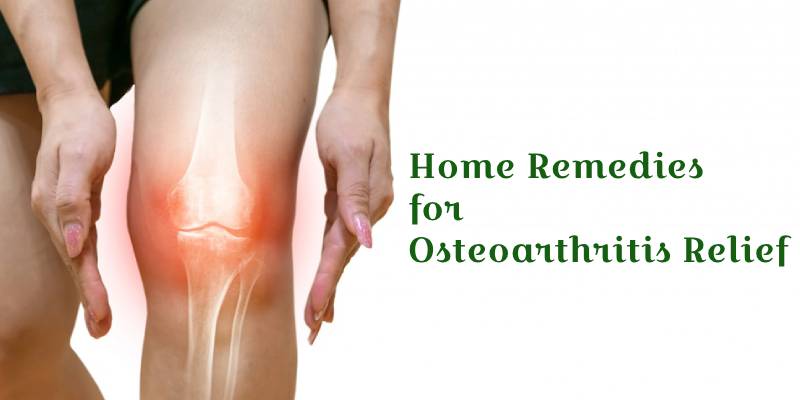
Ayurvedic Home Remedies for Osteoarthritis Relief

Are you seeking respite from the persistent pain and restricted movement caused by osteoarthritis? Are you eager to explore a natural avenue for relief? Look no further – Ayurvedic home remedies offer a comprehensive approach that targets the root causes of osteoarthritis and provides effective relief. In this article, we will provide you with a thorough guide on Osteoarthritis Relief, with a focus on the profound efficacy of Ayurvedic Home Remedies for Osteoarthritis.

Introduction of Osteoarthritis

Osteoarthritis, a degenerative joint disorder, can severely impact your quality of life. The conventional medical approach often involves symptom management, but Ayurveda provides a holistic solution that focuses on restoring balance within your body to encourage natural healing.

Understanding Osteoarthritis

Osteoarthritis emerges as the protective cartilage cushioning the ends of your bones deteriorates over time. This leads to pain, inflammation, and a reduced range of motion. Ayurveda views osteoarthritis as a manifestation of imbalanced “Vata” dosha and weakened “Agni” (digestive fire).

The Ayurvedic Home remedies for Osteoarthritis Relief

Ayurvedic treatment for osteoarthritis is rooted in addressing the underlying causes, not just managing symptoms. It seeks to pacify aggravated Vata dosha through a harmonious blend of therapies, dietary modifications, and lifestyle adjustments.

Herbal Remedies for Osteoarthritis in Ayurveda

Ayurvedic texts highlight specific herbs that have shown remarkable efficacy in managing the symptoms. These herbs have the potential to reduce inflammation and promote joint health, offering a profound ayurvedic treatment for osteoarthritis.

Popular Herbal Remedies for Osteoarthritis in Ayurveda

Here are some popular herbal remedies backed by data and facts:

  • Shallaki (Boswellia Serrata): Derived from the resin of Boswellia trees, Shallaki contains boswellic acids that inhibit pro-inflammatory enzymes, effectively reducing pain and inflammation associated with osteoarthritis. Clinical trials have demonstrated its significant impact on improving joint function and reducing pain.
  • Guggulu (Commiphora Mukul): Guggulu resin possesses both anti-inflammatory and analgesic properties, making it a valuable herb in osteoarthritis management. Studies have indicated that Guggulu can reduce pain and improve mobility in individuals with osteoarthritis.
  • Ashwagandha (Withania Somnifera): Ashwagandha, an adaptogenic herb, not only reduces inflammation but also helps manage stress, which can exacerbate osteoarthritis symptoms. Its antioxidant properties contribute to joint protection and pain relief.

Dietary Guidelines to Alleviate Osteoarthritis

Ayurveda places great emphasis on diet as a means to manage osteoarthritis. Certain dietary choices can help reduce inflammation, promote joint health, and alleviate symptoms.

Dietary Tips to Reduce Osteoarthritis

Consider incorporating these dietary tips:

  • Turmeric and Ginger: Turmeric contains curcumin, a potent anti-inflammatory compound. Ginger possesses gingerol, known for its analgesic and anti-inflammatory effects. Both spices can be added to meals, teas, or smoothies.
  • Omega-3 Fatty Acids: Foods rich in omega-3 fatty acids, such as fatty fish (salmon, mackerel), flaxseeds, and walnuts, have anti-inflammatory properties that can benefit individuals.
  • Vitamin C: Foods high in vitamin C, like citrus fruits, strawberries, and bell peppers, support collagen production and contribute to joint health.
  • Anti-Inflammatory Herbs: Include herbs like basil, oregano, and rosemary in your cooking. These herbs contain compounds with anti-inflammatory properties that can complement osteoarthritis management.
  • Green Tea: Green tea contains catechins, which possess antioxidant and anti-inflammatory properties that may help mitigate symptoms.
  • Avoid Processed Foods: Processed foods high in trans fats and refined sugars can promote inflammation. Opt for whole, unprocessed foods to support joint health.
  • Importance of Hydration: Staying hydrated is crucial for joint health. Drinking warm water throughout the day can aid digestion and support overall well-being.

Therapeutic Yoga: Enhancing Flexibility and Reducing Pain

Customized yoga routines can enhance joint flexibility and alleviate pain. Specific poses and stretches can play a pivotal role in promoting joint health and overall well-being.
Yoga’s gentle stretches and postures not only improve joint flexibility but also stimulate blood flow to affected areas, reducing pain and enhancing the body’s natural healing processes. Poses like “Vrikshasana” (Tree Pose) and “Sukhasana” (Easy Pose) can provide relief by gently engaging the joints without causing strain.

Panchakarma: Ayurvedic Detoxification for Osteoarthritis Relief

Panchakarma, a profound detoxification process in Ayurveda, aims to eliminate toxins that contribute to joint inflammation. Techniques such as oil massages, steam therapies, and herbal enemas can have a transformative impact.
Panchakarma involves a series of therapies designed to cleanse and rejuvenate the body. Abhyanga, the practice of self-massage with warm oils, helps release toxins and enhances the penetration of therapeutic oils into the joints. Swedana, or herbal steam therapy, promotes sweating and detoxification. Basti, a Herbal Enema, targets the lower digestive tract, eliminating accumulated toxins that can exacerbate osteoarthritis symptoms.

Abhyanga: The Healing Art of Ayurvedic Massage

Abhyanga, the practice of self-massage using warm oils, holds the potential to boost circulation, reduce stiffness, and provide nourishment to the joints. Its calming effect extends to the nervous system, enhancing the overall experience of ayurvedic treatment for osteoarthritis.
Abhyanga involves rhythmic, circular motions with warm herbal oils that penetrate deep into the tissues, promoting relaxation and reducing muscle tension. The oils used in Abhyanga are carefully chosen based on the individual’s constitution and the specific needs of their joints. The massage not only alleviates physical discomfort but also enhances mental well-being by inducing a sense of tranquillity.

Lifestyle Modifications: Empowering Osteoarthritis Management

Ayurveda advocates for maintaining a consistent daily routine, ensuring sufficient sleep, and effectively managing stress to support joint health. These lifestyle shifts can significantly contribute to managing symptoms.
Establishing a daily routine (dinacharya) that aligns with the body’s natural rhythms can regulate bodily functions, enhancing overall well-being. Adequate sleep is essential for tissue repair and healing, which is particularly important for individuals with osteoarthritis. Stress management techniques such as deep breathing, meditation, and engaging in hobbies can prevent the exacerbation of symptoms triggered by stress.

The Mind-Body Connection in Ayurvedic Osteoarthritis Treatment

The inseparable connection between the mind and body is a cornerstone of Ayurveda. Incorporating practices like meditation and mindfulness can empower individuals to manage pain and enhance their overall sense of well-being.
The mind has a powerful influence on pain perception and healing. Meditation and mindfulness practices train the mind to redirect attention away from pain and negative sensations. These practices stimulate the body’s relaxation response, reducing the release of stress hormones that can worsen inflammation and pain. Regular meditation also promotes the production of endorphins, natural pain-relieving chemicals.

Mindful Approaches to Pain Management

Mindful meditation and conscious breathing techniques serve as valuable tools in managing the perception of pain. By inducing relaxation and releasing bodily tension, these practices can contribute to a holistic approach to osteoarthritis relief.
Mindful meditation involves focusing attention on the present moment and detaching from pain-related thoughts. This can lower pain intensity and improve overall well-being. Breath awareness techniques, such as diaphragmatic breathing, engage the body’s relaxation response and reduce muscle tension, directly impacting pain perception.

Ayurvedic Formulations

Ayurvedic practitioners often prescribe specialized formulations tailored to an individual’s unique constitution. These formulations synergize various herbs to target the specific complexities of osteoarthritis, offering a personalized approach to treatment.
Ayurvedic formulations are carefully crafted to address the root cause of osteoarthritis while considering an individual’s constitution (Prakriti) and imbalances (Vikriti). For example, “Triphala Guggulu” combines Triphala (a blend of three fruits) with Guggulu resin to enhance digestion, reduce inflammation, and promote detoxification. These formulations leverage the synergistic effects of multiple herbs to provide holistic relief.

Integrating Ayurveda and Modern Medicine for Osteoarthritis Care

The integration of Ayurvedic therapies with modern medical treatments can provide a comprehensive approach to osteoarthritis care. Collaborating with both Ayurvedic and conventional medical practitioners ensures holistic and well-rounded management.
Integrating Ayurveda with modern medicine involves open communication between healthcare providers to ensure a coordinated approach to care. Conventional treatments like pain medications can be complemented by Ayurvedic therapies, reducing the reliance on high doses of medications and their potential side effects. A collaborative approach offers a more comprehensive solution for osteoarthritis management.

Incorporating Ayurvedic Practices into Daily Life


To unlock lasting relief from osteoarthritis, it’s imperative to seamlessly weave Ayurvedic principles into your daily routine. Consistency in implementing these practices can yield profound and sustained benefits.
Incorporating Ayurvedic practices requires dedication and gradual integration into your routine. Begin with simple changes, such as incorporating anti-inflammatory foods and performing self-massage with warm oils. Over time, you can gradually adopt more practices like herbal supplementation, dietary modifications, and meditation. Consistency is key to experiencing the transformative benefits of Ayurveda.

Conclusion

Ayurveda presents an all-encompassing route to osteoarthritis relief, targeting the fundamental imbalances that give rise to this condition. By embracing herbal remedies, dietary adjustments, mindful living, and a holistic approach, individuals can discover profound comfort and improved joint health.

FAQs

Is Ayurveda capable of completely curing osteoarthritis?

Ayurveda excels at significantly alleviating the symptoms, though a complete cure depends on factors such as the condition’s severity.

Can Ayurvedic treatments be safely combined with other medications?

Yes, Ayurvedic treatments can often harmoniously coexist with other medications. However, consulting both an Ayurvedic practitioner and a primary healthcare provider is essential.

How soon can one experience noticeable relief through Ayurveda?

The timeline for relief varies among individuals. Some may experience improvements within weeks, while others may require a more extended period.

Is Ayurvedic treatment exclusively suitable for the elderly?

No, Ayurvedic principles benefit individuals of all ages by nurturing overall health and well-being.

Can Ayurvedic recommendations be practised at home?

Yes, many Ayurvedic practices are adaptable to home environments. However, consulting an Ayurvedic expert ensures tailored guidance.

Ayurvedic Treatment for Hyperpigmentation: Goodbye to patches

Hyperpigmentation is a common skin condition that affects many individuals. It is characterized by the darkening of certain areas of the skin, resulting in uneven skin tone and patches. While there are various treatment options available, Ayurvedic remedies offer a natural and effective solution to combat Hyperpigmentation. In this article, we will explore the benefits of Ayurvedic treatment for Hyperpigmentation and discover how it can help you achieve clear, radiant skin.

Understanding Hyperpigmentation & Ayurveda

It occurs when there is an excess production of melanin, the pigment responsible for skin colour. It can be triggered by various factors, including sun exposure, hormonal changes, inflammation, and certain medications. Common types of Hyperpigmentation include melasma, age spots, and post-inflammatory Hyperpigmentation.
Ayurveda, the ancient Indian system of medicine, emphasizes the balance between the mind, body, and spirit for overall well-being. It recognizes that imbalances in the body can manifest as skin issues, including pigmentation. Ayurvedic treatments aim to address the root cause of the condition rather than merely treating the symptoms.

Causes of Hyperpigmentation

It can be caused by a variety of factors. Hormonal changes during pregnancy or due to oral contraceptives can lead to melasma. Sun exposure stimulates the production of melanin, resulting in sunspots or solar lentigines. Inflammation caused by acne, eczema, or psoriasis can also cause post-inflammatory Hyperpigmentation.

Ayurvedic Approach to Hyperpigmentation

Ayurveda considers it as an imbalance in the doshas, which are the fundamental energies governing our bodies. The condition is associated with an excess of Pitta dosha, which represents fire and water elements. Ayurvedic treatments for Hyperpigmentation aim to pacify Pitta and restore balance to the skin.

Effective Pigmentation Remedy in Ayurvedic

When it comes to combating pigmentation, Ayurveda provides effective remedies that can help fade those stubborn dark spots and restore your skin’s natural radiance.
Let’s explore the effective pigmentation remedy in Ayurvedic, renowned for its pigmentation-fighting properties.

Turmeric

Turmeric, a vibrant yellow spice, has been used in Ayurveda for centuries for its healing properties. It contains curcumin, a powerful antioxidant and anti-inflammatory compound. Applying a paste of turmeric and milk on the affected areas can help lighten Hyperpigmentation and promote skin rejuvenation.

Aloe Vera

Aloe vera gel is renowned for its soothing and cooling properties. It helps reduce inflammation and promotes the healing of the skin. Regular application of fresh aloe vera gel can fade dark spots and even out the skin tone.

Sandalwood

Sandalwood has been treasured in Ayurveda for its aromatic fragrance and skin benefits. It possesses cooling properties and can effectively treat pigmentation. Mixing sandalwood powder with rose water and applying it as a face pack can help lighten dark spots and impart a natural glow to the skin.

Neem

Neem is known for its antibacterial and antifungal properties. It helps cleanse the skin and prevents further pigmentation. Applying neem paste or using neem-infused oils can be beneficial in managing pigmentation.

Liquorice

Liquorice root extract is a potent skin-lightening agent in Ayurveda. It inhibits the production of melanin and helps fade dark spots. Using a liquorice-based cream or incorporating liquorice powder in face masks can aid in reducing Hyperpigmentation.

Ayurvedic Lifestyle Tips for Hyperpigmentation

In addition to topical remedies, adopting an Ayurvedic lifestyle can enhance the effectiveness of the treatment. Here are some tips to incorporate into your daily routine:

Diet and Nutrition

Consume a balanced diet rich in fresh fruits, vegetables, whole grains, and healthy fats. Avoid spicy, oily, and processed foods as they can aggravate Pitta dosha and contribute to Hyperpigmentation.

Stress Management

Stress can worsen skin conditions. Practice relaxation techniques like meditation, deep breathing, and yoga to reduce stress levels and promote overall well-being.

Proper Sleep

Ensure an adequate amount of quality sleep each night. It allows the body to repair and rejuvenate, promoting healthy skin.

Herbal Supplements

Certain Ayurvedic herbs like Manjistha, Triphala, and Guduchi are known for their skin-healing properties. Consult an Ayurvedic practitioner for personalized herbal recommendations.

Daily Skincare Routine

Follow a gentle skincare routine using natural and Ayurvedic products. Cleanse, tone, and moisturize your skin regularly to maintain its health and radiance.

Ayurvedic Treatments for Hyperpigmentation

Apart from Pigmentation, Remedy in Ayurvedic and lifestyle changes offers specific treatments effectively.
Some of these Ayurvedic Treatments for Hyperpigmentation include:

Abhyanga (Ayurvedic Massage)

Abhyanga involves massaging the body with warm herbal oils. It improves blood circulation, nourishes the skin, and promotes the elimination of toxins, thereby reducing Hyperpigmentation.

Panchakarma Therapy

Panchakarma is a comprehensive detoxification and rejuvenation therapy in Ayurveda. It helps remove deep-seated toxins from the body, rejuvenates the skin, and promotes a balanced state of health.

Nasya (Nasal Administration)

Nasya involves administering medicated oils or herbal preparations into the nostrils. It helps cleanse the nasal passages, improves respiratory health, and indirectly benefits the skin.

Shirodhara (Oil Treatment)

Shirodhara is a deeply relaxing therapy where a steady stream of warm herbal oil is poured over the forehead. It calms the mind, relieves stress, and supports healthy skin.

Ubtan (Herbal Scrub)

Ubtan is a traditional Ayurvedic herbal scrub made with ingredients like chickpea flour, turmeric, and rose water. It exfoliates the skin, removes dead cells, and promotes a brighter complexion.

Precautions and Safety Measures

While Ayurvedic treatments are generally safe, it is essential to consult an experienced Ayurvedic practitioner before starting any treatment. They can assess your specific needs and dosha imbalances and recommend the most suitable remedies and therapies. Also, perform a patch test before applying any new Ayurvedic products to check for allergic reactions.

Conclusion

Hyperpigmentation can be a frustrating condition, but with the right approach, it is possible to say goodbye to those dark spots and achieve clear, radiant skin. Ayurvedic treatment offers a holistic and natural solution, addressing both the underlying imbalances in the body and providing effective remedies. Embrace the wisdom of Ayurveda and embark on a journey towards healthier, glowing skin.

FAQs

Are Ayurvedic treatments suitable for all skin types?

Ayurvedic treatments can be adapted to suit different skin types. However, it is recommended to consult an Ayurvedic practitioner to determine the most appropriate treatments based on your specific skin needs.

How long does it take to see results with Ayurvedic treatment for Hyperpigmentation?

The time taken to see results may vary depending on the severity and individual factors. Consistency and patience are key when following Ayurvedic treatment for Hyperpigmentation.

Can an Ayurvedic remedy completely eliminate pigmentation?

The effectiveness of Ayurvedic remedy in treating pigmentation can vary depending on individual factors such as the severity of the pigmentation, the underlying cause, and consistency in following the remedy. While an Ayurvedic remedy can significantly lighten pigmentation and restore the skin’s natural tone, complete elimination may take time and require ongoing care.

Can I use Ayurvedic remedies alongside conventional treatments for Hyperpigmentation?

It is advisable to consult with your healthcare provider before combining Ayurvedic remedies with conventional treatments to ensure compatibility and avoid any potential interactions.

Are there any side effects of Ayurvedic treatments for Hyperpigmentation?

When used correctly, Ayurvedic treatments are generally safe and have minimal side effects. However, it is crucial to use authentic Ayurvedic products and follow the recommended guidelines to minimize any potential risks.

Ayurvedic Medicine Benefits: Time-Tested Wisdom

In today’s fast-paced world, where modern medicine continues to make remarkable advances, Ayurvedic medicine emerges as a beacon of time-tested wisdom.
This ancient system of healing, originating in India over 5,000 years ago, has garnered global acclaim for its holistic approach to health and well-being.
In this comprehensive article, we will delve deeply into the 15 ultimate benefits of Ayurvedic medicine, illuminating its unique principles and practices that have captured the fascination of millions seeking a more profound connection to their health and vitality.

Understanding Ayurveda

The Essence of Ayurveda

At the core of Ayurveda lies a profound understanding of life itself. Often referred to as the “science of life,” Ayurveda views health as a harmonious balance between the mind, body, and spirit. It acknowledges that optimal health can only be achieved when these three elements are in perfect equilibrium.

Individualized Treatment

A fundamental principle of Ayurveda is the recognition of individuality. It classifies individuals into distinct constitutional types or “doshas” – Vata, Pitta, and Kapha – and tailors treatments, dietary recommendations, and lifestyle adjustments to suit each person’s unique dosha.


The 15 Ultimate Ayurvedic Medicine Benefits

Let’s explore the 15 Ultimate Ayurvedic Medicine Benefits.

Holistic Healing

Ayurvedic medicine transcends the conventional approach to health by emphasizing holistic healing.
Rather than merely addressing symptoms, it seeks to identify and rectify the root causes of ailments, promoting lasting well-being.

Natural Remedies

In stark contrast to modern medicine’s reliance on synthetic drugs, Ayurveda leans on the abundant wealth of nature.
It harnesses the healing power of herbs, spices, minerals, and natural ingredients to alleviate ailments while minimizing the risk of side effects.

Improved Digestion

Ayurveda recognizes the pivotal role played by a robust digestive system in overall health.

It offers meticulous dietary guidelines, herbal remedies, and practices such as mindful eating to enhance digestion, leading to improved nutrient absorption and better overall well-being.

Stress Reduction

Stress has become a ubiquitous companion in our lives, contributing to various health issues.

Ayurveda addresses this by incorporating stress-reduction techniques like meditation, yoga, and deep breathing exercises, which not only alleviate stress but also foster mental clarity.

Balanced Energy

The doshic framework of Ayurveda underscores the importance of maintaining balanced energies within the body.

By identifying an individual’s dominant dosha and prescribing specific lifestyle modifications and remedies, Ayurvedic medicine helps harmonize these energies, fostering vitality and preventing disease.

Enhanced Immunity

Ayurveda’s comprehensive approach to health includes measures to bolster the body’s natural defence mechanisms.
Through a combination of herbal treatments, dietary adjustments, and lifestyle changes, Ayurveda strengthens the immune system, making it more resilient to infections and diseases.

Skin and Hair Health

Ayurvedic remedies for skincare and haircare are renowned for their efficacy. Drawing from the bounties of nature, these remedies use natural ingredients to rejuvenate the skin, promote hair growth, and enhance overall beauty.
Imagine a beauty regimen that not only enhances your external radiance but also nourishes your inner vitality.

Weight Management

Addressing the global concern of obesity, Ayurveda offers personalized solutions for weight management.
By delving into the root causes of weight gain and prescribing tailored dietary plans, herbal supplements, and exercise routines, Ayurvedic medicine helps individuals achieve and sustain a healthy weight.

Pain Relief

Chronic pain conditions, such as arthritis and migraines, can significantly diminish one’s quality of life.
Ayurveda offers respite through herbal remedies, specialized therapies like Ayurvedic massage, and personalized pain management strategies.

Longevity and Vitality

While modern medicine often focuses on disease management, Ayurvedic medicine strives for something more profound – longevity and vitality.
It aims to empower individuals to lead not just longer lives but healthier, more fulfilling ones.

Think of it as not just existing but thriving, embracing each day with boundless energy and enthusiasm.

Enhanced Mental Clarity

Ayurveda places a strong emphasis on mental well-being. Mindfulness practices, meditation, and herbal remedies help individuals achieve enhanced mental clarity, leading to improved focus and cognitive function.

Hormonal Balance

For individuals grappling with hormonal imbalances, Ayurvedic medicine provides personalized solutions. It addresses the root causes of hormonal disruptions and offers natural remedies to restore balance.
Picture your hormones dancing in perfect harmony, contributing to your overall well-being.

Respiratory Health

Ayurvedic therapies and herbal formulations are beneficial for maintaining respiratory health. They offer relief from conditions like asthma and allergies while strengthening lung function.
Envision a life where you breathe freely, with each breath a testament to your vitality.

Cardiovascular Support

Ayurvedic therapies and herbal formulations are beneficial for maintaining respiratory health. They offer relief from conditions like asthma and allergies while strengthening lung function.
Envision a life where you breathe freely, with each breath a testament to your vitality.

Enhanced Sleep Quality

Quality sleep is essential for overall health. Ayurveda offers techniques and herbal formulations to improve sleep patterns and combat insomnia.
Picture yourself embarking on a nightly journey of profound rest, waking up refreshed and rejuvenated each morning.

Conclusion

We have covered a detailed guide on the 15 Ultimate Ayurvedic Medicine Benefits. Ayurvedic medicine, with its rich history and profound wisdom, remains a guiding light in the pursuit of optimal health.
By addressing the root causes of illness, promoting balanced living, and harnessing the potent healing properties of natural remedies, Ayurveda empowers individuals to embark on a transformative journey towards holistic well-being.

FAQs

Is Ayurvedic medicine safe?

Ayurvedic medicine is generally considered safe when administered by qualified practitioners. However, it’s crucial to consult with a certified Ayurvedic practitioner for personalized treatment and guidance.

What are the key benefits of Ayurvedic medicine?

The key benefits of Ayurvedic medicine include holistic healing, natural remedies, improved digestion, stress reduction, balanced energy, enhanced immunity, skin and hair health, weight management, pain relief, longevity, enhanced mental clarity, hormonal balance, respiratory health, cardiovascular support, and enhanced sleep quality.

Can Ayurveda cure chronic diseases?

Ayurveda primarily focuses on holistic healing and the management of chronic diseases rather than promising a complete cure. It can significantly enhance the quality of life for individuals dealing with chronic conditions.

Are Ayurvedic remedies effective for skincare?

Absolutely. Ayurvedic remedies for skin care are celebrated for their effectiveness. They harness the healing power of natural ingredients to nourish and rejuvenate the skin, promoting a radiant complexion.

How does Ayurvedic medicine benefit weight management?

Ayurvedic medicine benefits weight management by addressing the root causes of weight gain, offering personalized dietary recommendations, herbal remedies, and exercise routines that cater to an individual’s unique constitution. This holistic approach promotes healthy and sustainable weight management.

How can I determine my Ayurvedic dosha?

To determine your Ayurvedic dosha, it’s advisable to consult with an experienced Ayurvedic practitioner. They will assess your physical and mental characteristics, lifestyle, and health history to provide an accurate dosha analysis.

Can Ayurveda be integrated with modern medicine?

Ayurveda can complement modern medicine, but it’s essential to keep healthcare professionals informed of any Ayurvedic treatments or remedies you are using to ensure compatibility and safe integration into your healthcare regimen.


Natural Remedies for Constipation: Ayurvedic Solutions

Constipation is a common digestive issue that can cause discomfort and affect your overall well-being. Many people seek natural remedies to address constipation, and Ayurveda, an ancient holistic healing system from India, offers effective solutions.

In this article, we will explore the Ayurvedic natural constipation treatment options and how they can help you achieve holistic wellness.

Understanding Constipation

It occurs when bowel movements become infrequent or difficult. It is characterized by passing hard and dry stools less than three times a week. Factors such as low fiber intake, inadequate hydration, a sedentary lifestyle, stress, and certain medications can contribute to digestive discomfort. Ayurveda considers constipation to be a result of an imbalance in the Vata dosha, which governs movement and elimination in the body.

Ayurvedic Treatment For Constipation


Ayurveda focuses on maintaining the balance of the doshas to promote overall well-being. When it comes to constipation, Ayurvedic treatments aim to improve digestion, regulate bowel movements, and restore the natural functioning of the digestive system. By adopting Ayurvedic practices, you can find long-lasting relief from digestive problems and support your body’s natural healing processes.

Dietary Recommendations

Hydration and Fiber Intake

Proper hydration is essential for maintaining healthy bowel movements. Drinking an adequate amount of water throughout the day helps soften the stools and promote regularity. Additionally, increasing your fiber intake is crucial. Fiber adds bulk to the stool, making it easier to pass. Include fiber-rich foods in your diet, such as whole grains, legumes, fruits, and vegetables.

Ghee and Warm Water

Ghee, or clarified butter, is highly regarded in Ayurveda for its therapeutic properties. Consuming a teaspoon of ghee mixed in a glass of warm water can lubricate the intestines and ease bowel movements. This remedy is particularly beneficial for individuals with dry stools.

Fruits and Vegetables

Including a variety of fresh fruits and vegetables in your diet can provide essential nutrients and support healthy digestion. Certain fruits and vegetables, such as papaya, prunes, figs, spinach, and kale, have natural laxative properties that can help relieve constipation. Aim to consume them regularly to promote regular bowel movements.

Herbal Infusions

Herbal infusions made from herbs like fennel, coriander, cumin, and ginger can be beneficial for relieving constipation. Boil a teaspoon of these herbs in a cup of water, strain, and drink the infusion. These herbs have carminative and digestive properties that help in regulating bowel movements.

Natural Remedies For Constipation Treatment

Triphala

Triphala is a popular Ayurvedic formulation composed of three fruits: Amalaki (Indian Gooseberry), Bibhitaki (Bahera), and Haritaki (Chebulic Myrobalan). It has been used for centuries to support digestion and relieve constipation. Taking one teaspoon of Triphala powder with warm water before bed can help regulate bowel movements and alleviate digestive discomfort.
Follow the dosage instructions provided by an Ayurvedic practitioner for optimal results.

Psyllium Husk

Psyllium husk is a natural source of soluble fiber derived from the seeds of the Plantago ovate plant. It absorbs water and forms a gel-like substance in the intestines, which helps soften the stools and facilitate their passage. Mix one tablespoon of psyllium husk in a glass of warm water and consume it before bedtime to relieve constipation.

Castor Oil

Castor oil has been used for centuries as a natural laxative. It stimulates the muscles of the intestines, promoting bowel movements. Take one to two teaspoons of castor oil mixed with warm milk or water on an empty stomach to relieve constipation. However, it is important to consult a healthcare professional before using castor oil.

Licorice Root

Licorice root, also known as Mulethi, has mild laxative properties and can help relieve digestive issues. Brew licorice root tea by adding a teaspoon of dried licorice root to a cup of boiling water. Steep for 10 minutes, strain, and drink the tea once or twice a day.

Aloe Vera

Aloe vera has soothing and cooling properties that can aid in relieving constipation. Consume two tablespoons of pure aloe vera gel mixed with water or fruit juice on an empty stomach in the morning. Start with a small quantity and gradually increase the dosage as per your body’s response.

Lifestyle Changes

Regular Exercise

Engaging in regular physical activity can stimulate the digestive system and promote bowel movements. Activities such as walking, jogging, yoga, or other forms of exercise help improve overall gut health. Aim for at least 30 minutes of exercise most days of the week.

Stress Management

Chronic stress can disrupt the digestive system and contribute to constipation. Practice stress-management techniques such as meditation, deep breathing exercises, or mindfulness to reduce stress levels. Taking time for self-care and relaxation can positively impact your digestive health.

Proper Elimination Habits

Maintaining regularity in your bowel movements is important for preventing constipation. Listen to your body’s natural urges and respond promptly. Ignoring or suppressing the urge to pass stools can lead to stool accumulation and constipation. Establish a consistent schedule for bowel movements to support healthy elimination habits.

Abdominal Massage

Massaging the abdomen in a clockwise direction can help stimulate the digestive system and promote bowel movements. Use gentle circular motions with your fingertips and apply slight pressure. Perform the massage for a few minutes before bedtime or in the morning.

Yoga and Pranayama

Certain yoga asanas (poses) and pranayama (breathing exercises) can help alleviate constipation by improving digestion and promoting healthy bowel movements. Some beneficial yoga asanas include Pawanmuktasana (Wind-Relieving Pose), Ardha Matsyendrasana (Half Spinal Twist), and Malasana (Garland Pose). Pranayama techniques such as Kapalabhati (Skull Shining Breath) and Anulom Vilom (Alternate Nostril Breathing) can also support healthy digestion.

Conclusion

Incorporating Ayurvedic Treatment into your lifestyle can provide holistic and natural relief from constipation. By following dietary recommendations, utilizing herbal remedies, and making beneficial lifestyle changes, you can promote regular bowel movements and support your digestive health. Remember to consult an Ayurvedic practitioner or healthcare professional for personalized advice and guidance.

FAQs

How long does it take for an Ayurvedic treatment for Constipation?

The time taken for an Ayurvedic Treatment for constipation may vary from person to person. Some individuals may experience relief within a few days, while others may require several weeks of consistent practice.

Can Ayurvedic remedies be used for chronic constipation?

Yes, Ayurvedic remedies can be effective. However, it is recommended to consult an Ayurvedic practitioner to determine the underlying causes and develop an appropriate treatment plan.

Are there any side effects of using any Natural constipation treatment?

When used correctly and in consultation with a qualified practitioner, Natural constipation treatment generally have minimal side effects. However, individual sensitivities or allergies may occur, and it is important to follow the recommended dosages

Can Ayurvedic remedies be used alongside conventional treatments for constipation?

Ayurvedic remedies can complement conventional treatments. It is advisable to inform your healthcare provider about any Ayurvedic treatments you are using to ensure a comprehensive approach to your health.

Is Natural constipation treatment by Ayurveda suitable for children and elderly individuals?

Natural constipation treatment can be tailored to suit individuals of different age groups, including children and elderly individuals. However, it is crucial to consult an Ayurvedic practitioner to determine the appropriate remedies and dosages for these specific populations.